
Jump to Recipe
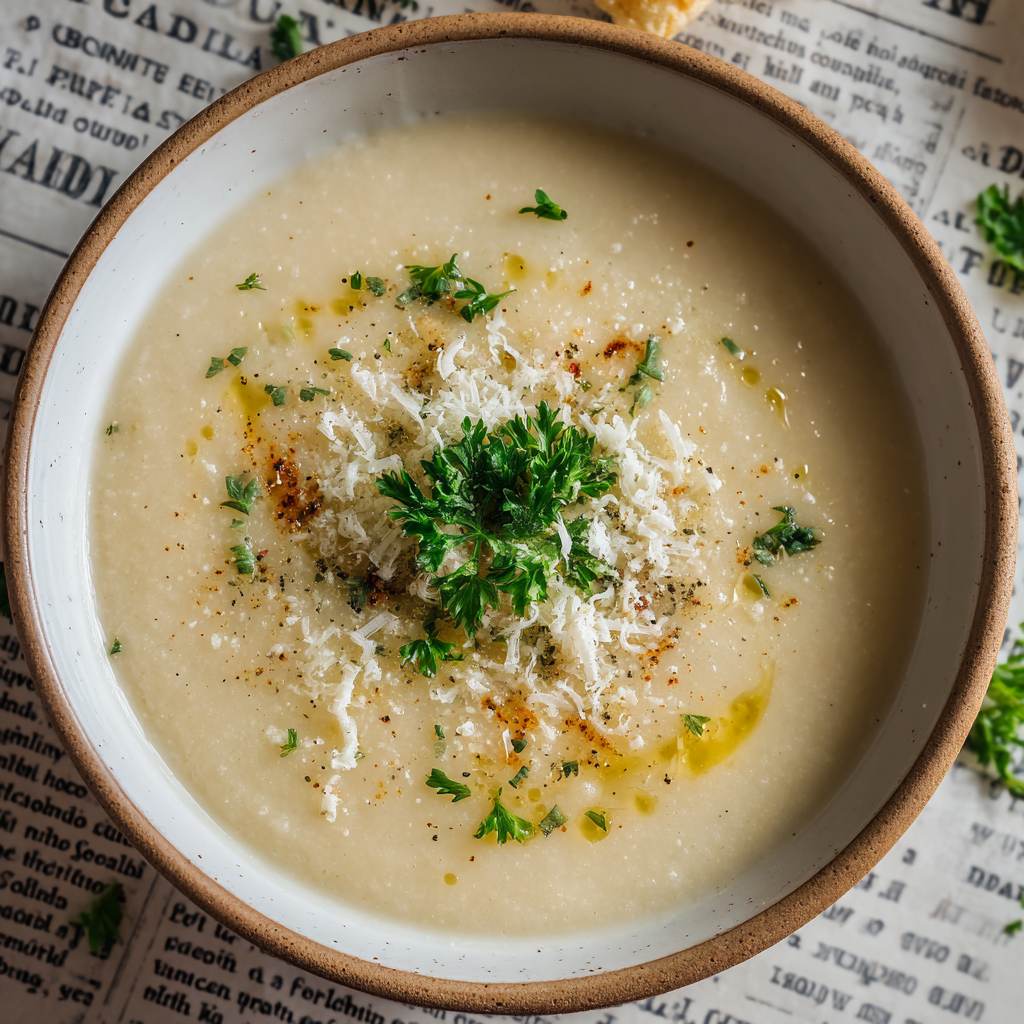
Can a simple head of cauliflower turn into a silk‑smooth vellutata in less than 30 minutes and still taste unmistakably Italian?
We’re making a light, spoon‑coating cauliflower soup that keeps the vegetable flavor front and center. Start with a small soffritto, simmer until tender, and blend until glossy. The finish can be a splash of cream or an egg‑yolk liaison, but the texture—not the cream—defines the result.
This plan fits weeknights: most active work happens up front, and the whole recipe should come together in about 30 minutes once vegetables are prepped. You’ll choose onion or leek, broth or water, and whether to add cream; each choice changes mood but not the method.
Success looks like a pale, gently sweet bowl, finished with good olive oil and a clean taste. It suits anyone who wants a refined starter or a light main. If the soup runs thin, thick, or dull, later sections give fixes that keep you on track without a full restart.
Key Takeaways
- This is an Italian‑style cauliflower soup aiming for a velvety vellutata finish.
- Hands‑on time is frontloaded; expect about 30 minutes total once prepped.
- Simple steps: soffritto, simmer, blend, and a careful finish.
- Choose onion vs leek and broth vs water to control flavor and body.
- Clear troubleshooting tips follow if texture or flavor needs adjustment.
Zuppa di cavolfiore italian recipe, explained the way Italian home cooks actually make it
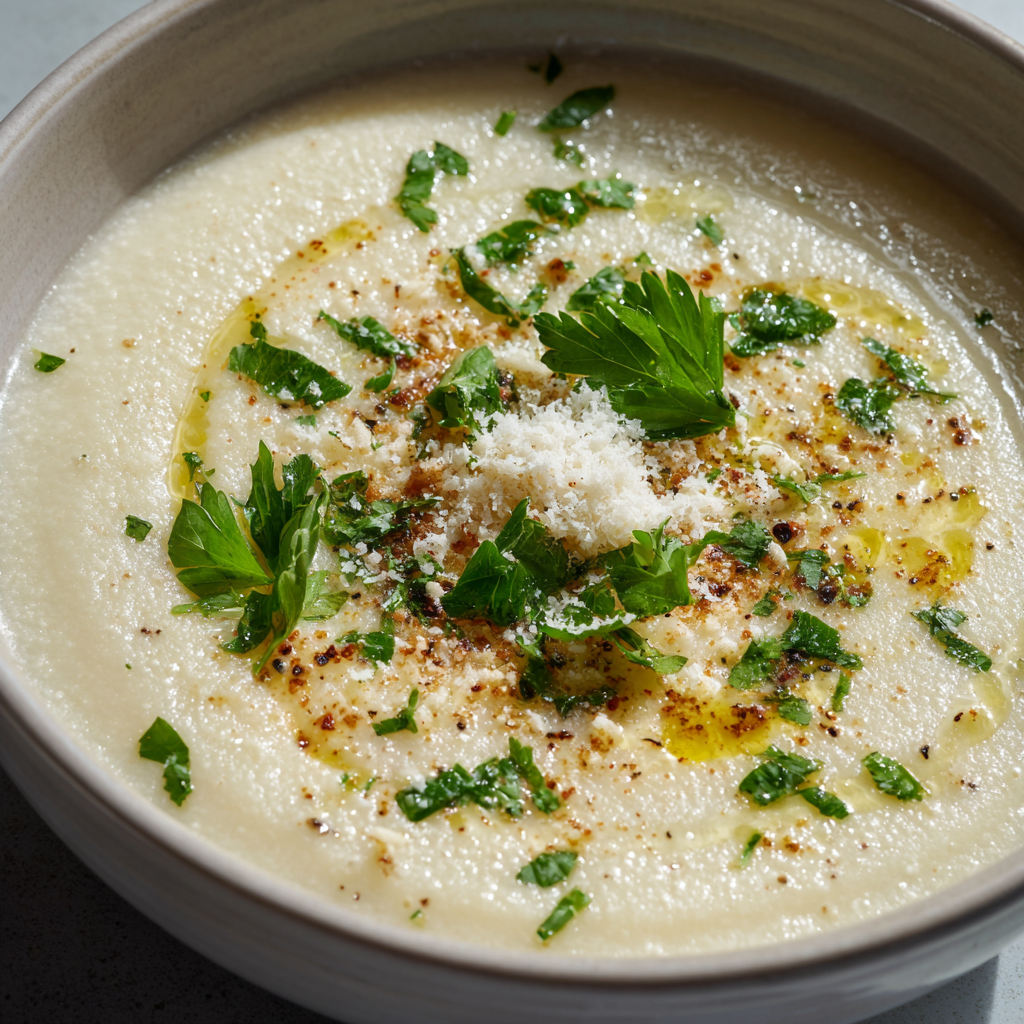
The goal for a true vellutata is simple: a fully blended, smooth velvety bowl that lets the vegetable sing. Cream can add silk, but it is not the defining step. Proper cooking and blending create the texture; cream is an optional finish for extra softness.
What makes it “vellutata” and why cream is optional
A vellutata is simply a soup puréed until no fibres remain and the body is even. If you simmer the cauliflower until very soft and blend until glossy, the result will feel rich without heavy dairy.
Soffritto basics: onion vs leek, olive oil vs butter, and avoiding browning
Start with a gentle soffritto. Onion gives round sweetness; leek gives a subtler, floral note that pairs well with cauliflower. Keep the heat low so the base turns translucent without browning—browning adds sharpness that pulls the soup away from its pale, clean style.
Use olive oil to preserve aroma and lightness. A knob of butter softens the mouthfeel but can mask delicate vegetable flavor if overused.
Broth or water: choosing the liquid that fits your pantry
Broth adds savory depth; water keeps the cauliflower pure. Add just enough liquid to cover the florets and any small potato cube you choose. Simmering for about 15 minutes after the pot reaches a gentle simmer usually gives fork‑tender pieces that blend creamy without thinning out.
The potato question: when to add one small cube
A single small potato helps body when the cauliflower is pale or lean, or when you want extra heft without cream. If your cauliflower is dense and you blend thoroughly, you can skip the potato and still achieve a satisfying texture.
Ingredients that matter for flavor, creaminess, and that classic olive oil finish
A few careful ingredient moves deliver a clear vegetable flavor and a silky mouthfeel.
Cauliflower prep that keeps the soup clean-tasting and free of gritty bits
Trim the tough stem and peel any stained outer leaves. Break the head into similar-sized pieces so all cauliflower softens evenly; this prevents grainy bits in the final blend.
Soak florets briefly, rinse well, and drain. With leeks, slice and wash between layers to remove grit; with onion, just trim and dice.
Extra virgin olive oil, salt, and pepper: how to season so the vegetable stays the star
Use olive oil for the base; it gives aroma without heaviness. Save your best virgin olive for a finishing drizzle just before serving.
Season lightly while simmering. Taste and correct salt after blending because broth and cheese concentrate as they reduce. Add a small grind of black pepper after blending for a cleaner note.
Parmesan or Pecorino Romano: which cheese works best, and how much is enough
| Cheese | Use |
|---|---|
| Parmesan | Nutty and gentle; a tablespoon or two to finish. |
| Pecorino Romano | Saltier and sharper; use sparingly, especially with guanciale. |
| Choice | Pick Parmesan for subtlety, Pecorino for punch. |
Toppings that make it feel restaurant-worthy
- Chopped chives or parsley for freshness.
- Croutons for crunch and a textural contrast.
- Fleur de sel and cracked pepper for finishing sparkle.
- A light virgin olive drizzle for aroma and shine.
Guanciale topping option and how to crisp it without burning
Slice guanciale into strips and place them in a cool pan. Bring heat up gradually and cook until golden so the fat renders slowly. Drain briefly on paper towel; scatter the crisp pieces over the bowl for a savory, salty counterpoint.
How to cook and blend cauliflower soup in under 30 minutes without losing flavor
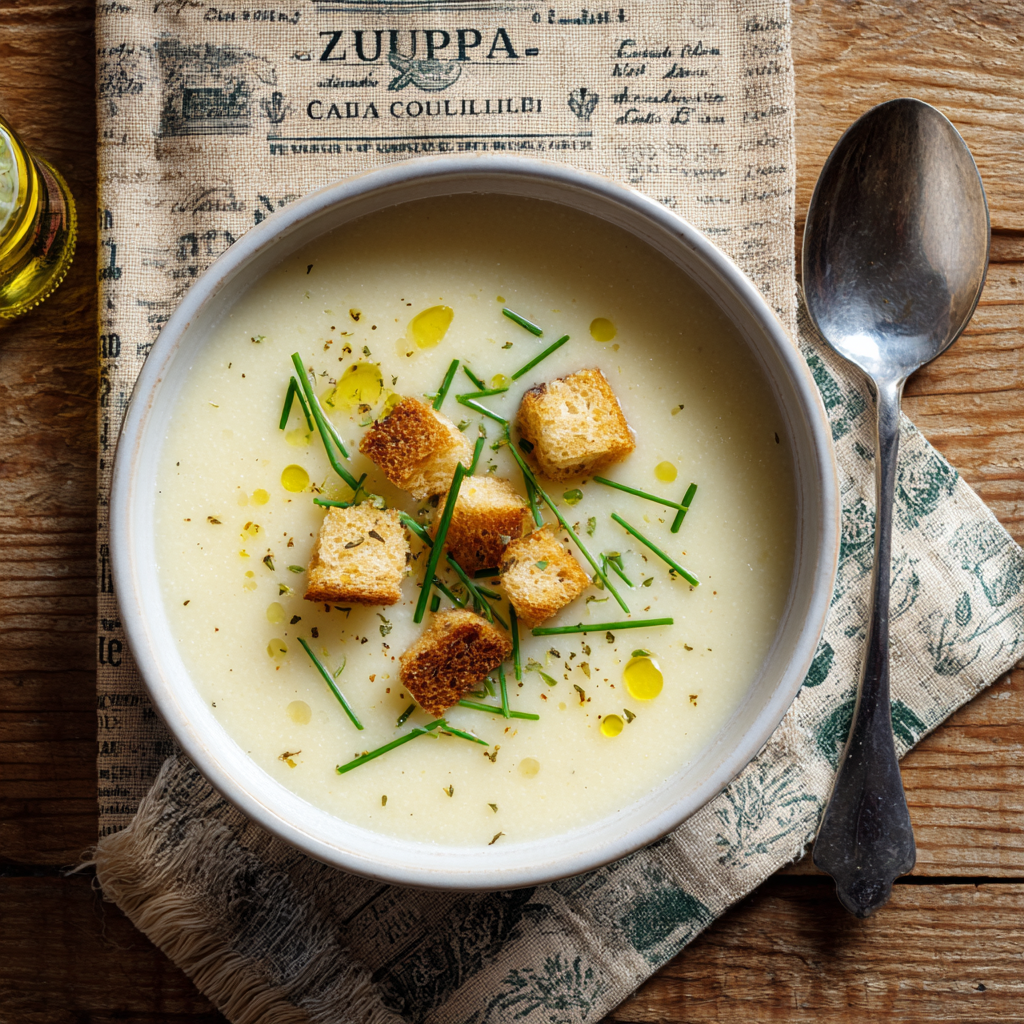
A quick, steady approach keeps cauliflower bright while you build a smooth, velvety soup in about half an hour. Start low and slow so flavors deepen without browning the base.
Gentle heat, big payoff
Warm a heavy pan over low heat. Add olive oil and a knob of butter if you like. Sweat the leek or onion until translucent and soft—this takes only minutes and preserves a pale, sweet base.
Coat the pieces and set the liquid
Toss the cauliflower florets and any small potato into the soffritto for a minute so each piece is glossy with oil. Add broth or water until the vegetables are just covered. Too much liquid is the main cause of a thin soup.
Simmer cues, not just time
Cover and simmer until the pieces crush easily with a fork. With even cuts this usually takes about 15–30 minutes depending on heat and size. That tenderness is what lets the blender make a smooth velvety texture.
Blender vs immersion blender
For the silkiest finish use a countertop blender in batches. Vent the lid and fill no more than halfway. An immersion blender is safer for hot soup and fast, though you may need a little extra blending time to reach full smoothness.
Fixing thickness and finishing
If the soup is too thin, reduce it gently, uncovered. If too thick, loosen with hot broth or water a ladle at a time. Stir in cream or temper an egg-yolk liaison for extra silk without scrambling.
Do a final salt check after any reduction. Warm only to a bare simmer, then serve with a gentle drizzle of virgin olive oil. For more soup ideas, see this easy minestrone variation.
Make it your own, then save leftovers so it still tastes great tomorrow
Make small swaps and simple storage steps so this cauliflower soup tastes fresh the next day. Roast the florets for a deeper note, or add a single garlic clove while you sweat the base and remove it before blending for a softer garlic background.
Cool the pot to room temperature, then transfer to airtight glass containers. Refrigerate for 3–4 days; freeze in portioned containers or bags and label them to use within 2–3 months for best flavor.
After chilling the texture will thicken. Reheat gently over medium-low heat, stirring so the bottom doesn’t scorch. Thin with a little hot water or broth as needed, then taste and correct salt.
I like to finish each reheated bowl with a drizzle of fresh olive oil at the table. That small touch brings the dish back to life and keeps the vegetable front and center.
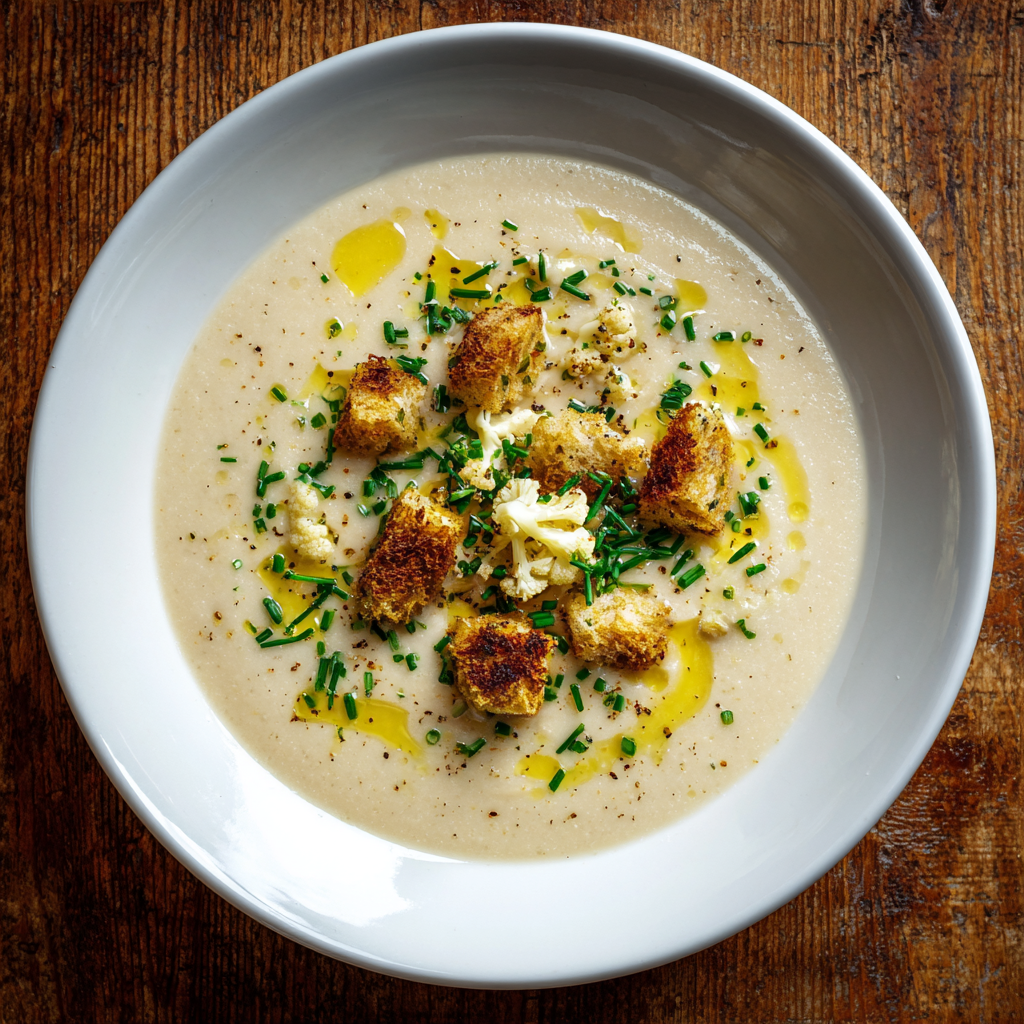
Zuppa di Cavolfiore (Italian Cauliflower Soup)
Ingredients
Method
Notes
- If you want a more intense cauliflower flavor, consider roasting the florets before simmering.
- Leftovers can be stored in the fridge for up to 3-4 days or frozen for 2-3 months.
- This soup is naturally vegetarian, but you can add some cheese or crispy guanciale for extra richness and flavor.