
Jump to Recipe
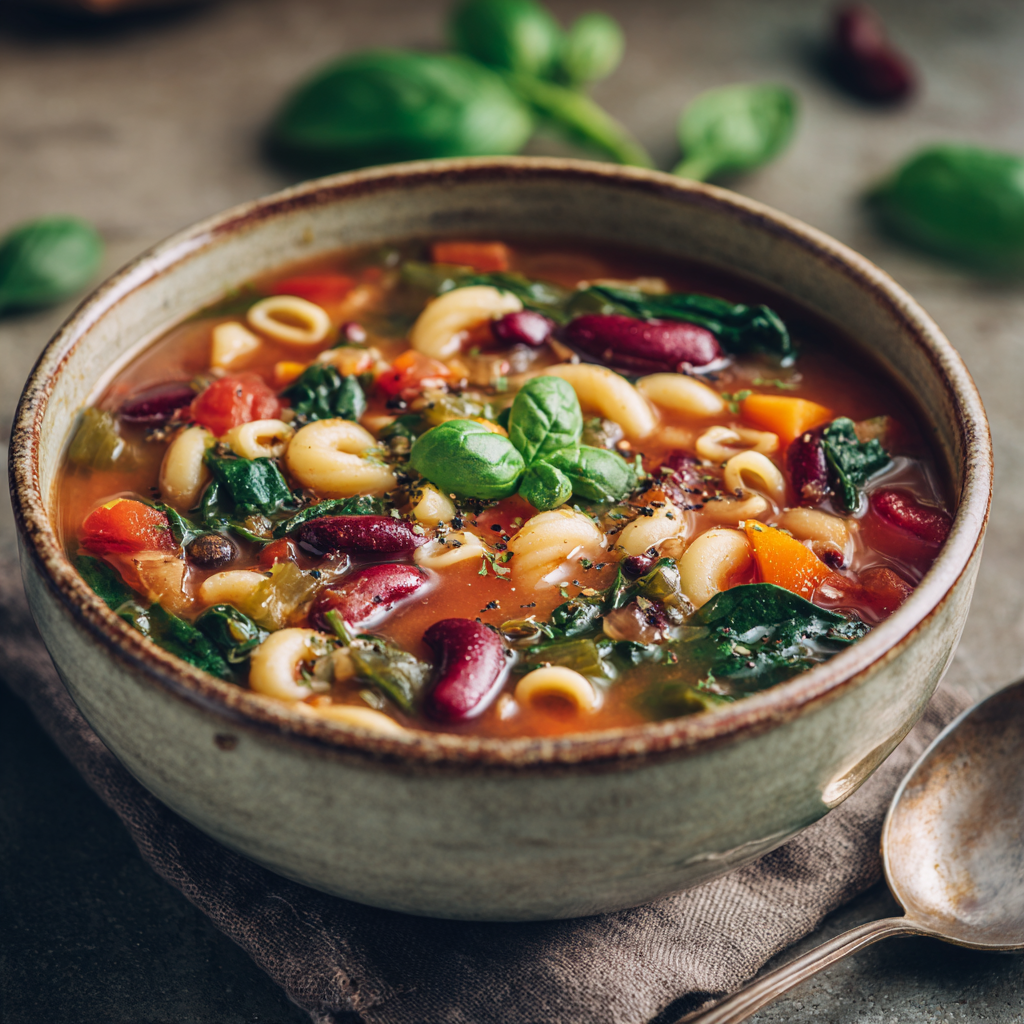
There’s a particular comfort that comes from a pot simmering on the stove, filled with garden vegetables and the gentle aroma of herbs. It’s the kind of meal that feels like a warm embrace, reminding me of kitchens where cooking is about nourishment rather than performance.
This approach to preparing food honors a tradition where simplicity and quality ingredients create something truly special. I’ve made this particular preparation countless times in my own kitchen. It captures the essence of hearty, vegetable-focused cooking without the fuss that can sometimes intimidate home cooks.
The method delivers that familiar comfort you’d find in households where meals are built around what’s fresh and available. It comes together in about 30 minutes from start to finish. This makes it practical for weeknight dinners when time matters but you still want something nourishing.
What I appreciate most is how the vegetables, beans, and pasta work together to create a complete meal. It doesn’t need much else beyond good bread for dipping. The beauty lies in its honest simplicity—no complicated techniques or hard-to-find ingredients.
I’ll walk you through everything you need to know, from selecting your produce to understanding how the flavors develop as everything simmers together. This isn’t about chasing trends or adding unnecessary embellishments. It’s about making a preparation that’s been sustaining families for generations, adapted thoughtfully for modern kitchens.
Key Takeaways
- This hearty vegetable preparation comes together in about 30 minutes total
- Uses simple, accessible ingredients you can find at any grocery store
- Creates a complete, satisfying meal with vegetables, beans, and pasta
- Adapts traditional methods for modern dietary preferences
- Makes excellent leftovers that taste even better the next day
- Can be customized based on what vegetables you have available
- Requires no special cooking skills or equipment
Gathering Fresh Ingredients for a Wholesome Meal
The foundation of any great meal begins with thoughtful ingredient selection, where each component contributes to the final harmony. I approach this step with care, considering how each element will work together.
Garden Vegetables, Beans & Broth Essentials
Start with fresh seasonal vegetables from your local market. Choose firm, colorful produce that smells earthy and sweet. Canned beans work perfectly here, rinsed well before use.
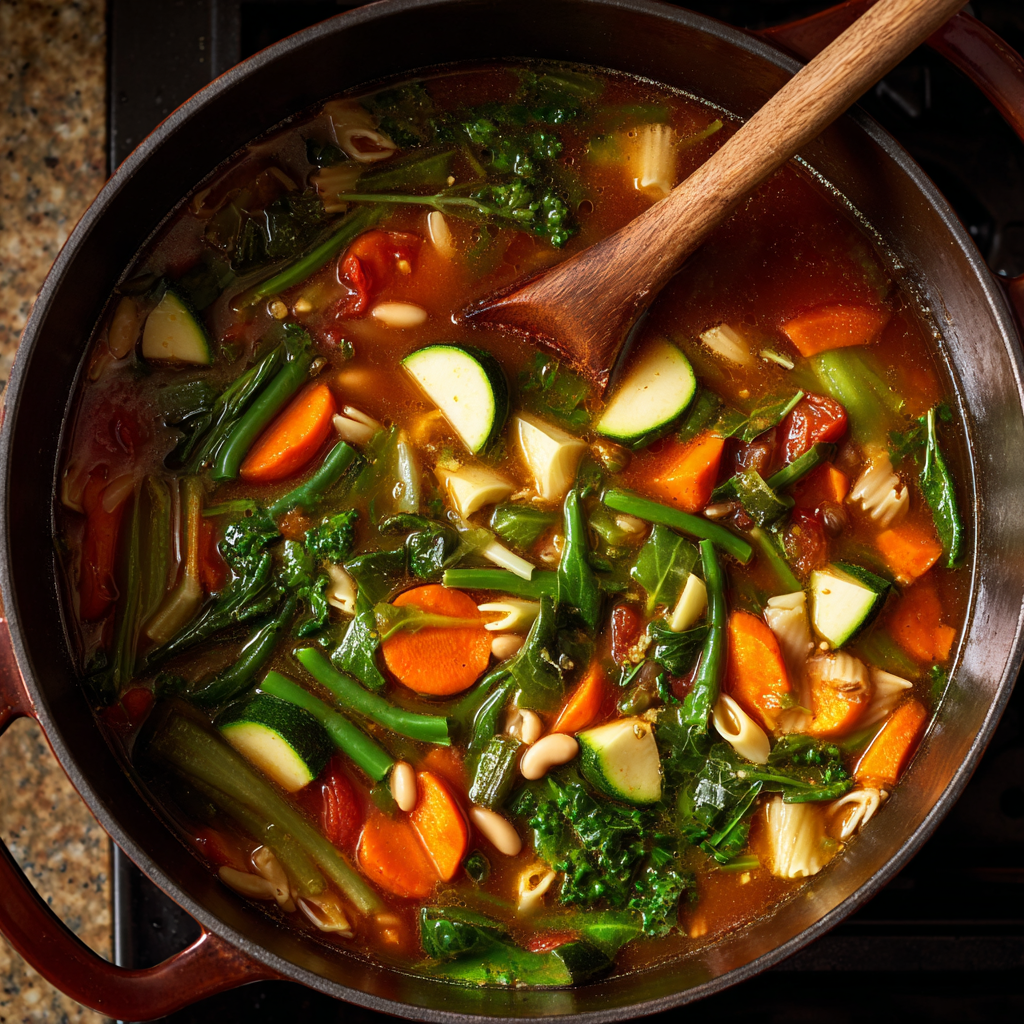
Vegetable broth forms the liquid base. Select one with clean ingredients and balanced flavor. The broth should enhance rather than overpower the vegetables.
Herbs, Spices, and Flavor Enhancers
The right combination of dried herbs creates depth in this preparation. I typically use equal parts oregano, basil, and thyme. About one teaspoon of each provides balanced flavor.
Bay leaves simmer with the other ingredients, adding subtle background notes. A small pinch of red pepper flakes brings warmth without noticeable heat.
For cooking, I prefer olive oil to sauté the vegetables. It adds rich flavor. You can substitute water if avoiding oil. Season with mineral salt and black pepper to taste.
| Herb Combination | Measurement | Flavor Profile | Best Use |
|---|---|---|---|
| Italian Seasoning Blend | 2 teaspoons | Balanced, traditional | Quick preparation |
| Individual Herbs (oregano, basil, thyme) | 1 tsp each | Customizable intensity | Control over flavors |
| Herbes de Provence | 1 tablespoon | Floral, complex | Variation option |
| Fresh basil + dried oregano | 2 tbsp fresh, 1 tsp dried | Bright, aromatic | Summer versions |
Fresh parsley or basil added at the end provides bright finishing notes. A squeeze of lemon juice just before serving can elevate all the flavors beautifully.
Setting Up Your Kitchen for a Seamless Cooking Experience
A well-organized kitchen space makes the entire cooking process feel more like a calm ritual than a rushed chore. The right setup allows you to focus on the food itself.
Good preparation begins with choosing your cooking vessel. A heavy-bottomed Dutch oven or a large pot, around 5 quarts, is ideal. It distributes heat evenly, which is crucial when sautéing vegetables.
This prevents scorching and helps everything cook uniformly. The wide surface area gives ingredients room without crowding.
Essential Equipment and Prep Tips
I recommend prepping all vegetables before you start. Dice the onion, carrots, and celery. Cut the zucchini and green beans. Mince the garlic.
This advance work takes about five minutes. It makes the actual cooking time flow smoothly. You can even do this the night before and store the prepped vegetables in the fridge.
Keep a wooden spoon handy for gentle stirring. A sharp knife and sturdy cutting board are your other key tools. Having everything ready before heating the pot is a game-changer.
The total active time is around 30 minutes. This includes prep and cooking. It assumes your ingredients are measured and ready to go.
| Pot Type | Best For | Heat Distribution | Notes |
|---|---|---|---|
| Enameled Cast Iron Dutch Oven | Excellent browning, even simmering | Superior | Heavy, retains heat beautifully |
| Stainless Steel Stockpot | General use, easy to clean | Very Good | Lighter weight, responsive to temperature changes |
| Non-Stick Pot | Easy cleanup | Fair | Not ideal for high-heat sautéing with olive oil |
vegan italian minestrone soup recipe: A Step-by-Step Guide
Building flavor in this preparation involves a simple, logical sequence. We begin by creating an aromatic foundation.
This first stage gently coaxes out the natural sweetness of the vegetables. It sets the stage for the other ingredients to shine.
Prepping and Sautéing Aromatic Base Vegetables
Heat a tablespoon of olive oil in your large pot over medium heat. Wait for the oil to shimmer slightly before adding the diced onion, carrots, and celery.
Stir the vegetables to coat them. Let them cook for five to eight minutes. You will see the onion become translucent and the edges soften.
Add the minced garlic and stir constantly for just one to two minutes. This prevents the garlic from burning and turning bitter.
For a quicker, oil-free version, you can skip this step. Simply add all ingredients except the spinach directly to the pot with water. Bring everything to a boil and continue.
Once your base is ready, add the remaining components. This includes diced tomatoes, drained beans, green beans, zucchini, vegetable broth, and water.
Stir in the dried herbs, bay leaves, red pepper flakes, and pasta. Bring the pot to a boil over medium-high heat.
Then, reduce the heat to low. Cover the pot with the lid slightly askew. Let it simmer gently for 20 to 25 minutes.
Stir occasionally. The vegetables should become tender, and the pasta will cook through. Add more broth or water if it becomes too thick.
About five minutes before serving, stir in the fresh spinach. It will wilt perfectly into the hot liquid.
Finally, taste your creation. Season with salt and pepper to your liking. This final adjustment is key for a balanced flavor.
| Method | Key Step | Time Added | Flavor Result |
|---|---|---|---|
| Traditional Sauté | Cook onion, carrots, celery in oil first | +8 minutes | Deeper, caramelized base notes |
| One-Pot Simmer | Combine all ingredients at once | No added time | Lighter, fresher vegetable taste |
Both methods yield a delicious result. The choice depends on your available time and preference. For more inspiration on classic preparations, explore this detailed guide to traditional minestrone.
Elevating the Flavor with Custom Touches
The true artistry of this preparation reveals itself when you begin to make it your own. The base is intentionally mild, allowing the natural sweetness of the vegetables to lead.
This thoughtful foundation gives you room to build. You can adjust the final flavor to match your mood or what’s fresh at the market.
Seasonal Vegetable Variations
Let the time of year guide your choices. In summer, sweet corn and fresh green beans shine. Hearty squash and kale work beautifully in the fall.
This approach keeps the dish exciting all year round. It connects your cooking directly to the season’s best offerings.
Herb and Spice Adjustments for Personalization
Herbs are your primary tool for customization. The core blend of oregano, basil, and thyme provides a balanced, traditional profile.
Feel free to emphasize one you love. An extra half-teaspoon of dried oregano deepens its earthy notes. Fresh basil, torn in at the end, adds a bright, aromatic lift that dried basil cannot match.
Thyme offers a subtle, earthy background. For a gentle heat, red pepper flakes are perfect. Start with a small pinch; you can always add more at the table.
| Herb Form | Best Use Timing | Flavor Impact | Substitution Ratio (Fresh to Dried) |
|---|---|---|---|
| Fresh Herbs (e.g., basil, parsley) | Stirred in just before serving | Bright, aromatic, vibrant | 1 tablespoon fresh = 1 teaspoon dried |
| Dried Herbs (e.g., oregano, thyme) | Added during simmering | Deeper, more concentrated, earthy | 1 teaspoon dried = 1 tablespoon fresh |
Layering is the key to a complex flavor. Add most dried herbs early to infuse the broth. Finish with something fresh to wake up all the notes right before you serve.
Simmering to Perfection: Techniques and Timely Tips
The gentle sizzle of vegetables meeting a warm pot is where the magic truly begins. This stage is about more than just softening ingredients. It builds a foundation of flavor that carries through the entire cooking time.
Mastering Sautéing and Slow Simmering
When you heat olive oil over medium heat, listen for a soft sizzle. Aggressive popping means the heat is too high. The goal is light browning, not burning.
Stir the onions, carrots, and celery occasionally. This allows them to develop a bit of caramelization. That caramelization adds a wonderful depth to your finished minestrone soup.
After adding all ingredients, bring the pot to a boil. Then, immediately reduce the heat to low. A gentle simmer is your friend here.
A rolling boil will break the vegetables down too quickly. It can make the broth cloudy. I place the lid askew on the pot.
This lets just enough steam escape. It maintains a steady, gentle heat for the next 20 to 25 minutes.
- Monitor the Liquid: Pasta absorbs a lot of water or broth as it cooks. Check every few minutes. Add a bit more liquid if the minestrone looks too thick.
- Pasta for Leftovers: For best results with leftovers, cook the pasta separately. Add it to each bowl when serving. This keeps it from becoming mushy and soaking up all the broth.
- The Finish Line: The soup is ready when the vegetables are tender. The pasta should be cooked through. This usually takes about 25 minutes from the boil.
Patience in these final minutes allows the flavors to marry beautifully. You will be rewarded with a deeply satisfying vegan minestrone soup.
| Cooking Method | Key Difference | Best For |
|---|---|---|
| Sauté-First | Develops deeper, caramelized base flavors | When you have a few extra minutes for layered taste |
| All-In-One Pot | Faster, results in a lighter, fresher-tasting dish | Quick weeknight meals without sacrificing nourishment |
Storing, Reheating, and Serving for Maximum Enjoyment
The final stage of any good meal involves how you serve and preserve it. Proper handling ensures each bowl tastes as intended, whether enjoyed immediately or saved for later.
Safe Storage and Reheating Methods
Cool your preparation completely before transferring to airtight containers. It keeps well in the refrigerator for up to four days.
For longer storage, freeze portions for up to three months. Reheat gently on the stovetop over medium-low heat, stirring occasionally.
Add a splash of water or broth if the consistency becomes too thick during reheating. This restores the original texture perfectly.
Creative Serving Suggestions with Sides
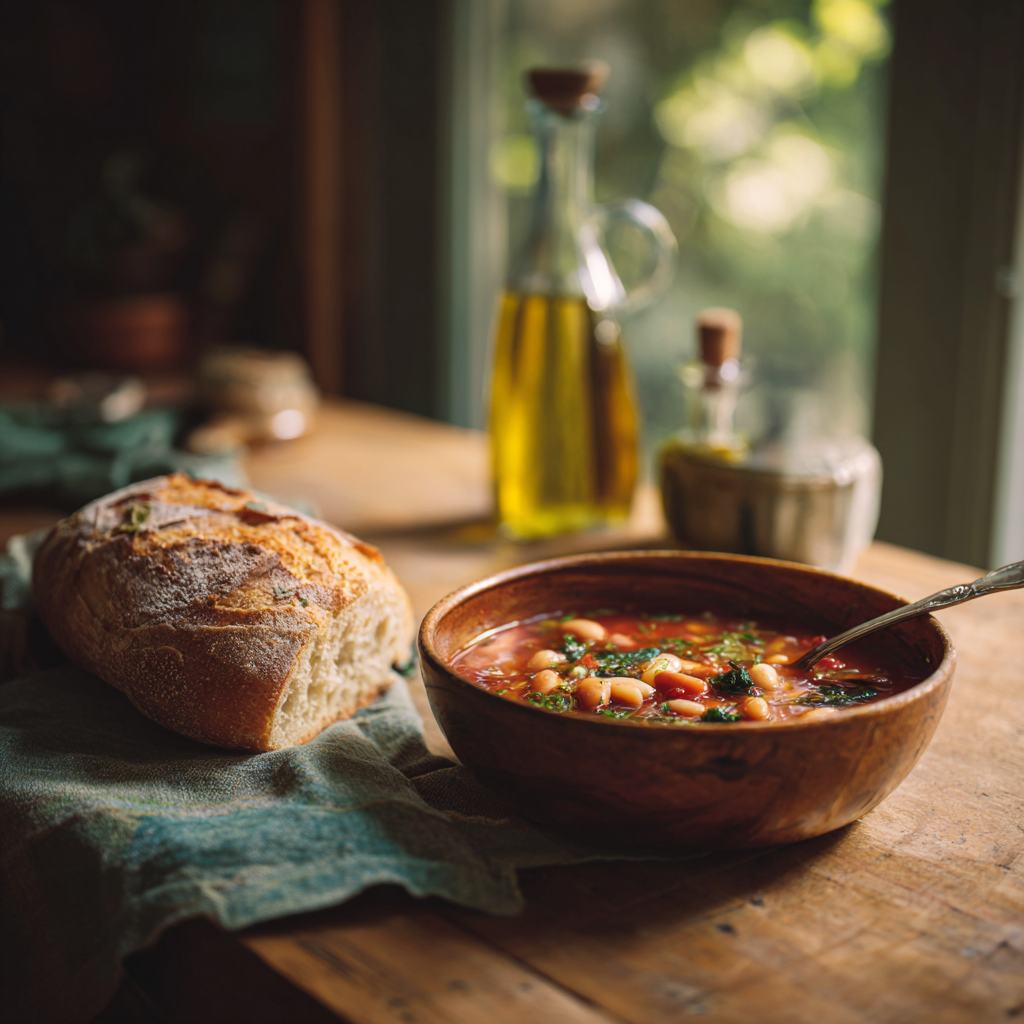
I always include good crusty bread for soaking up the flavorful broth. Artisan-style loaves with crisp crusts work beautifully.
For softer options, homemade naan or focaccia makes excellent dipping companions. A simple green salad dressed with lemon provides refreshing contrast.
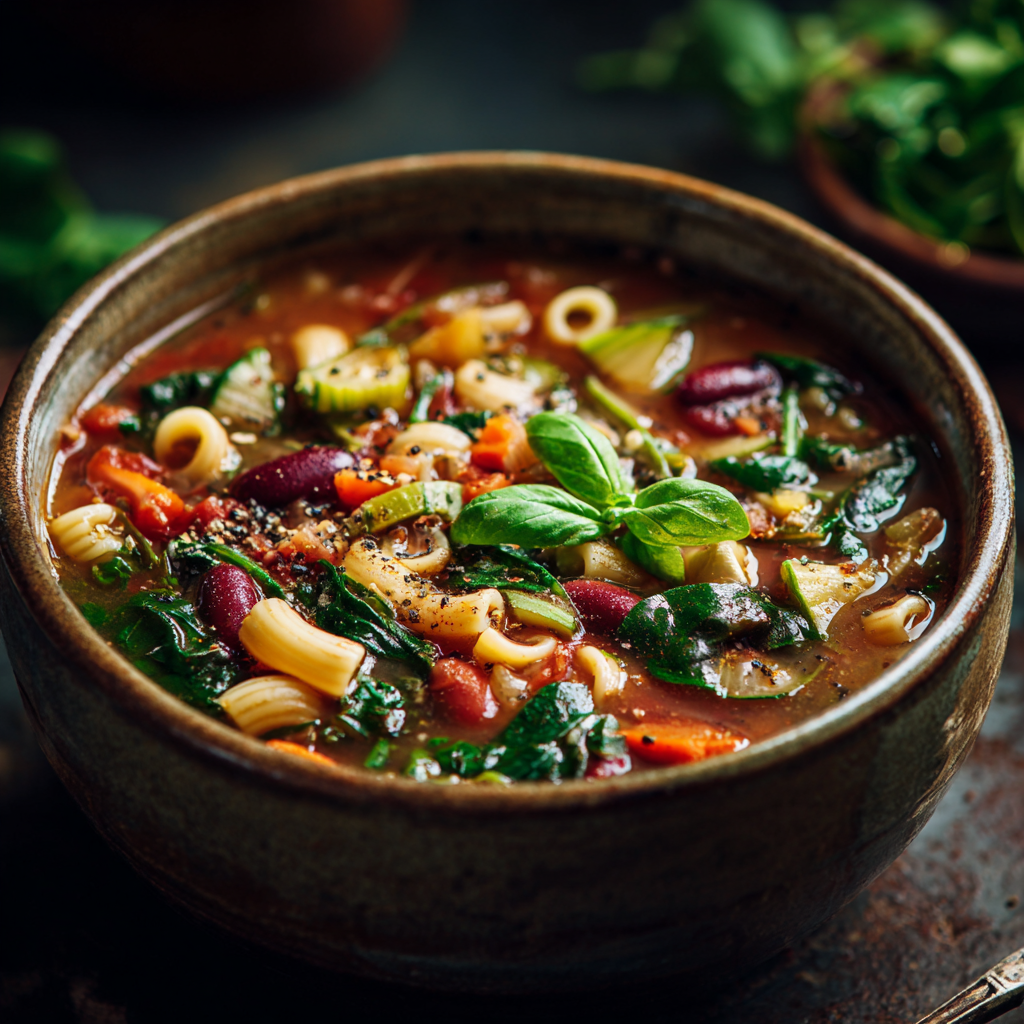
Finish each bowl with torn basil leaves and fresh cracked pepper. A squeeze of lemon juice brightens all the flavors wonderfully.
These small touches elevate the experience while keeping the focus on the wholesome ingredients. They complement without overwhelming.
Savoring Every Spoonful: Relish Your Hearty Vegan Creation
What I hope you take away from this preparation is the confidence that great food doesn’t require complexity, just care and good ingredients. This minestrone soup recipe represents everything I value about home cooking—it’s straightforward, adaptable, and built on quality components rather than complicated techniques.
The combination of vegetables, beans, and small pasta creates a complete meal that needs nothing more than good bread. You can prepare it in one large pot in about 30 minutes, making it realistic for busy weeknights.
It uses everyday items like onion, carrots, celery, and diced tomatoes. The flavor comes from the vegetables themselves, enhanced by herbs like oregano and thyme. A bit of red pepper flakes adds warmth.
This soup is naturally low in fat and can be made oil-free. The large pot yields generous servings, and leftovers improve as flavors develop. It’s the kind of meal that feeds people well and proves simple ingredients create the most memorable experiences.
Hearty Vegan Italian Minestrone Soup
Ingredients
Method
- Dice the onion, carrots, and celery. Cut the zucchini and green beans. Mince the garlic. Having everything ready makes cooking smooth and stress-free.
- Heat olive oil in a large pot or Dutch oven over medium heat.
- Add onion, carrots, and celery. Cook for 5–8 minutes, stirring occasionally, until softened and lightly fragrant.
- Stir in the minced garlic and cook for 1–2 minutes, stirring constantly so it doesn’t burn.
- Add diced tomatoes, beans, green beans, zucchini, vegetable broth, water, dried herbs, bay leaves, red pepper flakes, and pasta. Stir well.
- Bring to a gentle boil, then reduce heat to low. Cover with the lid slightly ajar and simmer for 20–25 minutes, stirring occasionally.
- About 5 minutes before the soup is done, stir in the spinach. It will wilt quickly into the hot broth.
- Taste and season with salt and black pepper. Add more broth or water if the soup is too thick.
- Remove bay leaves. Finish with fresh herbs and a squeeze of lemon juice if desired. Serve hot with crusty bread.
Notes
- For better leftovers, cook the pasta separately and add it to each bowl when serving.
- This soup thickens as it sits because the pasta absorbs liquid. Add broth when reheating.
- You can easily swap vegetables based on the season or what you have on hand.
- Freezes best without pasta; add fresh pasta when reheating.