
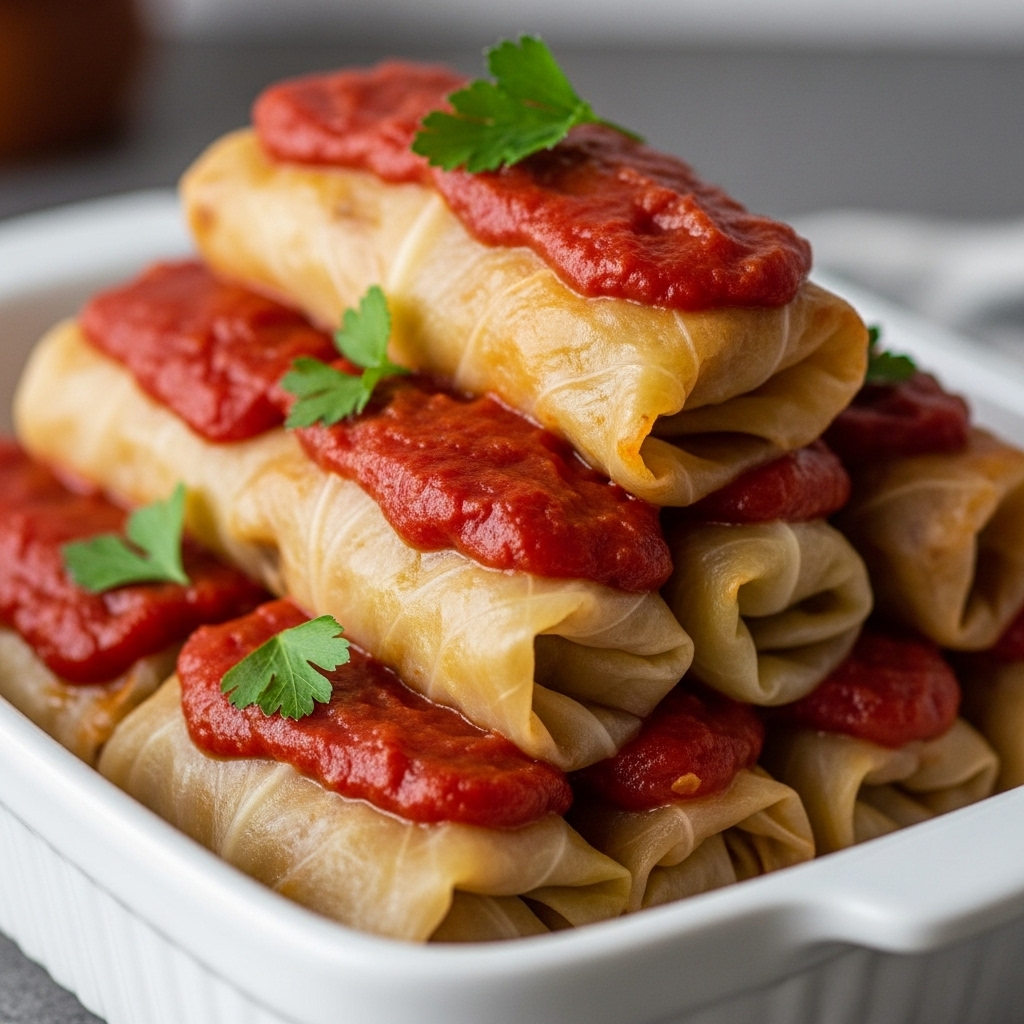
Jump to Recipe
There’s a quiet comfort in the rhythm of preparing a meal that has been passed down through generations. The scent of sautéed onions and garlic filling the kitchen, the careful handling of tender leaves, the slow simmering of a rich tomato sauce—it’s a process that feels both grounding and deeply satisfying.
I developed this plant-based version after many readers asked for a traditional dish made without animal products. It bridges Italian flavors with a classic Eastern European technique, creating something that feels both familiar and new. The goal was to capture the heart of the original—a savory, comforting parcel—using mushrooms, rice, and aromatic vegetables to build a deeply flavorful filling.
While the process might seem involved at first, it becomes straightforward once you understand the basic steps. It’s a rewarding project for a weeknight dinner or weekend meal prep, as the flavors meld beautifully over time. Like a good mushroom risotto, the key is patience and good ingredients, not complexity.
Key Takeaways
- This dish adapts a traditional European preparation using entirely plant-based ingredients.
- The savory filling relies on mushrooms and rice for a hearty, satisfying texture.
- Properly preparing the leaves is crucial for easy rolling and a tender final result.
- Seasoning the filling well is the key to building deep, complex flavor.
- The recipe uses common pantry staples, requiring no specialty items.
- These rolls hold up well, making them excellent for make-ahead meals.
- The technique is simple to master and becomes a meditative cooking process.
Gathering Fresh Ingredients and Essential Tools
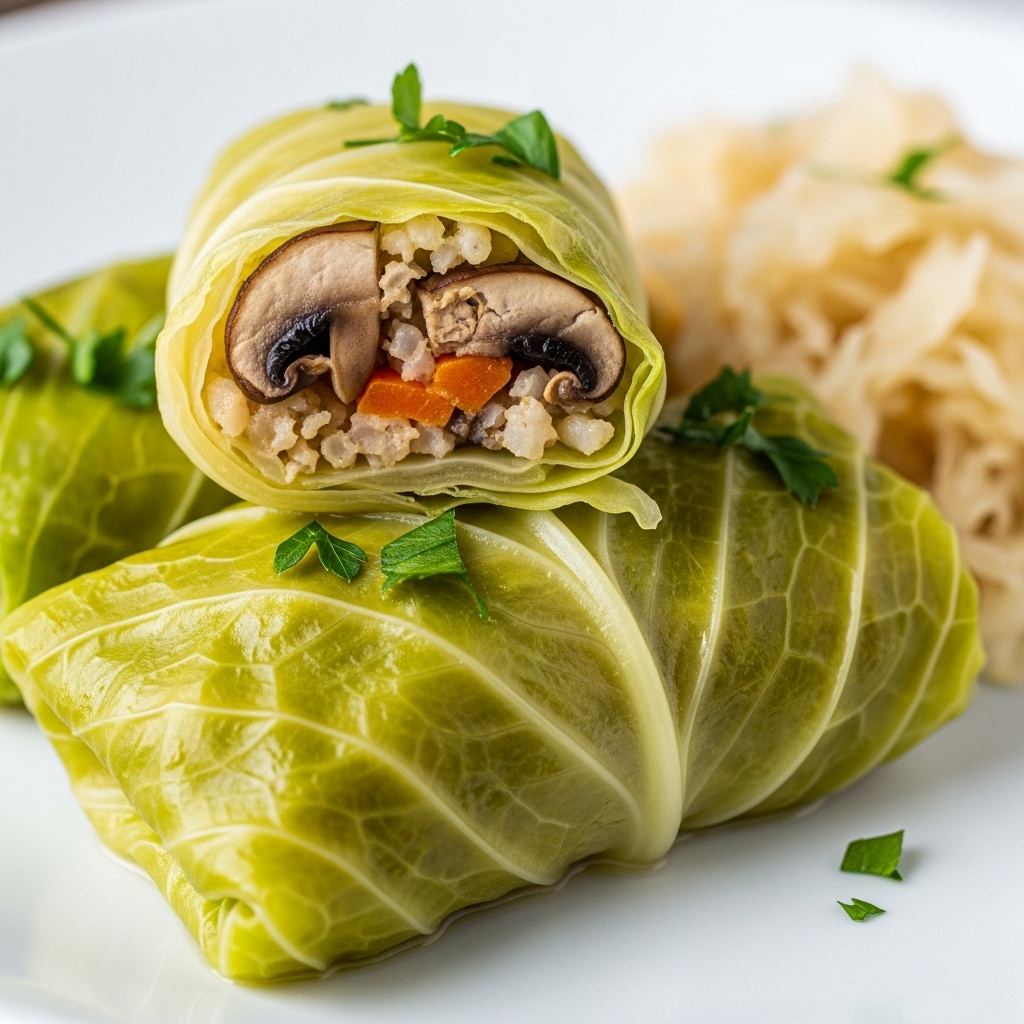
A well-organized workspace with the proper implements transforms what could be a challenging task into a manageable one. Having everything prepared before you begin ensures a smooth cooking experience.
Selecting the Right Cabbage and Vegetables
Choose a firm, heavy head with vibrant outer leaves. The vegetable should feel solid when you gently squeeze it. Avoid any with wilted or discolored sections.
Look for large, flexible leaves that will wrap easily around the filling. The core should be intact and not overly woody. Fresh vegetables make all the difference in flavor.
| Cabbage Variety | Leaf Texture | Best Use | Preparation Notes |
|---|---|---|---|
| Green Cabbage | Firm, crisp | Traditional preparation | Blanch 2-3 minutes until pliable |
| Savoy Cabbage | Softer, crinkled | Easier rolling | Blanch 1-2 minutes only |
| Napa Cabbage | Delicate, sweet | Lighter dishes | Handle gently when blanching |
Essential Kitchen Tools for a Smooth Process
The right equipment makes each step more efficient. I recommend gathering these items before starting.
Use a large stock pot for blanching the entire head. A 9×13 inch baking dish accommodates the parcels snugly. Keep a sharp paring knife handy for trimming.
Kitchen tongs safely remove hot leaves from boiling water. Prepare a bowl of cold water to shock the blanched leaves. This stops the cooking process immediately.
A spacious skillet allows the filling ingredients to brown properly. Tight-fitting aluminum foil traps steam during baking. These tools create the ideal cooking environment.
Crafting a Flavor-Packed Filling
Building a flavorful foundation starts with properly sautéed aromatics that form the base of our filling. This step develops the deep, savory notes that make each bite satisfying.
Sautéing Onions, Garlic, and Mushrooms
Begin by heating olive oil in a spacious skillet over medium heat. Add diced onions and cook until translucent, about five minutes.
Stir in minced garlic and sliced mushrooms. Cook until the mushrooms release their moisture and begin to brown. This creates the umami-rich base.
| Rice Type | Cooking Time | Texture Result | Flavor Profile |
|---|---|---|---|
| Brown Rice | 40-45 minutes | Firm, chewy | Nutty, earthy |
| White Basmati | 15-20 minutes | Light, fluffy | Mild, aromatic |
| Arborio Rice | 18-22 minutes | Creamy, tender | Rich, starchy |
Incorporating Rice and Seasonings
Once the vegetable mixture cools slightly, add one cup of cooked rice. I prefer brown rice for its hearty texture.
Stir in tomato paste, fresh parsley, and seasonings. Add salt and pepper to taste. The mixture should hold together well.
Panko breadcrumbs help absorb moisture. A flax egg binds everything without altering the flavor. Mix thoroughly for even distribution.
Preparing Cabbage Leaves for a Flawless Roll
The transformation of a crisp head into pliable wrappers is a simple but crucial step. Proper preparation ensures each parcel holds together beautifully during assembly and baking.
Blanching to Softness Without Overcooking
Start by removing the tough core. Use a sharp knife to cut a cone-shaped piece from the base. This allows the leaves to separate more easily later.
Bring a large pot of salted water to a vigorous boil. Carefully lower the entire head into the pot. Cover it and reduce the heat to a steady simmer.
After about three minutes, check the outer leaves. They should be flexible and peel away easily with tongs. If they resist, let them boil for another minute or two.
Transfer each softened leaf immediately to a bowl of cold water. This shock treatment stops the cooking process. It preserves the perfect texture—soft but not mushy.
Continue until you have twelve to eighteen large, usable leaves. Lay each one flat on a cutting board once they are cool. Then, trim the thick white rib at the bottom.
I find cutting a small V-shaped notch works best. This step makes rolling much simpler. It also leads to a more tender final result in every bite.
Creating vegan italian stuffed cabbage rolls
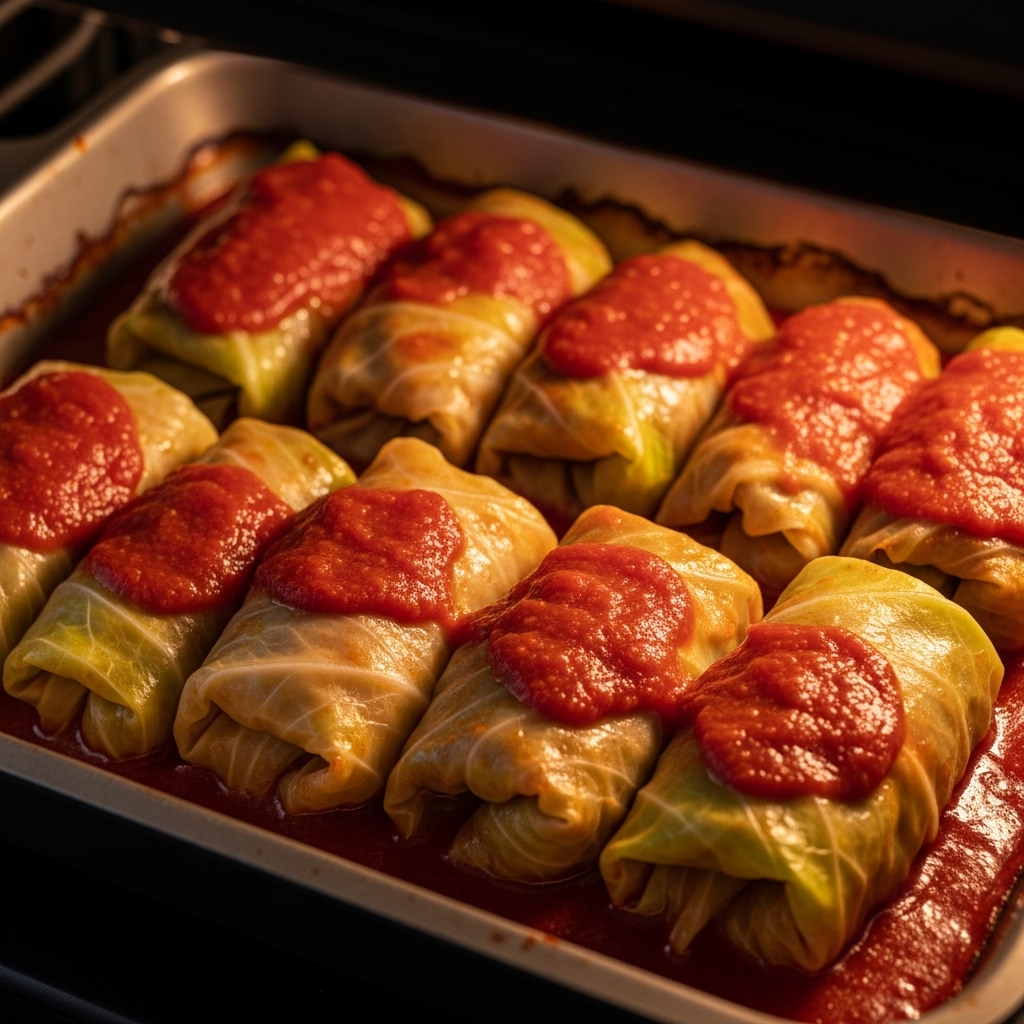
With all elements prepared, we can now focus on the satisfying process of creating each roll. This stage brings together the softened leaves and flavorful filling into neat parcels.
Layering Filling and Sauce for Maximum Flavor
Proper layering ensures every bite contains balanced flavors. I start by spreading a thin layer of tomato sauce across the baking dish bottom.
This creates a moist cooking environment. The sauce also prevents the parcels from sticking during baking.
| Sauce Placement | Flavor Impact | Texture Result | Best For |
|---|---|---|---|
| Under rolls only | Concentrated base flavor | Crisp top, moist bottom | Quick baking |
| Over rolls only | Penetrating tomato notes | Soft throughout | Long simmering |
| Both under and over | Complete flavor integration | Evenly tender | Traditional preparation |
Rolling Techniques for a Secure Wrap
Place one trimmed cabbage leaf on your board with the curved side facing up. Position the stem end closest to you for easy handling.
Add two to four tablespoons of filling near the bottom edge. Shape it into a compact log using your fingers.
Fold the bottom edge up over the filling, tucking it snugly. Then bring both sides toward the center.
Roll away from yourself with gentle pressure. Place each finished parcel seam-side down in the dish.
Position them close together for support during cooking. This technique creates secure wraps that hold their shape perfectly.
Baking and Finishing Touches
Baking transforms our assembled parcels into tender, cohesive rolls. This final stage melds the flavors together while softening the leaves to perfection.
Baking Guidelines for Tender Cabbage Rolls
Cover the baking dish tightly with foil before placing it in a preheated 375°F oven. Bake for 45-50 minutes until the sauce bubbles gently.
The rolls need about ten minutes of resting time after baking. This allows them to set properly for easier serving.
Garnishing with Fresh Herbs and Accompaniments
A sprinkle of fresh parsley adds bright color and flavor contrast to the rich tomato sauce. Consider offering cool, tangy accompaniments on the side.
Fresh sauerkraut provides a traditional pairing with its fermented crunch. The dish holds heat well when served directly from the baking dish.
These parcels develop even deeper flavor when made ahead. Reheat them gently for an excellent next-day meal.
Sharing Your Culinary Success
The true value of a great recipe reveals itself in the days that follow, when leftovers become easy, delicious meals. These parcels store beautifully in the refrigerator for up to four days. They are perfect for meal prep.
I portion them into individual containers with extra tomato sauce spooned over the top. This keeps the leaves from drying out. For longer storage, they freeze exceptionally well for up to two months.
Let them cool completely in the fridge overnight before freezing. When ready to eat, defrost overnight and reheat gently in the oven or microwave. Add a splash of water if the sauce thickens.
This dish is wonderfully flexible. You can experiment with different types of rice or plant proteins. The basic method creates satisfying food every time.
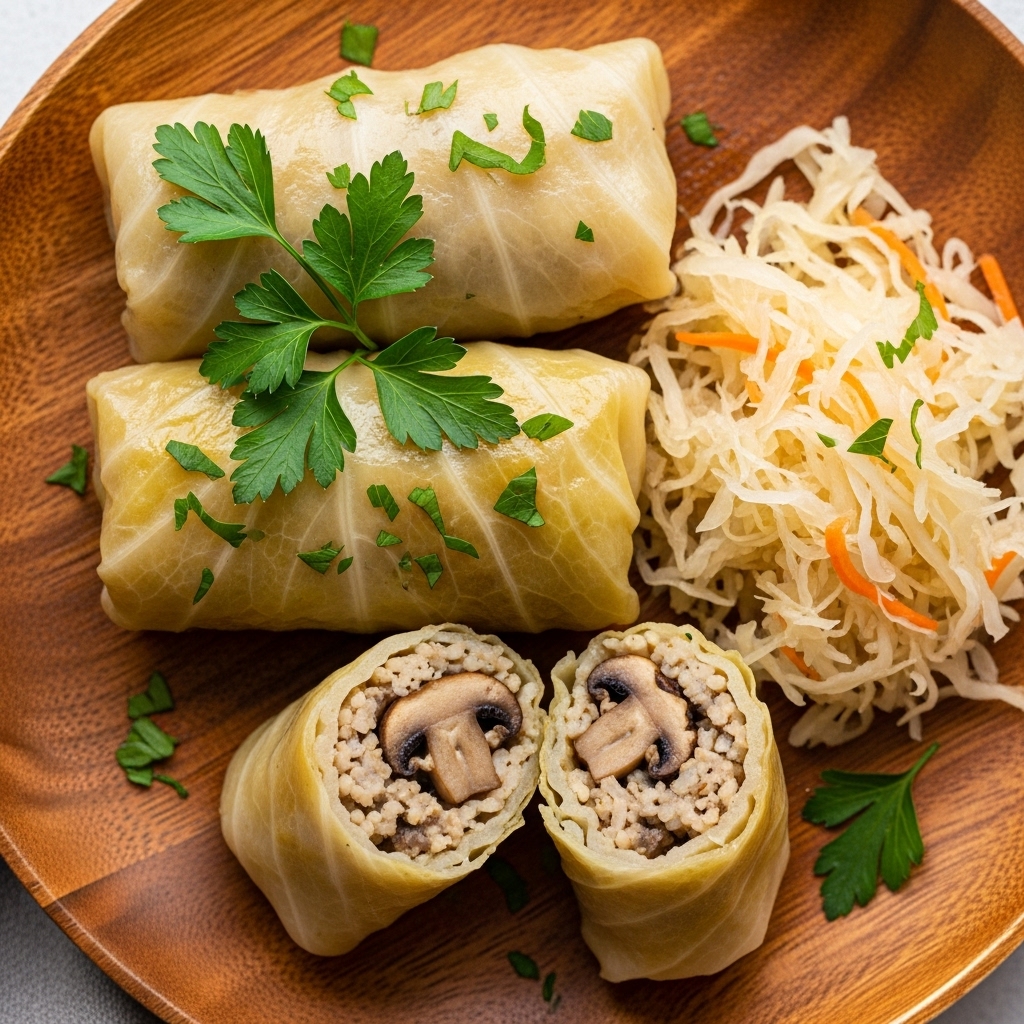
Vegan Italian Stuffed Cabbage Rolls
Ingredients
Method
- Remove the tough core from the cabbage. Bring a large pot of salted water to boil.
- Lower the whole cabbage into the pot, cover, and simmer for 3-5 minutes until the outer leaves are soft and easy to peel away.
- Transfer the softened leaves to cold water to stop cooking. Once cool, trim the thick white rib at the bottom of each leaf.
- Heat olive oil in a large skillet over medium heat. Add diced onions and cook for 5 minutes until translucent.
- Stir in garlic and sliced mushrooms. Cook until mushrooms release moisture and start browning.
- Add cooked rice, tomato paste, parsley, salt, and pepper. Stir in panko breadcrumbs and flax egg, mixing everything well.
- Lay each cabbage leaf flat on a cutting board with the stem end facing you.
- Add 2-4 tablespoons of filling near the base of the leaf, shaping it into a compact log.
- Fold the bottom edge of the leaf over the filling, then bring both sides toward the center. Roll tightly away from you to form a secure parcel.
- Preheat the oven to 375°F (190°C). Spread a thin layer of tomato sauce on the bottom of a baking dish.
- Place the rolls seam-side down in the dish, ensuring they’re snug but not overcrowded.
- Pour remaining tomato sauce over the rolls and cover the dish with aluminum foil.
- Bake for 45-50 minutes until the sauce is bubbling and the rolls are tender.
- Let the rolls rest for 10 minutes before serving. Garnish with fresh parsley.
- Serve with a side of fresh sauerkraut or a green salad.
Notes
- Make-Ahead: These rolls can be assembled in advance and refrigerated overnight before baking. Add a few extra minutes to the baking time if starting from cold.
- Freezing: Leftovers freeze well for up to 2 months. Defrost and reheat gently.
- Rice Options: You can substitute brown rice with other rice types like basmati or arborio, depending on your preference.