
Jump to Recipe
There’s a particular comfort in a dish that feels both rustic and refined. It’s the kind of food that fills your kitchen with the warm, earthy scent of sun-drenched tomatoes and garlic. This isn’t about complicated techniques, but about honoring a few good ingredients.
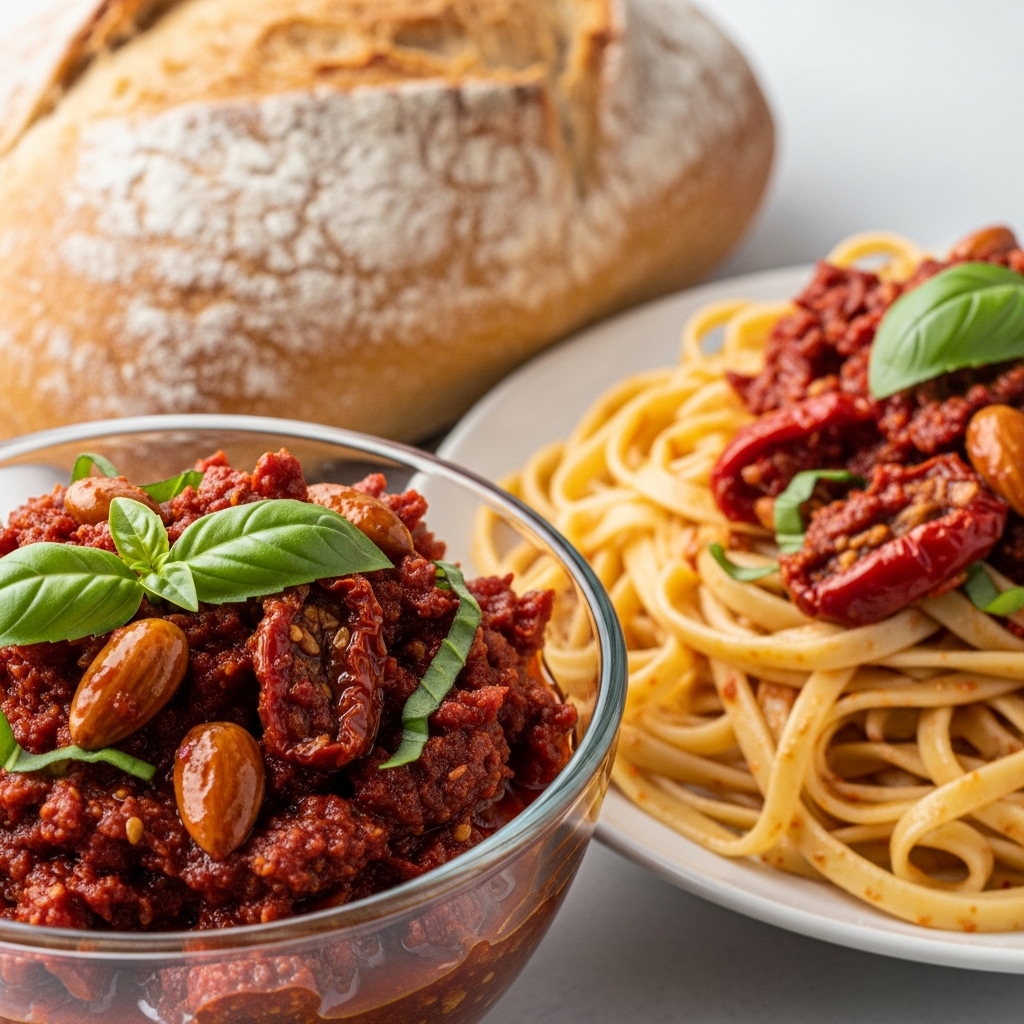
My inspiration comes directly from Sicily. There, they understand how simplicity creates the most powerful flavors. This preparation draws from traditions like Pesto alla Trapanese, where tomatoes, almonds, and garlic are transformed into a vibrant sauce.
Our version uses just four core components. We focus on quality sun-dried tomatoes, rich almonds, fresh garlic, and a good oil. The result is a bold, deeply savory sauce that feels like a special treat. It proves that you don’t need a long list of items to make something truly memorable.
This guide will walk you through selecting the best ingredients and the simple method to bring them together. You’ll learn how to achieve the perfect texture and how to serve this versatile creation, whether for a quiet weeknight or for sharing with friends.
Key Takeaways
- This sauce is rooted in Sicilian culinary traditions, offering an authentic taste.
- It requires only four main ingredients, emphasizing simplicity and quality.
- The method is straightforward, making it accessible for any home cook.
- It delivers a rich, gourmet flavor without requiring complex techniques.
- The final dish is versatile, perfect for both everyday meals and occasions.
Embracing Italian Flavors with Vegan Pesto Rosso
Beyond the bright green basil version lies another Italian treasure built on sun-dried tomatoes and roasted peppers. This variation represents a different approach within the pesto family.
Exploring the Role of Roasted Red Peppers and Basil
Roasted red peppers bring a natural sweetness that balances the intense tomato flavor. They create depth without overwhelming the sauce.
Fresh basil plays a supporting role here rather than being the star. It adds aromatic freshness that complements the primary ingredients.
| Characteristic | Red Pesto | Green Pesto |
|---|---|---|
| Primary Ingredient | Sun-dried tomatoes | Fresh basil |
| Flavor Profile | Bright, umami-rich | Earthy, herbal |
| Texture | Slightly chunkier | Smoother consistency |
| Traditional Region | Sicily, Trapani | Liguria, Genoa |
The Essence of Traditional Italian Taste
Authentic Italian cooking values ingredient quality above complexity. This approach honors regional traditions while allowing for thoughtful adaptations.
The true character comes from respecting each component’s natural qualities. Proper technique ensures these flavors shine through beautifully.
Gathering the Essentials: Key Ingredients for a Flavorful Dish
With only a handful of ingredients, each element in this preparation carries significant weight. The four core components work together to create a balanced, rich flavor profile. Understanding their individual roles helps you make informed choices.
Choosing Certified Italian Products
Sun-dried tomatoes form the foundation of this sauce. Dry-packed varieties offer intense concentration but require soaking. Oil-packed tomatoes provide convenience when drained properly.
Sicilian tomatoes bring exceptional sweetness when available. Their quality comes from ideal growing conditions. Yet excellent alternatives exist from other regions.
Your olive oil choice directly impacts the final taste. Cold-pressed extra virgin oil delivers fruity notes that enhance other ingredients. This isn’t the place for neutral-flavored alternatives.
Almonds serve as a traditional, cost-effective alternative to pine nuts. Toasting them briefly deepens their nutty character. Walnuts or cashews make suitable substitutes based on availability.
Fresh garlic should be used judiciously. Start with one small clove and adjust to taste. Its sharpness mellows during preparation.
Optional additions like basil leaves or roasted peppers create variations. Nutritional yeast can provide cheesy notes if desired. Lemon juice adds brightness while pepper flakes introduce heat.
Look for certified Italian products when shopping. Prioritize freshness and quality over origin labels. Your local grocery store likely carries suitable options.
For a basic batch, combine 60g tomatoes with 30ml oil. Use 15-20g toasted almonds and one garlic clove. These measurements create a well-balanced starting point.
Perfecting the Vegan Pesto Rosso Pasta Recipe
Assembling the elements for this traditional dish requires attention to technique rather than complex procedures. The process unfolds logically when you understand how each step contributes to the final result.
Step-by-Step Breakdown for a Bold, Nutty Sauce
Begin by toasting your chosen nuts in a dry pan over medium heat. Watch them carefully for about four to five minutes until they become fragrant. Stir frequently to prevent burning.
Place the toasted nuts in your food processor with prepared sun-dried tomatoes and fresh garlic. Pulse several times to break down larger pieces before adding oil. This initial pulsing creates a better texture foundation.
Stream in olive oil gradually while the machine runs continuously. Stop periodically to check consistency. The traditional “meal” texture resembles coarse cornmeal with visible pieces.
Tips for Balancing Texture and Richness
Consider your final use when determining texture. A coarser blend clings beautifully to ridged pasta shapes. A smoother version works well as a spread.
Always taste before final adjustments. Add lemon juice for brightness or red pepper flakes for heat in small increments. Fresh basil can provide aromatic balance if desired.
The entire process takes just minutes once ingredients are prepared. This quick method delivers deep, complex flavors that belie its simplicity.
Mastering the Art of Tomato Reconstitution
Proper preparation of dried tomatoes makes all the difference between a salty, unbalanced sauce and a perfectly seasoned creation. This technique, passed down through generations, transforms tough, intensely salty sun-dried tomatoes into tender, flavorful ingredients.
How to Soak and Dry Sun-Dried Tomatoes
Start by rinsing your sun-dried tomatoes under cool running water. This removes surface salt that would otherwise overwhelm your final dish. Place the rinsed tomatoes in a bowl and cover them with warm water.
For optimal results, let them soak for at least one hour. Overnight soaking yields the best texture and flavor balance. If you’re short on time, a 30-minute soak can work with thorough rinsing before and after.
| Soaking Method | Time Required | Best For | Results |
|---|---|---|---|
| Quick Soak | 30 minutes | Immediate use | Good texture, requires extra rinsing |
| Standard Soak | 1-2 hours | Most preparations | Balanced flavor and texture |
| Extended Soak | Overnight | Premium results | Optimal sweetness and pliability |
Properly soaked tomatoes should feel pliable and slightly plump. They’ll have a deep red color and taste sweet-tart rather than overwhelmingly salty. Drain them thoroughly before use.
If you’re making a batch to store, dry the soaked tomatoes in a 200°F oven for a few hours. For immediate use, simply pat them dry with a towel. This preparation ensures your tomatoes blend smoothly and contribute complex, umami-rich flavors.
Utilizing Your Food Processor for Pesto Perfection
Mastering your kitchen tools is just as important as selecting quality ingredients. The right equipment approach ensures flavors blend harmoniously.
Achieving the Ideal Consistency
Start with a small food processor bowl for best results. A compact container keeps ingredients centered around the blade. This prevents uneven blending that can occur in larger bowls.
Add your solid components first. Place the prepared tomatoes, nuts, and garlic into the processor. This allows the blade to catch and break down dense pieces effectively.
Begin with short pulses rather than continuous blending. Pulse several times to chop larger ingredients evenly. This technique prevents pieces from getting stuck under the blade.
Once ingredients are roughly chopped, stream in olive oil gradually. Turn the machine on and pour oil through the feed tube. This method creates proper emulsion rather than separation.
Stop periodically to check texture. Scrape down the sides with a spatula. Assess whether you need more processing time or additional oil.
The ideal consistency for sauce should coat noodles well. Some graininess from nuts and tomatoes adds desirable texture. Avoid over-processing into a uniform paste.
The entire blending process takes just minutes. This quick technique delivers professional results with minimal effort.
Cooking Pasta to Al Dente Perfection
Proper pasta preparation transforms simple ingredients into a cohesive, satisfying dish. The right technique ensures your sauce clings beautifully to every piece.
Techniques for Boiling and Draining
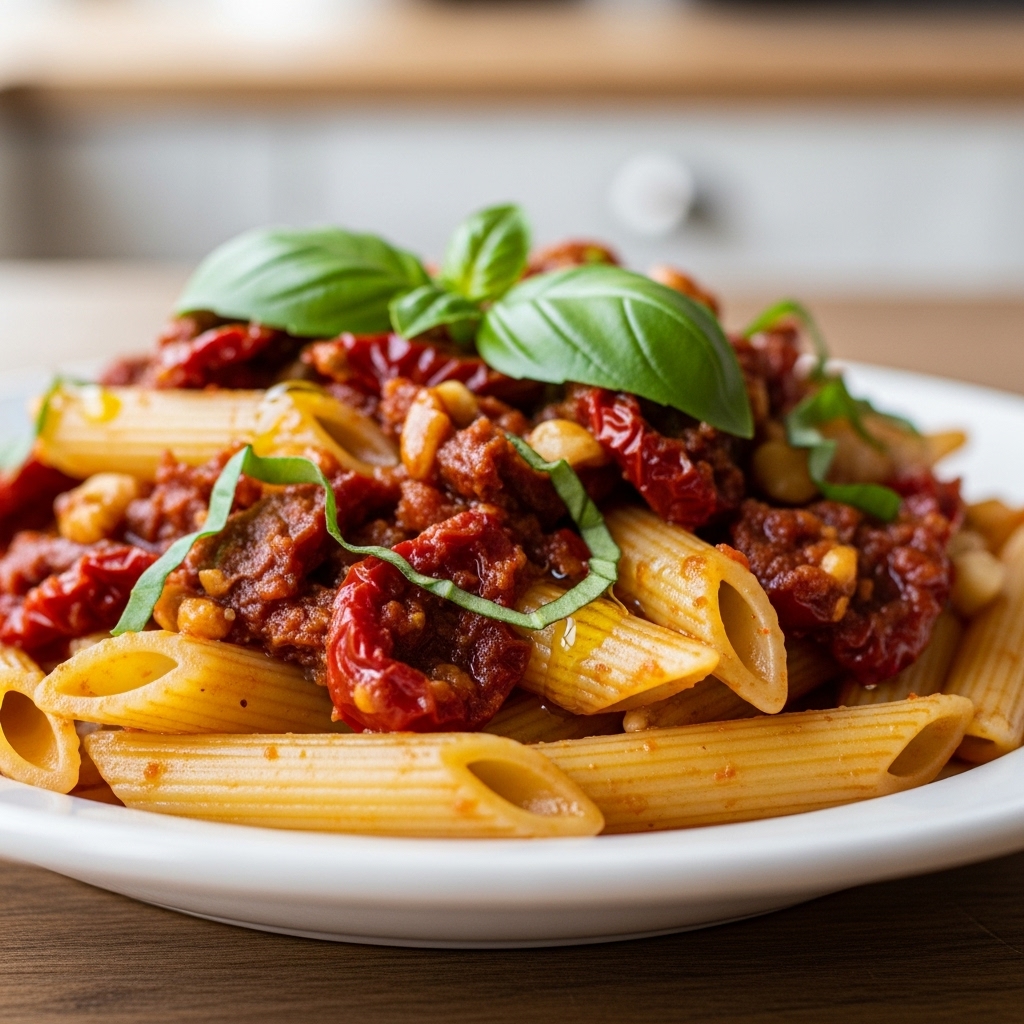
Start by selecting shapes that hold sauce well. Short, textured varieties like penne work better than smooth noodles.
Use about one pound of dried pasta for a full batch of sauce. Bring a large pot of water to a rolling boil before adding salt generously.
Cook according to package timing for al dente texture. This means tender but still firm when bitten. The process typically takes 8-12 minutes.
Before draining, reserve at least one cup of starchy cooking water. This liquid helps create a silky, well-emulsified sauce that coats evenly.
Drain the cooked pasta but do not rinse it. Return it immediately to the warm pot. Add your sauce and about half a cup of reserved water.
Stir continuously until the mixture becomes creamy. Add more water in small increments if needed. The entire combining process takes just minutes.
Working quickly while the noodles are hot prevents sticking. It also helps the sauce adhere properly for perfect results every time.
Innovative Ways to Enjoy This Versatile Pesto
While excellent with noodles, this sauce reveals its full potential when explored beyond traditional pairings. Its rich, savory character adapts beautifully to various dishes.
Elevating Dishes Like Pizza, Sandwiches, and More
Try spreading this tomato-based condiment on pizza dough as an alternative to traditional sauce. Top with mozzarella cheese, mushrooms, and spinach for a flavorful pie.
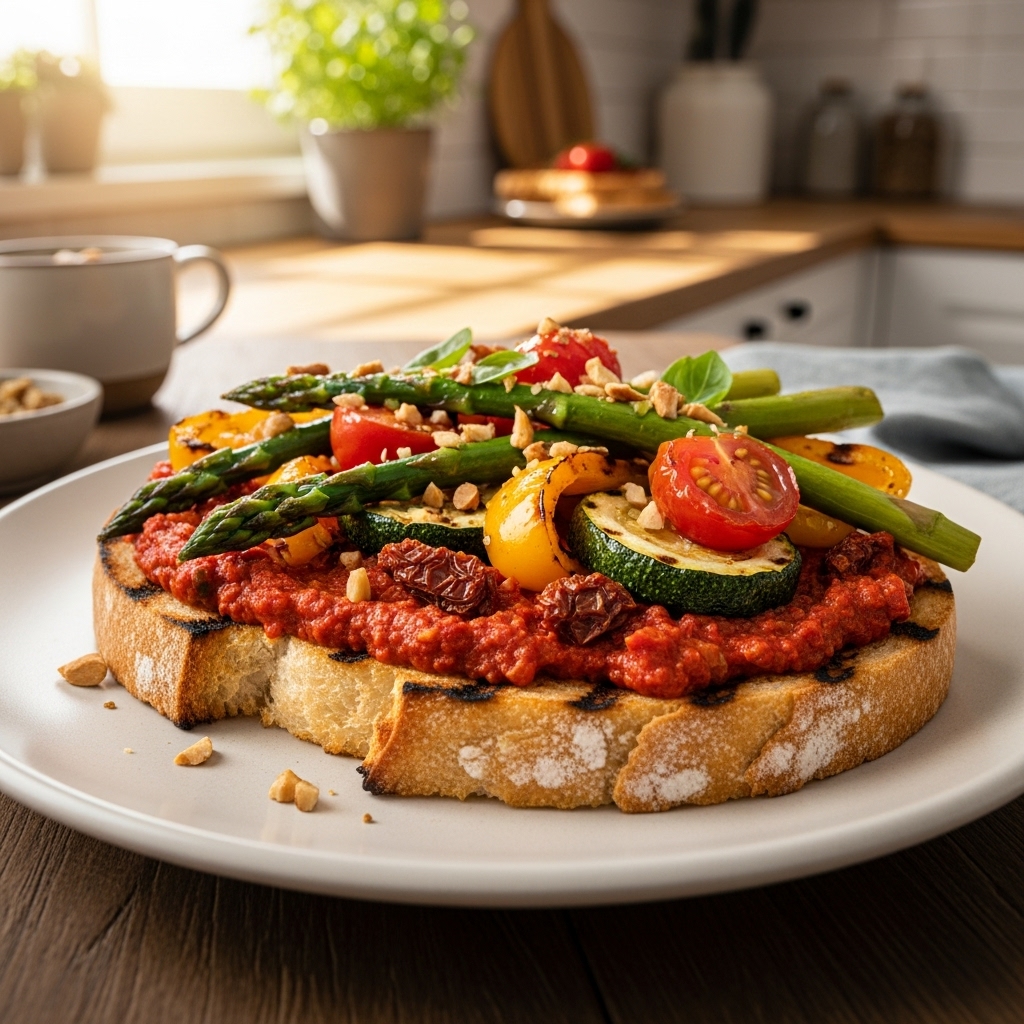
For sandwiches, it works wonderfully as a spread. It pairs particularly well with grilled vegetables or chicken. You can also serve it as a dip with crusty bread.
Catering to Different Protein Options
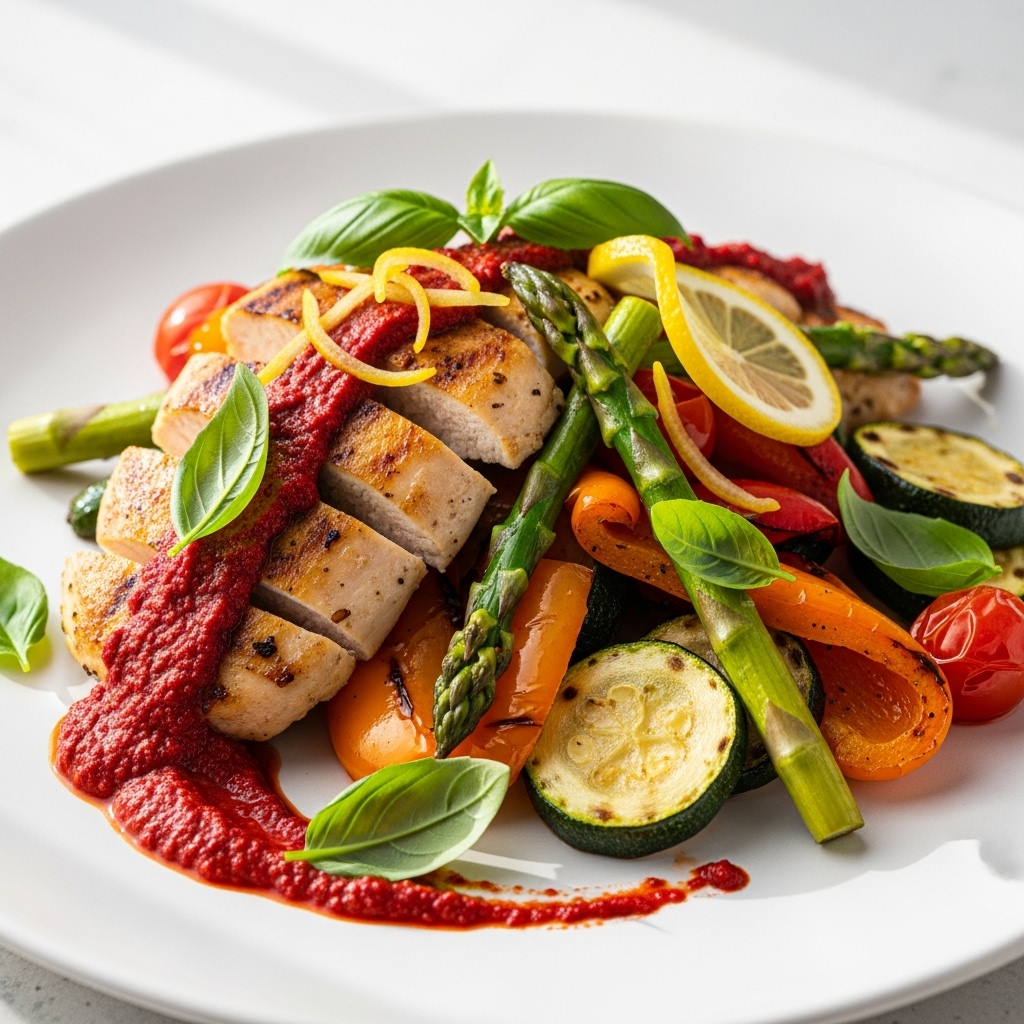
This preparation complements various proteins beautifully. Spoon it over grilled chicken, steak, or shrimp as a finishing touch.
The sauce also enhances vegetable dishes. Toss a spoonful with roasted broccoli or cauliflower for added depth.
| Application | Suggested Pairings | Preparation Tips |
|---|---|---|
| Pizza Base | Mozzarella, mushrooms, spinach | Spread thinly over dough before baking |
| Sandwich Spread | Grilled vegetables, chicken | Layer between bread with other ingredients |
| Protein Topping | Grilled chicken, shrimp, steak | Add after cooking as a finishing sauce |
| Vegetable Enhancement | Roasted broccoli, cauliflower | Mix in after cooking for added flavor |
For breakfast, consider adding it to omelets or breakfast sandwiches. The possibilities extend well beyond the initial preparation.
Storing and Refreshing Your Homemade Pesto
Understanding preservation methods ensures you can enjoy your homemade preparation over time. Proper storage maintains both safety and flavor quality.
For refrigerator storage, use an airtight container. This tomato-based sauce keeps well for 5-7 days when properly prepared.
The oil-sealing method provides excellent protection. Smooth the surface and add a thin layer of olive oil before sealing the container. This fat barrier prevents oxidation.
| Storage Method | Duration | Key Consideration | Best Use Case |
|---|---|---|---|
| Refrigerator | 5-7 days | Oil layer required | Weekly meal planning |
| Freezer | 3 months | Portion before freezing | Long-term preservation |
Proper tomato preparation significantly affects storage time. Thoroughly dried tomatoes after reconstitution remove excess moisture that causes spoilage.
Flavor changes naturally during storage. The bright notes may fade while garlic becomes more pronounced. Refresh dulled sauce with fresh lemon juice.
Freezing works beautifully for long-term preservation. Use ice cube trays for small portions. Thaw overnight in the refrigerator when needed.
This preparation takes minutes to make fresh. While storage options exist, nothing beats immediate enjoyment. The vibrant taste of freshly made sauce surpasses stored versions.
Always use clean utensils when scooping from stored batches. Check for any off odors before use. Properly stored food rarely develops issues within recommended timeframes.
For those exploring other Italian sauces, consider traditional Genovese-style preparations as well. Each offers unique characteristics worth discovering.
Bringing It All Together: Savoring Your Italian-Inspired Creation
This dish embodies the Italian principle that great cooking comes from respecting ingredients rather than complicating them. The careful preparation we’ve covered transforms simple components into something memorable.
What makes this preparation work so well is its dual nature. It’s quick enough for busy evenings yet impressive for guests. The techniques—proper tomato preparation, correct blending, and using pasta water—create authentic results.
Once you master the basic method, feel confident making small adjustments. Try different nuts or add roasted peppers. This approach honors Sicilian tradition while adapting to your kitchen.
Add this reliable preparation to your regular rotation. It delivers satisfying flavors using straightforward methods. For another comforting Italian dish, explore our creamy mushroom risotto.
Vegan Pesto Rosso (Sicilian Red Pesto)
Ingredients
Method
- In a dry pan over medium heat, toast the almonds for 4-5 minutes, stirring frequently, until fragrant. Set aside.
- Rinse the sun-dried tomatoes under cold water to remove excess salt. Soak them in warm water for at least 30 minutes or overnight for the best results. Drain thoroughly.
- Place the toasted almonds, sun-dried tomatoes, and garlic in a food processor. Pulse several times to break down larger pieces.
- While the food processor runs, gradually stream in the olive oil. Continue processing until the mixture reaches a coarse, meal-like texture. If needed, scrape down the sides and pulse again.
- Taste the pesto and add lemon juice for brightness, red pepper flakes for heat, or fresh basil for aromatic freshness. Adjust to your liking.
- Toss with pasta, use as a spread on pizza or sandwiches, or enjoy as a dip with crusty bread. Optionally, mix it into roasted vegetables or top proteins like grilled chicken or shrimp.
Notes
- The sauce can be stored in an airtight container for up to 5-7 days in the fridge. For long-term storage, freeze in small portions.
- You can use walnuts or cashews as an alternative to almonds.
- For a smoother texture, process the sauce longer; for a chunkier texture, pulse less.