
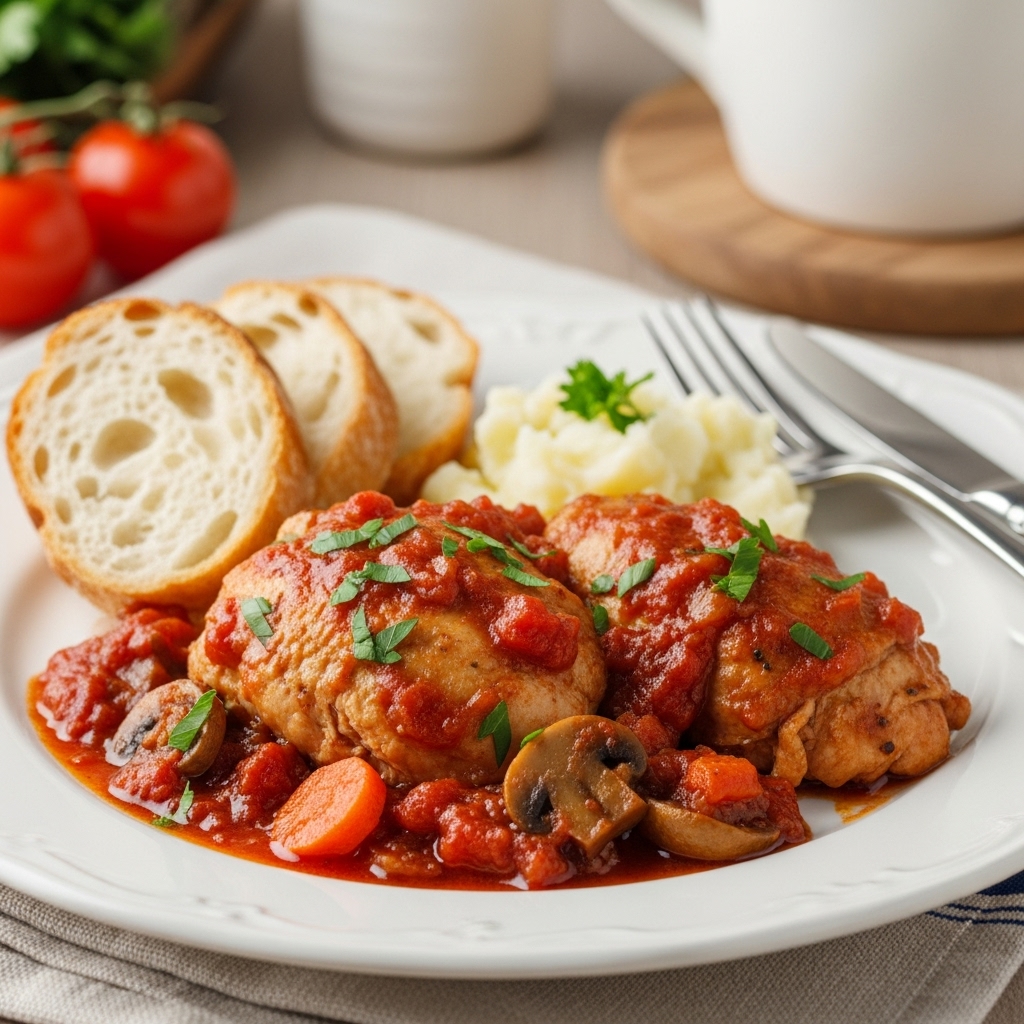
Jump to Recipe
There’s something deeply satisfying about the way tomatoes break down into a rich sauce, filling your kitchen with the earthy scent of herbs and wine. It’s the kind of meal that makes you feel connected to generations of home cooks who understood that good food doesn’t need to be complicated.
This hunter-style preparation has roots in rustic tradition. The name translates to “hunter,” reflecting a cooking method developed for using ingredients found in the wild. I’ve found this approach creates dishes with remarkable depth and character.
What makes this preparation special is how it transforms simple, accessible ingredients into something extraordinary. You don’t need specialty items or professional equipment to achieve results that honor traditional methods. The magic happens in your everyday kitchen.
We’ll focus on selecting quality ingredients and mastering techniques that deliver genuine flavor. You’ll learn how to build layers of taste that make this dish stand apart from ordinary preparations. The process is straightforward but yields impressive results.
Key Takeaways
- Understand the hunter-style cooking tradition behind this preparation
- Learn to select ingredients that build authentic flavor profiles
- Master traditional cooking techniques suitable for home kitchens
- Create a dish that respects heritage while using accessible ingredients
- Develop confidence in preparing meals with deep, complex flavors
- Appreciate how simple methods can yield extraordinary results
- Gain practical skills for recreating traditional preparations at home
Celebrating Italian Tradition in Every Bite
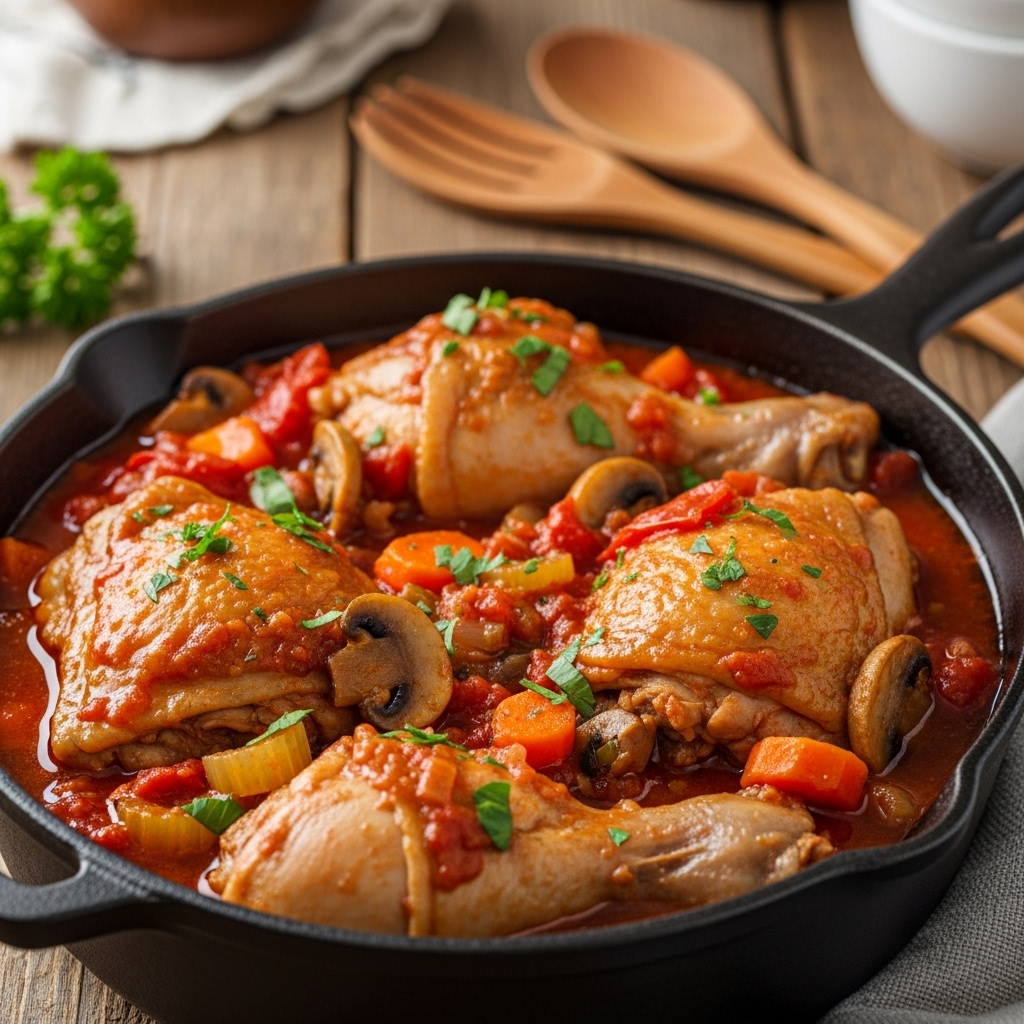
What I appreciate most about this hunter-style preparation is how it embodies a fundamental cooking principle. Quality components speak for themselves when prepared simply. The method allows natural flavors to combine and develop during cooking.
Regional variations exist throughout Italy, with no single version claiming absolute authority. Family recipes differ from north to south. Certain elements remain consistent across most traditional preparations.
| Region | Key Ingredients | Cooking Style | Notable Characteristics |
|---|---|---|---|
| Northern Italy | Mushrooms, white wine | Lighter sauce base | Often includes cream |
| Central Italy | Tomatoes, red wine | Robust tomato sauce | Classic chicken cacciatore style |
| Southern Italy | Olives, capers | Bold, briny flavors | Spicier variations common |
| Sicily | Eggplant, pine nuts | Mediterranean influence | Sweet and savory balance |
Home cooks value these recipes because they deliver deep, satisfying flavors typically associated with long-cooked dishes. The preparation comes together in under an hour. This efficiency makes it practical for weeknight meals.
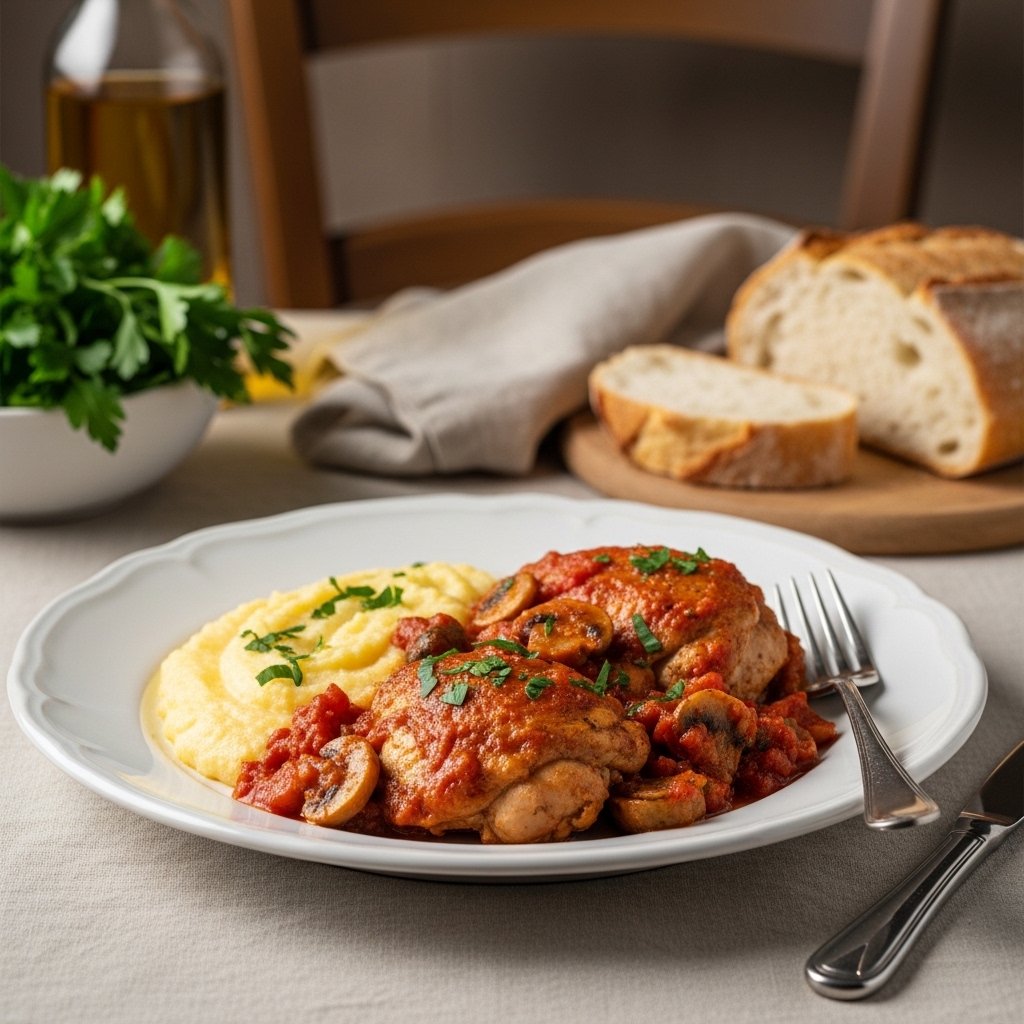
In Italian meal traditions, a substantial braised preparation serves as the main course. Simple sides accompany it without competing with the rich sauce. Polenta or crusty bread often completes the meal.
Learning this method means understanding a technique applicable to other dishes. The braising approach works well with various proteins. It becomes a valuable addition to any home cook’s repertoire. You can explore different approaches like this boneless preparation that adapts the traditional method.
Ingredients Spotlight: Chicken, Vegetables, and Herbs
Quality components behave differently during cooking. The right selections create layers of flavor that develop beautifully together. We’ll examine how each element contributes to the final result.
Selecting Prime Chicken Cuts for Maximum Flavor
Bone-in, skin-on chicken thighs and drumsticks withstand the simmering process perfectly. The bones release flavor into the sauce while the skin’s fat enriches the liquid. This keeps the meat moist through extended cooking.
A mix of four thighs and four drumsticks provides ideal balance. The different cuts contribute varying textures and flavors. This combination honors the traditional approach while ensuring practical results.
Fresh Produce and Authentic Italian Seasonings
Onions form the sweet foundation of the sauce base. Carrots balance acidity while celery adds aromatic depth. Garlic cloves provide essential savory notes without overwhelming other flavors.
Mushroom selection offers flexibility. Fresh varieties work well, but reconstituted dried porcini deliver concentrated umami. Their soaking liquid becomes a valuable addition to the braising liquid.
The bell pepper debate continues among traditional cooks. Some appreciate their sweet contribution to the sauce. Others prefer fennel for a more regional character.
Fresh rosemary sprigs perfume the sauce distinctively. Parsley brightens the finished dish while bay leaves add subtle complexity. Oregano provides the earthy backbone characteristic of tomato-based preparations.
San Marzano tomatoes offer ideal sweetness and acidity. Crush them by hand for the best texture. Quality canned crushed tomatoes work well when the premium option isn’t available.
chicken cacciatore authentic italian: A Taste of the Hunter’s Heritage
Understanding the origins of this preparation reveals why its method remains so effective. The approach developed from practical needs rather than elaborate culinary theory.
The Story Behind Cacciatore and Its Rustic Roots
Hunter-style cooking emerged when cooks worked with what they could find or grow locally. This explains the flexible ingredient list that characterizes different regional versions.
The unifying element is the braising technique itself. It tenderizes tougher cuts while developing complex flavors through slow cooking.
How Wine, Tomatoes, and Herbs Combine to Create Magic
Wine serves multiple purposes beyond adding alcohol. Its acidity balances the sauce while deglazing captures flavorful browned bits from the pan.
Tomatoes provide the foundation with their natural sweetness and acidity. Crushing them by hand creates a better texture than pre-processed varieties.
Herbs are added strategically throughout cooking. Hardy varieties infuse during simmering while fresh parsley brightens the finished dish.
| Ingredient | Primary Function | Cooking Stage | Flavor Contribution |
|---|---|---|---|
| Red Wine | Deglazing, acidity | After browning | Complexity, depth |
| Tomatoes | Sauce foundation | Simmering | Sweetness, body |
| Rosemary | Aromatic infusion | Early simmer | Woody, earthy notes |
| Parsley | Fresh finish | Final minutes | Brightness, balance |
This chicken cacciatore recipe honors the straightforward approach of its heritage. The method relies on technique rather than complexity. You can explore variations like this boneless preparation that adapts the same principles.
Mastering the Braising Process and Cooking Techniques
The true transformation of this dish begins with proper heat management and patient technique. This stage builds the deep, complex flavors that define the final result.
Perfecting the Sear: Browning Chicken to Lock in Juices
Start with a hot pan and a thin layer of oil. Place the chicken pieces skin-side down, ensuring they have space. Crowding the pan causes steaming instead of browning.
Allow the skin to develop a golden crust without moving it. This process, the Maillard reaction, creates rich flavor. It also renders fat for cooking the vegetables.
Building Depth with Sautéed Vegetables and Deglazing
Cook onions, carrots, and celery in the rendered fat until they soften. This builds a flavorful foundation for the sauce. Add mushrooms and cook until they release their moisture.
Pour in wine to deglaze the pan, scraping up the browned bits. This step incorporates concentrated flavor into the liquid. The wine’s acidity balances the richness.
Return the chicken to the pot, nestling it into the sauce skin-side up. This keeps the skin from becoming soggy. Cover and simmer gently for about twenty minutes.
Remove the lid for the final ten minutes of cooking. This allows the sauce to reduce and thicken to the perfect consistency. The gentle braising yields incredibly tender meat.
Presenting Your Dish: Plating and Side Dish Ideas
The right accompaniments transform this preparation from a simple meal to a complete dining experience. Traditional pairings honor the dish’s heritage while practical options suit modern kitchens.
Polenta absorbs the rich sauce beautifully. It represents a classic pairing. Creamy mashed potatoes offer similar sauce-soaking properties with broader appeal.
| Side Dish | Preparation Time | Flavor Profile | Best For |
|---|---|---|---|
| Traditional Polenta | 40 minutes | Earthy, creamy | Weekend meals |
| Quick Polenta | 5-10 minutes | Milder, smooth | Weeknight dinners |
| Plain White Rice | 20 minutes | Neutral, light | Simple pairing |
| Crusty Bread | No cooking | Rustic, textured | Casual serving |
Place your starch base on the plate first. Arrange one or two pieces on top. Ladle generous sauce with vegetables over everything.
Ensure each serving gets mushrooms and other components. A sprinkle of fresh parsley adds color and bright flavor. It cuts through the richness nicely.
Keep sides simple to let the main dish shine. A light green salad provides refreshing contrast. The meal remains focused and satisfying.
Smart Make-Ahead, Storage, and Reheating Strategies
Planning your cooking schedule becomes simpler when you understand how this dish improves with time. The flavors continue to develop after cooking stops, creating deeper complexity.
Making this recipe 30 minutes to an hour ahead often yields better results than serving immediately. Keep it warm over low heat with the lid on your pot.
Ensuring Optimal Flavor When Prepared in Advance
For dinner parties, preparing this 2-3 hours ahead reduces last-minute stress. The extended resting time allows ingredients to meld beautifully.
Cool leftovers to room temperature before refrigerating. Store in an airtight container or covered pot. The sauce will thicken as it cools due to natural fat and gelatin.
| Storage Method | Duration | Preparation | Result Quality |
|---|---|---|---|
| Refrigeration | 3-4 days | Cool completely before storing | Flavors intensify |
| Freezing | 3 months | Portion in containers | Excellent texture preservation |
| Keep Warm | 1 hour maximum | Low heat with lid | Optimal serving temperature |
| Room Temperature | 30 minutes resting | Covered pot | Flavor development |
This dish freezes exceptionally well for up to three months. Use portion-sized containers for convenience. Always thaw completely in the refrigerator for 24 hours.
Reheat gently over low heat, stirring occasionally. Add a splash of stock if the sauce becomes too thick. Taste and adjust salt and pepper before serving.
Leftovers provide quick, satisfying meals later in the week. Simply reheat and prepare fresh sides like polenta or pasta. The total preparation time becomes minimal.
A Toast to Timeless Italian Flavors
This recipe represents more than just a meal—it’s a transferable skill that enhances your cooking repertoire. You’ve learned the braising technique that works beautifully with various proteins and vegetables.
The versatility shines through simple adjustments. Swap bell peppers for fennel or use different mushroom varieties based on availability. Serve it with polenta, pasta, or crusty bread.
This preparation achieves remarkable balance. Rich flavors develop without heavy complexity. It respects tradition while fitting modern schedules perfectly.
Each serving provides substantial nutrition with moderate calories. The combination of protein, vegetables, and herbs creates a satisfying meal that stores and reheats beautifully.
You now have the confidence to create deeply flavorful sauces using wine, tomatoes, and aromatics. This dish will become a trusted favorite in your regular rotation.
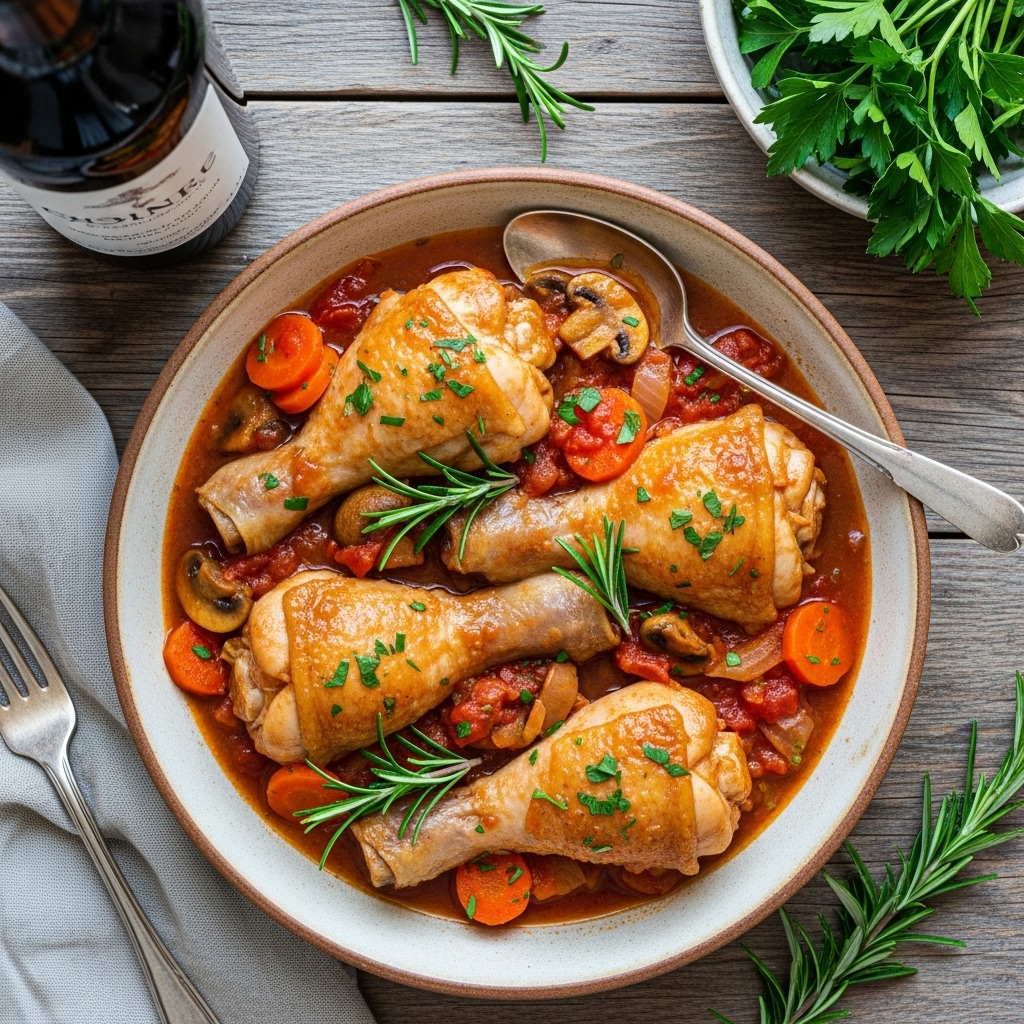
Chicken Cacciatore (Hunter-Style Chicken)
Ingredients
Method
Notes
- For a richer flavor, use bone-in, skin-on chicken thighs and drumsticks. The skin adds moisture, and the bones contribute to the depth of the sauce.
- San Marzano tomatoes are ideal for their balance of sweetness and acidity. If not available, any good-quality canned crushed tomatoes will work.
- This dish can be made in advance. It actually improves in flavor if made a day ahead.
- Traditional sides include creamy polenta, mashed potatoes, or crusty bread to soak up the rich sauce.