Jump to Recipe
There’s a particular comfort found in the slow, layered dishes of Italy’s mountain kitchens. It’s the warmth of a golden, bubbling crust giving way to a deeply savory, moist interior that has sustained families for generations.
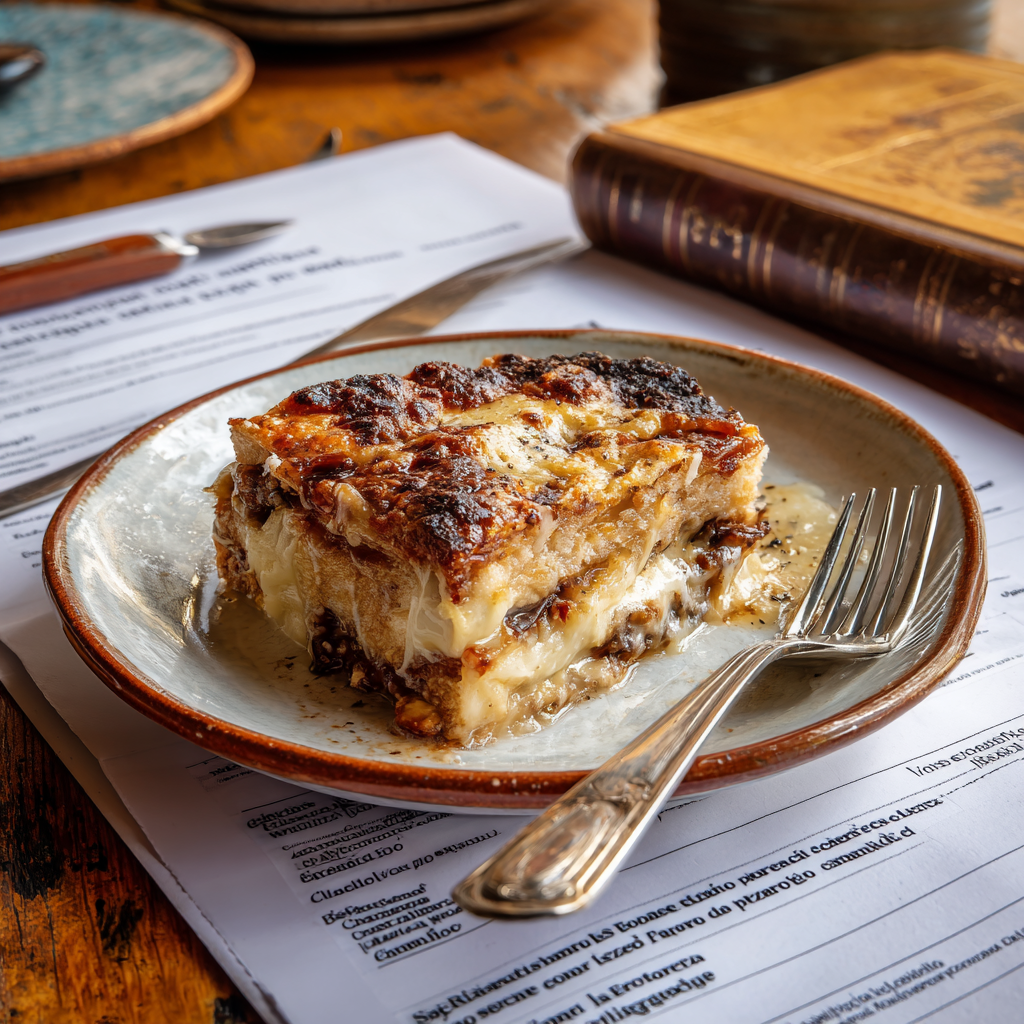
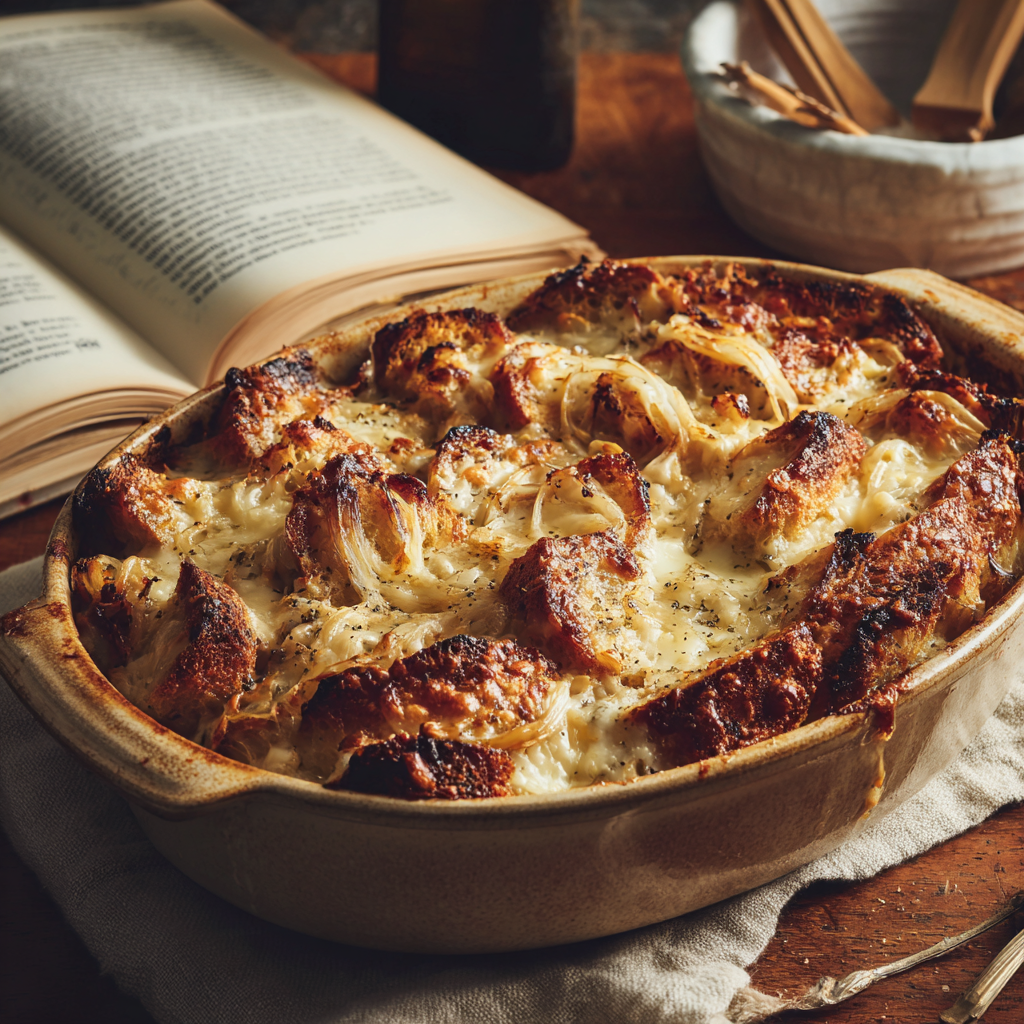
This classic preparation is more of a substantial baked casserole than a brothy soup. It builds layers of flavor with toasted bread, sweet softened onions, and a generous amount of rich, melting cheese. The result is a harmonious blend of textures and tastes.
Hailing from the Valle d’Aosta region, nestled high in the Alps, this dish is a cornerstone of authentic alpine cooking. It’s a testament to making magnificent meals from simple, honest ingredients readily available in a farming household.
While not yet a staple in American homes, this preparation is a wonderful discovery for anyone seeking genuine, uncomplicated Italian comfort food. We’ll explore both the traditional version and a popular variation featuring tender, savory greens.
Key Takeaways
- This is a hearty, baked casserole, not a liquid-based soup.
- It originates from the mountain region of Valle d’Aosta in Italy.
- The dish is built on layers of bread, cheese, onions, and broth.
- It represents a tradition of simple, resourceful alpine cooking.
- Fontina cheese is essential for its distinctive, melting quality.
- The recipe is straightforward, relying on technique over complexity.
- You will learn to make both the classic and a green vegetable variation.
Discovering the Rich Heritage of Zuppa Valdostana
In Italy’s smallest region, Valle d’Aosta, culinary traditions are shaped by necessity and respect for ingredients. This alpine area sits where Italian, French, and Swiss cultures meet. Dairy farming has defined daily life here for centuries.
Tracing the origins in Valle d’Aosta and local dairy traditions
I first experienced this dish at Vallet Pietro, a family-run cheese producer in Donnas. Lorena Vallet works there with her siblings and parents, who started the business over 40 years ago.
She explained how farming families created meals from what they had. They never wasted stale bread that was several days old. Everyone kept cows for beef broth, cheese, and butter.
Their family still enjoys this hearty preparation weekly during wintertime. It represents true mountain cooking values.
The role of rustic simplicity and family history in Italian comfort food
This dish wasn’t originally written down in cookbooks. Families passed it through generations using descriptions like “a lot” of cheese rather than precise measurements. Each household cooked by feel and available ingredients.
Authentic Fontina Valle d’Aosta DOP cheese is essential. This protected cheese comes from raw milk of local cows. It’s been aged in mountain caves since the 13th century.
Like many Italian dishes, variations exist between families. Some add vegetables while others use different bread types. These differences reflect household preferences built over time.
| Aspect | Traditional Mountain Cooking | Modern Kitchen Approach |
|---|---|---|
| Ingredients | Whatever was available on the farm | Carefully selected from stores |
| Technique | Passed down through family practice | Follows written recipe instructions |
| Measurements | “A handful” or “a lot” based on feel | Precise cups and teaspoons |
| Philosophy | No waste, use what you have | Plan ahead, shop specifically |
Understanding this background helps cooks approach with the right mindset. Respect the tradition and use quality ingredients. The food succeeds through honesty, not complexity.
How to Prepare the Authentic zuppa valdostana cabbage fontina recipe
This comforting baked dish comes together through a series of simple but important steps. Both the classic layered version and the vegetable variation follow similar principles of building flavor through careful preparation.
Step-by-step guide with ingredient insights and technique tips
Start by toasting your bread slices in butter until golden. This crucial step prevents the final dish from becoming mushy.
Slowly cook the onions until they turn translucent and sweet. This builds a flavor foundation that balances the rich cheese.
Layer the ingredients in a baking dish, creating two complete sets of bread, cheese, and onions. Pour the broth evenly throughout the pan.
| Preparation Step | Classic Version | Vegetable Variation |
|---|---|---|
| Bread Preparation | Toast slices in butter | Lightly toast for bowls |
| Cooking Time | 20 minutes bake + 5 broil | 40 minute simmer |
| Serving Style | Family-style casserole | Individual soup bowls |
Essential advice on selecting quality Fontina and preparing the broth
Choose authentic Fontina Valle d’Aosta DOP when possible. Its distinctive melting quality and nutty flavor define the dish.
Use a sturdy, day-old loaf that can absorb liquid without falling apart. Fresh bread tends to become gummy.
The broth quality matters greatly since it’s a primary flavor component. Homemade or high-quality store-bought options work best.
Season carefully, as the cheese and stock both contribute salt. Taste and adjust at the end rather than oversalting early.
Innovative Twists and Seasonal Variations
The beauty of traditional recipes lies in their flexibility across seasons and pantries. While the classic preparation follows a specific template, Italian home cooks have always adapted based on availability. This creates room for thoughtful variation without losing the dish’s soul.
Exploring alternative ingredients and creative plating ideas
Bread choices offer the simplest way to personalize this dish. Some Valle d’Aosta families use dense rye bread instead of white. This rye adds a pleasant earthy flavor that pairs well with cheese.
Whole wheat bread is another authentic option. It provides more texture and a slightly sweet note. This wheat variation complements the rich ingredients without overwhelming them.
For vegetables, thin zucchini slices add freshness in summer. Other cooks use leeks or chard stems sparingly. The key is ensuring additions support rather than dominate.
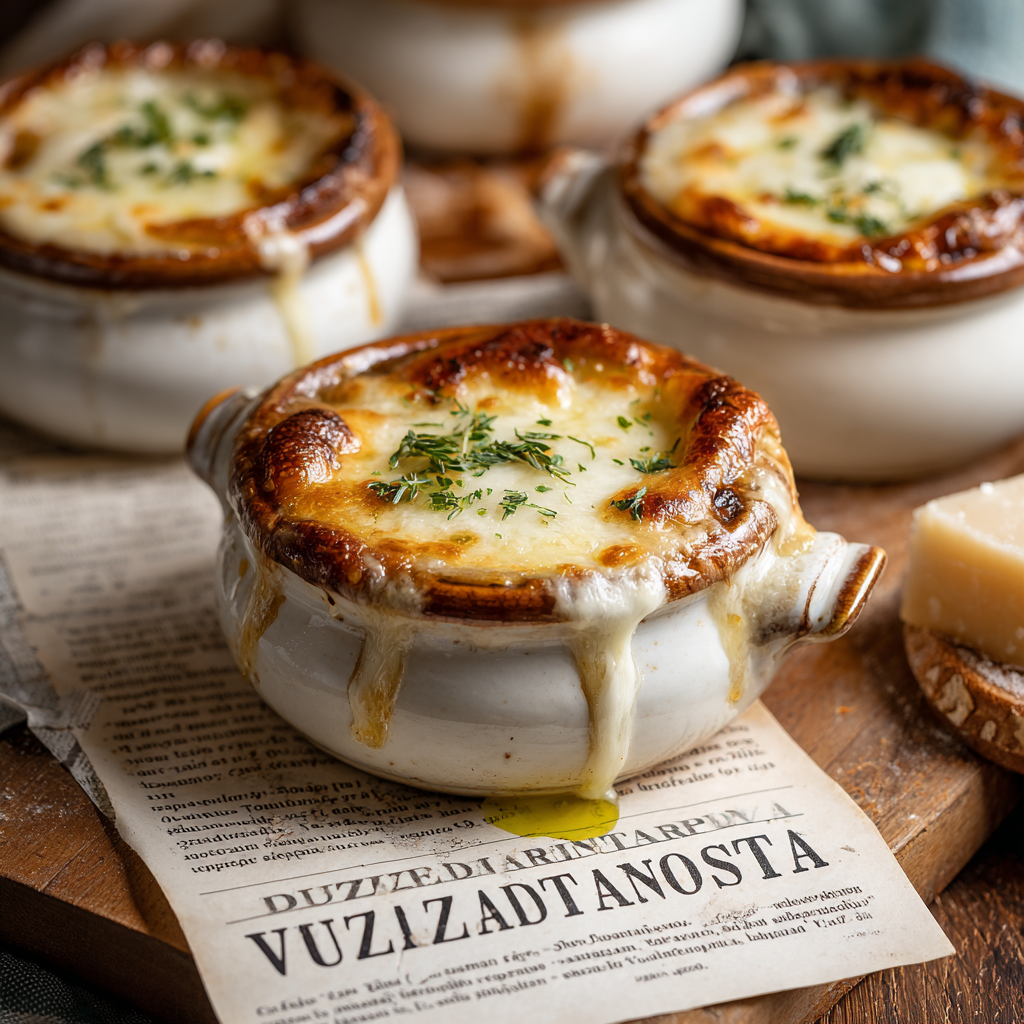
Creative plating can enhance the experience. Individual oven-safe bowls create perfect crispy-to-soft ratios for each person. A drizzle of olive oil before serving adds richness and shine.
These innovations work best when they enhance the fundamentals. Quality bread, good cheese, and careful layering remain essential. The dish’s heartwarming comfort comes from this balance.
Savoring Italy’s Heartwarming Comfort and Craft
When you pull a spoon through the golden crust of this preparation, you understand why it remains a weekly tradition in mountain households. The stretch of melted cheese gives way to savory, broth-soaked bread and sweet, softened onions. This sensory experience explains its enduring appeal across generations.
This is food designed for deep nourishment. It makes perfect sense after a day outdoors or during harsh winter evenings. The dish warms you completely from the inside out.
Making the classic alpine preparation at home connects you to authentic Italian tradition. Approach it with respect for quality ingredients rather than anxiety about perfection. The humble wisdom of the method will deliver memorable results.
Preserving dishes like this matters beyond flavor. They represent values of resourcefulness and care that define the best home cooking. These are worth carrying forward in any kitchen.
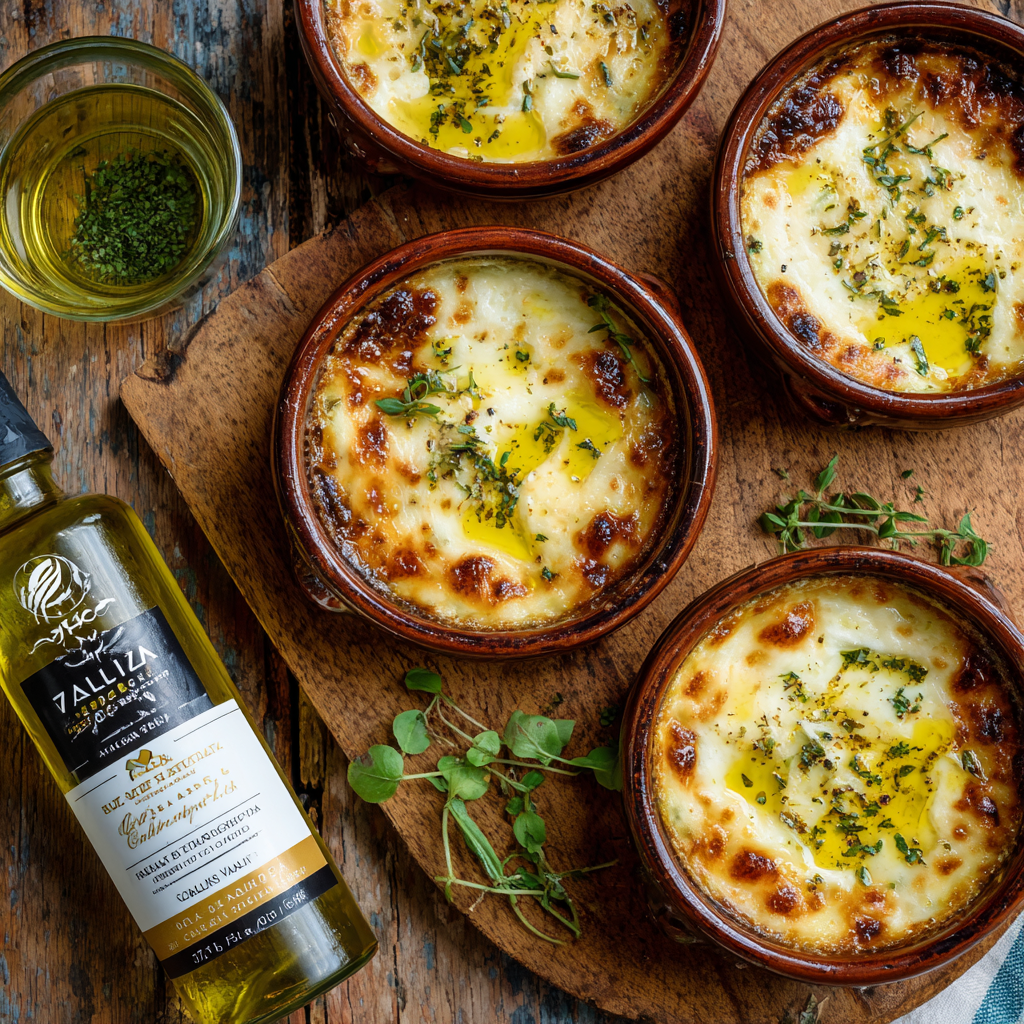
Zuppa Valdostana (Alpine Casserole)
Ingredients
Method
- Melt butter in a skillet and toast the bread slices until golden and crispy. Set aside.
- In the same skillet, cook the sliced onions over low heat until they turn soft and sweet (about 10-15 minutes).
- In a baking dish, start by layering bread slices at the bottom. Then add a generous amount of cooked onions. Sprinkle with Fontina cheese. Repeat the layering process, creating 2 layers in total.
- Pour the beef broth evenly over the layers, ensuring that the bread is soaked but not soggy.
- Bake in a preheated oven at 375°F (190°C) for 20 minutes, then broil for an additional 5 minutes until the top is golden and crispy.
- Let the dish cool for a few minutes, then serve family-style or in individual bowls. Optionally drizzle with olive oil for extra richness.
Notes
- Cheese Selection: Authentic Fontina from Valle d'Aosta is essential for its distinctive melting quality. If you can't find it, Taleggio or Gruyère are good substitutes.
- Bread Choice: Use sturdy, day-old bread for the best texture. Fresh bread may become too soggy.
- Broth Quality: The broth is a key element. Homemade or high-quality store-bought broth works best.
- Vegetable Variation: If you prefer a green vegetable twist, adding thinly sliced zucchini, leeks, or Savoy cabbage works well without overpowering the dish.