
Jump to Recipe
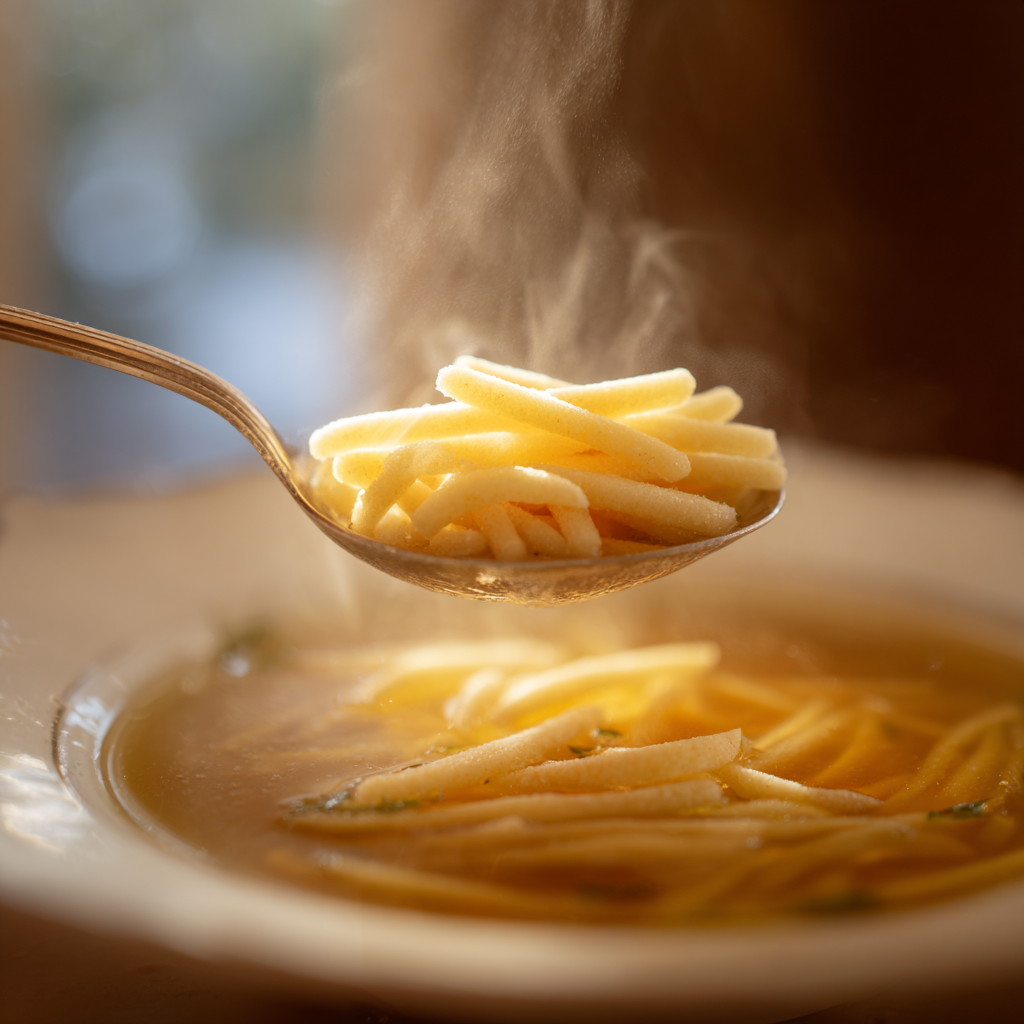
There’s a particular comfort that comes from a steaming bowl on a cool evening, when the rich aroma of homemade broth fills the kitchen. It’s the kind of food that feels like a warm embrace, simple yet deeply satisfying.
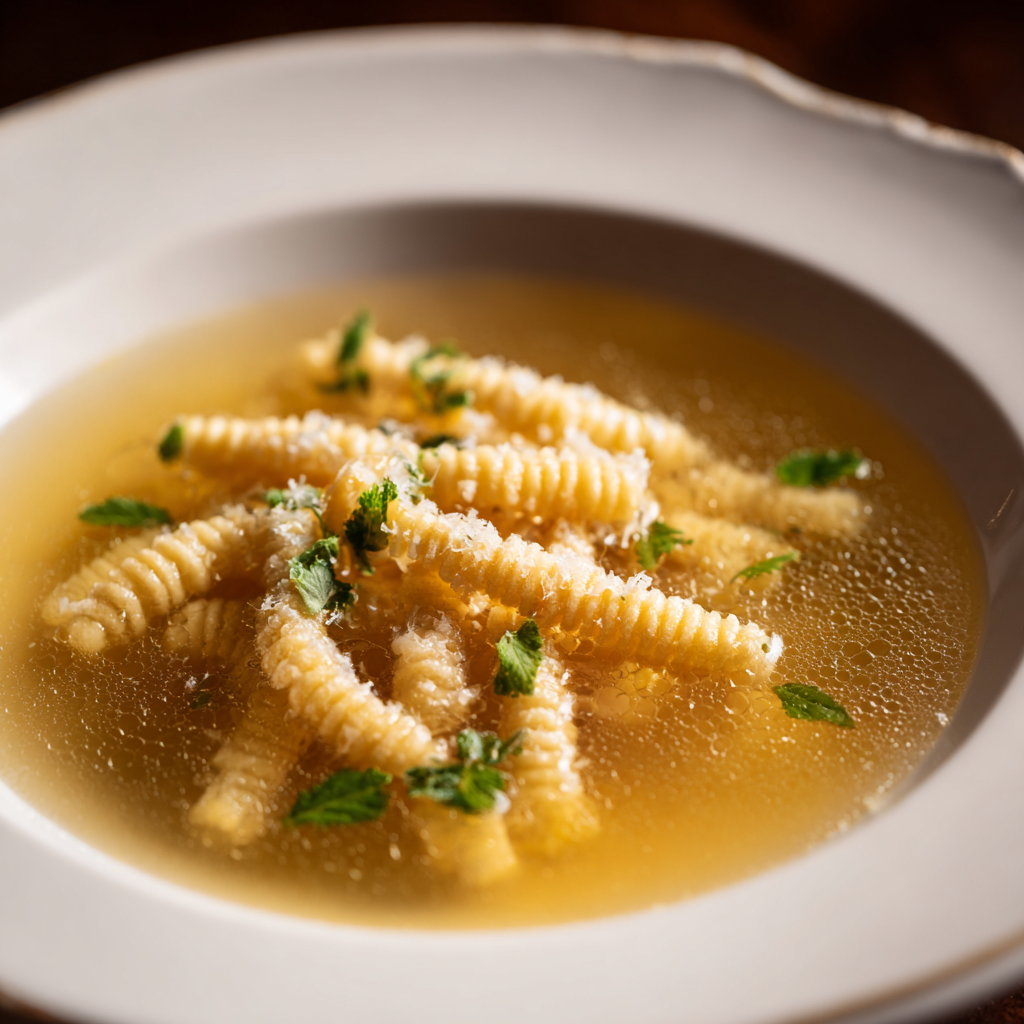
This cherished preparation from Emilia-Romagna creates tender strands that sit somewhere between fresh pasta and dumplings. The name comes from the Italian verb “passare,” meaning to pass, which describes how the dough is pressed through a special tool.
What makes this dish so memorable is how humble ingredients transform into something extraordinary. Breadcrumbs, Parmigiano-Reggiano, eggs, and a hint of nutmeg or lemon zest combine to create these delicate morsels. They cook briefly in a clear, flavorful broth.
While this food has roots in peasant cooking traditions, the result is remarkably delicious. It’s a testament to how simple components can create profound comfort. This guide will help you achieve the authentic texture that makes the experience special.
The process is straightforward but requires attention to a few key details. Don’t worry—nothing here is complicated or intimidating for home cooks. If you’re unfamiliar with passatelli, you’re in for a wonderful discovery that offers a beautiful alternative to more common preparations.
Key Takeaways
- This comforting dish originates from Italy’s Emilia-Romagna region
- The texture is unique, blending qualities of fresh pasta and dumplings
- Simple ingredients like breadcrumbs and Parmesan create remarkable flavor
- The name refers to how the dough passes through a special tool
- It represents traditional peasant cooking with sophisticated results
- Preparation focuses on achieving a delicate, tender texture
- Perfect for cooler weather or when you need nourishing comfort
Exploring the History and Cultural Roots
A curious contradiction lies at the heart of this dish’s history. While often labeled peasant food, its traditional recipe includes ingredients that were once luxurious.
Origins in Emilia-Romagna and Regional Influences
We can trace this preparation’s documented history back to at least 1891. The famous cookbook author Pellegrino Artusi included two recipes for it at that time.
Most agree it comes from southern Emilia-Romagna, near the Le Marche border. Families in this region have enjoyed this soup for generations.
It was a practical solution for cold months. A pot of meat broth would simmer for hours, providing warmth and a base for meals.
Weekly bread baking meant using stale, ground bread by week’s end. This resourcefulness defines the region’s cucina povera, or “poor kitchen,” tradition.
Yet, the use of pricey nutmeg and lemons suggests a possible origin in a wealthy household. This adds a layer of mystery to the passatelli story.
Evolution from Peasant Cuisine to Modern Comfort Food
For a long time, this dish remained a local secret. You would mainly find it in homes and simple trattorias, not upscale restaurants.
Its popularity exploded around 2012. Suddenly, this humble food appeared on trendy menus everywhere.
Today, chefs serve it both in broth and “dry” with creative sauces. It has evolved while keeping its comforting soul.
I find its place within Emilia-Romagna’s rich pasta tradition fascinating. While similar in concept to dumplings, it stands as a unique category of Italian food.
The classic version in clear meat broth remains the most beloved. It is a timeless comfort, especially for holiday meals.
Gathering Quality Ingredients and Essential Tools
Quality ingredients and the right equipment make all the difference in achieving traditional results. Each component plays a specific role in creating the delicate texture that defines this preparation.
Selecting the Perfect Bread, Cheese, and Eggs
The foundation relies on equal parts breadcrumbs and Parmigiano-Reggiano cheese with one fresh egg per serving. Use 50 grams of each for consistent results.
Your breadcrumbs must come from plain bread made with only flour, water, and rising agent. Avoid any bread containing fats or oils. Process day-old bread in a blender until very fine.
Fresh eggs provide better binding. Adjust breadcrumb amounts based on egg size. Larger eggs need more breadcrumbs to absorb extra moisture.
Genuine Parmigiano-Reggiano should be mild and never salty. Grate it fresh for proper texture. Consider cheese age if using optional butter.
Understanding Aromatics: Nutmeg, Lemon Zest, and More
Fresh nutmeg is essential—use about ¼ teaspoon per serving so you can taste it. Don’t use old spice from your cupboard.
If using lemon, choose organic fruit to avoid pesticides. Use just a light scraping of zest. Too much overwhelms the delicate flavor.
Regional traditions vary. Inland families typically use only nutmeg. Coastal areas often prefer just lemon zest. Some cooks use both approaches.
Ferro vs. Ricer: Choosing Your Ideal Tool
Two main tools create the distinctive strands. Each has advantages depending on your preference and strength.
The traditional ferro features a slotted disk with handles. Press down and forward for short strands of 2-4 cm. This tool is easiest to use.
A potato ricer with large 5 mm holes creates beautiful long strands of 10-15 cm. It requires significant hand strength but offers versatile kitchen use.
| Feature | Traditional Ferro | Potato Ricer |
|---|---|---|
| Strand Length | 2-4 cm (short) | 10-15 cm (long) |
| Ease of Use | Easiest pressure | Requires strength |
| Versatility | Single purpose | Multi-use kitchen tool |
| Ideal For | Beginners, shorter strands | Experienced cooks, elegant presentation |
Keep a knife nearby to cut strands as they emerge. Test a small dough ball in simmering water first. If it breaks apart, add more breadcrumbs.
Crafting the Perfect Dough for Authentic Passatelli
Working with your hands to create the perfect consistency requires both technique and intuition. This stage transforms individual ingredients into a cohesive whole.
Mixing, Kneading, and Achieving the Right Consistency
Begin by combining most of your breadcrumbs with the other dry ingredients in a large bowl. Gradually incorporate the beaten eggs, starting with a fork until the mixture becomes too thick.
Switch to using your clean hands when the fork becomes inefficient. Knead the dough just as you would pasta dough, pressing and folding repeatedly. Continue until the crumbly mass transforms into a smooth, compact ball.
The right consistency feels slightly firmer than pasta dough. It should hold together without being sticky. Add reserved breadcrumbs one teaspoon at a time if needed, kneading thoroughly after each addition.
Resting the Dough: Secrets Passed Down Through Generations
Once your dough ball is smooth, it needs proper resting time. Wrap it well to prevent the surface from drying out. Allow at least thirty minutes at room temperature, though one hour is ideal.
This resting period allows the egg to fully penetrate and bind the ingredients. The moisture distributes evenly, creating a uniform texture throughout. Fresh breadcrumbs may need less time than very dry commercial varieties.
You can prepare the dough ahead and refrigerate it. Just remember to let it return to room temperature for about an hour before using your tool. Cold dough requires significantly more hand strength to work with.
Mastering the “passatelli in brodo italian soup recipe”
With your dough properly rested, you’re ready for the most satisfying part of the process. This stage transforms your prepared mixture into the delicate strands that define this comforting dish.
Step-by-Step Instructions to Form the Passatelli
Two approaches exist for forming these tender morsels. You can press them onto a floured surface to dry briefly, or press directly over simmering liquid. The direct method requires perfect dough consistency, so beginners often prefer the safer drying technique.
Using a traditional ferro involves placing half the dough on a floured surface. Lay the tool on top and press down with steady pressure. Cut the emerging strands at about 4cm length. A potato ricer creates longer strands but demands significant hand strength. Keep a knife handy to cut them as they emerge.
Cooking Techniques to Ensure Tender, Flavorful Results
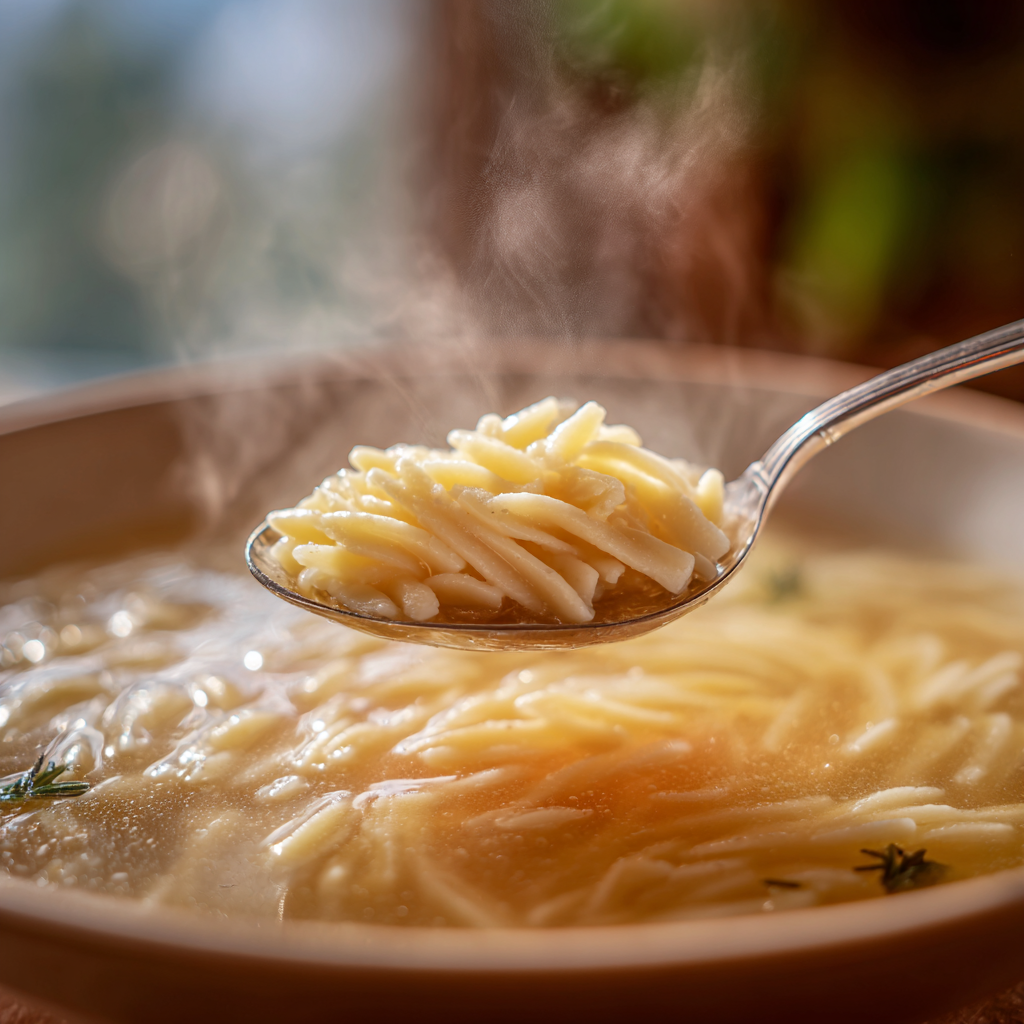
Bring your prepared liquid to a gentle simmer before adding the formed strands. Vigorous boiling will break apart the delicate pieces. The cooking time is remarkably short—just 1-2 minutes.
Watch for visual cues indicating doneness. The strands will float to the surface, expand slightly, and lighten in color. Some versions of this passatelli in brodo pasta recipe advise against stirring, while others suggest a gentle stir upon addition.
Serve immediately for optimal texture. These delicate creations shouldn’t sit in the hot liquid longer than mealtime. Properly executed, they offer a unique eating experience that’s neither pasta nor dumpling.
Savoring and Serving Your Italian Comfort Creation
Your efforts culminate in a dish that bridges tradition and modern dining with grace. Serve immediately in warmed bowls, offering extra grated cheese for those who enjoy it.
This preparation shines as a Christmas primo course, using capon broth as a lighter alternative to more complex options. It also appears at Easter and family gatherings throughout cooler months.
Modern chefs now serve these tender strands “dry” with creative sauces. A Parmigiano cream or seafood sauce allows the delicate flavor to shine. For the full experience, try this passatelli in brodo pasta recipe first.
Each spoonful delivers comforting nourishment that feels like a warm embrace. The quality ingredients and proper technique transform simple components into something genuinely special.
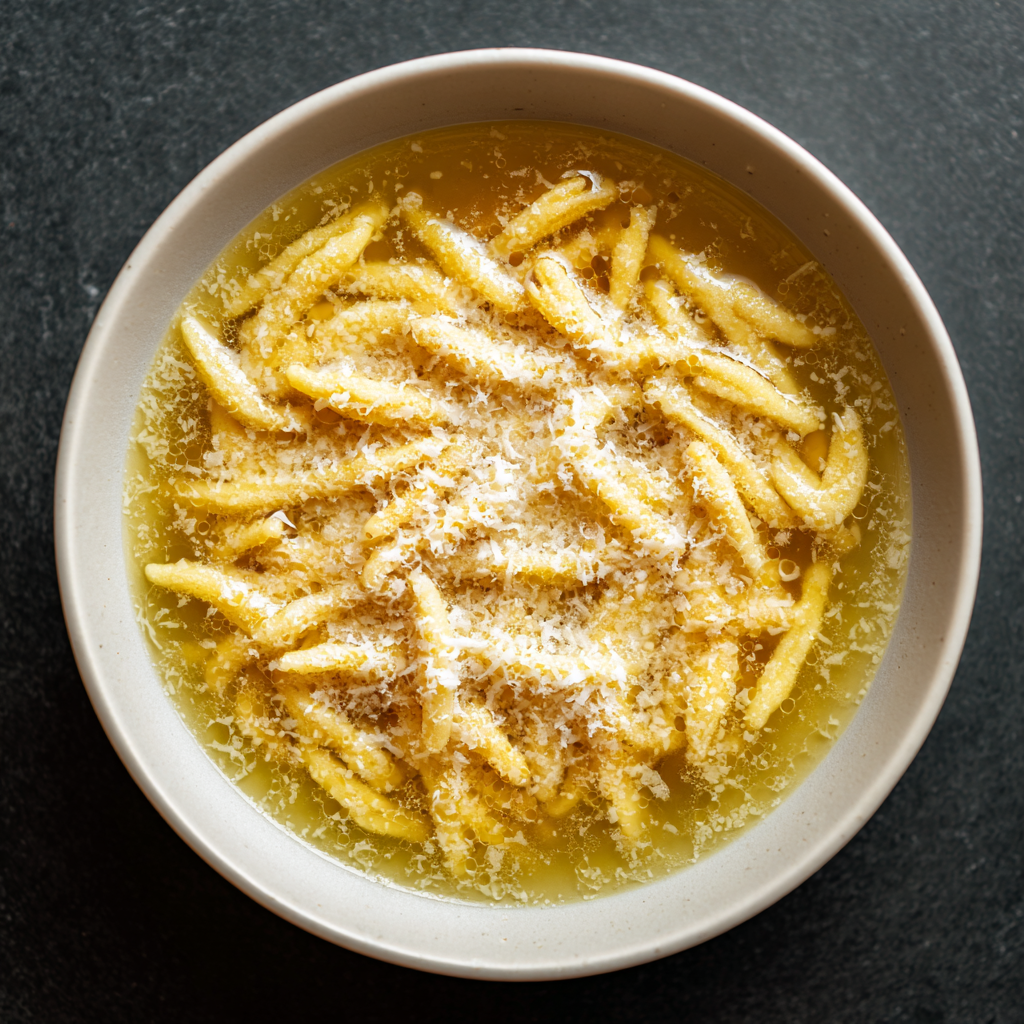
Passatelli in Brodo (Passatelli Soup)
Ingredients
Method
- In a large bowl, mix breadcrumbs, Parmigiano-Reggiano, nutmeg, lemon zest (if using), and a pinch of salt.
- Gradually add the beaten egg, stirring with a fork. Once it gets too thick, switch to using your hands.
- Knead until the dough is smooth and firm (slightly firmer than pasta dough). Add breadcrumbs if the dough is too wet.
- Wrap the dough in plastic wrap and let it rest for at least 30 minutes at room temperature (up to an hour).
- Use a traditional ferro or a potato ricer to press the dough into strands directly over simmering broth. Alternatively, press onto a floured surface to dry for a bit before adding to the broth.
- Cut the strands to a length of 2-4 cm (for ferro) or 10-15 cm (for a potato ricer).
- Bring the broth to a gentle simmer, and carefully drop the passatelli into the liquid.
- Cook for 1-2 minutes or until the passatelli float to the surface, indicating they are done.
- Ladle the passatelli into warmed bowls. Serve immediately with additional grated Parmesan if desired.
Notes
- You can make the dough ahead and refrigerate it for a few hours, but let it come to room temperature before using it.
- If you don’t have a traditional ferro or potato ricer, you can use a large-holed colander or a grater with a spoon to press the dough through. The key is steady pressure.