
Jump to Recipe
There’s a quiet comfort in a steaming bowl on a cold evening. The gentle aroma of simmering broth fills the kitchen, promising something simple yet deeply satisfying. It’s the kind of food that feels like a welcome embrace.
In Northern Italy, this particular dish holds a special place at holiday gatherings. It’s more than just a first course; it’s a vessel for memory and togetherness. The experience centers on a delicate balance.
Small, filled pasta parcels float in a clear, golden broth. The rich filling inside the pasta complements the light, flavorful liquid. One doesn’t overpower the other. This harmony is what makes the meal so distinct.
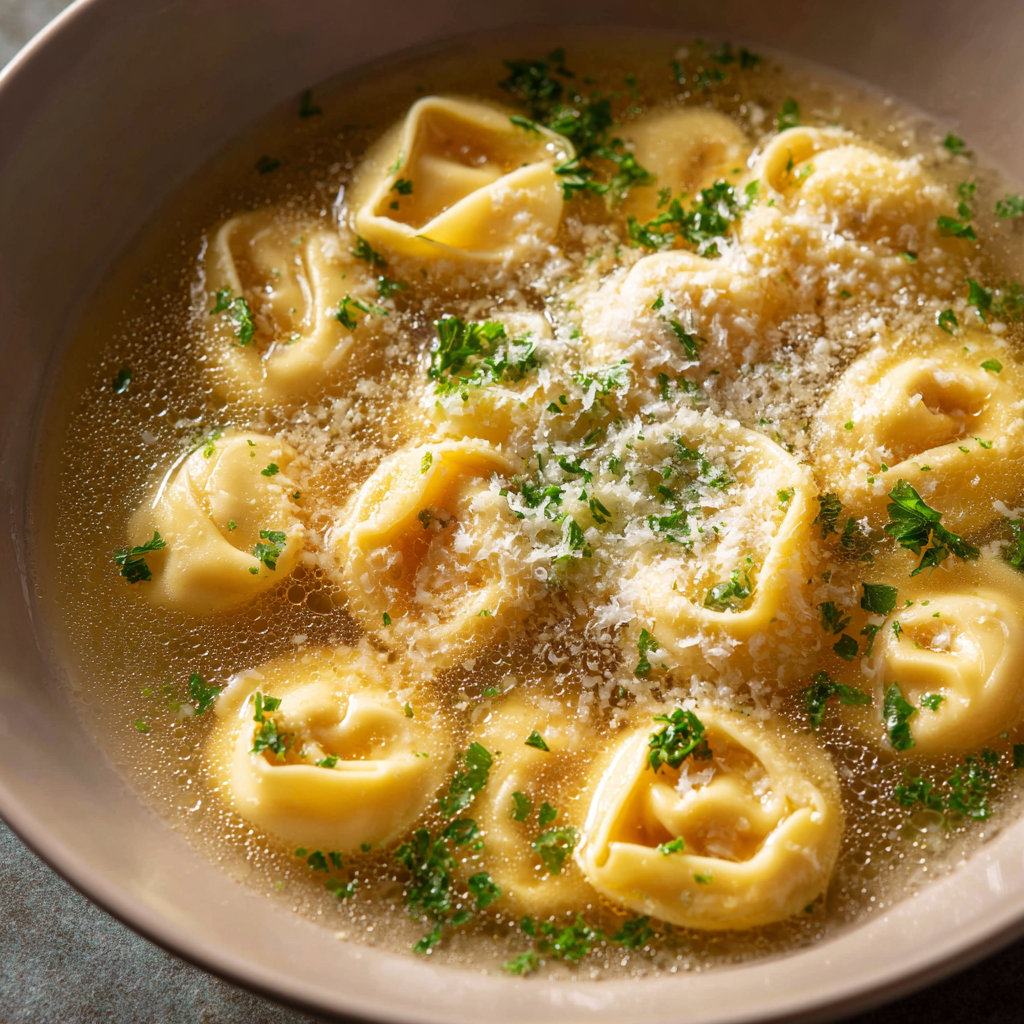
You can see the care in a properly made bowl. Steam rises gently. The broth is clear, allowing the pasta to be the star. The first spoonful is both rich and surprisingly light.
My approach to this classic Italian soup respects tradition but lives in a real kitchen. Whether you have an afternoon or thirty minutes, you can create a wonderful version. Using quality store-bought ingredients is a smart, practical choice for a weeknight.
This guide is for cooks who value authenticity but also need their food to fit a busy life. You will learn the traditional method and intelligent adaptations. We will cover how to make decisions that honor the dish while working with your schedule.
Key Takeaways
- This dish is a traditional first course for holiday meals in Northern Italy.
- Its uniqueness comes from the balance between filled pasta and a clear, supportive broth.
- The preparation can be adapted to fit different time constraints, from scratch or using store-bought components.
- A quality broth is the foundation for an authentic and flavorful result.
- The meal is known for its comforting and light qualities, despite its rich flavor.
- This guide provides both traditional techniques and practical shortcuts for the modern home cook.
Discover the Rich Tradition Behind This Italian Christmas Soup
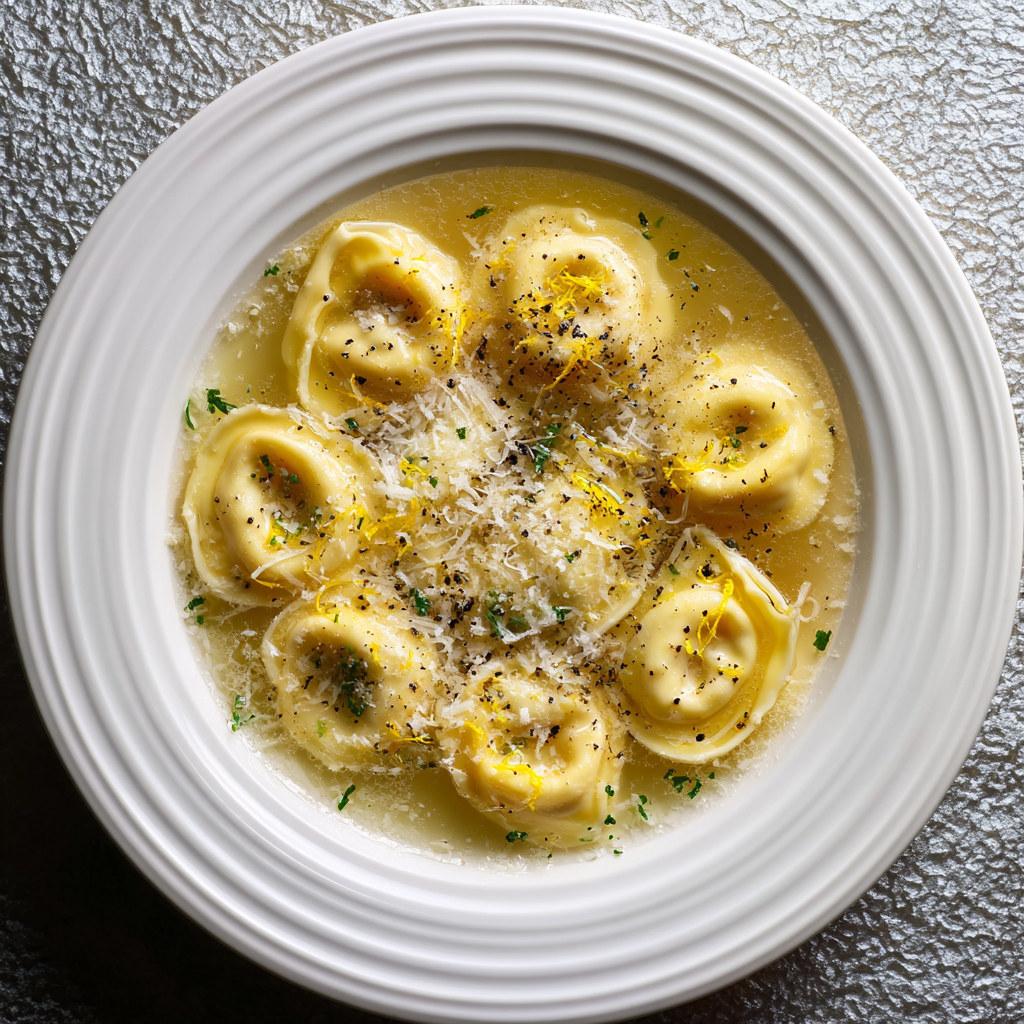
Few dishes carry the weight of tradition quite like this classic first course from Bologna. Its history is woven into the fabric of Italian family life, particularly during the holiday season.
Origins in Emilia-Romagna
This culinary treasure finds its home in Emilia-Romagna, with Bologna proudly claiming its origin. The city maintains an official registered recipe, demonstrating how seriously Italians honor their food heritage.
The filling follows a specific combination that has stood the test of time. It typically includes pork loin, mortadella, Parma ham, Parmigiano Reggiano, egg, and nutmeg. This blend creates a balanced flavor that complements the delicate pasta.
Festive Holiday Significance
In Northern Italian homes, this meal marks important gatherings rather than casual weeknights. It serves as the traditional first course during holiday feasts, especially on December 25th.
The preparation itself becomes a social event. Families often spend whole afternoons together folding the small pasta parcels. This turns kitchen labor into meaningful connection across generations.
| Aspect | Traditional Approach | Modern Adaptation |
|---|---|---|
| Pasta Preparation | Handmade by family groups | Quality store-bought options |
| Broth Base | Simmered for hours from scratch | Enhanced prepared broth |
| Occasion | Primarily holiday celebrations | Any cold-weather gathering |
| Time Commitment | Full afternoon project | Thirty-minute weeknight meal |
Understanding this context helps when adapting the preparation. You appreciate what elements to preserve and where flexibility makes sense. This isn’t museum food but a living tradition that continues because it genuinely satisfies.
The dish translates beautifully to any occasion where you want something substantial yet refined. For a deeper exploration of this hearty Emilia-Romagna soup, the traditional methods and practical adaptations offer wonderful possibilities.
Ingredient Essentials for a Heartwarming Broth
Building a flavorful base requires understanding how different components work together. Your approach to the broth affects your timeline more than your final result when you choose quality products.
Choosing the Right Chicken or Meat Broth
Traditional preparation combines beef bones with marrow, stew beef, and chicken. This creates a richer, more complex flavor than single-meat versions.
During the three-hour simmer, collagen breaks down and flavors concentrate. Fat rises to the surface where you can skim it away. The liquid reduces by about half.
A Parmesan rind adds savory depth and subtle nuttiness. This isn’t just frugal recycling but a deliberate flavor choice.
Lemon zest brightens the richness without making the broth taste lemony. This prevents the soup from feeling heavy as a first course.
For quicker preparation, use eight cups of low-sodium chicken broth. This lets you control the salt level effectively.
Pre-cut mirepoix from stores like Trader Joe’s saves time without compromising flavor. Vegetable broth works for vegetarian versions but creates a lighter result.
Always add salt at the end after tasting. The Parmesan and any cured meat in your tortellini filling already contribute salinity.
Tortellini in Brodo Christmas Recipe: A Step-by-Step Guide
Let’s move from ingredients to action. These instructions offer two paths: a swift 30-minute version for a weeknight and the full, traditional method for a weekend project. Both yield a deeply satisfying result.
Preparing and Cooking the Tortellini
For the quick version, start by heating a little olive oil in your large pot over medium heat. Gently cook diced onion, carrot, and celery until they soften. This step builds a flavorful foundation.
Pour in eight cups of chicken broth and add a Parmesan rind. Let this simmer for about fifteen minutes. The rind infuses the liquid with a wonderful, savory depth.
Now, add your tortellini. They will simmer for just a few minutes. Do not rely on them floating to the surface as the sole sign of doneness. You must taste one to be sure the pasta is cooked through.
Once they are ready, turn off the heat. Stir in a little lemon zest and juice. This brightens the soup perfectly. Finally, taste for salt and finish with grated Parmigiano and a twist of black pepper.
Simmering the Aromatic Broth
The traditional method requires more time but is a simple, passive process. Place your meat and vegetables in a pot and cover them with cold water. Starting cold helps extract maximum flavor.
Bring it to a boil, then immediately reduce the heat to a gentle simmer. Let it cook for about three hours with the lid slightly ajar. Skim off any dark foam that rises to the top.
This keeps the broth clear. Add fresh parsley only during the last thirty minutes to preserve its fresh flavor. When the time is up, strain the broth. It will be rich and golden.
To serve, ladle the hot broth and pasta into warmed bowls. A final sprinkle of grated cheese is the perfect touch. This soup is comfort in a bowl, ready for your table.
Mastering Homemade Pasta: Dough and Filling Insights
Creating your own pasta from scratch is a deeply rewarding process that connects you to generations of Italian cooks. It is a project that requires planning, as the full endeavor spans two days. The filling needs 24 hours to rest, and the dough work and shaping take a dedicated 3 to 4 hours.
This upfront honesty helps you approach the task with the right mindset. The result is a superior texture and a profound connection to the tradition.
Crafting the Perfect Pasta Dough
The foundation is the dough. A blend of 00 flour and semolina creates the ideal texture. The 00 flour offers smoothness, while semolina adds structure.
Use one egg for every 100 grams of flour. This ratio is crucial. Too much egg creates a sticky mess. Too little leads to a dry dough that cracks and won’t seal.
Knead vigorously for a full 10 minutes. You are developing the gluten network. The dough is ready when it becomes smooth and elastic.
After a 30-minute rest, roll it with a machine. Start at the thickest setting. Fold and pass the sheet through several times to smooth it.
Gradually thin the dough to a final thickness of 1 to 2 millimeters. This is the sweet spot. Thicker pasta feels doughy. Thinner pasta risks tearing during cooking.
Experimenting with Traditional Fillings
The classic filling is a finely blended mix of cooked pork loin, mortadella, and Parma ham. Parmigiano Reggiano, egg, and nutmeg bind the meats together.
Let this mixture rest in the refrigerator for 24 hours. This waiting period is not optional. The flavors meld beautifully, and the texture firms up for easier handling.
When forming the pasta, a chickpea-sized ball of filling is perfect. Moisten the edges of your pasta squares with water before sealing. This simple step is vital for a tight seal that survives boiling.
The shaping technique creates the characteristic ring shape with a small hole in the center.
| Component | Key Consideration | Sign of Success |
|---|---|---|
| Pasta Dough | Egg to flour ratio | Smooth, elastic, non-sticky ball |
| Dough Thickness | 1-2mm final roll | Pliable but strong, doesn’t tear |
| Filling | 24-hour rest | Cohesive, firm, deeply flavored |
| Forming | Edges moistened | Sealed completely, holds shape |
The entire process is an investment of time. But you can freeze homemade tortellini for up to a month. This makes the effort highly practical for future meals.
Smart Shortcuts and Time-Saving Kitchen Tips
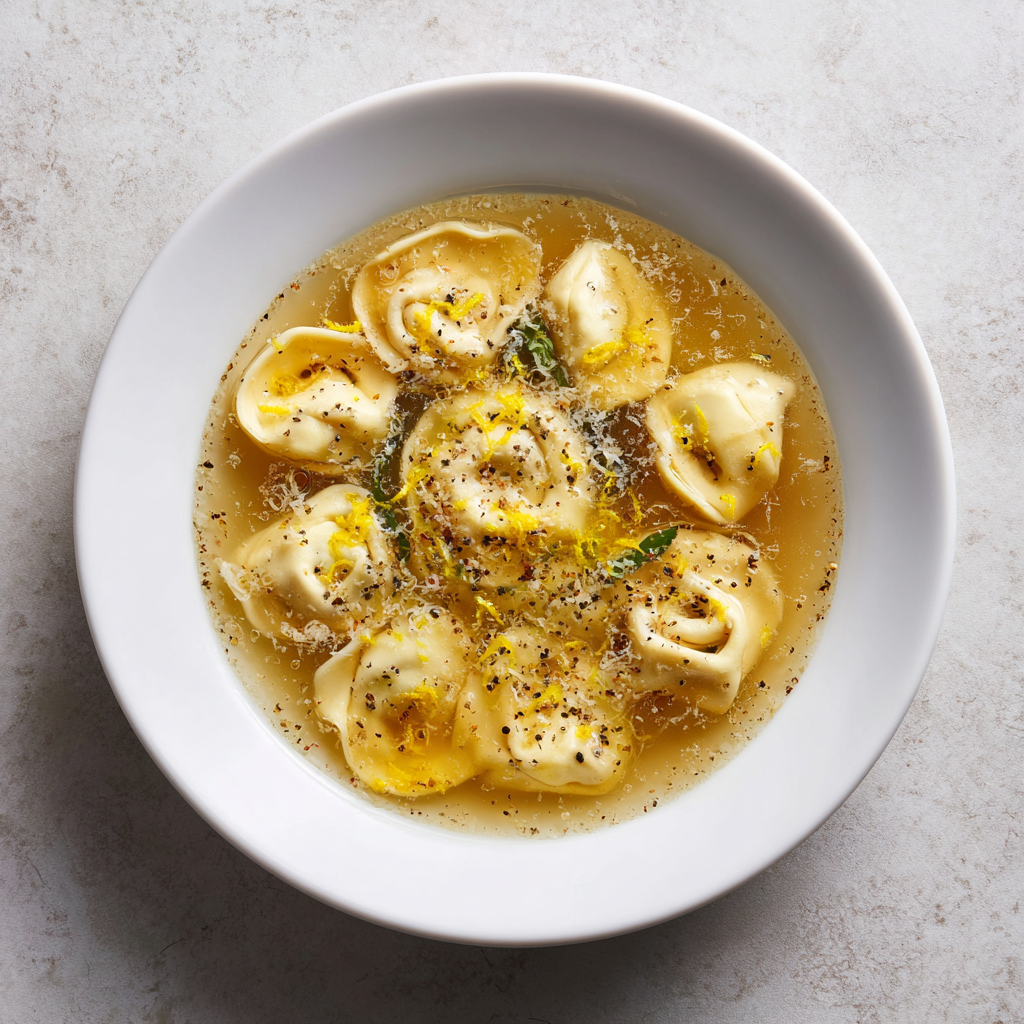
Intelligent shortcuts transform elaborate dishes into accessible weeknight meals without sacrificing quality. Using convenience products wisely shows respect for both tradition and your time.
Utilizing Pre-cut Mirepoix and Ready-Made Ingredients
Quality store-bought pasta parcels reduce preparation from days to minutes. Look for options with traditional fillings like cheese or meat. They deliver excellent results in under thirty minutes.
Pre-cut mirepoix saves valuable time. Stores like Trader Joe’s offer fresh or frozen chopped onion, carrots, and celery. This eliminates tedious knife work without affecting flavor.
Low-sodium chicken broth gives you control over seasoning. Good commercial versions work beautifully here. Add a Parmesan rind for depth – many grocery stores sell them separately.
| Time-Saving Approach | Traditional Method | Efficient Alternative | Time Saved |
|---|---|---|---|
| Pasta Preparation | 2-day homemade process | Quality store-bought | Hours to minutes |
| Vegetable Prep | Chopping fresh vegetables | Pre-cut mirepoix | 15-20 minutes |
| Broth Base | 3-hour simmering | Enhanced store broth | 2.5+ hours |
| Meal Assembly | All components from scratch | Strategic ready-made items | Multiple hours |
Make components ahead for even faster meals. Cooked pasta keeps well for up to five days. Store broth and pasta separately to maintain texture.
Freeze portions for future quick meals. Reheat gently in your large pot over medium heat. This preserves the delicate balance of this comforting food.
Balancing Flavors with Seasonings and Citrus
Seasoning is where many cooks make the single biggest mistake with this dish. The broth already contains salty elements from Parmesan and cured meats in the filling. Adding salt too early can create an unpleasant result.
Start with low-sodium chicken broth as your base. This gives you control over the final taste. Only add salt at the very end, after you’ve tasted the completed soup.
Properly seasoned broth should taste clear and defined. The meat and vegetable flavors should be distinct, not muddled. Use just enough salt to make everything vivid without tasting salty.
For brightness, add lemon zest in wide strips using a vegetable peeler. This makes removal easier before serving. The citrus cuts through richness without making the soup taste lemony.
Turn off the heat before adding lemon juice and zest. Cooking citrus can turn it bitter. This preserves the fresh brightness you want.
Finish with freshly cracked black pepper. Its aromatic compounds remain intact when added at the end. Some people enjoy a light grating of nutmeg too.
Grated Parmesan adds savory depth and textural contrast. These final touches transform a simple soup into something special. Taste carefully as you go to achieve perfect balance.
Personalizing Your Recipe: Adaptations and Creative Twists
Personalizing a traditional meal is a sign of culinary confidence, not a compromise. Once you understand the balance between the pasta and its liquid base, you can make intentional changes.
These adaptations serve different needs and preferences. They create distinct, equally valid versions of the dish.
Vegetarian and Alternative Protein Options
A vegetarian version is a clear choice. Use a robust vegetable broth and cheese-filled pasta parcels.
The character shifts from rich and meaty to lighter and cleaner. It is different, not lesser.
For more protein, add a boneless chicken breast to the simmering pot. Shred the cooked meat and return it at the end.
This makes the soup more substantial. Greens like baby spinach can be stirred in off the heat.
Heartier kale or escarole can simmer briefly. This adds vegetables without complicating the meal.
Customizing Broth Intensity and Consistency
The broth’s strength is adjustable. If a long simmer makes it too strong, add water and retaste for salt.
For four people, use between 1.5 and 2.5 liters of liquid. This range accommodates a preference for a brothy soup or a pasta-focused bowl.
Portion about 100-120 grams of pasta per person for a first course. Increase the amount for a main meal.
| Broth Base | Flavor Profile | Best For |
|---|---|---|
| Traditional Beef & Chicken | Rich, deep, complex | Authentic holiday feasts |
| Chicken Only | Lighter, cleaner, poultry-forward | Everyday meals, lighter preference |
| Vegetable | Earthy, clean, aromatic | Vegetarian diets, lighter meals |
Cheese rinds from Pecorino Romano or Gruyère are excellent substitutes for Parmesan. Each adds a unique savory note.
If using grated cheese without a rind, stir frequently to prevent sticking. You may need to leave some stringy bits in the pot.
This is a minor trade-off for a deeply flavorful result. Your personalized version will be a welcome embrace at any table.
Sending You Off with a Warm Culinary Embrace
You now have a clear path to creating this deeply satisfying meal, whether you have an afternoon or just thirty minutes. Both approaches yield a wonderful result. The choice is about what fits your life, not a test of authenticity.
Remember the key techniques that ensure success. Season at the end, cook the pasta just until tender, and add citrus off the heat. Store the broth and pasta separately to maintain perfect texture.
This soup tastes even better the next day as flavors meld. This makes it a practical choice for entertaining. You can prepare it ahead without losing quality.
Trust your judgment on the broth’s richness and seasoning. Your preference guides these final touches. The first time you make this hearty Emilia-Romagna soup will build your confidence for the next.
Ultimately, this is about nourishment and warmth. Imagine serving steaming bowls to loved ones on a cold evening. That is the true goal of this recipe.
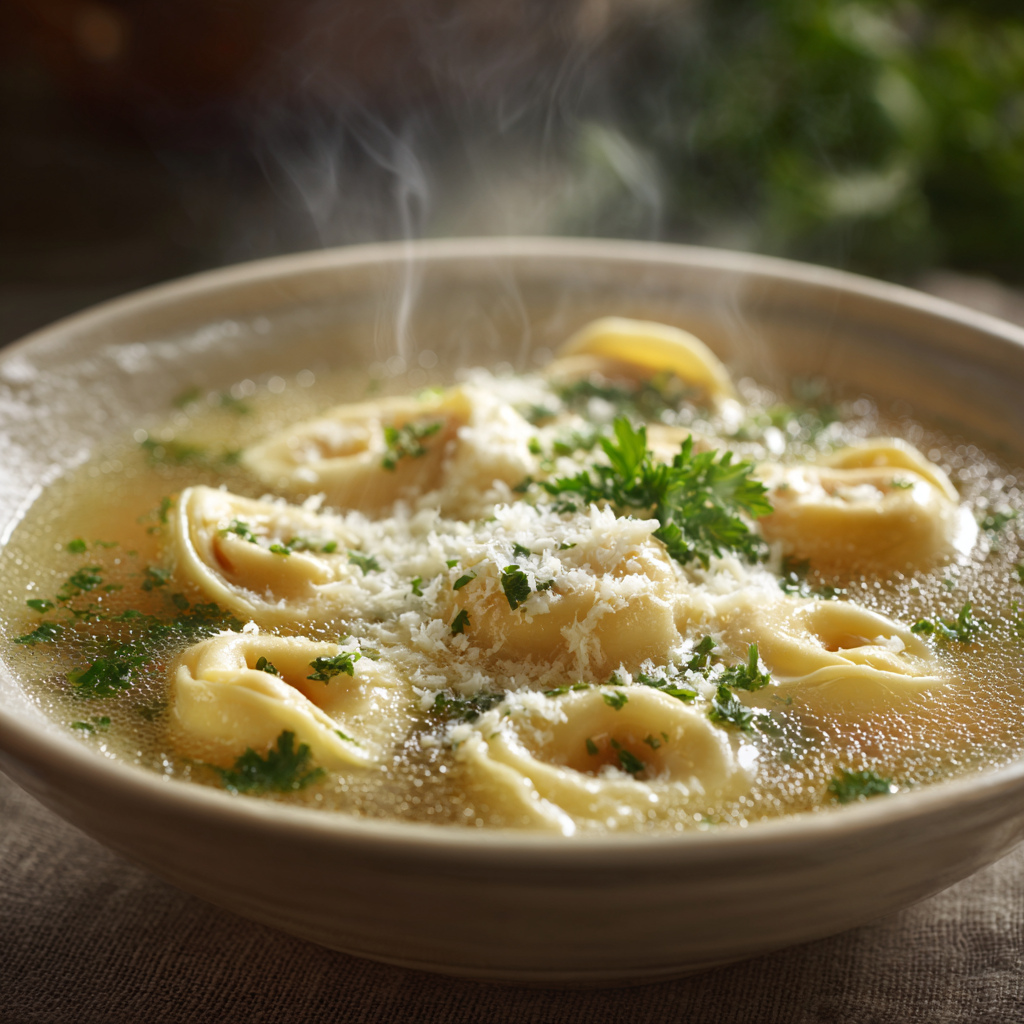
Tortellini in Brodo (Italian Christmas Soup)
Ingredients
Method
- In a large pot, heat a little olive oil over medium heat. Add the diced onion, carrot, and celery. Cook until softened (about 5 minutes).
- Pour in 8 cups of chicken broth and add the Parmesan rind. Bring to a simmer and cook for 15 minutes. Stir occasionally.
- Add the tortellini to the pot and cook for 3-5 minutes (or as per package instructions). Make sure not to rely solely on the tortellini floating to the top as the indicator for doneness. Taste one to check.
- Turn off the heat. Add lemon zest (in wide strips) and a squeeze of lemon juice. Season with salt and pepper to taste.
- Ladle the soup into bowls, adding tortellini and broth. Sprinkle freshly grated Parmesan on top before serving.
Notes
- If you're looking for a vegetarian version, use vegetable broth and cheese-filled tortellini.
- You can freeze leftover tortellini for up to a month, which makes it easier for future meals.
- For a heartier version, consider adding chicken or more vegetables like spinach.