Jump to Recipe
There’s a special moment when you uncork a bottle that feels just right for the occasion. The gentle pop, the first pour into glasses, watching the liquid catch the light—it transforms an ordinary meal into something memorable. This ritual connects us to generations of tradition around holiday tables.
Choosing the perfect accompaniment for your festive gathering can feel overwhelming. Italy offers an incredible diversity of regional options, each with unique character. But finding the right match doesn’t need to be complicated.
This guide serves as your practical companion for navigating Italy’s rich winemaking heritage. We’ll explore everything from sparkling aperitifs to dessert selections. You’ll discover specific pairing suggestions that enhance each course of your celebration.
The right selection does more than complement food—it creates connection. It honors centuries of craftsmanship and the Italian approach to hospitality. When you bring these bottles to your table, you’re participating in a tradition of joyful gathering.
You’ll learn not just what to purchase, but why certain varieties work beautifully with specific dishes. We’ll cover proper serving techniques and what makes each wine distinctive. Our recommendations draw from authentic multi-course traditions where thoughtful pairing elevates every bite.
Key Takeaways
- Italian selections naturally enhance holiday celebrations through rich heritage
- Regional diversity offers perfect matches for various courses
- Proper pairing creates deeper connection to food and tradition
- Sparkling options through dessert wines cover the entire meal
- Specific producer recommendations ensure quality choices
- Serving techniques maximize each wine’s character
- Cultural understanding enhances the dining experience
Setting the Scene for a Festive Italian Wine Experience
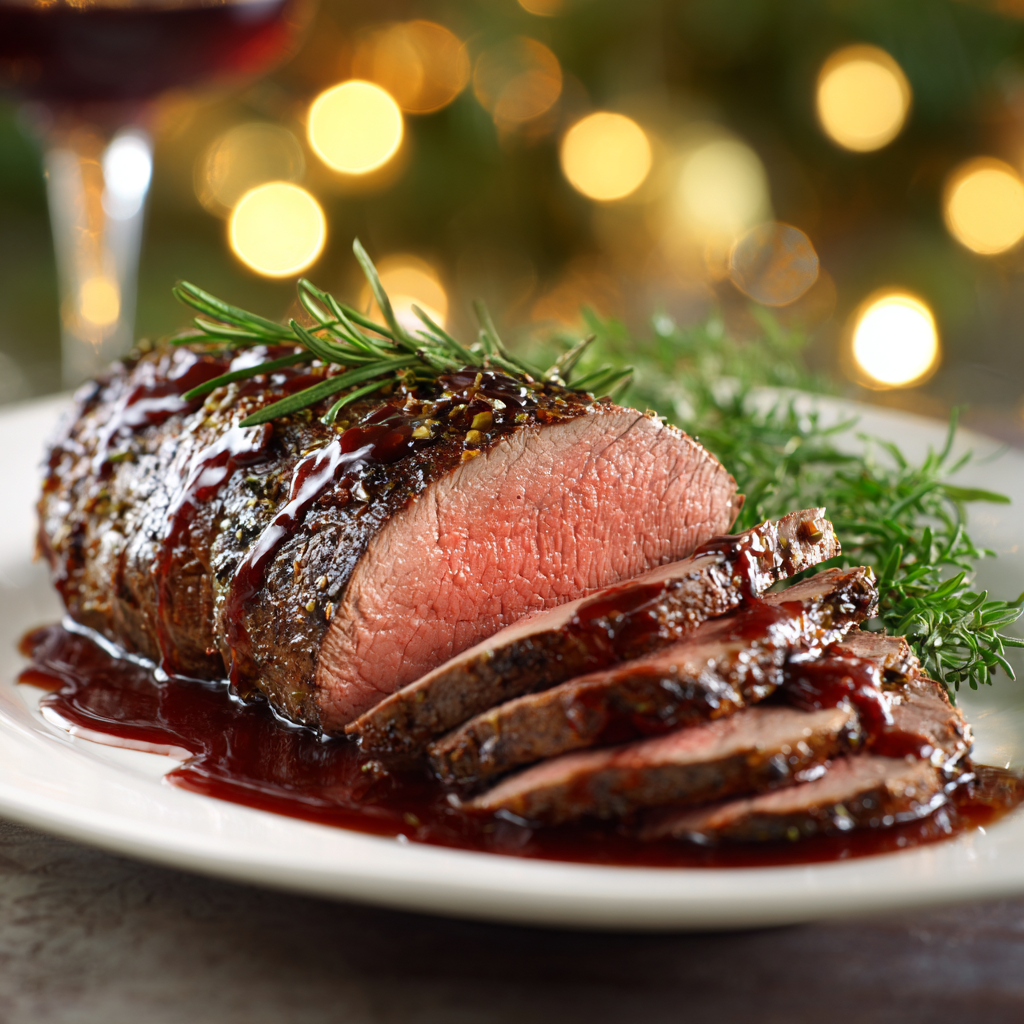
Preparing for a festive gathering involves more than just the menu. It’s about curating an experience where every detail, especially the wine, contributes to the warmth. This thoughtful approach turns a simple meal into a memorable event for the season.
Embracing the Holiday Spirit and Wine Culture
In Italy, the celebration table is treated with great care. Each bottle is chosen with intention, reflecting a deep respect for hospitality. The meal itself is an unhurried experience.
Wine flows throughout multiple courses. This creates natural pauses for conversation and connection. It’s about savoring the time together.
Creating a Warm, Inviting Atmosphere
Setting the scene begins before guests arrive. Chill your white selections properly. Allow reds to reach the correct serving temperature.
Arrange bottles where they are accessible but not cluttering the table. Set proper glassware at each place. A small note pairing wine with courses adds a thoughtful touch.
Certain bottles become part of family history, marking special occasions year after year. This emotional dimension makes the holiday truly meaningful.
| Consideration | Last-Minute Approach | Planned Approach |
|---|---|---|
| Selection Process | Rushed, often based on availability | Intentional, considering courses and guests |
| Atmosphere Impact | Can feel disjointed from the meal | Seamlessly enhances the dining experience |
| Host Stress Level | High, with last-minute decisions | Low, allowing full enjoyment of the event |
A thoughtfully chosen bottle also makes a wonderful gift. It shows you understand both the recipient and the occasion. Embracing this culture doesn’t require expertise, just a genuine appreciation for how wine brings people together.
Planning your selections in advance removes stress. It lets you enjoy the holiday rather than making frantic last-minute trips. This preparation ensures a quality experience for everyone.
Understanding Italian Wines and Their Rich Traditions
Across Italy’s diverse regions, wine serves as the heartbeat of holiday traditions. It flows naturally through multi-course meals that celebrate seasonal abundance.
These selections aren’t about extravagance but thoughtful enhancement. The right bottle makes both food and drink taste better together.
The Role of Wine in Italian Holiday Celebrations
Regional diversity shapes every celebration table. A feast in Piedmont features different dishes than one in Sicily. Local wines naturally complement these regional specialties.
Traditional meals follow a structured progression. They move from antipasti through primo and secondo courses. Each stage receives its own wine consideration.
This creates a natural flow from lighter options to fuller-bodied selections. Sparkling varieties often begin the meal to refresh the palate. Robust reds accompany richer main dishes.
Wine connects generations around the table. Grandparents, parents, and children share the same bottles. This creates continuity and shared experience.
| Course | Northern Italy | Central Italy | Southern Italy |
|---|---|---|---|
| Antipasti | Prosecco or Pinot Grigio | Verdicchio or Trebbiano | Fiano or Greco di Tufo |
| Primo Piatto | Barbera or Dolcetto | Chianti Classico | Nero d’Avola |
| Secondo Piatto | Nebbiolo or Amarone | Brunello di Montalcino | Aglianico or Primitivo |
Understanding these traditions provides a helpful framework. It guides your selections without requiring rigid adherence. The diversity of Italian wines means there’s always an appropriate option.
This practical wisdom evolved over centuries. It respects both the food and the occasion. The result is a harmonious dining experience that feels both special and natural.
Exploring Varietals for a Memorable Christmas Feast
The journey through a festive meal often begins with the lively sparkle of a well-chosen bottle. These selections cleanse the palate and set a celebratory tone. Their bright acidity prepares you for the rich courses ahead.
Sparkling Selections: Prosecco and Franciacorta
Franciacorta is a serious sparkling wine from Lombardy. It undergoes secondary fermentation in the bottle, similar to Champagne. This creates a creamy texture with fine, persistent bubbles and complex notes of brioche and orchard fruit.
Prosecco offers a lighter, fruitier profile. Made primarily from Glera grapes, it showcases pronounced floral aromatics. For superior quality, look for bottles labeled Conegliano Valdobbiadene Prosecco Superiore DOCG.
Elegant Whites and Bold Reds
Beyond bubbles, elegant white options provide remarkable versatility. Fiano di Avellino has a waxy texture and notes of toasted hazelnut. Arneis from Piedmont offers fragrant floral and pear notes.
For robust main dishes, consider a bold red. Cannonau from Sardinia delivers flavors of juicy red fruits with well-integrated tannins. When your menu calls for a truly substantial pairing, you might discover my top pick for a robust like Barolo, known for its high tannins and complex aromatics.
Exploring these varietals connects you to authentic traditions. They often provide excellent value compared to more familiar names.
Mastering Food Pairing with Italian Wines for Christmas Dinner
Rather than following strict rules, effective pairing considers the balance of flavors, textures, and intensities. The goal is harmony between each course and its accompanying selection.
Understanding how wine components interact with food characteristics creates memorable combinations. Acidity cuts through richness while tannins complement protein and fat.
Enhancing Starters and Antipasti with Bubbly Options
Sparkling selections work beautifully with appetizers. Their bubbles and acidity refresh the palate between bites.
Prosecco’s slight sweetness complements salty prosciutto. Franciacorta’s creaminess stands up to buttery seafood dishes.
Verdicchio Spumante enhances briny oysters with its mineral undertones. Passerina Spumante balances fried appetizers like olive all’ascolana.
Balancing Main Courses with Robust Reds and Versatile Whites
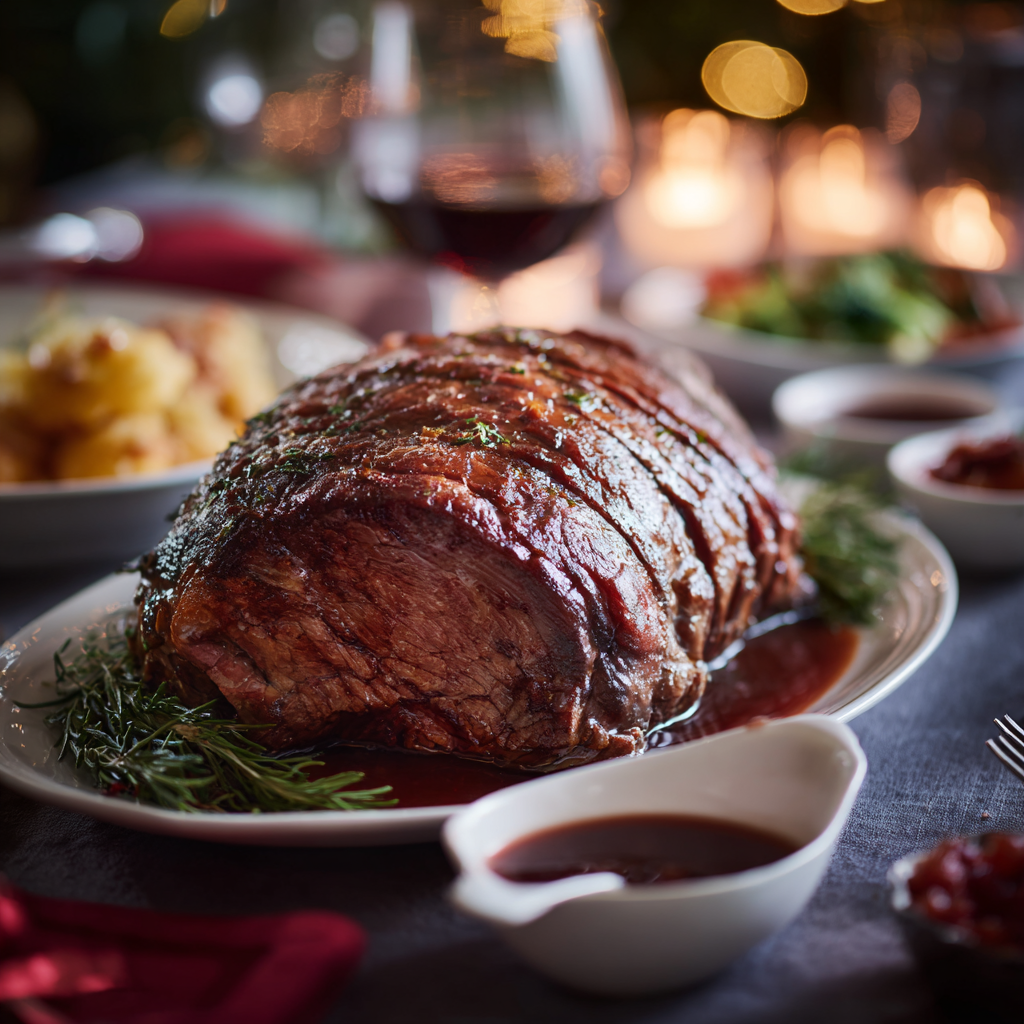
For rich meat dishes, consider full-bodied reds. Primitivo pairs well with grilled meats while Barolo complements braised preparations.
Montepulciano d’Abruzzo works beautifully with roasted lamb. Cannonau handles hearty stews and pasta al forno.
Pecorino offers surprising versatility for first courses. Its bold structure handles meat ragù while maintaining freshness.
Finishing on a Sweet Note with Dessert Wines
Dessert selections should match or exceed the sweetness of your final course. This prevents bitterness and creates harmony.
Passito di Pantelleria offers intense apricot and honey notes. It pairs wonderfully with nut-based cakes and ricotta desserts.
Vino Cotto’s caramel notes harmonize with dark chocolate. Torcolato complements traditional holiday pastries.
Insider Tips on Selecting and Serving Quality Italian Wines
Reading a wine label reveals the story behind each bottle’s craftsmanship and origin. Look for DOCG designations indicating strict regional standards. IGT labels often showcase innovative approaches from quality-focused producers.
Spotting Authenticity and Craftsmanship
Beyond official designations, specific vineyard names and vintage dates signal attention to detail. Producers like Vietti and Elena Walch consistently deliver authentic expressions.
Organic certifications indicate thoughtful cultivation methods. These producers prioritize land stewardship over mass production.
Temperature, Decanting, and Glassware: A Practical Guide
Serve white wine around 8-10°C (46-50°F) to maintain crisp acidity. Reds shine at 16-18°C (61-64°F), slightly below room temperature.
Decant young, tannic reds for 30-60 minutes to soften their structure. Most whites and lighter reds don’t need this step.
Use wider glasses for reds to concentrate aromas. Narrower glasses preserve delicate notes in white selections. This simple choice enhances your entire meal experience.
Wrapping Up Your Festive Wine Experience
Your holiday table becomes truly special when wine and food complement each other perfectly. The key principle is matching intensity—lighter selections with delicate dishes, robust options with hearty meats. Remember that personal preference matters most.
Start with just one or two courses where you apply thoughtful pairing. Keep notes about which combinations your family enjoys most. This practical approach builds confidence for future celebrations.
Consider exploring one new varietal each year. Many excellent options are available through specialty retailers. Planning ahead ensures better selection and less stress.
The effort you invest creates lasting memories around your table. These moments of connection are what make any feast memorable.