
Jump to Recipe
There’s a quiet moment just before a meal, when the table is set and the air holds a promise. It’s in these moments that the right glass of wine can turn an ordinary evening into something memorable.
I’ve learned that the world of bubbly wine is far richer than many realize. Not all sparkling wines are the same. The choices, especially from Italy, are vast and wonderfully distinct. Understanding these differences transforms the final course of a meal.
This guide cuts through the confusion. We’ll explore the main types of Italian sparkling wine, from the famously approachable Prosecco to more complex bottlings. You’ll learn how production methods affect the bubbles and flavor. This knowledge helps you choose a bottle that complements sweet treats perfectly.
Italy protects the quality and authenticity of its wine through a clear classification system. This ensures that what you’re drinking truly reflects its region and grapes. My aim is to give you practical, confident knowledge for your next dessert experience.
Key Takeaways
- Italian sparkling wines offer a wide range of styles beyond common assumptions.
- The interaction between a wine’s sweetness, acidity, and bubbles is key for pairing.
- Different production methods create varying levels of effervescence and flavor profiles.
- Italy’s DOC and DOCG classifications guarantee origin and quality standards.
- Selecting the right bottle can elevate both simple and celebratory desserts.
- This guide provides practical advice for making informed choices without pretense.
Exploring Italy’s Time-Honored Production Methods
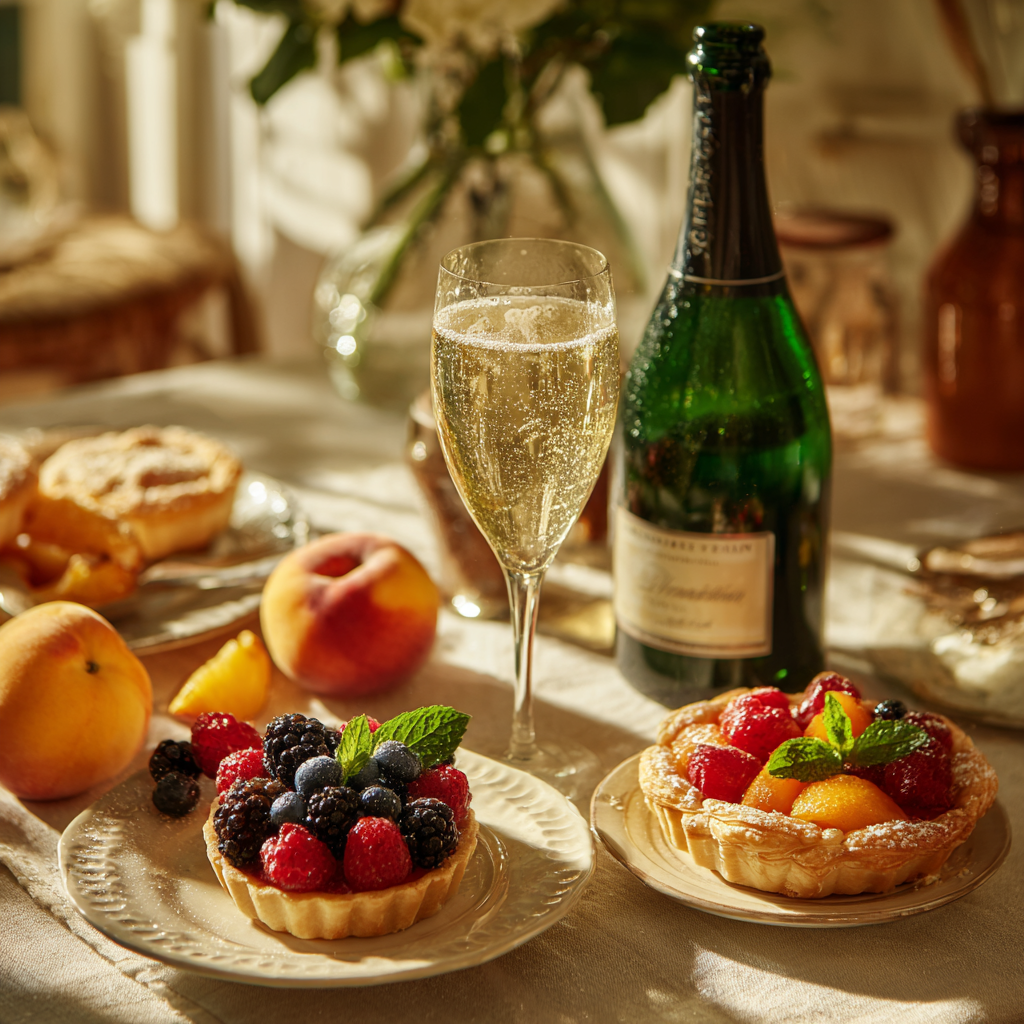
Behind every glass of effervescent wine lies a deliberate choice in production technique. The method used determines not just the bubbles but the entire character of what you’ll taste.
This choice between approaches shapes everything from texture to flavor complexity. Understanding these methods helps you select the right bottle for any occasion.
The Charmat Method vs. Metodo Classico
The Metodo Classico represents the traditional approach to wine production. This method involves a second fermentation directly in the bottle. Winemakers add a precise mixture of sugar and yeast to create bubbles under pressure.
The Charmat Method takes a different path. Fermentation happens in large pressurized tanks instead of individual bottles. This approach preserves the fresh fruit qualities of the grapes.
Wines made using the Metodo Classico develop finer, longer-lasting bubbles. They often show complex flavors from extended aging. The Charmat method yields brighter, fruit-forward profiles ready to enjoy sooner.
Understanding Fermentation and Aging Techniques
Fermentation is where sugar converts to alcohol and carbon dioxide. The pressure created during this process gives wine its effervescence. How this happens determines the final product’s character.
Aging techniques further refine the wine’s profile. Metodo Classico wines spend months or years developing complexity. The time spent with yeast cells creates nuanced flavors that complement various foods.
Each production method serves different purposes and preferences. Neither is inherently superior—they simply create different styles for different moments.
Italian Sparkling Wines for Desserts: Mastering Perfect Pairings
Selecting the right bottle for your dessert is less about rules and more about a few key principles. The goal is harmony. We want the wine and the food to create a better experience together.
Successful food pairings rely on balancing sweetness, acidity, and flavor. The bubbles play a crucial role, cleansing your palate between bites.
From Prosecco to Moscato – Flavor Profiles Unveiled
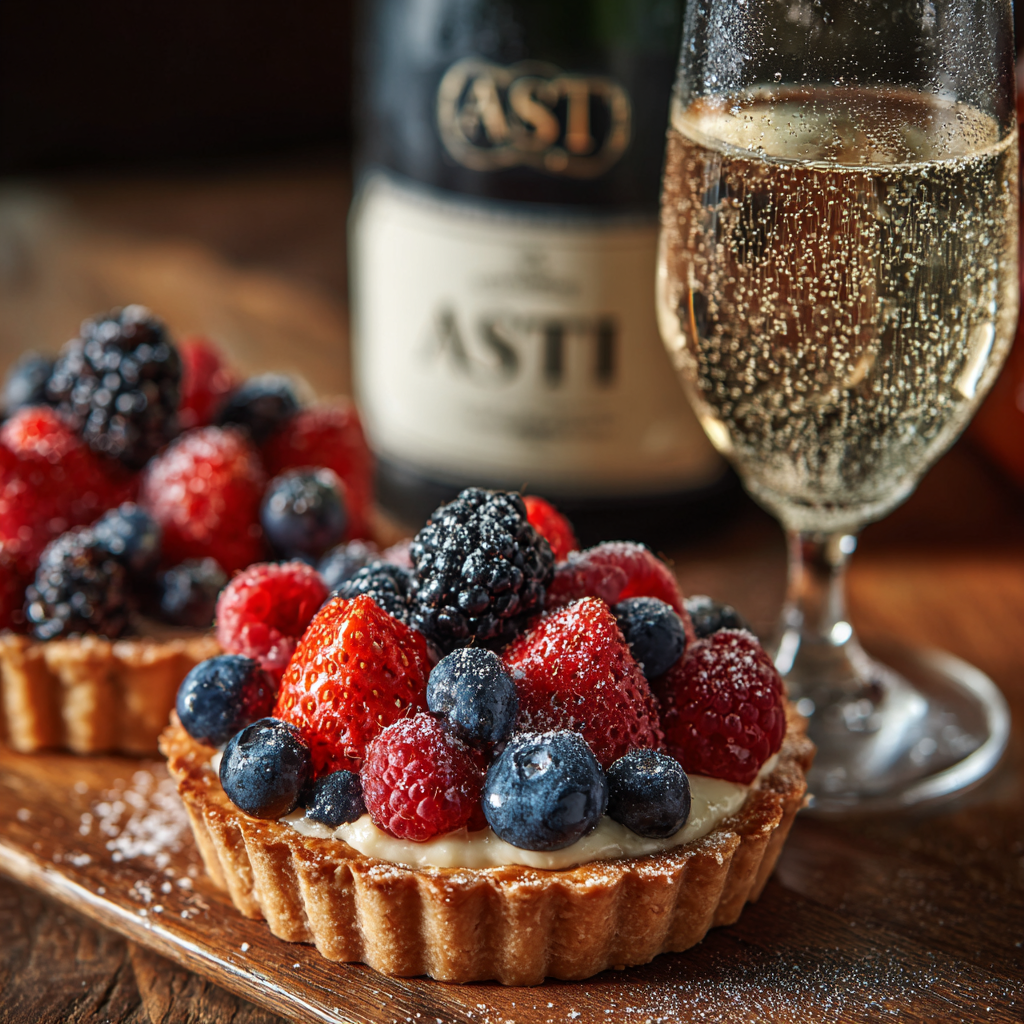
Prosecco, made from the Glera grape, offers floral aromas and crisp fruit notes. Its lively character pairs beautifully with light desserts. Think fresh fruit, delicate pastries, or fruit tarts.
Asti Spumante, a type of Moscato, brings distinct peach and apricot flavors. Its lower alcohol and noticeable sweetness make it a natural partner for fruit-based desserts. It shines with poached pears or peach cobbler.
These wines also work well with savory dishes. They can complement seafood, creamy cheeses, or even spicy cuisine.
How Sweetness Levels Enhance Your Dessert Experience
The sugar content in these wines, from extra brut to doux, is your guide. A fundamental principle is that the wine should be as sweet as, or sweeter than, the dessert.
If the dessert is sweeter, the wine can taste sour and thin. A dry Brut works with a cheese course or barely sweet dishes. A sweeter Demi-Sec can handle rich, sweet finales.
This understanding ensures each sip complements the bite that follows. It turns a simple dessert into a memorable course.
Regional Highlights from Veneto to Piedmont
The story of Italian bubbly is written across different regions, from the rolling hills of Veneto to the alpine foothills of Piedmont. Each area brings unique qualities to the final product.
Understanding these regional differences helps you appreciate what makes each type special. The land, climate, and local traditions all shape the character of what ends up in your glass.
Discovering the Prosecco Hills and DOCG Standards
Veneto produces over half a billion bottles annually, but the finest examples come from the UNESCO-protected Prosecco Hills. Here, DOCG regulations ensure quality by limiting vineyard expansion.
The Cartizze area represents the pinnacle within this region. Its specific hillside exposure creates wines with remarkable concentration. This tiny zone produces the most complex expressions.
Spotlight on Franciacorta and Asti Spumante
Lombardy’s Franciacorta region earns its reputation using traditional methods and grape varieties like Chardonnay and Pinot Noir. The name itself carries historical significance from medieval tax exemptions.
Piedmont contributes Asti Spumante, made from ancient Moscato grapes. This wine offers distinctive aromatic profiles that differ from drier northern styles. Le Marche produces exceptional DOCG examples using indigenous varieties.
| Region | Primary Grapes | Production Method | Key Characteristics |
|---|---|---|---|
| Veneto | Glera | Charmat Method | Floral, crisp, approachable |
| Lombardy | Chardonnay, Pinot Noir | Traditional Method | Complex, refined, age-worthy |
| Piedmont | Moscato | Asti Method | Aromatic, sweet, fruity |
| Le Marche | Passerina, Verdicchio | Various Methods | Citrus, stone fruit notes |
Each region’s approach reflects its specific climate and traditions. Understanding this context helps predict what you’ll encounter in the bottle.
Decoding Sparkling Wine Styles and Sensory Notes
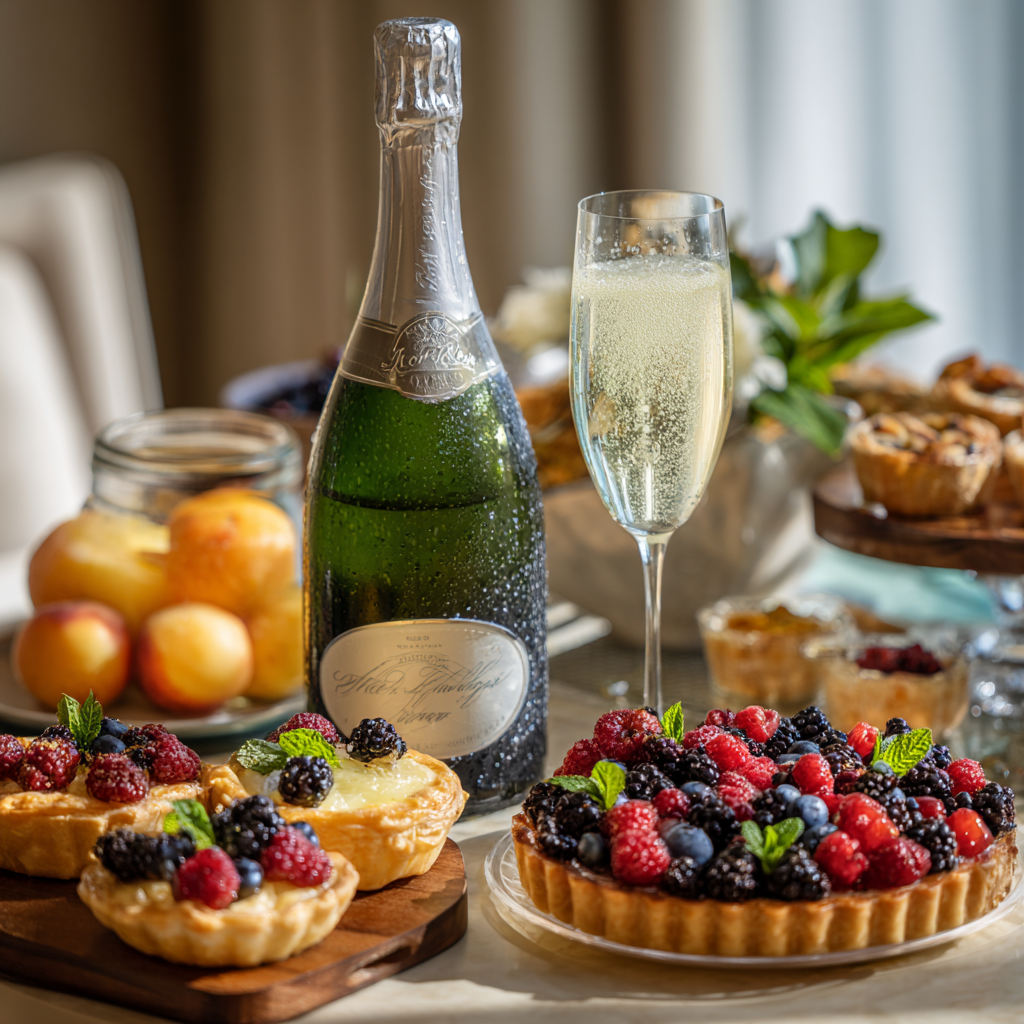
The final element in choosing a bottle is understanding its sensory profile. This goes beyond simple sweetness. It’s about how the wine feels and tastes as a whole experience.
We can break this down into three key areas. Each one interacts with food in a unique way.
Effervescence, Acidity, and Aromatic Profiles
First, consider the bubbles. The style of effervescence matters greatly. Spumante, meaning “foamy,” has vigorous bubbles from a full second fermentation.
This type of sparkling wine made with a traditional or Charmat method cleanses the palate. Frizzante offers a lighter, gentler fizz. It is often a wine made through a simpler process.
Acidity is your secret weapon. It cuts through rich, sweet foods. This prevents the pairing from feeling heavy.
The aromatic notes are your guide to flavor harmony. A Prosecco brings floral and fruity notes. An Asti Spumante will often showcase a distinct peach aroma.
Wines with Pinot Noir, like a rosé, add body and red fruit characteristics. They offer a wonderful middle ground.
| Wine Style | Bubble Intensity | Key Aromatic Notes | Best Pairing Context |
|---|---|---|---|
| Spumante (e.g., Franciacorta) | Strong, persistent | Citrus, brioche, nutty | Rich, creamy desserts |
| Frizzante (e.g., Lambrusco) | Light, soft | Red berries, cherry, mineral | Fruit tarts, delicate pastries |
| Asti Spumante | Lively | Peach, apricot, honeysuckle | Fresh fruit, low-alcohol preference |
| Prosecco Rosé | Fine, persistent | Floral, strawberry, from Pinot Noir | Versatile, from fruit to cheese |
Alcohol level is a final, practical note. A lower alcohol content can make a wine less overwhelming with very sweet final courses. Understanding these elements helps you decode any label with confidence.
Raising a Toast to Italy’s Sparkling Wine Journey
What makes these effervescent creations so special is how they bridge centuries of craftsmanship with modern enjoyment. The experience goes beyond the glass, connecting you to regional traditions and careful production methods.
I’ve learned that seeking out small producers focused on quality consistently yields more memorable bottles. These wines integrate beautifully with food, enhancing rather than competing with your meal. The metodo classico approach represents the pinnacle of this craft.
Even sparkling red wines have their place, offering unique characteristics. Quality designations like DOCG serve as reliable guides. The diversity ensures there’s a perfect type for every occasion and pairing.
Your next selection becomes an informed choice, considering production methods and regional character. This knowledge transforms how you approach these delightful beverages.
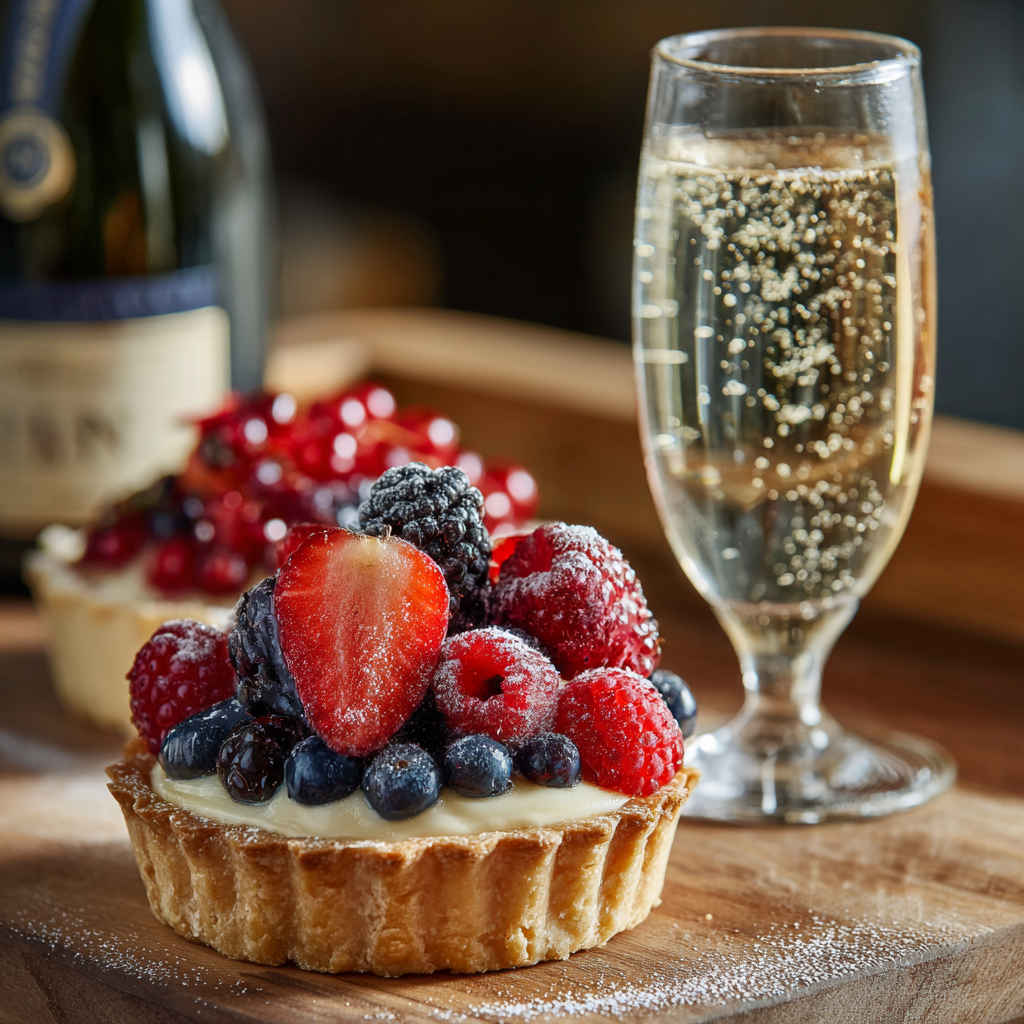
Prosecco and Moscato Dessert Pairing
Ingredients
Method
Notes
- The sweetness level of the wine should complement the sweetness of the dessert for the best pairing experience.
- If pairing with a rich dessert, consider a wine with higher sweetness, such as Asti Spumante. For lighter treats, choose Prosecco for its crisp and fresh taste.
- Both wines can also complement savory dishes such as seafood or creamy cheeses.