Jump to Recipe
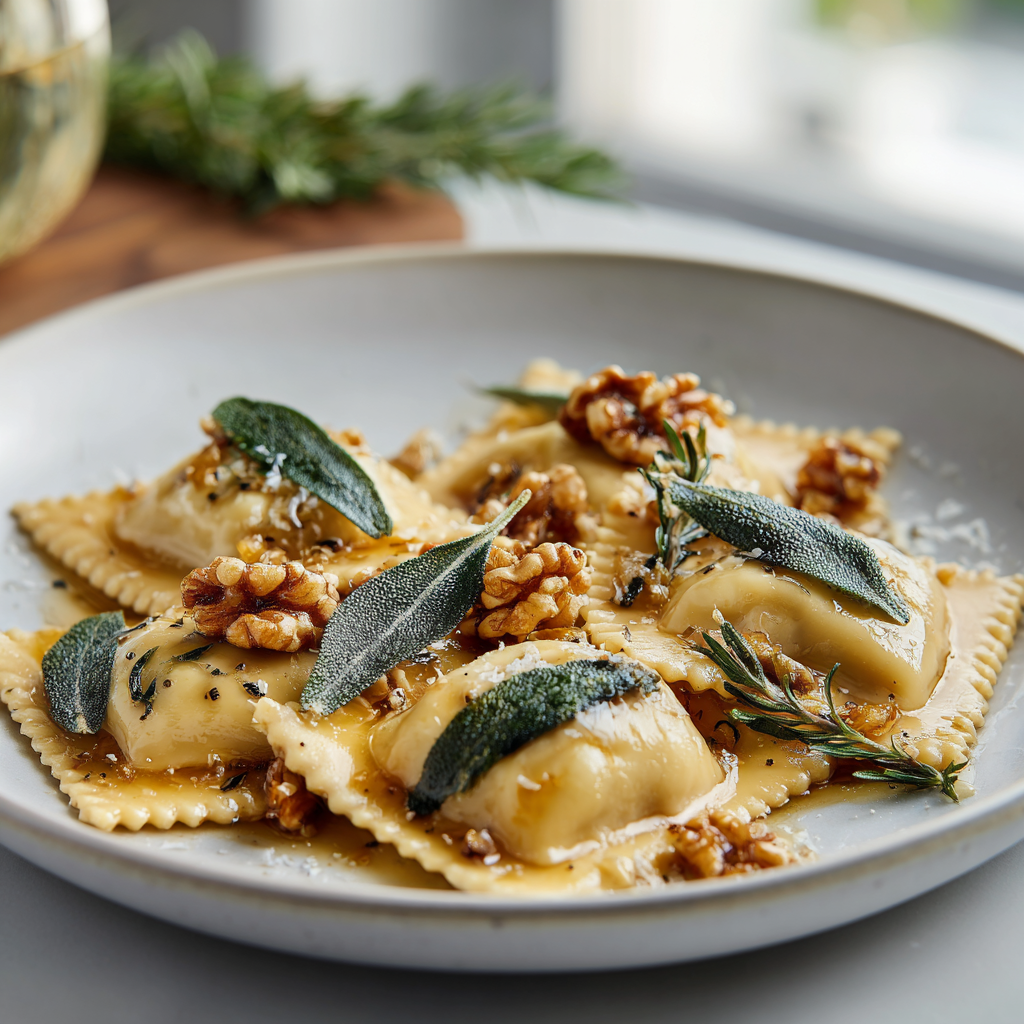
I stand by the stove with a wooden spoon, listening to butter whisper and sage puff its perfume into the air. The kitchen feels like home—warm, slightly messy, and full of small choices that make a meal sing.
I teach the small, exact moments that change a dish: when the butter turns deep golden and smells nutty; when a splash of starchy water binds oil and cheese into a glossy coat; when toasted nuts add a warm crunch. I’ll guide you on salt, pan temperature, and timing so the pasta cooks tender in two to three minutes and the sauce stays bright, never bitter.
We’ll talk about picking seasonal fillings and why a quick toast of walnuts and a few sage leaves lift the whole plate. Little tricks—like reserving half a cup of cooking water or cooling the pan to halt browning—keep the results consistent and confident every time.
Key Takeaways
- Brown butter gives a nutty, golden base—watch for foam to settle as your cue.
- Toast walnuts and crisp sage briefly to add warmth and texture.
- Cook fresh pasta in well-salted water and save about 1/2 cup of the water.
- Emulsify pan fat with pasta water for a glossy, clingy finish; finish with grated Parm and black pepper.
- Stop browning by adding a splash of water if the butter darkens too fast.
Why this walnut brown butter ravioli belongs in your weeknight rotation
On busy nights I rely on dishes that come together fast but feel special. This one lives in that sweet 10–30 minutes window: while water comes to a boil you toast nuts, and while pasta cooks you brown the butter—everything dovetails so dinner appears almost by magic.
The ingredient list is short, yet the concentrated, nutty flavor reads like fussed-over food. Fresh pasta needs only 2–5 minutes, and butter browns in about 3–4 minutes, so timing rarely fights you.
Cleanup is minimal: one pot for the pasta, one pan for the sauce, and you’re seated before the table needs much attention. Salted butter can speed seasoning on hectic evenings; taste at the end and adjust.
- Fast technique that fits weeknight heat and pace.
- Flexible base—cheese or seasonal fillings work beautifully.
- Budget-friendly elegance that impresses guests with little effort.
| Step | Time | Why it matters |
|---|---|---|
| Toast nuts | 2–3 minutes | Adds crunch and aroma without extra steps |
| Brown butter | 3–4 minutes | Builds deep, nutty flavor—stop at the brown note |
| Cook fresh pasta | 2–5 minutes | Fast cooking keeps pasta tender and prevents overcooking |
Once you master the base, you can riff freely—try a splash of quality balsamic or crisp sage. For another nut-forward idea, see this short guide on a related classic: strozzapreti walnut pesto.
Ingredients and the quality swaps that make the flavor sing
I pick the best ingredients first, because a simple pan can only sing if each element is honest and bright. Below I share practical choices and small swaps that change the final plate.
Butter choices
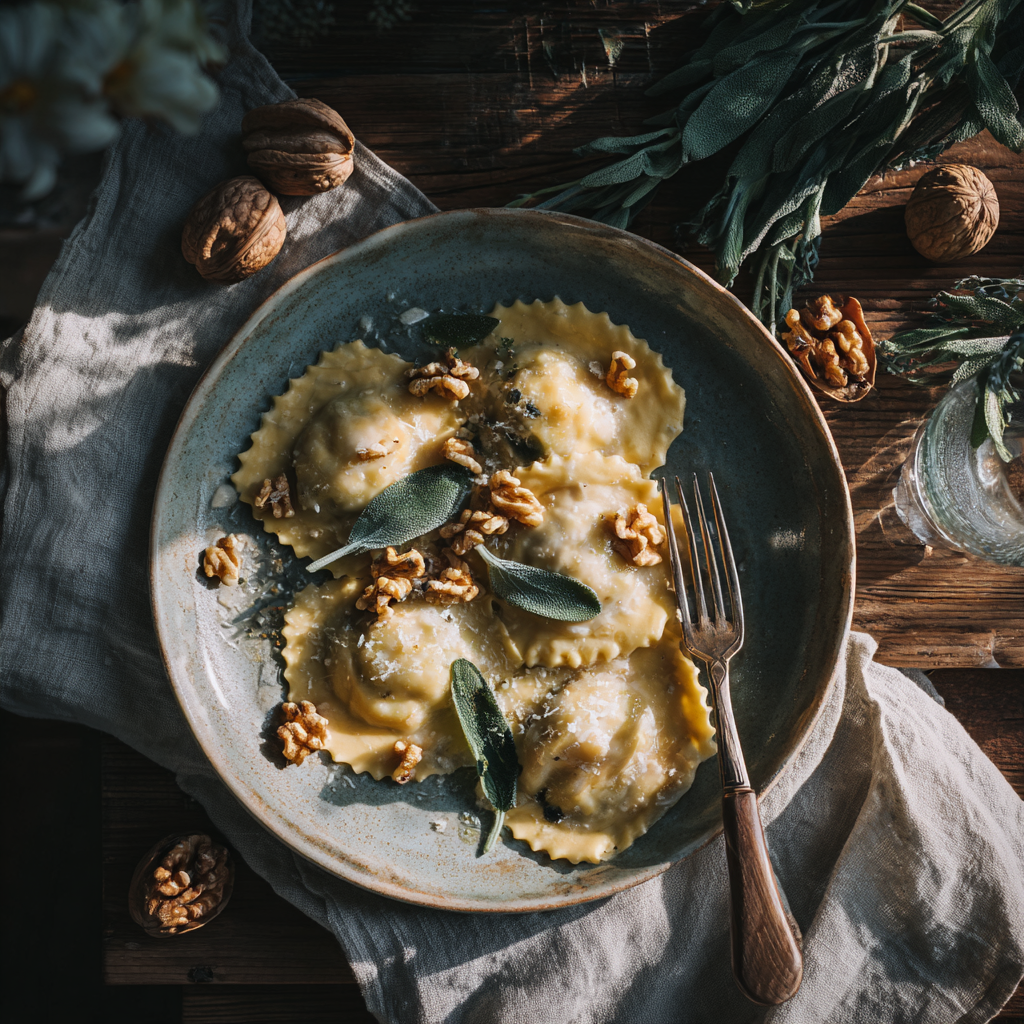
I use 4 tbsp of butter; good quality matters. Salted butter is convenient—taste and add salt sparingly. Unsalted butter gives full control, so I season early and fine-tune after emulsifying.
Walnuts and texture
Toast 1/4 cup walnuts in a dry pan over medium heat, shaking often, about 5–7 minutes until fragrant. Cool them so they stay crisp. I like a mix of halves and chopped walnuts for contrast and pockets of crunch.
Pasta and filling picks
Choose cheese for a savory base or pumpkin and squash ravioli for gentle sweetness. Fresh pasta cooks fast—about 2–3 minutes for most pumpkin or butternut squash fillings. Always cook in well-salted water and reserve 1/2 cup to emulsify the pan.
Aromatics and finishers
Fresh sage is essential; crisp a few leaves for garnish. Finish with grated Parmigiano Reggiano and freshly cracked pepper. For pumpkin fillings I sometimes add a whisper of nutmeg to echo the toasty notes.
| Choice | When to use | Result |
|---|---|---|
| Salted butter | Quick seasoning | Convenient, adjust at end |
| Unsalted butter | Precise control | Fine-tune salt and flavor |
| Fresh vs dried pasta | Fresh: 2–3 min; Dried: longer | Fresh absorbs sauce; dried needs patience |
ravioli with walnut butter sauce recipe
I love the quick choreography of pan, pot, and timing when a simple pasta dish comes alive. Read these steps slowly the first time, then move confidently.
Start the pot and save the starchy water
Bring a large pot to a vigorous boil and add salt generously so the water tastes like the sea. Cook the filled pasta according package directions—fresh often needs just 2–3 minutes, some packaged varieties about 5 minutes.
Before draining, scoop out 1/2 cup of that starchy water. It is the secret to a stable, glossy sauce.
Brown the fat, then finish and plate
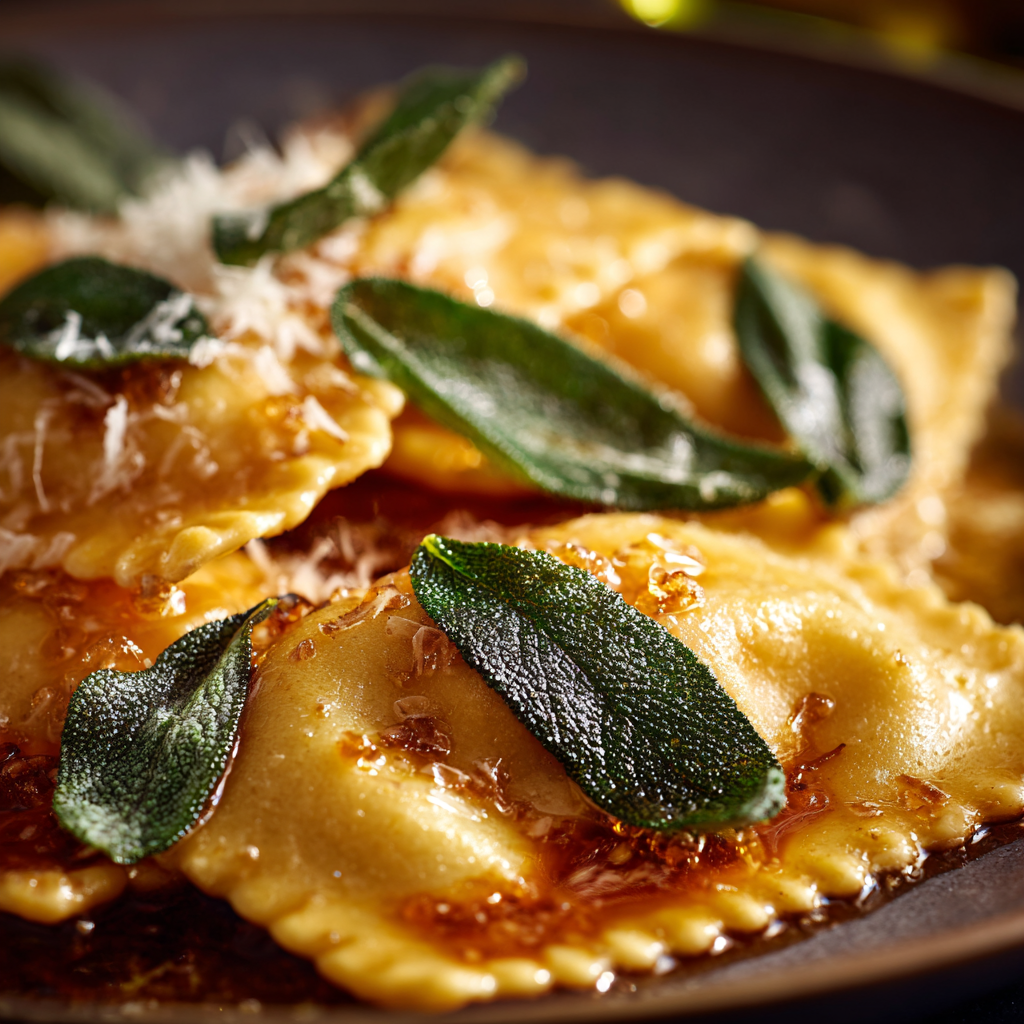
- In a wide skillet over medium heat, melt butter gently. Watch for foam, then listen and smell as the milk solids toast to a deep golden, nutty note—about 3–4 minutes.
- Add toasted walnuts and crisp sage leaves, letting them sizzle 30–60 seconds. If the color races, cut heat and add a splash of pasta water to stop browning.
- Whisk in a few tablespoons of reserved water to emulsify the pan. Add the pasta and toss gently, adding more water until each piece is glossy, not greasy.
- Taste and season. Plate hot and finish with freshly grated Parmigiano Reggiano and a pinch of nutmeg for pumpkin fillings. For a related variation try the spinach and ricotta version here: spinach and ricotta.
Timing, technique, and easy fixes for common mistakes
Timing is the quiet trick that turns a simple pasta plate into something that feels practiced and effortless.
Keep everything in the 10–30 minute sweet spot by starting the brown butter just as the pot nears a boil. Fresh pasta often needs only 2–5 minutes, so plan the last few minutes of cooking to match the pan finish.
Stop overcooking and save the pan
Pull pasta a touch shy of done; it will finish in the pan while you toss it in the butter sauce. If the fat darkens too fast, slide the skillet off the heat and whisk in a spoon or two of reserved water. That cools the pan and begins the emulsify step so the sauce clings to each piece.
Rescue a greasy or broken sauce
When the sauce looks greasy, add hot pasta water a tablespoon at a time off the heat and whisk until it comes back together. Work over medium heat, not high—brown butter develops in 3–4 minutes and needs gentle attention to avoid scorch.
Pro moves for deeper flavor
- Crisp sage directly in the butter, lift a few leaves for garnish so they stay delicate.
- Toast nuts in a dry pan until they smell nutty, about 5–7 minutes; pull them early to avoid bitterness.
- For a mushroom riff, deglaze the brown butter with a splash of quality balsamic to add balance.
Season in layers: a pinch of salt in the pan, another after emulsifying, then a final crack of pepper. Plate hot—the sauce is most luscious right off the heat, and the pasta’s starch helps it stick beautifully.
Make it yours: seasonal variations, add-ins, and pairing ideas
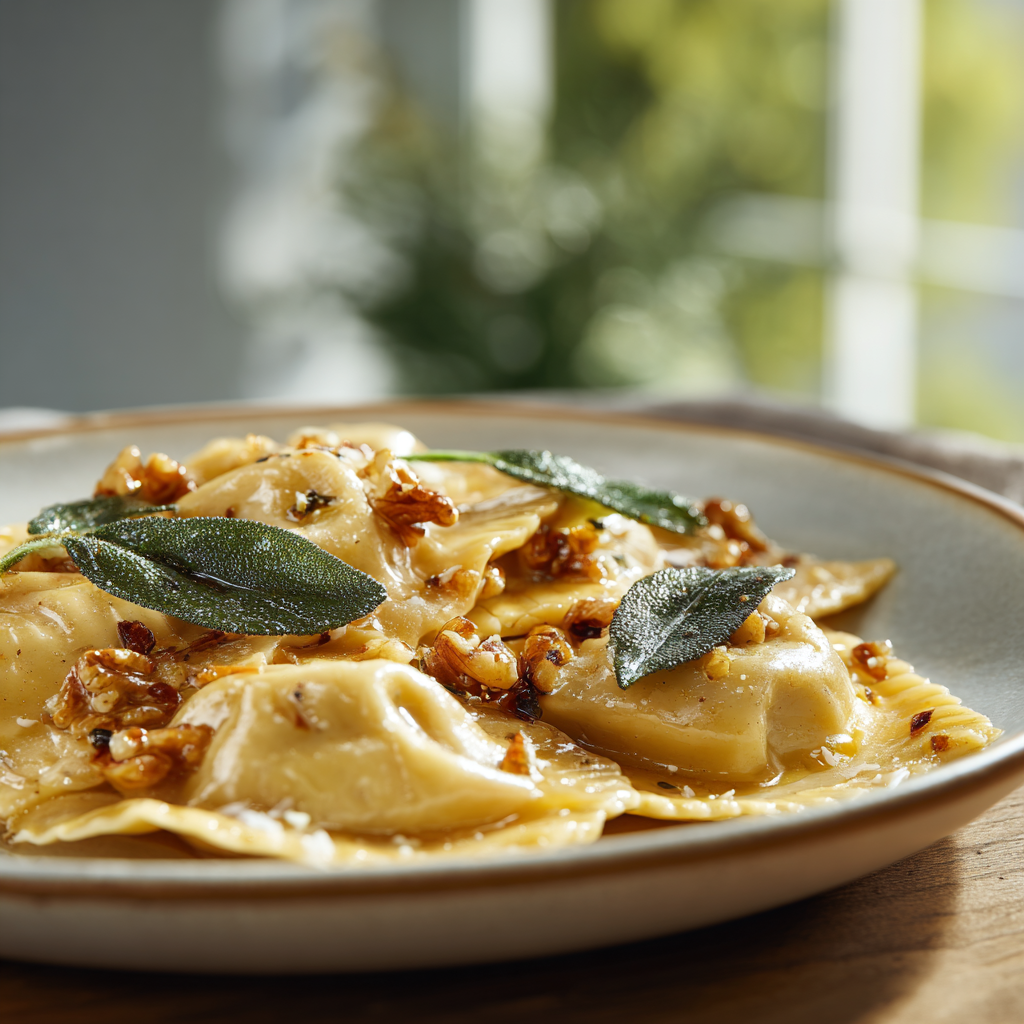
A simple twist—an herb here, a splash of vinegar there—turns the same pan into an autumn or spring plate. I keep the method and timing, and change fillings, herbs, or accoutrements to suit the season.
Pumpkin or butternut squash option
For autumn comfort, use pumpkin or butternut squash pasta that cooks in 2–3 minutes. Finish with browned fat, crisp sage, freshly grated Parmigiano, and a whisper of nutmeg. It’s a five-ingredient joy that’s ready in 20–30 minutes.
Mushroom and balsamic riff
The mushroom variation is earthy and savory. Sauté baby bella, make brown butter, add a splash of good balsamic, toss in thyme and sage, then top with toasted nuts and grated parmesan for depth.
Protein and veggie add-ins
- Fold in seared pancetta, crisp prosciutto, or shredded rotisserie chicken to make dinner heartier.
- Add peas, wilted spinach, roasted squash, or blistered cherry tomatoes to brighten texture and color.
- Cheese-filled parcels pair especially well with the nutty pan—toast a few more nuts on top for contrast.
What to serve alongside
Pair this dish with a peppery arugula salad dressed in lemon and olive oil, or roasted Brussels sprouts finished with a touch of balsamic and sea salt. For wine, reach for a light Pinot Noir for mushroom nights or a lightly oaked Chardonnay for pumpkin and squash plates.
| Variation | Key add-ins | Best pairing |
|---|---|---|
| Pumpkin / butternut squash | Sage, nutmeg, freshly grated Parmigiano | Lightly oaked Chardonnay, arugula salad |
| Mushroom & balsamic | Baby bella, thyme, toasted nuts, splash of balsamic | Pinot Noir, roasted Brussels sprouts |
| Cheese or protein forward | Pancetta, prosciutto, shredded chicken, peas | Dry Italian red or crisp white, simple green salad |
Bring it to the table tonight
Set a pot to boil, lay out your ingredients, and you’ll be 20–30 minutes from dinner.
Salt the water generously. While it heats, toast the walnuts so they’re ready when you melt butter in a pan over medium heat.
Cook the ravioli according package directions—fresh often 2–3 minutes, some brands about 5—and reserve 1/2 cup of that starchy water.
Brown the fat for about 3–4 minutes, add sage and walnuts, then splash in the saved water to emulsify. Toss the pasta until glossy, taste and add salt or a crack of pepper, then top with parmesan cheese and a few chopped walnuts.
If you liked this step-by-step recipe, feel free to share your variations and sign up for my newsletter for more instructions and seasonal recipes. I’d love to hear what you paired it with.