
Jump to Recipe
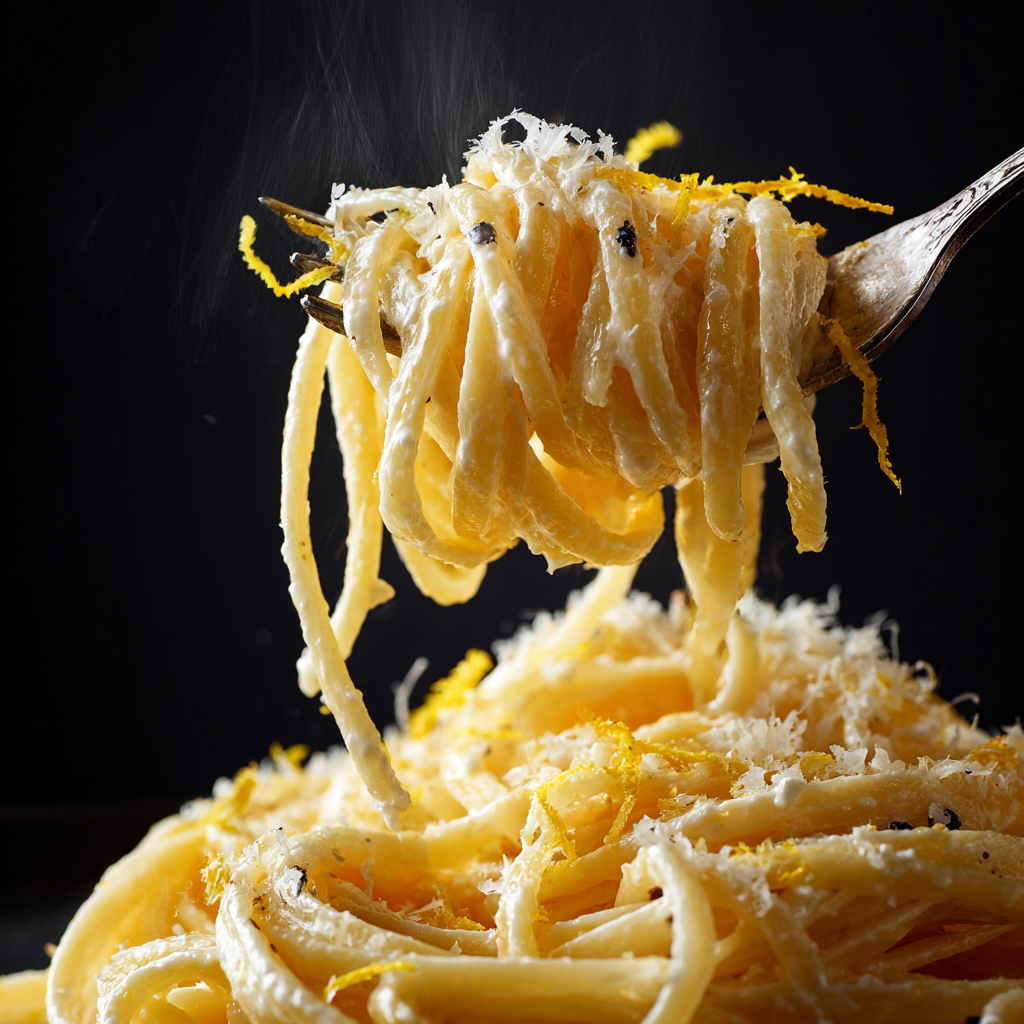
I keep a jar of full-fat cheese in the fridge for nights when I want something quick, bright, and honest. I toss a simple no-cook ricotta mix with hot noodles, a splash of olive oil, freshly grated citrus peel, and a cup of starchy cooking water until everything turns glossy and clingy.
The first time I made this in a cramped rental kitchen, the room filled with a sharp, sunny scent that felt like the coast. It takes fifteen to thirty minutes from boiling pot to table, and the technique—timing the water, zesting unwaxed fruit, finishing off heat—makes all the difference.
Use whole-milk ricotta and good parm for depth. Finish with basil or cracked pepper, and you have a weeknight dish that tastes like a small, happy celebration of simple ingredients and honest technique.
Key Takeaways
- Ready in 15–30 minutes—perfect for busy weeknights.
- Make a no-cook ricotta mixture and loosen it with reserved starchy water.
- Unwaxed, aromatic fruit peel gives the bright lift this dish needs.
- Use whole-milk ricotta and quality olive oil for the best texture and flavor.
- Finish off the heat and toss quickly so the cheese stays smooth, never grainy.
Why this lemon ricotta pasta belongs in your weeknight rotation
On frantic weeknights I reach for a bowl that cooks almost itself, grounded in pantry staples and quick technique. Traditional Italian versions prize speed and simplicity, so most of the work happens while the noodles boil.
The sauce is essentially no-cook, so total time is mostly just the boil. That means dinner lands on the table in real minutes, not theoretical ones.
The flavor is fresh and elegant without fuss: bright lemon ricotta meets cool, creamy cheese, lifted by olive oil, a hint of garlic, and a grind of black pepper. A sprinkle of salt brightens everything.
- I often assemble the cheese mix while the pot heats to save time.
- The method is forgiving—add a splash of starchy water if the sauce is tight, or a pinch more salt if it needs a pop.
- Because the mix stays off high heat, the texture stays velvety, never grainy.
I prefer unwaxed, organic lemons for clean zest and safer aromatics. For meat-free cooking, try vegetarian parmesan alternatives; they give the same umami lift without changing the technique.
For a quick primer on the classic approach, see this take on pasta al limone that inspired my weeknight habit: pasta al limone.
Ingredients that make the sauce sing
Good ingredients make a simple sauce sing, and choosing them carefully saves a world of fuss at the stove. Below I list what I buy, why I pick it, and how I prep each element so the final bowl feels effortless and bright.
Ricotta cheese: choose and prep
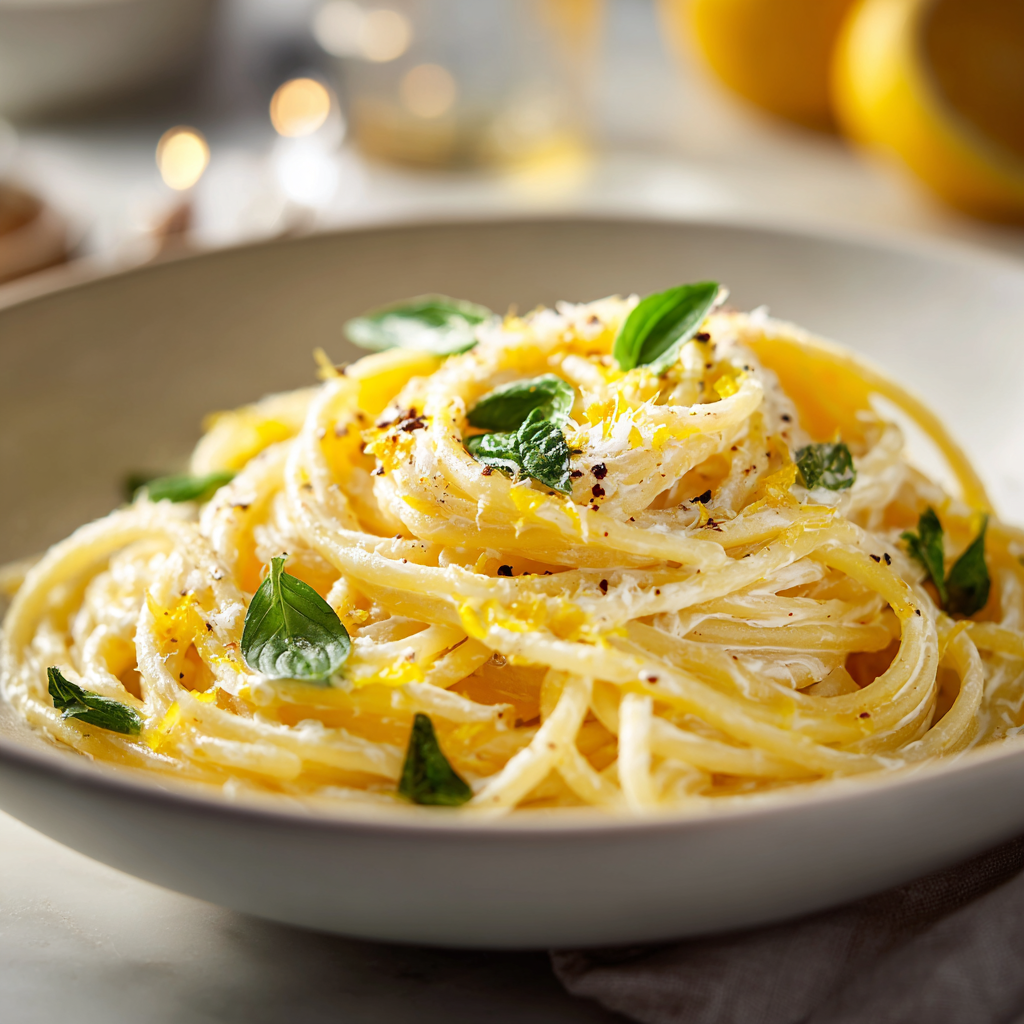
I use whole‑milk ricotta for its cream and mouthfeel. Give it a quick stir or mash to soften the curds so it blends smoothly into the warm noodles. If it feels wet, drain it briefly in a fine sieve over the sink.
Citrus and aromatic notes
Amalfi or Sorrento lemons are ideal, but unwaxed organic fruit is the safest option for zesting. Grate only the yellow peel to capture essential oils without bitter pith.
Umami and herbs
Parmigiano Reggiano lends savory depth; vegetarians should pick a certified rennet‑free parmesan alternative. Tear fresh basil or swap mint for a Campanian twist—both play beautifully with citrus.
Pantry essentials and seasoning
Grate garlic on a Microplane so it melts into the sauce. A pinch of red pepper flakes adds lift. Finish with a crack of black pepper, a drizzle of extra‑virgin olive oil, and a judicious sprinkle of salt.
- Reserve about a cup of pasta water from a well‑salted boil in a large pot; it’s the emulsifier that binds the sauce.
- Keep a small bowl or skillet warm for gentle assembly off high heat.
| Ingredient | Traditional choice | Vegetarian swap | Prep tip |
|---|---|---|---|
| Cheese | Parmigiano Reggiano | Rennet‑free parmesan | Finely grate for even melt |
| Fresh curd | Whole‑milk ricotta | Same, or cultured alternative | Stir, then drain if loose |
| Citrus | Amalfi/Sorrento lemons | Unwaxed organic lemons | Zest only yellow peel; avoid pith |
| Herb | Basil | Mint (Campania style) | Tear by hand to avoid bruising |
Tools and simple prep for the best texture
A few purposeful utensils make the difference between grainy curds and a glossy, clingy finish. Set your workspace before the boil so you move calmly when the noodles are ready.
Essentials I reach for
- I start with a large pot so the strands have room to move; crowding causes sticking and uneven cooking.
- Keep a measuring cup by the stove so you never forget to snag that cup of pasta water—it’s liquid gold for emulsifying the sauce.
- A Microplane makes zesting effortless. Use it to take only the yellow layer of the peel, avoiding bitter white pith.
Warm bowl, low heat, confident finish
I like to warm a big skillet or a mixing bowl with a splash of hot water before assembling. That gentle warmth keeps the ricotta supple when it meets hot noodles.
When you combine, keep the heat low. High heat can make the cheese turn grainy; low heat keeps the texture satin-smooth. If you plan to finish the pasta in the sauce, undercook it by one minute in the pot so it reaches perfect al dente at the end.
| Tool | Why it matters | Tip |
|---|---|---|
| Large pot | Prevents crowding and uneven cooking | Use plenty of salted water |
| Measuring cup | Helps reserve the right amount of liquid | Keep it at the stove edge |
| Microplane | Precise zesting without pith | Zest only the yellow peel |
Pasta with ricotta and lemon zest recipe: step-by-step method
Make the most of a few minutes at the stove: precise timing and a cup of saved water are the secret. I walk you through each move so the sauce turns glossy and clings to every strand.
Cook and reserve
Bring a large pot of well‑salted water to a rolling boil and add the noodles. Cook pasta to al dente; just before you drain, scoop out about a cup of pasta water and set it aside.
Mix the cheese base
In a bowl, mash whole‑milk ricotta until smooth. Stir in grated parmesan, a drizzle of olive oil, microplaned garlic, a pinch of salt, and cracked pepper until cohesive.
Emulsify and finish
Use a ladle of hot pasta water to loosen the ricotta sauce, stirring until it shines. Return the noodles to the warm pan off direct high heat and toss with the mixture, adding more pasta water in small splashes until every piece is coated.
Taste and adjust for lift. Plate immediately and finish with extra parmesan, torn basil, a whisper of fresh lemon zest, and a light drizzle of oil. If the sauce tightens, revive it with a quick spoonful of hot liquid and toss subito.
| Step | Key action | Chef tip |
|---|---|---|
| Boil | Salt the pot; cook al dente | Reserve a cup of pasta water |
| Mix | Mash cheese; add parmesan and garlic | Use a Microplane for zest and garlic |
| Finish | Emulsify with hot water; toss off heat | Add water slowly until glossy |
Pro tips for creaminess, flavor, and timing
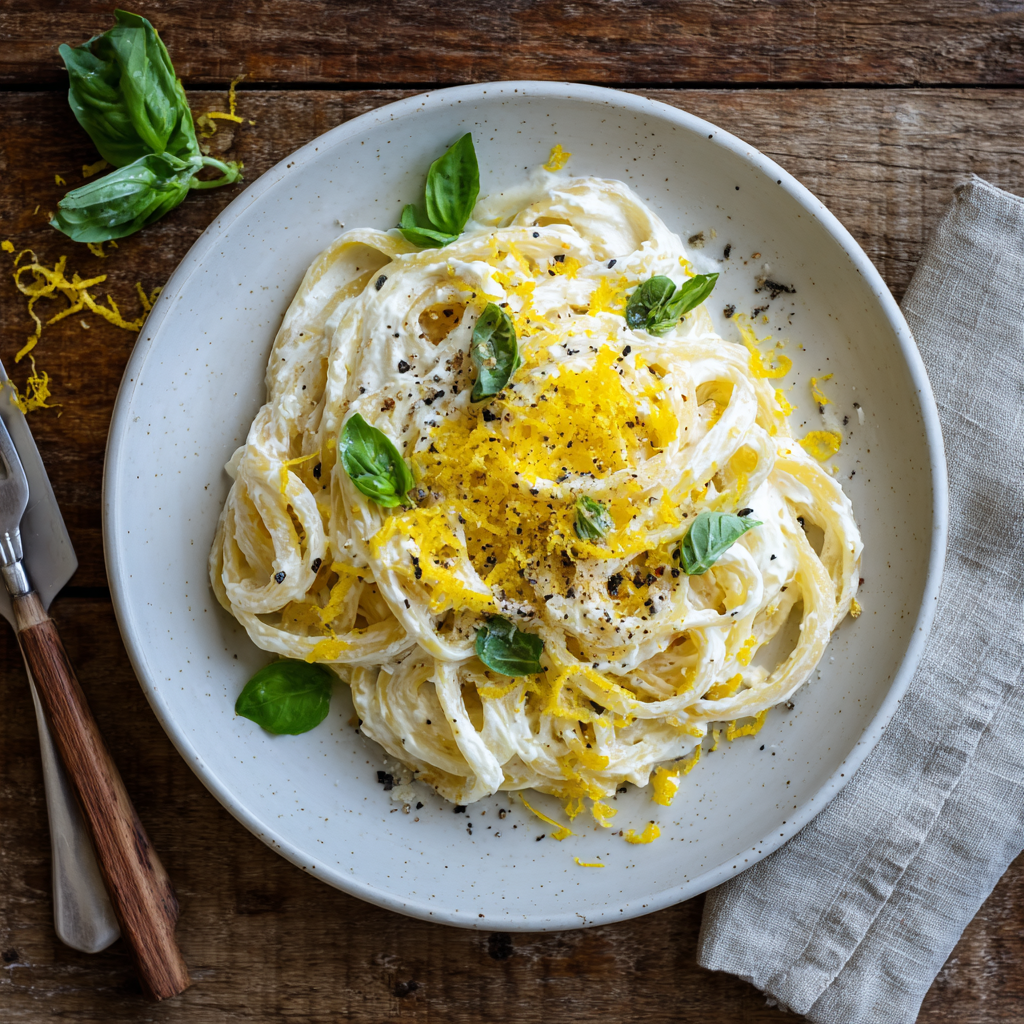
Mastering heat and liquid transforms a simple cheese mix into a glossy, restaurant‑worthy finish. These small technical choices make the difference between chalky curds and a satin mouthfeel.
I mash the cheese first until it feels silky; smoother curds give a smoother emulsion. Then I whisk in pasta water slowly. Watch the texture: it will go from dry to satiny as the starch binds fat from parmesan and cheese into a clingy sauce.
- Whisk in pasta water, a ladle at a time, until the sauce shines.
- Keep the pan on very low; high heat makes curds break and the texture grainy.
- Zest into the cheese and add a splash of lemon to the cooking water for gentle citrus perfume without extra acidity.
- Work fast once you drain—hot noodles marry the sauce in minutes. If it tightens, loosen it with a spoonful of hot water and toss again.
- Taste as you go: parmesan brings salt, a little pepper brings warmth, tiny tweaks polish the result.
Quick cues to check
| Problem | Fix | Why it works |
|---|---|---|
| Chalky texture | Whisk in more pasta water | Starch rebinds fats for a glossy finish |
| Sauce breaks | Lower the heat and stir gently | Heat control keeps curds intact |
| Too flat | Add a pinch more parmesan or a splash of lemon | Salt and acid lift the flavor quickly |
Tasty variations and add-ins to change it up
Small changes turn a humble bowl into something exciting—here are ideas that keep the core technique but shift the mood. Pick one or two accents so the base stays bright and effortless.
Greens and vegetables
Toss a handful of baby spinach in the last minute of boiling; it wilts fast and folds into the sauce. Shaved asparagus, sweet peas, or sautéed zucchini are best added when you combine the noodles and the cheese so they keep color and bite. Sun-dried tomatoes add a savory-sweet pop—chop them finely for even distribution.
Herbs and aromatics
Keep basil for the classic profile, or try mint for a Southern Italian twist. Tear leaves just before serving for maximum aroma. A little grated garlic in the mix always improves the overall flavor.
Protein, spice, and citrus
Top the bowl with slices of grilled chicken or flakes of simply cooked salmon for extra protein. A pinch of red pepper flakes gives a gentle kick; pair it with extra lemon if you want brighter citrus. For subtle perfume, add a squeeze of lemon to the boiling water.
- Finish each bowl with grated parmesan and a light drizzle of olive to bind aromatics without weighing it down.
| Add-in | When to add | Why it works |
|---|---|---|
| Spinach / peas | Last minute of boiling | Retains color; melds into creamy ricotta |
| Asparagus / zucchini | At toss stage | Keeps texture and bite |
| Grilled chicken / salmon | After plating | Clean seasoning keeps lemon ricotta center stage |
Diet-friendly swaps, storage, and reheating guidance
Keep a few smart swaps on hand so dietary needs never steal the joy from a fast, creamy bowl. I want you to keep texture and flavor, not trade them away.
Make it vegetarian and gluten-free the right way
To keep it vegetarian, swap Parmigiano Reggiano for a certified vegetarian parmesan. The savory lift stays the same. For gluten-free needs, choose quality Italian brands like Rummo or Garofalo; they hold up in a creamy sauce better than many mass-market alternatives.
Storing for 2–3 days and gentle reheating
Store leftovers in an airtight container for 2–3 days. The sauce will thicken as the noodles absorb moisture.
Reheat slowly over low heat with a splash of milk or a small knob of butter. Loosen further with a spoonful of hot pasta water if the mix tightens. If separation occurs, whisk in a touch more liquid off the heat and toss until smooth.
Freezing caveats
I don’t recommend freezing because ricotta and cooked noodles can change texture. If you must, freeze quickly in a well-sealed container, thaw overnight in the fridge, then reheat gently.
| Need | Best option | Tip |
|---|---|---|
| Vegetarian | Rennet‑free parmesan | Keep salt balance; taste before plating |
| Gluten-free | Rummo or Garofalo gluten-free pasta | Undercook by 1 minute; finish in sauce |
| Leftovers | Airtight container, 2–3 days | Reheat low with milk or butter; add pasta water |
| Freezing | Not recommended | Freeze only if necessary; expect texture change |
From stove to table: a bright Italian bowl you’ll crave again
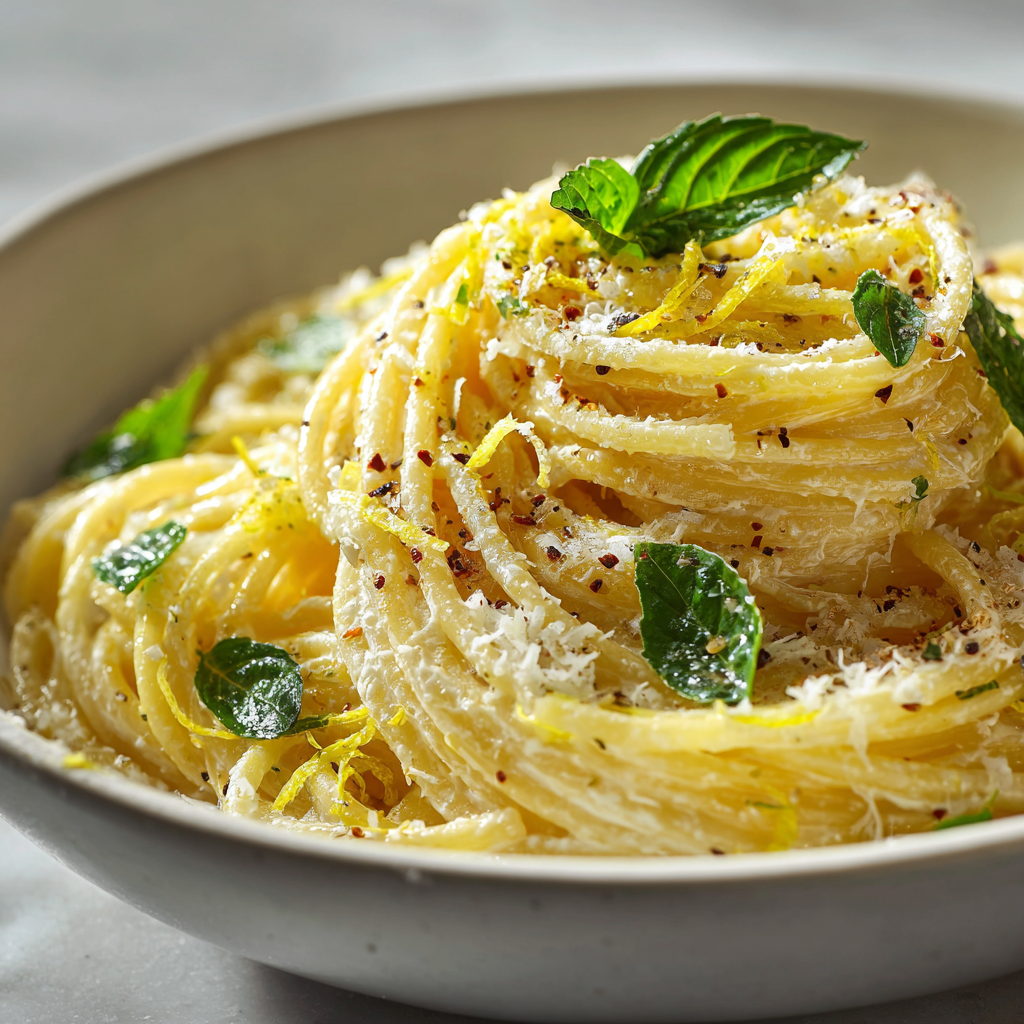
Bring the pan to the table and let the first twirl do the talking; this lemon ricotta pasta arrives in real minutes, scented by Sorrento citrus and torn basil.
Remember the cues: cook pasta to al dente, save a cup of pasta water, keep heat very low, and coax the cheese into a glossy ricotta sauce. A final spoon of hot water will loosen the mix if it tightens.
Serve immediately with grated parmesan and a pinch of red pepper flakes for contrast. Leftovers hold for 2–3 days; reheat gently with milk or butter. Buon appetito—invite friends, offer extra zest, pepper, and olive oil, and enjoy that first, perfect twirl.
Lemon Ricotta Pasta
Ingredients
Method
Notes
- Use whole milk ricotta only. Low fat versions give weak texture.
- Keep heat low when mixing. High heat breaks the cheese.
- Always add pasta water slowly. Stop once the sauce looks glossy.
- Zest only the yellow peel. White pith tastes bitter.
- Serve right away. The sauce thickens fast as it cools.