
Jump to Recipe
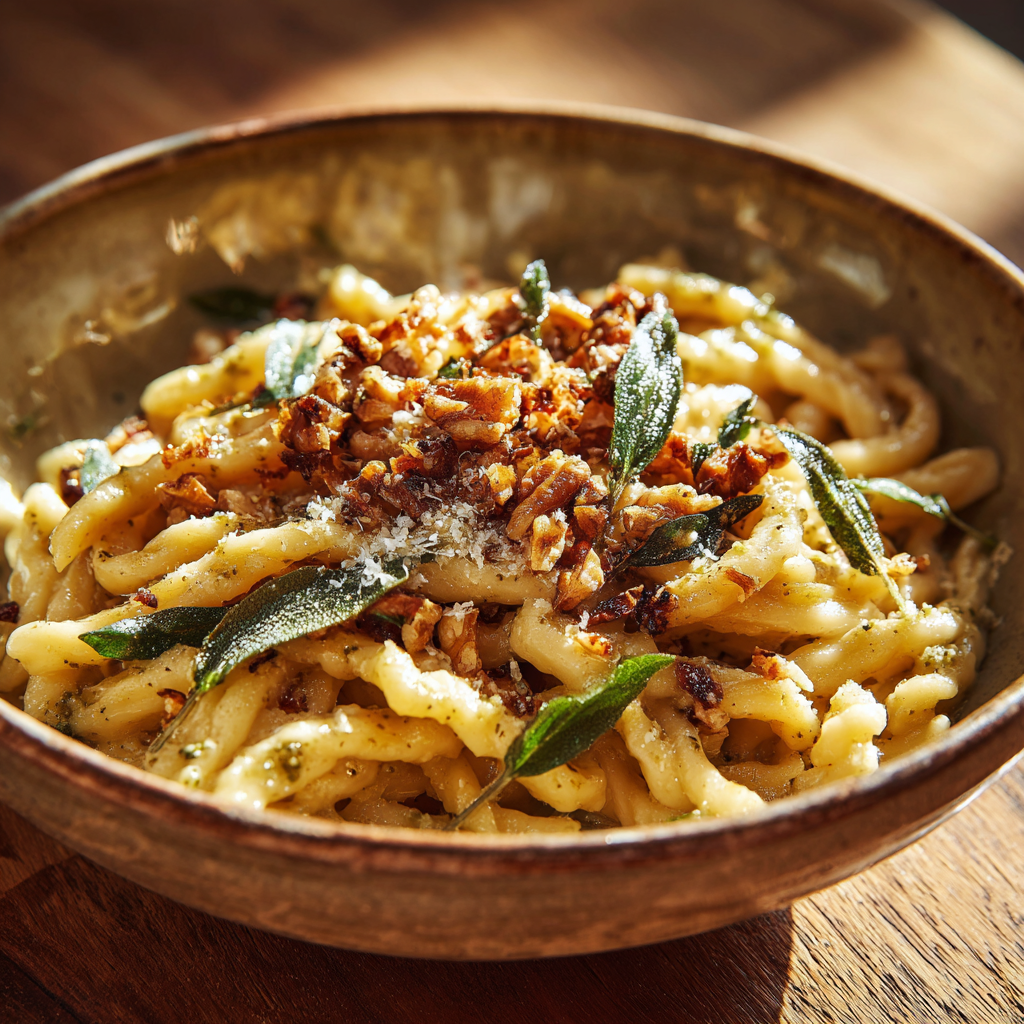
I invite you into my kitchen for a simple, soulful pasta where a creamy pesto sauce clings to every twist and turns dinner into a small celebration. The first bite should smell of toasted walnuts, bright garlic, and a dusting of cheese that feels both rustic and refined.
I’ll show practical steps I use: how to toast or briefly boil and peel nuts to soften bitterness, how to blend bread, olive oil, and cheese for silkiness, and why finishing strozzapreti pasta in the pan with reserved cooking water makes the sauce shine. These are small techniques that deliver big flavor and restaurant-like sheen at home.
For a short guide and related tips, see this linked page on trofie-style pesto at trofie al pesto as a helpful companion while we build this dish together.
Key Takeaways
- Toast or boil-and-peel nuts to tame bitterness and boost aroma.
- Blend bread, cheese, oil, and garlic for a glossy, balanced sauce.
- Finish pasta in the pan with starchy water to emulsify the sauce.
- Choose twisted pasta so sauce clings for maximum flavor per bite.
- Garnish with chopped toasted nuts and extra grated cheese for texture and contrast.
Why this walnut pesto pasta belongs in your weeknight-and-date-night rotation
When dinner needs to feel special but time is short, this bowl delivers restaurant polish in minutes. I rely on one old Italian trick: bread soaked in milk for a silky sauce without heavy fat. That gives the sauce body while keeping the cook time low.
The nuts can be blanched briefly to ease any bitterness, then pulsed with garlic, cheese, and oil in a processor. A splash of hot pasta water in the pan wakes the sauce into a glossy coating that clings to every curve of the pasta.
What you gain
- Fast cooking times that free up the evening.
- Authentic Ligurian texture using milk-soaked bread rather than cream.
- Date-night finishing touches: toasted walnuts, black pepper, and extra cheese.
| Occasion | Why it works | Quick tip |
|---|---|---|
| Weeknight | Minimal minutes at the stove; reliable flavor | Toast nuts ahead and store in a jar |
| Date night | Restaurant-quality sheen and aroma | Finish in the pan and add a lemon twist |
| Make-ahead | Holds well; leftovers stay silky | Reserve extra cooking water for reheating |
Strozzapreti with walnut pesto recipe: ingredients, tools, and chef-tested tips
A few careful steps and the right gear turn simple ingredients into a glossy pasta that feels like a restaurant plate at home.
What you’ll need
Quality walnuts, garlic, olive oil, Parmigiano, country bread soaked in milk, and pasta. Use a small cup of milk squeezed from the bread to add creaminess without extra fat. Keep a tablespoon of milk aside to help the processor form a stable emulsion.
Gear check
A reliable food processor makes quick work of nuts, bread, and cheese. A large, heavy pan gives surface area to marry sauce and cooking water. Bring a big pot of well-salted boiling water for the pasta so it tastes seasoned through.
Technique keys from Liguria
For less bitterness, simmer shelled nuts 3–4 minutes, peel, and pat dry. Or toast at 350°F for 10–12 minutes until slightly darkened, stirring once for even color.
- Pulse nuts, bread, Parmigiano, and garlic first; stream in olive oil and reserved milk to finish the sauce.
- Keep a ladle of cooking water ready; add small pieces to the pan to loosen and emulsify the sauce before tossing the pasta.
- Taste and adjust salt, a crack of black pepper, or a squeeze of lemon to lift the flavor.
| Step | Method | Why it matters |
|---|---|---|
| Nut prep | Simmer 3–4 min and peel OR toast 10–12 min at 350°F | Reduces bitterness; boosts aroma and depth |
| Sauce build | Pulse nuts, bread, cheese; stream oil and milk | Creates a thick, stable emulsion that clings to pasta |
| Finish | Toss in a large pan, add cooking water tablespoon by tablespoon | Controls thickness and yields a glossy coating |
From Liguria to your kitchen: cook the pasta, blend the sauce, and bring it all together
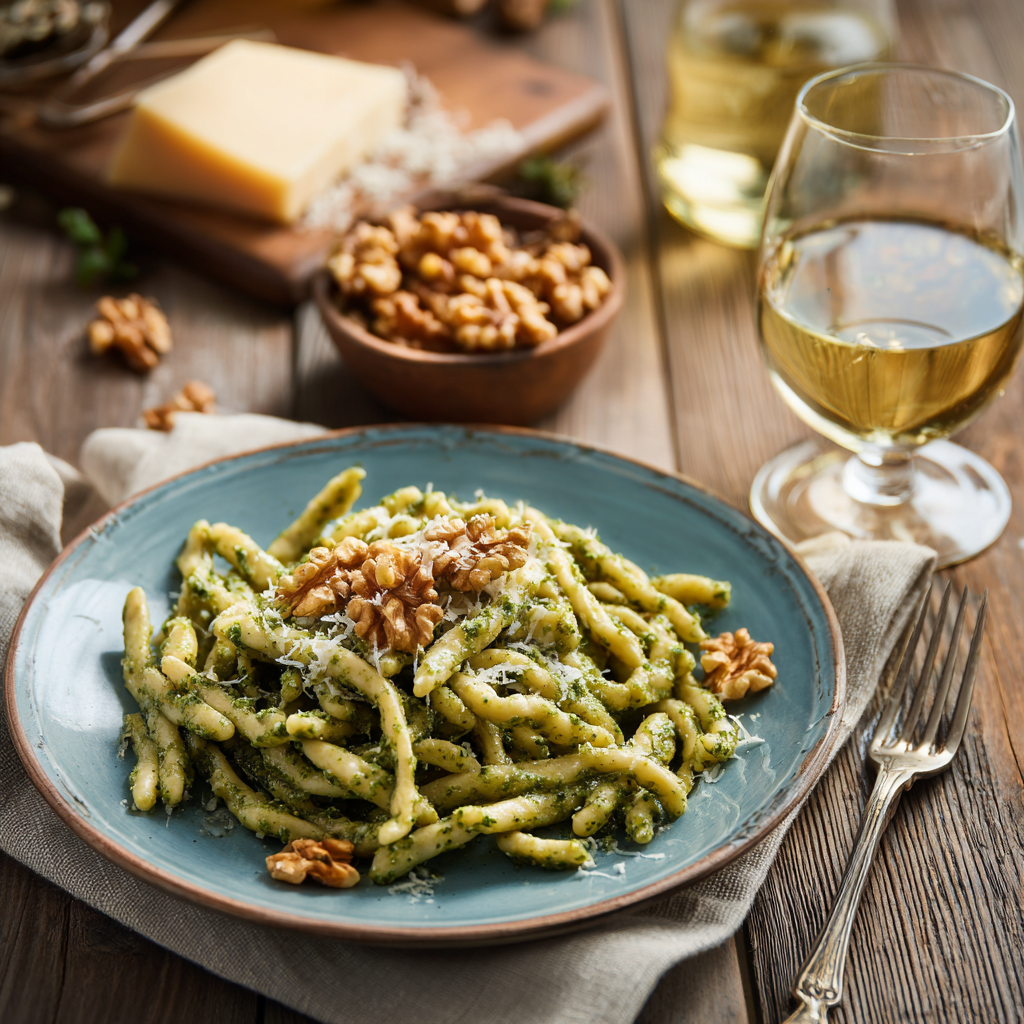
A glossy sauce begins in the processor and finishes in a hot, wide pan. I start by pulsing drained bread, walnuts, Parmigiano, and garlic until the mix looks fine and sandy. Then I stream in olive oil and a splash of milk until the texture is thick and spoonable.
Perfect al dente
Bring a large pot to a rolling boil and salt it well. Drop the pasta and time the minutes so it is just shy of al dente. Reserve at least a half-ladle of starchy cooking water before you drain.
Pan-finish for flavor
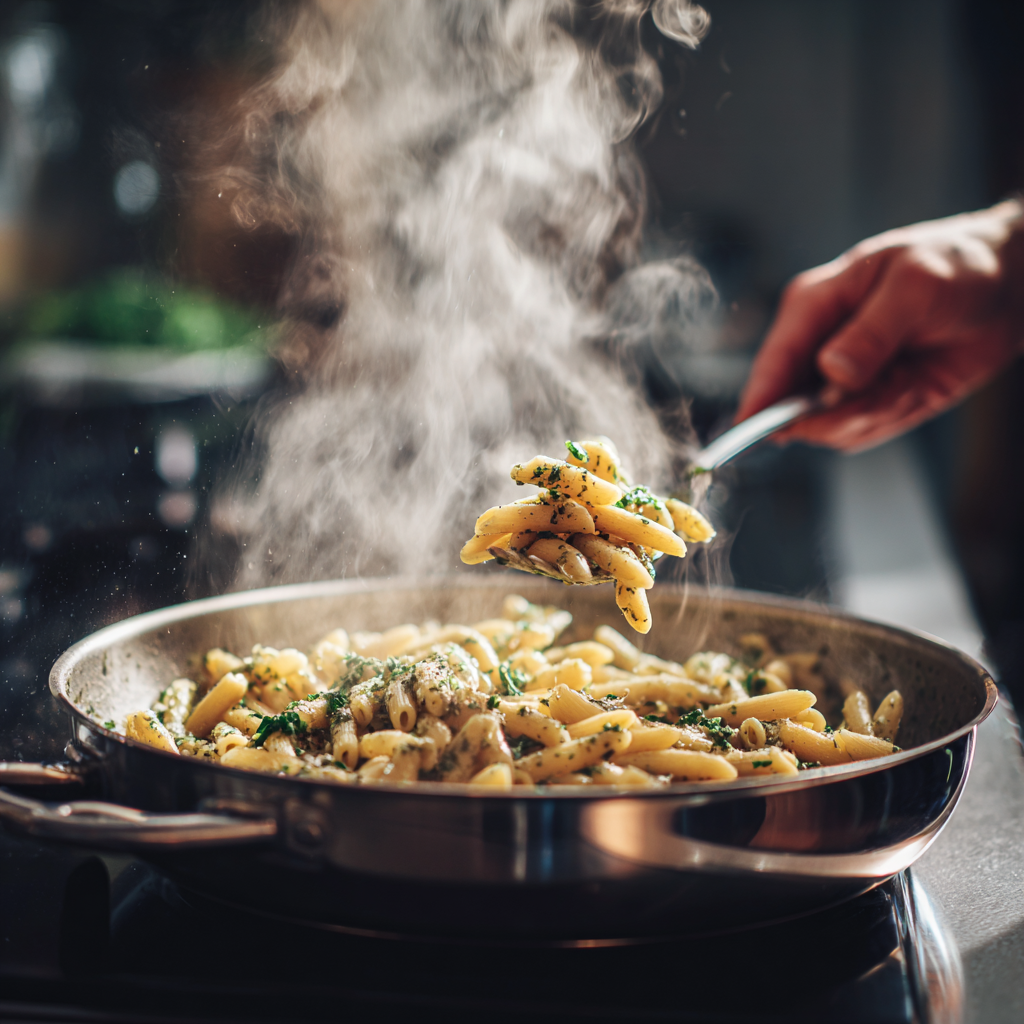
Heat a wide pan gently, add the sauce, and loosen it with a tablespoon or two of cooking water. Toss the pasta actively so the sauce clings. If it tightens, add water in small splashes until glossy.
Smart swaps and add-ins
- Swap shapes: trofie or casarecce work well if you don’t have the listed pasta.
- Add texture: scatter toasted walnut pieces, chopped greens, or sautéed peppers.
- Finish: fold in marjoram leaves, a grind of black pepper, and more cheese off the heat.
| Step | Action | Why it matters |
|---|---|---|
| Blend | Pulse nuts, bread, cheese; stream oil and milk | Forms a creamy, stable sauce that coats pasta |
| Boil | Salt water; cook pasta al dente; save cooking water | Seasoned pasta and starchy water to loosen sauce |
| Finish | Loosen sauce in a wide pan; toss and add leaves | Emulsifies sauce and adds fresh aroma and texture |
| Store | Refrigerate sauce for 3–4 days; loosen with water when reheating | Keeps flavor and texture for quick weeknight meals |
Conclusion
Think of the sauce as something you can make ahead and finish in minutes when the pasta hits the pan.
I often prepare the walnut mix earlier, then revive it with a splash of hot water and a quick toss. Add torn marjoram, chopped walnuts, a drizzle of olive oil, and a grind of pepper at the end.
With a few pantry staples and the right sequence, you can serve this dish in less time than takeout. The method depends on seasoning, saved cooking water, and a confident pan finish — you now have those steps.
Make it again, swap short shapes freely, and keep a bit of milk or extra cheese handy to smooth the sauce. This bowl brings honest comfort and a small taste of Liguria to your table.
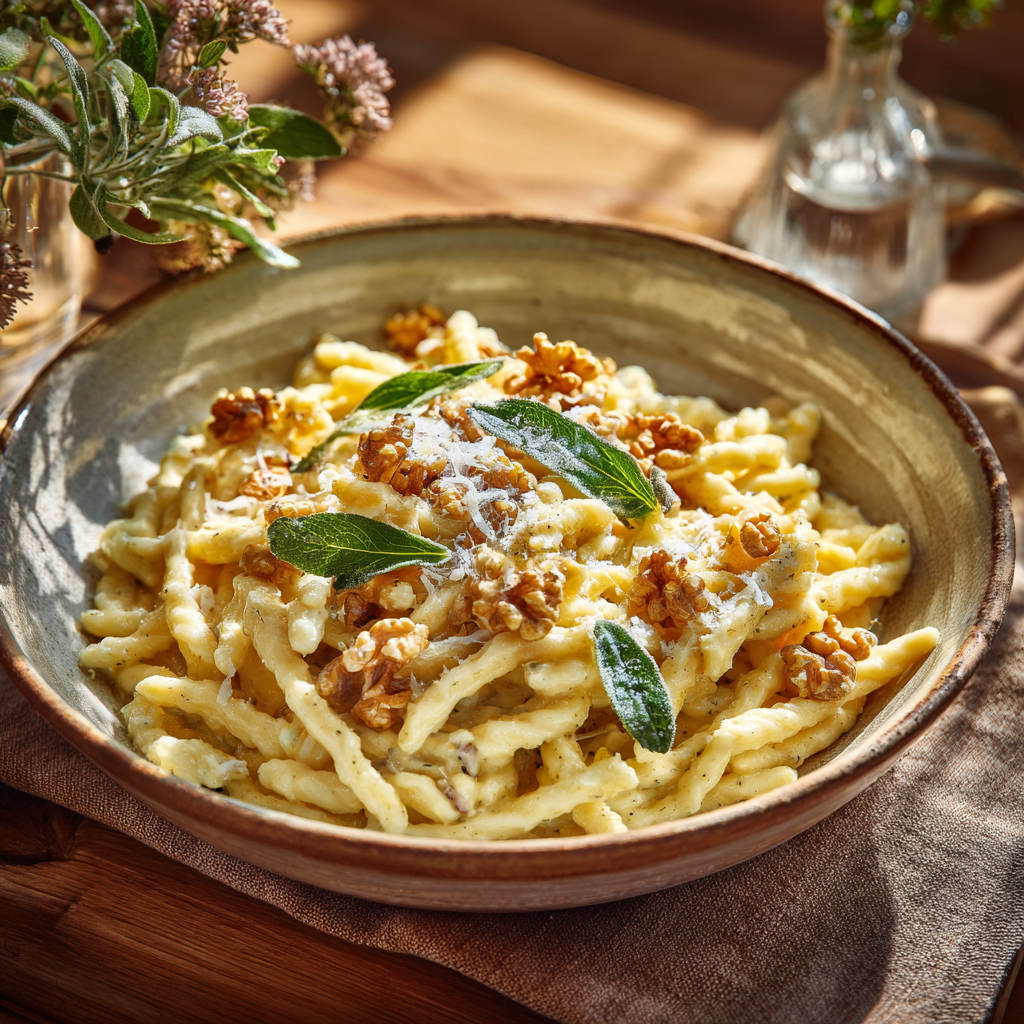
Strozzapreti with Walnut Pesto
Ingredients
Method
- Toast walnuts on a baking sheet at 350°F (175°C) for 10–12 minutes until golden and fragrant, or boil for 3–4 minutes, peel, and pat dry. This removes bitterness and deepens flavor.
- In a food processor, pulse the walnuts, soaked bread, garlic, and grated cheese until finely ground and sandy in texture.
- With the motor running, stream in the olive oil and reserved milk until you have a thick, creamy sauce. Season with salt, pepper, and a touch of lemon if you like.
- Bring a large pot of salted water to a rolling boil. Add the strozzapreti and cook until just shy of al dente. Reserve 1 cup of starchy cooking water before draining.
- In a large skillet, gently heat the pesto with 2 tablespoons of the reserved pasta water. Add the drained pasta and toss well. Add more pasta water, one spoonful at a time, until the sauce becomes glossy and coats every piece.
- Adjust seasoning, then finish with chopped toasted walnuts, fresh marjoram, a grind of black pepper, and extra grated cheese. Serve warm.
Notes
- You can make the walnut pesto 1–2 days ahead and store it in the fridge in an airtight container. Add a splash of pasta water or olive oil when reheating to revive the silky texture.
- The sauce also works beautifully on short pastas like trofie or orecchiette.
- For a lighter version, replace some olive oil with unsweetened plant milk or add more soaked bread.
- Always finish the pasta in the pan — that step gives the sauce its glossy, restaurant-style finish.