
Jump to Recipe
Have you ever tasted a simple summer side that tastes better the next day and wondered why it feels so special?
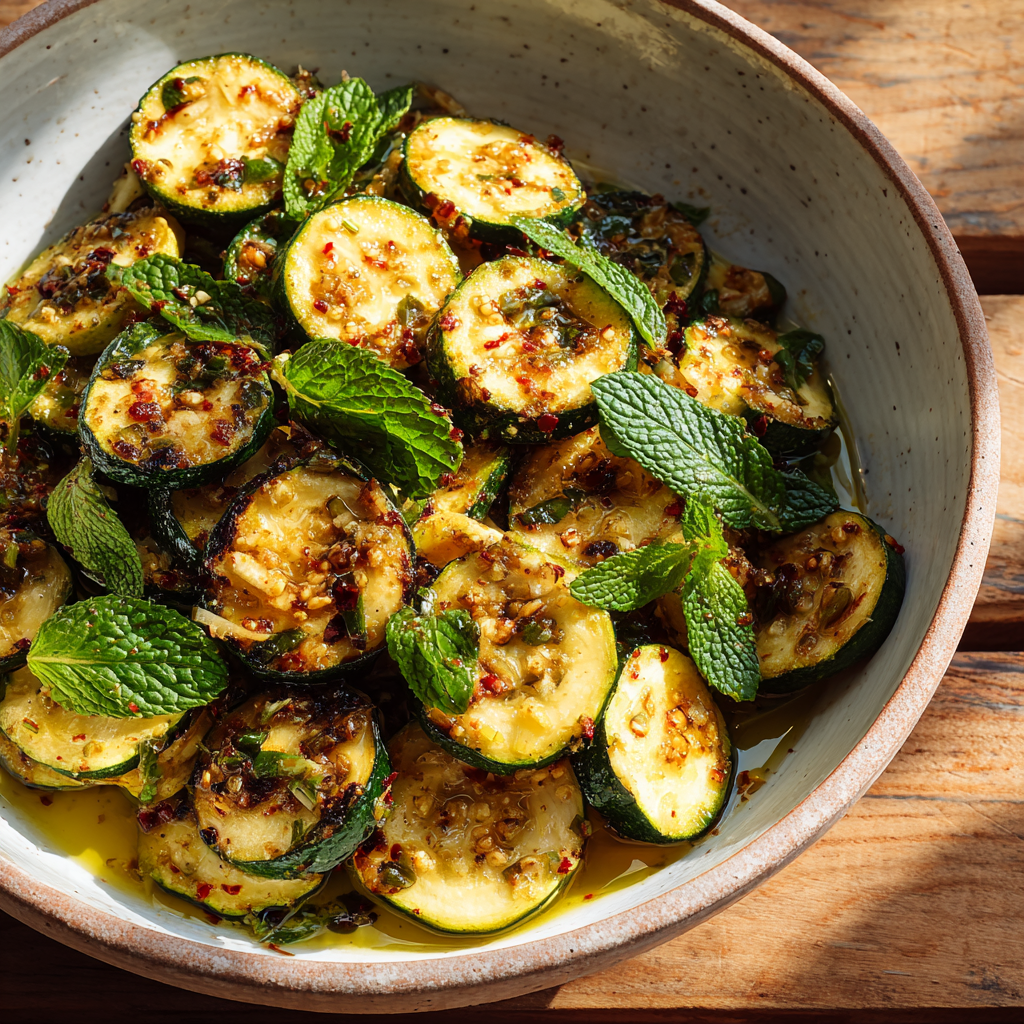
This dish is plain to describe: slices of cooked zucchini that are dressed in a tangy vinegar marinade with garlic and fresh mint. The contrast between sweet, cooked squash and bright vinegar is the heart of the flavor.
There are two easy paths to make it at home. The traditional method fries the slices briefly in olive oil for a silky finish. A roasted option keeps the kitchen cleaner and still gives good texture.
Good results mean slices that hold their shape, a clear mint aroma, and a balanced bite that is neither harsh nor greasy. It’s a smart make-ahead summer side for guests or weekday meals.
Later we’ll control the key variables—slice thickness, drying, vinegar choice, and marinating time—because those small details shape texture and taste more than anything else.
Key Takeaways
- This classic approach uses simple ingredients and a short hands-on process.
- The dish improves after resting—plan ahead for best flavor.
- Choose fried for tradition or roasted to reduce mess.
- Look for slices that keep shape and a fresh mint aroma.
- Slice thickness, drying, vinegar, and time are the critical controls.
Why zucchine alla scapece is Campania’s go-to summer zucchini dish
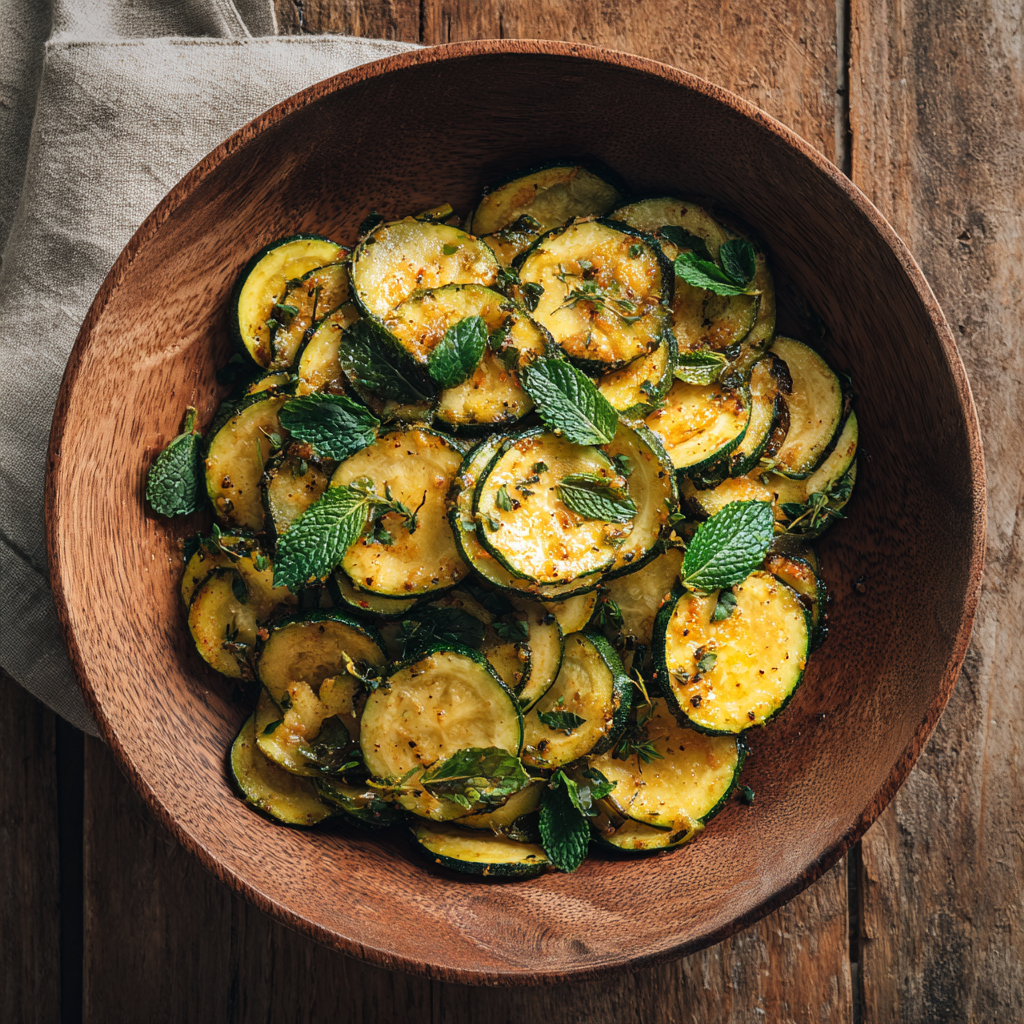
A simple vinegar bath turns cooked rounds into a lively, long-lasting side for the season. This is a true warm-weather staple: summer squash is abundant, and an acid-forward approach keeps the plate bright, not heavy.
What the word means and where it comes from
The term draws from Spanish escabeche, a practical vinegar-marination method once used for preservation before refrigeration. In homes here, that history matters less than the technique: cook first, then let the slices absorb the vinegar so they flavor without becoming raw.
How the flavor profile works
Vinegar gives lift; fresh mint and mint leaves add a clean herbal top note. Garlic supplies the savory backbone that deepens as the dish rests.
How Italians actually serve it
- As an antipasto on a mixed platter.
- As a side with grilled meats or fish.
- Layered into sandwiches to cut richness with bright acidity.
Expect a sharper taste in the first hour and a softer, more integrated flavor the next day. That slow blending is the real payoff of the preparation.
Ingredients that make a true campania zucchini scapece recipe
To get the right texture and tang, focus on firm squash, a gentle vinegar, and fresh herbs. I keep the list short so each component shows through.
Zucchini: choosing firm summer squash and slicing for the right bite
Buy firm zucchini with smooth skin and no soft brown spots. Watery or tired squash turns limp and won’t brown well.
- Slice thickness: 1/4–3/8 inch rounds hold up to cooking and soaking; very thin slices can collapse.
- Even slices cook in the same time; use a mandoline or steady knife for uniform rounds.
Vinegar choices: why white wine vinegar works best (and what to avoid)
White wine vinegar gives a mild, fruity tang that stays bright without dominating. Quality matters because the vinegar flavor sits front and center.
| Type | Result | Use? |
|---|---|---|
| White wine vinegar | Mild, balanced | Preferred |
| Distilled white | Sharp, harsh | Avoid |
| Balsamic | Sweet, heavy | Avoid |
Mint, garlic, salt, pepper, and olive oil: getting the balance without overpowering
Fresh mint is traditional; torn leaves keep color and avoid bruising. Use fresh garlic — raw cloves pickle in the vinegar, while garlic-infused oil gives a softer aroma.
Season with salt to wake the slices, a few turns of black pepper for warmth, and a splash of olive oil to carry aroma without greasing the plate. A light virgin olive oil finish works well.
Method that actually delivers: fry (traditional) or roast (easier) and marinate
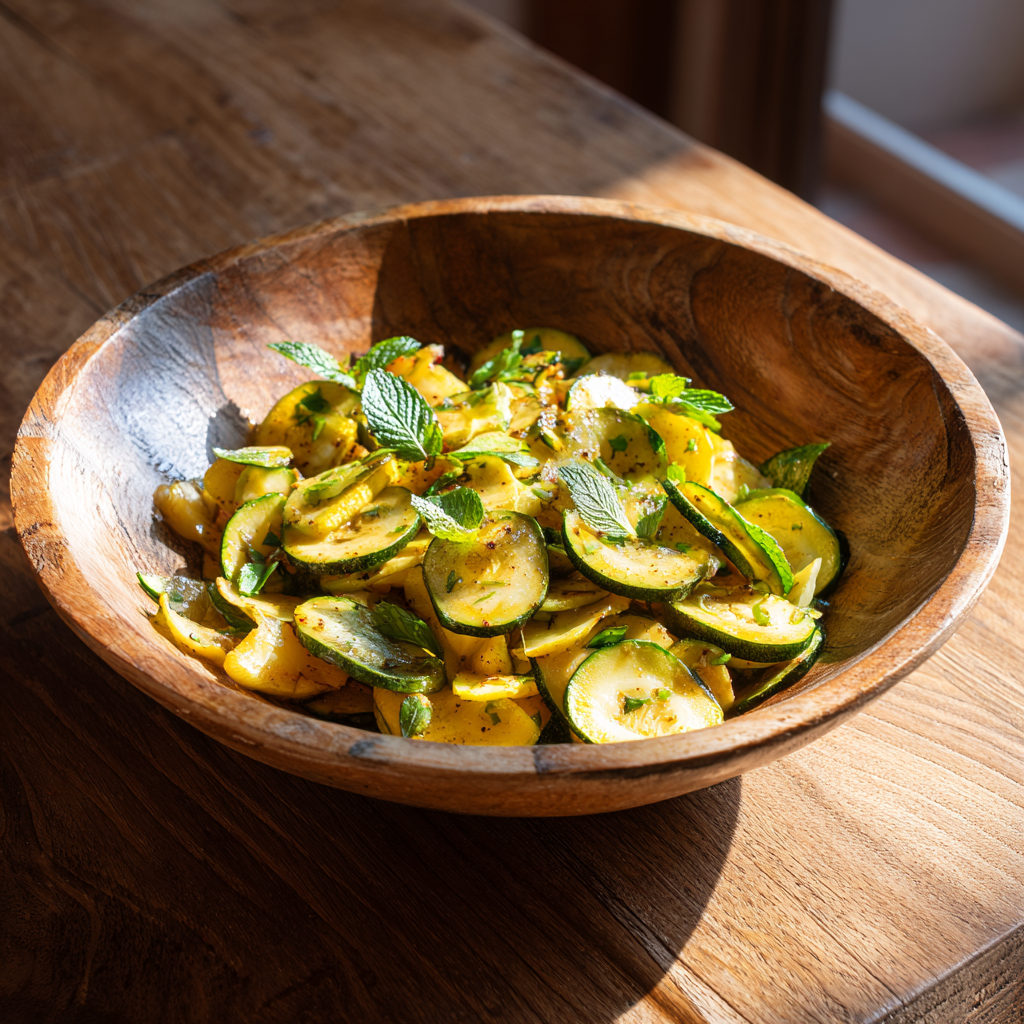
Even slices make this dish forgiving: when every round is the same thickness, the minutes you cook become reliable. Aim for 1/4–3/8 inch so each piece browns evenly and holds shape.
Drying and why it matters
Remove surface moisture before cooking. This is texture insurance: less water means better browning and firmer centers once the vinegar hits.
Two options work well:
- Sun-dry 1–2 hours, turning once, until slightly rubbery to the touch.
- Salt in a colander, drain about an hour, then pat dry to keep oil from sputtering.
Fry or roast: choose your way
For the traditional approach, shallow-fry batches in olive oil. Add a clove or two of garlic to the oil for a subtler aroma. Pull slices when they are golden and spotted, not uniformly dark.
For less mess, roast at high temperature (about 450°F) so natural sugars caramelize. Do not salt before roasting; salt draws out water and causes steaming instead of browning.
Layering, marinating, and timing
Use a wide bowl and layer cooked slices with torn mint leaves, a measured splash of white wine vinegar, salt, and pepper. Repeat layers and spoon the marinade over gently so pieces stay intact.
Marinate at least an hour for a lively finish, several hours for balance, and ideally overnight—the next day the garlic, mint, and vinegar taste fully settled.
For a detailed step-by-step, see the full method.
Dial in the flavor and texture like a Southern Italian home cook
Tuning acidity, garlic, and temperature is how home cooks get this classic to sing. Small choices let you keep the authentic character while fixing sharp edges or adding lift.
Raw garlic vs garlic-infused oil
Raw garlic gives an immediate bite that grows louder the next day. If you like a pronounced garlic note, add cloves to the bowl and let them mellow with time.
Frying or steeping garlic in oil creates a rounder, gentler aroma. Use garlic-infused oil when you want the garlicky sense without the aggressive aftertaste.
How much vinegar is enough
You want vinegar so the bowl smells bright and the first bite is piquant, but not so much it hides the squash’s sweetness. Start with small splashes of white wine vinegar, taste, then add more in tiny amounts.
Brands vary in strength; adjust by feel rather than strict measures. A warmer vinegar produces more immediate lift if you prefer a sharper profile.
Room temperature vs chilled
Serving at room temperature highlights fresh mint, virgin olive oil, and the dish’s aromatics. Chilled is refreshing on hot days and keeps the side crisp.
If you store it cold, pull the bowl out 20–30 minutes before serving. Finish with fresh leaves and a final check for salt so the taste is balanced.
Make it ahead, serve it beautifully, and keep leftovers tasting fresh
Prepare the bowl in the morning and you’ll have an easy, flavorful side ready by dinner. Make layers of cooked zucchini slices, torn mint leaves, garlic, salt, and a splash of vinegar, then cover and chill.
Use a shallow bowl or wide container so pieces sit flat and absorb the marinade evenly. Spoon gently when serving — a slotted spoon keeps the plate from flooding with extra vinegar.
Refrigerate promptly and keep covered. The mix improves after an hour and stays good up to one week; do not freeze, or the high water content will collapse texture.
Before serving, let it sit at room temperature briefly, taste for salt, and add a small splash of olive oil if it needs softening. Finish with fresh mint leaves for color.
For a light pairing idea, try it alongside our pasta with zucchini and mint: pasta with zucchini and mint.
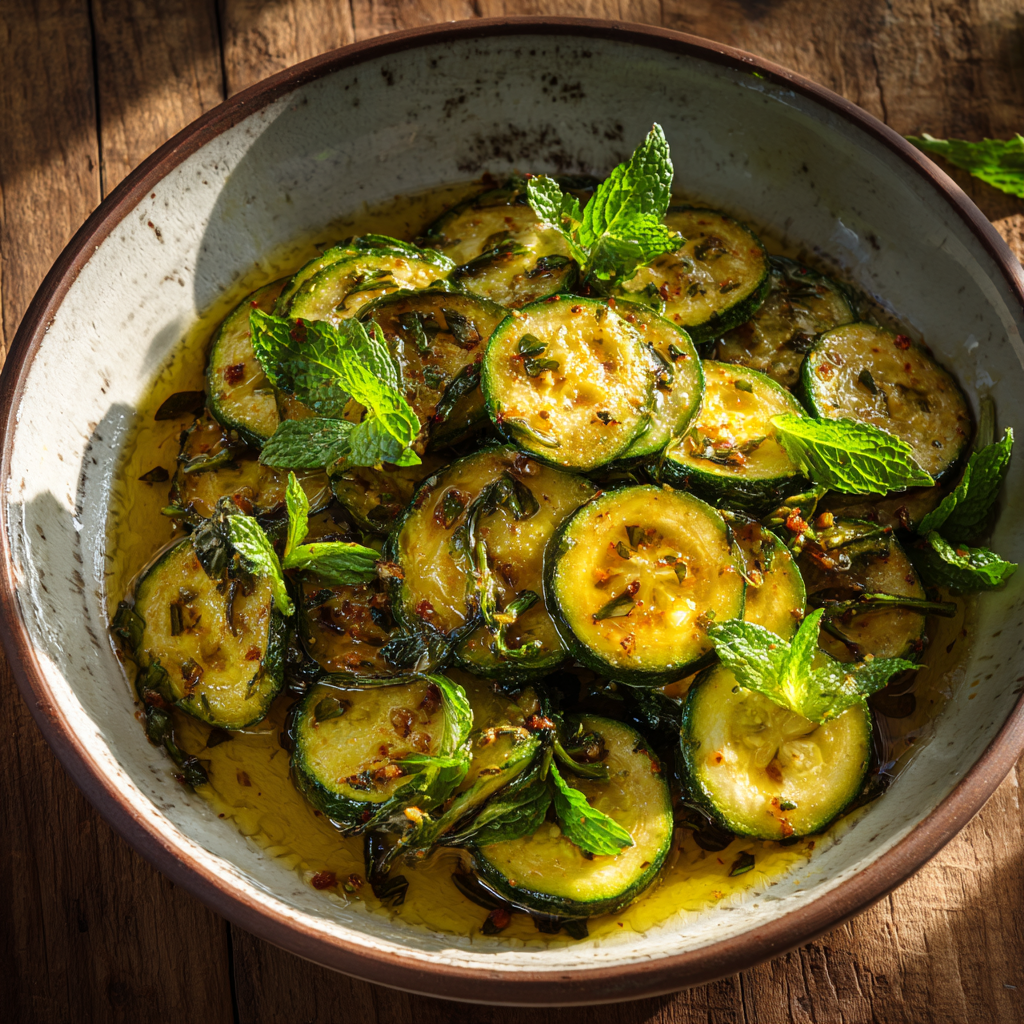
Zucchini alla Scapece
Ingredients
Equipment
Method
- Slice the zucchinis into 1/4–3/8 inch rounds. Uniform thickness ensures even cooking.
- Dry the slices: either sun-dry them for 1–2 hours or salt in a colander for 30 minutes and pat dry.
- Traditional Method (Fry): Heat olive oil in a pan over medium heat. Add garlic to the oil for a gentle aroma. Fry zucchini slices until golden with some spots but not fully dark. Remove from oil and drain on paper towels.
- Alternative Method (Roast): Preheat oven to 450°F (230°C). Lay zucchini slices on a baking sheet without salting beforehand. Roast for 15-20 minutes until golden and caramelized.
- Layer the cooked zucchini slices in a wide bowl. Between layers, add torn mint leaves, a pinch of salt, black pepper, and a splash of white wine vinegar.
- Repeat layers, gently spooning vinegar over the top to coat the slices.
- Marinate for at least 1 hour, ideally overnight. This allows the garlic, vinegar, and mint flavors to meld.
- Serve at room temperature, garnished with additional fresh mint if desired.
Notes
- The dish improves in flavor the longer it sits, making it a great option to prepare ahead of time.
- You can substitute other mild vinegars, but white wine vinegar is the best for balancing the tang and sweetness of the zucchini.
- The garlic-infused oil method will give a gentler garlic flavor compared to using raw garlic.
- Serve it as an antipasto, side dish, or as a topping for sandwiches.