
Jump to Recipe
Have you ever wondered why a simple custard can feel like a page from a medieval banquet? I ask because bonet (bunèt) is one of those understated classics that rewards patience and careful technique.
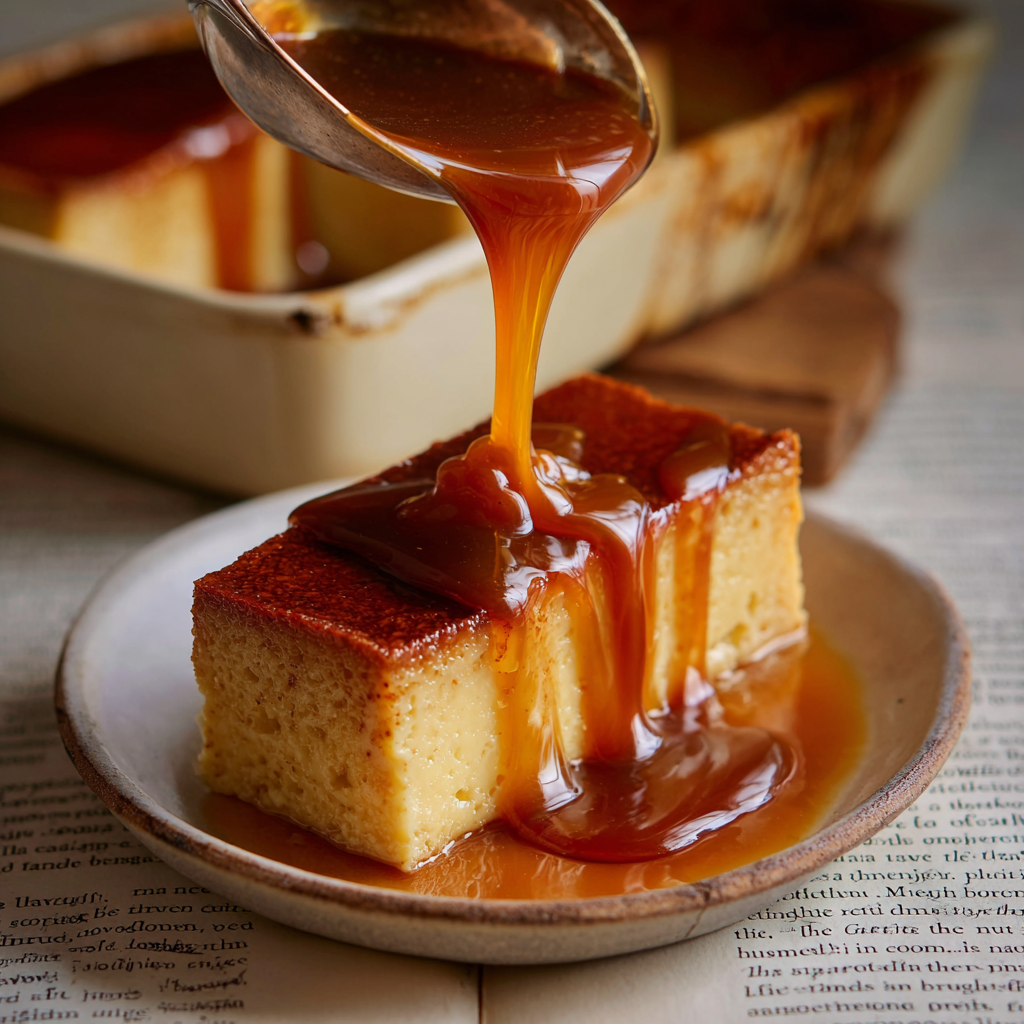
This traditional dish from the region piedmont is a tender chocolate custard with a thin caramel layer that becomes a glossy sauce when turned out. It’s made ahead, chill time included, so it suits modern schedules and dinner-party planning.
This recipe is for US home cooks who want an authentic, impressive result without fussy steps. The why is simple: gentle baking in a bain marie plus long chilling gives a smooth set rather than a curdled texture.
Flavor leans on amaretti crumbs, cocoa, and a splash of optional liqueur—rum, Marsala, or coffee work well. I’ll cover caramel color timing, tempering eggs, and keeping the water bath steady. One quick safety note: caramelized sugar is extremely hot, so handle the pan with care.
Key Takeaways
- The custard is best made ahead; chilling is essential.
- Gentle bain marie baking prevents curdling.
- Amaretti, cocoa, and optional liqueur define the flavor.
- Watch caramel color closely and respect hot sugar.
- See a related guide for coffee-forward chilled desserts: espresso panna cotta.
Bonet (Bunèt) in Piemonte: the chocolate-caramel dessert with a medieval backstory
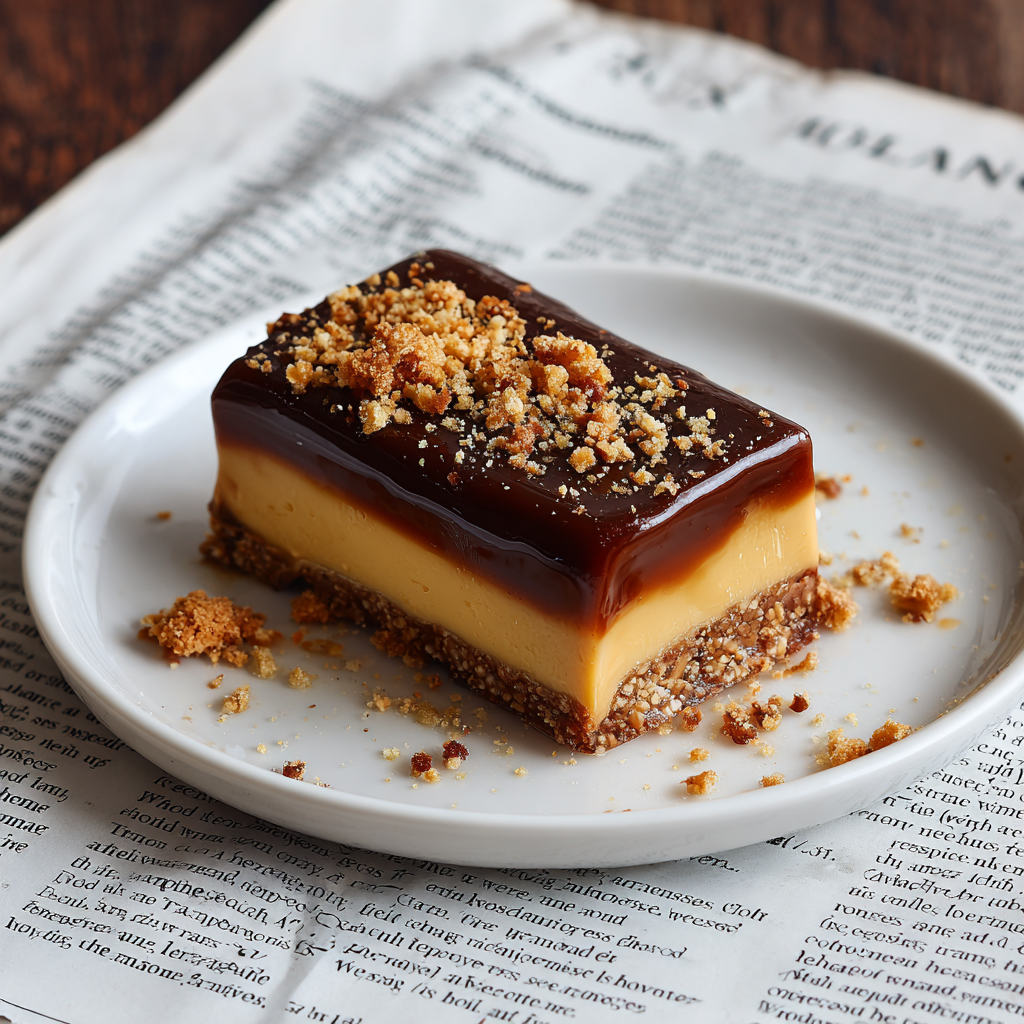
This chocolate-caramel custard sits somewhere between a classic crème caramel and a richer chocolate flan. It unmolds like flan, but the base includes crushed amaretti and cocoa, which give it a firmer texture and a distinct almond note.
Caramel behaves two ways here: it darkens and turns slightly bitter at the edges, then pours syrupy over the plate when you flip the mold. That bitter-sweet contrast keeps the finish balanced rather than overly sweet.
Historically, the dish ties to the northern Italian region around Monferrato and later appeared at Turin banquet tables as early as the medieval era. The name has two common explanations: a Piedmontese word for “cap” linked to the molded top, or a nod to a final-course tradition—like putting your hat back on after a meal.
- Amaretti cookies: provide almond perfume and a little texture.
- Cocoa: deepens the chocolate character without making it cloying.
- Liqueur: a splash brightens aroma; choose Marsala, rum, or coffee liqueur to steer the profile.
Older versions were often “white” before cacao arrived. Today authenticity leans on balance and technique more than a single liqueur choice, so focus on gentle baking and a proper water bath for the best result.
Ingredients that matter for texture and flavor (and what to buy in the US)
Good ingredients make the difference between a silky set and a watery custard. Below I list what to buy and why each choice changes set, mouthfeel, and taste.
Amaretti cookies: crunchy vs. soft, and how finely to crush them
Use dry, crunchy amaretti cookies for the best almond backbone. They soften in warm milk and slightly thicken the custard without starch.
Pulse to fine crumbs for a smooth slice. Keep coarser crumbs if you want visible speckles and more texture.
Cocoa powder: unsweetened vs. Dutch-processed
For US shoppers, unsweetened cocoa powder is the baseline; it gives a sharper chocolate note. Dutch-processed cocoa reads rounder and blends nicely with caramel.
Whole milk, eggs, and sugar: why freshness and fat content change the custard
Choose whole milk (not reduced-fat) for a silkier, more stable set. Fat helps the custard feel rich after chilling.
Fresh eggs set cleaner and reduce any sulfurous aroma. Use granulated sugar measured precisely so the caramel stays balanced.
Marsala, rum, amaretto, or coffee: picking your flavor direction
Sweet Marsala adds raisiny warmth. Rum brings depth. Amaretto echoes the amaretti, and a coffee liqueur nudges the custard toward mocha. Use just a tablespoon or two to perfume the mix, not to taste boozy.
- Practical tip: buy labeled “amaretti secchi” or branded crunchy cookies in the Italian/ethnic aisle.
- Choose unsweetened or Dutch-processed cocoa depending on whether you prefer bright or rounded chocolate notes.
| Ingredient | What to buy in the US | Effect on texture & flavor |
|---|---|---|
| Amaretti cookies | Dry, crunchy amaretti (secchi) | Softens in milk, thickens custard slightly; almond aroma |
| Cocoa powder | Unsweetened or Dutch-processed | Unsweetened = brighter chocolate; Dutch = rounder, pairs with caramel |
| Whole milk, eggs, sugar | Whole milk, very fresh eggs, granulated sugar | Higher fat = silkier set; fresh eggs = cleaner set; correct sugar = balanced caramel |
| Liqueur | Marsala, rum, amaretto, or coffee liqueur | Small amount perfumes; choice guides final aromatic direction |
Substitutions and variations that still taste like a real Piedmont bonet
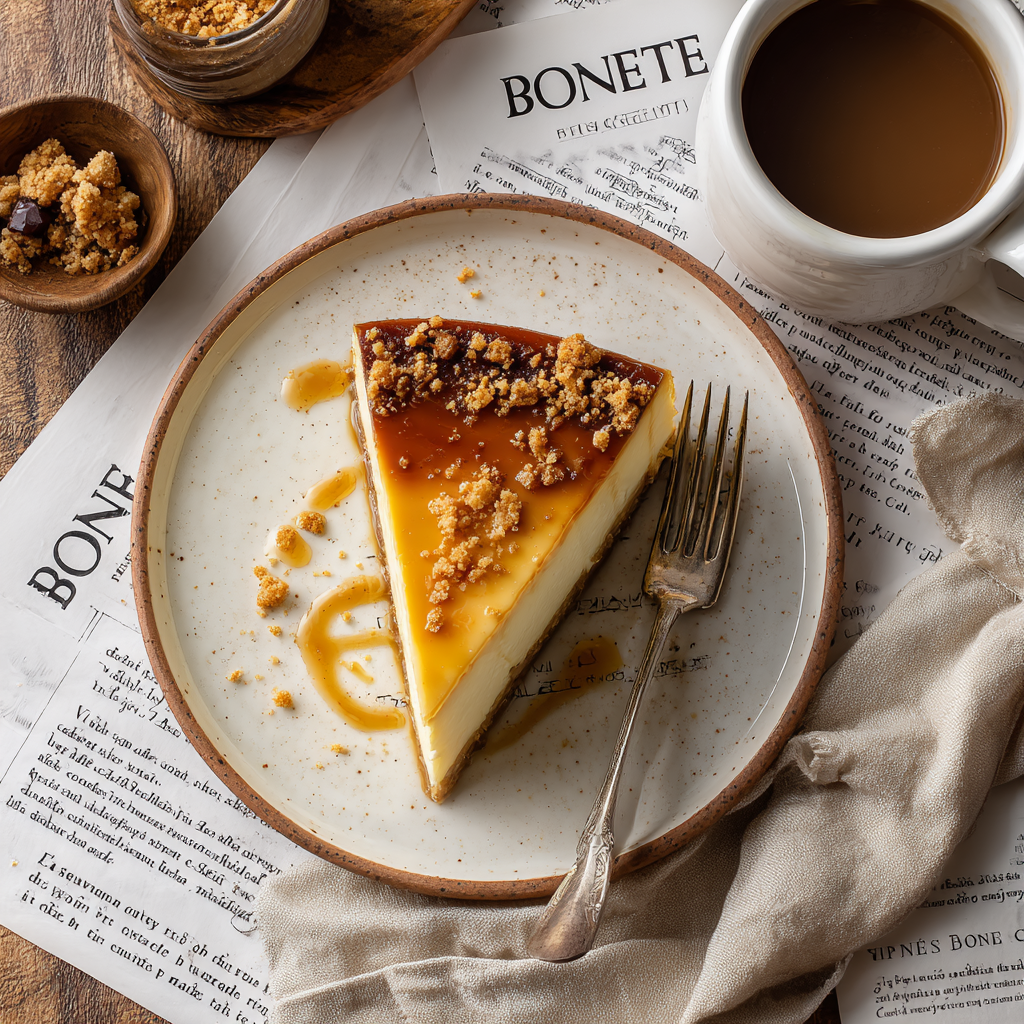
You can preserve the traditional profile with a few careful substitutions that protect texture and aroma. Focus on keeping the amaretti and cocoa powder as anchors; the rest you can adjust to fit households and diets.
Alcohol-free, kid-friendly version
Replace the liqueur with an extra 1/2 cup of milk and stir in about 2 teaspoons of vanilla extract. Vanilla keeps the custard familiar and softens the edge left by no alcohol.
If you prefer almond notes, a few drops of almond extract work, but vanilla extract is the safer route for children.
Lactose-free and plant-based milk swaps
Lactose-free whole milk behaves like regular whole milk, so bake times stay the same. For dairy-free, oat milk is the most stable choice.
Nut milks can separate if boiled—heat gently to steaming and avoid rolling bubbles to prevent splitting or thinning the set.
Extra-creamy option
Replace about 1 cup of milk with heavy cream for a denser, silkier slice. More fat enriches texture but narrows the margin for overbaking, so watch the slightly jiggly center cue.
- Flavor map: coffee liqueur for mocha depth, rum for warmth, amaretto to echo the amaretti.
- Risk points: avoid high heat, temper eggs, and do the water bath for a stable set.
| Swap | Effect | Tip |
|---|---|---|
| Vanilla instead of liqueur | Kid-friendly aroma | Use 2 tsp vanilla extract |
| Oat milk | Stable, dairy-free | Heat gently; no boil |
| Cream for richer slice | Denser texture | Watch doneness closely |
Tools and pans that make this recipe foolproof
With a few clear tool choices, the baking and unmolding feel effortless. I keep the list short so you can use what’s already in your kitchen.
Loaf pan vs. ramekins
Choose a 10 x 4½ inch loaf pan for one clean, dramatic unmold and longer bake time. A deep round pan (5–6 cup) works the same way.
Use eight 1-cup ramekins for individual servings and shorter bake times. Ramekins make serving simple at the table.
What to have on hand
- Two saucepans (one can be a small saucepan for caramel)
- Mixing bowl and whisk or immersion blender (immersion gives a silkier finish)
- Loaf pan or ramekins and a high-sided roasting pan for the water bath
- Measuring cups, oven mitts, and a bowl of ice water for caramel safety
For a steady bain marie, use a sturdy roasting pan that won’t warp. Add warm (not boiling) water until it reaches halfway up your molds to avoid splashing as you transfer to the oven.
| Tool | US size / example | Effect on baking & serving |
|---|---|---|
| Loaf pan | 10 x 4½ inches | Longer bake, one large slice for serving |
| Ramekins | 1-cup each (about 8) | Shorter bake, individual portions |
| Saucepan / small saucepan | 2–3 qt saucepan; 1–1.5 qt small saucepan | Use larger for milk, small for caramel; keep caramel control |
| Roasting pan (bain marie) | High-sided 9 x 13 or similar | Buffers heat with water; prevents hot spots in oven |
Piemonte bonet dessert recipe method: caramel, custard, and the gentlest bake
Start with the caramel: combine sugar and a little water in a heavy saucepan and stir only until the crystals dissolve. Stop stirring and let the syrup boil, swirling the pan now and then so crystals don’t seize. Pull it when the color is a deep amber, not mahogany, since residual heat will darken it further.
Pour the hot caramel into your pan and tilt to coat the bottom and a bit up the sides. Work quickly—caramel sets fast—so have the loaf pan or individual cups ready and use oven mitts for safety.
Heat milk with crushed amaretti in a small saucepan until steaming; the cookies soften and perfume the milk. Whisk eggs and sugar together in a bowl, then temper them by streaming warm milk into the eggs to avoid scrambling.
Sift in cocoa powder and stir in your chosen liqueur for depth. Strain the mixture if you want an extra-smooth texture, then pour over the caramel-lined bottom.
Bain marie and baking notes
Place molds in a high-sided roasting pan. Add hot water to reach roughly halfway up a loaf pan, or about one-third to halfway for ramekins. Keep the water steamy, not violently boiling.
Bake times vary: a 10 x 4½ inch loaf pan often takes about 40 minutes at 350°F, or slower at 320°F for roughly 60 minutes. Individual cups can finish between 30 and 55 minutes depending on size and oven quirks. Gentle, steady heat yields a smooth set—that’s the point of the water bath.
How to know it’s done (and how to avoid overcooking)
A perfect custard set is more about feel than a stopwatch. Watch the surface, give the pan a gentle nudge, and trust simple visual cues instead of waiting for a fully firm center.
Doneness cues you can trust
Edges should look set and pull slightly from the sides. The center will still be gently jiggly—think soft gelatin—without any liquid sloshing when you tilt the pan.
Remove the molds when they show that slight wobble. The mixture will continue to firm as it cools and then tightens further during chilling.
Why you must lift the pan from the hot water right away
Carryover heat from the water bath keeps cooking the custard after the oven stops. If you leave the loaf pan or ramekins sitting in hot water, even an extra ten minutes can change texture more than a few minutes in the oven.
Signs of overcooking and fixes
- Puffy edges and bubbles: the oven or baking time ran too hot; lower temperature next time.
- Grainy or curdled texture: eggs scrambled; shorten baking minutes and temper eggs more slowly.
- Rubbery, very firm center: carryover heat; remove the pan and cool immediately.
| Visual cue | Meaning | Action |
|---|---|---|
| Soft jiggle | Proper doneness | Remove, cool, then chill |
| Bubbles / puffiness | Overheated | Lower oven temperature and reduce time |
| Liquid center | Underbaked | Return for a few more minutes, watching closely |
Serving and plating: getting that clean unmold and glossy caramel top
Serving this custard well starts long before you slice. Let the pan cool to room temperature, then set aside in the refrigerator for at least 4–6 hours or overnight. Chill for hours so the proteins relax and the caramel loosens into a glossy sauce.
Cooling and timing
Bring the mold down to room temperature first. This prevents condensation that can waterlog the surface.
After that, cover and chill for the full time recommended. I usually set aside overnight when I can.
Unmolding onto a serving plate
Run a thin knife around the edge, keeping the blade pressed gently to avoid gouging the custard. Place a serving plate over the mold, flip, and give it a soft shake to release.
For ramekins, dip the base in hot water for 5–8 seconds. The heat loosens the caramel so the cup slips free.
Finishing touches and pairings
- Scatter crushed amaretti cookies on top for texture, or leave larger crumbs for a rustic look.
- Serve each slice on a rimmed serving plate to catch the caramel sauce.
- Pair with espresso or strong coffee, a small pour of sweet wine, or fresh berries to cut the richness.
| Serving style | Best unmold method | When to serve |
|---|---|---|
| Loaf pan slices | Knife, flip onto plate | After chilling 4–6 hours |
| Ramekins | Hot-water dip then flip | After chilling several hours |
| Individual plate | Flip and spoon extra caramel | Serve immediately after unmolding |
Make-ahead timing, storage, and the best way to enjoy leftovers
Plan to bake this the day before so the flavors settle and the caramel forms a glossy top. Chill the pan at room temperature, then refrigerate for at least 4–6 hours or overnight for the cleanest slice.
For gatherings, unmold just before serving so the caramel stays shiny. Leftovers keep well covered in the pan or sliced on a plate wrapped tightly; store in the fridge for 2–3 days to preserve texture and milk freshness.
Note changes over time: the caramel thins into more sauce and the custard tightens a touch. That rest often deepens the chocolate and cocoa notes.
Slice cold with a thin knife, then let pieces sit 3–5 minutes so the caramel loosens. If the texture is too firm, shorten bake minutes or lower oven heat next time. If too loose, add a few minutes and trust the jiggle cue.
Handle caramel safely: use a larger saucepan than you think, don’t leave sugar unattended, and keep a bowl of ice water nearby for splashes. This simple, ingredient-focused bonet rewards fresh eggs, good cocoa powder, and steady, patient heat.
For a related chilled chocolate custard, see chocolate panna cotta.
Bonet (Bunèt)
Ingredients
Method
- Combine 1 cup of granulated sugar and 1 tbsp water in a saucepan. Stir until sugar dissolves. Let it simmer without stirring until it turns a deep amber. Pour the hot caramel into your mold, swirling to coat the bottom and sides.
- In a saucepan, heat the milk and crushed amaretti cookies until the milk is steaming. Stir until the cookies soften and release their aroma. Set aside to cool slightly.
- In a separate bowl, whisk together eggs and ¾ cup sugar until smooth. Gradually pour the warm milk mixture into the eggs while whisking continuously to temper them. Stir in the cocoa powder and optional liqueur.
- Strain the custard mixture through a fine sieve to ensure smoothness. Pour this over the caramel-lined mold.
- Place the filled mold into a high-sided roasting pan. Add hot water to the roasting pan, filling it halfway up the sides of the mold.
- Bake at 350°F (175°C) for about 40 minutes for a loaf pan or 30-55 minutes for ramekins. The center should be slightly wobbly when done. Remove from the oven and cool to room temperature.
- Refrigerate the custard for at least 4–6 hours or overnight to allow it to set properly.
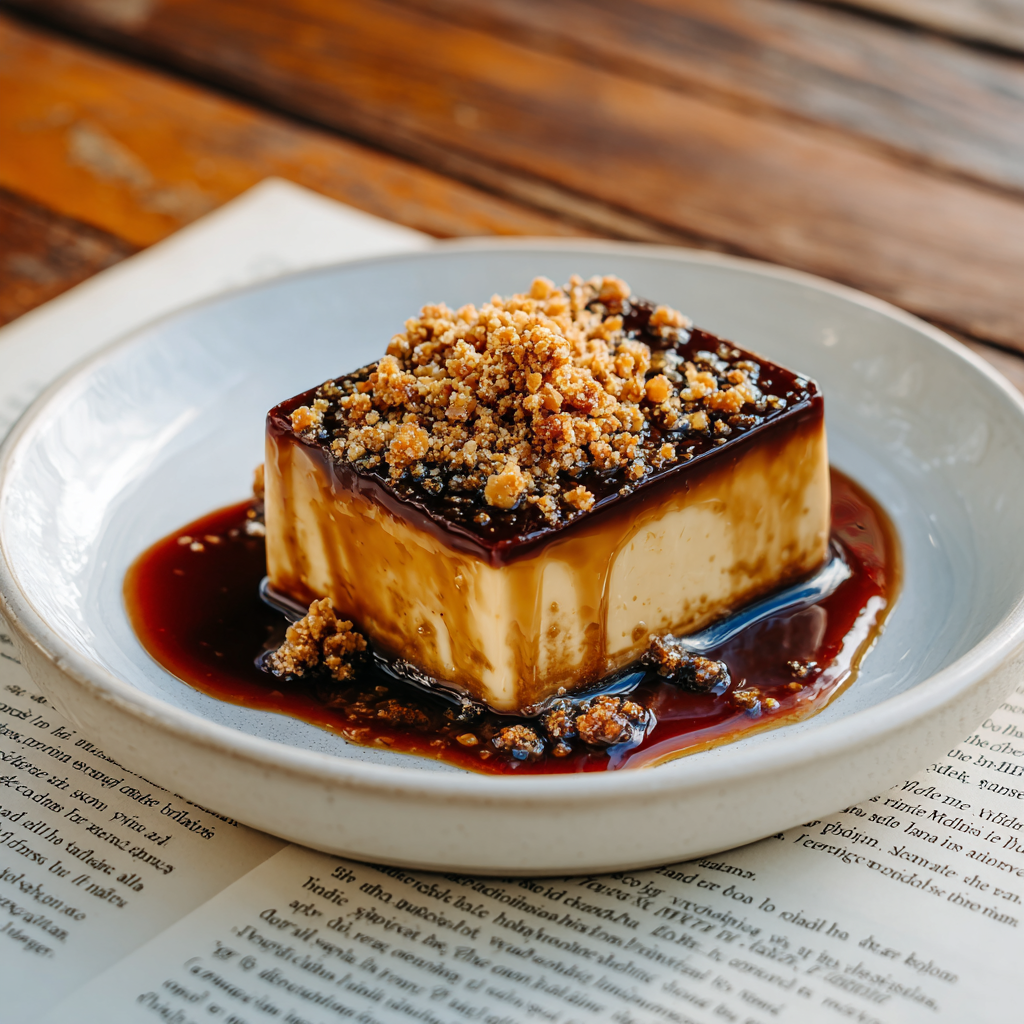
- Run a knife around the edge, then carefully invert the custard onto a serving plate. Serve chilled with a drizzle of caramel sauce and optionally top with crushed amaretti cookies.
Notes
- This dessert can be made a day ahead and stored in the fridge for a smoother texture and better flavor.
- If you don't want to use alcohol, you can replace it with vanilla extract or coffee for a different aromatic profile.
- If using ramekins, reduce the baking time slightly compared to a loaf pan.