
Jump to Recipe
Can a simple pot of melted cheese teach you the exact technique that keeps sauce glossy, spoonable, and silky at the table?
This guide is a practical, reliable manual for making an authentic valle d’aosta fonduta recipe at home. I show clear steps so U.S. home cooks get a smooth melt without graininess or a scrambled-egg texture.
In Italian cuisine, this is a warm cheese sauce from the aosta valley that feels humble but rewards careful technique. We keep ingredients few: quality Fontina, milk for a brief soak, and a steady whisk over a gentle double‑boiler.
Success looks like a glossy fondue that holds its texture while people dip bread, potatoes, or lightly steamed greens. The method pillars—milk soak, gentle double‑boiler heat, and steady whisking—are the make-or-break steps you’ll follow.
This formula serves about four and fits a cozy dinner or a small gathering. Buy the best cheese you can find and we’ll cook it together, calmly and confidently.
Key Takeaways
- One clear goal: silky, spoonable fonduta that won’t grain or split.
- Follow three technique pillars: soak, gentle heat, steady whisk.
- Uses few but crucial ingredients—quality cheese matters most.
- Serves four; pairs well with bread, potatoes, and steamed greens.
- Simple steps let home cooks reproduce authentic alpine fondue reliably.
Fonduta alla Valdostana, Explained: the Aosta Valley cheese fondue Americans keep mistaking for Swiss
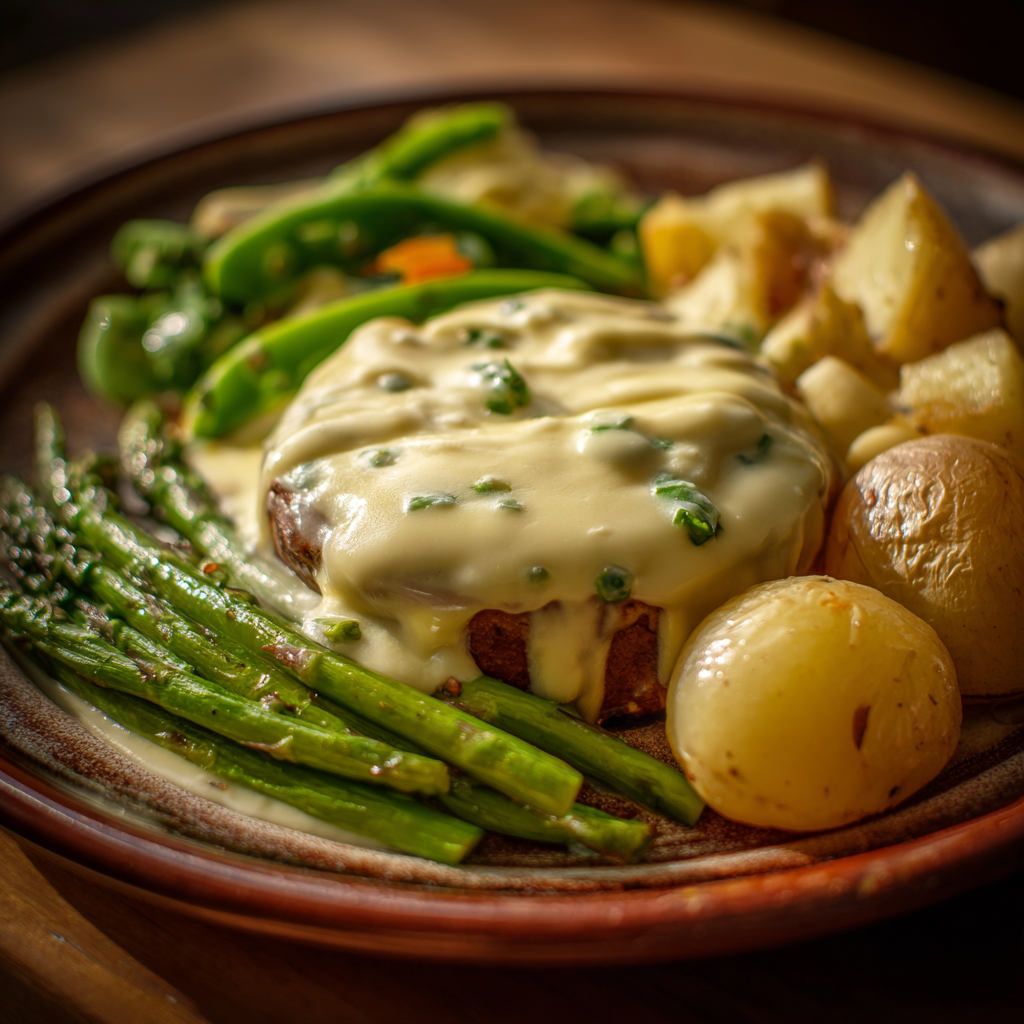
Think of this as an Italian, spoonable cheese sauce, not the stretchy Swiss fondue you know. Fonduta alla valdostana is alpine, built on local Fontina, and it highlights melting behavior and richness more than bite or acidity.
The key difference is simple: there’s usually no wine or garlic. Instead, cooks enrich the mix with egg yolks. Those yolks add body and a custardy silkiness when you control heat and steady whisking. If you overheat, the yolks scramble; keep it gentle and they thicken the sauce smoothly.
Fontina from this region melts very cleanly. It becomes glossy without flour or wine, so the cheese voice stays front and center. The alpine notes—grassy, nutty, and buttery—are clearer when ingredients are few and the heat is low.
- Serve it dip-style with bread cubes.
- Or ladle it as a sauce over steamed vegetables and potatoes.
| Feature | Swiss fondue | Fonduta alla valdostana |
|---|---|---|
| Acid/brighting agent | White wine or kirsch | None; richness from yolks |
| Aromatics | Often garlic | Minimal; cheese flavor leads |
| Texture | Elastic, stringy | Silky, spoonable |
| Common pairings | Bread, pickles, charcuterie | Bread cubes, vegetables, potatoes |
If you expect a winey pull like Swiss fondue, reset your aim: here we want glossy, spoonable sauce. The most important choice is the cheese; if Fontina is hard to find, I cover solid swaps next. For a related cabbage and Fontina soup, see this cabbage and Fontina soup.
Ingredients that actually matter (and what to buy in the US if you can’t find Fontina)
What you buy matters: the cheese and milk set the course for a silky sauce. I list the essentials below and explain why each one matters in simple terms.
Core ingredients and their role
- Fontina — provides the melt and main flavor; choose Italian Fontina for clean melting.
- Whole milk — hydrates the cheese and helps it loosen; use a little extra if you need a thinner texture.
- Butter — adds gloss and body so the sauce looks and feels luxurious.
- Egg yolks — deepen the texture and give a custardy finish when cooked gently.
- Salt and pepper — season lightly to enhance cheese without covering it.
Buying guidance and the cheese‑milk soak
In the US, look for “Fontina Val d’Aosta” at Italian grocers or higher-end supermarkets. Avoid cheap “Fontina‑style” blocks; they often melt poorly.
The cheese‑milk soak means slicing cheese and letting it sit in milk for at least an hour. This softens the cheese and helps it melt evenly. Reserve the milk to adjust consistency while cooking.
| Option | Melt behavior | Flavor note / when to use |
|---|---|---|
| Fontina (Italian) | Clean, silky | Milky, nutty—best for authentic result |
| Taleggio or Toma | Soft, smooth | Earthy, slightly tangy—keeps Italian character |
| Emmental | Reliable alpine melt | Nutty and mild—good if Fontina isn’t available |
| Blend (e.g., Emmental + Taleggio) | Balanced melt and flavor | Mimics Fontina’s texture and roundness |
Truffle and final points
For a small decadent touch, add thin white truffle shavings or about 1 teaspoon of white truffle purée off the heat. This preserves aroma and prevents bitterness.
At the store, pick cheese that smells milky and nutty and feels pliable. If you follow restraint—few add-ins and careful heat—you’ll showcase the cheese milk behavior the way traditional cooks do. For a related truffle pasta technique, see my truffle pasta guide: pasta al tartufo nero.
valle d’aosta fonduta recipe prep: soaking time, tools, and the double boiler setup
Take a little planning up front and the melting step becomes predictable and smooth. The active preparation is short, but the soak time matters for a clean, even melt.
Why the soak matters
Sliced cheese rests in milk in the refrigerator for at least one hour. Some cooks leave it three hours or overnight for deeper flavor and steadier melting.
The milk hydrates the cheese and pulls a touch of flavor into the liquid. That makes the melt less likely to clump when you heat it.
Slice guidance and timing
Cut the cheese into thin, even slices so it melts in fewer minutes and spends less time over heat. This protects the texture and shortens hands-on cooking time.
Tools and a practical boiler setup
- Double boiler (or a heatproof bowl over a saucepan) — prevents direct heat and scorching.
- Whisk — keeps the emulsion smooth while you stir.
- Fine-mesh strainer — drains the cheese and saves the reserved milk for adjusting consistency.
- Fondue pot or warmed serving bowl — pre-warm a pot, or use a warm bowl and keep the sauce near the stove.
For a home double boiler, bring water to a brisk simmer, set a heatproof bowl on top so it does not touch the water, and watch for steam and condensation. Keep the water at simmer, not a rolling boil.
Once you start heating, expect hands-on work: steady whisking over the boiler for the minutes it takes to go smooth. Next we move into the exact heat cues and order of additions so the sauce finishes glossy and spoonable.
How to make fonduta step-by-step so it turns out silky, not clumpy
A steady whisk and gentle steam are the shortest path from clumpy cheese to a silky finish. I’ll walk you through the exact stove order and the sensory cues you should watch for.
Slice, soak, strain
Slice the cheese thin and soak in cold milk for at least one hour. Drain through a fine sieve and reserve the milk for later.
Melt gently over a double boiler
Set a heatproof bowl over simmering water. Add the drained cheese and start whisking. Early on it may go “gloppy”—a thick, sticky mass that resists the whisk. That’s normal; do not raise the flame. Keep steady steam and firm, even whisking until it loosens.
Add butter, then egg yolks
Drop small pieces of butter in so they melt quickly and lend gloss. Off the heat, whisk in egg yolks one at a time, fully incorporating each to avoid scrambling.
Adjust with reserved milk
Stream in reserved milk a little at a time until the sauce is pourable but still coats a spoon. You may not need all the milk.
Timing, seasoning, and finish
Keep the water at a brisk simmer; total cook time is typically 20–30 minutes. Season sparingly with salt and pepper. If using truffle, add it off the heat for a clear aroma.
Troubleshooting quick fixes
| Problem | Cause | Fix |
|---|---|---|
| Broken sauce | Heat too high | Lower heat, whisk vigorously to re-emulsify |
| Too thick | Too little milk | Add warm reserved milk, stir until smooth |
| Grainy | Overheated or rushed | Back off heat and whisk; patience usually smooths it |
Serve it hot and proud: bread cubes, vegetables, potatoes, and keeping fonduta warm at the table
Present the fonduta hot and steady so its texture stays glossy for every bite. Serve it hot and proud for a relaxed, shared plate that encourages people to help themselves.
Two easy approaches work best. Offer it as fondue with sturdy bread and toasted bread cubes for dipping. Or pour it as a sauce over steamed vegetables and boiled or roasted potatoes for a fuller dinner.
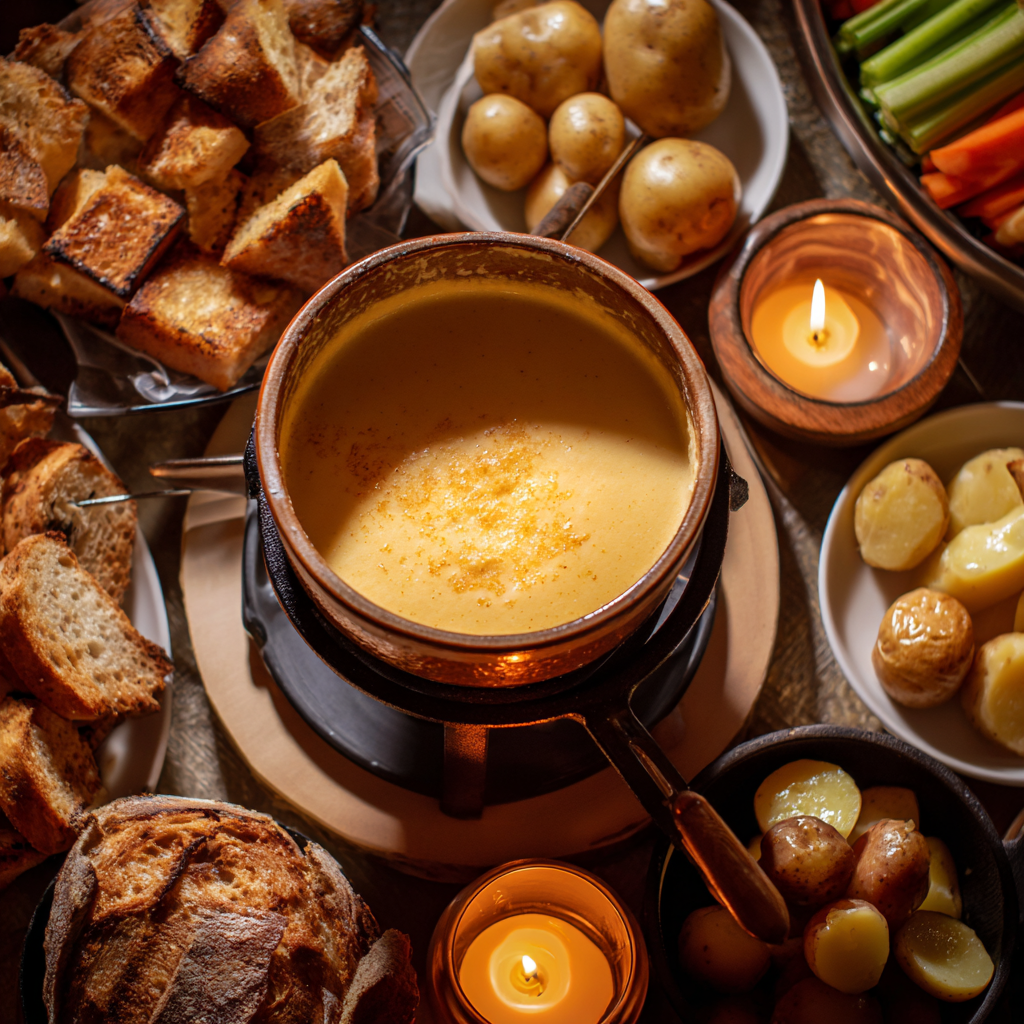
Lay out a US‑friendly platter: a tray of toasted bread, a bowl of green vegetables (broccoli rabe, green beans, asparagus), and a plate of potatoes. Add a small bowl of pickles or lightly acidic garnish to cut the richness.
Keep the fondue warm over gentle heat and stir now and then. If it tightens, stir and add a splash of warm milk to loosen. Serve confidently — this is a valle d’aosta tradition meant for sharing, not fussing.
Fonduta alla Valdostana (Aosta Valley Cheese Fondue)
Ingredients
Method
- Slice the Fontina cheese into thin, even slices. Soak the slices in the whole milk for at least 1 hour in the fridge (you can leave it up to 3 hours or overnight for better results).
- Bring a small saucepan of water to a simmer. Place a heatproof bowl over the saucepan without letting it touch the water (or use a double boiler if available).
- Drain the cheese from the milk and reserve the milk for later use. Place the drained cheese into the heatproof bowl. Whisk gently as it starts to melt; the texture may initially appear clumpy, but keep whisking steadily.
- Once the cheese begins to melt, add the butter in small pieces, whisking continuously until the sauce becomes glossy.
- Off the heat, whisk in the egg yolks one at a time. Fully incorporate each yolk before adding the next to avoid scrambling.
- Gradually add the reserved milk (a little at a time), whisking continuously until the sauce reaches a pourable, spoonable consistency. You may not need all the milk.
- Season the fonduta with a pinch of salt and freshly ground black pepper. Optionally, add a small amount of truffle purée or thin shavings of white truffle off the heat.
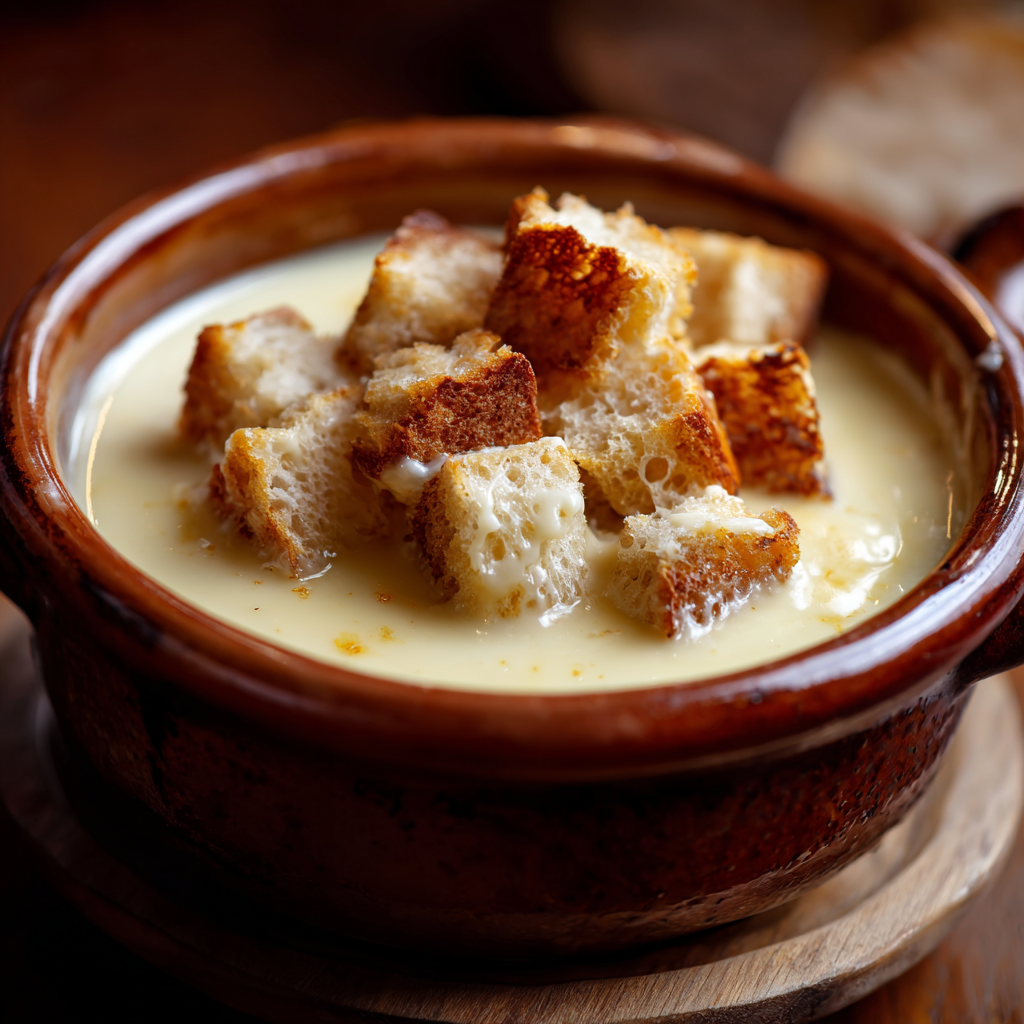
- Serve the fonduta hot with bread cubes, boiled potatoes, steamed vegetables, or polenta. Keep the fonduta warm over a low flame or gently reheated.
Notes
- The milk soak helps the cheese melt smoothly and prevents clumping. Don’t skip this step!
- You can substitute Fontina with other alpine cheeses like Taleggio or Emmental if Fontina is unavailable, but it might slightly alter the flavor.
- The key to this dish is gentle heat and patience while whisking to prevent the egg yolks from scrambling.