
Jump to Recipe
There’s a particular comfort in a bowl of pasta that feels like sunshine. It’s not just about feeding the body, but also the spirit. This is the feeling I get from this Sicilian specialty, a dish born from the sea and the land.
Food writer Rachel Roddy shares a wonderful story about its origin. Homesick Genovese sailors, docked in Trapani, Sicily, adapted their beloved basil sauce. They used what was local and abundant: sweet, ripe tomatoes and almonds. This clever substitution created something entirely new and vibrant.
What makes this version of pesto so compelling is its lightness. The fresh tomatoes create a brighter sauce that doesn’t darken quickly. The acidity helps preserve that beautiful green color. It’s a testament to how great food evolves with its surroundings.
I find this preparation works beautifully whether you make fresh pasta or use a quality dried version. The traditional method involves a mortar and pestle for excellent texture control. But a modern food processor works perfectly well without losing the soul of the dish. Understanding this story helps us appreciate why each ingredient matters.
Key Takeaways
- This Sicilian pesto has a unique history, created by sailors adapting a classic recipe with local ingredients.
- The sauce is distinct from its Genovese cousin, featuring fresh tomatoes and almonds for a lighter, brighter flavor.
- Using ripe tomatoes helps the sauce maintain its vibrant green color longer.
- The dish is versatile, working well with both handmade and quality dried pasta.
- Traditional preparation with a mortar and pestle is ideal, but a food processor is a practical modern alternative.
- This recipe is efficient, with most of the time dedicated to preparation rather than active cooking.
- It’s a practical choice for both weeknight dinners and small gatherings, typically serving four to eight people.
Crafting Homemade Pasta from Scratch
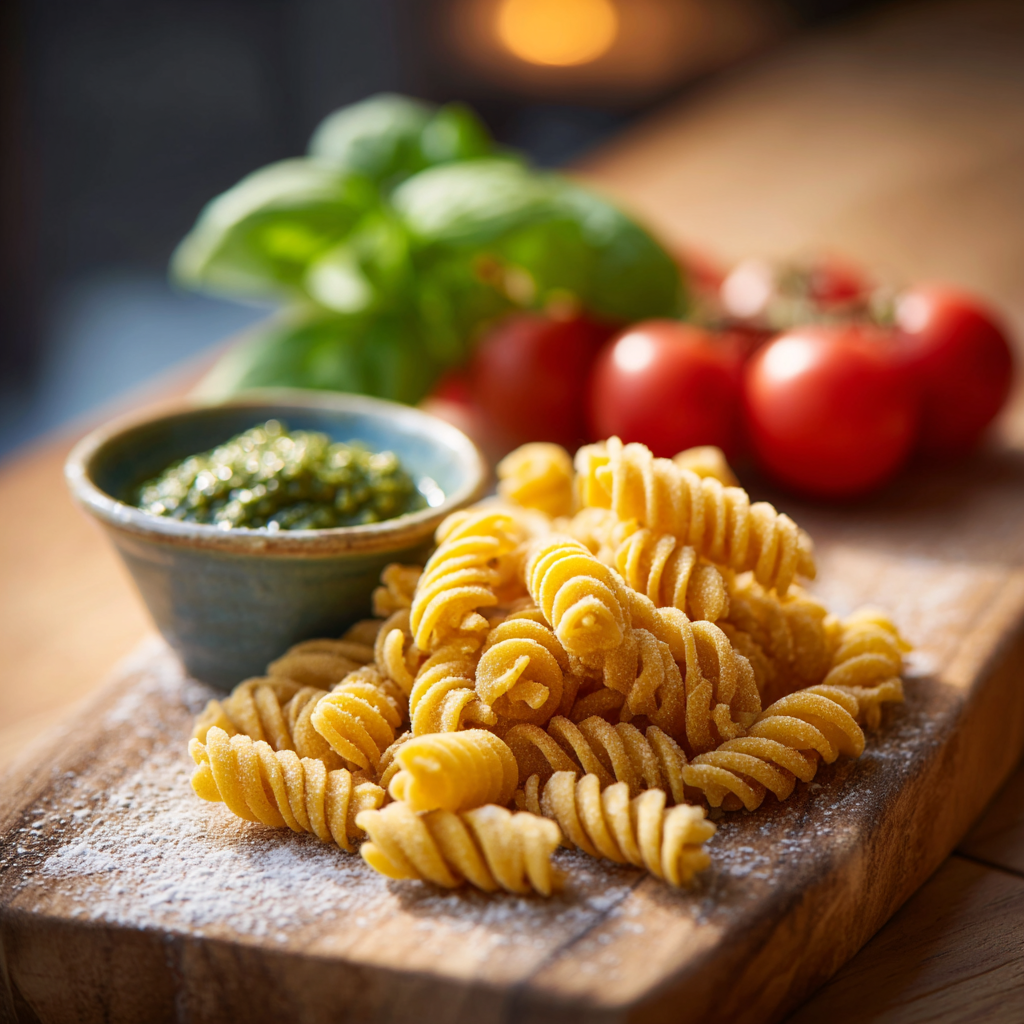
The process of making pasta dough by hand is both meditative and practical, yielding results that store-bought versions can’t match. Working with just three ingredients transforms simple components into something truly special.
Mixing and Kneading the Egg-less Dough
Start with 500 grams of semolina flour and a pinch of salt. Create a well in the center or use a large bowl. Gradually add 300 milliliters of warm water while mixing with your fingers.
When the ingredients bind together, begin kneading with energy. Stretch and pull the dough to develop gluten. This takes several minutes of focused work.
The dough should feel smooth and elastic. If it sticks to your hands, add a bit more flour. If it’s too dry, incorporate small splashes of water. Wrap the finished dough and let it rest for 30 minutes.
Rolling and Shaping Spiral Fusilli
After resting, cut the dough into thick strips. Roll each strip with your palms, pressing gently while moving your hands apart. This creates even thickness.
Cut the strips into 5-centimeter pieces. Wrap each piece around a thin skewer, rolling forward with your palm. The pasta curls into its distinctive spiral shape.
Fresh pasta can be refrigerated for half a day if well-dusted with flour. Alternatively, freeze it in sealed containers. Cook directly from frozen in boiling water when you’re ready.
Mastering the Fusilli al Pesto Trapanese Recipe
This Sicilian sauce transforms simple, fresh ingredients into something greater than the sum of its parts. The key lies in preparation order and technique.
Blending Fresh Pesto Ingredients
Start by blanching almonds in boiling water for three to four minutes. The skins will slip off easily when rubbed. Create a smooth garlic paste with salt using a mortar and pestle.
Add almonds and cheese to the blender first. This allows them to grind properly before wetter ingredients mix in. Pulse until almonds and cheese are ground.
Incorporate basil leaves, tomatoes, and garlic paste. Continue pulsing until you reach your preferred texture. Add oil while blending to emulsify the sauce.
Combining Pasta with the Rich Pesto Sauce
Cook your pasta in salted boiling water until al dente. Reserve at least one cup of the starchy cooking water before draining.
Combine the hot pasta with the sauce away from heat. Toss vigorously while adding splashes of reserved water. The starches help create a silky coating.
Finish with an optional handful of grated cheese. Give everything one final toss to enrich the flavors. The result should be loose but creamy.
Exploring Ingredient Secrets and Chef Tips
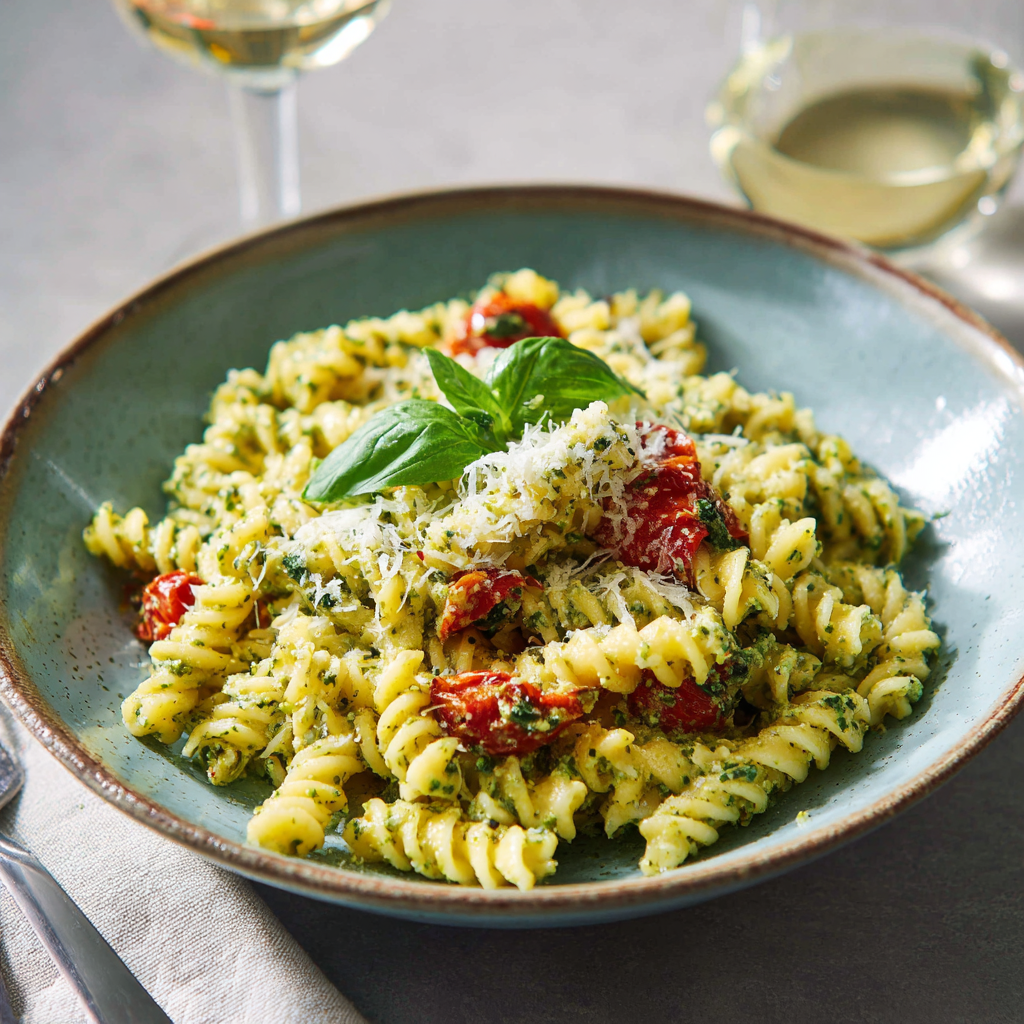
The quality of your ingredients will determine whether your pesto tastes like a sunny Sicilian afternoon or a disappointing compromise. Small choices here make a big difference in the final bowl.
Selecting the Best Tomatoes, Basil, and Almonds
For tomatoes, choose small cherry or grape varieties during peak season. Their dense flesh contains less water than larger slicing tomatoes. This prevents a watery sauce.
Look for basil with small, tender round leaves. Younger leaves offer a sweeter, less peppery flavor that complements the other ingredients perfectly.
Use blanched almonds for a clean, mild taste. You can find them whole, slivered, or flaked. I prefer raw almonds to keep the flavor subtle.
Fresh garlic with tight, papery skin provides the right sharp bite. Farmers market garlic during season is ideal.
Enhancing Flavors with Extra Virgin Olive Oil and Cheese Blends
Choose a light, delicate extra virgin olive oil. Aggressive or bitter oils will overpower the sauce. Golden oils help maintain a bright green color.
A 50-50 blend of Pecorino Romano and Parmesan cheese creates perfect balance. The Pecorino adds sharp saltiness while Parmesan contributes nutty richness.
Use fine sea salt in layers throughout preparation. This builds seasoning that brings all flavors into focus. The right ratios are crucial for success.
For another approach to Italian sauces, explore this sun-dried tomato variation that uses similar principles with different ingredients.
Savor Your Culinary Creation and Serve with Flair
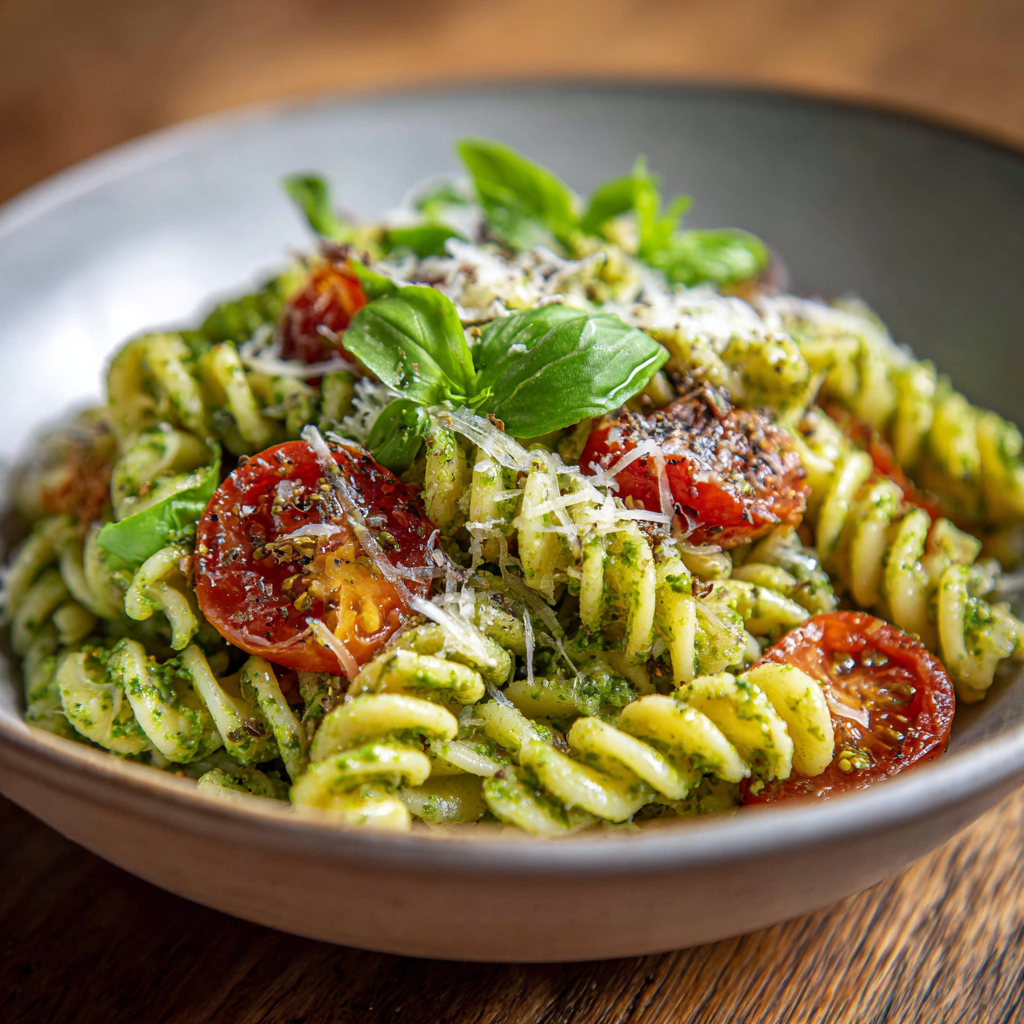
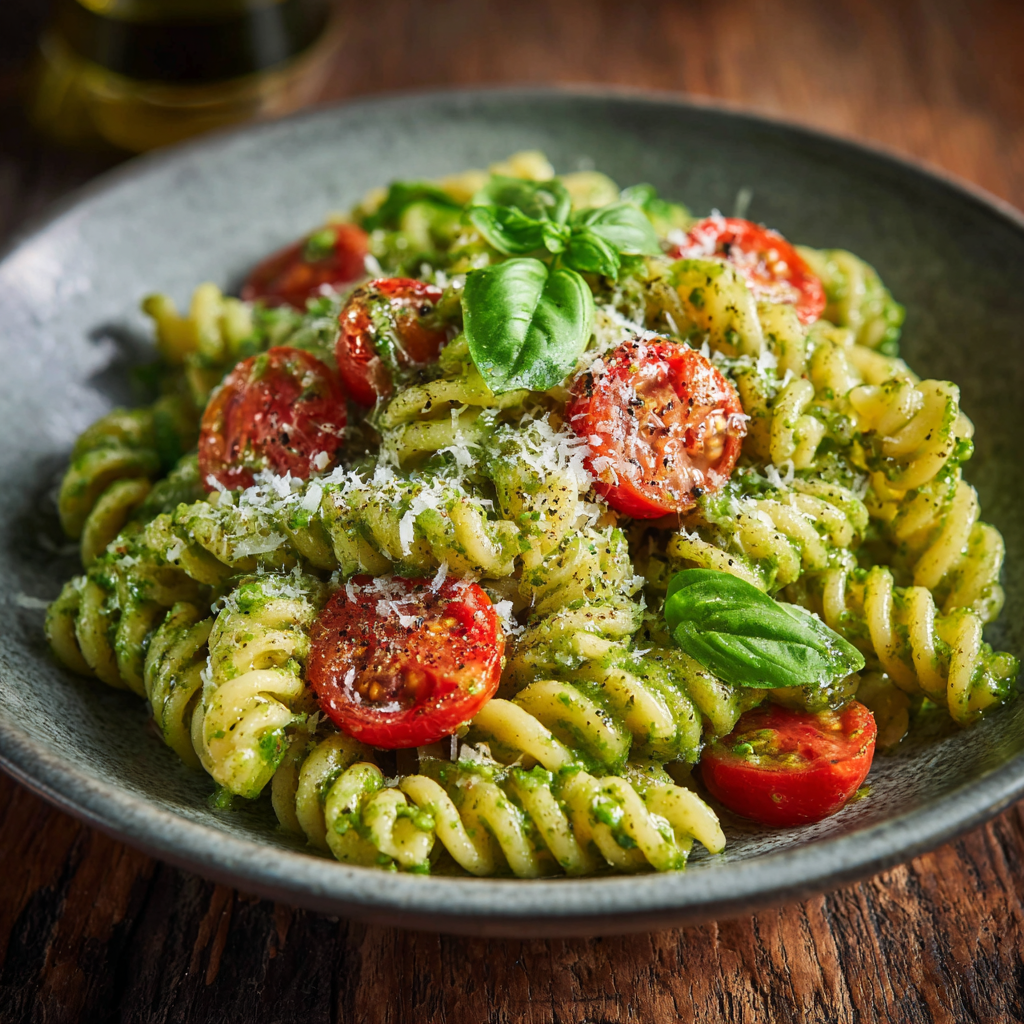
Your work in the kitchen culminates in a simple, beautiful plate of food. Toss the hot pasta with the vibrant sauce alla trapanese right after draining, using a splash of starchy water to make it silky. Serve immediately in shallow bowls with a final grating of cheese and a crack of black pepper.
For a gentle warmth, a pinch of red pepper flakes complements the sweet tomato perfectly. This pesto is wonderfully versatile beyond pasta. I find it makes an excellent spread for grilled bread or a lively base for salads with arugula and fennel.
Store any leftover sauce in a jar with a thin layer of oil on top; it will keep well in the refrigerator for a few days. Always let it come to room temperature before using. For longer storage, I portion it into ice cube trays to freeze. Unlike the classic Genovese version, the tomato in this recipe helps the sauce maintain its bright green color.
From boiling water to your table, this dish takes about fifteen minutes. It’s simple food, made with care, bringing a taste of Sicilian tradition directly to your home.
Fusilli al Pesto Trapanese (Sicilian Tomato & Almond Pesto Pasta)
Ingredients
Method
- Mix semolina flour and a pinch of salt in a bowl. Make a well in the center and gradually add 300ml warm water, mixing with your fingers until the dough binds.
- Knead the dough for several minutes until smooth and elastic. Let it rest for 30 minutes.
- Roll out the dough into strips and cut into 5cm pieces.
- Wrap each piece around a skewer and roll it forward to form the spiral shape.
- Let the pasta rest and dust with flour. You can freeze the pasta for later use if desired.
- Blanch the almonds in boiling water for 3-4 minutes, then rub off the skins.
- Make a garlic paste by mashing garlic and sea salt with a mortar and pestle.
- Add almonds and cheese to a blender and pulse until ground.
- Add fresh basil leaves, tomatoes, and garlic paste, then pulse until combined. Gradually blend in olive oil to emulsify.
- Bring salted water to a boil and cook the pasta until al dente (about 4-5 minutes for fresh pasta).
- Reserve one cup of pasta water before draining.
- Toss the hot pasta with the pesto sauce. Gradually add the reserved pasta water to make the sauce creamy and well-coated.
- Serve immediately, garnished with extra cheese and a pinch of black pepper. Optionally, sprinkle red pepper flakes for added flavor.
Notes
- The key to a perfect Pesto Trapanese is using ripe, sweet tomatoes and fresh almonds to create a smooth, vibrant sauce.
- If using a food processor, pulse gently to maintain the texture of the pesto without over-blending.
- This recipe works beautifully with quality dried pasta if you don't have time to make fresh pasta from scratch.