
Jump to Recipe
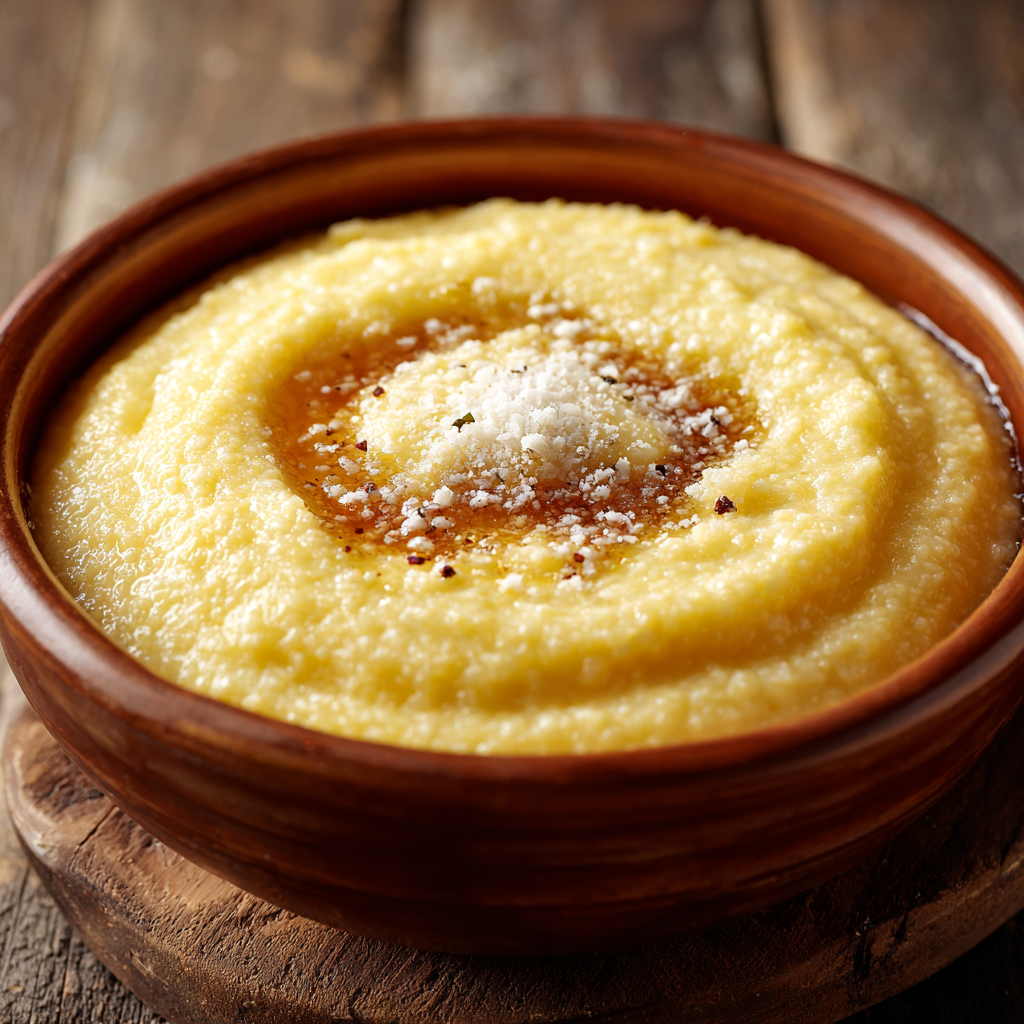
aosta polenta with fontina recipe brings a warm, silky hug from an Alpine kitchen straight to your table.
I learned to stir this concia at my grandmother’s side, watching slow, golden cornmeal turn creamy as melted Fontina Valdostana D.O.P. and butter joined the pot. The texture should be pourable, not stiff, so we keep heat gentle and timing strict.
This dish is winter food for tight-knit families who favor simple ingredients and deep flavor. I’ll share exact measures, small technique notes, and easy swaps for U.S. cornmeal so you can make a faithful, comforting bowl at home.
Key Takeaways
- You’ll get precise cup measures and timing for smooth, lump-free polenta.
- Traditional concia relies on quality Fontina D.O.P. and gentle heat.
- Small equipment choices—sturdy pot, whisk—make a big difference.
- Finish options include melted or nutty browned butter for depth.
- Simple grain swaps let you match texture in an American kitchen.
- This approach honors the region’s style while staying practical and friendly.
Why this Alpine classic hits the spot on cold days
On cold winter nights a ladle from the pot feels like a small rescue. The soft, pourable texture holds heat, so each serving stays warm longer at the table.
In the tiny mountain region of Valle d’Aosta, families relied on this concia as fuel after hours in the snow. Simple ingredients pack calories and comfort, turning little meat into a generous meal.
The melted cheese and butter coat every spoonful, creating a silky mouthfeel that soothes and satisfies. That gentle dairy sweetness pairs perfectly with browned butter’s nutty edge for layered flavor.
- Serve it alone for a cozy centerpiece.
- Pair it with rich stews or braised pork to stretch portions and temper sauces.
- Set out a green salad to add brightness and balance.
| Why it Warms | Best Pairings | Family Use |
|---|---|---|
| Silky texture retains heat | Beef goulash, sausages, braised ribs | Easy, forgiving, crowd-pleasing |
| High-energy, simple ingredients | Browned butter, melted cheese | Comfort food for slow, short days |
Aosta polenta with fontina recipe
This classic mountain dish relies on precise ratios and simple tools to turn cornmeal into glossy comfort. Below I give exact measures in grams/ounces and cups, plus the small gear that makes a big difference.
Ingredients with precise ratios and cup measures
For a soft, family-sized batch (4–6): 400 g (about 1¾–2 cups) cornmeal to 2 liters (8½ cups) water and 1 Tbsp coarse salt. Enrich with 300 g (10 oz) Fontina cheese, 100 g (1 stick) unsalted butter, and 80 g (⅔ cup) grated Parmigiano.
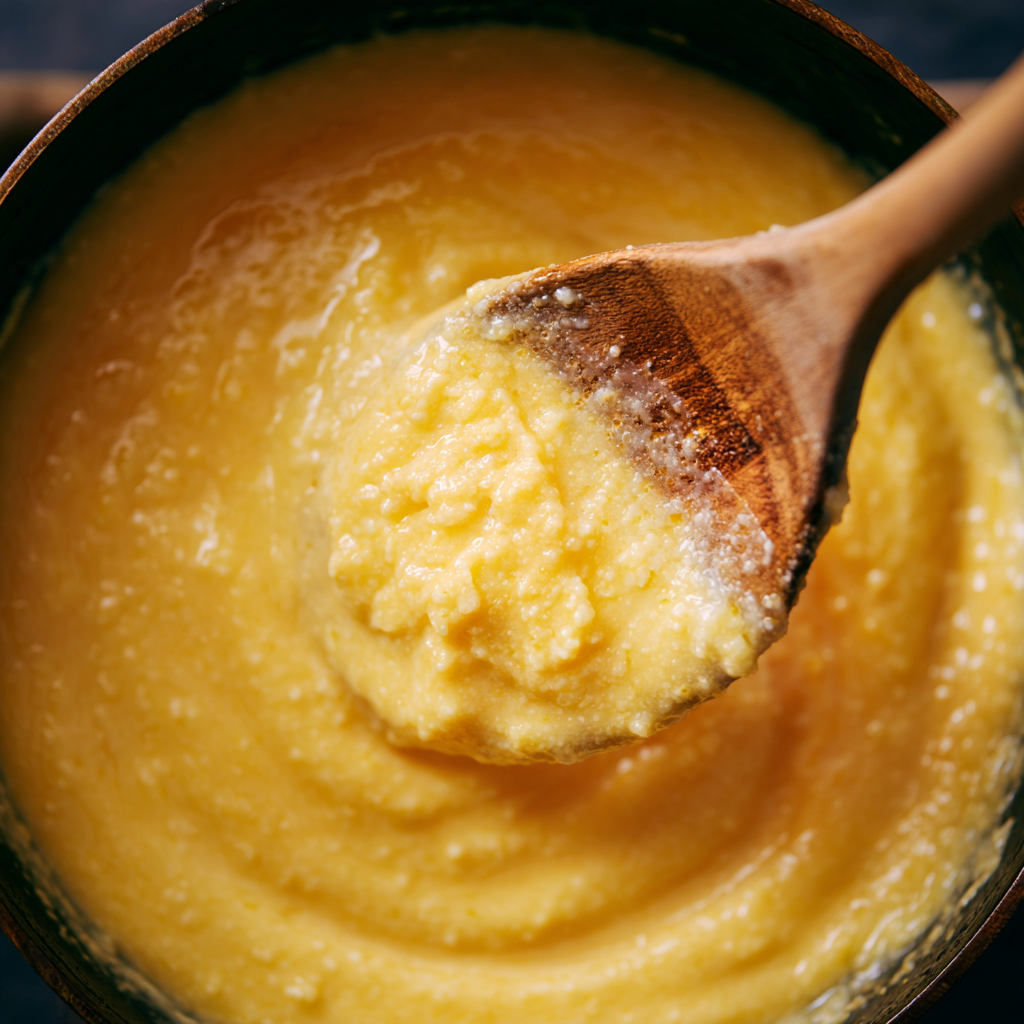
Small-batch option: 250 g (1 cup) cornmeal to 1 liter (4¼ cups) water, plus 250 ml (1 cup) milk, 250 g (8–9 oz) fontina cheese, and 100 g butter. Use the proportion guide: 1 L water + 200 g flour for soft; 250 g for medium; 300 g for firm.
Tools that make creamy polenta easier
- Heavy, high-sided pot or paiolo for even heat.
- Whisk to prevent early lumps and a sturdy wooden spoon for steady stirring.
- Optional: electric polenta pot if you want hands-off stirring.
| Batch | Cornmeal | Water |
|---|---|---|
| Small | 250 g (1 cup) | 1 L (4¼ cups) |
| Family | 400 g (1¾–2 cups) | 2 L (8½ cups) |
Weighing ingredients yields repeatable results, and pre-cubed butter and evenly cut fontina cheese help a smooth melt. Plan about 40–45 minutes at gentle heat for a properly silky finish.
Step-by-step: silky polenta concia on the stovetop
I’ll walk you through stovetop steps that turn simple cornmeal and dairy into a silky concia every time.
Bring water to a boil, salt right, and rain in the cornmeal
Bring the measured water to a rolling boil and stir in the salt. The steady bubbles help suspend the cornmeal as you add it.
Rain the cornmeal in a thin stream while whisking vigorously for 1–2 minutes. This single move prevents lumps better than any later rescue.
Stirring, heat control, and timing for pourable consistency
- After the first vigorous minutes, switch to a sturdy spoon and lower the heat. Scrape the pot bottom and corners as you stir.
- Keep gentle blips on the surface—not a full boil. Cook 35–45 minutes total, stirring regularly so the grains soften and swell.
- Add warm milk in the last 10 minutes if you use it. Taste: the center of a grain should be creamy, not hard; that signals the right texture.
When to add cheese and butter for perfect melt and flavor
Reduce the heat to very low before you fold in the cheese. Stir until it melts into a glossy, even mass; do not boil at this point.
Mix in half the butter, then either fold in the rest or brown it separately and pour over the hot polenta for a nutty finish. Serve immediately—hot polenta cools fast, so ladle into warm bowls and enjoy.
For variations and regional notes, see my take on polenta taragna.
Cornmeal, milk, and Fontina D.O.P.: choosing the right building blocks
Picking the proper ground corn and a true melting cheese makes the difference between good and great.
Bramata, fioretto, and common U.S. grinds
Fioretto is a fine grind that gives a silky mouthfeel. Use it for the soft, creamy results we aim for.
Bramata is coarser and sings alongside rich stews. It needs more cooking to lose any grit.
In the United States look for products labeled medium ground or polenta. Avoid extra-coarse bags unless you plan longer cooking and extra stirring.
- Fioretto = silky; best for a glossy finish.
- Bramata = rustic; holds up to saucy meats.
- Medium ground = practical U.S. substitute.
Choosing Fontina Valdostana D.O.P. and smart swaps
Fontina D.O.P. from the region melts evenly and brings a mild, nutty flavor. Aim for cheese amount roughly equal to cornmeal by weight for classic balance.
If you can’t find that name, use toma/tomme, Taleggio, or Emmenthal. Each melts well; Taleggio adds creaminess, Emmenthal stays mild, and a small handful of grated Parmigiano lifts savory depth.
| Cheese | Melting | Flavor | Use |
|---|---|---|---|
| Fontina D.O.P. | Excellent | Nutty, clean | Classic concia |
| Taleggio | Very good | Washed-rind cream | Softer, richer finish |
| Emmenthal | Good | Mild, alpine | When fontina unavailable |
| Tomme/Toma | Good | Rustic, earthy | Regional feel |
Milk helps soften the final texture; stir it in during the last ten minutes so the starches stay supple. Use quality butter at the end to lift the dish and bind flavors.
Alternate methods and time-savers that still taste authentic
Quick approaches let you enjoy the soft concia without losing flavor. I’ll outline fast and hands-off paths that keep texture creamy and comforting.
Instant in minutes
Instant polenta cooks in about 5 minutes. Whisk one cup of quick grits into boiling water, stir until thick, then add butter and cheese 2–3 minutes later to avoid gumminess.
If it tightens as it cools, loosen with a splash of hot milk or water to restore a spoonable finish.
Slow cooker and pressure cooker options
For a no-stir version, whisk 1 cup corn grits into 4–5 cups water in the slow cooker. Cook on Low 4–5 hours and finish with milk, butter, and cheese.
In a pressure cooker use a 1:4 ratio of the grain to water, high pressure 8–10 minutes, then whisk after natural release. Keep the lid handy to trap steam and prevent splatter.
| Method | Ratio | Time | Finish |
|---|---|---|---|
| Instant | 1 cup grits : 2–3 cups water | ~5 minutes | Butter + cheese after 2–3 min |
| Slow cooker | 1 : 4–5 | 4–5 hours (Low) | Milk, butter, cheese at end |
| Pressure cooker | 1 : 4 | 8–10 minutes (high) | Whisk after release, finish low |
No matter the version, season carefully and fold in dairy over low heat so the concia melts smooth. If you make it ahead, whisk in hot liquid and a knob of butter to revive creaminess before serving.
Baked, layered, and regional twists for mountain-level comfort
Layered and baked, polenta becomes a hearty casserole that warms a group and the soul. I like this version when I want hands-off finishing and a golden top that contrasts a soft center.
Oven-baked polenta grassa: how to layer and bake
Spoon hot polenta into a buttered dish, add sliced cheese and small dots of butter, then repeat once or twice. Bake at 350°F (180°C) for 5–10 minutes until cheese oozes and the surface glistens.
Or cool the polenta, slice, and layer with cheese and béchamel. Return to the oven at 350°F until bubbly and lightly browned for a firmer, casserole-style version.
Swap cheeses with intention
Toma and Taleggio add rustic nuttiness or lush tang. Emmenthal melts cleanly, while Gorgonzola makes a bold, blue-forward version.
Regional versions and flavor boosts
Try polenta taragna by mixing buckwheat into cornmeal and finish with local mountain cheeses like Bitto or Branzi. For fat and depth, layer sautéed speck or lardo, or drizzle sage brown butter and grate Parmigiano before serving.
| Method | Temp | Finish |
|---|---|---|
| Hot-layer bake | 350°F (180°C) | 5–10 min, cheese melts |
| Slice-and-casserole | 350°F (180°C) | Baked until bubbly and browned |
| Taragna version | 350°F (180°C) | Buckwheat blend, richer mountain cheeses |
Serving, pairing, leftovers, and reheating without losing creaminess
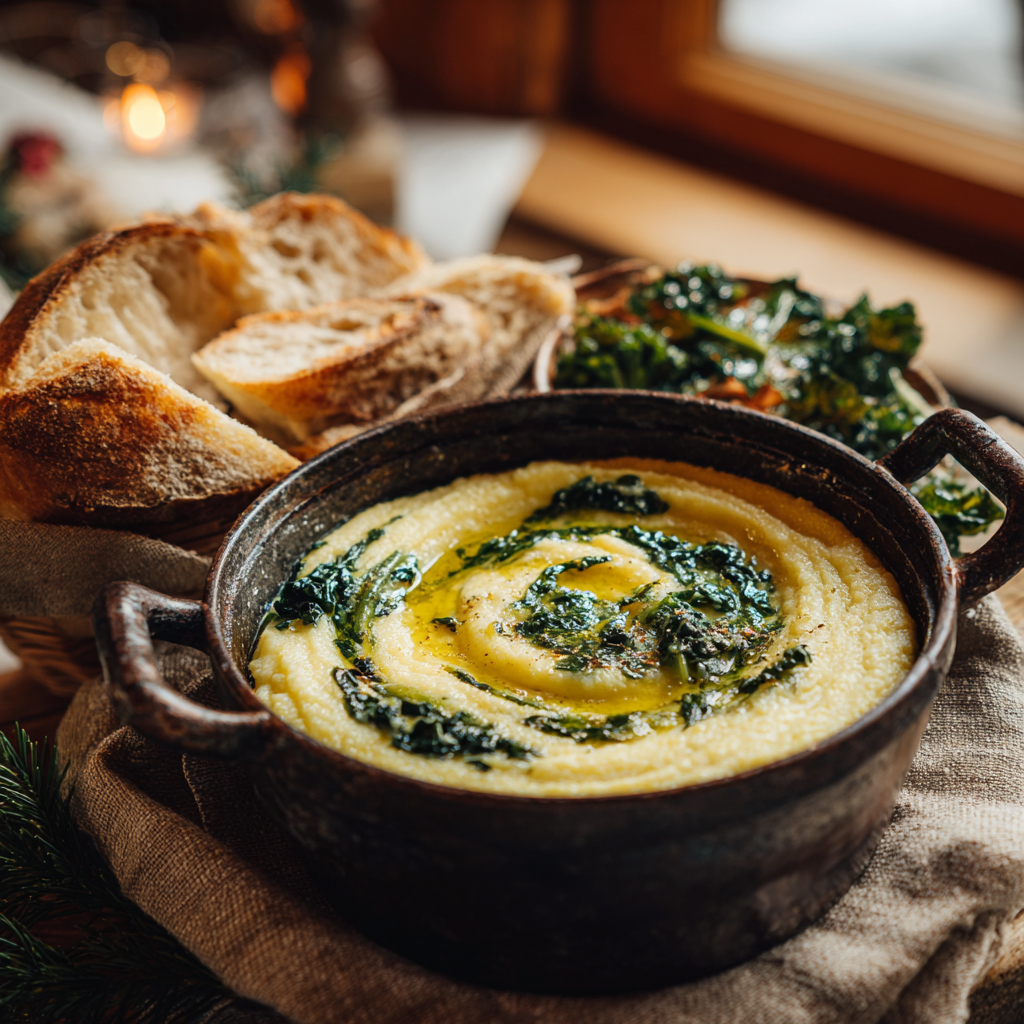
Place a steaming portion into a warmed bowl, make a small hollow, and watch butter melt into a glossy well. I do this at the table so every bowl keeps heat and aroma for the first bite.
How to plate, add brown butter, and finish with pepper
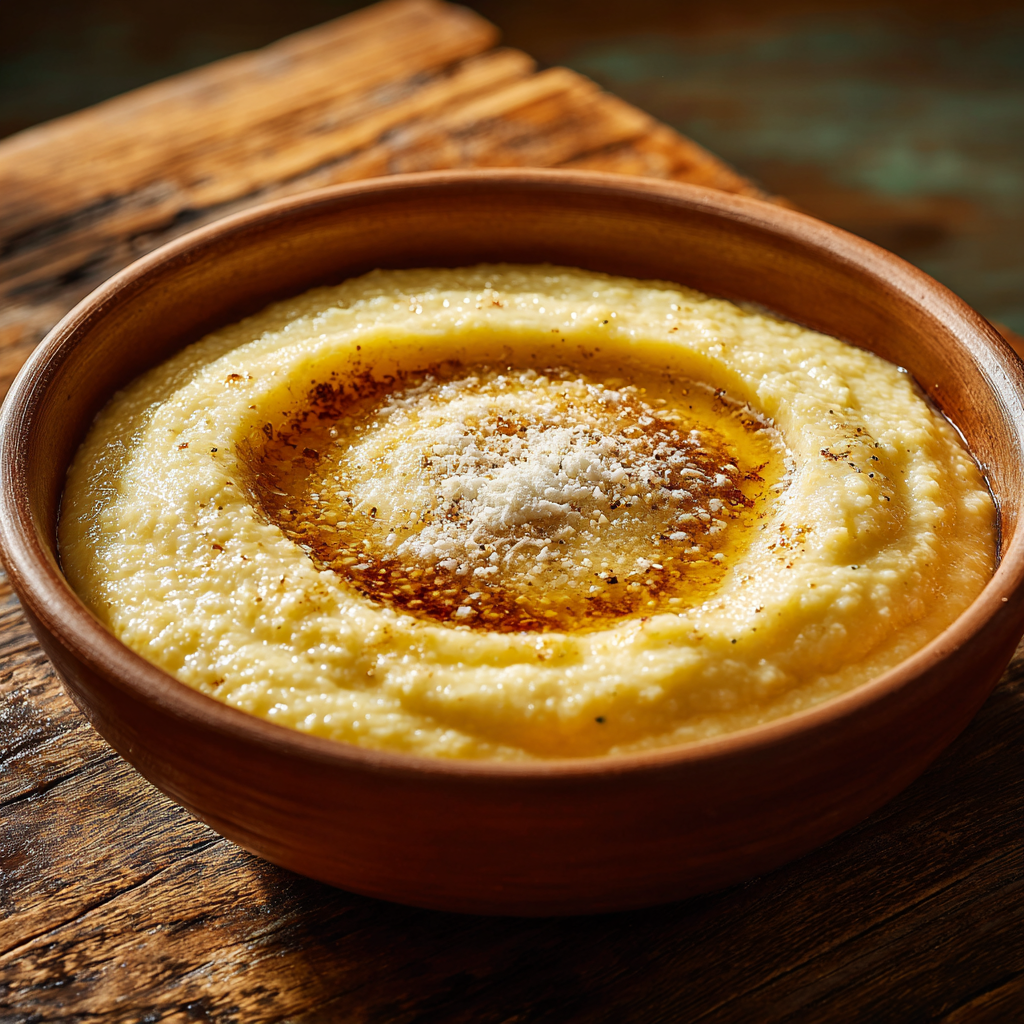
Ladle hot polenta into warm dishes. Use the back of the spoon to make a shallow well and drop a spoonful of brown butter there. It melts and flavors the center like a little sauce.
Finish with a crack of black pepper and a light dusting of grated Parmigiano if you want extra savory lift. The pepper wakes the dairy without stealing the show.
What to serve alongside: stews, sausages, and winter greens
This concia pairs beautifully with rich stews and roasted sausages. Those stews cling to the creamy base and turn a simple bowl into a full meal.
Balance richness with bitter winter greens. Sautéed chicory or a peppery salad keeps each bite lively and clean.
Storing for a couple of days and crisping slices in the oven
Store leftovers in an airtight container for up to two days. The mass firms as it cools, which makes neat slices for a new dish.
To reheat creamy, warm a pot over low heat, add a splash of hot water, and whisk until smooth. Re-mount with a small piece of butter and a little grated cheese.
For a crisp finish, cut chilled slices and bake or pan-sear until golden. Top one slice with a spoon of ragù or a sliver of cheese for contrast.
| Method | When to use | How |
|---|---|---|
| Gentle reheat | Same-day or next-day leftovers | Low heat in a pot, add hot water or milk, whisk, finish with butter |
| Sliced and crisped | When you want texture contrast | Slice chilled polenta, bake at 400°F or pan-sear until golden, serve with sauce |
| Keep-warm trick | When the table lingers | Keep covered pot on lowest heat, splash a little water if thick, stir before serving |
Bring Valle d’Aosta to your table today
Turn a few basic pantry items into a bowl that tastes like the mountains in under an hour. Gather good cornmeal, a pot, measured cups of water, and the right amount of cheese butter.
Use the soft ratio, keep gentle heat, and give the grains time. When the hot polenta comes together and cheese butter melts through, the moment is simple and true.
Serve it alongside stews or enjoy it alone. Make polenta today, share the stirring, and let this concia become part of your cold-night rotation.
Aosta Polenta with Fontina (Polenta Concia)
Ingredients
Method
- Bring the water to a strong boil and stir in the salt. Keep the heat steady so the cornmeal won’t clump later.
- Rain the cornmeal into the pot in a thin stream while whisking fast for 1–2 minutes. This step keeps the mixture smooth.
- Switch to a wooden spoon and turn the heat down. Let the polenta bubble softly, not boil. Stir often for 35–45 minutes until the grains are tender and the texture is smooth and pourable.
- If using milk, stir it in during the last 10 minutes. This makes the polenta even creamier.
- Turn the heat to very low. Add the Fontina a little at a time and stir until melted and glossy. Don’t let it boil at this stage.
- Stir in half the butter until it melts. You can mix in the rest or brown it in a small pan and pour it over the finished polenta for extra flavor.
- Fold in the grated Parmigiano. Ladle into warm bowls and serve right away—polenta thickens as it cools.
Notes
- The texture should be pourable—never stiff. If it looks too thick, add a splash of hot water or milk.
- True Fontina D.O.P. melts beautifully and gives the classic flavor, but Taleggio, Emmenthal, or tomme also work.
- Keep the heat low once the cheese goes in. High heat can make it stringy or oily.
- Leftovers firm up in the fridge. Slice and pan-sear or bake for a golden, crisp second-day dish.