
Jump to Recipe
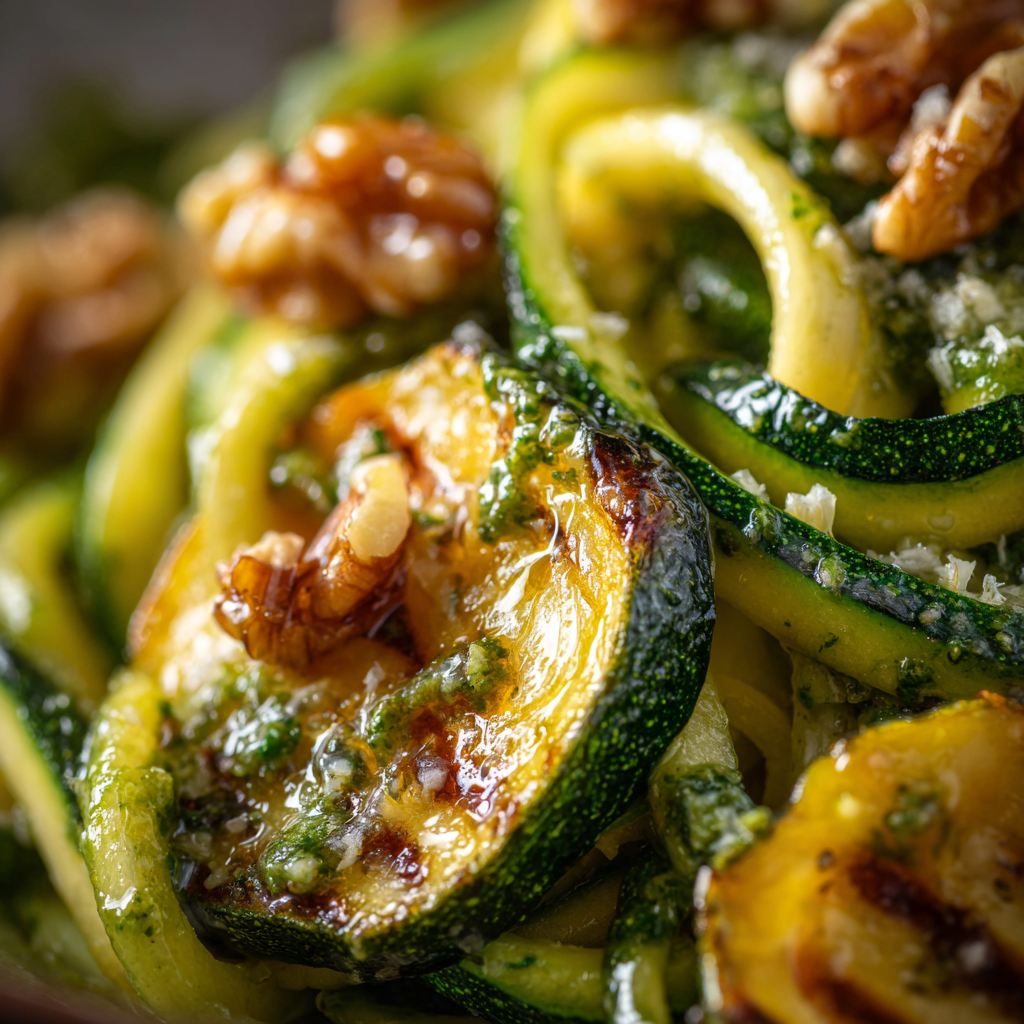
Summer’s garden bounty comes alive in this vibrant zucchini pasta pesto recipe. Simple ingredients transform into a culinary masterpiece. Our family’s summer pasta recipe captures sun-ripened zucchini and fragrant basil.
This dish turns ordinary weeknight dinners into something truly magical. Fresh zucchini pasta celebrates seasonal flavors that dance on your plate.
Every summer, our kitchen becomes a playground of green abundance. Zucchini and basil practically burst from the garden. This recipe is more than just food – it’s a memory maker.
Create a quick 30-minute meal that brings together summer’s best offerings.
Key Takeaways
- Perfect 30-minute summer meal using fresh garden produce
- Versatile recipe that works for both kids and adults
- Uses abundant summer zucchini in a creative way
- Homemade pesto elevates the entire dish
- Easily adaptable to different dietary preferences
- Captures the authentic flavors of Italian cuisine
Why This Zucchini Pasta Pesto Recipe Works for Busy Weeknights
Every home cook faces the challenge of making quick weeknight dinners. This zucchini pasta pesto recipe turns fresh garden ingredients into a delicious meal. Our easy pesto pasta recipe solves your dinner dilemma perfectly.
Busy families need meal solutions that taste great and provide good nutrition. This garden fresh pasta recipe delivers a satisfying dinner in record time.
Ready in Just 30 Minutes
Time matters during weeknight cooking. Our recipe offers a streamlined approach to dinner preparation. Here’s how you can make magic happen in your kitchen:
- Boil pasta water first (5 minutes)
- Prepare zucchini and herbs while water heats (10 minutes)
- Blend pesto sauce (5 minutes)
- Cook and combine ingredients (10 minutes)
Perfect for Using Summer Garden Produce
Summer gardens overflow with zucchini and basil. This recipe transforms fresh ingredients into a vibrant, nutritious meal. It celebrates seasonal harvests perfectly.
| Ingredient | Garden Fresh Benefits |
|---|---|
| Zucchini | Low-calorie, high-fiber vegetable packed with nutrients |
| Basil | Rich in antioxidants, adds incredible fresh flavor |
| Walnuts | Provides protein and healthy omega-3 fatty acids |
Our family loves creating meals that connect us to nature’s bounty. This quick weeknight dinner celebrates summer’s generosity on your plate.
Essential Ingredients for Fresh Zucchini Pesto Pasta
Creating perfect homemade basil pesto starts with selecting top-quality ingredients. Our Italian pesto pasta recipe requires fresh, flavorful components. These ingredients transform a simple dish into a culinary masterpiece.
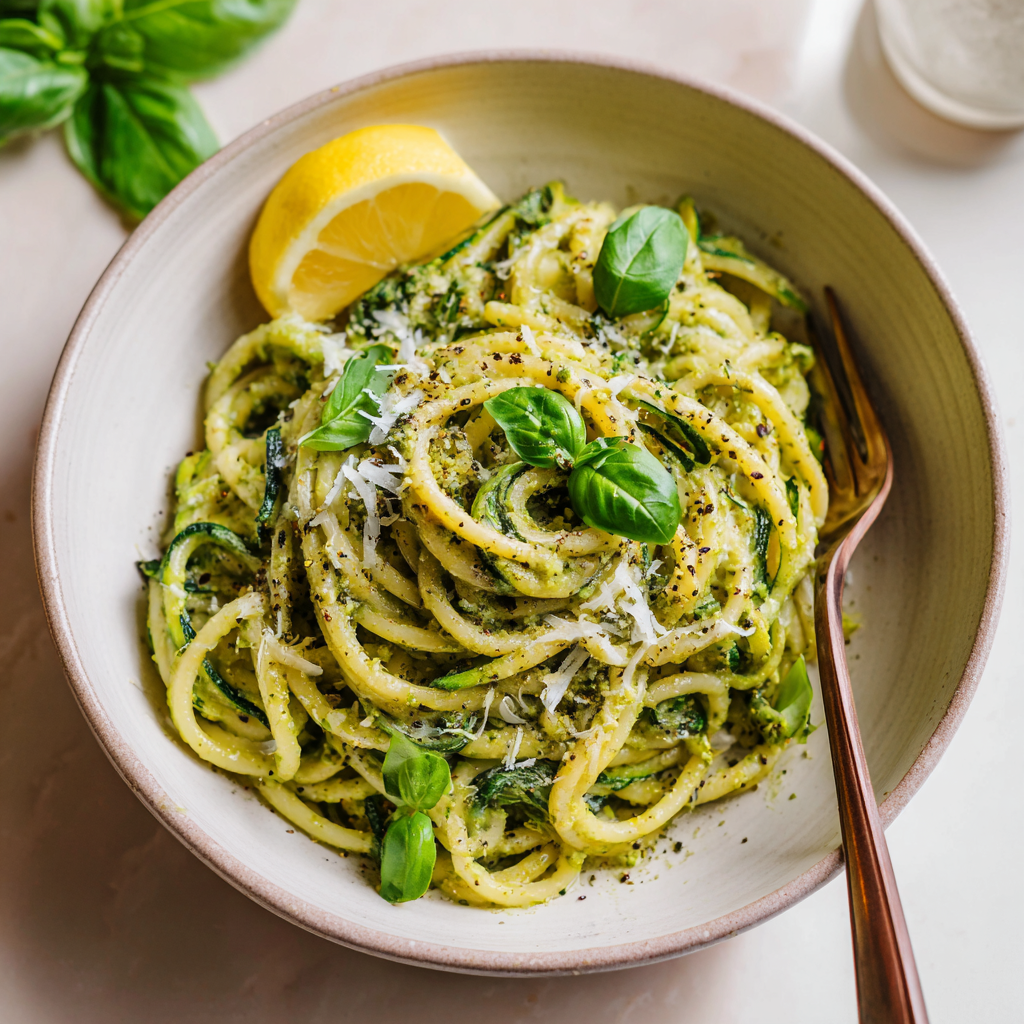
The heart of this Italian pesto pasta comes down to choosing the right ingredients.
- Pasta: Select short pasta shapes like penne or casarecce that capture the pesto sauce beautifully
- Zucchini: Medium-sized, fresh zucchini sliced into thin coins
- Basil: Three packed cups of vibrant, fresh basil leaves
- Garlic: Fresh cloves for that authentic punch of flavor
- Parmesan cheese pasta: Authentic Parmigiano-Reggiano for rich, nutty depth
Our secret weapon is using walnuts instead of traditional pine nuts. These nuts bring incredible richness and nutritional benefits. They also keep the recipe budget-friendly.
The extra-virgin olive oil serves as the liquid foundation. It binds all flavors together.
Pro tip for Parmesan cheese pasta lovers: Always grate your cheese fresh. Pre-grated cheese lacks the intense flavor and creamy texture. The pasta cooking water becomes liquid gold, helping create a silky sauce.
Each ingredient plays a crucial role in crafting an unforgettable homemade basil pesto. This combination captures the essence of traditional Italian cooking.
How to Make Homemade Basil Pesto from Scratch
Creating authentic basil pesto sauce transforms simple ingredients into a culinary masterpiece. Our traditional recipe brings vibrant Italian flavors right into your kitchen. It makes a perfect healthy pasta recipe for food enthusiasts.
The secret to incredible toasted walnuts pesto lies in careful preparation and quality ingredients. I’ll walk you through each step of crafting amazing pesto. Your taste buds will travel to the sun-drenched hills of Liguria.
Toasting Walnuts for Maximum Flavor
Toasting walnuts is a crucial step that elevates the entire pesto experience. Here’s how to do it perfectly:
- Heat a dry skillet over medium heat
- Add raw walnuts in a single layer
- Stir continuously for 3-5 minutes
- Watch for a golden color and fragrant aroma
- Remove immediately to prevent burning
The toasting process releases essential oils and creates deep, nutty flavor. This will make your basil pesto sauce truly extraordinary.
Blending Techniques for Smooth Pesto Sauce
Achieving perfect pesto texture requires careful technique. Start by adding toasted walnuts to your food processor. Follow with fresh basil leaves, garlic, Parmesan cheese, and a pinch of salt.
Pulse until ingredients are roughly chopped.
- Gradually stream in high-quality olive oil
- Blend until smooth but still slightly textured
- Scrape down sides to ensure even mixing
- Taste and adjust seasonings as needed
Pro tip: Add a squeeze of fresh lemon juice just before serving for brighter flavor. Your homemade pesto will be a game-changing addition to any healthy pasta recipe.
Cooking Tips for Perfect Al Dente Pasta with Zucchini
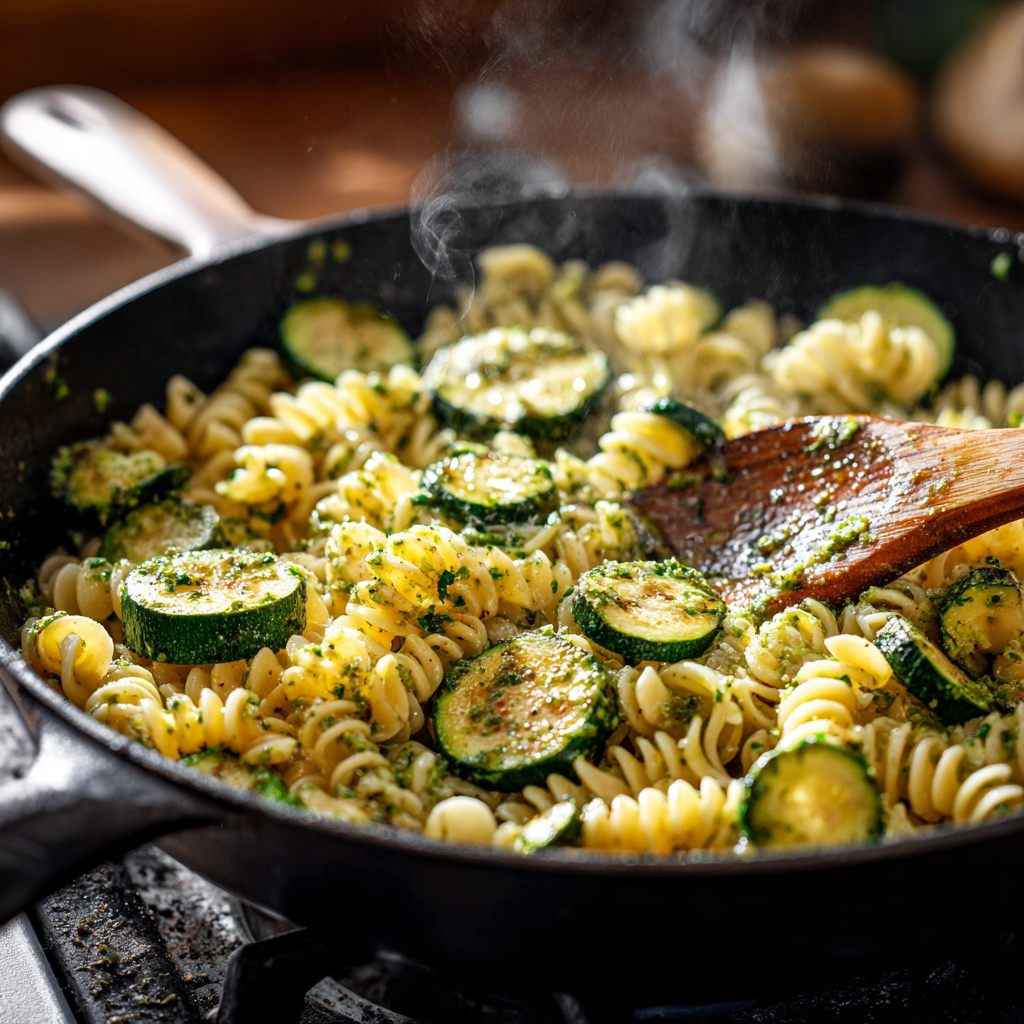
Mastering al dente pasta is crucial for an exceptional zucchini noodles with pesto dish. Salt your water generously – it should taste like the sea. This simple step ensures your pasta is flavorful from the start.
Timing is everything with pasta and zucchini. Cook your pasta until it has a slight firmness when you bite it. Professional chefs value pasta cooking water – that starchy liquid is pure gold.
Reserve about one cup of pasta water before draining. It helps create a silky, clinging sauce. This transforms your dish from good to extraordinary.
Achieving perfectly golden-brown zucchini requires patience. Slice the zucchini into even coins and cook them in a single layer. Use medium-high heat and resist the urge to stir constantly.
Let the zucchini develop that beautiful caramelized color. Check out this classic Italian pasta technique for inspiration. Create restaurant-quality results at home with these simple methods.
The final magic happens when you combine everything in the pan. Gradually add reserved pasta water while stirring to create a glossy sauce. Start with half a cup and adjust as needed.
Your goal is a luscious, emulsified sauce that coats every single noodle. This brings all the flavors together in one spectacular dish.
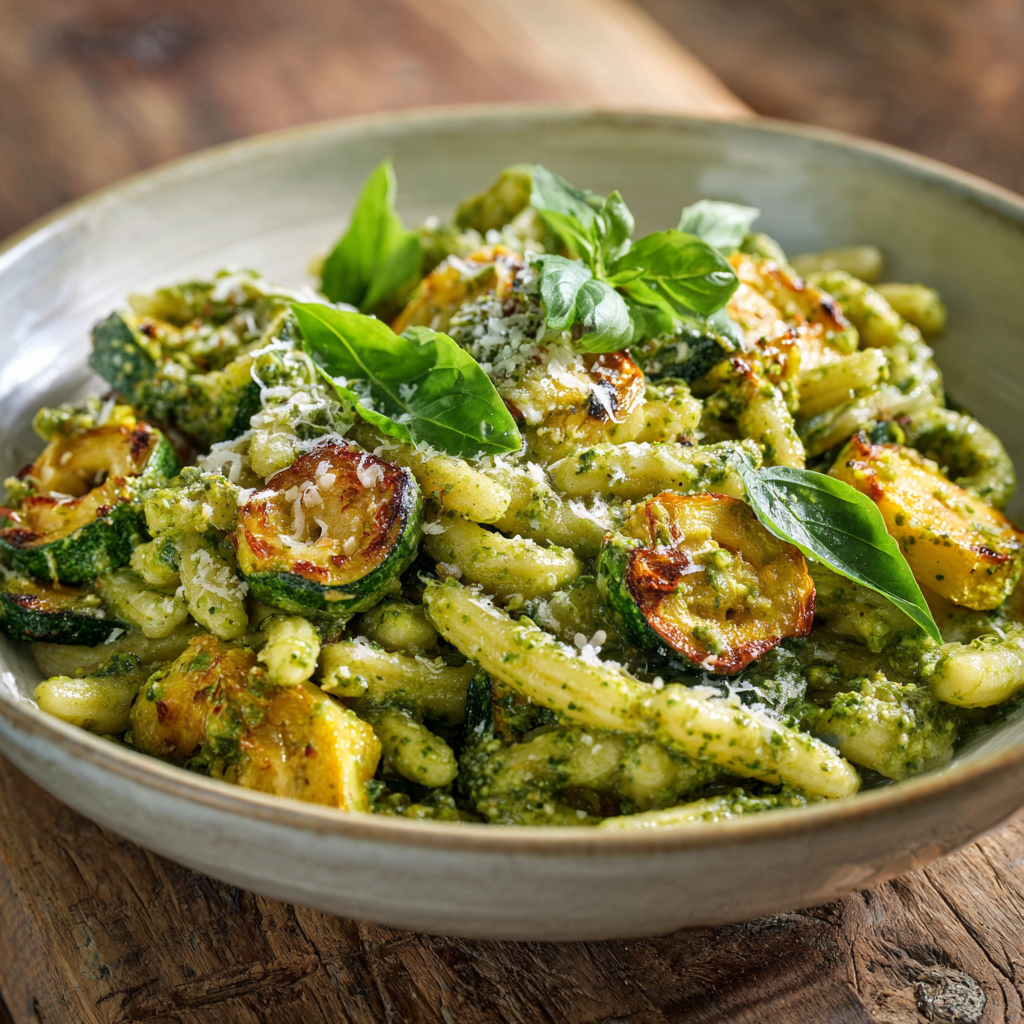
Zucchini Pasta with Homemade Basil Walnut Pesto
Ingredients
Method
- Place a dry skillet over medium heat.
- Add walnuts in a single layer.
- Stir for 3–5 minutes until golden and fragrant.
- Remove from heat right away so they don’t burn.
- In a food processor, add toasted walnuts, basil, garlic, Parmesan, and a pinch of salt.
- Pulse until roughly chopped.
- With the motor running, slowly pour in olive oil until the pesto becomes smooth but still has light texture.
- Taste and adjust seasoning. Add lemon juice if you want a brighter flavor.
- Bring a large pot of salted water to a boil. The water should taste like the sea.
- Cook pasta until al dente.
- Before draining, scoop out 1 cup of the pasta water (this is important).
- Drain the pasta.
- Heat 2–3 tbsp olive oil in a large skillet over medium-high heat.
- Add zucchini slices in a single layer.
- Let them cook undisturbed for a few minutes until the bottoms turn golden.
- Flip and cook the other side.
- Season with salt and pepper.
- Add the drained pasta to the skillet with the zucchini.
- Spoon in the pesto.
- Add a splash of pasta water (start with ½ cup).
- Stir until the sauce becomes glossy and clings to the pasta.
- Add more pasta water if needed.
- Taste and adjust salt, pepper, or cheese.
- Serve warm with extra Parmesan and a drizzle of olive oil.
Notes
- Freshly grated Parmesan makes a huge difference. Pre-shredded cheese won’t melt as smoothly.
- If your basil is very delicate or tends to brown fast, you can blanch it for 5 seconds and pat dry before blending.
- Short pasta shapes like casarecce or orecchiette work best because they hold the pesto in their curves.
- If reheating leftovers, add a splash of water or olive oil so the sauce becomes creamy again.