
Jump to Recipe
I pull an orange across my palm and rub the zest into sugar until the kitchen smells like Sunday. The batter is always simple—one bowl, a slow stream of oil for silkiness, and a few quiet folds that keep the crumb tender.
I bake this at 350°F in a 10–12 cup Nordic Ware bundt pan or a 9-inch round. Whole-milk yogurt and balanced extra-virgin olive oil like Colavita or Lucini give a moist crumb that stays fresh for days. I beat the zest into the sugar first so the citrus perfumes the batter without thinning it, then stream the oil in slowly to form a smooth emulsion.
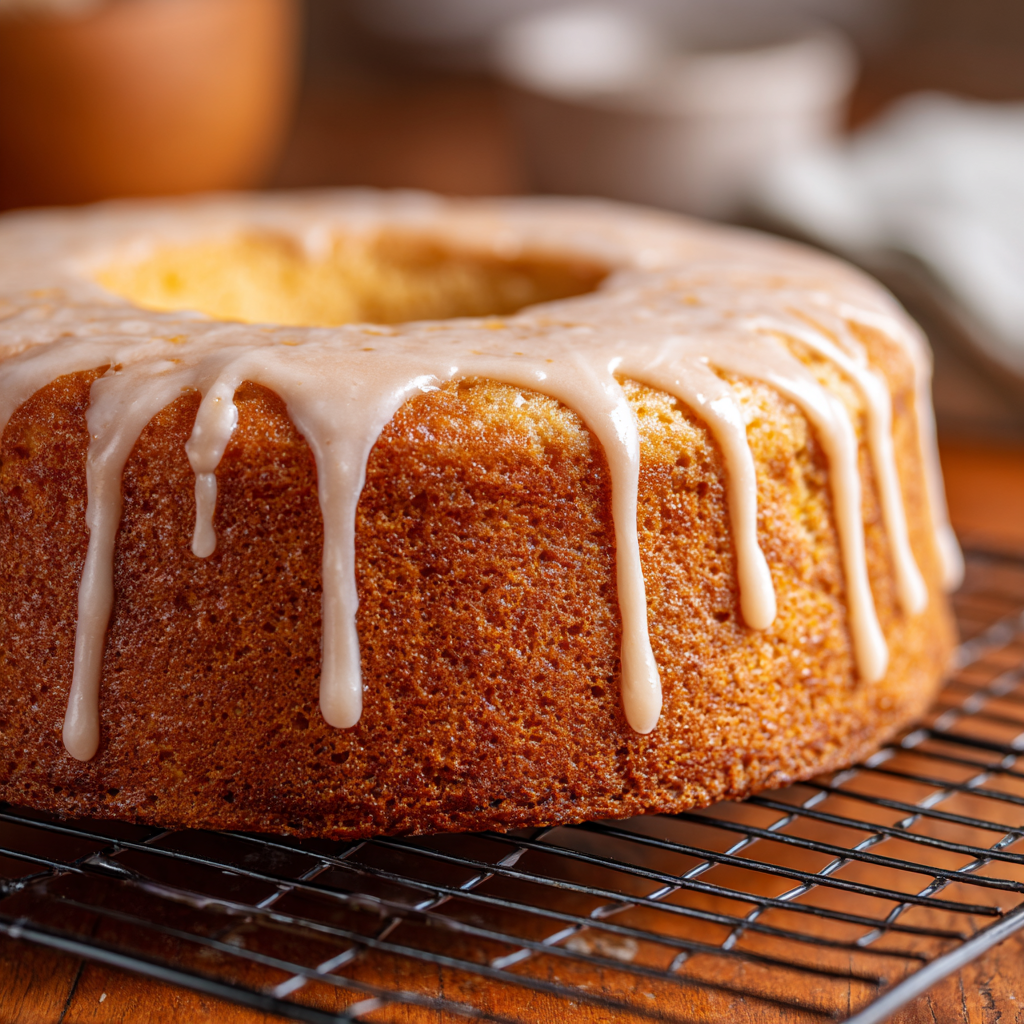
Watch for a golden top and a few crumbs on a toothpick for doneness, cool exactly 10 minutes, then invert for a clean release. For a final touch, a blood orange glaze—powdered sugar, juice, a spoonful of yogurt and a drizzle of honey—adds shine. Store loosely covered at room temp up to five days, refrigerate after that, or freeze wrapped for up to two months.
Key Takeaways
- Rub zest into sugar to boost aroma without extra liquid.
- Use whole-milk yogurt and a balanced EVOO for lasting moisture.
- Stream oil slowly into the batter for a silky emulsion.
- Bake at 350°F; cool 10 minutes before inverting for clean release.
- Finish with a blood orange glaze or a simple dusting of sugar.
Why this olive oil cake hits that Italian sweet spot without the fuss
I keep this loaf simple because the technique matters more than adornment. Italians have long used oil and yogurt in home baking to yield tender crumbs and a subtle fruitiness that reads as elegant, not heavy.
Use a balanced extra-virgin—avoid peppery, grassy bottles. A quick taste will tell you if it works; harsh flavors appear in the final crumb. I keep sugar modest so the dairy tang and citrus notes can sing.
- Gentle richness from the oil means no heavy frosting is needed.
- A little yogurt adds moisture so the loaf stays soft for days.
- Whisked zest (lemon or mixed citrus) lifts aroma without adding liquid.
- The batter forgives small timing errors, making it perfect when time is tight.
| Oil Character | Flavor in Cake | When to Use |
|---|---|---|
| Mild, buttery | Subtle, lets citrus and dairy shine | Everyday loaf and breakfast |
| Fruity, balanced | Elegant, light fruit notes | Entertaining or gifts |
| Peppery, grassy | Can taste sharp in crumb | Avoid for sweet baking |
What you’ll need for an authentic, moist crumb
Before the bowl ever sees flour, I coax the citrus oils into the sugar with my fingertips. That small step perfumes the batter and matters as much as the flour and leavening.
Core ingredients and quick notes
- Flour: Use unbleached all-purpose flour; spoon into the cup and level for accurate measure.
- Sugar: White or cane both work; rub zest into sugar to release oils.
- Eggs: Room temperature eggs emulsify better with oil and yogurt for a velvety crumb.
- Baking powder & salt: Generous, fresh baking powder and a pinch of kosher salt give lift and clarity.
Choosing fat and dairy
Pick a balanced extra-virgin—Colavita, Bertolli, Kirkland, or Lucini—to avoid bitter, peppery notes. Whole-milk plain yogurt gives the moistest texture; greek yogurt is fine but yields a slightly denser slice.
| Ingredient | Role | Substitution / Tip |
|---|---|---|
| Flour (unbleached AP) | Structure, tender crumb | Do not overpack; spoon into cup and level |
| Yogurt (whole-milk) | Moisture, tang | Greek yogurt = denser crumb; thin slightly with milk if needed |
| Extra-virgin oil | Richness, mouthfeel | Choose balanced brands; avoid grassy or peppery bottles |
Keep a roomy bowl and a small cup for streaming the oil in slowly. Use room temperature ingredients so the batter stays smooth and the crumb stays tender.
Yogurt olive oil cake italian recipe: step-by-step you can trust
First things first: preheat oven 350°F and give the pan a careful coat of oil so your loaf releases cleanly. I brush a 10–12 cup bundt pan into every ridge, or use spray for an even film. If you choose a 9-inch cake pan, line the base with parchment and grease the sides.
Prepare the dry mix
In a separate bowl, whisk together flour, baking powder, and salt until the leavener is even. This flour mixture bakes more uniformly when it is well combined.
Build the batter
In a large bowl, rub the zest into the sugar with your fingertips until fragrant. Whisk in room temperature eggs until lightly billowy, then slowly stream in olive oil while whisking to form a smooth emulsion.
Whisk in yogurt just until blended, then fold the flour mixture with a spatula until no obvious dry streaks remain. Keep turns gentle — overmixing tightens the crumb.
Bake, cool, and finish
Pour batter into the prepared pan, smooth the top and tap to release bubbles. Bake on the middle rack 45–50 minutes; the top should spring back and a toothpick inserted in the center comes clean.
Let the loaf cool in the pan exactly 10 minutes, run a thin knife around the sides, then invert onto a rack. Once fully cool, whisk powdered sugar with blood orange juice and a spoon of yogurt (a touch of honey adds shine) and drizzle over the loaf.
- If using a 9-inch cake pan, start checking a few minutes earlier.
- Tapping the pan after filling prevents tunnels and gives an even crumb.
- Room temperature eggs help the batter emulsify cleanly.
| Pan | Prep | Bake note |
|---|---|---|
| 10–12 cup bundt | Brush oil into every ridge | 45–50 minutes; middle rack |
| 9-inch cake pan | Grease, flour, parchment base | Check a few minutes earlier |
| Small loaf or mini pans | Reduce fill to two-thirds | Shorter time; test with toothpick |
Pro techniques for a tender cake that releases cleanly
A confident flip begins long before the oven—it’s in how you prep the pan and mind the minutes. Small, deliberate habits save the loaf and boost your confidence at the finish.
Bundt pan success
Grease with oil, not butter; oil clings to deep curves and helps the design unmold. Use a pastry brush to reach every nook and dab any pooling with a paper towel so the surface stays even.
Prefer a heavy-gauge nonstick pan—Nordic Ware heats evenly and releases reliably. Wait exactly 10 minutes before you invert cake; this gives the crumb time to set while steam loosens the crust.
Read the crumb, not a clock
Start checking at 45 minutes. Look for the edges pulling slightly from the pan and a top that springs back when pressed. A centered skewer should come out nearly dry—if it has a few moist crumbs, you’re in the sweet spot.
Keep ingredients at room temperature so the emulsion in the bowl stays stable. If any sections cling, slide a thin knife along the inner and outer rim before you invert to protect delicate ridges.
- Use balanced olive oil; peppery bottles can taste harsh once warmed.
- A light dusting of flour over oiled ridges helps grip intricate designs—use very little to avoid a powdery finish.
| Problem | Cause | Fix |
|---|---|---|
| Sticking in nooks | Oil pooled or uneven coating | Brush oil, dab excess, dust sparingly with flour |
| Dry crumb | Overbaked time | Start testing at 45 minutes, remove when skewer nearly dry |
| Torn ridges | Flipping too soon | Cool exactly 10 minutes, loosen edges with a knife before inverting |
Citrus twists, pan swaps, and better-for-you flour options
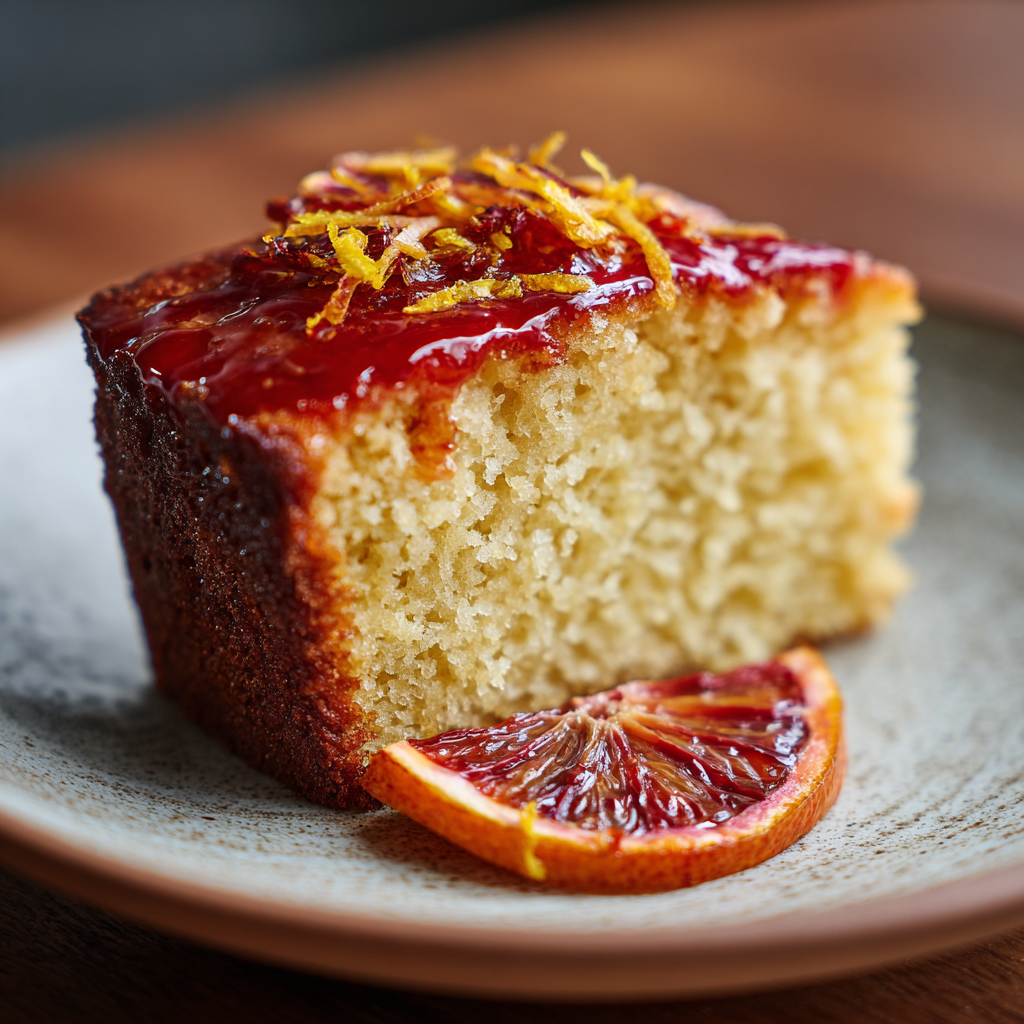
When I want to lift the flavor, I turn to fresh zest and a splash of strained citrus juice. Use blood orange, lemon, or grapefruit; grate only the colored peel to avoid bitter pith.
For glaze, swap in the juice of your chosen citrus and strain it so the finish drapes smoothly. If the glaze tastes too sharp, a spoon of greek yogurt tames it with creamy tang.
No bundt? A 9-inch springform or standard cake pan works fine. Grease, line with parchment, and start checking at about 40–45 minutes. Release after a short cool so the shape stays neat.
Try whole‑wheat pastry flour for gentle nuttiness. Or replace 1/3 cup of AP with almond flour for added moisture and flavor. If folding in cherries, pit, halve, toss with a spoon of flour, then fold in gently to prevent sinking and bleeding.
- Keep the same olive oil—the fruitiness pairs with citrus and keeps crumbs moist.
- For pans with fewer nooks, shave off a few minutes of bake time.
| Variation | Adjustment | Bake time | Notes |
|---|---|---|---|
| Blood orange zest + juice | Strain juice for glaze | 45–50 minutes (bundt) | Bright, floral finish; glaze shines |
| 9-inch springform | Line base with parchment | 40–45 minutes | Check earlier; cool slightly before release |
| Whole‑wheat pastry / almond blend | Replace up to 25% flour with pastry or almond | Same timing; monitor crumb | More nutty, tender texture |
| Cherry fold‑in | Pit, halve, toss with 1 tbsp flour | Follow pan timing | Prevent sinking and stained crumb |
How to serve it now and later
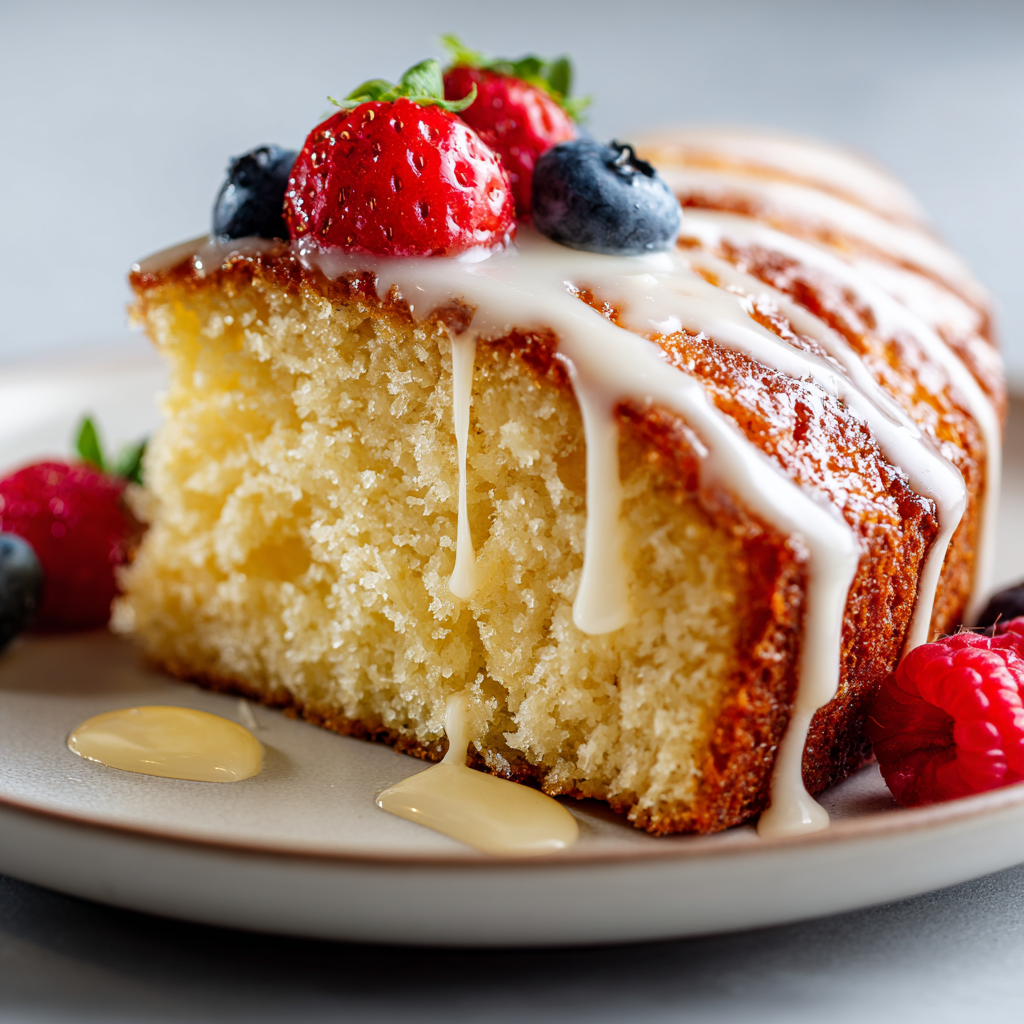
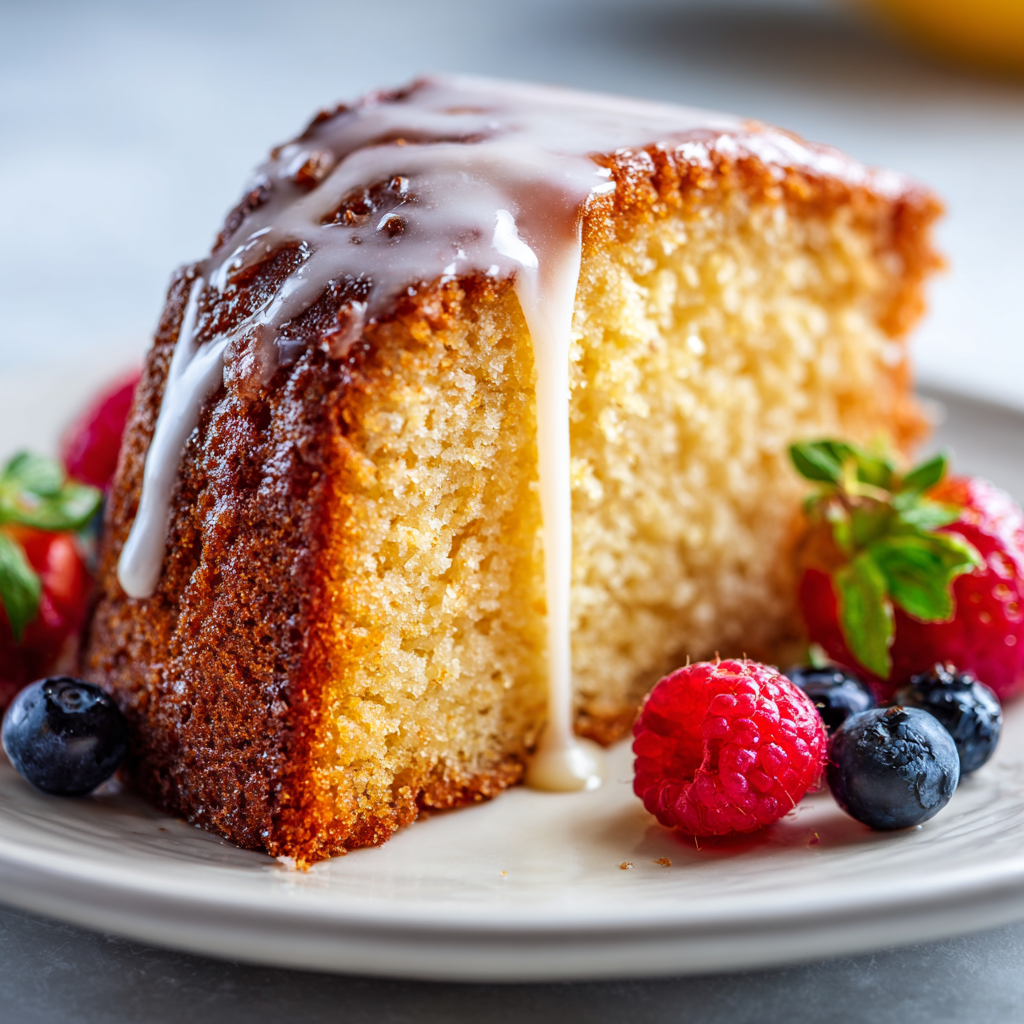
A warm slice, a spoon of cream, and a scatter of berries make this loaf feel like an invitation. I like a light finish that highlights the crumb and the citrus notes. The simplest touch often wins.
Top it simply
For an elegant finish, sift powdered sugar over the top; it catches every ridge and adds delicate sweetness. When citrus is in season, whisk strained blood orange juice with a spoon of yogurt and a drizzle of honey for a satin glaze. Let the glaze set 10–15 minutes before slicing so the top cake looks neat.
Store, freeze, and serve later
Leave the loaf loosely covered at room temperature up to five days. If more time is needed, wrap tightly and refrigerate for two additional days.
- To freeze: wrap slices or the whole loaf in plastic, then place in a bag; it keeps up to two months.
- Thaw overnight in the fridge, then bring to room temperature for best texture, or warm gently in a low oven for a few minutes.
- Serve each slice with fresh berries or a spoon of lightly sweetened yogurt for a bright contrast.
Bring it to the table with confidence
Bring the loaf to the table warm and steady; simple steps make the best entrance. Preheat oven 350°F, whisk together your dry mix with fresh baking powder, and build a smooth batter in a large bowl. I stream oil from a small cup and fold the flour mixture gently to keep the crumb tender.
Trust visual cues: a toothpick should come nearly clean, edges will pull slightly from the cake pan, and the top springs back. Cool ten minutes, run a thin knife, then invert cake with confidence. For a classic finish, whisk powdered sugar with strained lemon juice to a pourable ribbon.
Balanced olive oil—Colavita, Bertolli, Kirkland, or Lucini—keeps flavor bright. If you want extra guidance, see an authentic ciambellone for more tips. Buon appetito—bring joy to the table and enjoy the compliments.
Yogurt Olive Oil Cake
Ingredients
Method
Notes
- Olive Oil Choice: Use a mild and fruity extra-virgin olive oil for the best flavor. Avoid peppery or grassy varieties as they can overpower the cake’s flavor.
- Glaze Option: If you prefer a simpler finish, you can just dust the cake with powdered sugar or use lemon juice for the glaze instead of blood orange.
- Storage: Keep the cake loosely covered at room temperature for up to 5 days. For longer storage, refrigerate for up to 2 weeks or freeze for up to 2 months.
- Add-ins: Feel free to fold in fruits such as cherries or berries by tossing them in flour before folding them into the batter to prevent them from sinking.