
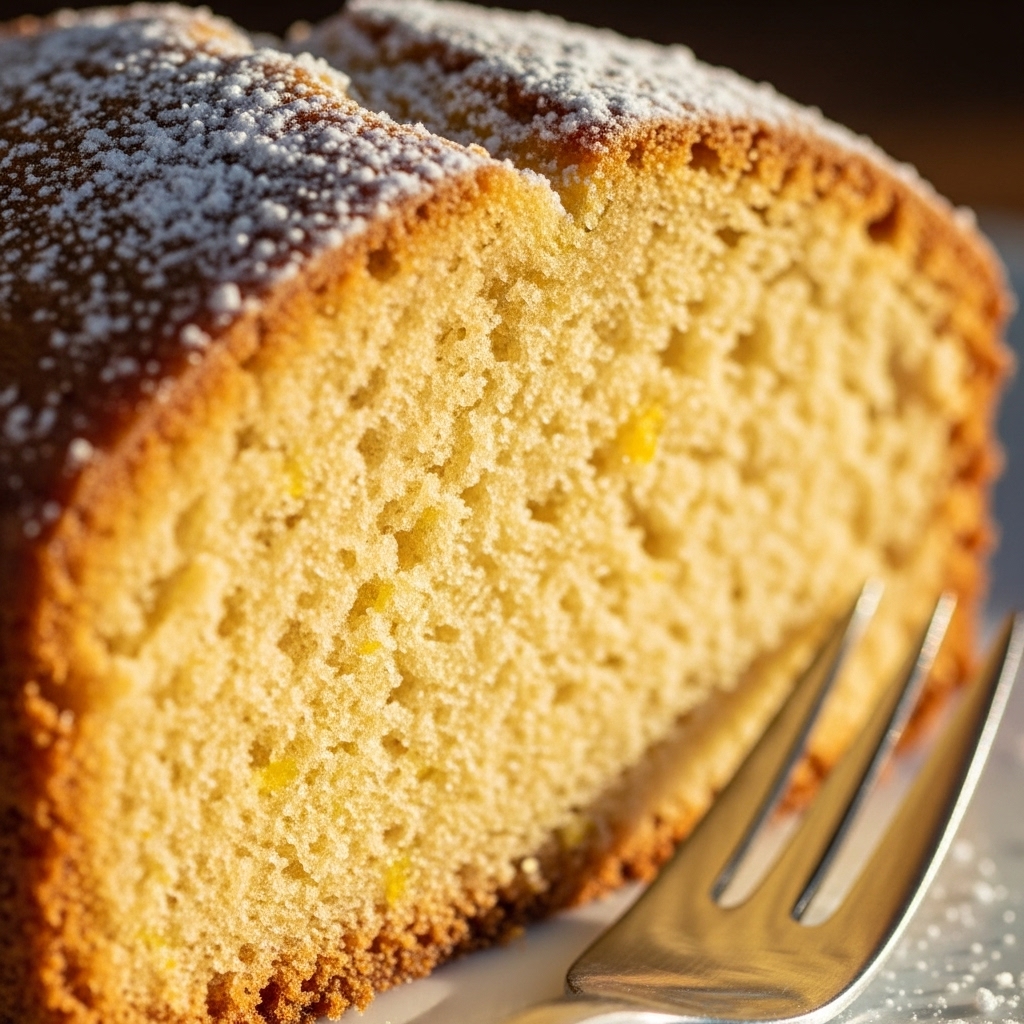
Jump to Recipe
I pull a warm pan from the oven and the kitchen fills with citrus and browned sugar, a simple comfort that feels like home. The crumb is tender under my fork, and that gentle ring shape has saved many slow mornings and evening coffee catches.
I’m sharing the approach I use most often: classic pantry ingredients, a bundt cake pan for even baking, and a few easy swaps when you’re short on butter or yogurt. Room-temperature eggs and milk make the batter smooth, and if it looks split when you add them, a dusting of flour usually brings it back.
This version balances gentle sweetness with bright citrus, and it stores well at room temperature for a few days. You’ll find notes on timing, how to test doneness, and quick variations—so you get the reliable texture Italians expect without fuss.
Key Takeaways
- Use a bundt cake pan for even baking and a classic ring shape.
- Bring ingredients to room temperature to help the batter emulsify.
- Gentle sugar and citrus keep the flavor bright and not overly sweet.
- Bake about 40–45 minutes; test with a clean skewer for doneness.
- Store at room temperature for 3–4 days or freeze slices for later.
A slice of Italy: what makes ciambellone the beloved morning cake
Across Italy, a humble ring loaf—light, fragrant, and ready to slice—marks the start of the day. I’ve tasted versions in Venice, Florence, Bologna, and Turin, and each one carried the same honest charm: bright lemon, a soft crumb, and a quiet insistence to be shared.
It’s practical comfort. The loaf holds well through time, stays tender for mornings and becomes a perfect afternoon snack with coffee. In cafés and home kitchens you’ll find it served simply, often dusted with powdered sugar and paired with espresso.
From Turin to Bologna: a ring cake with lemon, coffee, and everyday charm
Regional differences are small but telling. Northern nonnas favor butter; coastal homes lean on olive oil. Some versions add pearl sugar or a whisper more zest. Still, the form stays the same: an Italian bundt—easy to unmold and slice.
- Meant to be shared with coffee; light lemon scent, soft texture.
- Holds shape and flavor for days; doubles as a late-afternoon snack.
- Family recipes vary, but the familiar ring keeps the tradition alive.
| Region | Typical Fat | Flavor Notes |
|---|---|---|
| North (Turin, Bologna) | Butter-forward | Richer crumb, subtle vanilla, light sugar topping |
| Coast (Rimini, Venice) | Extra-virgin olive oil | Olive-fruity undertone, bright citrus zest |
| Central/Everyday | Butter or oil blended | Balanced texture, lemon zest, dusted sugar |
Ingredients that keep it classic, plus smart substitutions
Small swaps in pantry staples let you keep the same tender crumb even when you’re short on an ingredient. Below I list the essentials and offer simple swaps that preserve texture and flavor.
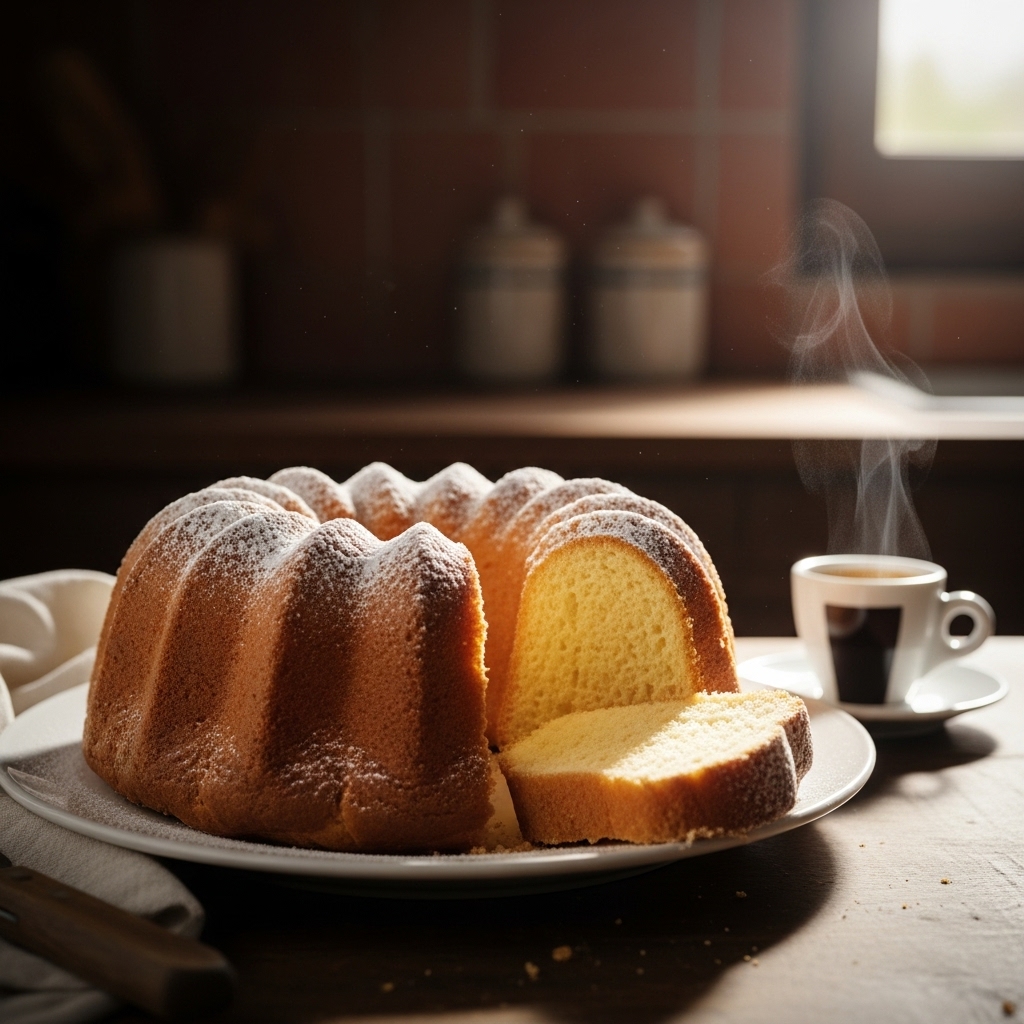
Core staples and why they matter
Start with flour, eggs, sugar, baking powder, milk, citrus zest, and vanilla. Flour sets the structure; for a soft crumb I use all-purpose plus a spoon of cornstarch to mimic 00 or cake flour.
Butter vs. extra-virgin olive oil
Butter gives that Northern richness and note of indulgence. Extra-virgin olive oil keeps the crumb moist and adds a subtle fruitiness.
You can also blend them—half butter, half mild oil—if you want both flavor and long-lasting softness.
- Flour: use all-purpose + cornstarch, or straight 00/cake flour if you have it.
- Eggs: room temperature for better emulsion and even rise.
- Sugar: creams with fat to help aeration and fine crumb.
- Baking powder: sift with dry ingredients for reliable lift.
- Dairy: swap milk for plain yogurt or soft ricotta at room temperature for richness.
- Zest and vanilla: grate only the colored peel—measure a level teaspoon of lemon zest for precision; add a splash of vanilla extract.
Practical measures
Work with cups or scale conversions depending on your preference. For home baking, a single cup measure and clear teaspoon amounts keep things reproducible across most recipes.
| Fat | Texture | Flavor note |
|---|---|---|
| Butter | Rich, firmer crumb | Traditional, buttery aroma |
| Extra-virgin olive oil | Moist, tender crumb | Light fruity undertone |
| Blend | Balanced moisture and flavor | Best of both worlds |
Pan prep and tools: bundt pan basics for a clean release
Start with the pan, and the rest of the baking feels almost effortless. I walk you through clear, stepwise prep so your bundt unmolds with a smooth, professional look.
Choose a sturdy bundt pan or tube-style cake pan with defined ridges; the ring helps even heat and the classic silhouette. A 9–10 inch size is typical for the quantities in this guide.
Grease, flour, and alternatives
- Before you preheat oven, coat every crevice with softened butter, making sure ridges and the inner tube are covered.
- Lightly dust with flour and tap out excess; in humid kitchens this keeps fat from pooling and prevents sticking.
- Or use a high-quality nonstick baking spray with flour—spray from several angles to reach the pattern.
- Place the pan on a sheet tray for steady heat and easier transport to the oven.
- Bake around 340–350°F for roughly 40–45 minutes for a typical loaf size.
- After baking, let it rest 10–15 minutes in the pan; run a thin offset spatula along inner and outer edges.
- Invert onto a cooling rack and lift the pan away with confidence.
| Pan size | Typical bake temp | Rest before unmolding |
|---|---|---|
| 9-inch bundt | 340–350°F | 10–12 minutes |
| 10-inch bundt | 340–350°F | 12–15 minutes |
| Tube-style 8–9 inch | 335–345°F | 10–14 minutes |
| Half-batched pan | 350°F | 8–10 minutes |
Ciambellone breakfast cake recipe: step-by-step at a glance
When you preheat oven 350°F and set out room-temperature ingredients, the process becomes calm and sure. Gather your bundt pan, a large bowl, and a reliable hand mixer so you move through the steps without pause.
Prep and aeration
Preheat oven and grease and flour the pan, or use a baking spray that contains flour. In a large bowl, beat butter (or butter plus a splash of oil) with sugar, lemon zest, and a pinch of salt until pale and fluffy—about four minutes.
Mixing the batter
Add eggs one at a time, scraping the bowl each time to keep the emulsion smooth. Stir in cornstarch and half the flour just until combined.
Alternate the milk and vanilla with the rest of the flour, mixing gently. Fold in baking powder last so it activates evenly; the batter should be thick, glossy, and homogenous with no dry streaks.
Bake, rest, finish
Spoon the batter into the prepared bundt, smooth the top, and tap once to settle. Bake 40–45 minutes in oven 350; start checking a few minutes early. It is done when the top is golden and a thin tester comes clean.
Let it rest about 15 minutes, loosen the edges, invert onto a rack, and cool completely before dusting lightly with powdered sugar. For the full method and timing notes, see the full method here.
| Step | Visual cue | Time / minutes |
|---|---|---|
| Creme butter + sugar | Pale, airy, ribbon-like | ~4 minutes |
| Mix eggs and dry | Silky, no streaks of flour | 2–3 minutes |
| Bake | Golden top; tester comes clean | 40–45 minutes |
Pro tips for a tender crumb and consistent rise
Good structure begins at the counter. I rely on a few steady practices so the loaf rises evenly and stays soft. These tips are small, but they matter.
Room temperature matters
Bring butter, eggs, and milk to room temperature before you start. That matching temperature helps fats and liquids form a stable emulsion so the batter holds air and bakes tall.
Fixing split batter
If the batter looks curdled when you add eggs or milk, pause. Fold in a spoonful of flour; the starch steadies the mix and the texture usually returns quickly.
Measure and mix with care
Weighing ingredients gives repeatable results, but level, consistent cups work too. Once flour is in, mix only until combined—overworking develops gluten and makes the crumb tough.
- Add baking powder toward the end and fold gently so lift distributes without deflating the batter.
- Scrape the bowl often to avoid dry streaks and to bake evenly across the ring.
- Keep the room calm during the first 15 minutes of baking; the oven needs a quiet start to set the structure.
| Method | Effect on Texture | When to Use |
|---|---|---|
| Weighing | Most consistent, repeatable | When precision matters |
| Measured cups | Good, accessible | Everyday bakes |
| Gentle folding | Tender crumb, even rise | After adding flour |
Trust your senses: smooth batter, light resistance to a tester, and a citrus perfume mean the loaf is on track. These are the quiet habits I return to when I want a reliable, tender loaf every time.
Regional riffs and creative variations
Local kitchens give the ring its personality. Coastal cooks often reach for oil and a bright olive note, while northern hands favor butter for a richer crumb. Both approaches keep the structure and let you play with flavors without losing the tender texture.
Fat choices and texture
Use a full oil loaf to keep slices moist for days. A butter-forward version tastes plush and traditional. Or use a half-and-half blend for balance.
Richness swaps and cocoa tweaks
Replace milk with plain yogurt or soft ricotta for extra tenderness and a slightly denser, sliceable crumb. For chocolate, trade a small portion of flour for cocoa powder—sift well to avoid lumps and keep the batter pourable so it rises nicely.
Add-ins and flavor accents
Fold in lightly floured chocolate chips, toasted nuts, or a cup of firm seasonal fruit. Sprinkle pearl sugar on top before baking for crunch. Brighten with vanilla, lemon zest or orange zest, and a splash of lemon juice. A pinch of cinnamon changes the mood toward cozy.
| Fat | Effect | Suggested ratio |
|---|---|---|
| Extra-virgin oil | Moist, long-lasting slices | 100% oil or 100% oil in small loaves |
| Butter | Richer, firmer crumb | 100% butter or 60/40 butter/oil |
| Blend | Balanced flavor and moisture | 50/50 butter and oil |
These variations respect tradition while letting you make the loaf a signature italian bundt at your table. Try one change at a time so you can fine-tune texture and flavor.
Serving it like an Italian: breakfast, snack, or dessert
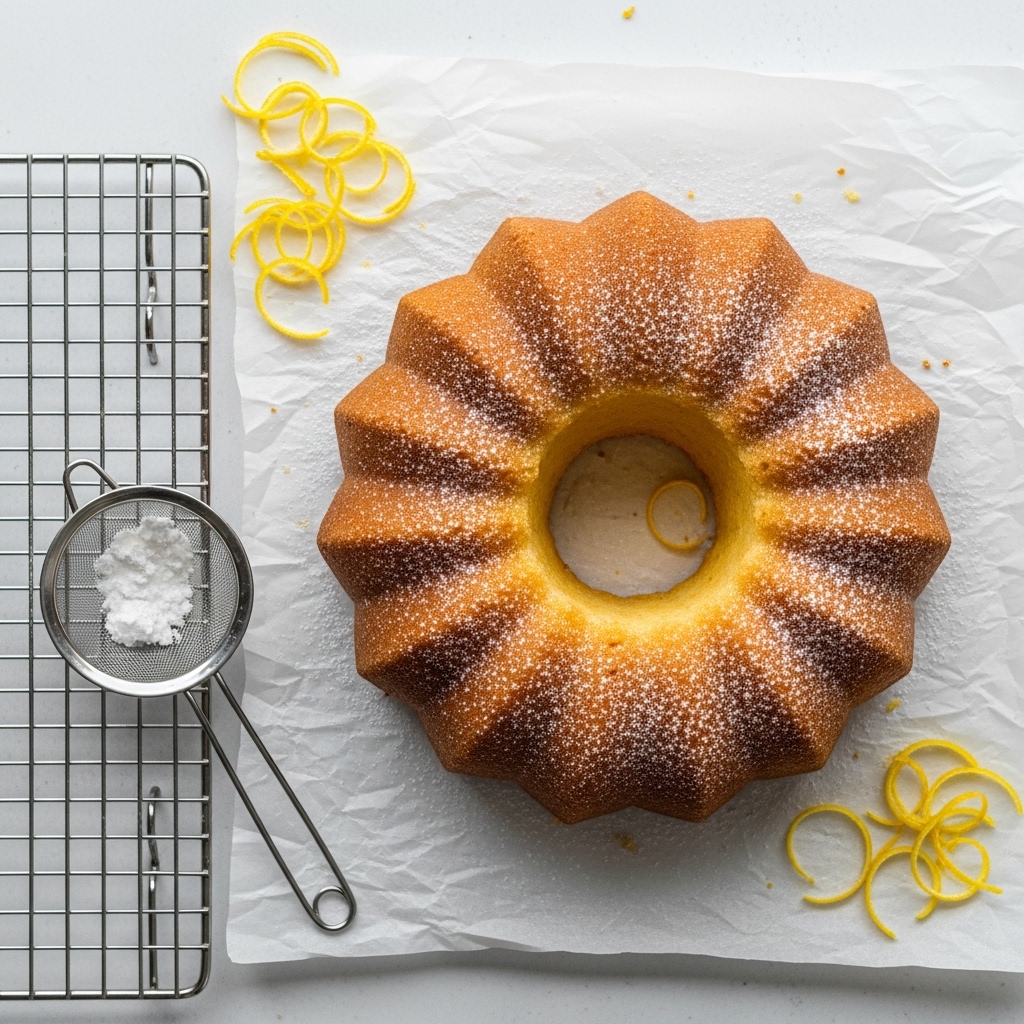
A simple finishing touch can lift a home-baked ring from cozy to celebratory in one easy move. I keep presentation humble and flexible so the loaf fits any moment at the table.
Simple finishes: powdered sugar, lemon curd, or a light glaze
I like a veil of powdered sugar to highlight the bundt ridges and let citrus notes sing. For more lemon, spoon on a little curd or a thin glaze—one light drizzle is enough.
For jam lovers, a dab of seasonal preserves or a small spoonful of whipped cream makes a gentle dessert without fuss. If chilled, give the loaf ten minutes at room temperature; flavors open and the crumb softens in that short time.
Pairings that shine: cappuccino, espresso, tea, or sweet wine
A small slice with a warm cup of cappuccino feels like home. In the afternoon, it makes a fine snack with an iced espresso or rich tea.
After dinner, serve modest portions with a glass of sweet white wine or a spoon of fruit curd for contrast. For guests, arrange neat slices on a platter so people help themselves—sharing is part of the pleasure.
- Keep the finish light: powdered sugar or a thin lemon glaze.
- Serve a small slice with a warm cup of coffee or tea for morning comfort.
- Offer jam, fresh fruit, or curd at the side for extra brightness.
| Moment | Serve with | Why it works |
|---|---|---|
| Morning | cappuccino or tea (small cup) | Warm beverage meets tender crumb; familiar routine |
| Afternoon | iced espresso | Citrus lift and small portion make a perfect snack |
| Evening | sweet white wine | Turns a simple slice into an easy dessert |
Storage, freezing, and make-ahead game plan
A little planning keeps the loaf tender for days, whether it sits on the counter or in the freezer. These steps help the texture stay soft and the flavor settle without fuss. I share exact timing and wrapping methods I rely on when I want reliable results.
Counter, fridge, freezer: how to keep it soft for days
Keep the cake covered at room temperature for everyday use. Under a cake dome or in a well-sealed container it stays soft for 3–4 days.
In warm kitchens, refrigerate sliced portions. Wrap each slice tightly in plastic and place in an airtight container; refrigerated slices last 3–5 days and resist drying.
For longer storage, freeze individual portions. Wrap slices in plastic, tuck them into a dated zip bag or container, and freeze for 1–2 months.
Slice, wrap, and thaw: grab-and-go portions that taste fresh
- Slices for the fridge: wrap snugly and stack in a container with parchment between layers to prevent sticking.
- Frozen portions: thaw at room temperature for 30–60 minutes or overnight in the fridge; the crumb rebounds when well wrapped.
- To mimic a just-baked feel: warm a thawed slice 10–15 seconds in the microwave and rest one minute at room temperature before serving.
| Storage location | How to pack | Keeps for |
|---|---|---|
| Room (counter) in container | Cover with dome or airtight container | 3–4 days |
| Fridge (sliced) | Individually wrap, place in airtight container | 3–5 days |
| Freezer (individual slices) | Wrap in plastic, place in zip bag/container, label | 1–2 months |
| Travel-ready | Pack in snug container with parchment between slices | Same day transport |
Avoid leaving the loaf uncovered; air dries the crumb quickly. For make-ahead baking, cool completely, wrap and keep at room so flavors settle. These small habits save time and keep each slice tasting like you just pulled it from the pan.
Conclusion
With a clean skewer and a calm oven, the work you did in the bowl becomes a reliable, tender bundt everyone will recognize. Preheat oven 350, trust the bake minutes, and let a tester confirm the loaf comes clean before you rest it.
Use simple ingredients—flour, sugar, oil or butter, eggs, vanilla extract and a splash of lemon juice or zest—and keep mixing gentle once the flour goes in. A well-greased bundt pan or cake pan and room-temperature components make unmolding easy.
Dust with powdered sugar, note your cups and teaspoon tweaks, and slice when the batter prepared in the bowl smells of citrus. Whether for breakfast, an afternoon snack, or a small dessert, this italian bundt is honest baking you can make with confidence.
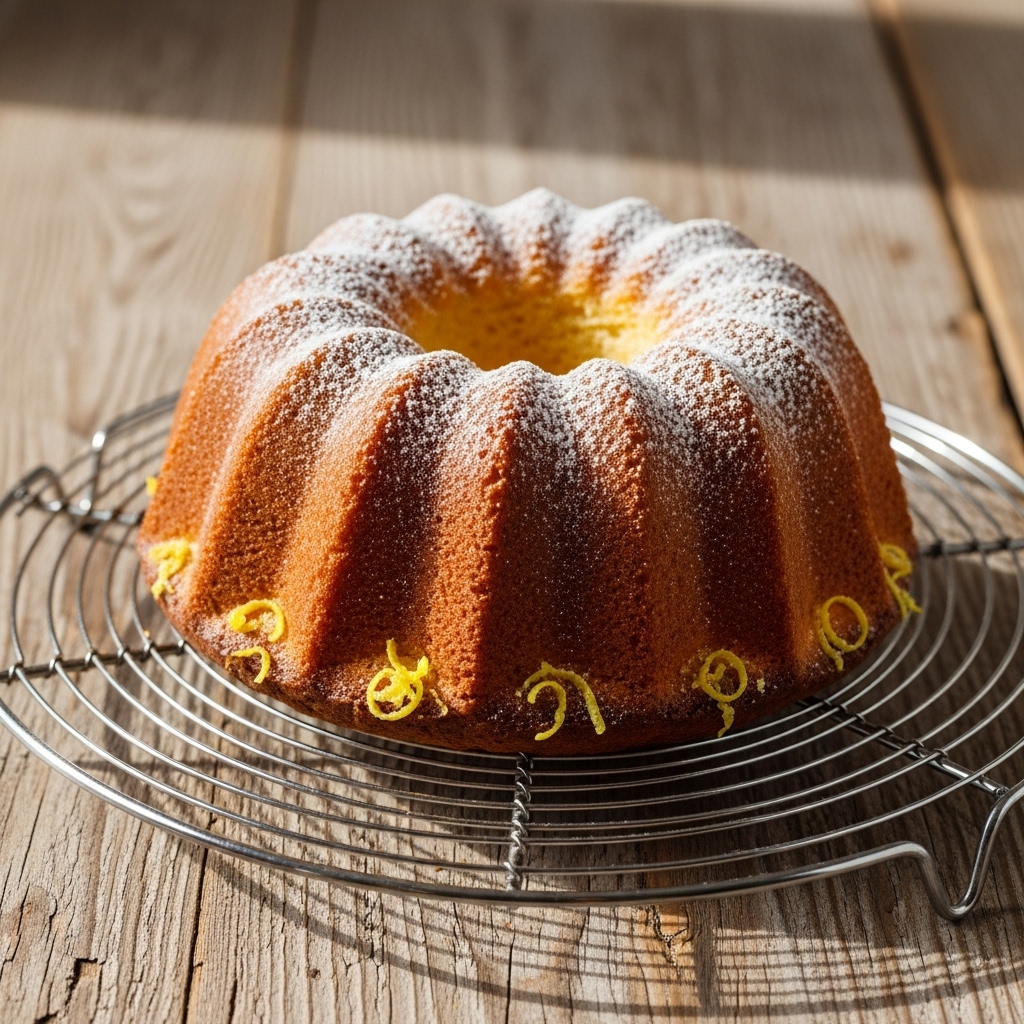
Ciambellone (Italian Breakfast Ring Cake)
Ingredients
Method
- Preheat oven to 350°F (175°C).
- Grease every ridge of your bundt pan with softened butter, then dust lightly with flour.
- Tap out excess flour and set the pan aside.
- In a large mixing bowl, beat softened butter, sugar, lemon zest, and a pinch of salt.
- Mix for about 4 minutes until pale, fluffy, and airy.
- Add eggs one at a time, mixing well after each.
- If the batter looks split, sprinkle in a spoonful of flour to stabilize it.
- Mix in the cornstarch and half the flour just until combined.
- Add milk and vanilla in two additions, alternating with the remaining flour.
- Fold in the baking powder last, gently, so you don’t deflate the batter.
- Spoon the batter evenly into the prepared bundt pan.
- Smooth the top and tap the pan once to settle the batter.
- Bake 40–45 minutes, or until the top is golden and a skewer comes out clean.
- Let the cake rest 10–15 minutes in the pan.
- Run a thin spatula along the edges, invert onto a cooling rack, and lift the pan off.
- Cool completely.
- Dust with powdered sugar before slicing.
- Serve with coffee, tea, or as a light dessert.
Notes
- Use room-temperature ingredients so the batter mixes smoothly and rises evenly.
- If using yogurt or ricotta instead of milk, the cake will be a bit denser but very tender.
- For extra moisture, replace a few tablespoons of butter with a mild oil or extra-virgin olive oil.
- Keep the cake covered at room temperature for 3–4 days or freeze slices for up to 2 months.