
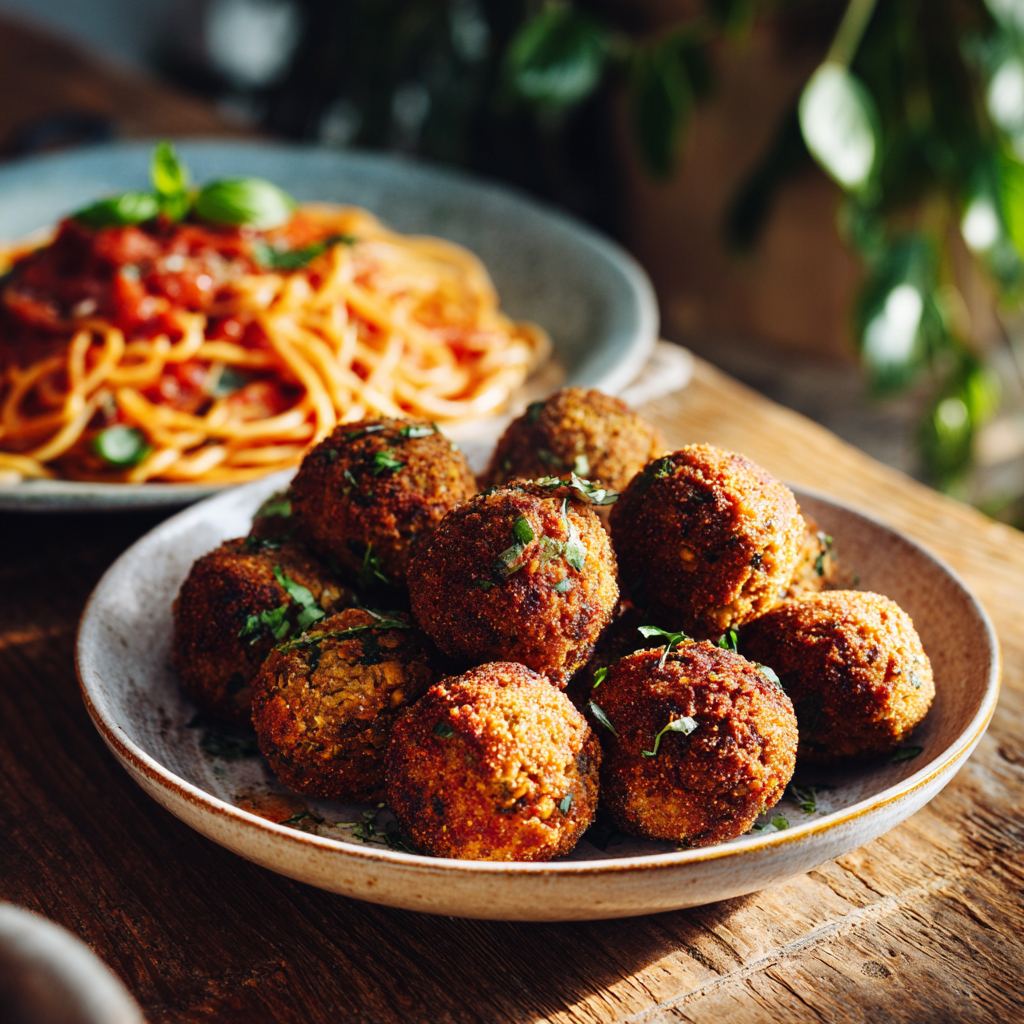
Jump to Recipe
There’s a quiet comfort in shaping food with your hands, a rhythm that feels like home. In my kitchen, the earthy scent of simmering legumes fills the air, promising something hearty and good. This simple act connects us to tables across Italy, where certain dishes carry the weight of hope and history.
As the calendar turns, many Italian families embrace a time-honored custom. Small, coin-shaped legumes are eaten to symbolize prosperity and good fortune for the months ahead. This belief transforms a humble ingredient into a centerpiece of celebration.
Polpette di lenticchie are a beautiful expression of this tradition. These savory morsels offer a satisfying, protein-rich alternative to classic meatballs. They honor the past while fitting seamlessly into modern meals, whether you’re cooking for a vegetarian household or simply exploring new flavors.
The journey of the primary ingredient is a story of global kitchens. From daily staples in other cultures to a celebratory food on Italian tables, it shows how culinary borders are wonderfully fluid. This recipe respects both origins without claiming exclusivity.
What makes this preparation reliable is its straightforward approach. We focus on selecting the right variety, using traditional seasonings, and mastering a technique that creates a perfect texture. You won’t need special equipment or hard-to-find items, just a willingness to create something truly special.
This guide will walk you through the cultural meaning, practical ingredient choices, and clear steps for making these at home. You’ll learn serving ideas that respect tradition while acknowledging everyday life. The result is a dish that feels celebratory, substantial, and deeply satisfying.
Key Takeaways
- This dish is deeply rooted in an Italian custom for attracting good luck and wealth.
- It provides a flavorful, protein-packed vegetarian option for the holiday table.
- The preparation respects culinary traditions from different parts of the world.
- The method is designed for home cooks, using accessible ingredients and standard kitchen tools.
- It yields a result that is hearty and celebratory, not a compromise.
- The finished food works well for a special event or as a make-ahead family meal.
Honoring a Rich Culinary Tradition
The turning of the calendar brings families together for a meal steeped in centuries of cultural meaning. This gathering represents more than just a change of date—it’s a celebration of continuity and hope.
Celebrating with Symbolic Legumes
At midnight or during the first meal of January, households share dishes featuring small, coin-shaped legumes. Each morsel symbolizes wealth and prosperity for the months ahead.
The tradition’s roots run deep. These humble ingredients sustained communities through lean times, making them both practical and precious. Their shape naturally evokes coins, creating a powerful visual connection to financial well-being.
Regional variations showcase Italy’s diverse culinary landscape. Some areas serve them simply with sausage, while others create sophisticated vegetarian preparations that stand as meal centerpieces.
| Region | Traditional Preparation | Key Characteristics |
|---|---|---|
| Northern Italy | Simmered with cotechino sausage | Hearty, meat-forward celebration dish |
| Central Italy | Vegetarian polpette style | Herb-infused, protein-rich main course |
| Southern Italy | Spiced stew with vegetables | Bright Mediterranean flavors |
The Cultural Roots Behind This Beloved Dish
Sharing this food strengthens family bonds during celebration time. The act of preparing and eating together creates meaningful moments that transcend superstition.
Modern households have adapted the tradition while honoring its essence. Contemporary versions maintain symbolic importance while fitting current dietary preferences and meal structures.
Understanding this context transforms cooking from mere recipe-following into active participation in tradition. It becomes a way to connect with heritage and potentially pass something meaningful to future generations.
Gathering Ingredients and Preparation Insights
The foundation of any memorable dish lies in understanding how ingredients work together. Let’s explore what you’ll need and how to prepare each component for success.
Essential Pantry Staples and Cooking Essentials
Start with cooked brown or green legumes. These varieties hold their shape better than red ones, which can become too soft. Canned versions work perfectly after draining and rinsing.
If cooking from dried, simmer them in salted water for about 30 minutes until tender. Drain thoroughly and let them dry for several hours. This step ensures the proper texture for forming balls that stay together.
Bread plays a crucial role in the mixture. About ¾ cup of panko breadcrumbs or 4 cups of cubed firm white bread absorbs excess moisture while adding structure. The right ratio prevents the mixture from being too dry or wet.
For binding, mix 1 tablespoon ground flax seed with 2 tablespoons water. Let it sit for 5-10 minutes until gelatinous. A traditional whole egg works equally well.
Aromatics build flavor foundation. Use ¼ cup finely chopped onion, 2-3 garlic cloves minced, and ¼ cup fresh parsley. These provide brightness that dried herbs cannot match.
Season with dried oregano, garlic powder, salt, black pepper, and optional warm spices like allspice and nutmeg. A tablespoon of brown sugar balances flavors beautifully.
Ingredient Substitutions for a Personalized Twist
Adapt this preparation to various dietary needs seamlessly. Gluten-free breadcrumbs work identically to regular panko. Any onion variety substitutes well, with red adding slight sweetness.
Plant-based milk replaces dairy in traditional versions that soak bread. For deeper flavor, consider 1 teaspoon vegan Worcestershire sauce or smoked paprika. These additions offer umami notes without being essential.
Remember that precision matters when creating the right consistency. Whether measuring by cups or weight, aim for balance. This approach honors the tradition while allowing personal touches, much like the variations found in an authentic Italian New Year lentil soup.
Mastering the Lentil Polpette Italian New Year Recipe
With the right approach, transforming simple ingredients into cohesive balls becomes straightforward. This method focuses on achieving the perfect texture through careful technique.
Step-by-Step Guide to Crafting Perfect Meatballs
Begin by preparing your binding agent. Combine one tablespoon of ground flax with two tablespoons of water in a small bowl. Let it thicken for five to ten minutes.
Add all components to your food processor. Pulse rather than running continuously. The mixture should hold together when pressed but still show texture.
Use a small cookie scoop for even portioning. Wet your hands slightly to prevent sticking when forming smooth balls. This prep step ensures uniform cooking.
Timing, Heat, and Cooking Techniques for Optimal Flavor
Heat management is crucial. For stovetop cooking, use medium heat with three tablespoons of butter or oil. Cook for five to eight minutes, rolling frequently.
The oven method offers hands-off convenience. Roast at 400°F for about fifteen minutes. This creates firmer exteriors with less oil.
Don’t overcrowd the pan. Space allows proper browning rather than steaming. Cook in batches if needed, keeping finished ones warm.
These cook quickly since the legumes are pre-cooked. You’re developing color and setting structure, not cooking through raw ingredients.
Enhancing Flavors with Savory Sauces and Creative Sides
A thoughtfully chosen sauce and side dish transform these savory bites into a complete and satisfying meal. The right pairing adds moisture, richness, and complexity, elevating the simple protein into a celebratory experience.
Sauce Spotlight: From Marinara to Swedish Gravy Inspirations
Two excellent sauce options offer distinct profiles. A classic marinara sauce provides a bright, Italian-inspired pairing. Heat olive oil, sauté chopped tomatoes, and add prepared tomato sauce. Season with salt, a pinch of sugar, and fresh basil.
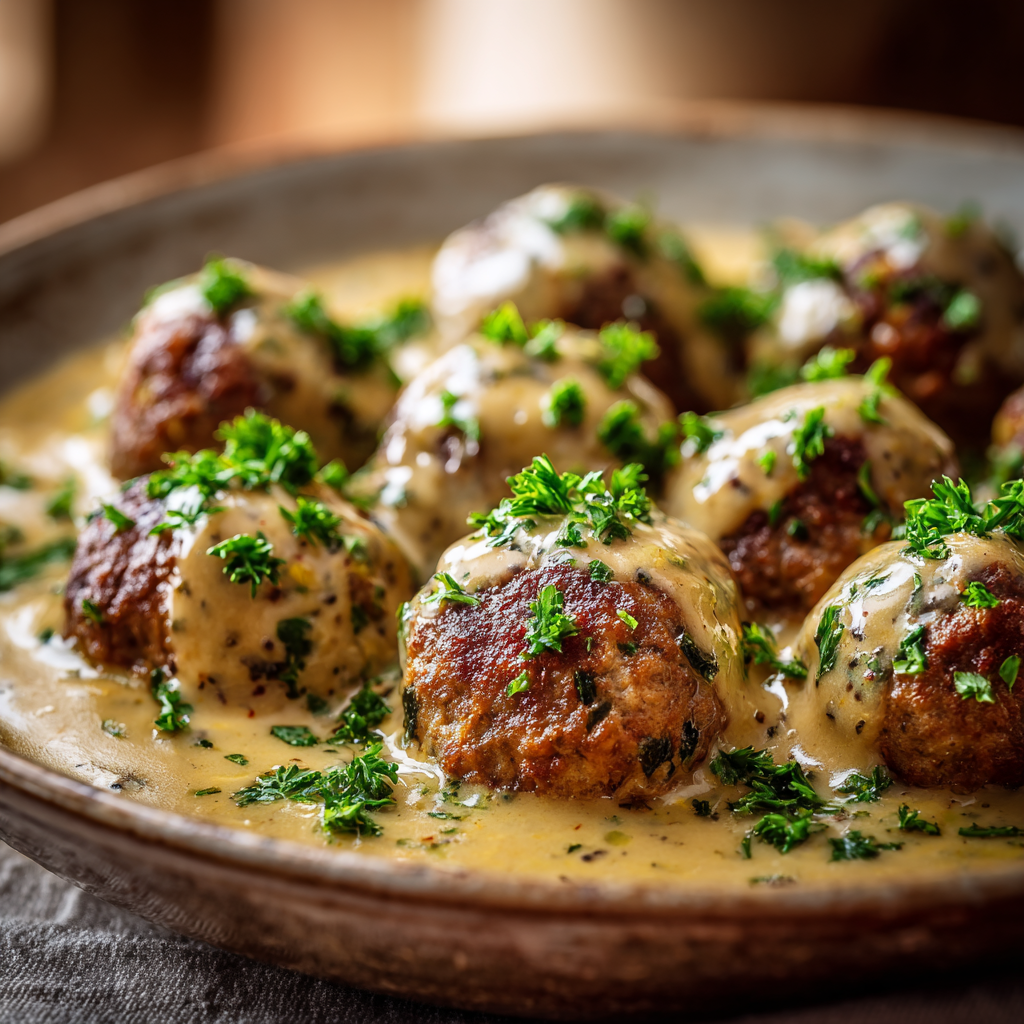
Simmer the meatballs gently for 15 minutes to let them absorb the flavors. For a richer, creamier option, a Swedish-style gravy is wonderful. Make a roux with vegan butter and flour in the same pan used for baking the meatballs.
Whisk in mushroom broth, coconut cream, Worcestershire sauce, and Dijon mustard. Simmer until thickened for a luxurious sauce that clings beautifully to each morsel.
Pairing Suggestions: Pasta, Mashed Potatoes, and More
Consider your base carefully. Serving this dish over pasta creates a familiar, one-bowl meal. Spaghetti or rigatoni work perfectly, especially with the marinara sauce.
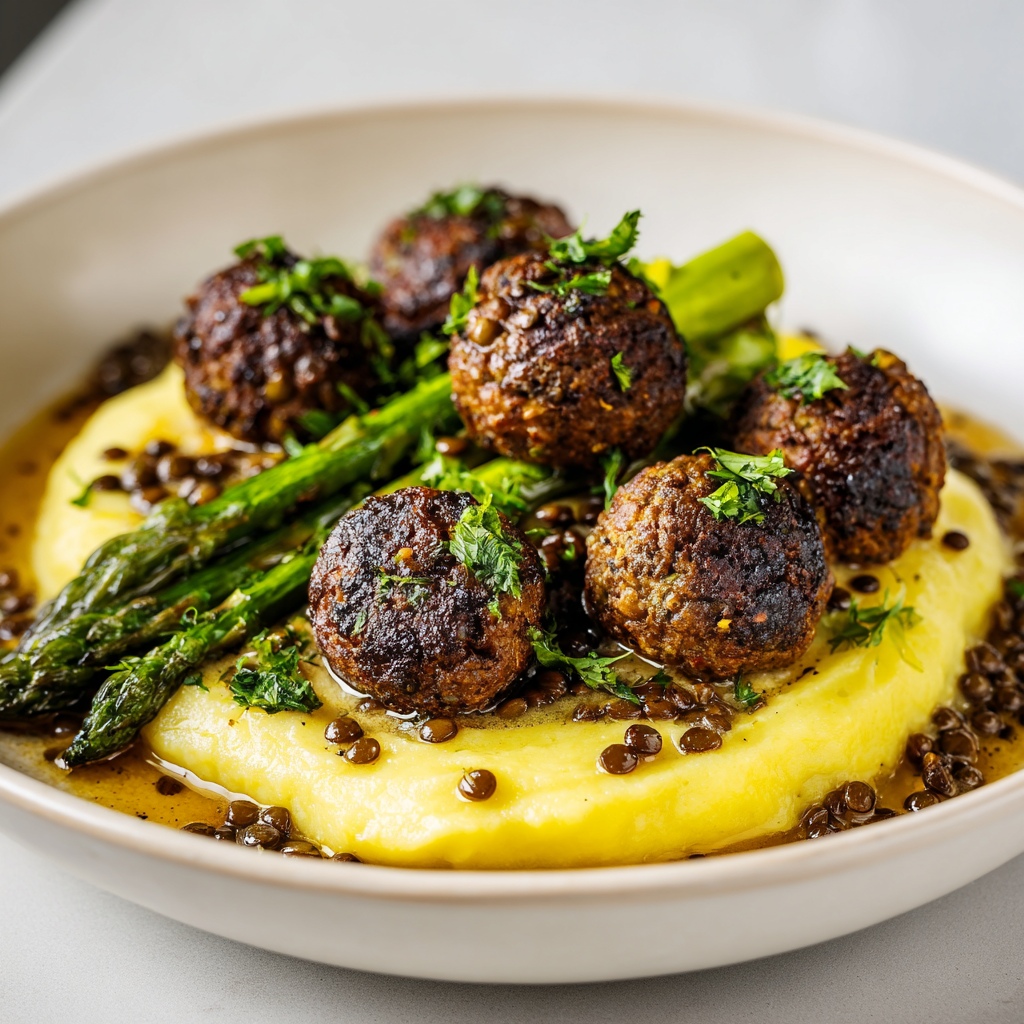
Mashed potatoes offer ultimate comfort, pairing exceptionally well with the creamy gravy. For a traditional presentation, serve them on a platter over a bed of simply cooked legumes and sautéed greens like chard.
Round out your plate with vegetable sides. Roasted asparagus, sweet carrots, or simple peas add color and nutrition without competing for attention. A final drizzle of good olive oil and fresh herbs before serving makes all the difference.
Wrapping Up Your Culinary Adventure
Practical knowledge about storage and reheating ensures your culinary effort extends its value. These savory bites maintain their quality beautifully when handled correctly.
Once cooled, store your meatballs in an airtight container. They’ll keep well in the refrigerator for 3-5 days. For longer storage, freeze them in a single layer before transferring to bags.
Reheating is straightforward. Use the microwave for about two minutes when time is short. Baking at 350°F for 10-15 minutes restores a pleasing texture. A quick sauté with stock also works well.
This recipe adapts perfectly to meal prep. The mixture can rest overnight for deeper flavor development. You can scale the recipe for larger batches without issue.
It delivers substance and tradition through clear technique. The result satisfies both special occasions and everyday meals. This approach honors heritage while fitting modern kitchen rhythms.
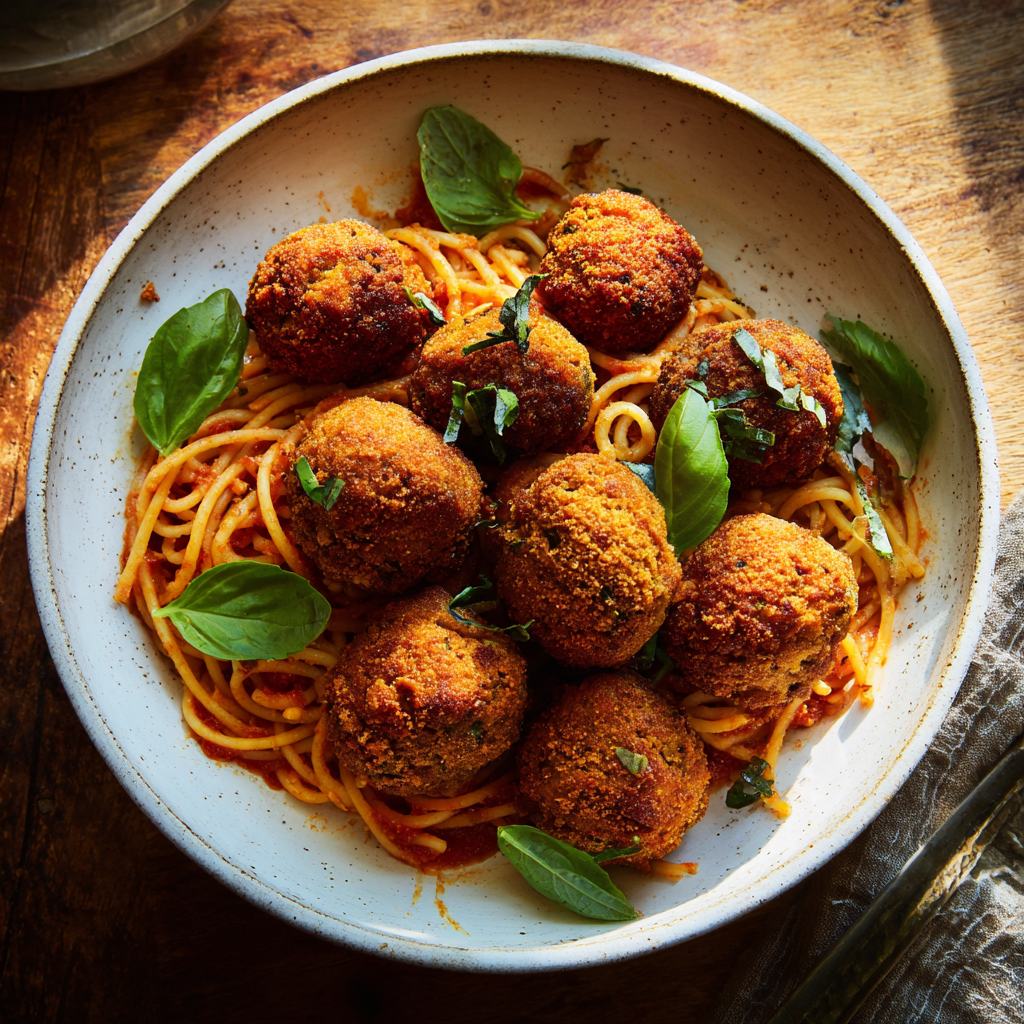
Polpette di Lenticchie (Italian Lentil Meatballs)
Ingredients
Method
- Stovetop: Heat olive oil or butter in a pan over medium heat. Cook the meatballs for 5-8 minutes, turning frequently, until golden and crispy on all sides.
- Oven: Preheat the oven to 400°F. Place the meatballs on a baking sheet lined with parchment paper. Roast for 15 minutes, or until golden and firm.
Notes
- The recipe is easily adaptable to be gluten-free or vegan. Simply swap breadcrumbs with gluten-free alternatives and use plant-based milk and flax eggs.
- This dish works well for meal prep, and leftovers can be stored in the refrigerator for 3-5 days, or frozen for later use.
- Pairing these meatballs with a rich tomato-based sauce or a creamy gravy will elevate their flavor.