
Jump to Recipe
There’s a particular comfort in a dish that feels both rustic and refined, where simple, honest ingredients are transformed by tradition and technique. It’s the kind of food that fills a kitchen with warmth and tells a story with every bite.
This preparation from West Liguria is a beautiful example of that principle. It masterfully brings together the land and the sea. Humble potatoes and reconstituted stockfish become the foundation. The true star, however, is a generous amount of extra virgin olive oil.
Here, the oil is not just a finishing touch. It is a main component, fundamental to creating the dish’s signature creamy texture and rich flavor. This approach is a hallmark of authentic Ligurian cuisine.
What truly sets this recipe apart is its distinctive method. The name itself hints at the action: to shake. The essential technique involves vigorously shaking the covered pot to emulsify the ingredients into a cohesive mash. This avoids mechanical blending and creates a unique, rustic consistency.
I’ve made this dish many times, and it always reminds me how respecting tradition elevates simple components into something special. This guide will help you understand the cultural context and master the techniques to recreate this treasure at home.
Key Takeaways
- This is a traditional dish from West Liguria that combines potatoes and stockfish.
- Extra virgin olive oil is a key ingredient, not just a garnish.
- The unique preparation involves shaking the pot to emulsify the ingredients.
- This technique creates a distinctive texture without using a blender.
- The recipe transforms simple components into a comforting and sophisticated meal.
- Understanding the method is crucial for an authentic result.
Understanding the Heritage of Ligurian Cuisine
When we look at traditional dishes, we often find they’re shaped by practical needs as much as by taste preferences. This regional food reflects how people adapted to their environment over time.
The Role of Local Traditions
Liguria’s narrow coastal strip between mountains and sea created a unique culinary balance. Local traditions emphasize resourcefulness and careful ingredient selection.
Nothing goes to waste in this approach. Even simple components receive thoughtful preparation. The region’s prized olive oil plays a central role in many recipes.
Cultural Influences on the Recipe
Portuguese traders introduced dried fish to the area around 1600. This preserved protein solved practical problems for maritime cultures.
Catholic traditions also influenced local eating habits. Dozens of meat-free days each year made affordable fish essential for many families.
| Factor | Historical Context | Impact on Cuisine |
|---|---|---|
| Geography | Coastal region with mountain terrain | Balance of seafood and land ingredients |
| Trade Routes | Portuguese merchants around 1600 | Introduction of preserved fish |
| Religious Practices | Catholic meat abstinence days | Development of fish-based dishes |
| Preservation Needs | Long sea voyages without refrigeration | Focus on shelf-stable ingredients |
This heritage shows how practical solutions become lasting traditions. Understanding these influences helps us appreciate why certain techniques endure.
The Essence of Extra Virgin Olive Oil in Traditional Recipes
When an ingredient moves from supporting player to central character, it demands a different level of attention and quality consideration. This is precisely what happens with extra virgin olive oil in certain traditional preparations.
Unlike its typical role as a finishing drizzle, here the oil becomes integral to the dish’s structure. It must perform differently than in everyday cooking.
Sourcing Premium EVO Quality
Choosing the right extra virgin olive oil requires careful evaluation. Look for cold-pressed oils from recent harvests.
Check the harvest date rather than just the expiration date. Proper storage away from light and heat is essential.
Single-estate oils often provide the most consistent quality. Traceability back to the source matters greatly.
Impact on Flavor and Texture
The right virgin olive oil creates a smooth emulsion with other ingredients. It binds starches and proteins together seamlessly.
Quality oil contributes subtle fruitiness without overpowering delicate flavors. It should complement rather than compete.
Texture transforms from separated components to cohesive creaminess. The oil’s integration determines the final mouthfeel.
| Dish Type | Oil Function | Quality Requirement | Texture Result |
|---|---|---|---|
| Salad Dressing | Seasoning/Condiment | Good quality acceptable | Coating, not integrated |
| Sauté Base | Cooking Medium | Moderate quality sufficient | Separated after cooking |
| Traditional Emulsion | Structural Component | Premium quality essential | Fully integrated creaminess |
| Finishing Drizzle | Flavor Enhancement | High quality preferred | Surface layer only |
Understanding these differences helps select the appropriate oil for each culinary application. The right choice makes all the difference in traditional recipes.
Exploring the Origins of Brandacujun
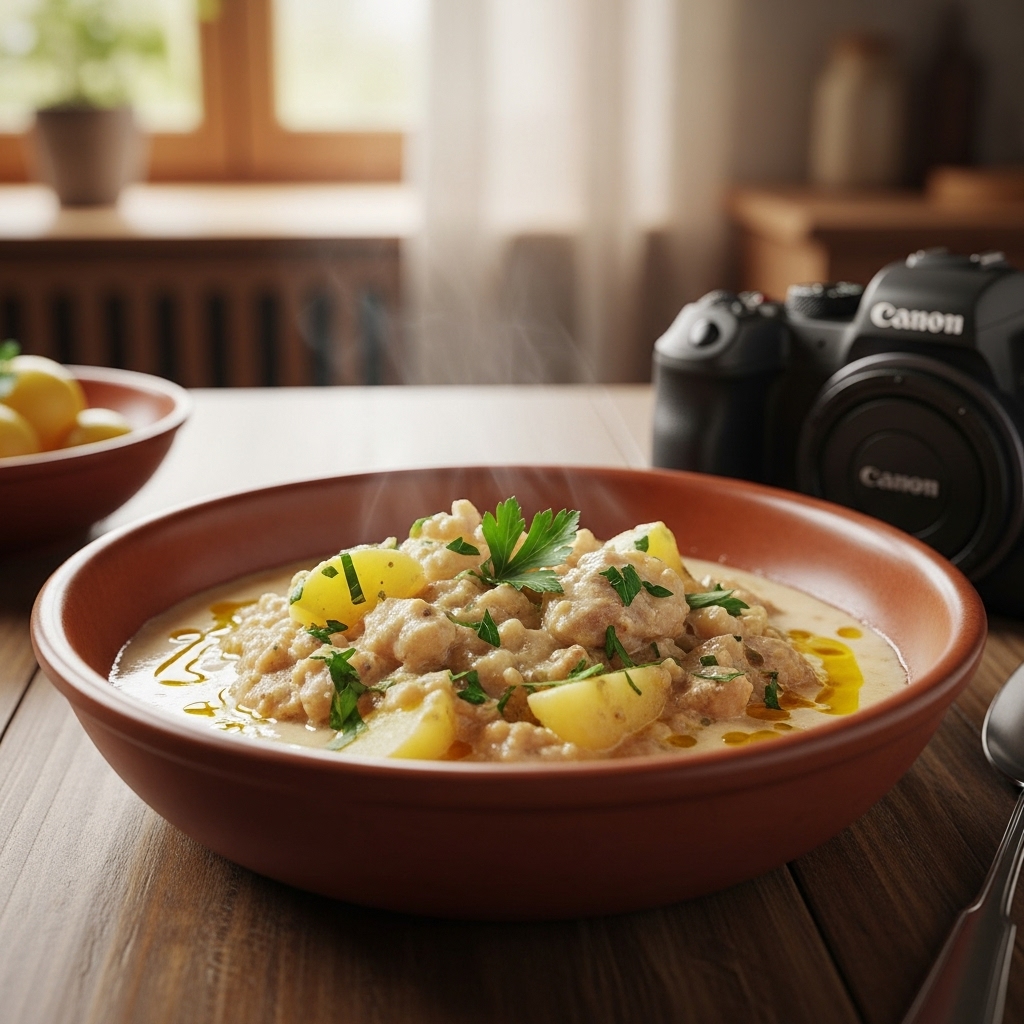
Sometimes the most revealing aspect of a traditional recipe is hidden right in its name. The term brandacujun tells us exactly how this dish comes together through its preparation method.
Etymology and Historical Roots
The name comes from the Provençal verb “brandare,” which means to shake. This perfectly describes the essential technique of vigorously shaking the covered pot to combine the components.
This linguistic connection makes sense given the region’s proximity to southern France. Cooking methods and terminology traveled freely across borders for centuries.
The shaking serves a specific culinary purpose. It creates agitation that emulsifies oil with starchy potatoes and flaky fish without creating a uniform paste.
Dishes like this typically trace back to fishing communities. They needed to make preserved fish palatable by combining it with available starches and local olive oil.
While the name celebrates the shaking method, practical cooks know that vigorous stirring works well too. This is especially true when dealing with a hot pot where safety matters.
Key Ingredients for an Authentic Dish
When a recipe uses minimal ingredients, each one must be chosen with purpose and prepared with care. The short list means every component carries significant weight in the final result.
Stockfish, Potatoes, and Fresh Herbs
The protein foundation comes from air-cured cod rather than salted varieties. This distinction matters greatly for proper preparation. Understanding this helps avoid confusion with salt cod, which requires different handling.
Premium stockfish typically originates from Norway’s Lofoten Islands. There, cod undergoes a traditional drying process on wooden racks. This method preserves nutrients while concentrating flavor.
Potatoes create the starchy base that absorbs olive oil beautifully. Their variety affects the final texture significantly. We’ll explore potato selection more deeply in the next section.
Fresh parsley adds a bright, peppery note that cuts through the richness. Garlic provides essential aromatic depth. Both herbs should be used thoughtfully as their intensity varies seasonally.
The complete ingredient list remains remarkably simple. This simplicity means quality and technique matter more than in complex recipes. Each element must perform its role perfectly.
Sourcing Quality Stockfish and Potatoes
Before any cooking begins, thoughtful ingredient selection sets the stage for authentic results. The right foundation makes the difference between a good dish and a memorable one.
Finding proper dried cod requires some effort in the United States. Look for it in Italian specialty markets or reputable online suppliers importing from Norway or Iceland. This preserved fish arrived in Italy around 1450 through Venetian traders.
Be certain you’re buying stockfish rather than baccalà. Both are preserved cod, but stockfish is air-dried without salt. Salt cod requires completely different preparation with water changes to remove salt.
Quality indicators include firm texture, pale color without yellowing, and a clean ocean scent. Avoid packages that look aged or smell off. The fish needs proper storage away from humidity and heat.
For potatoes, choose varieties with enough starch for creaminess but not so much they become gluey. Yukon Golds work reliably well for creating the right texture. Fresh, suitable potatoes are essential.
Sourcing isn’t about chasing expensive ingredients. It’s about finding properly dried stockfish and fresh potatoes. These fundamentals determine success before cooking even starts.
Preparing the Stockfish: From Soaking to Cleaning
Working with dried fish demands patience and understanding of the rehydration process. The goal is to restore the protein to a texture similar to fresh fish without compromising its structure.
Proper preparation ensures the final dish has the right consistency and flavor. Each step builds toward the perfect result.
Soaking Techniques for Optimal Texture
Begin by placing the dried fish in a large container with cold water. Change the water twice daily for at least three days. This gradual process prevents the flesh from becoming mushy.
Rushing with warm water damages the delicate texture. Patience here pays off in the final dish.
Proper Methods for Removing Skin and Bones
After soaking, cut the fish into manageable pieces. Boil them with aromatic vegetables for about thirty minutes. The fish becomes tender and ready for cleaning.
Wait until the pieces are cool enough to handle comfortably. Carefully peel away the skin using your fingers. Feel through the flesh to locate and remove every bone.
Hand-breaking the cleaned fish creates irregular chunks. This maintains textural interest in the final preparation.
| Preparation Step | Time Required | Key Technique | Result |
|---|---|---|---|
| Initial Soaking | 3 days minimum | Cold water changes twice daily | Proper rehydration |
| Vegetable Boil | 30 minutes | Simmer with aromatics | Tender, flaky texture |
| Skin Removal | When cool | Manual peeling | Clean flesh preparation |
| Bone Extraction | Patient attention | Finger inspection | Safe, enjoyable eating |
| Final Breaking | Quick process | Hand tearing | Rustic chunk texture |
Following these methods ensures your main ingredient is perfectly prepared. The care you take here directly influences the quality of your final creation.
Perfecting the Potato Boil and Mash
Proper potato preparation can make or break the texture of your final creation. The right technique ensures creamy results without becoming gluey or pasty.
Selecting the Right Potato Varieties
Not all potatoes behave the same way when cooked. The variety you choose significantly impacts the final consistency.
Medium-starch potatoes like Yukon Golds work beautifully. They create creaminess without turning gluey. Avoid high-starch russets that can become pasty when overmixed.
Waxy varieties won’t break down properly. They resist mashing and create an uneven texture. Choose potatoes that will integrate well with other ingredients.
| Potato Variety | Starch Content | Best Use | Texture Result |
|---|---|---|---|
| Yukon Gold | Medium | Mashing, boiling | Creamy, holds shape |
| Russet | High | Baking, frying | Fluffy, can turn pasty |
| Red Potatoes | Low/Waxy | Salads, roasting | Firm, resists mashing |
| Fingerling | Medium | Roasting, boiling | Creamy, maintains form |
Boiling Tips for a Creamy Consistency
Start your potatoes in cold salted water rather than boiling water. This ensures even cooking from outside to center.
Cooking time typically runs about 30 minutes depending on size. The reliable test is piercing with a knife. When it slides in with no resistance, the potatoes are ready.
Peel them while still hot using a towel to protect your hands. Hot potatoes release skins more easily and mash more smoothly than cooled ones.
Mash roughly with a fork rather than whipping smooth. Aim for rustic texture with small lumps that will integrate well during the final preparation process.
Embracing Traditional Methods: The ‘Brandare’ Technique
The name of this dish gives a clear instruction: it’s all about the shake. This technique is the heart of the recipe, transforming separate components into a cohesive whole.
It’s a functional process, not just tradition for its own sake. The motion emulsifies the oil and gently breaks down the ingredients.
The Art of Shaking the Pot
First, safety is paramount. The pot will be hot. Securely fasten the lid onto the pot. Grip both handles firmly using pot holders or a thick kitchen towel.
Now, shake with purpose. Use a combination of up-and-down and circular motions. Continue this for a couple of minutes.
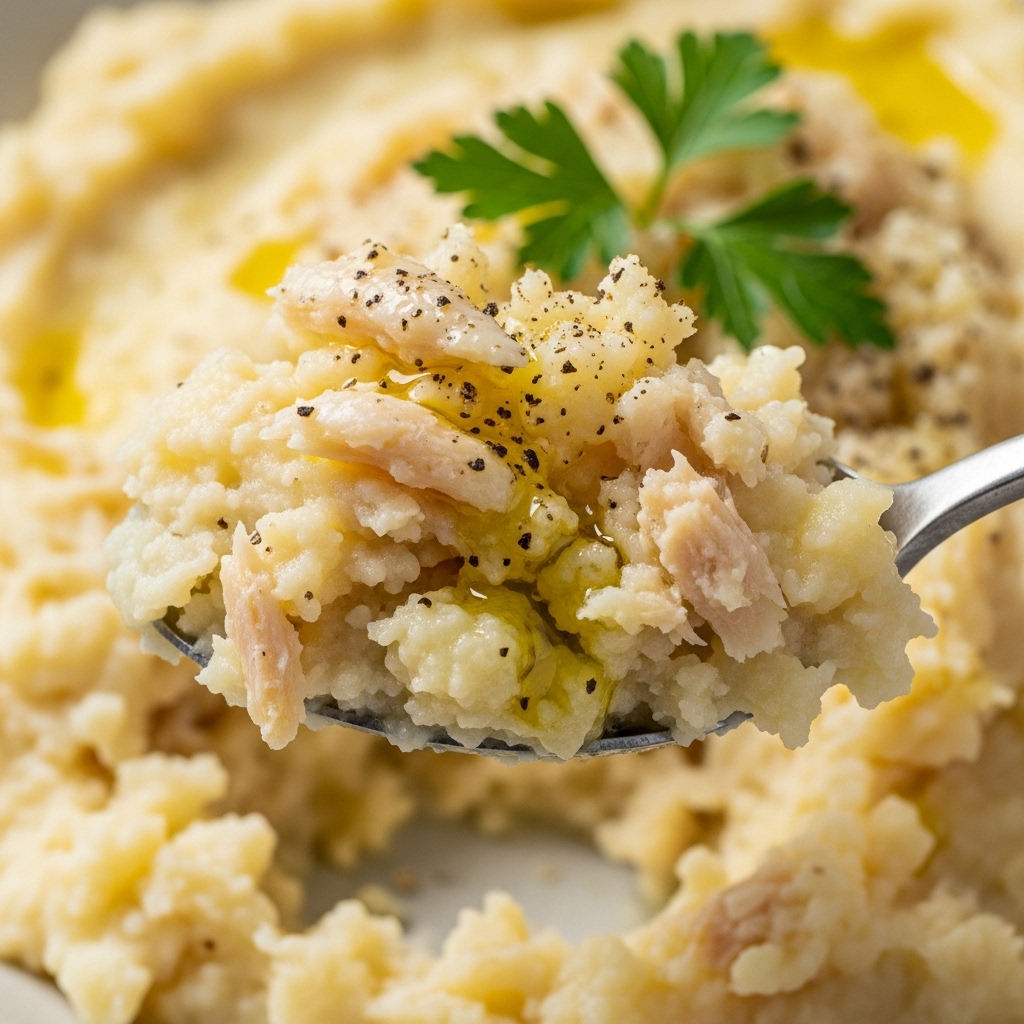
This agitation creates a rustic, creamy consistency. You’ll achieve a perfect blend without a blender. The texture will have pleasant variation, with distinct bits of fish and potato.
| Aspect | Traditional Shaking | Vigorous Stirring |
|---|---|---|
| Primary Tool | The pot itself | Wooden spoon |
| Texture Result | Rustic, varied chunks | Slightly more uniform |
| Safety Consideration | Requires secure lid grip | Easier to manage heat |
| Emulsion Process | Dynamic, through motion | Manual integration |
If the pot is too hot to handle safely, stirring is a fine alternative. Rapid, vigorous stirring with a spoon for the same couple of minutes works well. The goal is a creamy emulsion, whichever method you choose.
I find this final step takes only a few cook minutes but makes all the difference. It brings the simple ingredients together in the most satisfying way.
Assembling a Rustic and Creamy Mash
The final stage of preparation brings all elements together in one pot. Use the same vessel you cooked the fish in for its residual warmth. This heat helps the oil blend smoothly with the other components.
Combine the hand-broken fish and roughly mashed potatoes first. Add crushed garlic, chopped parsley, and lemon juice next. Include a generous pour of extra virgin olive oil and black pepper.
Wait to add salt until after mixing. This allows you to taste and adjust properly. The exact amounts can vary based on your ingredients’ natural flavors.
| Ingredient | 2 Servings | 4 Servings | 6 Servings |
|---|---|---|---|
| Cooked Potatoes | 1 pound | 2 pounds | 3 pounds |
| Prepared Fish Pieces | 8 ounces | 1 pound | 1.5 pounds |
| Extra Virgin Olive Oil | 4 tablespoons | 8 tablespoons | 12 tablespoons |
| Garlic Cloves | 2 medium | 3-4 medium | 5-6 medium |
| Lemon Juice | 1 tablespoon | 2 tablespoons | 3 tablespoons |
This combination creates the signature creamy texture. The oil emulsifies with the starchy potatoes and flaky fish. You’ll achieve a cohesive result with pleasant textural variation.
Double-check that all bones are removed before mixing. The fish pieces should be bite-sized but distinct. They should integrate without disappearing completely into the potato base.
Tips for Adjusting Flavor and Texture
Good cooking is less about rigid formulas and more about learning to taste and adjust as you go. This final step is where you make the dish truly your own.
Before you mix everything together, add most of your crushed garlic, chopped parsley, and lemon juice. But deliberately hold back about a quarter of each. This simple habit gives you control over the final result.
Balancing Garlic, Lemon Juice, and Herbs
The intensity of garlic can change dramatically. A clove from a fresh summer head is much milder than one stored for months. Trust your nose more than a specific measurement.
Lemon juice provides essential brightness. It cuts through the richness of the oil. Add it gradually, aiming for a subtle background note rather than a sharp, dominant flavor.
Taste your parsley before adding it. It should be herbaceous and peppery, not bitter. If it tastes harsh, use less.
Finally, season with salt and pepper only after combining all ingredients. The fish contributes its own salinity. You won’t know how much extra salt you need until you taste the complete mix.
| Ingredient | If Under-Seasoned | If Over-Seasoned | Best Approach |
|---|---|---|---|
| Garlic | Flavor feels flat, lacks depth | Overpowering, sharp bite | Add reserved amount incrementally |
| Lemon Juice | Dish tastes heavy, one-dimensional | Unpleasantly acidic, unbalanced | Add a few drops at a time, stir, taste |
| Salt & Pepper | Flavors are muted, not cohesive | Salty or spicy mask other flavors | Season salt at the very end, taste repeatedly |
Add your reserved ingredients slowly. Taste after each addition. This patient process ensures a perfectly balanced dish every time.
Incorporating Virgin Olive Oil Early for Best Emulsion
Chemistry in the kitchen often comes down to when you introduce key components. The sequence matters more than you might expect.
Timing the Oil Addition for Optimal Creaminess
Add your extra virgin olive oil before combining other ingredients. This timing creates the foundation for proper emulsion.
The vigorous shaking or stirring action then emulsifies the oil with potato starches. Think of it like making mayonnaise, where fat droplets suspend in the liquid mixture.
Using generous amounts of extra virgin olive oil seems excessive at first. But the oil integrates completely during agitation. The result tastes rich and smooth rather than greasy.
Quality virgin olive oil becomes apparent in dishes like this. A proper extra virgin oil contributes subtle fruity notes that enhance the final flavor profile.
If you add oil after mixing, it won’t incorporate properly. The emulsion requires oil present during vigorous mixing when starch granules break down and trap fat droplets.
brandacujun ligurian stockfish mash: The Heart of the Recipe
The true beauty of this West Ligurian preparation emerges in its final form—a harmonious blend where land and sea become indistinguishable. This dish based on potatoes and stockfish achieves something remarkable through simple technique.
You create a unified experience rather than separate components. The potatoes and fish integrate so completely that you can barely tell where one ends and the other begins. This transformation requires both restraint and generosity.
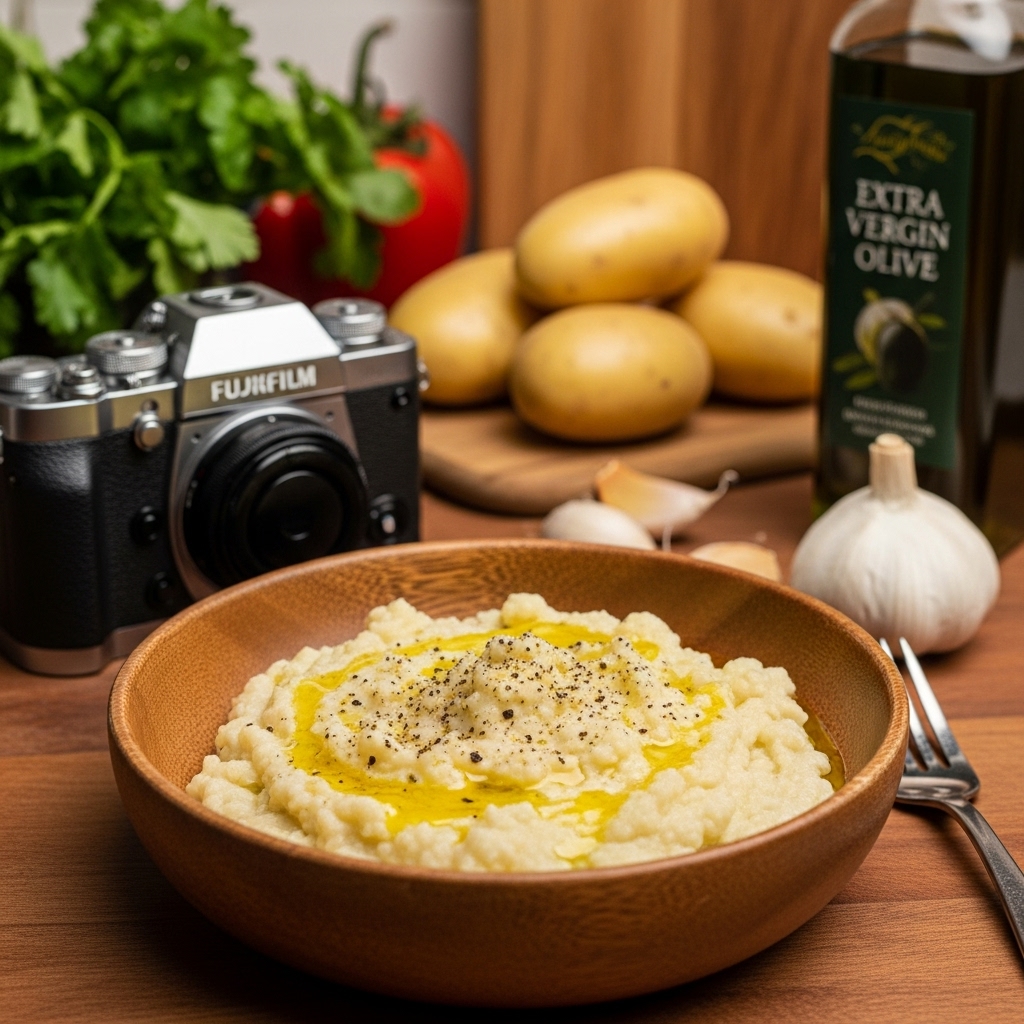
Be generous with your extra virgin olive oil, adding what might seem like a shocking amount. Yet show restraint by not overworking the mixture into a smooth paste. The goal is a creamy but rustic texture with character.
| Texture Goal | What You Want | What to Avoid |
|---|---|---|
| Consistency | Creamy but with variation | Completely uniform purée |
| Fish Integration | Subtle pieces throughout | Large, separate chunks |
| Oil Emulsion | Rich, smooth integration | Greasy separation |
| Overall Feel | Rustic, hand-crafted | Factory-processed smoothness |
This recipe demonstrates an important principle of Italian cooking. Exceptional results come from quality ingredients and proper technique, not complexity. The tradition behind this dish has been refined through generations.
When you achieve that perfect balance, you understand why this preparation has endured. It represents the essence of its region—hillside farms, maritime history, and olive groves united in one bowl.
Creative Serving Suggestions and Presentation Ideas
The versatility of this preparation allows for creative serving options that suit different occasions. How you present it can transform the experience from casual to elegant.
Serving as a Main Course or Appetizer
For a satisfying meal, serve it warm as a main course. Pair it with a simple green salad for balance.
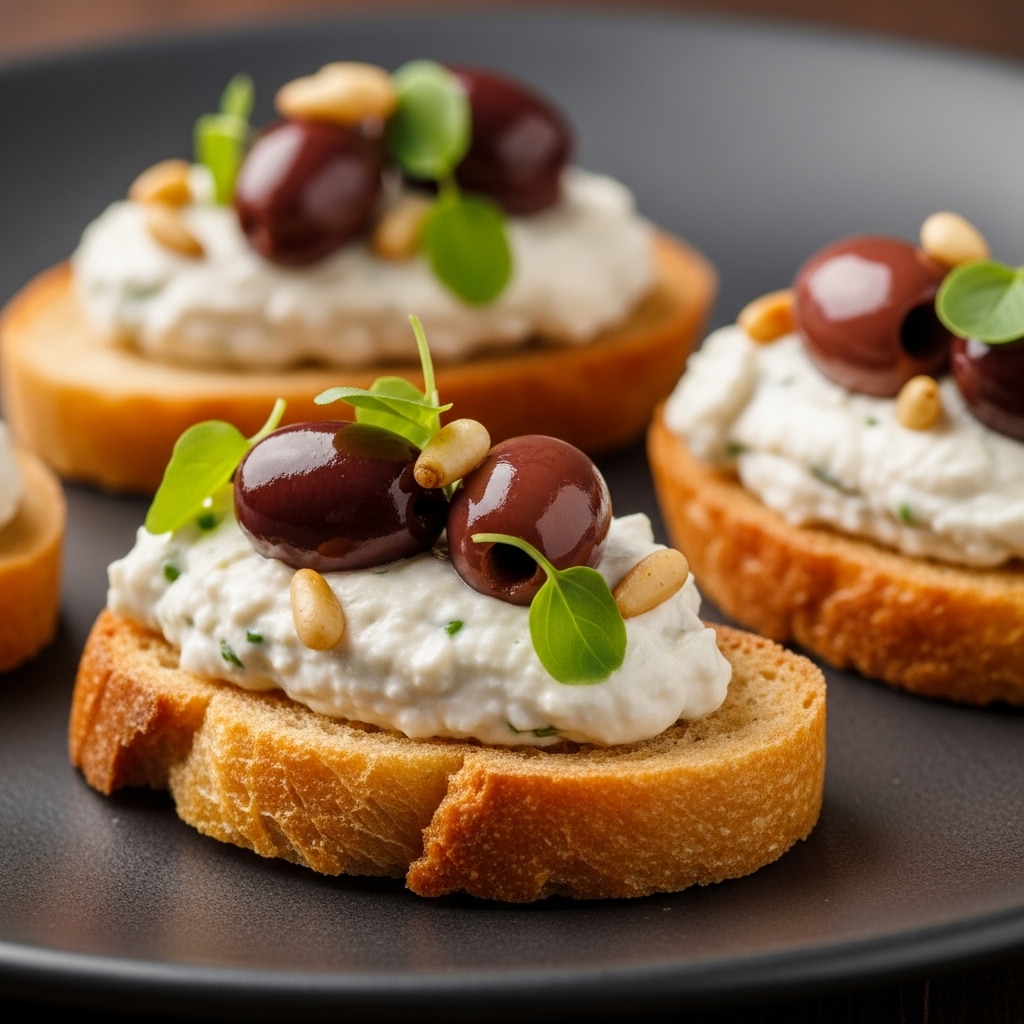
As an appetizer, spread it on toasted bread croutons. This creates perfect bite-sized portions for gatherings.
Garnishing with Taggiasca Olives and Pine Nuts
Taggiasca olives add authentic regional flavor. Their subtle fruitiness complements the creamy texture beautifully.
Toasted pine nuts provide delightful crunch. Scatter them lightly over the top for visual appeal.
| Serving Style | Best Occasion | Recommended Garnish | Serving Temperature |
|---|---|---|---|
| Main Course | Dinner meals | Simple olive oil drizzle | Warm |
| Appetizer on Bread | Summer gatherings | Taggiasca olives, pine nuts | Room temperature |
| Crouton Spread | Casual entertaining | Fresh parsley, lemon zest | Slightly warm |
Let the dish rest for a few hours before serving. This allows flavors to develop fully. The texture becomes more cohesive after resting.
For the bread crouton presentation, room temperature works perfectly. The spreadable consistency makes serving easy for guests.
Pairing Suggestions and Complementary Side Dishes
The perfect side dishes should complement rather than compete with your main creation. A simple green salad works beautifully here. Dress it lightly with lemon juice and good olive oil for freshness.
Lightly pickled vegetables offer wonderful contrast. Their acidity cuts through the richness of the main dish. Fennel, carrots, or cauliflower work particularly well.
For wine, look to crisp white varieties from the same region. They have enough character to stand up to the olive oil. Their acidity balances the rich food perfectly.
Avoid serving cheese or other creamy elements alongside. The dish already provides plenty of richness. Adding more creates a heavy, monotonous meal.
Consider the time of year when planning your sides. In warmer months, fresh tomatoes or cucumber salad feel right. Cooler weather calls for roasted vegetables or sautéed greens.
Keep accompaniments simple and let the main dish shine. This traditional preparation represents a complete meal on its own. Thoughtful pairings enhance rather than overwhelm the experience.
The Influence of Ligurian Culinary Traditions Today
The enduring power of culinary traditions lies not in rigid preservation but in their ability to adapt while staying true to their roots. This is vividly seen in the way classic recipes are honored in home kitchens and contemporary restaurants alike.
Modern Adaptations and Variations
Across the region, you find distinct local specialties. In the Argentina Valley, Badalucco is known for its stew with dried mushrooms and walnuts. Genoa offers other beloved preparations featuring tomatoes and pine nuts.
These dishes are officially recognized for their cultural importance. This helps ensure they are passed down through generations.
Even small towns like Castel Vittorio keep these customs vibrant. Local festivals often feature these time-honored meals, prepared with care.
The influence has traveled far with Italian emigrants. You can now find versions of these dishes in kitchens across the globe.
| Dish Name | Locality | Key Distinguishing Ingredients |
|---|---|---|
| Stoccafisso alla Badalucchese | Badalucco | Dried mushrooms, walnuts, olives |
| Stocche e Bacilli | Genoa | Dried fava beans |
| Stoccafisso Accomodato | Genoa | Tomatoes, pine nuts, olives |
What keeps a tradition alive is the act of cooking itself. Each time someone prepares these dishes, they participate in a living history that gracefully adapts to the present day.
Wrapping Up the Flavor Journey
The real satisfaction comes from watching basic components come together through patient preparation. This traditional dish transforms with time and care.
Remember to let your creation rest for a couple of hours before serving. This resting time allows the olive oil to fully integrate. The flavors develop beautifully when given this extra time.
Serve it warm as a main course or at room temperature as an appetizer. Toasted pine nuts make a wonderful garnish. A sprinkle of black pepper adds the perfect finish.
Don’t worry if your first attempt isn’t perfect. Like any good recipe, practice helps you understand the timing and proportions. You’ll learn how much salt and pepper suits your taste.
This preparation connects you to generations of coastal cooking wisdom. It shows how simple ingredients can create something truly special with the right technique and quality olive oil.
Brandacujun
Ingredients
Method
Notes
- Use premium extra virgin olive oil for the best flavor and texture.
- Ensure the stockfish is air-dried and not salted, as this recipe calls for a different preparation method than salted cod.
- The shaking method is key to achieving the perfect texture, so don’t skip this step!