
Jump to Recipe
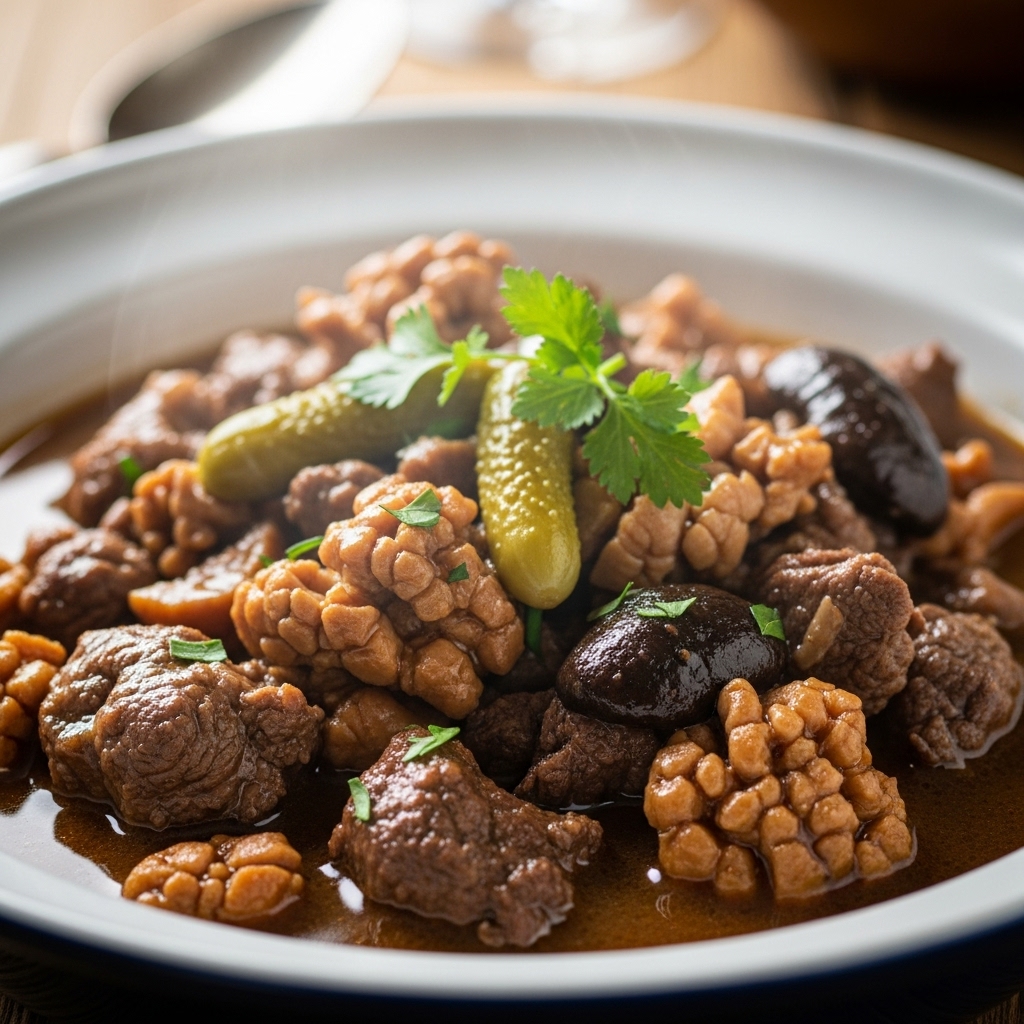
I first discovered this remarkable food during a cold winter in Italy’s northwest. The rich, savory aroma filling a small family trattoria was unforgettable. It felt like uncovering a deeply held secret of the region.
This dish stands as a signature achievement of Piedmontese cuisine. Its history is a blend of humble beginnings and gastronomic pride. The preparation is a true labor of love, reflecting the rhythm of traditional Italian cooking.
It’s fascinating that this creation remains relatively unknown, even within Italy. This adds to its special character. When you make it, you connect with a culinary tradition that has survived for centuries.
The process is more about patience than complex technique. We focus on layering flavors from a unique set of ingredients. The result is incredibly rewarding, a true comfort food for the colder months.
Authentic versions often include specialty cuts that can be challenging to find. We can honor the spirit of the original while adapting for what’s available. The goal is to capture its soul in your own kitchen.
Key Takeaways
- This is a traditional dish from the Piedmont region of Italy.
- It has a rich history, evolving from humble origins to a gourmet prize.
- The preparation is a patient process, rewarding for dedicated home cooks.
- It is traditionally a winter food, connecting to seasonal cooking rhythms.
- The dish uses a unique blend of meats and offal for its deep flavor.
- Authentic ingredients can be adapted based on availability.
- Making this stew is a way to experience a lesser-known part of Italian culinary heritage.
Tracing the Culinary Legacy of Finanziera Piemontese
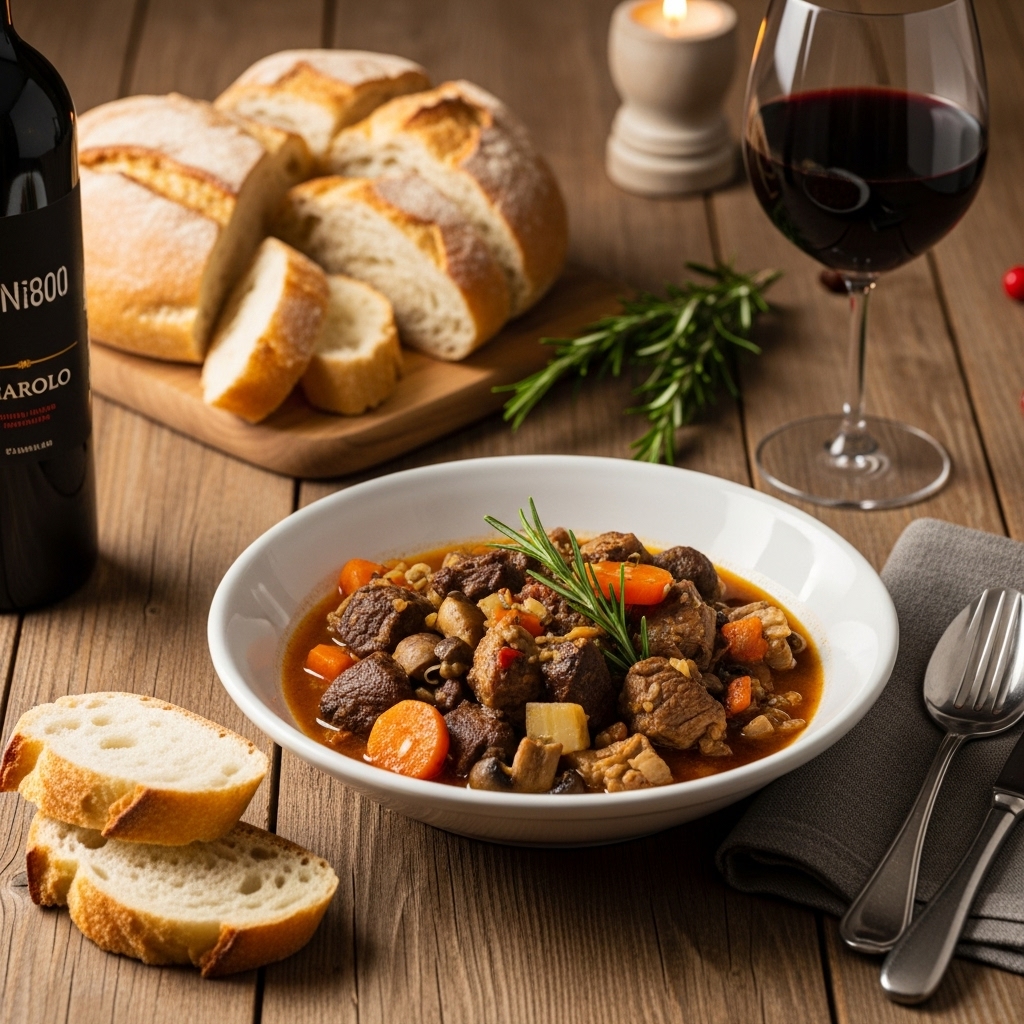
This traditional preparation has roots that stretch from royal feasts to modern trattorias. The story begins in the court of Carlo Emanuele I, Duke of Savoy, where similar dishes were served between 1580 and 1630.
| Time Period | Key Development | Social Context |
|---|---|---|
| 1580-1630 | Cock’s comb stew served at court feasts | Aristocratic dining |
| Late 18th Century | Dish acquires the name “finanziera” | French-Piedmontese cultural exchange |
| 19th Century | Popular among Turin businessmen | Urban professional class |
| 1757-Present | Ristorante Del Cambio continuous service | Fine dining establishment |
The roots of Piedmontese cuisine and its historical ties
Two theories explain the dish’s curious name. One suggests farmers paid city gate fees with the main ingredients. The other links it to the elegant “la finanziera” jackets worn by 19th century bankers.
Ristorante Del Cambio, opening in 1757, became central to this culinary tradition. Their 1895 menu lists both preparations as main courses. Count Camillo Benso, a unification leader, frequently ordered it there.
How traditional ingredients evolved over the years
Originally humble components like organ meats transformed into prized elements. What began as practical use of available cuts became gastronomic art. French influence during the 18th century shaped the region’s approach.
This evolution reflects how scarcity inspired creativity in Italian cooking. The ingredients’ journey mirrors the dish’s own transformation from practical fare to celebrated specialty.
Exploring Regional Ingredients and their Stories
Working with the unique proteins requires both knowledge and respect. The foundation begins with accessible cuts like veal stew meat and chicken breast. These familiar meats provide a solid base for home cooks.
Specialty items like veal sweetbreads and kidneys need particular attention. Sweetbreads benefit from blanching before cutting into chunks. Kidneys require careful trimming to remove connective tissue.
Sourcing veal, sweetbreads, and other meats
Quality butchers can provide the essential veal and chicken components. American suppliers typically carry these primary ingredients. This makes the core of the preparation achievable.
Fully traditional versions include harder-to-find elements. Cock’s combs and various calf giblets complete the authentic profile. These items remain challenging to source outside Italy.
The role of unique ingredients like cock’s comb in Italian recipes
Chef Beppe Cravero demonstrates true dedication to tradition. His restaurant collects thousands of cock’s combs throughout summer. This effort shows why many modern recipes adapt the ingredient list.
Cleaning these combs is remarkably labor-intensive. The process involves plucking, burning, blanching, and peeling. The result offers a delicate, slightly gelatinous texture.
Supporting ingredients create the dish’s complex balance. Marinated porcini mushrooms add earthy depth. Cornichons and prosciutto provide sharp and savory notes.
Even wine choices reflect thoughtful evolution. Some establishments now use Barolo instead of Marsala. This change enhances refinement while honoring regional character.
Step-by-Step Finanziera Piemontese Stew Recipe
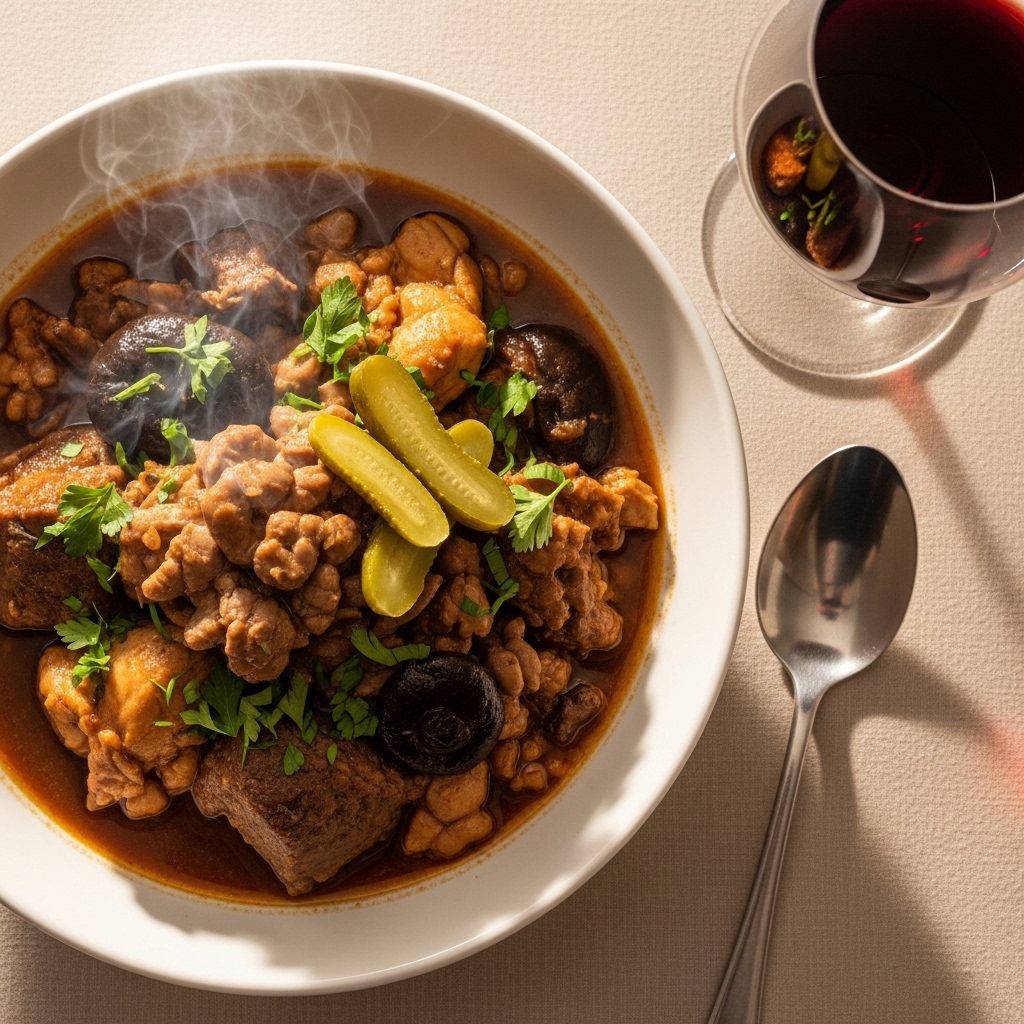
We begin with careful attention to the various meats, as their initial handling sets the stage for the entire dish. The process builds flavor through sequential steps that honor traditional methods while working efficiently in a modern kitchen.
Preparing and cleaning the exotic cuts
Cut chicken into thin strips and trim livers of any membranes. Blanch sweetbreads briefly before cutting them into bite-size chunks. Kidneys need meticulous knife work to remove all fat and connective tissue.
This ensures all pieces cook evenly and contribute their best texture. Proper preparation of these unique parts is essential for the final result.
Creating perfectly browned meatballs and flavor bases
For the meatballs, grind veal stew meat with two ounces of prosciutto and a large shallot in a food processor. Mix this paste by hand with a slice of white bread, salt, pepper, nutmeg, parsley, and one egg.
Roll the mixture into one-inch balls. Lightly flour each batch of meat before browning in hot butter and oil. Work in batches to avoid crowding the pan.
Transfer each browned batch to a wide, deep pan where a cup of broth simmers gently. This keeps the meat moist while you continue cooking.
Mastering the deglazing and seasoning process
After browning all ingredients, deglaze the skillet with wine vinegar. Scrape all the flavorful bits from the pan bottom. Pour this liquid over the waiting meats.
Stir in three ounces of cornichons and six ounces of marinated porcini mushrooms. These ingredients add acidity and earthy depth that balance the rich meat flavor.
Cover the pan and simmer gently for ten minutes. The dish can then rest until serving time, making it practical for planning ahead.
Enhancing Flavors through Technique and Tradition
Traditional cooking wisdom shows its brilliance in the final minutes of preparation. The careful timing of certain additions makes all the difference in achieving balanced flavors.
This approach respects each ingredient’s role while creating harmony in your home kitchen.
Innovative twists while honoring classic methods
Some establishments now use Barolo instead of Marsala wine. This thoughtful change reflects the dish’s evolution within its regional context.
The substitution creates a more delicate result while maintaining authentic character. It demonstrates how traditions can adapt without losing their essence.
Pickled vegetables add both acidity and textural variety. They refresh the palate between bites of rich meats.
The delicate balance of wine, vinegar, and herbs
Adding wine and vinegar just five minutes before serving preserves their bright notes. This timing prevents the alcohol from cooking away entirely.
The combination creates the signature sweet-sour profile that defines the preparation. Each component contributes to the complex final taste.
Herbs like garlic and rosemary should provide foundation without dominating. They infuse gently during simmering rather than asserting aggressively.
This restraint allows the meats’ individual characters to shine through. The result offers variety rather than homogeneous flavor in every bite.
Raising a Toast to Timeless Italian Cuisine
The true reward for preparing this complex dish comes when sharing it with appreciative guests. Their universal agreement that the food was exceptional validates every careful step. The experience transcends simple taste descriptions, creating what one might call a kaleidoscope of pleasures.
Pairing this creation with an aged Barolo wine demonstrates how regional cuisine developed alongside local wines. Traditional matches like this enhance both the food and drink in ways random pairings cannot replicate.
While sourcing authentic ingredients like cock’s combs remains challenging outside Italy, adapted versions still honor the dish’s essential character. The combination of veal, chicken, and mushrooms creates a foundation that respects tradition while working within practical limits.
This preparation represents broader values of Italian cooking—patience, quality ingredients, and respect for regional traditions. By attempting rare dishes like this at home, we participate in preserving culinary heritage rather than just following trends.
Serving such special food transforms ordinary meals into memorable occasions. It reminds us that authentic cuisine thrives when home cooks commit to traditional methods and share these dishes with others.
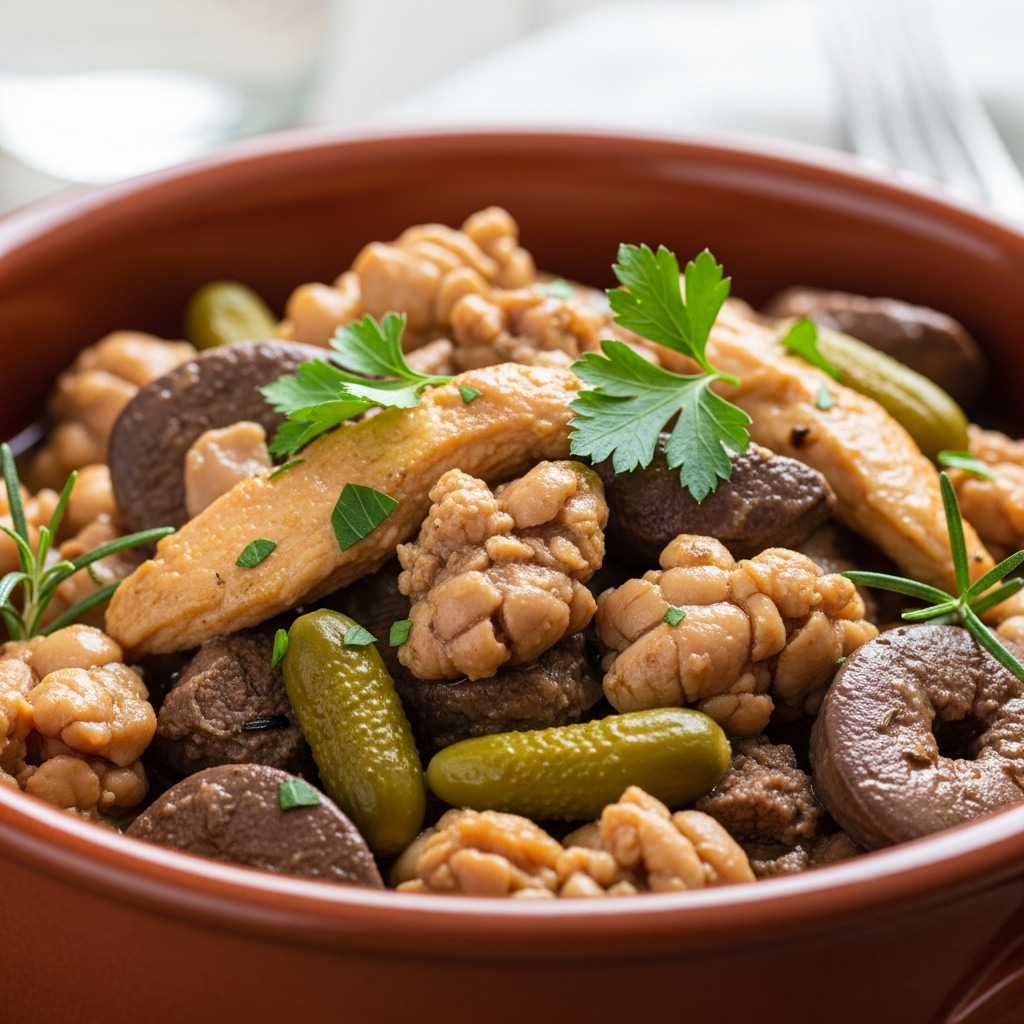
Finanziera Piemontese
Ingredients
Method
- Clean and trim the veal, chicken, sweetbreads, and kidneys. For sweetbreads, blanch them briefly, then cut into chunks. Trim and clean the kidneys, removing any fat and connective tissue.
- In a food processor, grind the veal, prosciutto, and shallot together. Add the bread, egg, nutmeg, parsley, salt, and pepper. Mix by hand and form into one-inch meatballs. Lightly flour them before browning.
- Heat butter and oil in a skillet. Brown the meatballs in batches, avoiding overcrowding. Transfer browned meatballs to a wide, deep pan. Pour in the chicken broth to keep them moist.
- In the same skillet, deglaze with wine vinegar, scraping up all the flavorful bits. Pour this liquid over the meatballs in the pan. Add cornichons and marinated porcini mushrooms. Stir well.
- Cover the pan and simmer for 10 minutes. Optionally, rest the dish for a few hours before serving.
- Just before serving, add a splash of Barolo wine and fresh rosemary or garlic, if desired. Serve with crusty bread or over mashed potatoes.
Notes
- If you can’t find cock's combs or sweetbreads, adapt the recipe by using chicken or veal liver as a substitute.
- The dish is best when made in advance, as the flavors continue to meld the longer it sits.
- Pair this dish with a robust red wine like Barolo to enhance the flavors.