
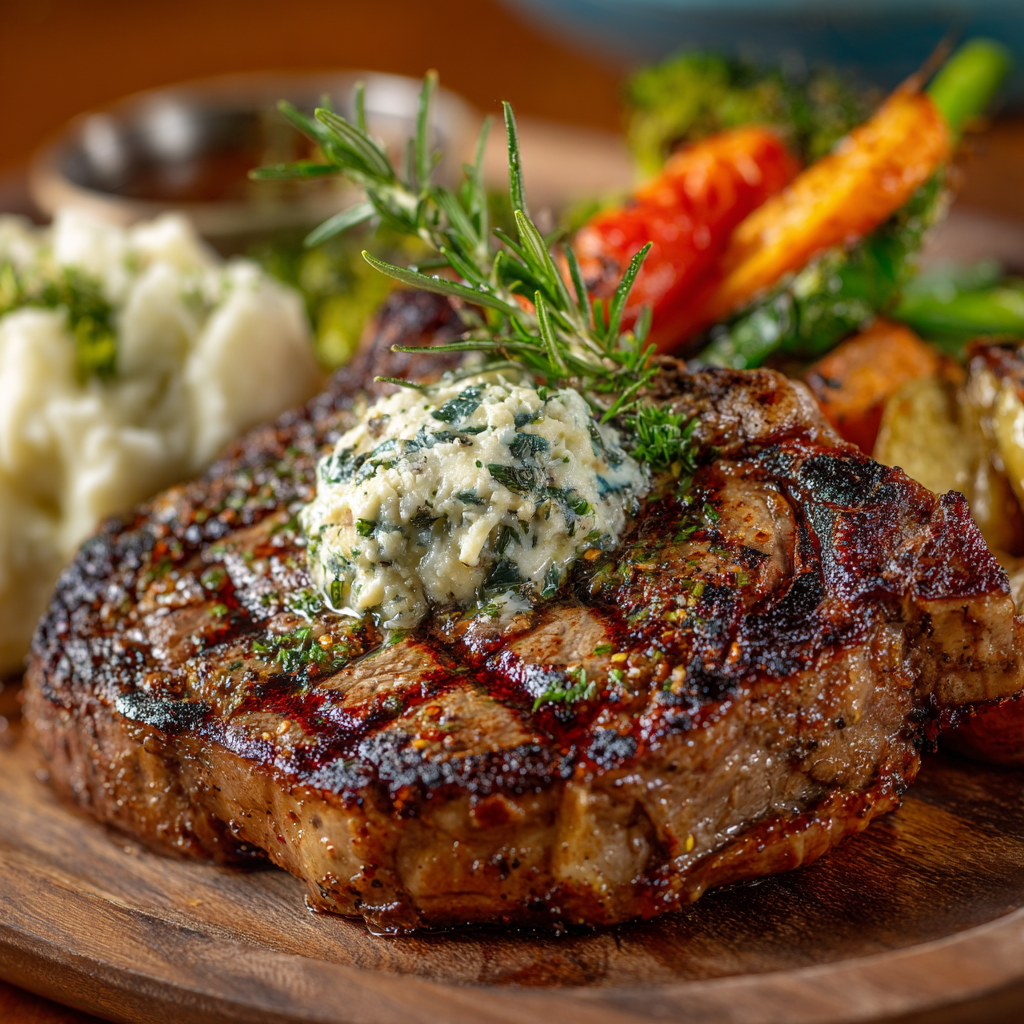
Jump to Recipe
There’s a certain quiet satisfaction that comes from a kitchen filled with good smells. It’s in that moment, when a meal is nearly ready, that the right choice can turn a simple dinner into a memorable experience.
This guide is here to help you navigate that choice with clarity. We will explore the world of robust beverages that are ideal companions for hearty food. The goal is to move beyond guesswork and understand the principles that create harmony on your dining table.
These selections carry distinct personalities shaped by regional heritage and tradition. Understanding their character helps you match them thoughtfully with your cooking. It’s less about rigid rules and more about how flavors and textures work together.
Whether you’re planning a weeknight meal or a special gathering, this information will empower you. You will learn the fundamentals of pairing, from handling bold sauces to appreciating regional nuances. Our focus is on practical advice you can use immediately.
Key Takeaways
- Choosing the right beverage transforms a regular meal into a special occasion.
- Successful pairing is about creating harmony between your food and your drink.
- These selections have unique characters influenced by their origin and grapes.
- Focus on understanding flavor interactions rather than memorizing strict rules.
- This guide provides practical, actionable advice for immediate use in your kitchen.
- Respect for tradition helps in making authentic and satisfying combinations.
- Confidence in selection enhances the entire dining experience for you and your guests.
Discovering the Rich Heritage of Italy’s Red Wines
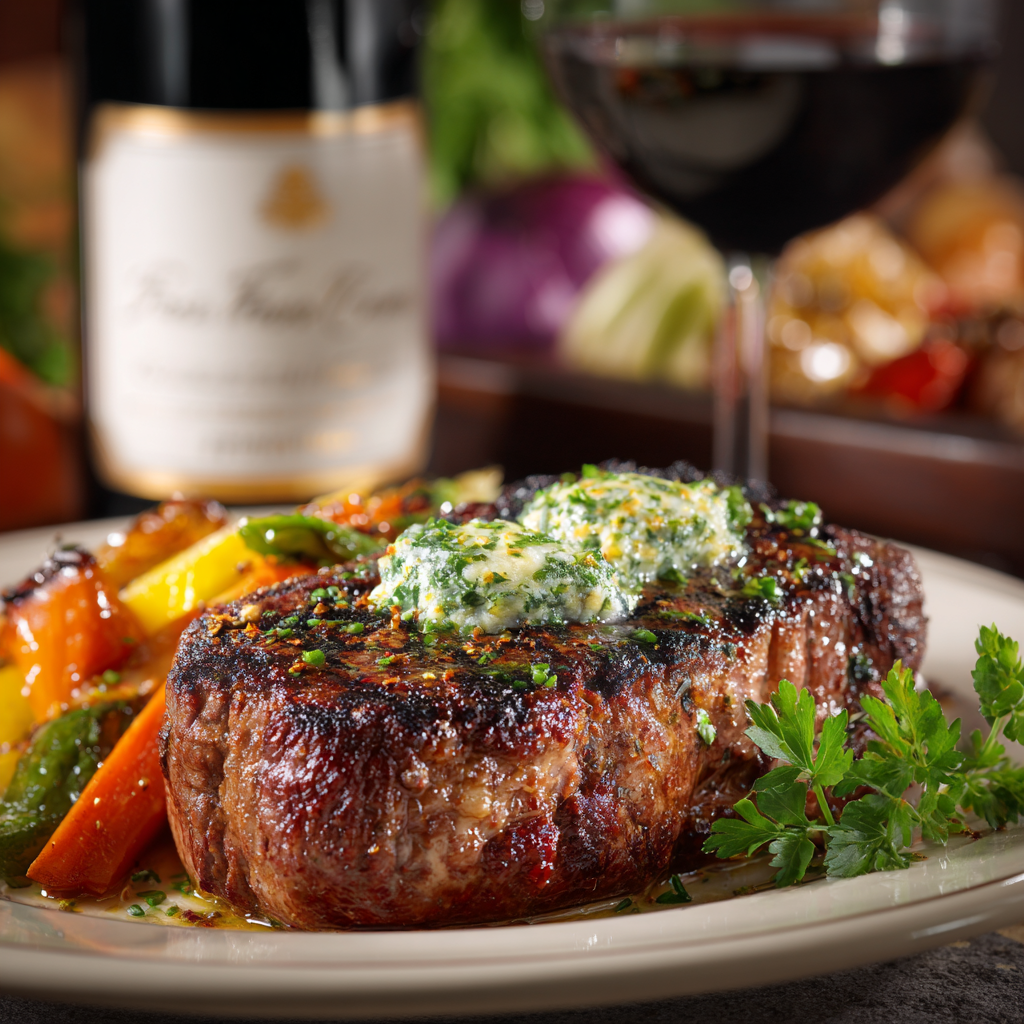
When exploring Italy’s wine heritage, you quickly discover how geography shapes the personality of each bottle. The country’s diverse landscapes create distinct growing conditions that influence the final product.
Embracing Italy’s Wine Regions
Tuscany’s rolling hills produce Sangiovese-based selections like Chianti. These wines made from this grape offer bright acidity and earthy notes.
Piedmont’s cooler climate yields Nebbiolo grapes for powerful Barolo. These age-worthy bottles have firm structure and complex flavors.
Sicily’s warm Mediterranean climate creates bold Nero d’Avola. This grape produces fruit-forward wines with spicy characteristics.
Other regions like Veneto and Abruzzo contribute unique styles. Each area’s tradition informs the wine made there.
Understanding Traditional Winemaking Techniques
Time-honored methods give these wines their distinctive character. Extended maceration builds tannin structure and body.
Aging in large oak barrels allows gradual development. This approach preserves freshness while adding complexity.
The appassimento method involves drying grapes before fermentation. This concentrates flavors for richer, fuller-bodied results.
These techniques create bottles that complement food beautifully. Understanding this process helps when considering Italian wine and food pairings.
Italian winemakers prioritize balance above all else. Their creations enhance meals rather than overwhelming them.
Italian Red Wines for Meat Dishes: Selection and Pairing Fundamentals
The art of pairing is less about rigid formulas and more about understanding how different elements interact on your palate. We can build confidence by focusing on a few key principles. This approach empowers you to make great choices for your table.
Matching Wine Styles with Meats
Start by considering the weight of your meal. A hearty stew or grilled steak needs a beverage with equal presence. Fuller-bodied selections stand up well to these substantial dishes.
Fattier cuts, like ribeye or lamb shoulder, benefit from structured options. Their tannins interact with the fat, creating a cleaner feel. This makes each bite more enjoyable.
For leaner preparations, such as pork tenderloin, look for bottles with bright acidity and fruit notes. They complement the meat’s subtle flavors without overwhelming them. The goal is always balance.
Key Flavor Profiles: Tannins, Acidity, and Fruit
Tannins provide structure and a drying sensation. They are perfect for cutting through rich sauces and fatty proteins. Think of them as a palate cleanser.
Acidity brings brightness and freshness. It prevents heavy meals from feeling too rich. Wines with good acidity can lift an entire dish.
The fruit character—from bright cherry to dark plum—adds another layer. Match its intensity to your seasoning and preparation style. This creates a harmonious final experience on your palate.
Expert Insights on Pairing Wine with Steak, Lamb, and More
Beyond basic principles, real-world experience reveals surprising harmonies between certain bottles and specific cuts. Professional recommendations help bridge theory with practical kitchen success.
Top Recommendations from Food Bloggers
Well-marbled steaks like ribeye shine with Sagrantino di Montefalco. This powerful selection cuts through richness with dark fruit notes.
For Sunday roast beef, Barolo offers structured elegance. Amarone provides concentrated dried fruit flavors that stand up to complex pan drippings.
Barbecue favorites like burgers pair beautifully with Primitivo. Its natural smokiness complements charred, fatty meats cooked over flame.
Lamb finds its match in Super Tuscan blends. These offer berry-rich fruit powerful enough for the meat’s distinctive character.
Sommeliers’ Surprising Pairing Tips
Experts sometimes recommend rosé Champagne with leaner beef cuts. The acidity provides refreshing contrast.
Remember that sauce often matters more than the cut itself. Tomato-based preparations call for Sangiovese, while olive-forward sauces work with Syrah.
For game meats like rabbit, Nero d’Avola brings enough tannins to handle complex stews. Venison pairs wonderfully with Cannonau from Sardinia.
These professional insights come from testing thousands of combinations. They give you confidence for your next special dinner.
Navigating Bold Flavors: Tannins, Acidity, and Complementary Sauces
The final harmony on your plate comes from a delicate chemical dance between your food and your drink. Understanding this interaction is the key to a truly satisfying meal.
Each element plays a specific role. Tannins provide structure and cleanse the palate, while acidity brings brightness and balance.
Balancing Rich Meats and Complex Sauces
Tannins are astringent compounds found in grape skins. They bind with proteins and fats in rich dishes.
This interaction softens the wine’s structure and makes each bite taste fresh. Fatty cuts like ribeye or lamb shoulder benefit greatly from high-tannin selections.
Acidity is equally important. It cuts through richness and mirrors acidic ingredients in your sauce.
Tomato-based sauces or dishes with citrus call for bottles with bright acidity. This creates a balanced flavor profile on the palate.
| Meat & Preparation | Sauce Profile | Recommended Wine Style |
|---|---|---|
| Grilled Steak | Peppercorn, Herb Butter | Full-bodied, Oak-aged |
| Braised Short Ribs | Red Wine Reduction | High Tannins, Complex |
| Roasted Pork Loin | Apple Chutney, Light Jus | Moderate Structure, Fruity |
| Spicy Sausage | Tomato-Based, Garlic | Bright Acidity, Spicy Notes |
For complex sauces with multiple layers of flavor, choose a wine with sufficient depth. The goal is a partnership, not a competition.
Always consider the complete dish—the meat, its preparation, and the sauce—as a unified whole. This thoughtful approach ensures every element shines.
Wrapping Up Your Culinary Journey: Elevating Dinner with Italian Reds
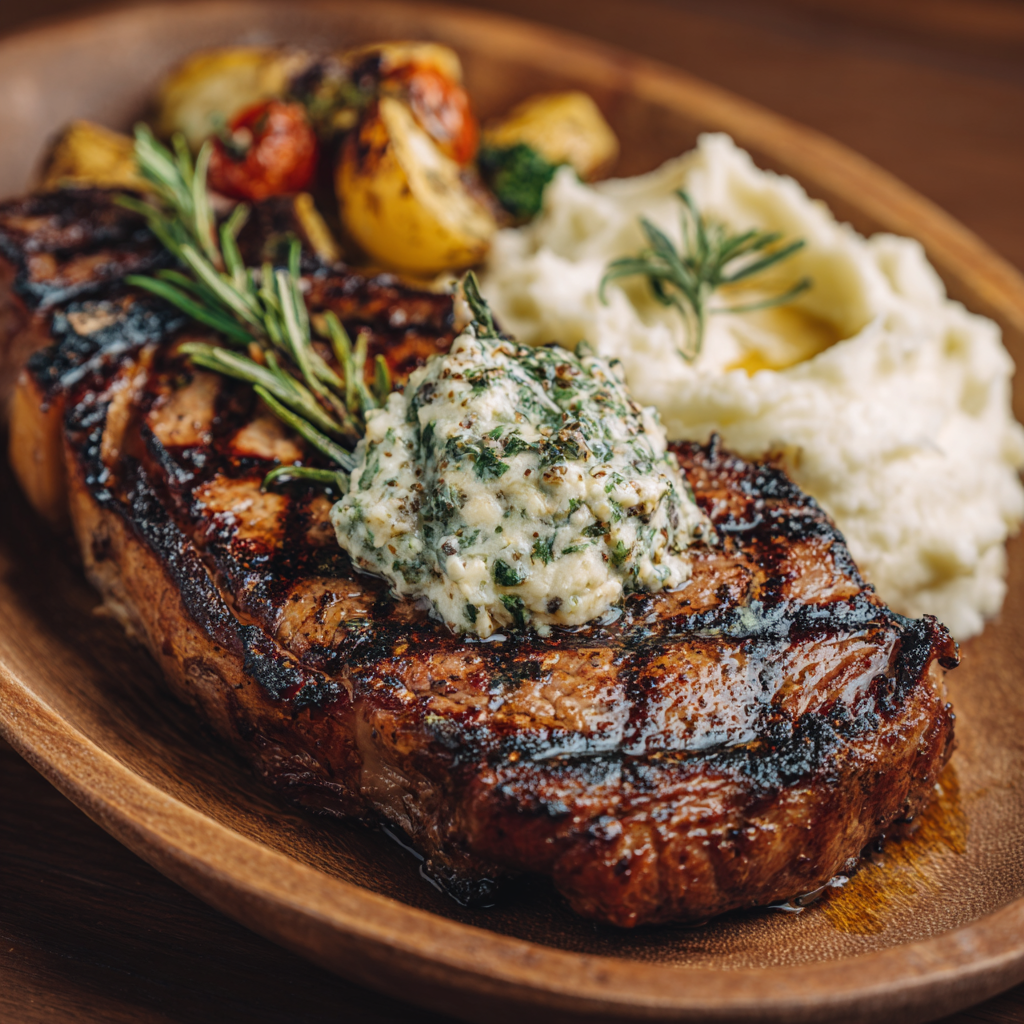
The true joy of pairing comes from discovering combinations that resonate with your personal taste. As you gain experience, choosing the right bottle becomes more intuitive.
Trust your instincts while applying the fundamental principles we’ve discussed. Each meal offers a chance to refine your understanding of how different styles complement various preparations.
Start with reliable matches like Chianti with pork or Barolo with beef. Then explore selections from regions like Abruzzo and Sardinia as your confidence grows.
Remember that excellent options exist at every price point. Building relationships with knowledgeable wine merchants can help you find new favorites.
This journey of discovery enhances your dining experience for years to come. The perfect match is one that brings satisfaction to your table.
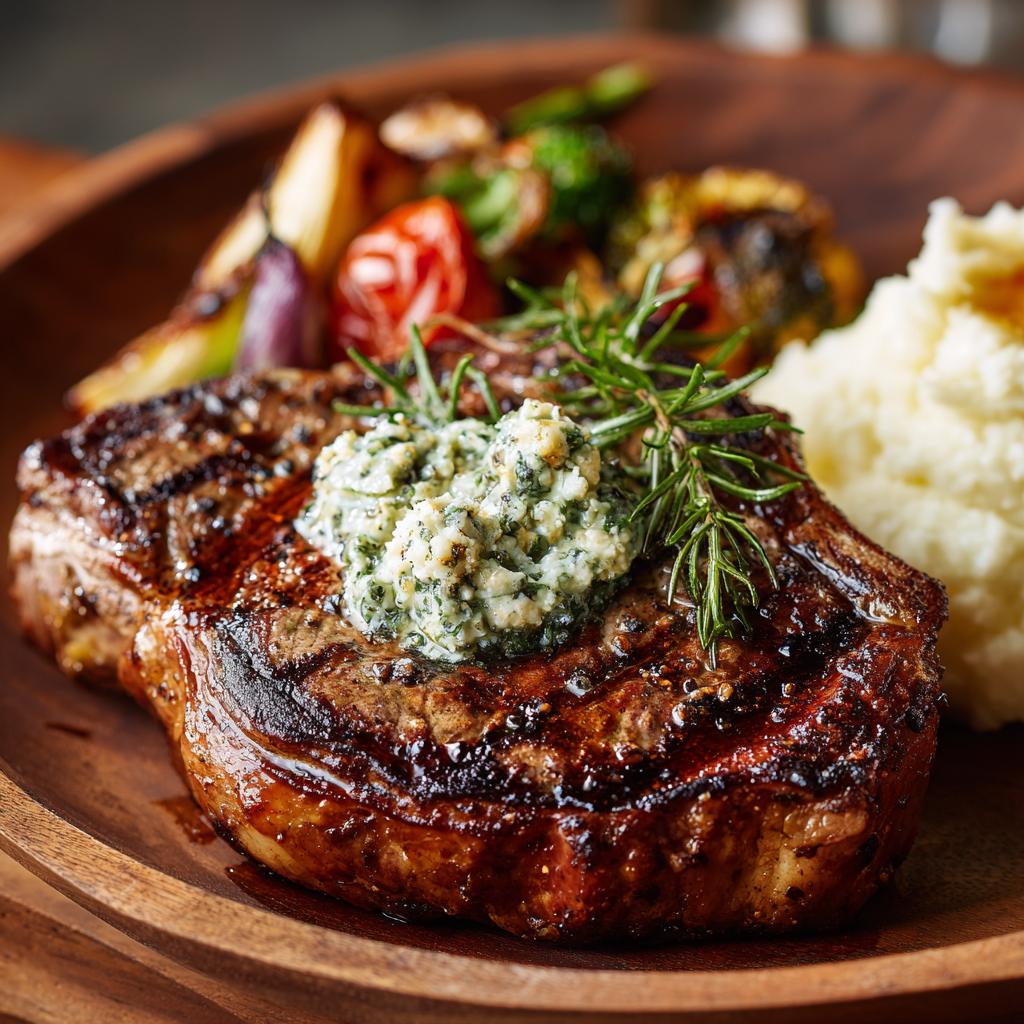
Grilled Ribeye with Peppercorn Herb Butter and Italian Red Wine Pairing
Ingredients
Method
- In a small bowl, mix the softened butter with chopped rosemary, thyme, cracked black peppercorns, minced garlic, and parsley (optional).
- Set aside to let the flavors meld.
- Pat the ribeye steaks dry with paper towels to remove excess moisture.
- Rub each steak with olive oil, then season generously with salt and freshly cracked black pepper on both sides.
- Preheat the grill to medium-high heat.
- Place the steaks on the grill and cook for about 4-5 minutes on each side for medium-rare (adjust for desired doneness).
- Use a meat thermometer to ensure internal temperature reaches 130°F (54°C) for medium-rare.
- Once grilled to your preferred doneness, remove the steaks from the grill.
- Let them rest for 5-7 minutes to allow the juices to redistribute.
- Top each steak with a generous dollop of the prepared herb butter.
- Serve immediately with your choice of sides, such as roasted vegetables or mashed potatoes.
Notes
- Adjust the seasoning on the steak according to your taste preference.
- You can also pair this dish with a robust Italian red wine such as Barolo or Brunello di Montalcino to complement the richness of the ribeye and enhance the overall dining experience.