Jump to Recipe
There’s a simple magic in finding the perfect drink to enjoy with a slice. It turns a regular meal into a small celebration. The right choice can make all the difference, highlighting flavors you love.
Many people feel unsure about what to pick. They worry it requires special training or a very expensive bottle. The good news is, it doesn’t have to be complicated.
The best combinations are based on how ingredients work together. Think about acidity, richness, and texture. These elements help you understand why some matches just feel right.
This guide uses knowledge from professionals who work with food daily. You will get tested suggestions, not just abstract ideas. We will look at specific styles matched to common toppings.
Authentic drinks from a region often complement its local cuisine naturally. They evolved together. The goal is to help you feel confident and enjoy your meal more, with choices that make sense for your table.
Key Takeaways
- The right beverage can transform a simple meal into a special occasion.
- Choosing a drink doesn’t require expert knowledge or a big budget.
- Successful matches are based on how flavors and textures interact.
- Recommendations are practical and come from professional experience.
- Regional drinks often pair naturally with their local cuisine.
- The focus is on building confidence and enjoyment, not following strict rules.
Crafting the Perfect Pizza Experience
Creating harmony between food and drink begins with examining what’s on your crust. Each component contributes distinct flavors and textures that guide your selection.
Understanding the Role of Dough, Cheese, and Toppings
Quality dough forms the foundation of every great pie. It provides a neutral base that can be crisp or chewy depending on preparation. Jim Lahey’s no-knead method offers home cooks an outstanding approach.
Fresh mozzarella adds creamy richness and mild sweetness. This cheese requires beverages that either complement or cut through its texture. Toppings introduce the widest flavor variation.
From delicate herbs to assertive meats, each topping demands different characteristics in your glass. Sauce dramatically affects which choices work best. Tomato-based versions introduce acidity that needs matching.
Highlighting Authentic Italian Pizza Elements
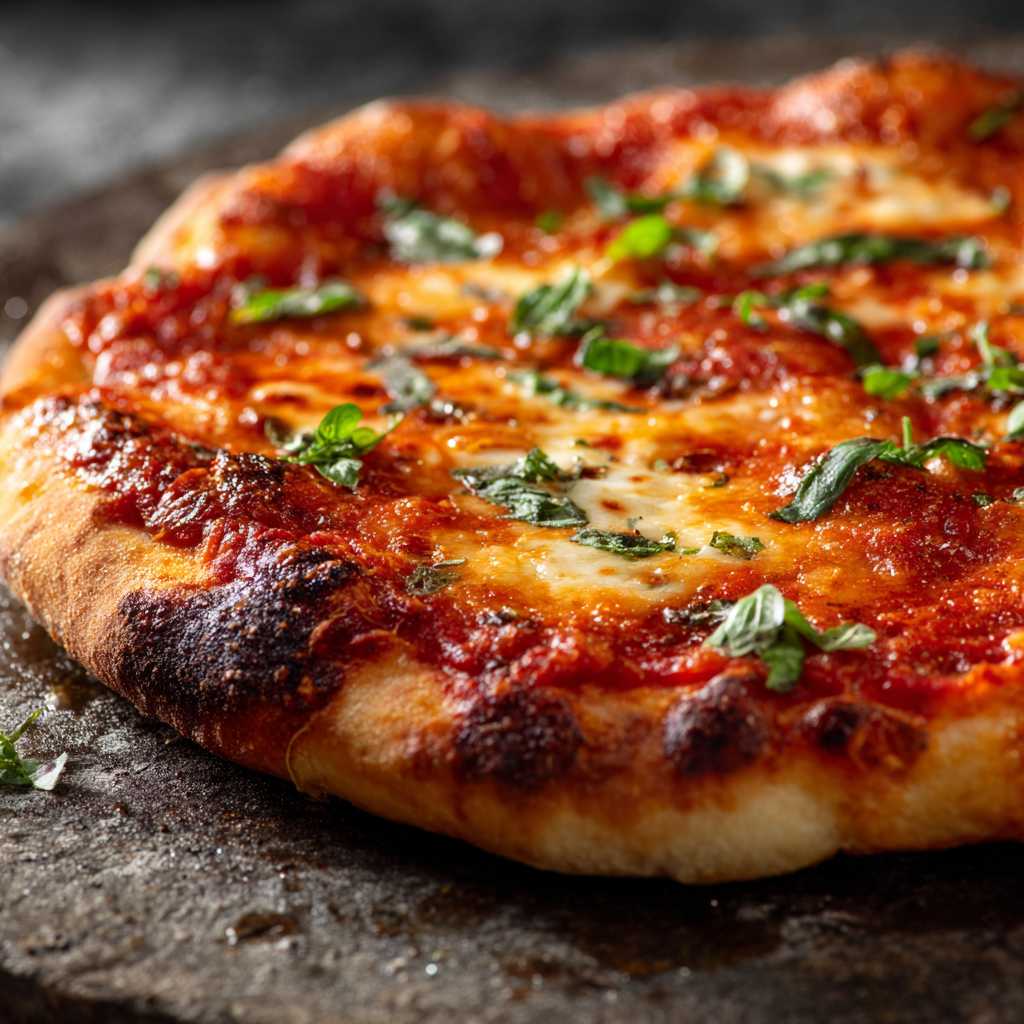
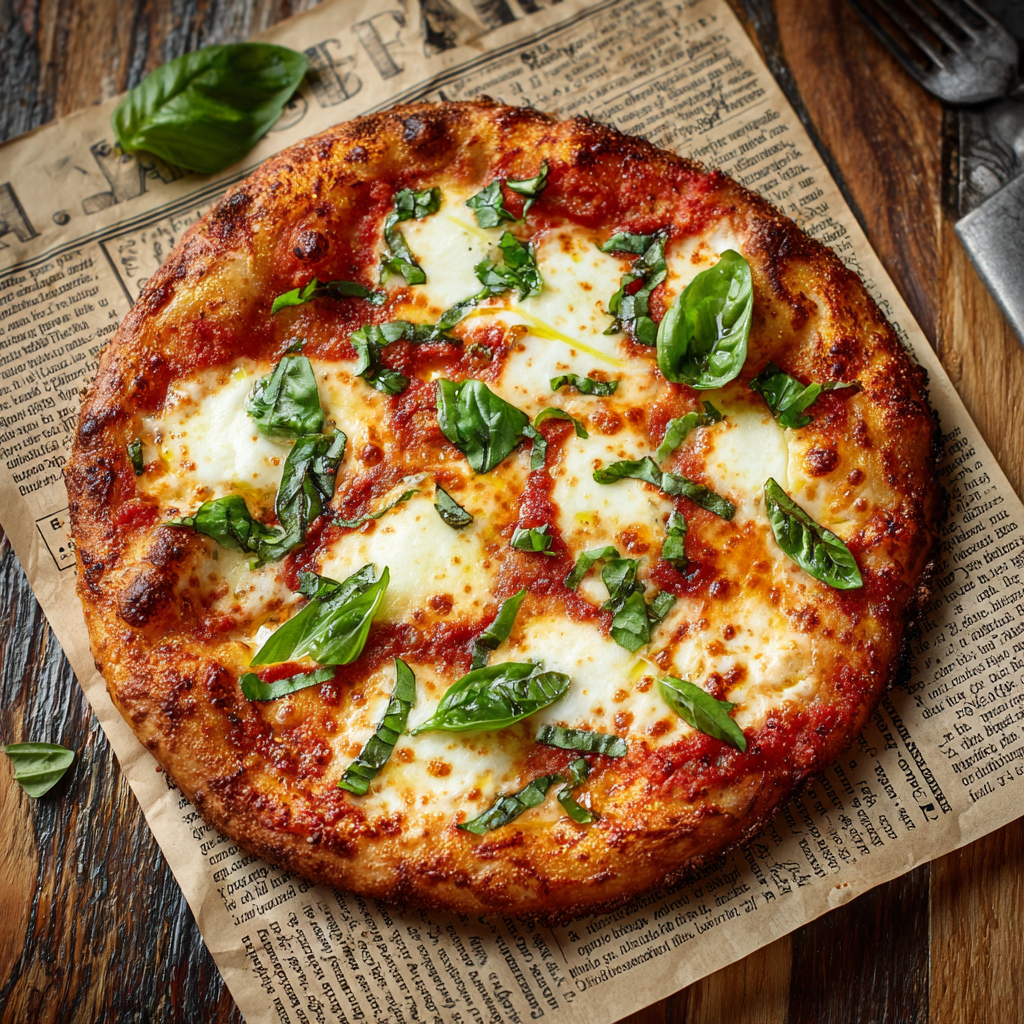
Traditional pies showcase intentional ingredient synergy. The classic Margherita combines acidic tomatoes, aromatic basil, and smooth mozzarella. These elements create natural balance.
Even simple pizzas like Bianco can shine with thoughtful pairing. Quality dough, olive oil, salt, and rosemary create subtle flavors. The right selection should highlight rather than overpower them.
| Pizza Component | Flavor Characteristic | Beverage Consideration | Traditional Example |
|---|---|---|---|
| Dough | Neutral base, textural | Should not clash with crust | Neapolitan-style crust |
| Mozzarella Cheese | Creamy, mild sweetness | Cut through or complement richness | Fresh buffalo mozzarella |
| Tomato Sauce | Acidic, fruity | Match acidity level | San Marzano tomatoes |
| Toppings | Varies widely | Balance intensity | Basil, oregano, cured meats |
Understanding these building blocks explains why certain pizzas work with specific styles. It’s about balance rather than arbitrary matching. Next, we’ll explore how these elements interact with beverage characteristics.
Secrets Behind italian wine pairing for pizza night
Acidity matching forms the foundation of successful combinations according to industry experts. This principle guides professional selections for tomato-based dishes.
The Importance of Acidity and Balance with Tomato Sauce
Tomato sauce contains natural acids that affect your beverage choice. Low-acid options can taste flat when paired with acidic foods.
High-acid selections maintain their brightness alongside tomatoes. They create harmony rather than conflict on your palate.
Navigating Versatile Wines like Barbera and Sangiovese
Joe Campanale, a respected sommelier, champions Barbera for its adaptability. He calls it “the most versatile I know” for handling multiple toppings.
Brovia Barbera from Rosenthal Imports offers a tested option. It delivers necessary acidity while standing up to cheese and various toppings.
Simple Sangiovese versions like Chianti work similarly well. They provide bright acidity without overwhelming your meal.
Alternatives include Loire Valley Cabernet Franc and Beaujolais Gamay. These share the critical combination of acidity and medium body.
| Wine Type | Acidity Level | Best Pizza Match | Expert Recommendation |
|---|---|---|---|
| Barbera | High | Versatile for all types | Brovia Barbera |
| Sangiovese (Chianti) | High | Tomato-based pizzas | Younger, simpler versions |
| Cabernet Franc | Medium-High | Vegetable toppings | Loire Valley styles |
| Gamay | High | Lighter cheese pizzas | Beaujolais producers |
Master Sommelier Jack Mason suggests Barbera d’Alba from Cascina Fontana specifically for Margherita. Its freshness mirrors the pizza’s simplicity perfectly.
Expert Wine Insights for Your Favorite Italian Pizzas
Some dishes naturally lend themselves to specific styles, regardless of personal preference. The right selection can highlight subtle flavors or provide refreshing contrast.
Choosing Between Bold Reds and Crisp Whites
Delicate options like Margherita work well with both categories. The key is matching acidity without overwhelming simple ingredients.
For tomato-based versions, crisp whites like Falanghina offer geographical authenticity. Pinot Grigio provides similar bright structure.
When selecting red options, avoid heavy, oaky bottles. Lighter styles with good acidity complement rather than dominate.
Cheese-heavy creations without sauce need different thinking. The beverage must cut through richness without tomato’s acidic help.
| Pizza Style | Ideal Wine Type | Key Characteristic | Example Selection |
|---|---|---|---|
| Margherita | High-Acidity White or Light Red | Matches tomato acidity | Falanghina, Sangiovese |
| Classic Cheese | Fruity Red with Acidity | Cuts through dairy richness | Pinot Noir, Syrah |
| White Pizza | Bold Red or Sparkling | Handles creaminess | Aglianico, Champagne |
| Bianco (Simple) | Aromatic White | Highlights herbal notes | Fiano di Avellino |
Sommelier Tips for Enhancing Flavor Profiles
Master Sommelier Jack Mason recommends Fiano di Avellino for minimalist Bianco. Its smoky, piney aromas create an exciting comparative pairing.
Sparkling selections work surprisingly well with four-cheese creations. Bubbles cleanse the palate between rich bites.
Professionals identify dominant characteristics in both elements. They then decide whether to match similar flavors or create contrast.
Acidity and tannin prepare your palate for the next bite. This functional aspect goes beyond simple taste matching.
Navigating Classic Pairings from Neapolitan to Meat Lovers
Moving from general principles to specific combinations reveals how versatile pairings can be. Each style presents unique opportunities for harmony.
Pairing Margherita, Funghi, and Bianco with Ideal Wines
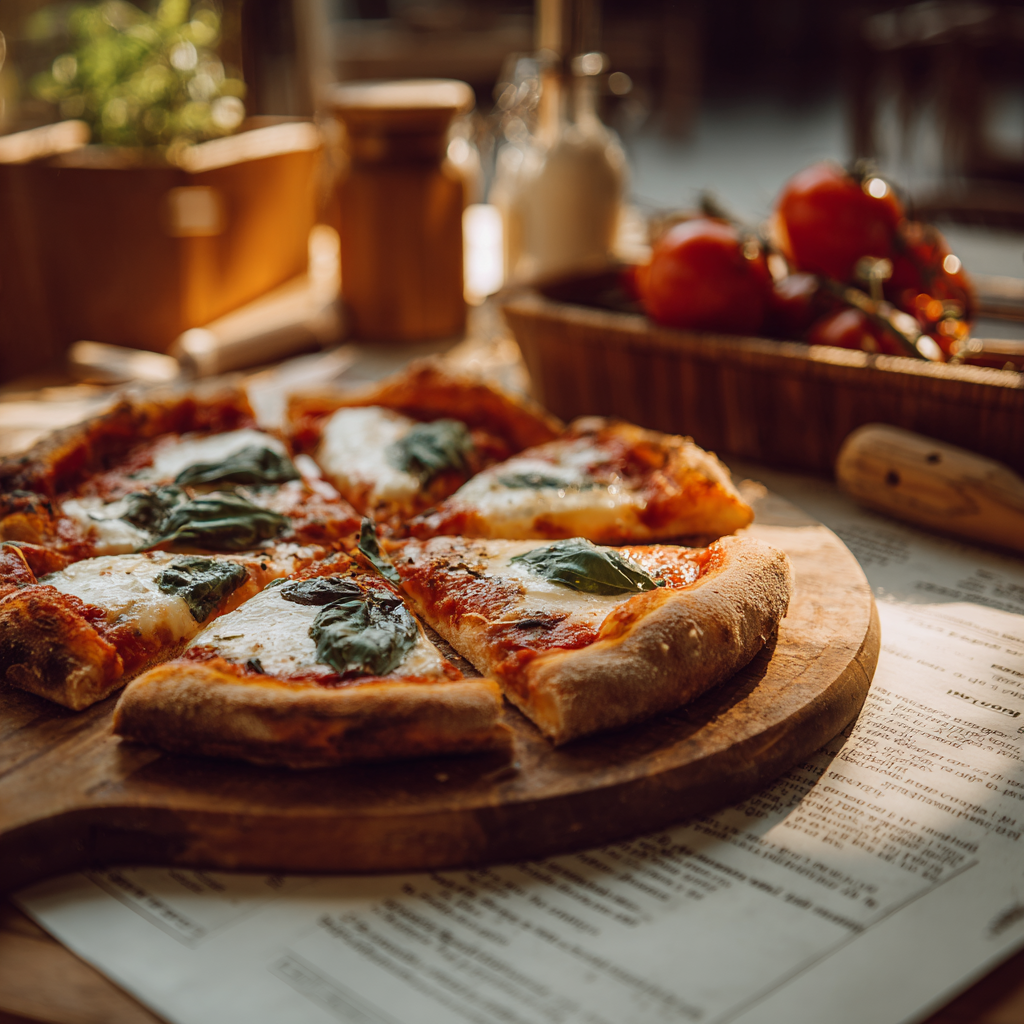
The classic Margherita works beautifully with many styles. Barbera d’Alba offers a traditional red option. Crisp whites like Falanghina provide bright contrast.
Mushroom pizzas demand more complexity. Aged Nebbiolo-based selections like Roero or Barbaresco complement the umami richness. Their softened tannins work well with creamy cheese.
Simple Bianco styles shine with aromatic whites. These highlight the herbal notes without overwhelming delicate flavors.
| Pizza Style | Recommended Type | Key Characteristic | Example |
|---|---|---|---|
| Margherita | Versatile Red or White | Balances tomato acidity | Barbera d’Alba |
| Funghi (Mushroom) | Aged Nebbiolo | Matches earthy complexity | Roero, Barbaresco |
| Bianco | Aromatic White | Highlights herbs | Fiano di Avellino |
Innovative Pairings for Pepperoni, Sausage, and Veggie Pizzas
Sparkling Lambrusco creates magic with sausage toppings. Bubbles cleanse the palate while complementing pork richness.
Pepperoni benefits from medium-bodied options like Barbera or Nero D’Avola. They balance spice and saltiness effectively.
Vegetable creations vary by cheese content. Cheesy versions pair well with earthy Sangiovese. Cheese-free options match nicely with Sauvignon Blanc.
Bringing It All Together: Elevate Your Pizza Night
When you grasp the fundamental principles behind successful combinations, every meal becomes more intentional and satisfying. Great matches aren’t about memorizing rules but understanding core concepts like matching acidity and balancing richness.
Versatile selections like Barbera handle multiple topping styles gracefully. This makes them practical when serving different pies. Your personal preference always matters most.
These recommendations serve as reliable starting points. The relationship between regional drinks and local cuisine reflects centuries of shared development. This explains why certain Italian wine and food pairings feel so natural together.
Start by trying one suggested match with your favorite pie. Notice how the drink interacts with sauce, cheese, and toppings. Excellent combinations exist at various price points, making quality experiences accessible.
The goal is genuine enjoyment where both elements enhance each other. This knowledge transforms casual meals into more thoughtful occasions without added complexity.