
Jump to Recipe
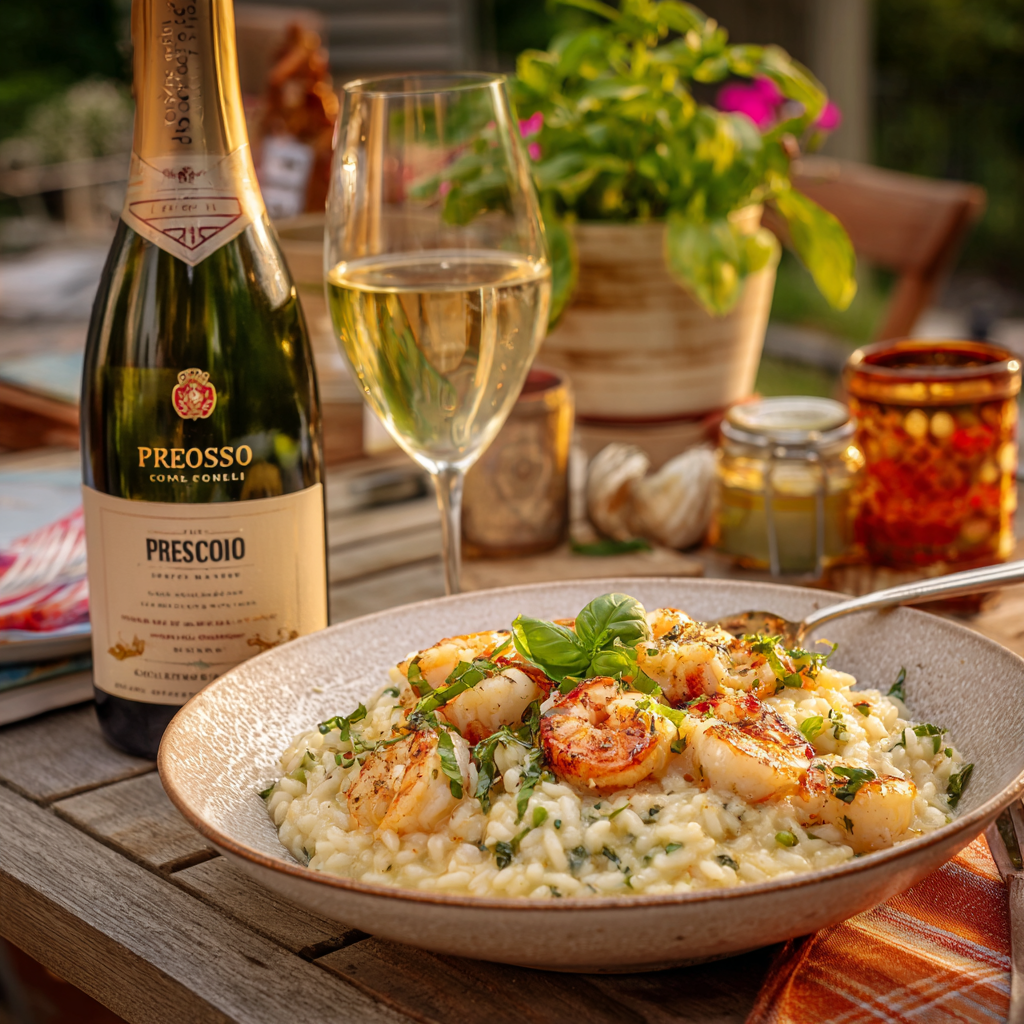
There’s a particular magic to a warm evening, a simple, delicious plate of food, and the perfect glass waiting to be poured. It’s a feeling I cherish, one that turns a meal into a moment. This is the heart of the Italian approach to the table, especially when the days are long and sunny.
Italy’s many regions offer a stunning variety of bottles that seem made for this season. They are designed to refresh and complement, not overwhelm. Think of crisp whites from the coast, lively sparklers, and even some reds that welcome a slight chill. This guide is a practical list to help you bring that effortless Italian summer spirit to your own table.
We’ll explore selections that balance well-known favorites with hidden gems. Each suggestion comes with straightforward pairing ideas for real home cooking. The goal is authentic enjoyment, rooted in tradition, not passing trends. You’ll find options for a quick aperitivo, a leisurely lunch, or a relaxed dinner under the stars.
Key Takeaways
- Italian wine regions produce a diverse range of bottles ideal for warm weather.
- The best selections for the season are refreshing, with good acidity.
- This guide includes sparkling, white, rosé, and chilled red options.
- Recommendations balance popular choices with lesser-known regional finds.
- Each wine suggestion includes practical, home-kitchen-friendly food pairings.
- The focus is on authentic drinking traditions that enhance seasonal meals.
- You can recreate the feeling of an Italian summer through thoughtful wine selection.
Italian Wines for Summer Meals
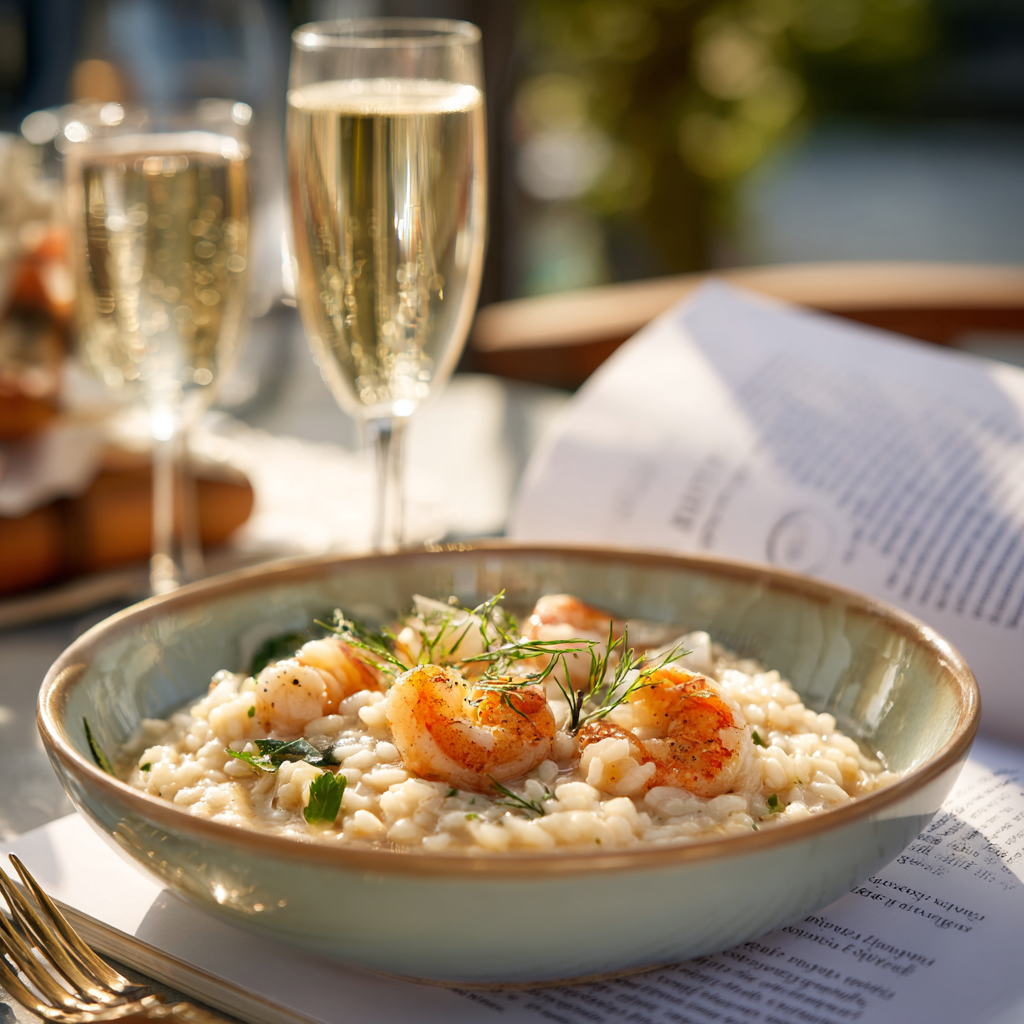
The Italian summer spirit is woven into the fabric of daily life—long, sun-drenched afternoons that transition into breezy evenings. This rhythm shapes how bottles are chosen and enjoyed. It’s about refreshment and companionship, not just the drink itself.
Why These Wines Capture the Italian Summer Spirit
Think of beach picnics and the ritual of aperitivo. Winemaking traditions have long considered this season. Certain styles are intentionally crafted for warm-weather consumption.
They are designed to complement lighter fare. The focus is on vegetables, seafood, and simple preparations. This food culture has directly influenced which bottles became prominent.
The Perfect Balance of Acidity and Flavor
Acidity is the backbone of a great warm-weather selection. It provides a clean, refreshing sensation on the palate. This zesty quality cuts through richer dishes and prevents the taste from feeling heavy.
Winemakers achieve a delicate balance. They create bottles with bright fruit flavors and enough structure to be interesting. The goal is a drink that remains light enough for multiple glasses.
Italy’s diverse climates play a key role. Alpine breezes and coastal influences allow grapes to develop fully while retaining their natural vibrancy. This results in selections that genuinely shine during the hotter months.
| Trait | Role | Example in a Bottle | Food Pairing Benefit |
|---|---|---|---|
| High Acidity | Provides refreshment and cleanses the palate | Crisp, zesty finish | Cuts through the richness of olive oil and cheese |
| Light Body | Feels refreshing, not filling | Delicate mouthfeel | Complements rather than overwhelms light dishes |
| Bright Fruit Notes | Adds appeal without sweetness | Hints of citrus or green apple | Echoes the flavors in seasonal salads and seafood |
| Moderate Alcohol | Promotes easy drinking over a long meal | Smooth, balanced profile | Allows the focus to remain on the food and company |
Understanding these core principles helps you choose appropriate bottles. It goes beyond any specific recommendation list. You can confidently select a drink that enhances your own seasonal table.
Sparkling Wines: From Prosecco to Franciacorta Rosé
The gentle pop of a cork opening a bottle of sparkling wine marks the beginning of many memorable outdoor gatherings. These effervescent selections bring lightness and celebration to the table.
Valdo Prosecco’s Celebratory Bubbles
Prosecco stands as Italy’s most recognized sparkling wine. Valdo offers excellent examples with refreshing bubbles and crisp acidity.
Their Marca Oro Brut works beautifully for brunch or light appetizers. The Rosé version brings fruity notes that complement seafood at sunset. Both selections pair well with creamy risotto.
Franciacorta Rosé and Its Zesty Finish
Franciacorta Rosé represents a step up in complexity. Made using the traditional method similar to Champagne, it offers refined bubbles.
Lake Iseo’s climate creates ideal conditions for Chardonnay and Pinot Noir grapes. You’ll notice strawberry and rose aromas with a toasted almond finish. The zesty quality handles both fried foods and delicate seafood.
| Type | Production Method | Key Grapes | Best Food Matches |
|---|---|---|---|
| Prosecco | Tank Method | Glera | Light appetizers, seafood |
| Franciacorta Rosé | Traditional Method | Pinot Noir, Chardonnay | Fried dishes, delicate fish |
| Moscato d’Asti | Partial Fermentation | Moscato Bianco | Fruit desserts, spicy dishes |
Moscato d’Asti offers another option with slight sweetness and floral aromatics. Its gentle bubbles work well with fruit-forward or spicy preparations.
Refreshing Whites to Complement Light Dishes
White wines with bright acidity and mineral character provide the ideal counterpoint to lighter fare. They refresh the palate without dominating the meal.
These selections work beautifully with vegetable-focused dishes and seafood. Their crispness cuts through richer elements while highlighting fresh ingredients.
Crisp Pinot Grigio and Soave Classico Insights
Pinot Grigio from Friuli-Venezia Giulia offers more body than generic versions. The Alpine foothills give this grape richness with peach and tropical notes.
Pair it with herb-heavy dishes like pesto wraps or caprese salad. The green flavors make the wine’s natural acidity pop.
Soave Classico comes from the Garganega grape grown in volcanic soils. This creates pronounced minerality and crisp structure.
It handles richer seafood like buttery scallops beautifully. The acidity cuts through fat while complementing sweetness.
| Wine | Primary Grape | Key Characteristics | Ideal Pairings |
|---|---|---|---|
| Friulian Pinot Grigio | Pinot Grigio | Medium body, peach notes, bright acidity | Herb salads, pesto dishes, light wraps |
| Soave Classico | Garganega | Mineral-driven, crisp, structured | Buttery seafood, rich pastas, grilled fish |
| Tuscan Bianco | Vermentino blend | Coastal character, citrus notes | Seafood appetizers, light pasta |
| Alto Adige Sylvaner | Sylvaner | Alpine freshness, pronounced minerality | Vegetable dishes, fresh cheeses |
Other regions offer excellent options too. Tuscan whites often show coastal influence with citrus notes.
Alto Adige selections provide Alpine freshness perfect for vegetable-forward meals. Each region brings unique character to the table.
Bold and Chilled Reds for a Summer Twist
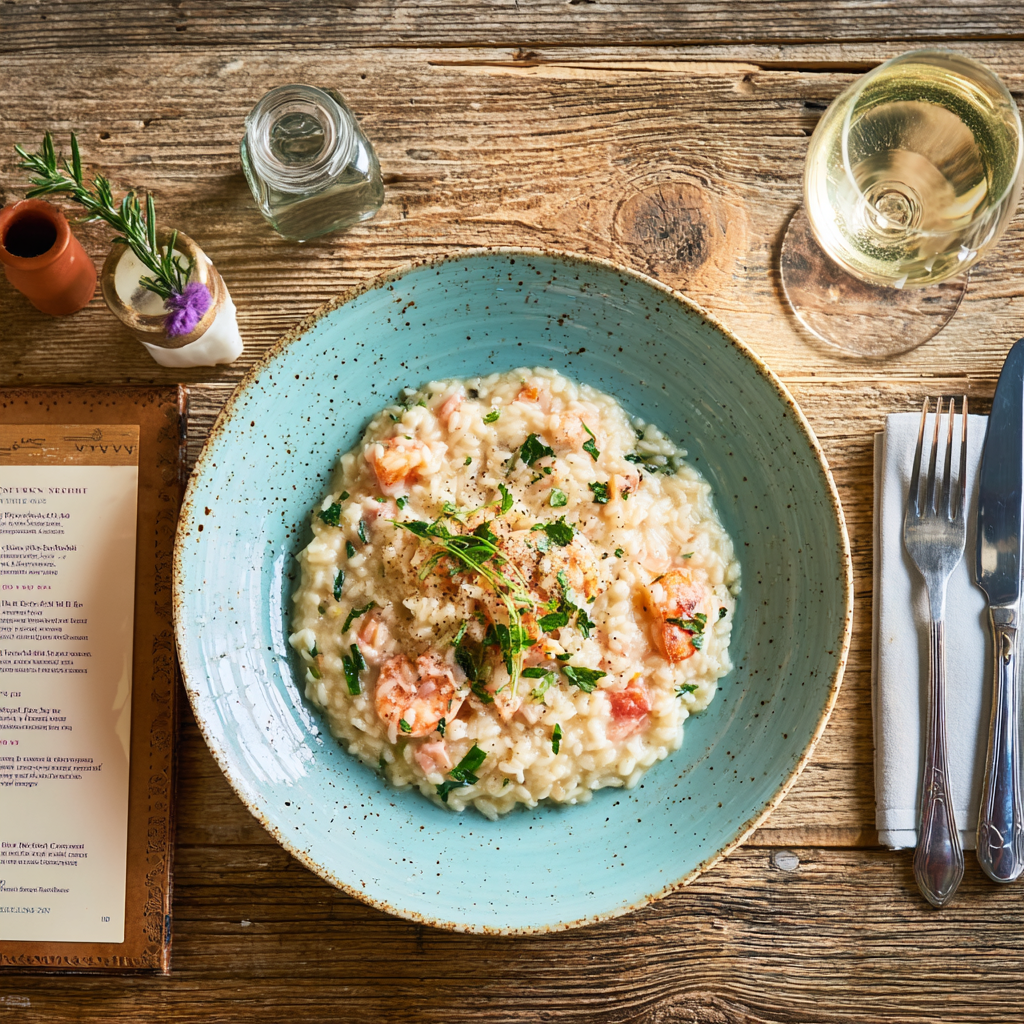
Many people assume red wine is too heavy for warm weather, but Italy’s tradition of serving chilled reds proves otherwise. These selections offer refreshing alternatives when temperatures rise.
Innovative Chilled Reds and Their Unique Profiles
Etna Rosso from Sicily demonstrates how volcanic soils create exceptional summer reds. Nerello Mascalese and Nerello Cappuccio grapes grow on Mount Etna’s slopes.
The high-altitude vineyards yield wines with bright acidity and mineral character. You’ll discover pomegranate and sour cherry flavors with subtle smoky notes.
Cerasuolo di Vittoria offers another Sicilian option. Frappato and Nero d’Avola grapes create a balanced blend. It handles grilled swordfish or pulled pork beautifully.
| Wine | Region | Key Grapes | Best Serving Temperature | Food Pairings |
|---|---|---|---|---|
| Etna Rosso | Sicily | Nerello Mascalese, Nerello Cappuccio | 55-60°F (13-15°C) | Grilled meats, burgers, pizza |
| Cerasuolo di Vittoria | Sicily | Frappato, Nero d’Avola | 55-60°F (13-15°C) | Grilled fish, pulled pork |
| Bardolino | Veneto | Corvina | 50-55°F (10-13°C) | Light cheeses, salads |
| Schiava | Alto Adige | Schiava | 50-55°F (10-13°C) | Cheese plates, lighter proteins |
Exploring Lighter Reds in Warm Weather
Bardolino from Veneto showcases the Corvina grape’s versatility. It delivers black pepper notes and fruity character.
Alpine selections like Schiava from Alto Adige offer cranberry-driven tanginess. These lighter-bodied options work wonderfully when chilled.
Abruzzo’s Montepulciano provides a bolder choice that still suits seasonal contexts. It complements grilled meats and even tiramisu.
Remember to chill red wines appropriately—cool enough to refresh but not so cold that flavors disappear. Aim for 50-60°F depending on the style.
Regional Flavors: Exploring Italy’s Diverse Vineyard Stories
The connection between place and bottle runs deep in Italy. Centuries of tradition meet unique local conditions in each region. This creates distinct expressions that reflect their specific geography.
From Tuscany to Abruzzo: Terroir and Tradition
Northern areas like Alto Adige benefit from Alpine influences. Cooler temperatures yield selections with crisp acidity. The mineral character comes from mountainous soils.
Central regions balance Mediterranean warmth with varied elevations. Diverse soil types create complex profiles. Each area develops its own interpretation.
Southern growing areas feature volcanic influences. Warm climates produce ripe fruit character. The mineral qualities are particularly distinctive.
| Region Type | Geography & Climate | Key Grapes | Distinctive Traits |
|---|---|---|---|
| Northern (Alto Adige) | Alpine slopes, cool temperatures | Pinot Grigio, Schiava | High acidity, mineral notes |
| Central (Tuscany) | Hillside vineyards, Mediterranean | Sangiovese, Vermentino | Balanced structure, elegance |
| Southern (Sicily) | Volcanic soils, warm climate | Nero d’Avola, Grillo | Ripe fruit, distinctive minerality |
| Coastal (Marche) | Sea influence, moderate climate | Verdicchio, Montepulciano | Bright acidity, coastal character |
Discovering Hidden Gems Across Italian Regions
Family producers maintain traditional approaches while adapting. The Masciarelli family in Abruzzo exemplifies this balance. They preserve local grape varieties through careful cultivation.
Some areas remain underappreciated despite excellent quality. These hidden gems offer authentic experiences. They represent the true diversity of Italian winemaking.
Exploring different regions reveals how geography shapes character. Each bottle tells a story of its specific place. This diversity makes the exploration rewarding.
Food Pairings that Elevate Your Seasonal Recipes
Thoughtful food pairings can elevate everyday dishes, creating harmony between plate and glass. The right match enhances both elements, revealing flavors you might otherwise miss.
Good pairings consider acidity, texture, and preparation methods. This approach works for any meal, from quick lunches to leisurely afternoon gatherings.
Pairing Light Appetizers, Seafood, and Pastas
Start with light appetizers where crisp selections shine. They cut through creamy preparations beautifully.
For seafood dishes, match the wine’s body to the cooking method. Delicate fish pairs well with lighter options, while grilled selections need more structure.
Pasta dishes benefit from considering the sauce. Tomato-based preparations love high acidity. Creamy sauces pair well with selections that have good mineral character.
- Light salads with citrus and herbs complement crisp, high-acid choices
- Grilled vegetables and chicken work with medium-bodied options
- Rich meats need selections with enough tannin or acidity to balance
- Consider serving temperature – cooler for lighter dishes, slightly warmer for richer foods
The best pairings consider the entire dish, not just the main ingredient. Trust your palate and experiment with different combinations.
A Toast to an Unforgettable Italian Summer
Building a working knowledge of Italian selections takes time, but starting with these regional examples provides a solid foundation. From Alpine whites with minerality to volcanic reds with cherry and strawberry notes, the diversity offers something for every occasion.
Try one bottle from each major category—sparkling, white, rosé, and chilled red—to discover your preferences. Many remain reasonably priced despite their quality, making exploration accessible for regular meals. Keep a few styles on hand throughout the season.
Remember the connection between wine and place. Think about the vineyards, families, and winemaking traditions behind each bottle. The goal is effortless enjoyment during long afternoons and relaxed meals.
These selections work equally well for holiday gatherings or simple weeknight dinners. For deeper insights into creating perfect combinations, explore our guide to Italian wine and food pairings. The true spirit lies in sharing good bottles around the table.
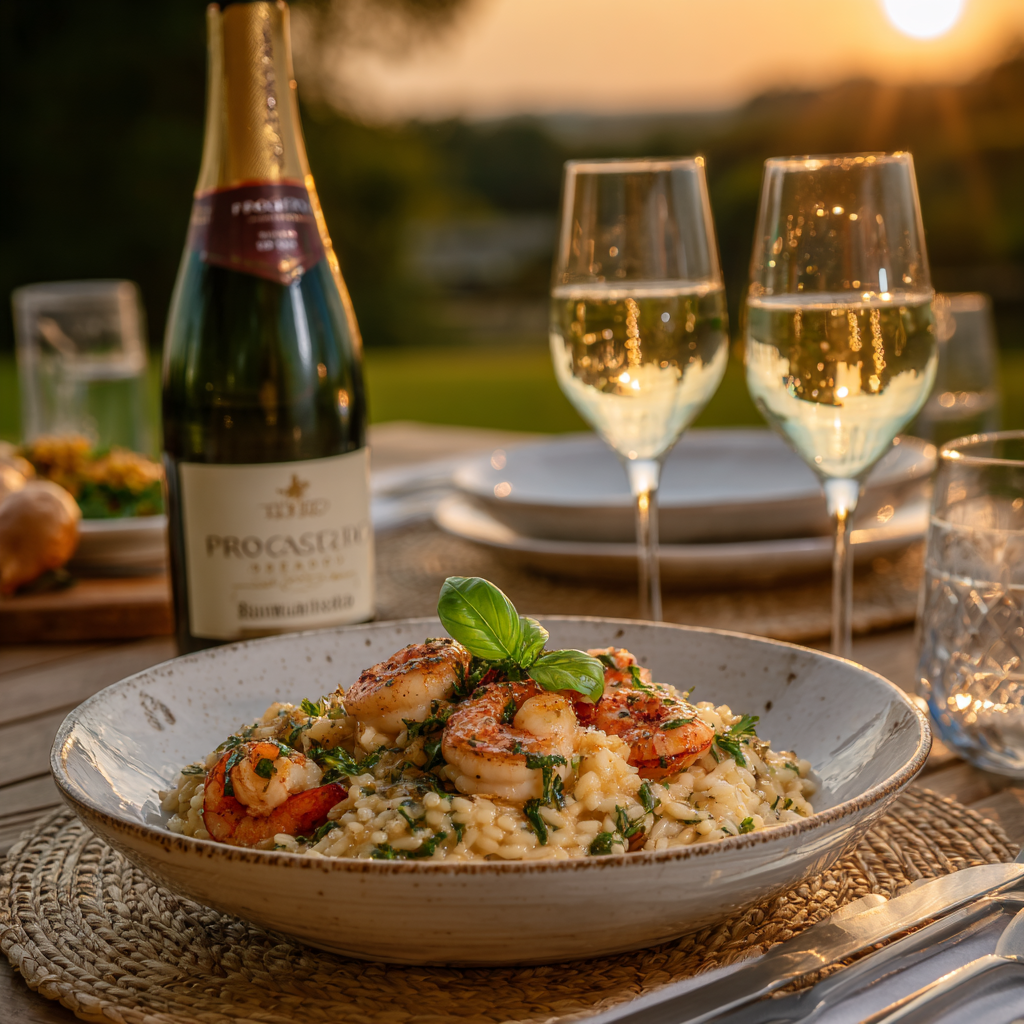
Seafood Risotto with Prosecco and Fresh Herbs
Ingredients
Method
Notes
- For a richer flavor, you can substitute seafood stock with clam juice or fish broth.
- If you prefer a non-alcoholic version, use sparkling water or a non-alcoholic sparkling wine instead of Prosecco.
- You can add a squeeze of fresh lemon juice right before serving for extra brightness.