
Jump to Recipe
Have you ever wondered how a handful of good ingredients can capture the sea on a plate?
This coastal Italian pasta pairs sweet, briny sea urchin roe—often sold as uni—with simple olive oil and garlic to make a sauce that feels rich but never heavy. You should expect clean ocean brine, buttery notes, and a bright finish rather than a cream-laden dish.
The core idea is straightforward: cook pasta, warm garlic in oil, use starchy pasta water to create a glossy emulsion, and fold in uni off the heat so it stays delicate. This method keeps flavors pure and texture silky.
This version is for home cooks in the United States who can source fresh urchin or a high-quality tray of uni and want a reliable, restaurant-style result without fuss. The hardest part is finding good uni; the cooking itself is fast once the water boils.
On this page you’ll find coastal context, smart shopping tips, a step-by-step method for a silky sauce, and simple serving ideas that honor the classic.
Key Takeaways
- Expect sweet-briny, buttery flavors with a bright finish.
- Technique centers on garlic-olive oil, starchy water, and off-heat uni folding.
- Few ingredients mean quality matters more than quantity.
- Best for US cooks who can access fresh urchin or good uni.
- Cooking is quick; sourcing is the only tricky bit.
- Page roadmap: background, shopping, method, serving, and slight variations.
Why spaghetti ai ricci di mare tastes like the Italian coast
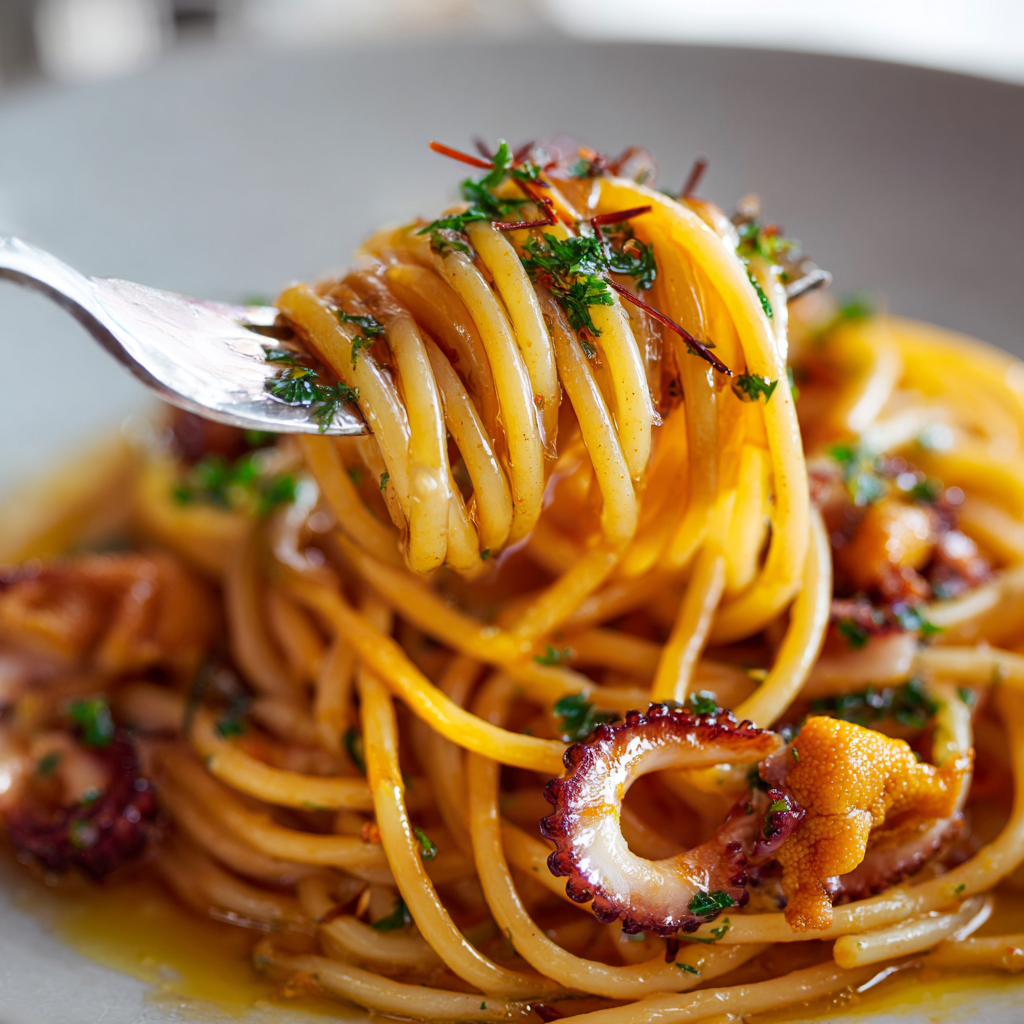
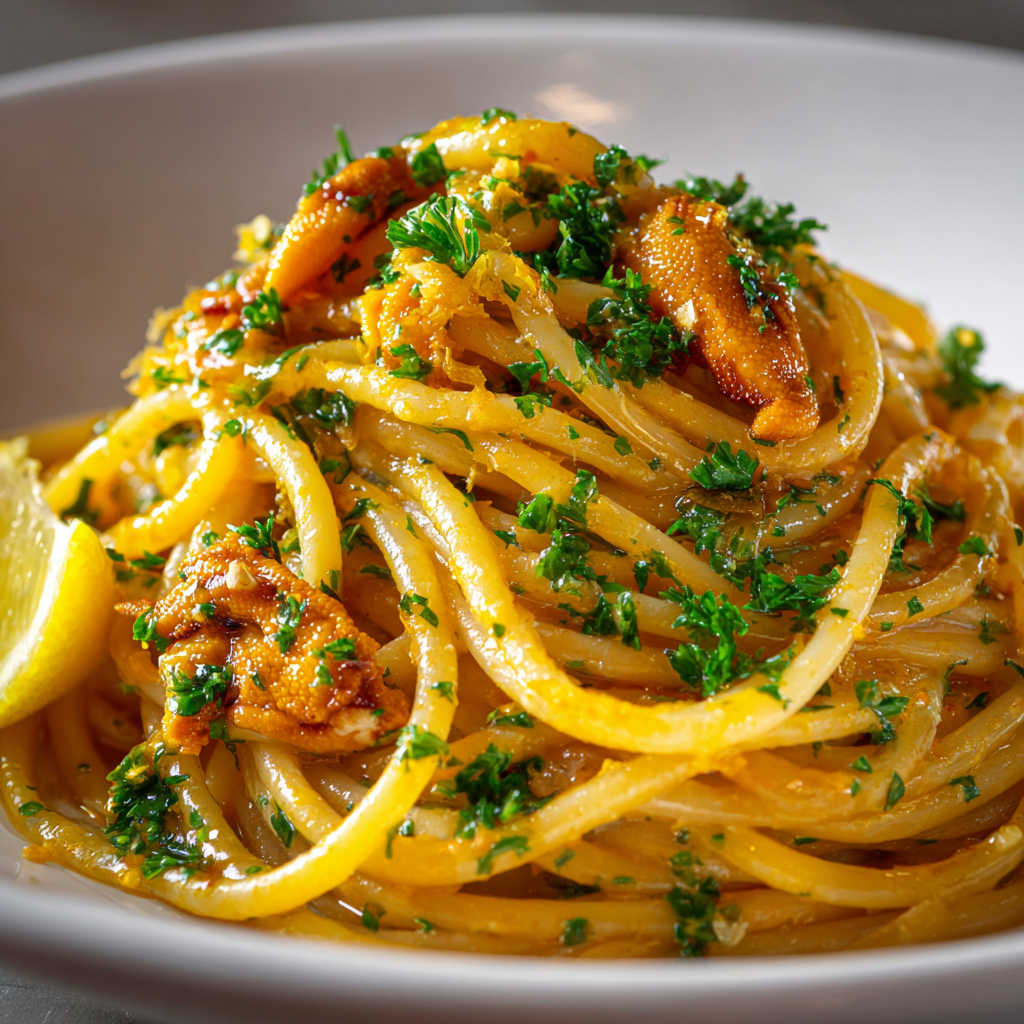
This coastal pasta captures the sea’s scent and simple traditions in a single bowl. The name in Italian literally means “hedgehogs of the sea,” a clear image for the spiky shell you might see at a fish counter.
What the edible parts are and why chefs call them “tongues”
We eat the bright orange-yellow lobes that produce roe. On US menus they are often sold as uni; in kitchens they get called “tongues” because each segment looks tongue-shaped and has a soft, almost creamy feel.
Where it’s loved along Italy’s shores
The flavor reads sweet-briny and mineral when very fresh, with a rich mouthfeel that coats pasta quickly. Coastal cooking keeps the supporting ingredients minimal — extra-virgin olive oil, garlic, parsley and a touch of lemon — so the urchin stays the star.
You’ll find this on tables from Puglia to Sicily and Sardinia, regions that prize top-quality urchin. One timing note: the aroma fades with time, so plan to serve this soon after the uni hits the bowl.
spaghetti ai ricci di mare recipe ingredients and smart shopping tips
Choosing the right sea urchin sets the whole dish. Look for uni tongues that hold shape, are bright orange or yellow, and give a clean, ocean-like scent. Avoid mushy, watery pieces or trays with a muddy surface; those are past their prime.
In the United States, reliable sources include Japanese fish markets and specialty dealers. Fulton Fish Market, Browne Trading, and Catalina Offshore Products are good online options that emphasize freshness and responsible sourcing. Uni is easiest to find from late summer through fall into early winter.
Plan 1 to 1.5 ounces of uni per serving (about 4–8 tongues). The flavor is concentrated; more isn’t always better. Store refrigerated and use within 1–2 days for best taste.
- Short ingredient list: long pasta for coating, extra-virgin olive oil for richness, garlic for gentle aroma, parsley for freshness, a squeeze of lemon juice for balance, and a pinch of salt.
- Optional boosters: a splash of dry white wine or dry sake, and a pinch of mild red pepper flakes for warmth.
The step-by-step method for a glossy sea urchin sauce in minutes
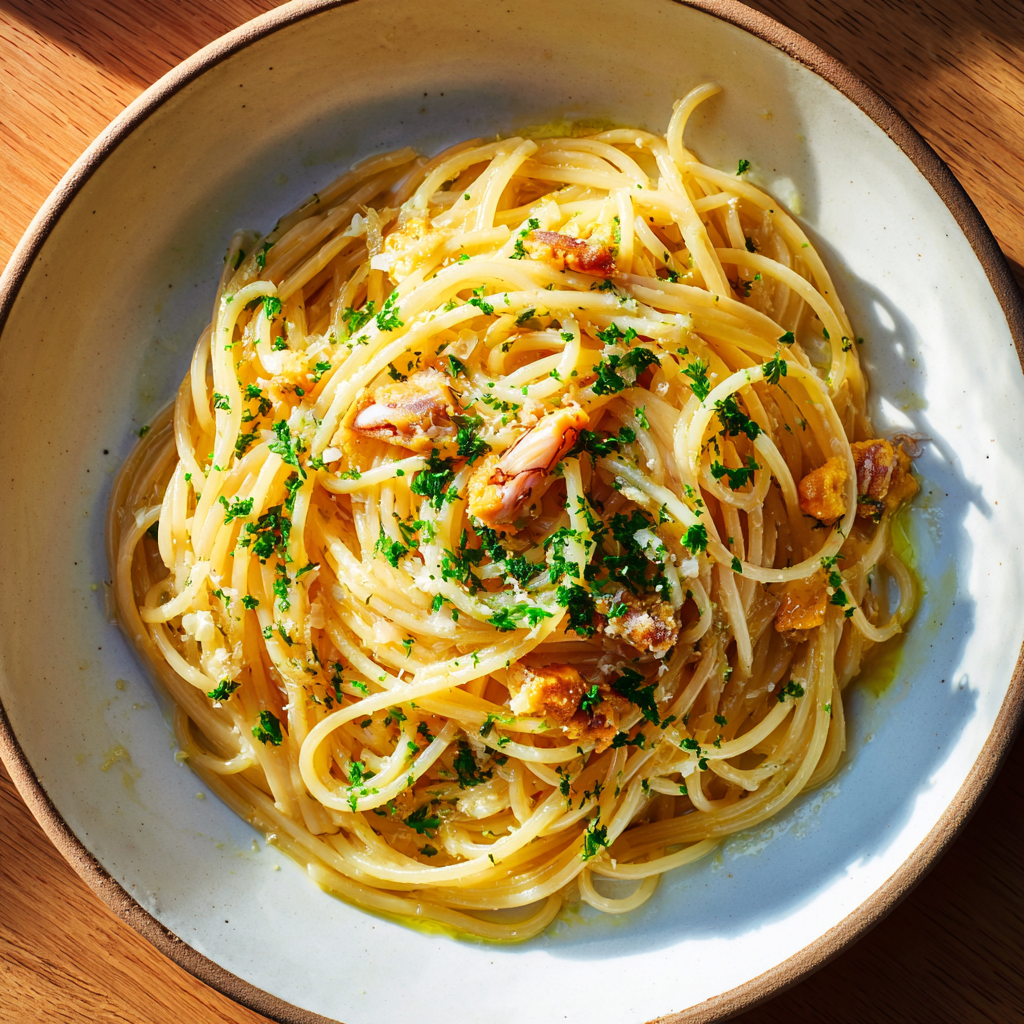
A few decisive steps turn fresh sea urchin into a glossy, restaurant-style sauce in under twenty minutes. Start by bringing a large, heavy-bottomed pot of water to a full boil so cooking time stays predictable.
Salt the water until it tastes like a heavily seasoned soup—this is the only chance to season the pasta from within. Add pasta and cook to al dente, then reserve 1 to 1¼ cups of pasta water before draining.
Meanwhile, mash 12 sea urchin tongues with 1 tablespoon olive oil, 1 tablespoon cold water and a pinch of salt until loose and spoonable. Chill this mixture until the pasta is ready; keeping it cool preserves that fresh, sweet-briny note.
When the noodles are halfway done, warm ¼ cup oil in a wide pan over medium-low. Add sliced garlic and toast gently for 3–4 minutes until golden and fragrant, then discard the garlic so the oil stays sweet, not bitter.
Add 1 cup of the reserved pasta water and bring the pan to a simmer. Add the drained pasta, raise the heat, and toss hard and fast with chopped parsley for about one minute to create a glossy emulsion.
Remove the pan from the heat and stir in the urchin mash off the flame. Stir briskly to warm it gently; add small splashes of reserved water if the sauce feels tight. Finish with a squeeze of lemon juice and a final pinch of salt.
Divide into bowls, garnish with a few raw tongues if you have them, and drizzle a little olive oil at serving. For more on classic technique and related dishes, see this classic Italian technique.
| Step | Time | Key cue | Why it matters |
|---|---|---|---|
| Boil & salt water | 5–10 minutes | Water tastes like seasoned soup | Seasons pasta internally without over-salting sauce |
| Mash urchin | 2 minutes | Semi-smooth, chilled | Keeps aroma and texture delicate |
| Toast garlic | 3–4 minutes | Golden, not brown | Sweet garlic flavor without bitterness |
| Toss and finish | 1–2 minutes | Glassy sheen on noodles | Starch + oil create a cohesive sauce |
Serve it immediately, then make it yours next time
Serve this pasta the moment the sauce turns glossy to catch the uni at its freshest. The sea aroma is most vivid right then and will fade as time passes.
Warm bowls if you can, portion quickly, and keep the strands moving so the sauce does not tighten. Garnish with a tongue or two of urchin and a light drizzle of extra-virgin olive oil for a clean finish.
For subtle tweaks, add a small splash of dry white wine or dry sake while the garlic warms. A faint chile note can add warmth, but keep it gentle so the sea urchin stays central.
If you must hold leftovers briefly, loosen with a spoonful of hot pasta water and serve right away. Next time, watch the ratio of pasta water to oil—glossy and clingy is the target, not thick or heavy.
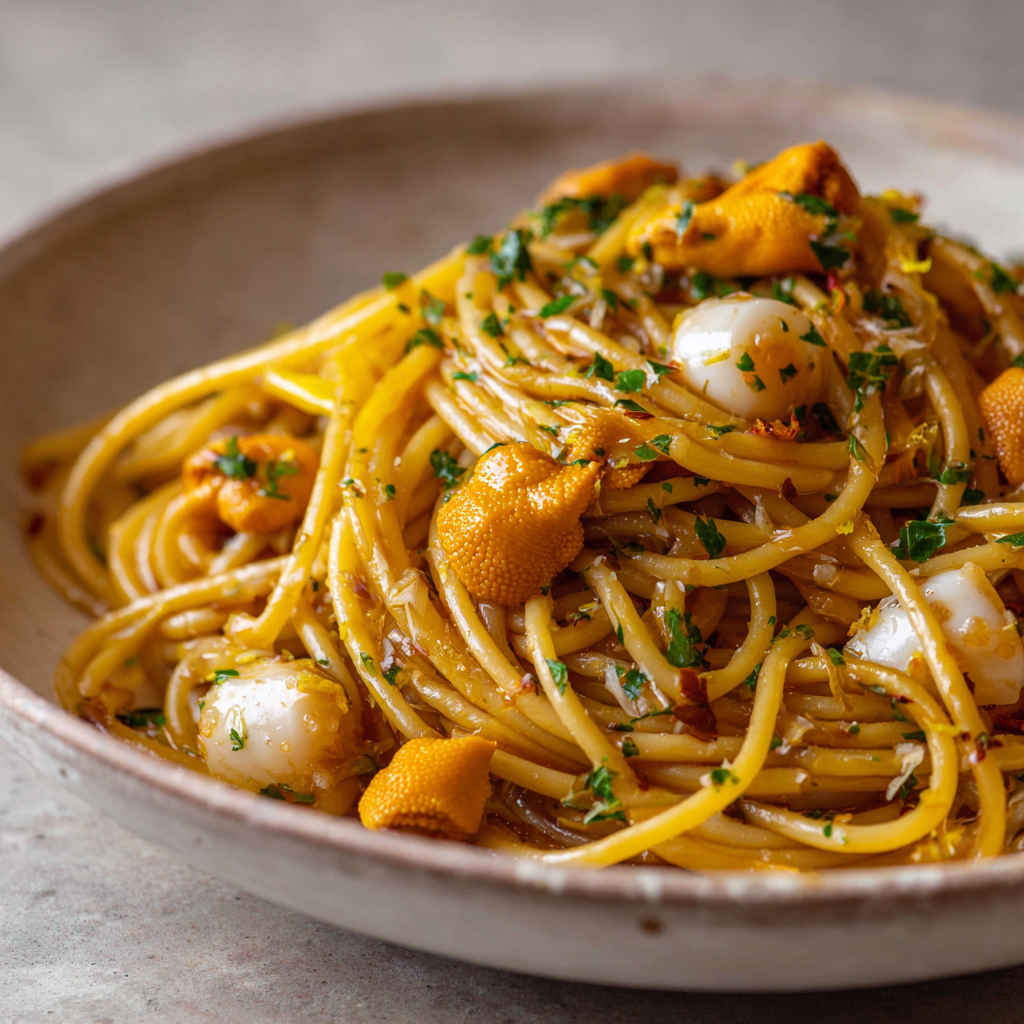
Spaghetti ai Ricci di Mare (Sea Urchin Pasta)
Ingredients
Method
- Bring a large pot of water to a boil. Add enough salt so that the water tastes like seasoned broth. Cook the pasta according to package instructions until al dente. Reserve 1 to 1¼ cups of pasta water before draining.
- Mash 12 sea urchin tongues with 1 tablespoon of olive oil, 1 tablespoon of cold water, and a pinch of salt until smooth and spoonable. Chill until ready to use.
- In a wide pan, heat ¼ cup olive oil over medium-low heat. Add sliced garlic and gently toast for 3–4 minutes until golden and fragrant. Remove garlic slices to avoid bitterness, leaving only the infused oil.
- Add 1 cup of reserved pasta water to the garlic oil and bring to a simmer. Add the drained pasta and quickly toss with chopped parsley for about one minute, creating a glossy emulsion.
- Remove the pan from the heat. Stir in the uni mash off the flame, mixing gently to warm. If the sauce feels too thick, add a small splash of reserved pasta water. Finish with a squeeze of lemon juice and a pinch of salt.
- Divide the pasta into bowls. Garnish with raw uni tongues if available, and drizzle with extra-virgin olive oil. Serve immediately for the best taste and texture.
Notes
- Fresh uni is essential for the best flavor. Make sure to source from reputable seafood markets.
- If you can't find fresh uni, high-quality frozen uni is a good alternative.
- The key to this dish is timing: serve immediately to preserve the uni’s delicate flavor and texture.
- Be careful not to overcook the garlic, as browned garlic can introduce bitterness into the dish.
- Pasta water helps emulsify the sauce, so don’t forget to reserve some before draining.