
Jump to Recipe
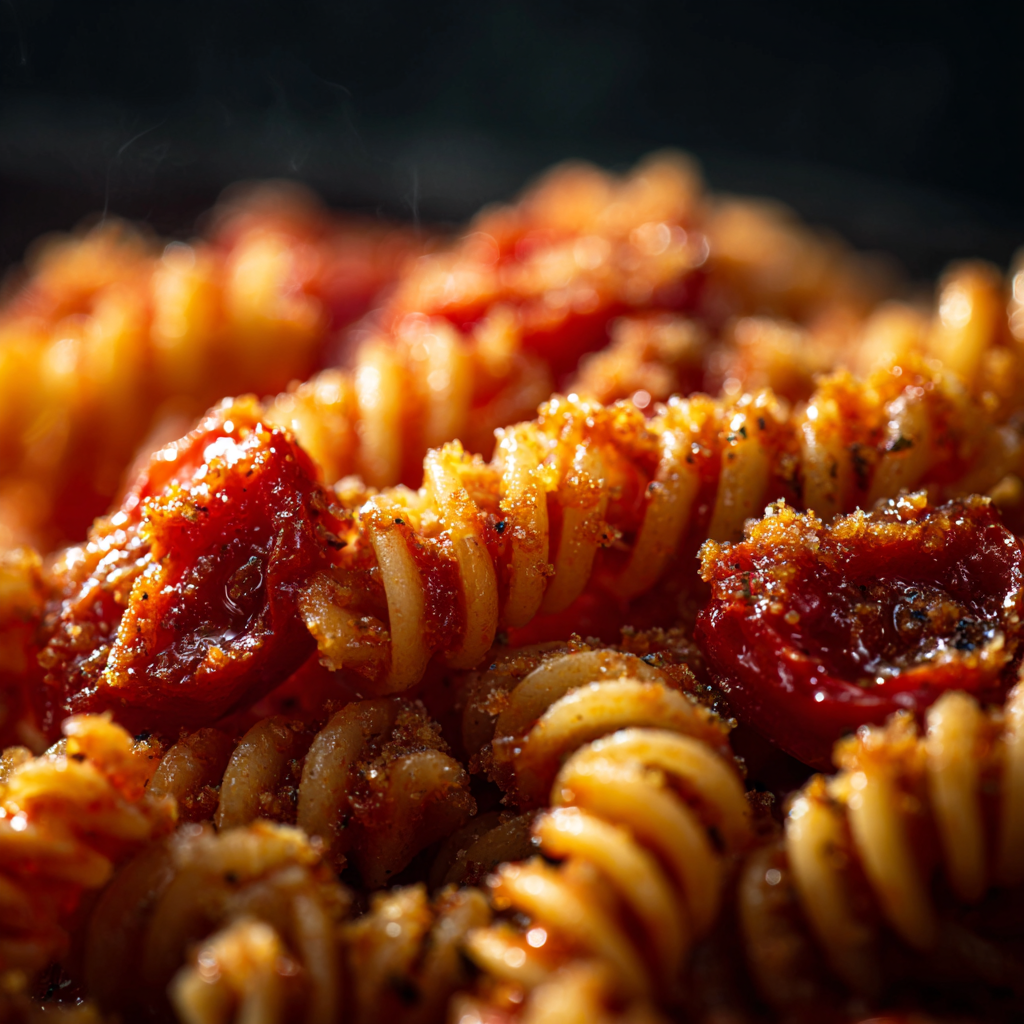
I grew up coaxing sweet, sun-warm tomatoes into something that smells like home: the oven hums, garlic softens in olive oil, and basil brightens the whole pan as I stir. There’s a rhythm—salt the pasta, keep an eye on crumbs browning, let juices reduce—so the noodles wear the sauce like a warm scarf.
I’ll show two easy paths: a quick crumb-topped bake for golden crunch, or a slow-pan method to concentrate flavor and peel the skins away. Both start at the oven—400°F for the bake, or lowered for convection—and both end with a splash of olive and a shower of grated cheese that sings.
This is honest cooking: clear timing, real pans, and small tricks—steeping garlic in warm oil, or draining excess juices—so every spiral holds sauce and every bite feels comforting and bright.
Key Takeaways
- Two methods: crumb-topped bake for texture, slow-roast pan for deep flavor.
- Set oven to 400°F (reduce about 25°F for convection) and roast on the middle rack.
- Infuse olive oil with garlic, finish hot pasta with basil and grated cheese.
- Know when to drain juices versus keep them to concentrate flavor.
- Simple swaps—Parm or Pecorino, cherry or large garden fruit—work without losing character.
Why this roasted tomato pasta hits different on a weeknight or weekend
There’s a simple trick that makes midweek dinner taste like something from a Sunday table. Roast at 400°F and the flesh concentrates; sugars and umami deepen so the final sauce tastes slow-cooked even if you spend minimal time at the stove.
I usually drain excess juices partway through for large tomatoes. That keeps the base from becoming watery and lets the remaining flesh caramelize. A light drizzle of olive oil at the start helps each piece brown rather than steam, especially when you give them space on the pan.
- In roughly the same minutes it takes to salt water and boil pasta, the oven collapses fruit into a spoonable, glossy base.
- A crisp crumb topping—breadcrumbs mixed with Parmigiano-Reggiano, Pecorino, and garlic—adds savory crunch that plays beautifully against the tender spirals.
- Garlic can be roasted for sweet depth or steeped in oil off heat for perfume without bite.
The result is balanced: bright acidity, gentle sweetness, and a silky finish that clings. I love that this dish can feel casual on Tuesday or dressed up on Saturday. Use convection at 350°F on the middle rack if you want even browning and less hands-on time.
| Method | Temp | Benefit |
|---|---|---|
| Standard oven | 400°F | Deeper caramelization, concentrated flavor |
| Convection | 350°F | Even browning, faster finish |
| Mid-roast drain | — | Prevents dilute sauce, better texture |
What you’ll need for big flavor with minimal effort
A few smart ingredients lift this pasta from plain to memorable in under an hour. Gather the core items and a couple of add-ins to nudge depth without fuss.
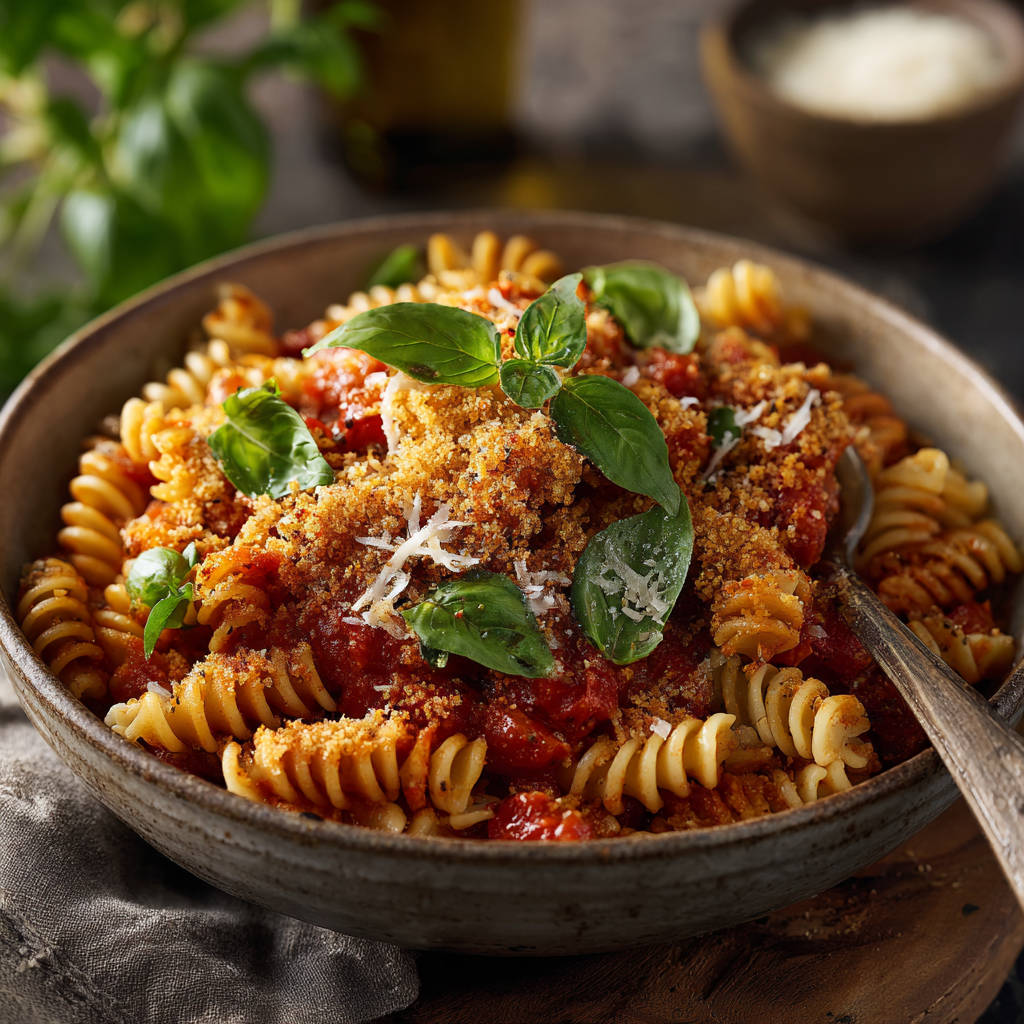
Core ingredients
Use 1 lb cherry tomatoes (halved) or 6 large tomatoes (halved and seeded). Add 5 tbsp olive oil divided, 2–3 garlic cloves finely chopped, a handful of fresh basil torn, salt and freshly ground pepper, and 1/3 cup plain breadcrumbs (panko works). For cheese, combine 1/4 cup grated Parmigiano-Reggiano and 2 tbsp Pecorino. One pound dried fusilli completes the dish.
Smart swaps and add-ins
- Choose cherry in cooler months for steady sweetness; pick large tomatoes in peak season when they smell fragrant and heavy.
- Use thyme or oregano if you want a woodsy note; a pinch goes a long way.
- Stir a spoon of capers into the crumb for briny pop, or pour 1/3 cup red wine to deglaze chopped fruit in the pan.
- Reserve a tablespoon of good extra-virgin olive oil to finish the noodles for a glossy touch.
| Ingredient | Amount | Why it matters |
|---|---|---|
| Cherry tomatoes or large tomatoes | 1 lb or 6 | Sweetness and body; choose by season for best flavor |
| Olive oil | 5 tbsp | Promotes browning and adds silk on finish |
| Garlic cloves | 2–3 | Chopped for crumb or crushed to perfume oil |
| Breadcrumb + cheese mixture | 1/3 cup + 1/4 cup + 2 tbsp | Gives toasty texture and savory depth |
Small choices—roomy pan to avoid steaming, light even crumb, salted pasta water—make a big difference. If you want a quick read on pairing techniques, I also like to share ideas like sautéed mushrooms in other dishes: sautéed mushrooms.
Fusilli with roasted tomato sauce recipe
Set your oven to 400°F and gather a baking dish or shallow pan; good setup means better caramelization and less fuss. Arrange halved fruit so pieces sit cut-side up (or cut-side down for large ones). Give each piece room to brown rather than steam.
Prep and roast
Oil a 13-by-9-inch baking dish with 2 tbsp olive oil for the crumb route, or brush a shallow pan with 1 tbsp oil for large halves. Season lightly with salt and pepper. Bake cherry halves about 20 minutes until crumbs brown; roast large halves 30 minutes, drain juices, then roast another 30 minutes before peeling.
Breadcrumb-cheese crust option
Mix 1/3 cup breadcrumbs, 1/4 cup Parmigiano-Reggiano, 2 tbsp Pecorino, and 2 finely chopped garlic cloves. Sprinkle over cut sides and drizzle 1 tbsp oil on top so the surface crisps and adds texture to the final dish.
Build the sauce
Mash roasted pieces in the baking dish for a rustic finish, or warm 1 tbsp oil in a pan, sauté garlic 2 minutes, add chopped tomatoes, torn basil, and 1/3 cup red wine. Cook briefly to meld aromas—this keeps the basil bright and the sauce balanced.
Cook the pasta right
Bring a large pot of well-salted water to a rolling boil. Cook 1 lb fusilli until one minute shy of al dente and reserve a splash of cooking water. Toss hot pasta with the roasted base, a drizzle of oil, basil, and cheese; add reserved water if the sauce needs to loosen and cling.
| Step | Temp / Time | Purpose | Key tip |
|---|---|---|---|
| Crumb-topped bake | 400°F / ~20 minutes | Brown topping, soften fruit | Use a 13×9 baking dish; space pieces well |
| Large tomato roast | 400°F / 30 + 30 minutes | Concentrate flavor, remove excess water | Drain juices after first 30 minutes |
| Sauce finish & toss | Pan, low heat / 2–5 minutes | Meld wine, basil, and garlic with chopped fruit | Reserve pasta water to emulsify |
Pro tips from the test kitchen to lock in a glossy, rich sauce
A few focused habits will keep the finish bright and silky. I learned these when testing times and heat so the final plate feels both rustic and refined.
Oven choice and rack placement
Use the middle rack for steady airflow. If you roast in convection, set the oven to about 350°F for even browning without drying the fruit. Standard ovens do well at 375–400°F on the same rack; the extra heat speeds caramelization but watch the minutes closely.
Garlic-infused oil and when to add it
Steep thinly sliced garlic in 4 tbsp warm oil off heat while the tomatoes roast. This gives a soft, aromatic backbone. Toss that oil with hot pasta just before serving so garlic perfumes rather than burns.
Preventing a watery finish
If large tomatoes release a lot of water, drain the pan after the first 30 minutes, then return to roast. That concentrates flavor and prevents a thin end mixture.
Reserve pasta water and add it a tablespoon at a time. The starch binds the oil and juices into a glossy emulsion. Stop when the mixture looks silky, not soupy.
- Warm your serving bowl with a ladle of boiling water and drain it before tossing; a warm bowl helps the emulsion hold.
- Season in layers: a pinch on the fruit before roasting, a touch after reduction, and a final check of salt pepper at the end.
- Toss the pasta and sauce vigorously off the heat for at least a minute to build body and coat every spiral.
| Step | Why it matters | Quick tip |
|---|---|---|
| Middle rack / convection at 350°F | Even browning, less drying | Use convection where available |
| Drain mid-roast | Concentrates flavor, prevents thin finish | Roast extra minutes after draining |
| Steep garlic in oil | Perfumes pasta without bite | Toss oil with hot pasta off heat |
Serve it like an Italian: finishing touches and easy pairings
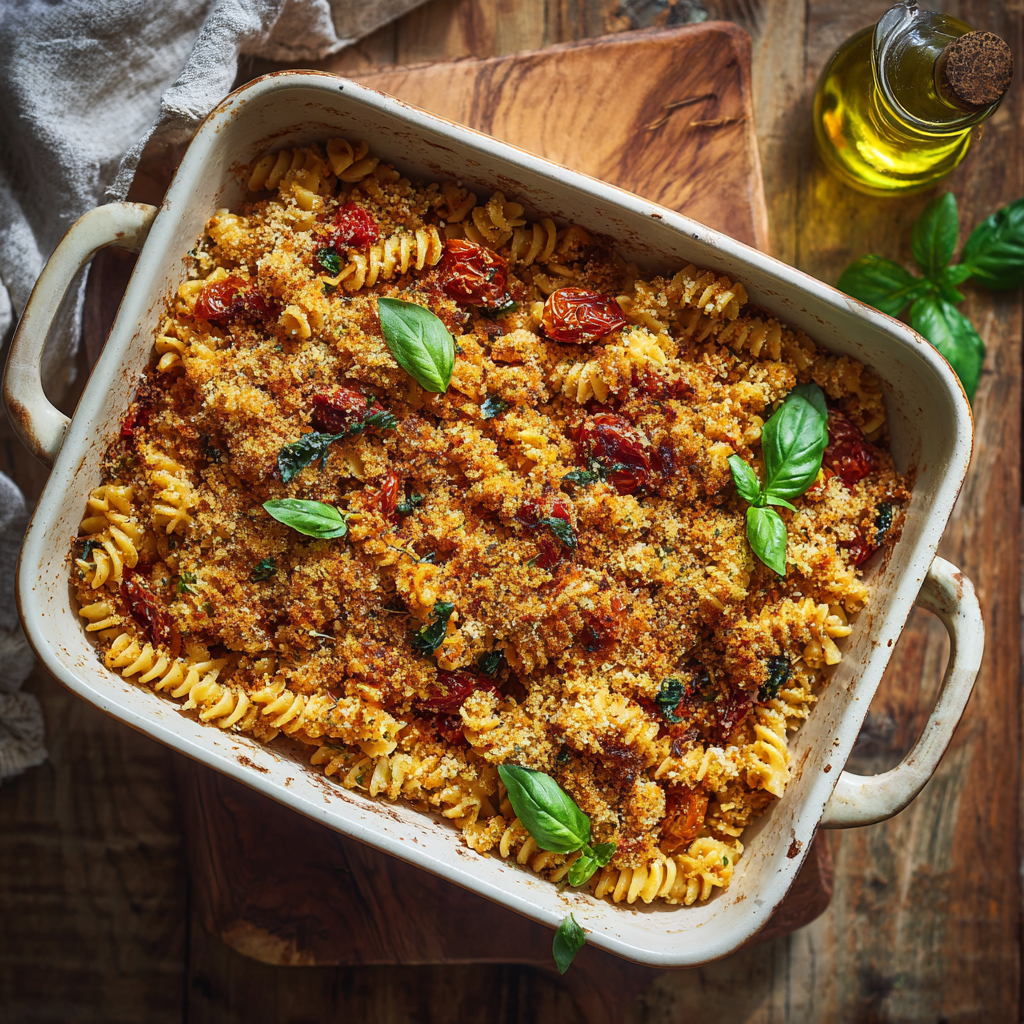
Finish the dish right: hot pasta, warm bowls, and a few simple touches lift every bite. I always carry the pan to the counter and finish there so steam and heat help flavors bloom.
Cheese choices, fresh basil, and a drizzle of good olive oil
Shower finely grated Parmesan or a punchier Pecorino over the hot noodles so the heat softens the edges into the sauce. I keep a small bowl of garlic-infused oil nearby and toss a spoonful into the pasta just before serving.
- Tear fresh basil at the last moment for perfume; bruised leaves release aroma better than chopped ones.
- A light drizzle of quality olive oil adds sheen and aroma—treat it as final seasoning.
- Grind pepper over each bowl so the volatile oils bloom in the steam.
What to serve alongside: crisp salad, garlicky greens, and a light red
Keep sides simple: a lemony green salad and sautéed garlicky greens balance richness and brighten the plate. A light red wine with lively acidity cuts through the natural sweetness of the roasted tomato and crumb topping.
| Side | Why it works | Serve |
|---|---|---|
| Crisp salad | Acid brightens the dish | Simple vinaigrette |
| Garlicky greens | Adds savory, bitter contrast | Quick sauté, squeeze lemon |
| Light red | Refreshes the palate | Chilled slightly |
Make-ahead, storage, and reheating without losing that fresh-roasted taste
A little care after cooking keeps that oven-concentrated flavor alive for several tasty days. Cool the pan until steam fades, then transfer the contents to a shallow container. Cooling in the baking dish invites condensation; moving it prevents a watered-down finish.
Cooling, refrigeration, and how long it lasts
In the fridge, the sauce keeps beautifully for 2–3 days and often tastes deeper the next day. Large tomatoes that released much juice should be drained before storage so texture stays pleasing. If you store cooked pasta, stop it just shy of al dente, toss lightly in a drizzle of oil, and chill quickly to prevent sticking.
Best reheating method and refreshing the sauce
- Warm the sauce gently over low heat; avoid high heat that can break the emulsion.
- Add a tablespoon of water if the sauce tightened, then fold in the pasta and finish until tender.
- Refresh with a drizzle of garlic-infused oil and a little grated cheese for gloss and body.
| Step | Why | Quick tip |
|---|---|---|
| Cool in pan briefly | Prevents condensation | Transfer within 20 minutes |
| Refrigerate | Keeps 2–3 days | Use shallow container |
| Reheat low | Preserves aroma | Add water & oil as needed |
Ready when you are: bring roasted tomato magic to your table tonight
A warm kitchen and a hot oven are all you need to make bright, comforting tomatoes into a real weeknight winner.
Choose the quick crumb-topped route in a 13×9 baking dish, or roast large halves at 400°F (or 350°F convection on the middle rack) and drain after 30 minutes before finishing. While they bake, salt boiling water and cook the pasta to firm al dente.
Finish by tossing hot noodles with the tomato sauce, a splash of reserved water, torn basil, garlic-infused oil, and grated cheese. Season carefully—salt pepper to taste—and serve in a warm dish. You’ve got this: simple steps, honest cooking, and a side of joy at the table tonight.
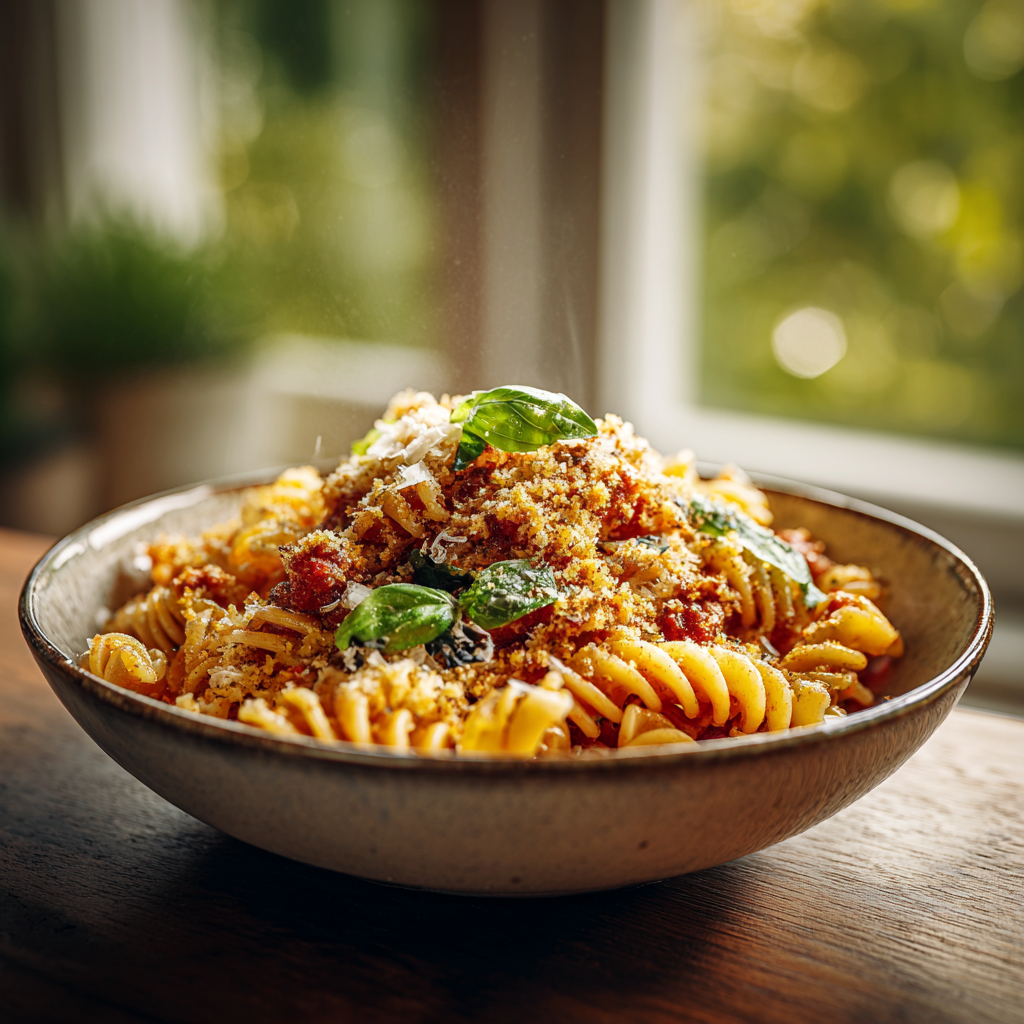
Fusilli with Roasted Tomato Sauce and Garlic Breadcrumbs
Ingredients
Method
- Set oven to 400°F. Use the middle rack.
- Place tomatoes cut side up in a wide baking dish. Leave space between pieces. Drizzle with 2 tbsp olive oil. Season with salt and pepper.
- Roast cherry tomatoes for about 20 minutes.
- Roast large tomatoes for 30 minutes, drain released juices, then roast another 30 minutes. Skins blister and flesh looks jammy.
- Mix breadcrumbs, Parmigiano Reggiano, Pecorino, and chopped garlic. Drizzle with 1 tbsp olive oil. Toss until lightly coated.
- Sprinkle breadcrumb mixture over roasted tomatoes. Return to oven for 5 to 10 minutes until golden and crisp.
- Bring a large pot of well salted water to a boil. Cook fusilli until one minute before al dente. Reserve 1/2 cup pasta water. Drain pasta.
- Warm 1 tbsp olive oil in a pan over low heat. Add remaining garlic. Cook gently for about 2 minutes until soft and fragrant. Add roasted tomatoes and basil. Mash lightly for a rustic texture.
- Add hot pasta to the pan. Toss well. Add a splash of reserved pasta water until the sauce coats the pasta and looks glossy.
- Drizzle with remaining olive oil. Add grated cheese. Toss again off heat. Taste and adjust salt and pepper. Serve hot in warm bowls.
Notes
- Use cherry tomatoes in colder months for steady sweetness.
- Drain excess tomato juice during roasting to avoid a thin sauce.
- Add pasta water slowly. Stop once the sauce looks silky.
- Tear basil by hand at the end to keep the aroma fresh.