
Jump to Recipe
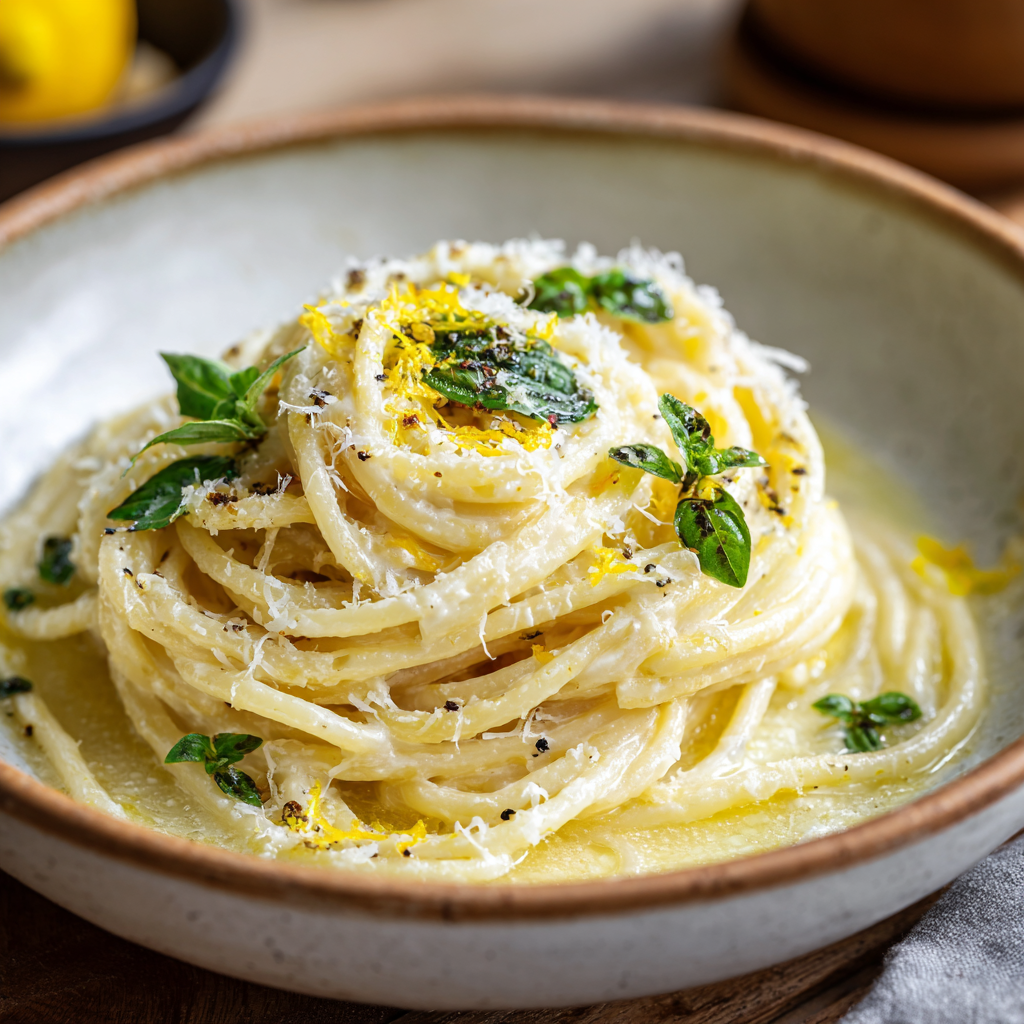
pasta al limone with ricotta greets the senses like a salty sea breeze and a sun-warmed lemon grove. I learned this no-cook sauce trick on the Amalfi Coast, where unwaxed fruit and bright herbs make a simple plate sing.
My family-style take uses starchy water to marry fresh cheese and grated Parmigiano into a silky coating without cream. You can use spaghetti or a favorite shape; the key is good texture, proper salting, and gentle heat so the lemon remains floral and the cheese stays light.
This lemon ricotta pasta is fast enough for weeknights yet feels generous for guests. I’ll show practical swaps—vegetarian parmesan alternatives, gluten-free dried brands like Garofalo or Rummo—and storage tips so leftovers revive nicely.
Key Takeaways
- No-cook sauce keeps the lemon bright and the cheese silky.
- Use starchy cooking water to emulsify the sauce without cream.
- Choose unwaxed lemons and real Parmigiano for best flavor.
- Spaghetti or other shapes work—texture matters more than shape.
- Leftovers keep 2–3 days; reheat gently with a splash of milk or butter.
A bright, creamy lemon-ricotta pasta that tastes like summer on the Amalfi Coast
When lemons are at their peak, this quick, creamy dish brings that citrus perfume straight to the table. I learned it along the Campanian coast near Sorrento and Amalfi where fruit is everywhere and cooking stays simple.
The sauce is never heated; only the pasta cooks. That hands-off approach keeps the lemon vivid and the cheese silky. You need five or six ingredients and about thirty minutes of time. It’s easy enough for weeknights and elegant enough for guests.
In my kitchen I whisk ricotta with zest, a splash of juice, torn basil, and grated Parmigiano. Tossing hot strands and a splash of reserved water yields a glossy, clinging coating that highlights balanced flavor without heaviness.
- Use zest for aroma and a little juice for sparkle.
- Choose shapes with ridges or grooves for better sauce cling.
- Keep the sauce off the heat so the citrus stays fresh.
Read on and I’ll show the exact techniques and small swaps so your first try is perfectly creamy and bright.
Ingredients that make this lemon ricotta pasta sing
The right pantry pieces make this lemon and cheese dish sing on the first bite. Choose each item for texture and aroma so the final plate feels bright and balanced.
I start with whole-milk ricotta cheese, drained well and mashed until silky. That step prevents graininess and helps the sauce cling to strands.
- For citrus, I reach for Sorrento or Amalfi lemons when possible. Otherwise pick unwaxed organic fruit and zest with a Microplane to avoid bitter pith.
- Spaghetti is classic, but linguine or rigatoni are excellent alternatives because their shapes help sauce cling. Use a quality brand like Garofalo or a Gragnano dried variety.
- Parmigiano Reggiano gives savory depth. For vegetarians, choose a rennet-free parmesan-style cheese you trust.
- Fresh basil leaves are my go-to finish; mint is a traditional regional twist for extra brightness.
- A drizzle of extra-virgin olive oil adds roundness. Fresh garlic, finely grated, perfumes the sauce without overpowering the lemon.
- Salt lightly in the cheese bowl, rely on well-salted pasta water, and finish with a crack of black pepper for warmth.
How to make pasta al limone with ricotta
Start by building a glossy, lemon-scented cheese base that will cling to every strand. I mash the ricotta with lemon zest, torn basil, a pinch of salt, and a crack of black pepper until smooth and spreadable. This gives the sauce immediate aroma and a silky texture.
Next I fold in half the grated parmesan and judge the body. If the mixture feels dense, I loosen it with a splash of milk so it reads like a dip, not a paste.
- Bring a large pot of generously salted water to a boil for cooking; add a cup if you like a subtle citrus by squeezing a little lemon into the water.
- Cook to al dente and reserve about a cup pasta water before you drain.
- Return the noodles to the pot over low heat, add the cheese mixture, and toss gently.
- Stream in cup pasta water a little at a time; the starch helps the sauce emulsify and stay glossy.
- Finish with more basil, a snowfall of parmesan, and a final crack of pepper; adjust salt at the end. For a hint of heat, add a pinch of red pepper.
Timing, tools, and simple technique for flawless results
Small timing choices and a few proper tools make the difference between clumpy and glossy sauce. A calm approach at the finish gives you control and confidence.
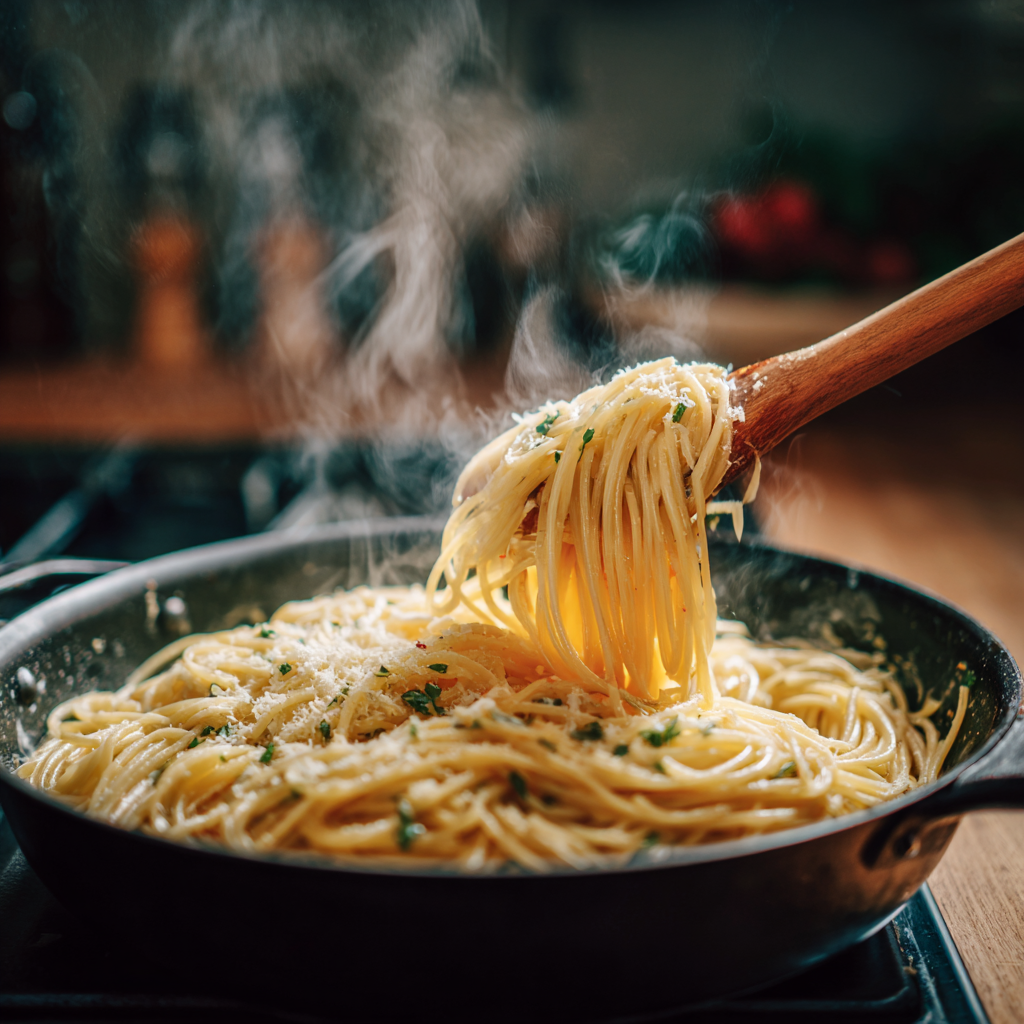
I cook in a large pot so noodles move freely and cook evenly. Before you drain, dip a mug into the pot and save that liquid gold.
Use a large pot and a mug to reserve that liquid gold pasta water
Reserve a cup of starchy pasta water before you drain. That hot water is your emulsifier; it turns crumbs of cheese into a silky coating.
Keep the heat low when combining so the sauce stays glossy
Keep the pan on the lowest heat while you marry sauce and strands. Gentle warmth coaxes gloss; too much heat dries and can make the mixture grainy.
- Undercook by about a minute if you’ll finish in the pan.
- Work in stages: add some sauce, splash in water, toss, repeat.
- Use a wide skillet for the final toss to avoid breakage and give good control.
- If it tightens as it cools, loosen with a spoonful of hot water and toss until shiny.
- Taste for salt at the end—cheese and seasoned water change the baseline.
| Tool | Why | Minutes |
|---|---|---|
| Large pot | Room to move during cooking | — |
| Mug | Catch a cup of starchy water | — |
| Wide skillet | Gentle finish, more surface area | 1–2 |
Follow these small steps and the final texture will sing. This short time investment makes the whole recipe feel effortless and reliable.
Pro tips for a luxe, silky sauce every time
The secret to that silky finish is less magic and more method—starch, gentle heat, and fine zest. I teach the why so you can fix problems fast and feel confident at the stove.
Emulsification 101
Starch from the pasta water binds fat in cheese and turns crumbs into a satiny glossy coat. Reserve a cup and add it slowly while you toss; that is non-negotiable for shine.
Manage lemon intensity
Rely on zest for perfume and add juice sparingly. If the lemon bites too hard, a splash of hot water calms it down without dulling flavor.
Microplane magic
Always grate only the yellow peel. A Microplane gives a fine, fragrant zest and avoids the bitter white pith every time.
Make ricotta ultra-smooth
I whisk the ricotta until silky before it meets hot strands. If it feels stiff, pre-loosen with a spoonful of reserved water for creamy ricotta that clings.
- Keep the pan on low heat; high heat tightens the sauce and kills the gloss.
- Taste before you plate and finish with a crack of pepper or a pinch of red pepper flakes for gentle lift.
- If the bowl tightens, whisk in hot water to revive the texture.
| Technique | Why it works | Quick fix |
|---|---|---|
| Starchy splash | Emulsifies cheese into a satin coating | Add warmed pasta water by spoonfuls |
| Fine zest | Bright aroma without bitterness | Use a Microplane, avoid pith |
| Low heat toss | Keeps sauce glossy and smooth | Finish off-stove or on lowest flame |
Variations and add-ins to make it your own
Make this dish yours by folding in seasonal greens, a scatter of herbs, or a light protein. Small additions keep the Italian soul while giving you room to improvise.
Greens
I often add a handful of baby spinach in the last minute of boiling; drain it with the noodles and toss. The leaves wilt instantly and add color and vitamins without changing texture.
Vegetables
Spring vegetables—asparagus, peas, or thinly sliced zucchini—pair beautifully with lemon and cheese. Marinated artichokes add a briny, buttery note that lifts the whole plate.
Protein boosts
Top bowls with sliced grilled chicken or flaked salmon for extra protein and staying power. Keep portions modest so the sauce still leads; the goal is balance, not domination.
A little heat
A small pinch of red pepper flakes brings gentle warmth and lifts citrus notes. Add to taste, or finish each bowl at the table for guests who like more kick.
- Fresh basil or a touch of mint brightens the herbs and keeps the flavor light.
- If you crave a twirl, spaghetti soaks up the sauce and keeps each bite lively.
- Toss roasted cherry tomatoes for sweetness, or sun-dried tomatoes for deeper savor.
- Hold back a ladle of sauce, thin it, and drizzle for a restaurant-style finish.
| Add-in | Why it works | How to add |
|---|---|---|
| Baby spinach | Color and nutrients, quick wilt | Stir in last minute of cooking and drain |
| Asparagus / peas / zucchini | Market-fresh texture and bright flavor | Blanch or sauté lightly, then toss with sauce |
| Grilled chicken or salmon | Adds protein, keeps meal satisfying | Slice thin and top bowls sparingly |
Nutrition and smart swaps without losing the Italian soul
Smart substitutions let you honor the Amalfi spirit without losing creamy, bright flavor. I keep the method intact while suggesting swaps that improve nutrition or meet diet needs.
Vegetarian-friendly cheese choices and why they matter
Traditional Parmigiano Reggiano uses animal rennet. To stay vegetarian, choose a rennet-free parmesan-style cheese that offers the same nutty, savory notes. It keeps the salty lift without changing texture.
Gluten-free success with quality Italian GF pasta
Italian GF lines from Rummo and Garofalo hold their bite and carry sauce well. Whole-wheat spaghetti adds fiber and a toasty note that matches lemon and cheese.
- Choose fresh ricotta cheese and good olive oil as primary ingredients; they set tone more than tweaks.
- A splash of milk eases reheating and restores creaminess after refrigeration.
- Note that GF noodles sometimes release less starchy water, so add reserved water more slowly to reach the right gloss.
| Swap | Why | Tip |
|---|---|---|
| Rennet-free parmesan | Keeps dish vegetarian | Pick a nutty, aged style |
| Rummo / Garofalo GF | Texture and bite | Follow package timing, save extra water |
| Whole-wheat spaghetti | More fiber, toasty flavor | Undercook slightly for final toss |
Storing, reheating, and freezing this creamy ricotta pasta
A little care during storage and reheating keeps the sauce glossy and the flavors bright. Cool the dish quickly and move it to the fridge in an airtight container. I aim to eat leftovers within the safe window so texture stays pleasant.
Refrigeration
Store in a tight container and refrigerate 2–3 days. This keeps the cheese and lemon notes fresh. Portion before storing so you reheat only what you will eat.
Reheating
Reheat low and slow in a wide skillet over medium-low heat. Add a splash of milk or a small knob of butter to restore silkiness.
- If the sauce tightens, add a spoonful of hot water and toss; the starch helps recovery.
- Avoid high heat; it breaks the emulsion and makes the cheese grainy.
- Taste and adjust seasoning after reheating; a tiny squeeze of lemon can revive brightness.
Freezing
Freezing isn’t ideal for this creamy sauce, but if needed pack into a freezer-safe container up to 3 months. Thaw overnight in the fridge and reheat gently with added liquid.
| Storage | Duration | Best reheating |
|---|---|---|
| Refrigerator (airtight) | 2–3 days | Skillet, medium-low, splash of milk |
| Freezer (well-packed) | Up to 3 months | Thaw overnight, reheat gently with water or milk |
| Portioning tip | Single servings | Reheat only what you need to preserve texture |
Serving ideas and pairings that complement lemon and ricotta
To make the meal sing, pair the citrus‑cream core with crisp, lightly dressed greens and gentle vegetables. I like to finish each plate simply so the lemon ricotta remains the star.
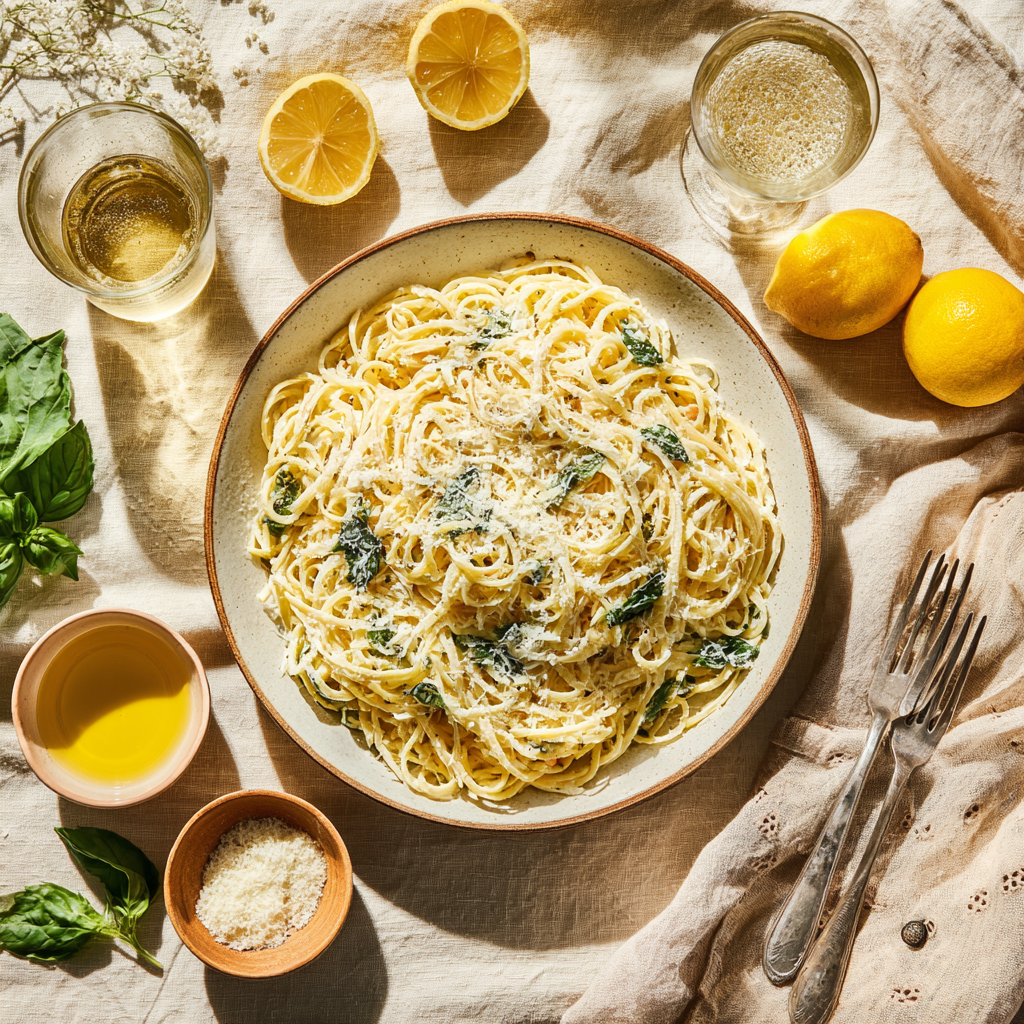
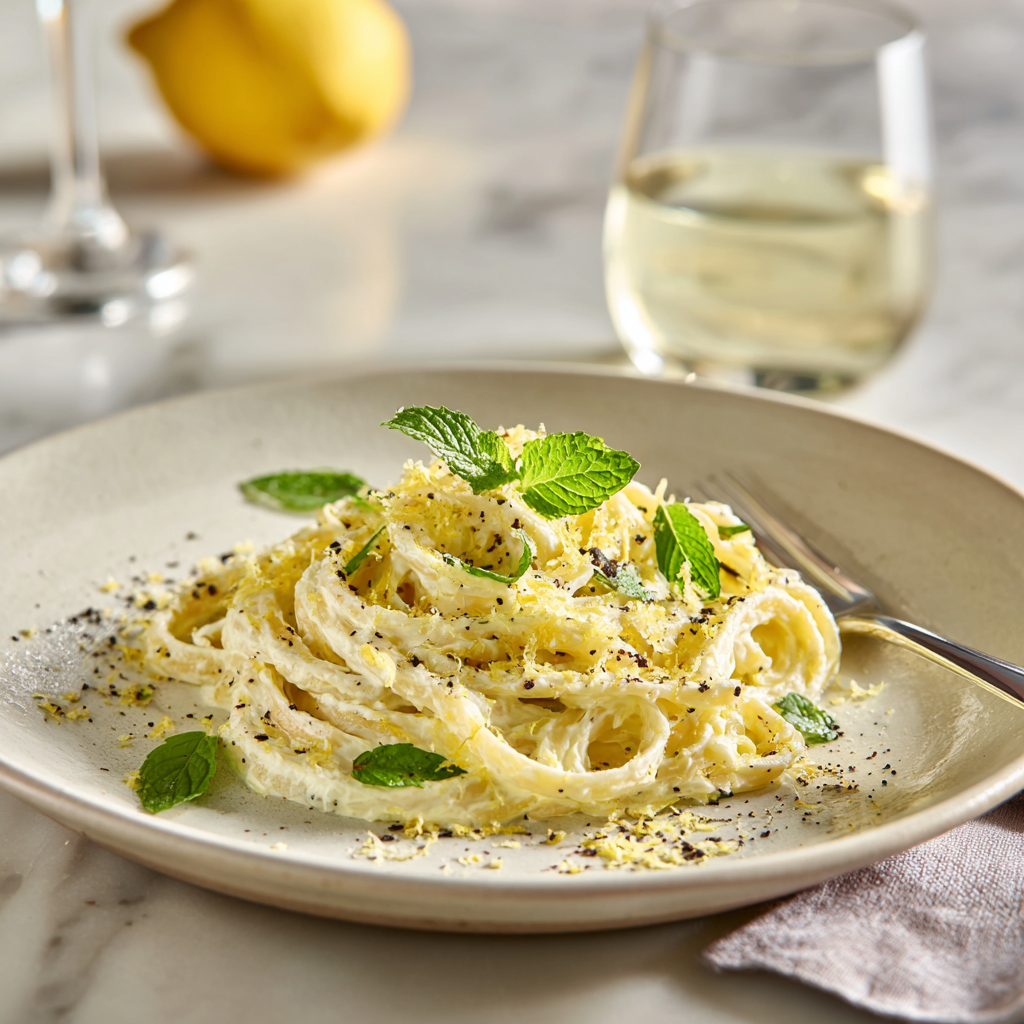
Start at the top: torn basil leaves, a generous sprinkle of grated parmesan, and a fresh crack of black pepper. A light drizzle of extra‑virgin olive oil adds sheen and rounds the sharper edges of citrus.
- I set out lemon wedges and a small bowl of lemon zest so guests can add brightness by the cupful.
- Pair the dish with a simple salad tossed in a lemony vinaigrette to echo the main flavor without competing.
- Blanched asparagus, peas, or sautéed zucchini make ideal side vegetables that speak the same language.
- Offer red pepper flakes at the table for anyone who wants a touch of heat.
- Serve family‑style on warm plates and pour a cool, acidic white—Verdicchio or Pinot Grigio—to refresh the palate.
| Pairing | Why it works | Serving tip |
|---|---|---|
| Simple green salad | Echoes citrus and adds crunch | Toss in lemon vinaigrette, serve chilled |
| Blanched asparagus / peas | Fresh texture, seasonal color | Serve slightly warm or room temp |
| Extra basil, parmesan, black pepper | Finish aromas and seasoning | Let guests adjust at table |
Bring this Italian classic to your table today
A handful of careful choices—good lemons, a hot pot, and starchy pasta water—gives you restaurant polish at home.
Start your pasta recipe by whisking a smooth lemon and ricotta base, then let hot noodles and a little water do the emulsifying magic. Cook to al dente, keep the heat gentle, and toss patiently so the sauce stays glossy.
Finish each bowl with torn basil, grated parmesan, a drizzle of olive oil, and a crack of black pepper. In minutes you’ll have a lemon ricotta pasta that tastes like the Amalfi Coast.
Bookmark this recipe, share it, and make it yours with seasonal add‑ins. If you have questions, I’m here—buon appetito from my cucina to yours.
Pasta al Limone with Ricotta (Creamy Lemon Ricotta Pasta)
Ingredients
Method
- In a large bowl, mix drained ricotta with lemon zest, half of the grated Parmigiano, torn basil, olive oil, salt, and pepper. Add lemon juice and garlic (if using). Stir until smooth and creamy.
- Bring a large pot of salted water to a boil. Cook pasta until al dente according to package directions. Before draining, dip a mug into the pot and save about one cup of pasta water.
- Return the drained pasta to the pot over low heat. Add the ricotta mixture and toss gently. Slowly stream in the hot pasta water, a few tablespoons at a time, until the sauce turns glossy and coats every strand.
- Taste and balance with more salt, pepper, or lemon juice. If it feels too thick, loosen with a splash more pasta water or milk.
- Plate immediately. Top with more Parmigiano, extra basil leaves, a drizzle of olive oil, and a crack of pepper. Serve warm.
Notes
- Use unwaxed organic lemons for the best zest and aroma.
- Do not overheat when mixing the sauce—keep it silky, not cooked.
- Drain ricotta well to prevent a grainy texture.
- Reheat leftovers gently with a splash of milk or butter to restore creaminess.
- Gluten-free tip: Rummo or Garofalo gluten-free pasta holds up beautifully.
- Vegetarian note: Use a rennet-free parmesan alternative if you avoid animal rennet.