
Jump to Recipe
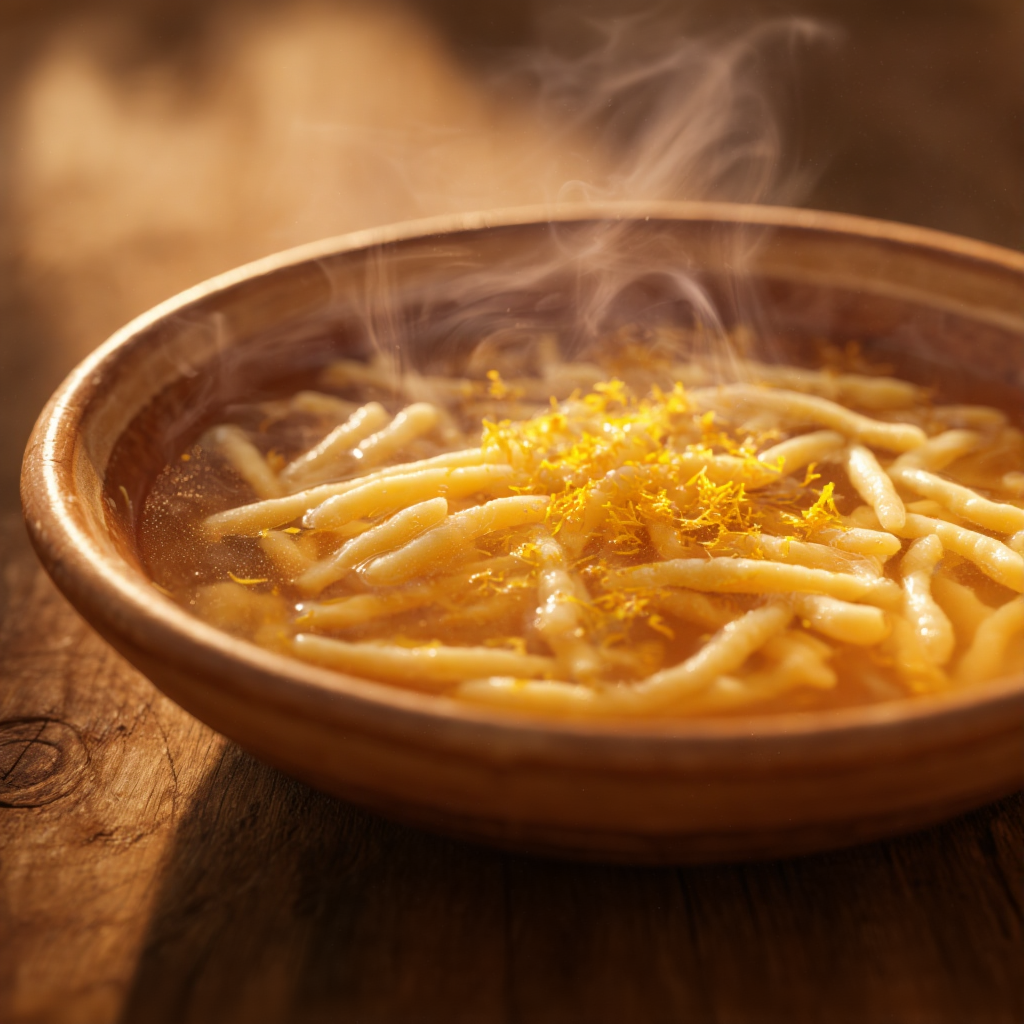
I always start by warming the broth until it barely whispers, the steam carrying a squeeze of lemon and a dusting of nutmeg. My hands measure eggs, fine breadcrumbs, and Parmigiano-Reggiano the way my grandmother taught me—by feel and memory.
The dough rests while I tend the stock; that pause binds flavor and texture. I press the strands through a ferro or a potato ricer, and they cook almost instantly, floating gently when done.
This simple pasta-in-broth dish needs patience more than fuss: the right ingredients, a steady simmer, and a little butter or marrow if you like richness. It’s home cooking that rewards small, careful choices over time.
Key Takeaways
- Use the classic ratio: 1 egg, 50g fine breadcrumbs, 50g grated Parmigiano-Reggiano per person.
- Rest the dough 30–60 minutes to bind and improve texture.
- Press with a ferro or a potato ricer with ~5mm holes for best strands.
- Keep the broth at a gentle simmer; never a rolling boil to avoid breakage.
- Cook the strands 1–2 minutes until they float; avoid stirring while cooking.
- Optional: swap softened butter for bone marrow for a traditional finish.
What makes passatelli in brodo so special
I find the true charm of this dish in how modest pantry staples lift a quiet broth. In Romagna, a steaming bowl often marks celebration, especially at Christmas when families serve passatelli brodo made with capon stock.
The dough is simple: equal parts fine breadcrumbs and Parmigiano-Reggiano, bound with eggs and a touch of nutmeg or lemon zest. That mix becomes a pasta-like strand that cooks in seconds and holds a delicate, springy bite.
- To me, the magic lies in turning bread, cheese, and eggs into something richer than their parts.
- Texture matters: resting the dough lets it bind so the strands keep their shape in gentle simmering broth.
- Subtle aromatics—nutmeg or a hint of lemon—lift flavors without overpowering the stock.
- Because the list of ingredients is short, each one must be excellent; good bread crumbs and real Parmigiano-Reggiano make all the difference.
Whether you make passatelli for a holiday or a quiet supper, the technique is calm and forgiving. Respect the heat, give the dough time, and the bowl will repay you with comfort and clarity.
Ingredients and the golden ratio for authentic texture and flavor
Good ingredients and precise ratios make the difference between a fragile strand and a springy bite. I follow one clear rule: per person, use 1 egg, 50 g fine breadcrumbs, and 50 g grated Parmigiano-Reggiano. That balance gives a compact, pliable dough that cooks quickly and holds shape.
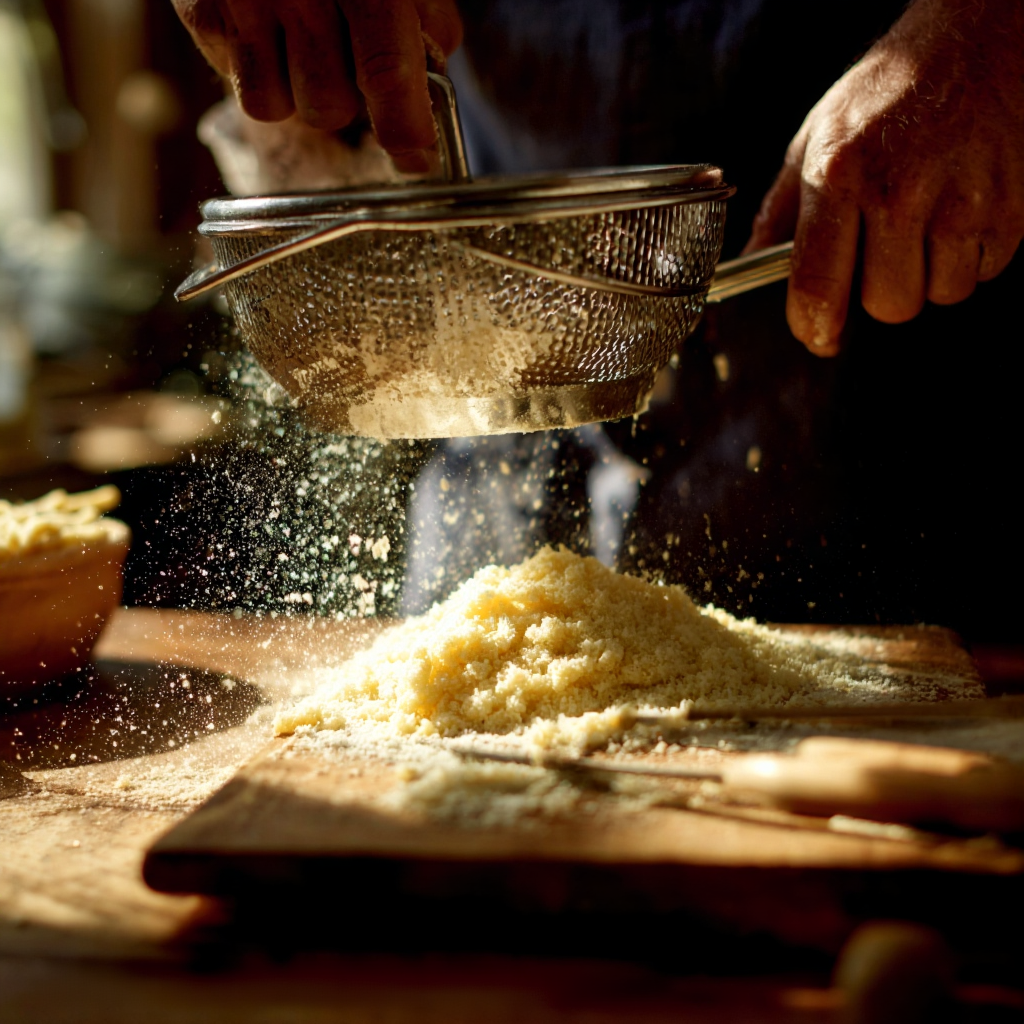
Choose plain breadcrumbs made from bread with only flour, water, and yeast; fats or flavored loaves cause the strands to fall apart. If your crumbs are coarse, pulse them until they feel like soft sand between your fingers. Add a teaspoon of flour only when necessary—too much dulls the flavor.
Breadcrumbs that won’t make your strands fall apart
- Plain bread crumbs: no oils or seeds.
- Fine texture: compact, springy dough.
- Coarse crumbs? Pulse or sift; then test a tiny ball in simmering liquid.
Parmigiano-Reggiano, fresh eggs, and the right pinch of salt
Use freshly grated Parmigiano-Reggiano, not pre-grated, for binding and aroma. Crack fresh eggs and add a modest pinch of salt. Mix with your hands until the ball of dough is smooth and holds together without stickiness.
Nutmeg and lemon zest: how much, what type, and when to add
Grate nutmeg sparingly—one small pinch per two servings. Use organic lemons for zest; a thin strip or half a teaspoon of zest per two servings is enough. I add both directly to the mix ingredients bowl so their oils perfume the dough as it rests.
Optional butter vs. old-school bone marrow
Artusi notes a small knob of butter for richness; I use about 5 g per two servings if I want that comfort. Bone marrow is traditional but optional; modern cooks often skip it. Whatever you choose, keep the addition minimal so the flavor stays bright and clean.
| Ingredient | Ideal Amount (per person) | Quality Tip |
|---|---|---|
| Eggs | 1 | Fresh, room temperature for easier binding |
| Breadcrumbs | 50 g | Fine, from plain bread; no fats or seeds |
| Parmigiano-Reggiano | 50 g | Freshly grated; 12–24 month age for balanced salt |
| Nutmeg / Lemon zest | Pinch / 0.5 tsp (per 2 servings) | Freshly grated nutmeg; organic lemon zest |
| Optional | Butter 5 g (per 2 servings) | Use sparingly to echo marrow without heaviness |
Tools that shape the dough: ferro vs. potato ricer
A small shift in tools can turn the same dough into short, rustic strands or long, elegant ones. I like to choose by feel and by the final bowl I imagine.
The traditional ferro: ease, feel, and shorter lengths
The ferro is a classic tool that rewards a steady hand. Press down and forward in one smooth way and you’ll get charming 2–4 cm strands that are quick to cook and very forgiving.
The potato ricer: 5mm holes, longer strands, and hand strength
If you prefer longer lengths, pick a sturdy ricer with 5mm holes. It yields 10–15 cm strands like many restaurants serve today, but be honest about your hand strength—compact dough can be stiff to press.
Small helpers: floured surface, a simple knife, and a clean towel
- Lightly flour the surface so strands don’t stick as you work.
- Slide a sharp knife under the ricer to cut clean, uniform lengths.
- Lay finished strands on a clean towel so they rest without drying too fast.
| tool | typical strand | note |
|---|---|---|
| ferro | 2–4 cm | easy, traditional |
| ricer | 10–15 cm | choose 5mm holes for best texture |
| accessories | knife, surface, towel | minimal setup, big results |
Try both tools and notice how the way you press changes texture. Either yields lovely passatelli; consistency of pressure makes the difference at the table.
Passatelli in brodo authentic recipe
Start at the bowl: beat the eggs until smooth, then add fine breadcrumbs and freshly grated cheese. Mix ingredients until evenly moistened, and use your hands to knead a tight, compact ball of dough. A smooth ball means the strands will hold their shape while cooking.
Mix, knead, and form
If the dough feels sticky, dust a teaspoon of crumbs and knead again. If it seems dry, wait two minutes so the crumbs hydrate before adjusting. These small checks save you trouble when pressing.
Rest and timing
Cover the ball and let rest at room temperature for 30–60 minutes. Letting the mix bind makes extrusion cleaner and gives a springy texture when the strands hit the broth.
Press, cut, and cook
- Bring clear broth to a gentle shimmer; no rolling boil.
- Press the dough through a ferro or a potato ricer (5mm holes). Cut strands with a knife onto a lightly floured surface or directly into the pot.
- Cook 1–2 minutes: the strands will float and lighten. Do not stir; a gentle nudge is enough.
- Ladle into a warm bowl and finish with grated cheese and a whisper of lemon zest or nutmeg.
| Step | Action | Timing |
|---|---|---|
| Mix | Whisk eggs, add breadcrumbs and cheese, knead to a ball | 5–7 minutes |
| Rest | Cover ball at room temperature to bind | 30–60 minutes |
| Press & Cook | Use ferro or ricer (5mm holes); cut and simmer in gentle broth | 1–2 minutes |
| Serve | Ladle into bowl, add cheese and optional zest | Immediate |
The broth matters: gentle heat and clean flavors
A clear, well-made broth is the quiet backbone that lets the pasta speak. I keep flavors simple so the bowl stays bright and focused.
Classic choices and lighter options
I favor a capon or a blend of beef and chicken for depth and rounded sweetness. The mix gives body without heaviness and is my go-to for holiday meals.
For a lighter table, a clean vegetable broth works very well. Avoid strong herbs so the pasta’s aroma stays front and center.
Simmering rules you must follow
Bring the pot to a quiet shimmer and hold that temperature. Loud boiling or stirring will break the strands before they set.
If you make meat broth from scratch allow 2–3 hours for full extraction, skimming fat and scum for a limpid finish. Season with a modest pinch of salt at the end; extra cheese at the table will add more salinity.
- I ladle hot broth first, then slide in cooked strands so the bowl stays picture-perfect.
- A little lemon zest on the finished soup brightens the plate—don’t add it to the pot.
| Broth type | Character | Use case |
|---|---|---|
| Capon | Sweet, rich | Holiday or celebratory soup |
| Beef + chicken | Deep, balanced | Everyday depth without heaviness |
| Vegetable | Light, clear | Lighter menus or vegetarian guests |
For more slow-cooked meat techniques that pair well with a rich broth, see my notes on braised beef here. Keep heat steady, flavors restrained, and the broth will make the pasta shine.
Troubleshooting and pro tips from the Romagna playbook
When dough misbehaves, steady hands and a small test are the quickest path back to confidence. Below I share clear, practical fixes that save time and preserve flavor.
If the dough is sticky or dry
If the mix feels sticky, knead in fine breadcrumbs a teaspoon at a time. Wait a minute between additions so the crumbs absorb moisture and even out the texture.
When the dough feels dry or crumbly, cover it and let it rest at room temperature. Time often fixes hydration without adding more egg.
Prevent breakage while cooking
Keep ratios tight: equal parts breadcrumbs and cheese per egg. Use fine crumbs; coarse or oily bread will make strands fragile and likely to fall apart.
A teaspoon of flour can help when your crumbs are the wrong type. Use it sparingly so the character of the dish stays true.
Quick test before you press everything
- Roll a tiny ball and drop it into gently simmering liquid.
- If it frays or dissolves, add more crumbs or let the dough rest longer.
- Pass that test and you’ll save time and avoid wasted batches.
Cooking errors to avoid
Aggressive boils and overcrowding are the most common killers. Hold the pot at a quiet simmer, don’t stir, and give each piece room to set.
| Problem | Likely cause | Quick fix |
|---|---|---|
| Strands fall apart | Coarse or oily breadcrumbs | Switch to fine crumbs; add 1 tsp at a time |
| Dough too sticky | Too much moisture, short rest time | Knead in fine breadcrumbs; let rest 10–20 minutes |
| Dough too dry | Under-hydrated mix | Cover and let rest at room temperature; test again |
Patience is a technique. Work steadily, trust the small tests, and you’ll turn out tender, intact passatelli every time. A light hand with nutmeg lemon accents keeps the bowl balanced while you learn the way.
Serving ideas, sauces, and the “dry” passatelli route
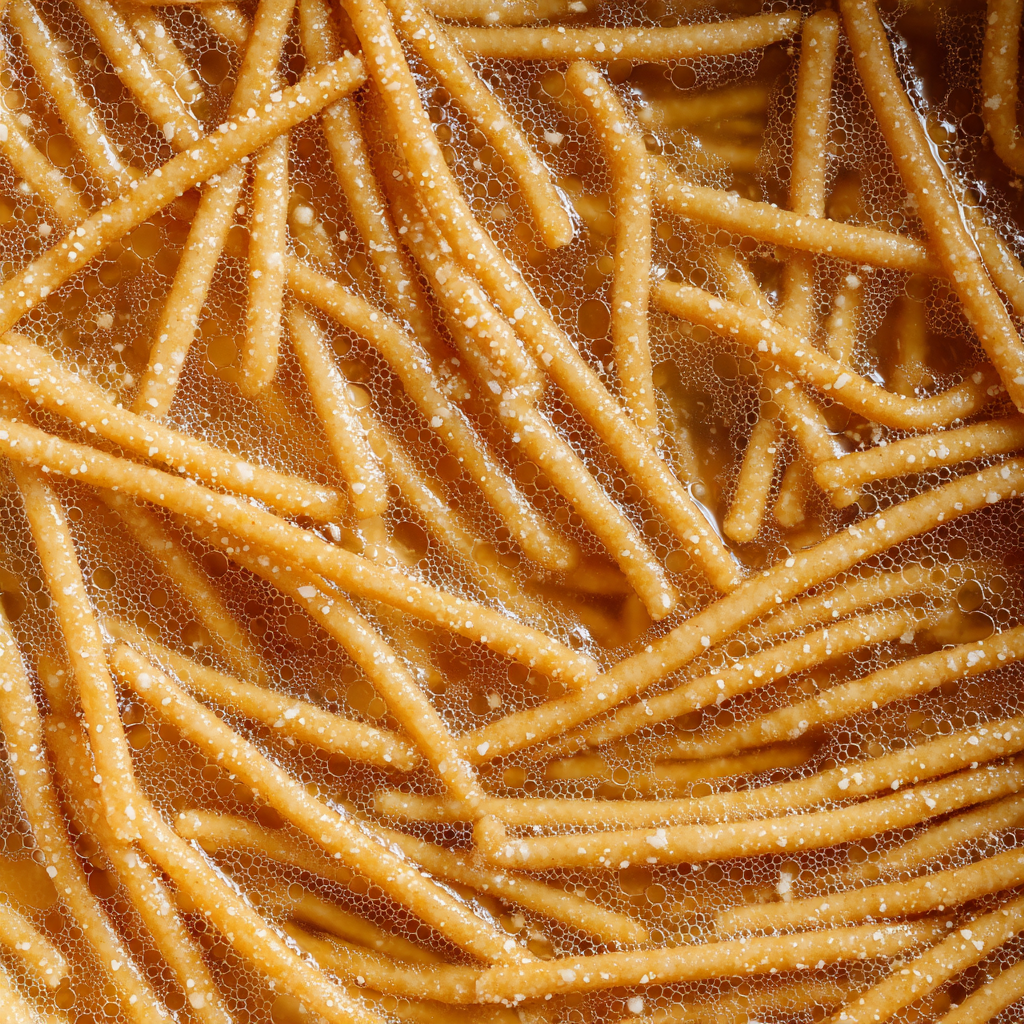
A short simmer and a gentle toss turn these strands into many dishes. I like to offer clear choices so each guest finds what they enjoy.
Classic: a bowl with extra grated cheese at the table
Serve the pasta gently ladled into warm broth. Bring extra grated cheese so people can finish their own bowls. A light sprinkle lets each diner control salt and richness.
Buttered mushrooms, seafood, or truffle cream
To go dry, simmer the strands a couple of minutes, then lift them from the pot and toss with melted butter and sautéed mushrooms. Keep the sauce thin so the texture stays springy.
On the coast, clams or a delicate fish ragù make a lovely pairing. Add a breath of lemon zest to brighten seafood dishes. For special occasions, a light truffle cream dresses the pasta without stealing the show.
- Finish with a little lemon off the heat to preserve aroma.
- Use a wide pan and an offset knife or spatula to turn strands without tearing.
- If you pressed with a ricer or potato tool, longer strands look dramatic—serve them flat, not heaped.
- For a heartier plate, pour a small ladle of hot broth under the pasta, then top with your chosen sauce.
| Type | Sauce suggestion | Key tip | Best when |
|---|---|---|---|
| Classic bowl | Clear broth, extra grated cheese | Serve hot; let guests add cheese | Comfort meals, holidays |
| Dry, mushroom | Butter + sautéed mushrooms | Keep sauce thin; toss gently | Weeknight supper |
| Seafood | Clams or light fish ragù | Add lemon zest off heat | Coastal menus |
| Special occasion | Light truffle cream | Use sparingly to let pasta shine | Celebrations |
Make it today, enjoy tonight: storage, timing, and final notes
A little planning saves time and keeps the kitchen calm. I make the dough the same day when I can; flavor and structure are best that way.
If you must pause, refrigerate the ball up to one day and bring it toward room temperature for an hour before pressing through the ricer. You can press strands ahead and rest them on a towel for a few hours in a cool room.
Some cooks freeze pressed strands on a tray, bag them, then drop frozen pieces straight into a gentle simmer — add 1–2 extra minutes to cook. Keep homemade broth hot but steady while you work. Care for the ricer: clear the holes and dry it between passes.
I plan backward from dinner: an hour rest, a few minutes to press, and mere minutes to cook. Good eggs and cheese make a real difference. Try one batch, note times, and soon you’ll make passatelli with ease.
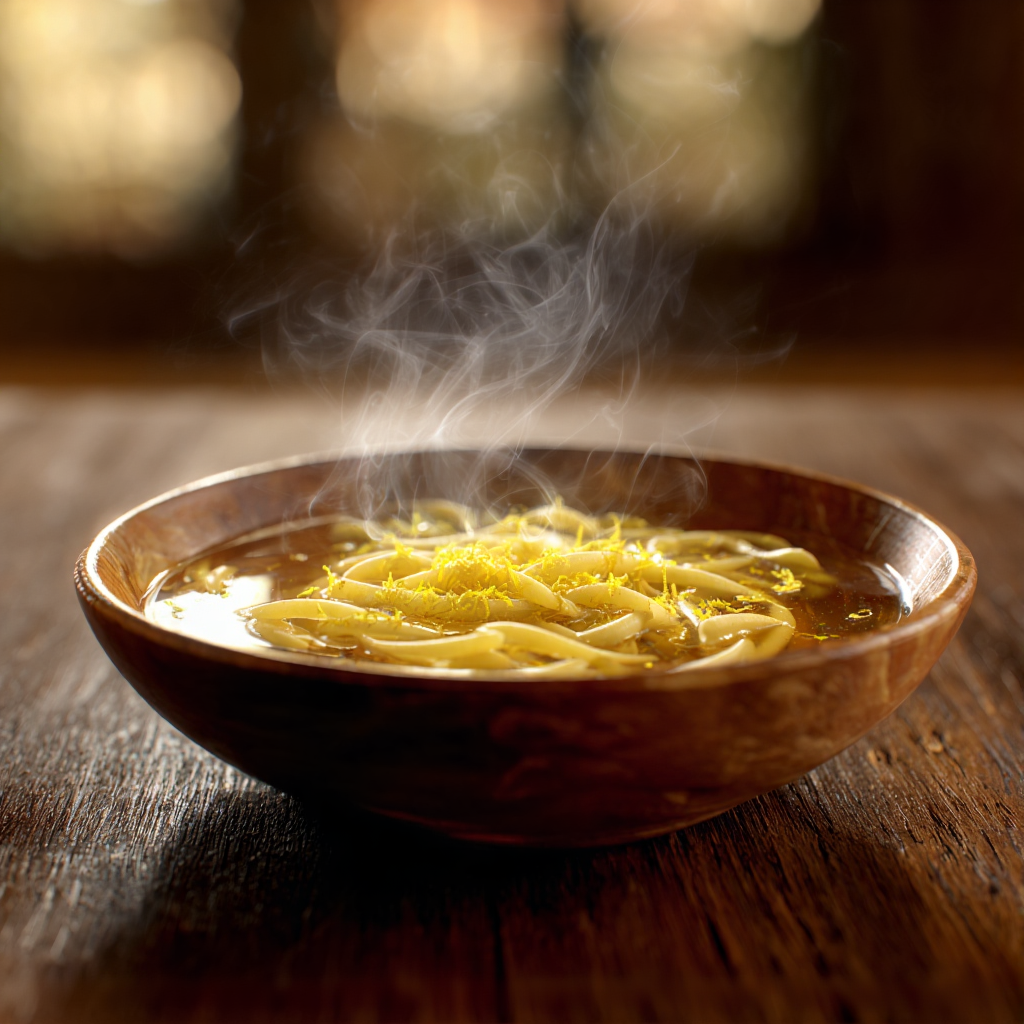
Passatelli in Brodo (Traditional Romagna Egg-and-Breadcrumb Pasta in Broth)
Ingredients
Method
- Beat the eggs in a bowl until smooth.
- Add the fine breadcrumbs, Parmigiano-Reggiano, nutmeg, lemon zest, and a small pinch of salt.
- Mix with your hands until the dough comes together into a compact, smooth ball.
- If sticky, knead in a teaspoon of breadcrumbs at a time.
- If dry or crumbly, let it sit a few minutes so the crumbs hydrate.
- Cover and rest at room temperature for 30–60 minutes.
- This helps the dough bind and stay firm during cooking.
- Warm your broth over low heat until it reaches a steady gentle simmer, not a boil.
- Skim any foam if needed and keep seasoning mild.
- Choose a ferro or potato ricer with 5mm holes.
- Press the dough through in steady strokes.
- Cut strands with a knife or kitchen shears into 2–4 cm (ferro) or 10–15 cm (ricer) lengths.
- Lay strands on a lightly floured surface or clean towel while you finish the batch.
- Keep the broth at a quiet simmer.
- Drop the strands in gently (avoid stirring).
- Cook 1–2 minutes, until they float and lighten in color.
- Lift with a slotted spoon or ladle directly into warm bowls.
- Ladle hot broth over the passatelli.
- Add a little grated cheese and a whisper of lemon zest or nutmeg.
- Optional: swirl in a tiny knob of butter or bone marrow for richness.
Notes
- Fine breadcrumbs are crucial. Coarse or oily crumbs make the strands fall apart.
- Let the dough rest—this is what keeps the passatelli from breaking in the broth.
- Keep the simmer low; a boil will destroy them.
- A small test piece in simmering broth helps confirm the dough is ready.
- Use high-quality Parmigiano-Reggiano; it’s the core flavor of the dish.
- If using a potato ricer, make sure it has 5mm holes for the right texture.