
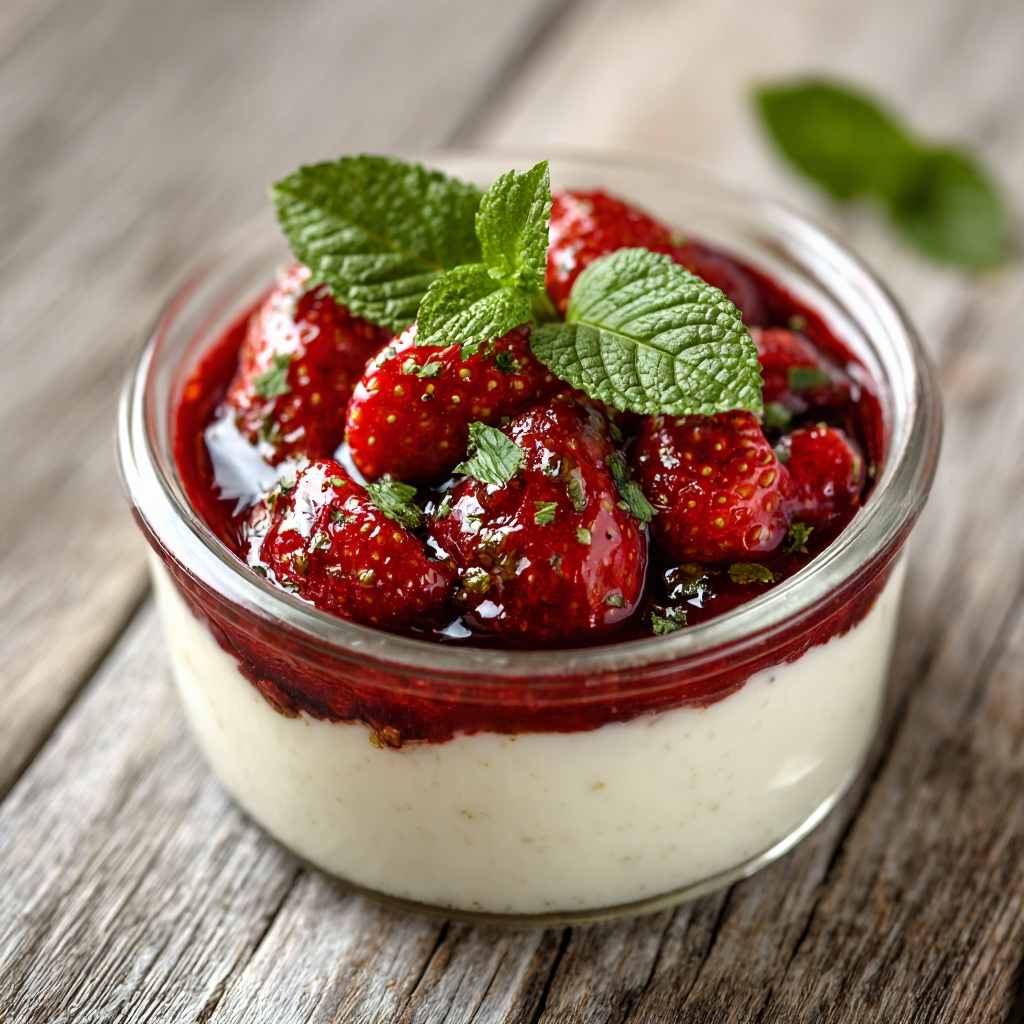
Jump to Recipe
There’s a quiet satisfaction that comes from creating something beautiful in the kitchen, especially when it connects you to generations of Italian home cooks. The scent of fresh ingredients mingling, the gentle rhythm of preparation—these small moments make cooking feel less like a task and more like a meditation.
This particular creation comes from Piedmont, where “cooked cream” has been a cherished tradition for generations. What I love about it is how it welcomes seasonal flavors while staying true to its roots. The combination of sweet fruit with aromatic herbs creates something that feels both familiar and surprising.
I’ve found this to be one of the most reliable desserts in my collection. It requires no baking, making it perfect for warm weather entertaining. The technique is straightforward, relying on proper gelatin hydration and gentle heating rather than complicated steps. You can prepare it days ahead, which means less stress when guests arrive.
The pairing works beautifully because the herbal notes lift the sweetness without overpowering the fruit. When you add a touch of balsamic reduction, the flavors reach another level entirely. If you enjoy this style of dessert, you might also appreciate this chocolate variation that follows similar principles.
What makes this preparation particularly valuable is its versatility. You can serve it in individual ramekins, wine glasses, or even use it as a tart filling. The delicate color makes it appropriate for celebrations from spring gatherings to romantic occasions.
Key Takeaways
- Originates from Italy’s Piedmont region as a traditional “cooked cream” dessert
- Perfect make-ahead option that can be prepared 3-5 days before serving
- No baking required, making it ideal for summer entertaining
- Combines sweet and herbal flavors in a balanced, sophisticated way
- Simple technique focuses on proper gelatin preparation and gentle heating
- Versatile presentation options from individual servings to tart fillings
- Respects Italian tradition while welcoming seasonal ingredient variations
Embracing the Heritage of Italian Panna Cotta
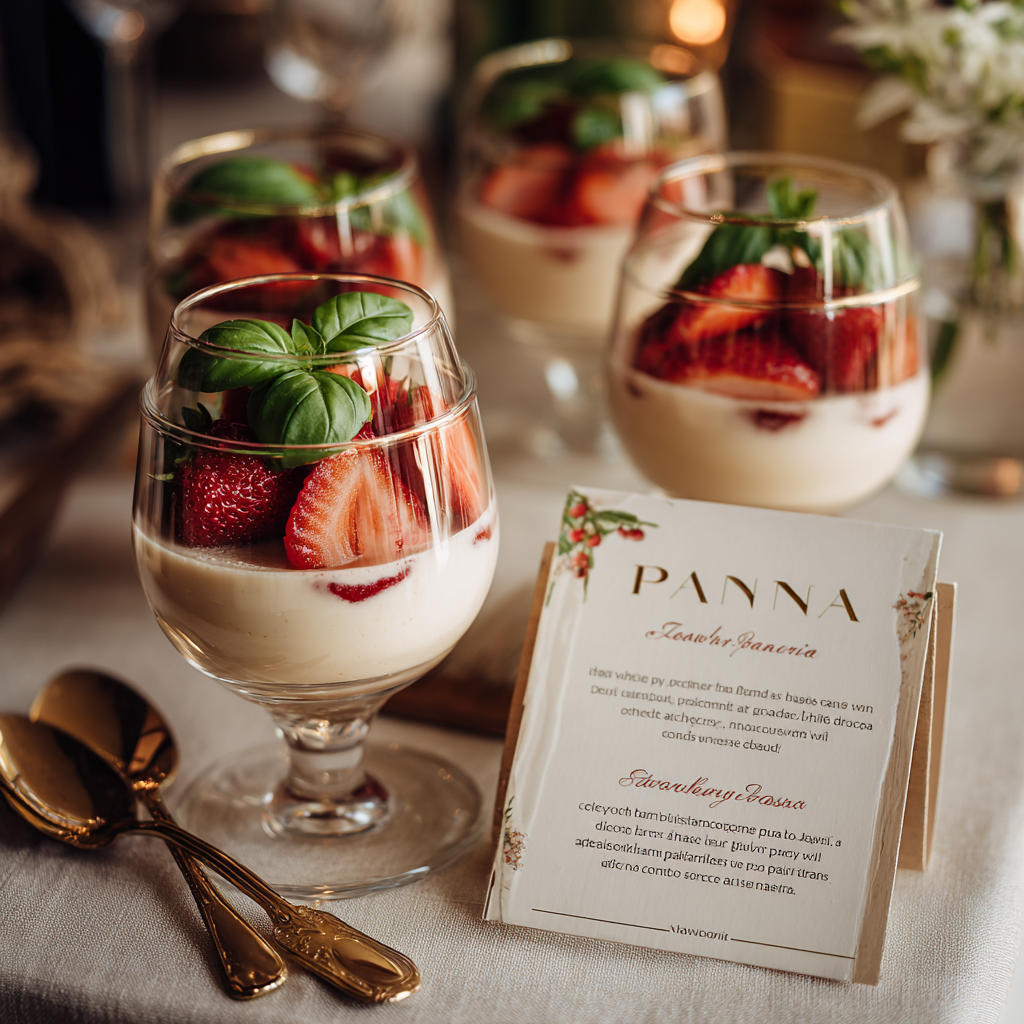
When we explore the origins of classic desserts, we discover the wisdom in simple, time-tested methods. This understanding helps us appreciate why certain ingredient combinations have endured through generations.
Exploring the Origins and Tradition
The story of this creamy treat begins in Italy’s Piedmont region. Its name translates directly to “cooked cream,” revealing the straightforward nature of traditional Italian cooking.
Authentic preparation focuses on gentle heating techniques. The cream should never reach a boil. This careful approach preserves the delicate texture that defines the dessert.
I find this method reflects a broader Italian philosophy. Quality ingredients treated with respect yield exceptional results without unnecessary complexity.
| Aspect | Traditional Approach | Modern Variations |
|---|---|---|
| Texture | Signature gentle wobble | Firm or soft depending on preference |
| Sweetness Level | Subtle, balanced | Can range from light to rich |
| Serving Style | Often with fruit compote | Creative garnishes and sauces |
| Preparation Time | Slow, deliberate process | Adapted for contemporary schedules |
Why Fresh Strawberries and Basil Make a Difference
Seasonal berries bring natural sweetness and bright acidity. This cuts through the richness of the cream base beautifully. The quality of your fruit significantly impacts the final result.
Fresh herbs might seem unusual in sweets, but they add wonderful complexity. The aromatic notes enhance rather than overpower. This pairing demonstrates how Italian cuisine balances contrasting elements.
Peak season produce makes the preparation almost effortless. The natural flavors work in harmony, requiring minimal adjustment. This combination respects tradition while celebrating seasonal abundance.
Step-by-Step “strawberry basil panna cotta recipe” for Pure Delight
The true magic of this dessert unfolds when we move from concept to creation, focusing on the careful preparation of each component. This process is straightforward but requires attention to detail for the perfect silken texture.
Preparing the Strawberry Puree and Infusing Flavors
Begin with the fruit base. Rinse your berries and cut them into small cubes. Place them in a pan with sugar over low heat.
Cook for about five minutes. Stir occasionally until the sugar completely dissolves. The fruit will soften and release its juices.
Use an immersion blender directly in the pan to create a smooth strawberry puree. This method is efficient and safe. The vibrant color and flavor form the foundation of our dessert.
Hydrating Gelatin and Heating the Cream with Vanilla
While the puree cools, hydrate the gelatin. Sprinkle the granules over milk in a small bowl. Give it one quick stir and let it rest undisturbed for three to four minutes. The gelatin will swell and absorb the liquid.
In a separate saucepan, heat the cream over medium heat. Stir regularly to prevent a skin from forming. Look for tiny bubbles around the edges after about ten minutes. Do not let it boil.
Remove the pan from the heat. Now is the time to add vanilla extract. Adding it off the heat preserves its delicate aroma.
Combine the hydrated gelatin with the strawberry puree. Mix them thoroughly in a bowl. Strain this mixture into the hot cream through a fine sieve. This step ensures an impeccably smooth texture.
Stir everything together until perfectly uniform. The technique here is similar to that used in a rich chocolate variation, relying on gentle heat and proper straining.
Transforming Fresh Ingredients into Culinary Art
Working with fresh, seasonal components requires understanding their unique characteristics. The right selection and handling elevate simple ingredients into something memorable.
Selecting the Best Strawberries and Basil
Choose berries that smell fragrant before you even pick them up. Look for deep red color extending to the stem end. Avoid white shoulders indicating underripe fruit.
For the herb, vibrant green leaves without dark spots are essential. Stems should snap cleanly rather than bend. This indicates recent harvest and maximum flavor.
I store basil stems in water at room temperature like cut flowers. This preserves flavor and prevents leaves from turning black.
Balancing Cream, Milk, and Sugar for the Perfect Texture
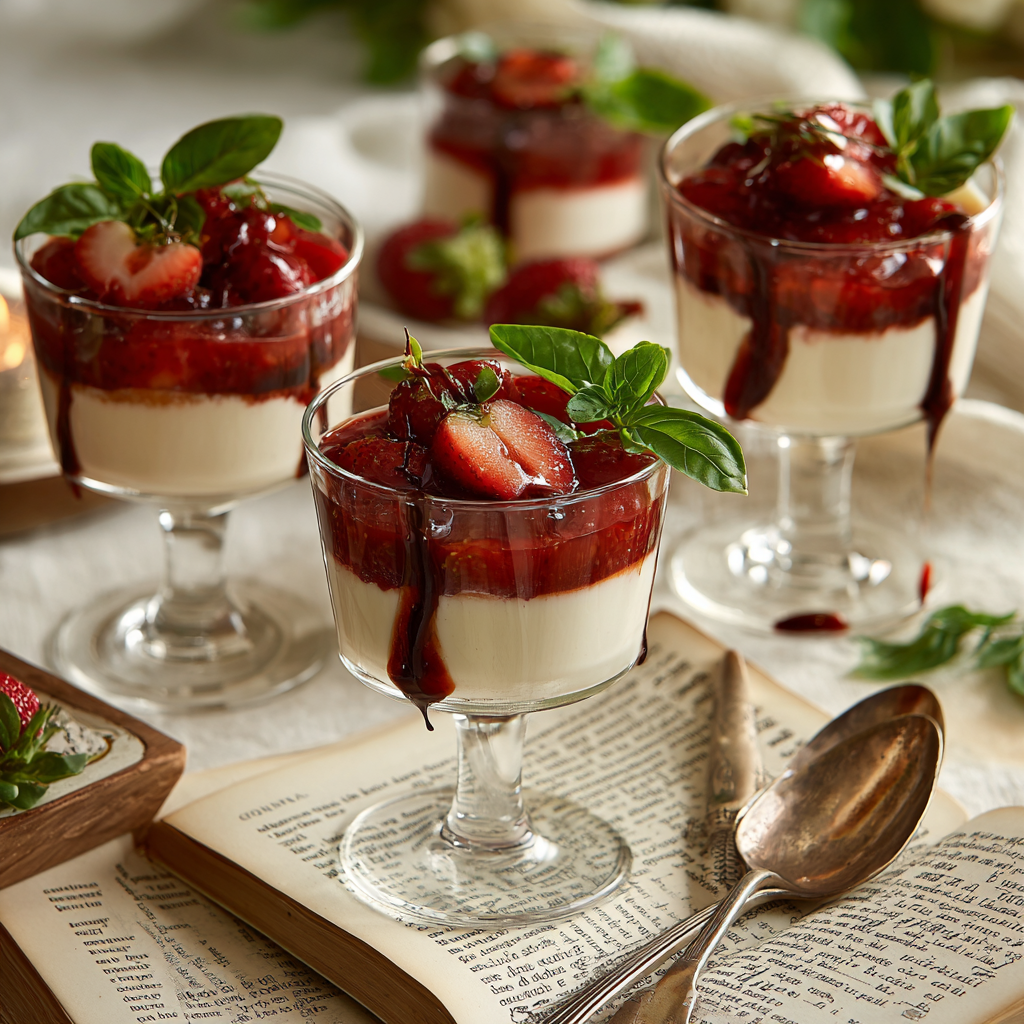
The ratio of dairy components affects both richness and setting properties. More cream creates a luxurious, stable dessert. Increasing milk lightens the texture and reduces fat content.
Greek yogurt can substitute for some or all cream. This adds pleasant tang and reduces calories. The texture becomes slightly less silky but still delightful.
| Ingredient Ratio | Texture Result | Best Use Case |
|---|---|---|
| High cream, low milk | Rich, firm set | Formal occasions |
| Equal parts cream/milk | Balanced, silky | Everyday elegance |
| High milk, low cream | Lighter, delicate | Summer gatherings |
| Yogurt substitution | Pudding-like | Health-conscious |
Mastering the Gelatin and Straining Techniques
Gelatin quantity matters critically. Too little prevents proper setting. Too much creates rubbery texture rather than delicate wobble.
Proper hydration prevents clumping. Give it those few minutes to absorb liquid completely. This ensures smooth dissolution when combined with warm cream.
Straining removes two texture compromisers: undissolved gelatin lumps and tiny seeds from the fruit. Pour through a fine-mesh sieve into a spouted bowl for clean serving.
The entire active process takes about 15 minutes. This efficiency makes the dessert remarkably accessible for such elegant results.
Innovative Twists, Presentation Ideas, and Pro Tips
The final presentation and serving techniques can transform a simple dessert into an elegant culinary experience. Once you master the basic preparation, creative variations become accessible.
Alternative Variations and Creative Garnishes
Experiment with different berries like blackberries or raspberries. Pair them with fresh mint instead of traditional herbs. This creates a refreshing alternative.
For a lighter option, substitute Greek yogurt for cream. Use honey instead of sugar. This reduces calories while maintaining excellent texture.
| Variation Type | Key Ingredients | Best For |
|---|---|---|
| Classic Berry | Fresh berries, mint garnish | Summer entertaining |
| Light Yogurt | Greek yogurt, honey sweetener | Health-conscious servings |
| Vanilla Bean | Whole vanilla pod, visible specks | Special occasions |
| Balsamic Drizzle | Reduction sauce, fresh fruit | Flavor complexity |
Expert Advice for a Flawless Setting and Serving Experience
Allow at least four hours for proper setting. Overnight refrigeration yields the best results. The flavors develop fully during this time.
Cover each serving with plastic wrap before chilling. Ensure the wrap doesn’t touch the surface. Your dessert will keep well for up to five days.
Add fresh garnishes just before serving. A balsamic reduction adds wonderful depth. Chiffonade-cut herbs provide elegant decoration.
Savoring Your Masterpiece and Final Reflections
What I love most about this preparation is how it transforms simple ingredients into something memorable. The technique you master here—proper gelatin hydration, gentle heating, and careful straining—creates a dessert that feels both elegant and approachable.
Your active time totals about fifteen minutes. The mixture sets beautifully after four hours in the refrigerator. Overnight chilling develops the flavors even more fully.
This dessert adapts wonderfully to different preferences. You can adjust sweetness or substitute Greek yogurt for a lighter version. The basic method applies to many other creamy creations.
Serve each portion with fresh garnishes added just before presenting. Store leftovers covered for up to five days. The result honors Italian tradition while celebrating whatever beautiful fruit is in season.
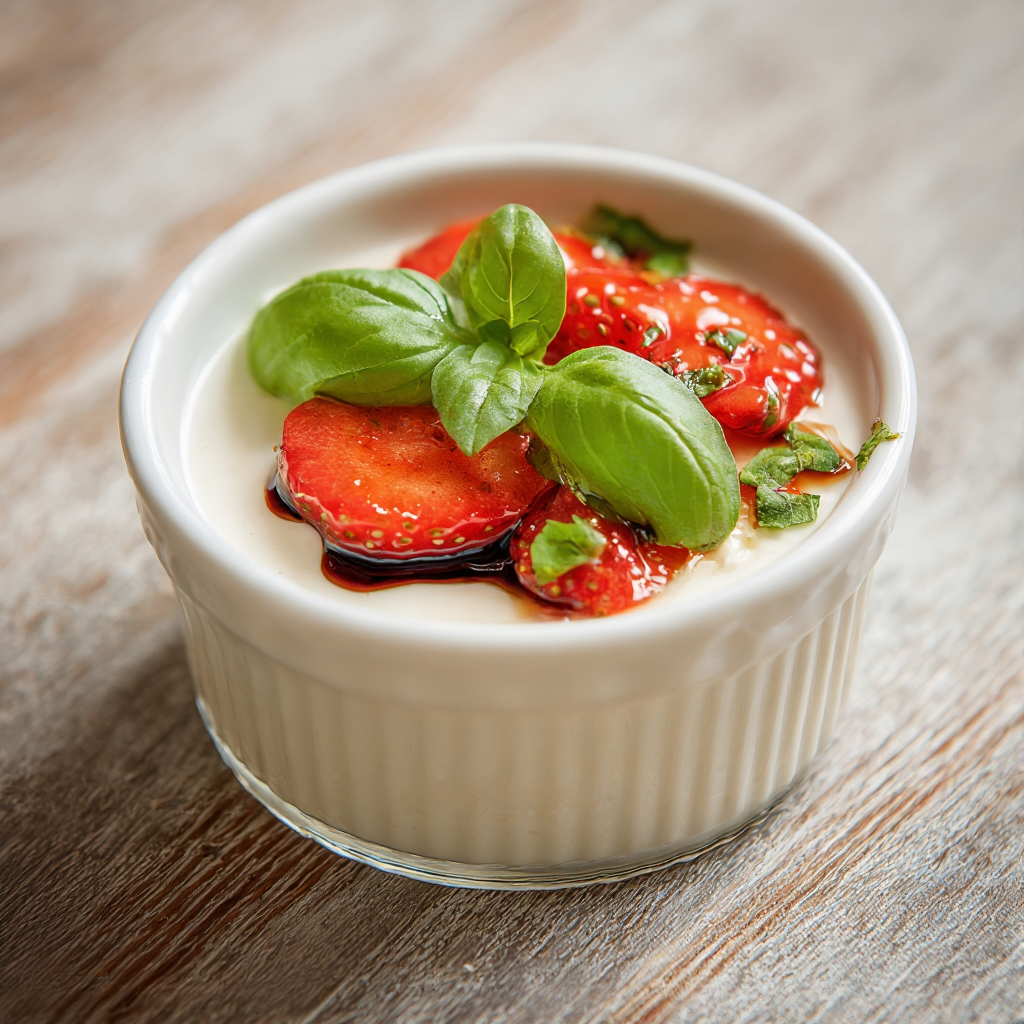
Strawberry Basil Panna Cotta
Ingredients
Method
- Wash and cut strawberries into small cubes.
- In a pan, cook strawberries with sugar over low heat for about 5 minutes, stirring occasionally until the sugar dissolves and the fruit softens.
- Use an immersion blender to blend the strawberries into a smooth puree. Set aside to cool.
- Sprinkle gelatin granules over the milk in a small bowl. Stir lightly and let it sit for 3-4 minutes until it swells.
- In a separate saucepan, heat the heavy cream over medium heat. Stir occasionally to prevent the skin from forming. Heat until tiny bubbles appear at the edges (but do not boil).
- Remove from heat and add vanilla extract.
- Add the hydrated gelatin to the strawberry puree and stir to combine.
- Strain the mixture through a fine sieve into the warm cream to ensure a smooth texture.
- Stir everything together until well combined.
- Pour into individual ramekins or glasses and chill in the fridge for at least 4 hours (overnight is best for the flavors to fully develop).
- Garnish with fresh basil leaves and drizzle with balsamic reduction just before serving, if desired.
Notes
- You can substitute Greek yogurt for cream for a lighter version of the dessert.
- If using frozen strawberries, ensure to thaw them completely and drain excess liquid before pureeing.
- If you'd like to make this dish vegetarian, substitute gelatin with agar-agar (about 1 teaspoon of agar-agar powder).