
Jump to Recipe
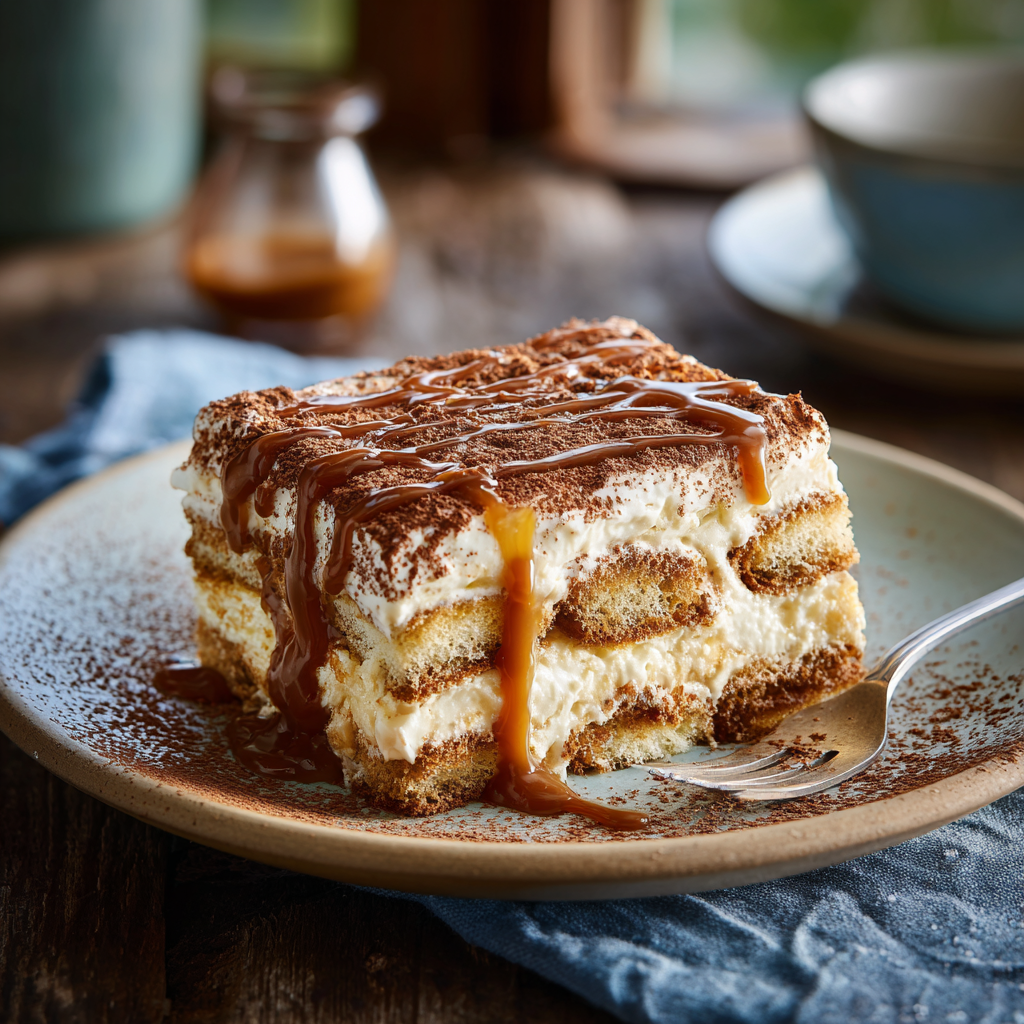
There’s a particular comfort in the rhythm of Italian cooking, where simple ingredients transform into something deeply satisfying. I remember learning this dessert in a small kitchen outside Florence, watching how coffee-soaked biscuits and creamy layers create magic. The addition of salted caramel brings a warm, rich depth that makes each spoonful feel like a special occasion.
This variation stays true to the classic method while offering a modern twist that home cooks can easily master. We’ll work with Savoiardi biscuits, espresso, and a fluffy cream base, adding homemade caramel ribbons for balanced sweet-salty notes. The process draws from authentic techniques I learned abroad, adapted for American kitchens.
What makes this preparation successful is understanding a few key principles rather than following rigid rules. Proper layering, correct soaking of the ladyfingers, and creating stable cream are essential. The caramel should enhance rather than overwhelm the traditional coffee and mascarpone flavors.
This is a no-bake dessert that requires minimal active time but benefits from patience during chilling. You can prepare it a day ahead, making it ideal for gatherings. The texture improves overnight as the flavors meld together beautifully. Whether you choose individual glasses or a large dish, the result is impressively rich and fudgy.
Key Takeaways
- This dessert builds on classic Italian methods with a caramel twist
- Requires at least 4 hours of refrigeration for best results
- Uses simple techniques suitable for home cooks
- Can be prepared in advance for easy entertaining
- Focuses on proper layering and ingredient temperature
- Works well in both individual servings or large dishes
- Balances sweet and salty flavors with coffee notes
Rediscovering a Classic with a Caramel Twist
My time in Polignano with Flavia revealed the beautiful simplicity behind Italy’s most beloved sweets. She showed me how traditional tiramisu relies on balanced layers rather than complex techniques. This foundation became essential when I returned home.
The story behind this Italian dessert revival
Back in my kitchen, I wanted to honor what I’d learned while adding depth. The caramel twist emerged naturally. It complements the coffee notes without overwhelming them.
Regional variations exist across Italy. Families adapt recipes based on local ingredients and personal taste. This approach continues that tradition of thoughtful adaptation.
How traditional tiramisu met modern creativity
This version became my go-to for gatherings. It delivers impressive results with straightforward methods. Both experienced and new cooks find it approachable.
The added complexity appeals to those who want more dimension. It creates a bridge between Italian traditions and American preferences for rich, balanced flavors. Each bite offers subtle sweet-salty depth.
Essential Steps for the Perfect Caramel Tiramisu Recipe
The success of this Italian-inspired dessert hinges on two fundamental preparations that work in harmony. We’ll focus on creating stable cream layers and achieving balanced flavors.
Mixing Mascarpone and Cream to Perfection
Begin by beating your chosen base until smooth. You can use ricotta with granulated sugar for a lighter texture or mascarpone for richer results. Both options work beautifully with the sweet addition.
Whip cream with icing sugar at medium speed for 2-3 minutes until soft peaks form. Then incorporate the caramel sauce and continue whipping until stiff peaks develop. This process takes about 5-8 minutes total.
Slow whipping creates small, stable air bubbles that maintain their shape. High speed produces large bubbles that collapse easily. The icing sugar and caramel add structure to your mascarpone cream mixture.
Test the consistency by dragging a spoon through it. The line should hold clearly. The cream shouldn’t slide off a tilted spatula. This indicates perfect readiness for layering.
Balancing Coffee, Caramel, and Cocoa Flavors
The cream carries the sweet caramel flavor while the coffee provides bitter contrast. A dusting of cocoa powder adds final complexity. Taste as you work to adjust proportions.
If your coffee is particularly strong or your caramel especially sweet, you might need slight adjustments. This cream preparation is more stable than egg-based versions, making it safer and more forgiving.
Exploring the Rich Flavors of Coffee and Mascarpone
The interplay of bitter espresso and rich mascarpone creates the foundation of flavor. Getting these elements right is more about technique than complexity.
Authentic espresso provides the essential bitter backbone. Using a high-quality, concentrated coffee makes a significant difference in the final dessert’s depth.
The influence of espresso and room temperature techniques
You will need about 1½ cups of cooled espresso. This equals roughly three long shots. The coffee must reach room temperature before you begin assembling the dessert.
This specific temperature is critical. Hot or even warm coffee will cause the ladyfingers to dissolve into mush almost instantly. Room temperature liquid allows for a controlled, brief soak that softens the biscuits without destroying their structure.
Mascarpone cheese acts as the creamy, slightly tangy counterpoint. It balances the coffee’s bitterness and the sweetness from other elements. This combination creates a smooth, luxurious texture that is signature to the dessert.
You can enhance the coffee mixture with optional additions. A traditional choice is a coffee liqueur like Kahlúa. For this specific variation, a chocolate liqueur or a small amount of caramel essence can reinforce the theme.
Some cooks add sugar directly to the coffee, but this is unnecessary here. The sweetness from other components is already well-balanced.
| Method | Quantity | Key Consideration | Best For |
|---|---|---|---|
| Fresh Espresso Shots | 3 shots (~1.5 cups) | Must be cooled completely | Most authentic flavor |
| Strong Instant Coffee | 1.5 cups, highly concentrated | Ensure no granules remain | Convenience and speed |
| Brewed Black Coffee | 1 cup strong brew + 2 tbsp liqueur | Brew at double strength | Adapting with pantry staples |
The quality of your coffee matters greatly. Stale or weak coffee will result in a flat-tasting final product. Use freshly brewed coffee from good beans whenever possible.
Diving into the Art of Homemade Caramel Sauce
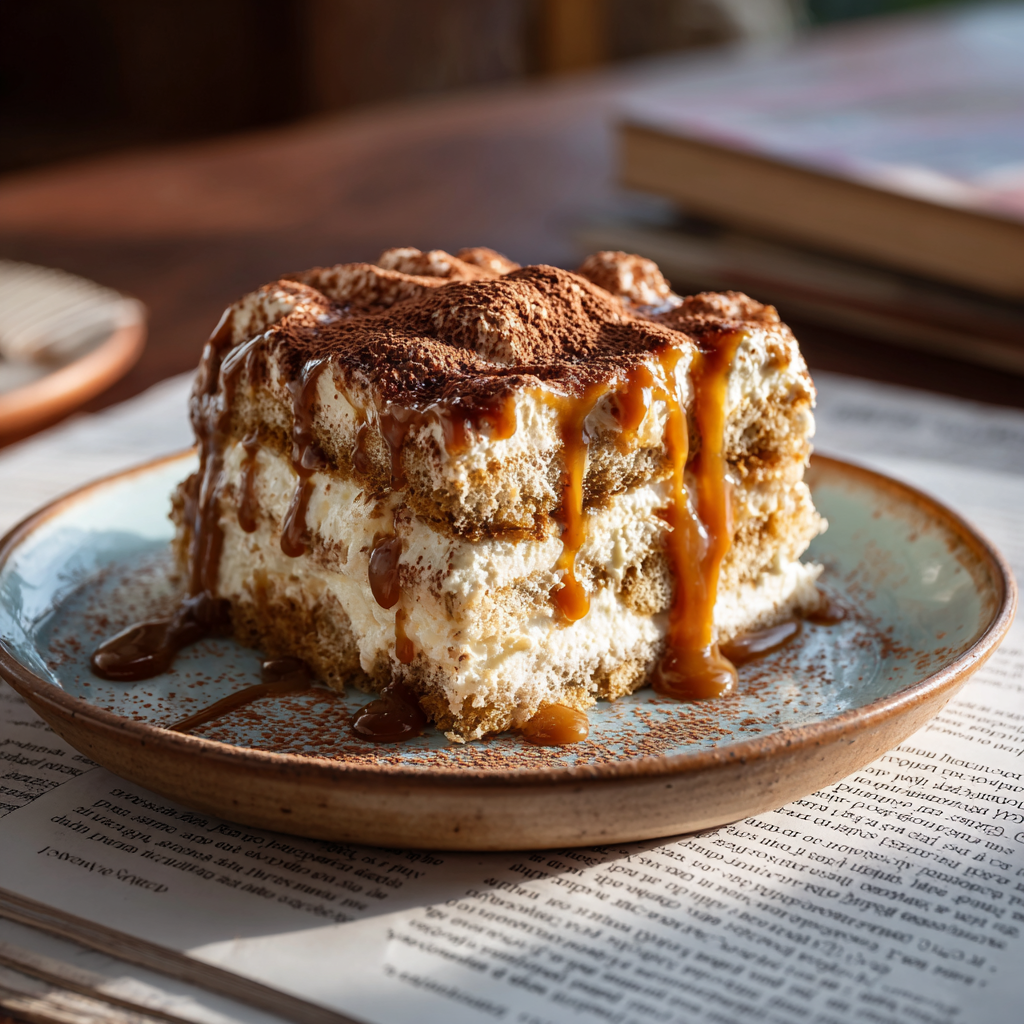
The transformation of simple sugar into a rich, amber sauce is one of cooking’s most satisfying processes. While quality store-bought options like Woolworths Gold salted caramel sauce work well for convenience, homemade versions offer superior control over texture and flavor balance.
Creating a fudgy, sweet-salty caramel
To make caramel from scratch, heat granulated sugar in a heavy-bottomed pan over medium heat. Resist stirring initially as the crystals melt and turn amber. This prevents crystallization that can ruin your sauce.
Once the sugar reaches a deep amber color, carefully add cream and butter. Remove the pan from heat first to control vigorous bubbling. Whisk constantly until smooth, then finish with salt for that essential sweet-salty balance.
The ideal consistency for this dessert resembles warm honey—thick enough to ribbon when drizzled but fluid enough to mix into whipped cream. Aim for enough salt to cut through richness without tasting aggressively salty.
Cool your caramel sauce completely before incorporating it. Warm caramel will deflate whipped cream, creating runny layers instead of stable, fluffy ones. We use this sauce two ways: mixed throughout the cream for consistent flavor and drizzled between layers for visual appeal.
Ingredient Selection: Quality Components for a Memorable Dessert
The foundation of any memorable dessert lies in thoughtful ingredient selection, where each component serves a specific purpose. Quality choices make the difference between a good result and an exceptional one.
Choosing the perfect ladyfingers and spices
Start with authentic Savoiardi biscuits, the proper Italian ladyfingers. These are drier and more structured than soft sponge cakes. They absorb coffee without falling apart completely.
You’ll need between 200-350 grams of ladyfingers depending on your dish size. Having extra on hand is wise. The right quantity ensures proper layering.
Traditional preparations use mascarpone for rich, smooth flavor. Ricotta creates a lighter texture with subtle graininess. Both work well, depending on your preference.
Granulated sugar works for beating with ricotta. Icing sugar dissolves instantly in whipped cream. It prevents graininess in the final texture.
Dutch process cocoa powder has a smoother, less acidic flavor. It creates a sophisticated finish that complements the coffee notes. Natural cocoa can add unwanted bitterness.
Optional additions include dark chocolate for textural interest. Vanilla extract adds another layer of flavor complexity. These enhancements should complement rather than overwhelm.
Fresh mascarpone, good espresso, and proper Italian ladyfingers produce noticeably better results. Quality ingredients transform this classic dessert into something truly special.
Tips for Achieving the Ideal Texture and Consistency
Texture transforms this preparation from good to exceptional, with each element contributing to the overall experience. The contrast between coffee-softened ladyfingers, silky cream, and powdery cocoa creates the signature mouthfeel that defines this classic dessert.
Room temperature insights and timing techniques
Room temperature coffee prevents ladyfingers from dissolving too quickly. It also avoids shocking other ingredients when flavors meld during refrigeration.
This specific temperature allows for controlled soaking that softens biscuits without destroying their structure. Proper timing ensures each layer maintains its intended texture.
Mastering stiff peaks with your electric mixer
Start with cold heavy cream in a chilled bowl. Whip at medium speed until soft peaks form, then add your caramel sauce.
Continue whipping until stiff peaks develop, which typically takes 5-8 minutes. You’ll know you’ve reached the right consistency when the cream holds its shape completely and doesn’t slide when the bowl is tilted.
Slow whipping creates small, stable air bubbles that retain their shape. High speed produces large bubbles that collapse easily, especially when adding caramel. Using an electric mixer ensures consistent speed and proper texture monitoring.
Stop immediately when stiff peaks form. Over-whipping causes the cream to become grainy and separated as the fat starts to separate from the liquid.
Layering Techniques: Building Flavors and Textures
Proper layering technique determines the dessert’s final texture and flavor distribution. The assembly process requires careful attention to timing and sequence.
Quick dipping methods to prevent sogginess
Dipping ladyfingers requires a swift motion. Submerge each biscuit in the coffee mixture for one second per side, then immediately place it in your dish.
Over-soaking causes the biscuits to absorb too much liquid. They become mushy and lose their structure, creating an unpleasant texture instead of the desired soft-but-firm consistency.
| Dipping Duration | Texture Outcome | Recommended For | Risk Level |
|---|---|---|---|
| 1-2 seconds total | Firm yet moist | All preparations | Low |
| 3-5 seconds total | Very soft | Deep dishes only | Medium |
| Over 5 seconds | Mushy collapse | Not recommended | High |
Strategic layering for optimal flavor integration
Begin with a layer of dipped biscuits covering the dish bottom. Spread half the cream mixture evenly over them, then drizzle sauce in ribbons.
Repeat the process, ensuring the top layer is always cream. Individual glasses typically need two layers, while larger dishes can accommodate three if deep enough.
Make sure to distribute components evenly. This creates balanced flavor in every serving and attractive visual appeal when portioned.
Creative Twists and Variations to Elevate Your Tiramisu
Personalizing this classic dessert allows you to adapt it to different occasions and preferences while maintaining its essential character. The traditional preparation welcomes thoughtful modifications that enhance rather than overwhelm the core flavors.
Experimenting with liqueurs and alternative biscuits
Traditional coffee liqueur like Kahlúa works beautifully, but you might try chocolate varieties or amaretto. Alcohol is optional and omitting it creates a family-friendly version with minimal flavor difference.
While Savoiardi ladyfingers create the ideal texture, slightly dry sponge cake cut into strips can substitute successfully. The key is using biscuits that absorb liquid without dissolving completely.
| Liqueur Type | Quantity | Flavor Profile | Best Pairing |
|---|---|---|---|
| Coffee Liqueur | 2 tablespoons | Rich, bitter notes | Traditional preparation |
| Chocolate Liqueur | 2 tablespoons | Sweet, cocoa depth | Caramel variations |
| Amaretto | 1-2 tablespoons | Nutty, almond tones | All versions |
| Caramel Vodka | 1 tablespoon | Sweet, smooth accent | Theme reinforcement |
Adapting the recipe for individual dessert servings
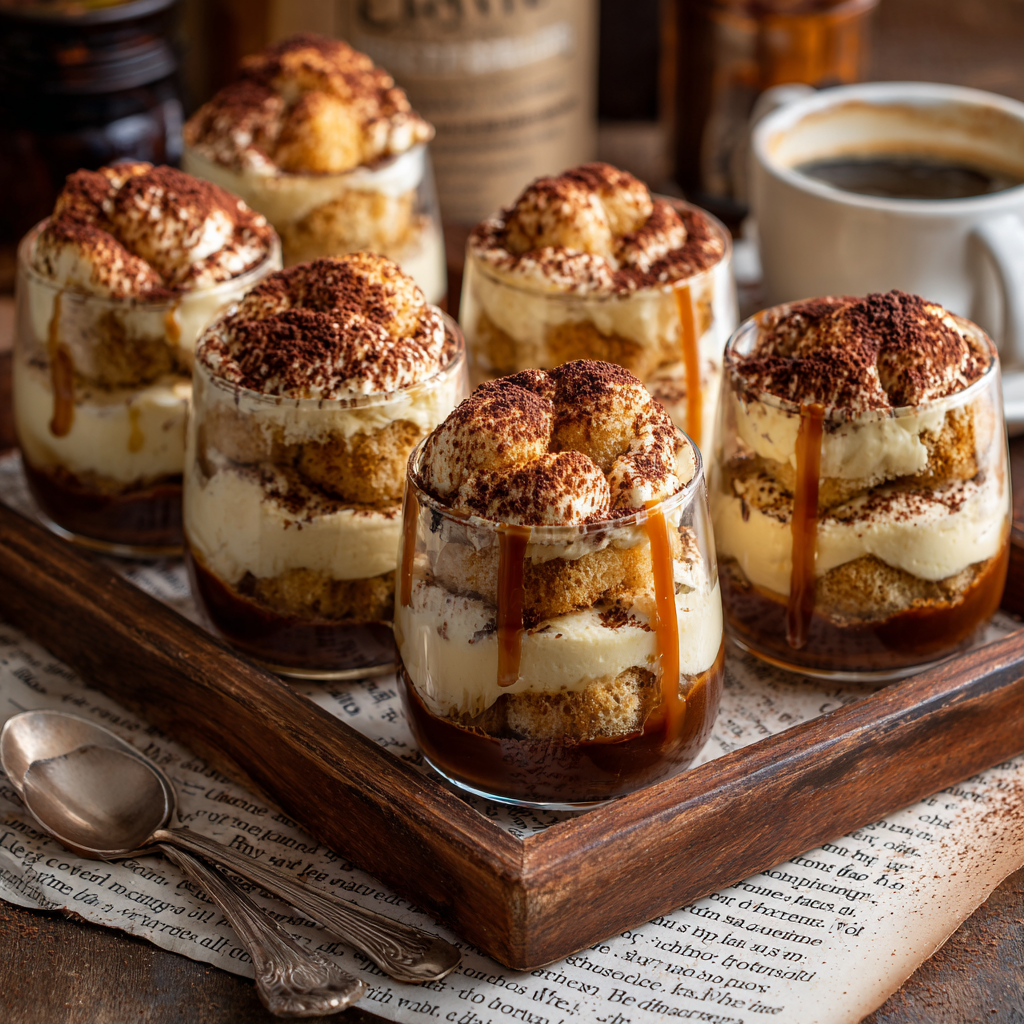
Individual glasses or jars create elegant presentations perfect for dinner parties. The visible layers through clear glass make portion control simple and visually appealing.
This approach works well with the measurements typically serving 8-10 people. You can easily scale the quantities for smaller gatherings without changing the technique. For another citrus-inspired variation, consider exploring a limoncello version that offers bright, refreshing notes.
Bringing Home the Sweet Italian Finale
The final, and perhaps most important, step in creating this dessert is patience. Cover it well and let it rest in the fridge for at least four hours. For the best texture and flavor, I find a full 24 hours is ideal.
This waiting time allows the coffee-soaked ladyfingers to soften fully. The cream sets firmly, and all the flavors meld together beautifully. Making it a day ahead removes last-minute stress.
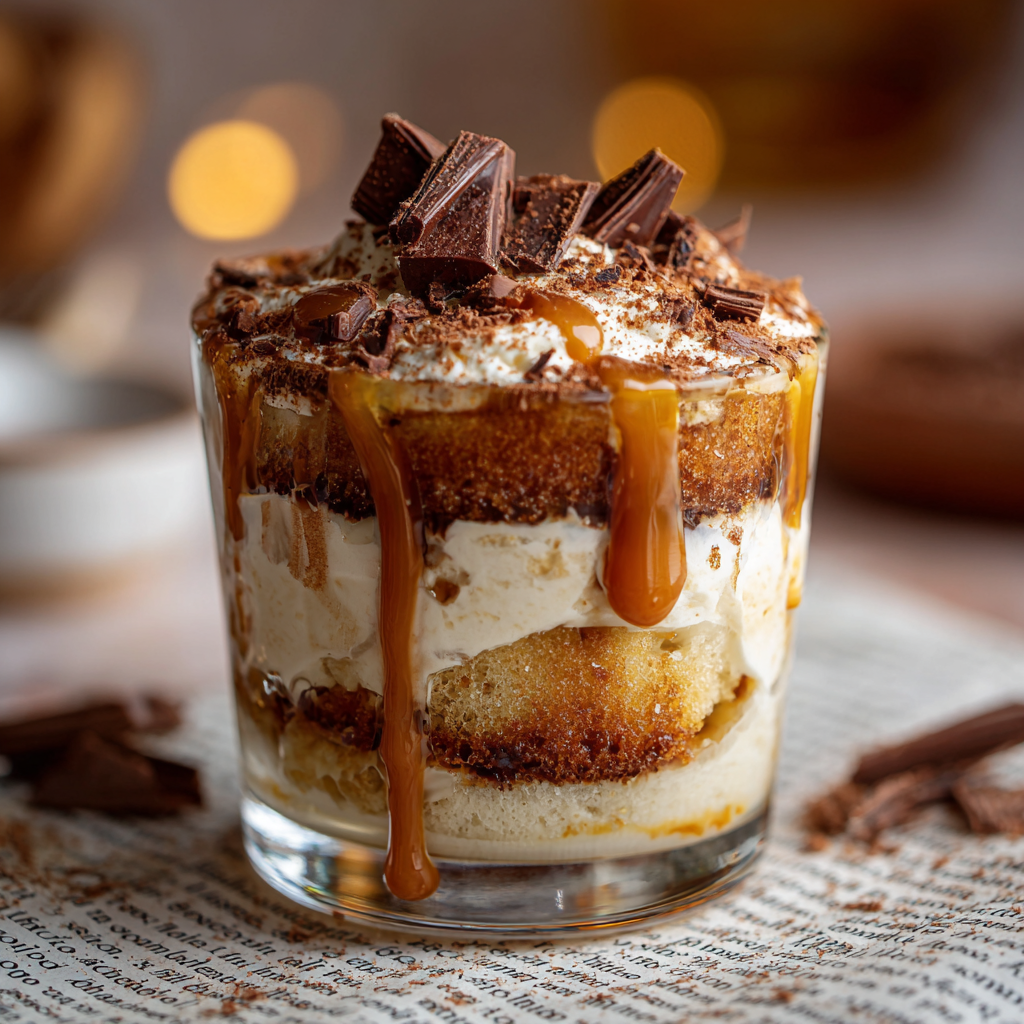
Add the cocoa powder and grated chocolate just before serving. This keeps the topping dry and visually appealing. For a different presentation, you can also assemble this in individual tiramisu cups.
When ready to serve, use a sharp knife for clean slices. Each portion should include all the layers. This rich treat serves a crowd and stores well for days.
Success hinges on a few simple principles: quality ingredients, proper technique, and giving the dessert ample time to set. The result is a wonderfully balanced and deeply satisfying creation.
Caramel Tiramisu
Ingredients
Method
- Brew 3 shots of espresso (1.5 cups) and let it cool completely to room temperature.
- In a heavy-bottomed pan, melt granulated sugar over medium heat, without stirring, until it turns amber. Remove from heat and add cream and butter, stirring until smooth. Add a pinch of salt to balance the sweetness. Let the caramel cool to room temperature.
- In a chilled bowl, whip 1 cup of heavy cream with 3 tablespoons of icing sugar on medium speed for 2-3 minutes until soft peaks form. Gradually incorporate ¼ cup of caramel sauce and whip for 5-8 minutes until stiff peaks form.
- In a separate bowl, combine 250 grams of mascarpone cheese with the whipped cream mixture. Stir until fully blended.
- Quickly dip each Savoiardi biscuit into the cooled espresso for 1-2 seconds per side. Arrange the dipped biscuits in a serving dish (or individual glasses). Spread half of the mascarpone mixture over the biscuits.
- Drizzle a portion of the caramel sauce over the cream layer. Repeat the layers: biscuits, cream, and caramel, ensuring the final layer is the cream mixture.
- Refrigerate the tiramisu for at least 4 hours, but ideally 24 hours, to allow the flavors to meld together and the cream to set.
- Before serving, dust the tiramisu with cocoa powder and optionally, top with grated chocolate. Serve chilled.
Notes
- Make sure to dip the ladyfingers quickly in the coffee, as over-soaking will make them soggy.
- Allowing the dessert to chill overnight will improve the flavor and texture.
- You can make this dessert ahead of time, which makes it great for parties and gatherings.