
Jump to Recipe
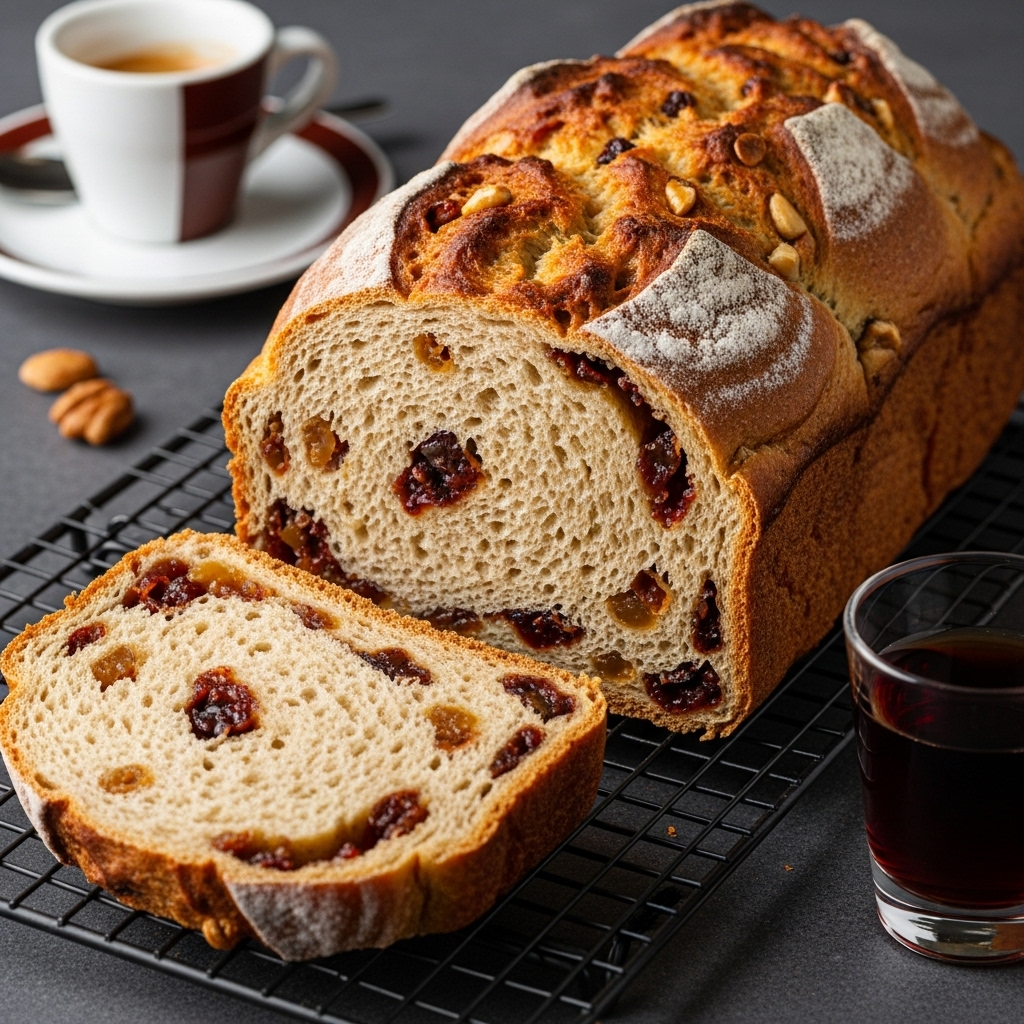
There’s a particular quiet that settles in an Italian kitchen on a holiday morning. The air hangs warm, carrying the rich scent of dried fruit and toasted nuts from a loaf cooling on the counter. It’s a fragrance that promises comfort and celebration, a taste of tradition that feels like home.
This special bread comes from Liguria, a coastal region known for its practical and flavorful cuisine. Unlike its more famous cousins, this creation is less sweet and has a denser, more rustic texture. Its character reflects Genoa’s maritime history, originally designed to withstand long voyages.
I remember tasting authentic versions during holidays spent in Italy. The experience showed me why families cherish this particular bake. It carries a deep sense of place and history.
While the name might sound exotic, the process is surprisingly approachable for any home baker. You won’t need special equipment, and the ingredients are available at well-stocked grocery stores. Traditionally, there are two main styles: a tall, yeasted version requiring patience, and a quicker, flat version made with baking powder.
We will focus on the traditional yeasted method. It delivers the most authentic texture and flavor that Genoese families have enjoyed for generations. The beautiful part is that the flavors meld and improve after a day or two. This makes it perfect for preparing in advance, taking the stress out of holiday baking.
Key Takeaways
- This is a traditional holiday bread from the Ligurian region of Italy.
- It has a less sweet, denser texture compared to other well-known Italian holiday breads.
- Its unique character is rooted in Genoa’s practical maritime heritage.
- The baking process is accessible and does not require specialized equipment.
- There are two main versions: a tall, yeasted loaf and a quicker, flat version.
- The flavors develop fully over a day or two, making it ideal for advance preparation.
- It is a cherished part of a broader Italian Christmas baking tradition.
Getting Started with Traditional Ingredients
Before we begin mixing, let’s explore what makes each ingredient essential to the final result. Quality components transform a simple list into something special.
Sourcing Quality Ingredients Like Pine Nuts and Candied Orange
Finding the right ingredients matters. Orange flower water sits in the baking aisle of most supermarkets. Italian or Middle Eastern markets always carry it.
Pine nuts offer traditional flavor but can be pricey. Chopped almonds work beautifully if budget is a concern. Both options create wonderful texture.
Seek out quality candied orange peel. Avoid the bright mixed fruit sold for fruitcakes. The flavor difference is substantial.
| Ingredient | Quality Indicator | Best Source | Good Substitute |
|---|---|---|---|
| Pine Nuts | Light color, fresh smell | Italian markets | Chopped almonds |
| Candied Orange | Natural color, thick strips | Specialty stores | Fresh zest (less sweet) |
| Golden Raisins | Plump, moist texture | Bulk bins | Regular raisins |
| Butter | Properly softened | Any supermarket | None recommended |
Understanding the Role of Each Ingredient
Butter must be truly softened to room temperature. This helps it cream properly with sugar. The texture depends on this step.
All-purpose flour works perfectly here. No need for specialty Italian flour. Cake flour can create a slightly more tender result.
Fennel seeds provide subtle warmth. Reduce the amount if you’re sensitive to licorice flavors. Don’t skip them entirely.
Fresh ingredients make a difference. Check your yeast expiration date. Old spices lose their potency over time.
Step-by-Step pandolce genovese recipe christmas
With our ingredients ready, we can now focus on the methodical process of building the dough. This stage combines patience and precision as we develop the structure of our traditional bread.
Preparing the Dough with Active Dry Yeast and Warm Milk
Begin by warming your milk to body temperature. Test it on your inner wrist—it should feel neutral, not hot. Stir in the yeast and set aside for about 10 minutes. You’ll see a foamy layer form, confirming the yeast is active.
While waiting, cream the softened butter with sugar in your mixer. Beat until the mixture turns pale and fluffy. This incorporates air for better texture. Add the egg, vanilla, and orange flower water, mixing until smooth.
Pour in the yeast mixture. Don’t worry if it looks slightly curdled—this is normal. The flour will bring everything together.
Mixing in Fruits, Nuts, and Spices
Switch to the dough hook attachment. Gradually add flour while mixing on low speed. Allow each addition to incorporate before adding more. You’ll get a cohesive, smooth dough.
Now fold in the currants, raisins, candied orange, and pine nuts. Mix just until evenly distributed. The dough will feel moist and slightly sticky—this is correct. Resist adding extra flour.
Transfer to a greased bowl, cover with a towel, and set aside in a warm spot. Let it rise for 3-4 hours. Remember, this is a dense bread, so don’t expect dramatic doubling.
Mastering the Dough Preparation Process
Many bakers feel uncertain when they first encounter this type of soft, sticky dough. The texture differs significantly from traditional bread preparations. Understanding these differences helps build confidence during handling.
Tips for Achieving a Smooth and Moist Dough
This enriched dough contains high proportions of butter, eggs, and milk. These ingredients create a softer, stickier consistency than standard bread dough. The moisture content is intentional and essential for the final texture.
Resist the temptation to add extra flour when the dough feels sticky. Additional flour creates a dry, dense result instead of the desired tender crumb. Trust that the sticky consistency is correct for this preparation.
| Handling Method | Best For | Result | Traditional Use |
|---|---|---|---|
| Wet Hands | Sticky Enriched Dough | Prevents sticking without toughening | Italian breads like pane pugliese |
| Lightly Oiled Hands | Extremely Sticky Dough | Easy release with minimal residue | Alternative method |
| Extra Flour | Not Recommended | Tough, dry texture | Avoid for best results |
Handling Sticky Dough with Wet Hands
Keep a bowl of room temperature water nearby. Dip your hands briefly and shake off excess moisture. The thin water film prevents sticking without altering the dough’s composition.
Handle the dough confidently with wet hands. Gently transfer it to your baking sheet while maintaining the smooth surface. Pat it into a 6-inch round without deflating the risen structure.
This gentle approach preserves the air bubbles developed during fermentation. It contributes to the lighter texture characteristic of properly handled enriched dough.
Enhancing Flavor with Citrus and Aromatic Spices
The true character of this bread comes from its aromatic ingredients. These elements create a distinctive profile that sets it apart from other traditional bakes.
Utilizing Orange Flower Water and Fresh Orange Rind
Orange flower water provides the signature floral note. This delicate distillation from bitter orange blossoms cannot be replicated with extracts.
Measure carefully—about four teaspoons typically creates the perfect balance. Too much can overwhelm the other flavors.
Candied orange peel contributes sweetness and intense citrus. Adding fresh orange zest alongside it amplifies the brightness beautifully.
Incorporating Fennel Seeds for a Unique Twist
Fennel seeds release a gentle anise-like warmth when bitten. They provide aromatic complexity that complements rather than competes with the citrus notes.
Use them whole for textural interest and little bursts of flavor. Alternatively, crush them lightly for more even distribution throughout the bread.
Some traditional versions include a pinch of coriander powder. This adds an earthy, slightly citrusy undertone that enhances without announcing itself.
The flavors layer beautifully: floral top notes from the orange flower water, bright citrus from the orange components, warm spice from the fennel seeds, and familiar sweetness from vanilla.
If this is your first time making pandolce, follow the measurements as written. This helps you understand the traditional profile before making personal adjustments later.
Baking Secrets for a Perfectly Golden Pandolce
The final stage requires careful attention to temperature and timing. Proper technique ensures a beautiful crust and fully cooked interior.
Setting the Right Oven Temperature and Time Adjustments
Preheat your oven to 375°F with the rack centered. This position promotes even heating. Place your shaped dough on parchment paper on a baking sheet.
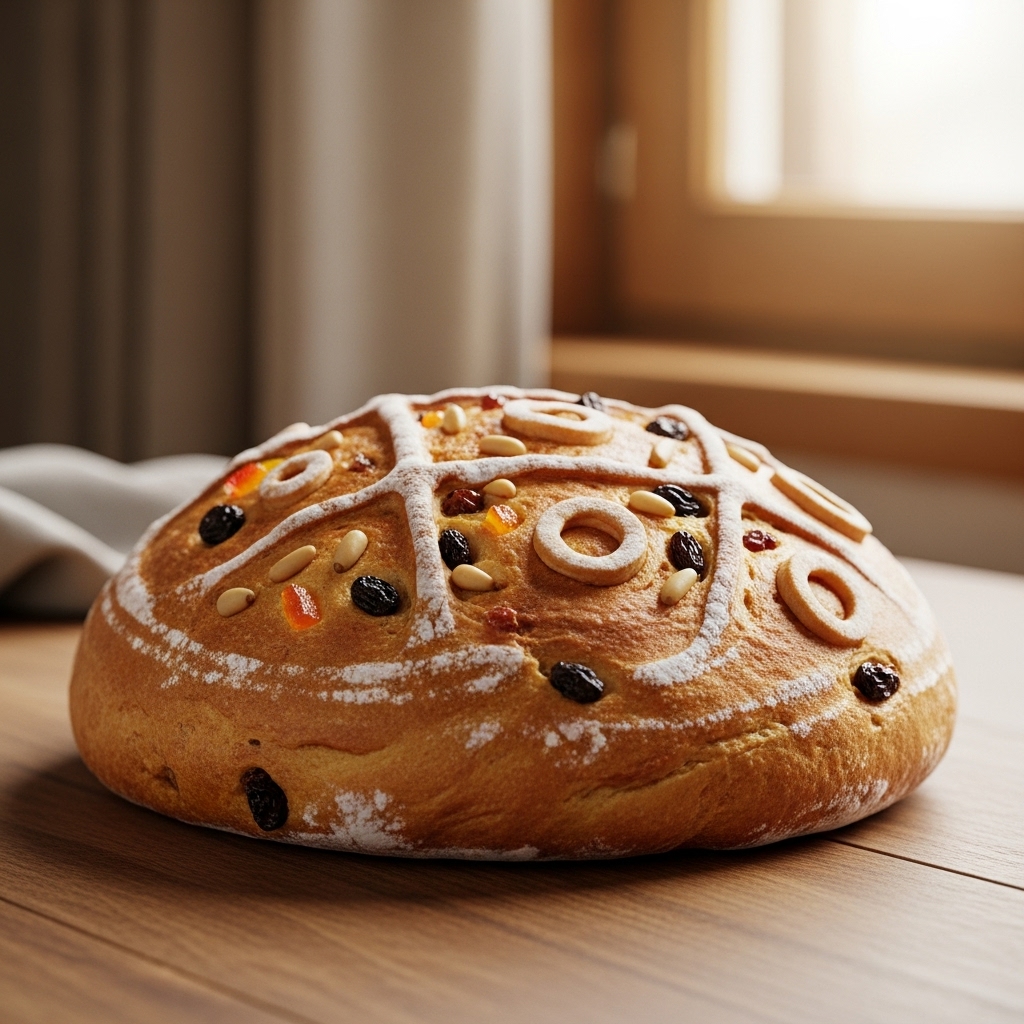
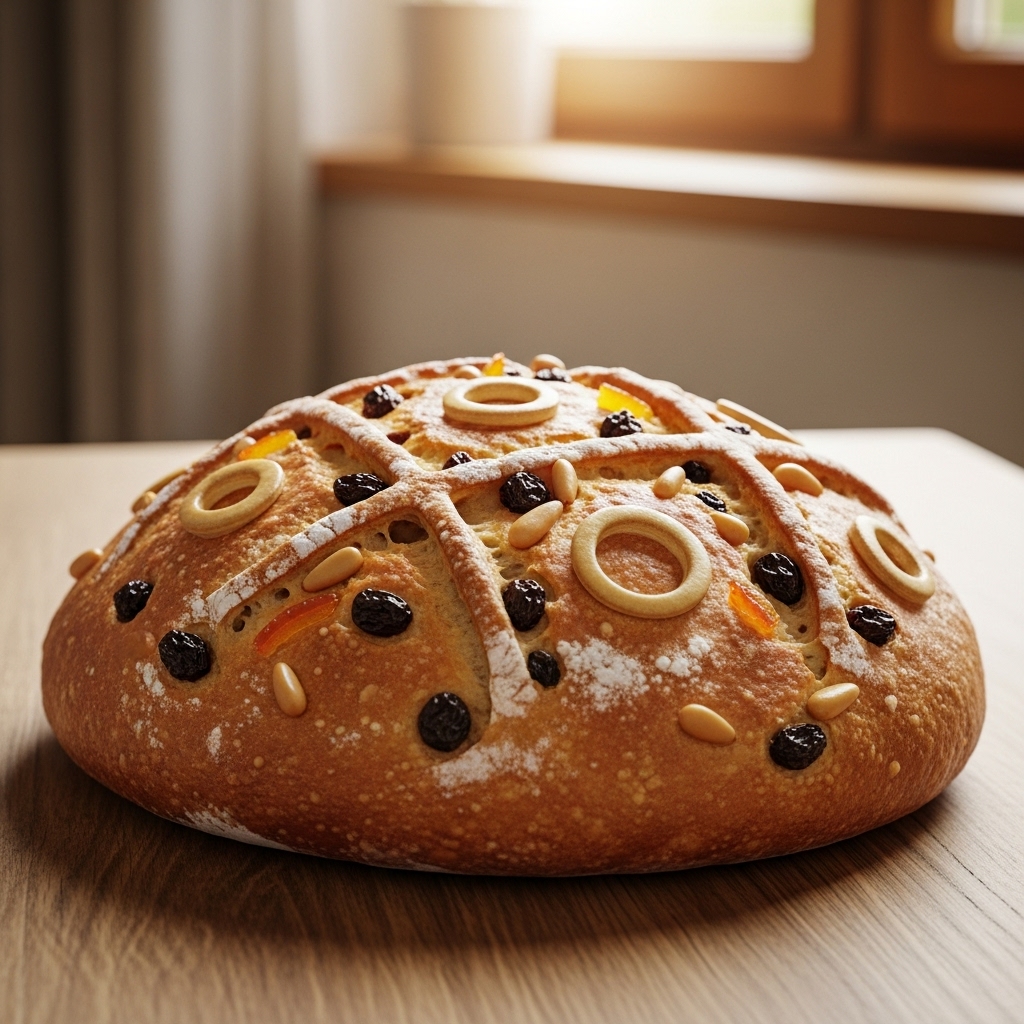
Score the top with a sharp knife before baking. Make a tic-tac-toe pattern about ¼-inch deep. This helps the bread expand properly during baking.
Set your timer for 40 minutes for the first check. The top should be golden but not dark brown. Adjust the temperature to 350°F if needed.
| Baking Scenario | Temperature Adjustment | Time Range | Visual Cue |
|---|---|---|---|
| Yeasted Version Browning Normally | Maintain 375°F | 45-60 minutes | Deep golden crust |
| Quick Version (Baking Powder) | Start at 350°F | 40-50 minutes | Light golden color |
| Excessive Browning | Reduce to 350°F + Foil Tent | Add 5-10 minutes | Protected surface |
Using Foil Tenting to Prevent Over-Browning
Create a loose foil tent if the top darkens too quickly. Drape it over the bread without touching the surface. This shields while allowing steam escape.
Test doneness with a toothpick inserted in the center. It should come out clean or with dry crumbs. Wet batter means more baking time is needed.
Transfer the loaf to a wire rack to cool completely. This crucial step allows the crumb to set properly. I recommend waiting at least 24 hours before serving for optimal flavor development.
Store the cooled bread wrapped at room temperature. It stays fresh for several days. The flavors continue to meld beautifully over time.
Embracing the Rich History and Traditions of Genoa Cake
The story behind this special bread is as rich as its flavor. Its origins are wonderfully debated. Some trace its lineage to ancient Persia, where kings received sweet, fruit-studded loaves for the New Year.
Others point to a specific event in 16th-century Genoa. Doge Andrea Doria challenged local bakers to create a magnificent dessert that could also survive long sea voyages. This practical need shaped the bread’s durable, preserved nature.
Exploring the Origins and Cultural Significance
The resulting creation was both celebratory and practical. It became a symbol of Genoese wealth and resilience. For generations, it has held a place of honor on family tables during the holidays.
The tradition of making this pastry was deeply domestic. Until the early 1900s, it was almost exclusively homemade. Each family guarded their unique variations and techniques.
| Version | Leavening Agent | Shape & Texture | Historical Period |
|---|---|---|---|
| Pandolce Alto (Tall) | Yeast, long rise | Domed, airy crumb | Original, Renaissance |
| Pandolce Basso (Flat) | Baking powder | Lower, denser loaf | Late 19th Century |
Family Traditions and Timeless Celebrations
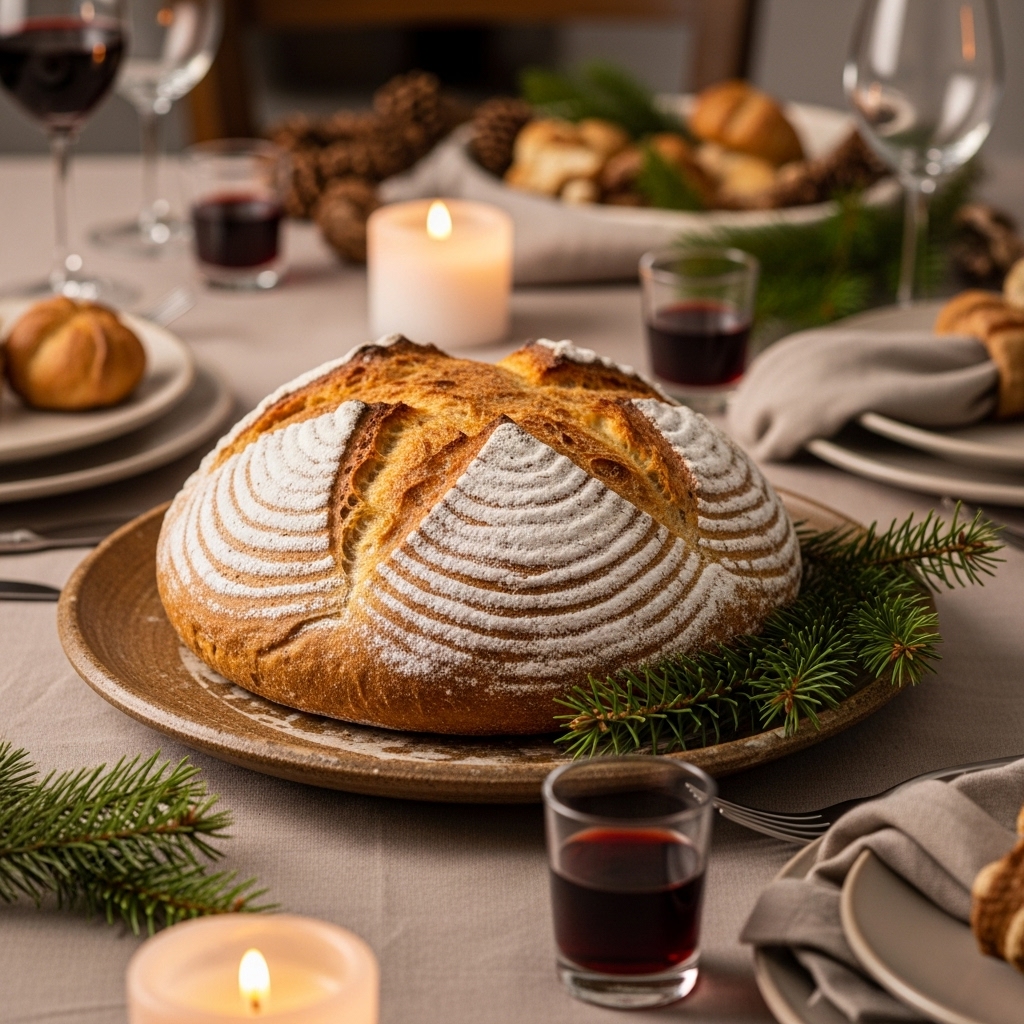
Serving this bread involves a beautiful ceremony. The youngest person brings it to the table with a laurel sprig in the center, symbolizing good fortune. The oldest family member then cuts it, offering blessings.
The slices follow a meaningful order. The first is saved for a person in need. The second is kept until Saint Biagio’s day in February for throat protection. The family then enjoys the rest.
When you bake this version today, you connect with these centuries-old traditions. You keep a piece of Genoese history alive in your own kitchen.
Creative Variations and Serving Suggestions
Once you’ve mastered the basic preparation, exploring serving options and personal variations becomes the next rewarding step. This versatile creation adapts beautifully to different tastes and occasions.
Pairing with Sweet Wines, Espresso, or Coffee
Traditional serving methods enhance the experience. In Italy, small pieces are often enjoyed with sweet dessert wines. The wine’s honeyed notes complement the fruit and spices perfectly.
Many families serve it with strong espresso for breakfast. The bitter coffee provides a wonderful contrast to the bread’s sweetness. This creates a balanced flavor experience.
| Serving Option | Best Occasion | Flavor Pairing | Traditional Region |
|---|---|---|---|
| Sweet Wine (Vin Santo) | Afternoon dessert | Honeyed, floral notes | Throughout Italy |
| Espresso | Morning breakfast | Bitter contrast | Northern Italy |
| Dark Roast Coffee | Holiday gatherings | Rich, robust balance | Home kitchens |
Adapting the Recipe for Personal Taste and Modern Twists
If time is limited, consider the baking powder version. It requires no rising time and delivers similar flavor. The texture becomes slightly more cake-like.
You can substitute pine nuts with walnuts or pistachios. Each nut brings its own character. Dried fruit amounts can be adjusted to preference.
Some recipes include anise seeds alongside fennel. Orange zest adds extra citrus brightness. Cake flour creates a more tender crumb when desired.
Sharing the Joy: Bringing Authentic Italian Christmas Flavor Home
Your efforts in the kitchen culminate in a creation that connects you to generations of tradition. You’ve mastered a unique specialty that offers something genuinely special for holiday gatherings.
This dense, fruit-studded bread develops its best flavor after resting for 24 hours. Store it at room temperature in an airtight container for up to three days. For longer storage, wrap it tightly and freeze for a month.
Serve this preparation by breaking it into rustic pieces rather than uniform slices. Pair it with strong coffee or sweet wine to complement the rich blend of nuts and dried fruit.
The nutritional profile reflects its celebratory nature, with moderate fat and significant carbohydrates. Embrace the full tradition by sharing both the bread and its history with loved ones.
Baking this pandolce demonstrates real skill and creates aromas that can’t be purchased. You’ve brought authentic Italian flavor to your holiday table.
Pandolce Genovese (Genoese Christmas Bread)
Ingredients
Method
- Warm the milk to body temperature. Stir in yeast and set aside for 10 minutes until foamy.
- In a stand mixer, cream the butter and sugar together until light and fluffy. Add the egg, vanilla extract, and orange flower water, mixing until smooth.
- Gradually add the foamy yeast mixture into the butter mixture. Mix well.
- Slowly incorporate the flour, one cup at a time, using the dough hook attachment. Mix on low speed until the dough becomes smooth and cohesive.
- Gently fold in the raisins, currants, candied orange peel, pine nuts, fennel seeds, and salt. The dough should be sticky and moist but should not have excess flour.
- Transfer the dough to a greased bowl. Cover with a cloth and set it in a warm spot. Allow it to rise for 3-4 hours until slightly puffed but not doubled.
- Using wet hands, gently shape the dough into a 6-inch round. Place it on a parchment-lined baking sheet.
- Using a sharp knife, score the top of the dough with a tic-tac-toe pattern (about 1/4-inch deep).
- Preheat the oven to 375°F (190°C). Bake for 45-60 minutes, checking after 40 minutes. If the top is browning too quickly, reduce the heat to 350°F (175°C) and tent the bread with foil.
- Allow the bread to cool completely on a wire rack. For best flavor, wait 24 hours before serving.
Notes
- The bread improves over time, so it can be made in advance. It's perfect for holiday gatherings when paired with sweet wine or espresso.
- You can substitute pine nuts with walnuts or pistachios, and adjust dried fruits based on your preferences.
- If you're short on time, the baking powder version of this bread can be used instead of the yeasted one.