Jump to Recipe
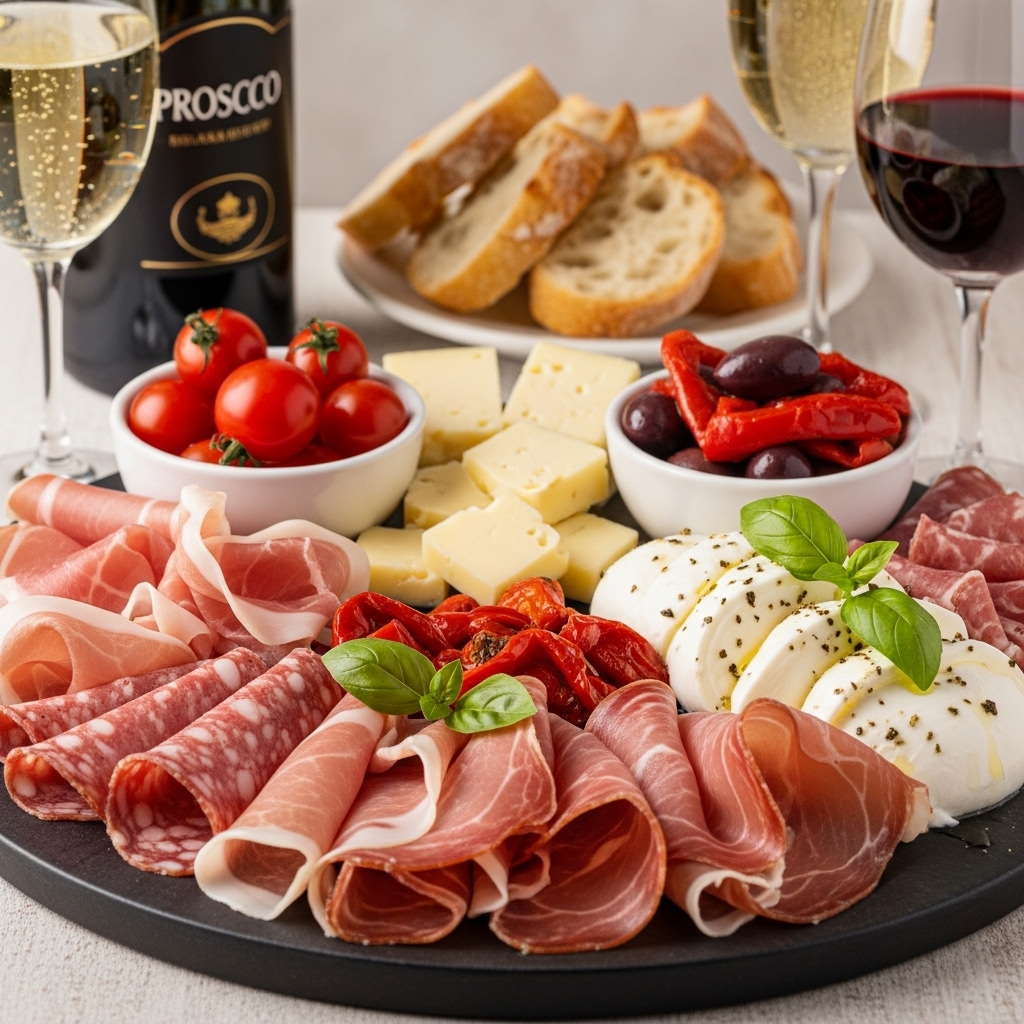
There is a quiet joy in preparing a platter. Arranging slices of cured meats, a wedge of sharp cheese, and a small bowl of olives feels like setting the stage for a good time. It’s a moment of anticipation. Opening a bottle that complements these simple, honest flavors makes the experience complete.
You don’t need to be an expert to make great choices. This knowledge comes from curiosity and a love for good food. The traditions guiding these combinations are ancient. For example, archaeological finds in Sicily show people making wine as far back as 4000 BC. Food and drink have always been intertwined there.
This guide is built on that history. It will help you understand the practical principles behind matching flavors. We will explore how regional dishes and local bottles naturally align. The goal is to create a meal where everything on the table works in harmony, making the experience memorable and effortless.
For a broader look at this topic, our guide to Italian wine and food offers more detailed insights.
Key Takeaways
- Creating an antipasto platter is about simple, satisfying preparation.
- Successful pairing is accessible and rooted in long-standing tradition.
- Knowledge comes from practical experience and curiosity, not just formal training.
- These combinations have a deep historical context, like Sicily’s ancient viticulture.
- The guide focuses on practical principles for effortless, flavorful matches.
- The aim is to enhance the meal and encourage conversation.
- This approach brings authentic tradition into a modern home kitchen.
Diving into the World of Italian Wines and Antipasto
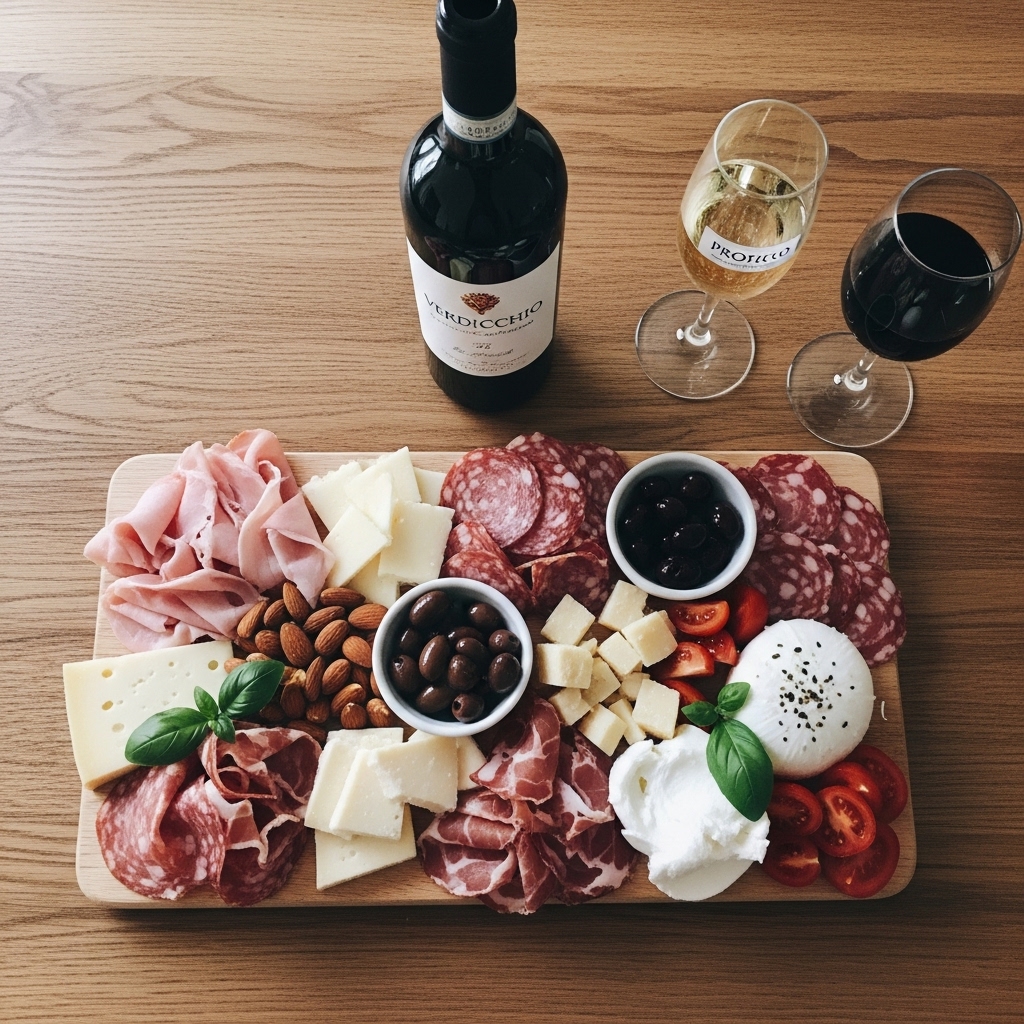
I learned the power of a simple pairing from watching my aunt enjoy her evening ritual. She would sit with a small plate of sharp cheese and flavorful cured meats. It was a moment of pure, uncomplicated pleasure.
This observation sparked my curiosity. I wanted to create spreads that felt special, moving beyond basic supermarket offerings. The goal was understanding, not just assembling.
Embracing Simplicity in Wine and Food
It’s tempting to believe a memorable meal requires immense effort. Yet, some of the best experiences are built on straightforward combinations. A ripe tomato with fresh mozzarella or a fig drizzled with honey can be profoundly satisfying.
Pairing food thoughtfully amplifies this effect. It is more about knowledge than hard labor. Understanding how different elements interact is the key.
From Personal Experience to Expert Insight
My expertise wasn’t innate. I dedicated time to studying flavor profiles and regional traditions. This deliberate learning made the art of matching accessible.
The journey from curiosity to confidence requires genuine interest, not formal training. The advice that follows comes from hands-on testing with real bottles and platters. For a deeper exploration, our guide to Italian wine and food provides a excellent foundation.
Exploring Italian Wine and Antipasto Pairing
Centuries of culinary tradition reveal that local ingredients naturally complement each other. This principle simplifies the selection process beautifully.
Why Regional Pairings Matter
Products from the same area share climate and soil characteristics. Winemakers and food producers work with identical natural conditions.
This creates inherent harmony between regional specialties. Northern Italian prosciutto with local white varieties demonstrates this synergy perfectly.
The approach removes uncertainty from your selections. It builds on generations of practical experience.
Navigating Light to Full Bottle Selections
Begin your tasting journey with lighter-bodied options. These work well with delicate cheeses and leaner cured meats.
Progress toward fuller-flavored selections as you continue. Aged cheeses and richer salami can handle more robust reds.
Working with just two bottles keeps things manageable. A crisp white and medium-bodied red offer sufficient variety without complexity.
This progression ensures each element receives proper attention. Your palate remains fresh throughout the experience.
Regional Inspirations: Northern, Central, and Southern Italy
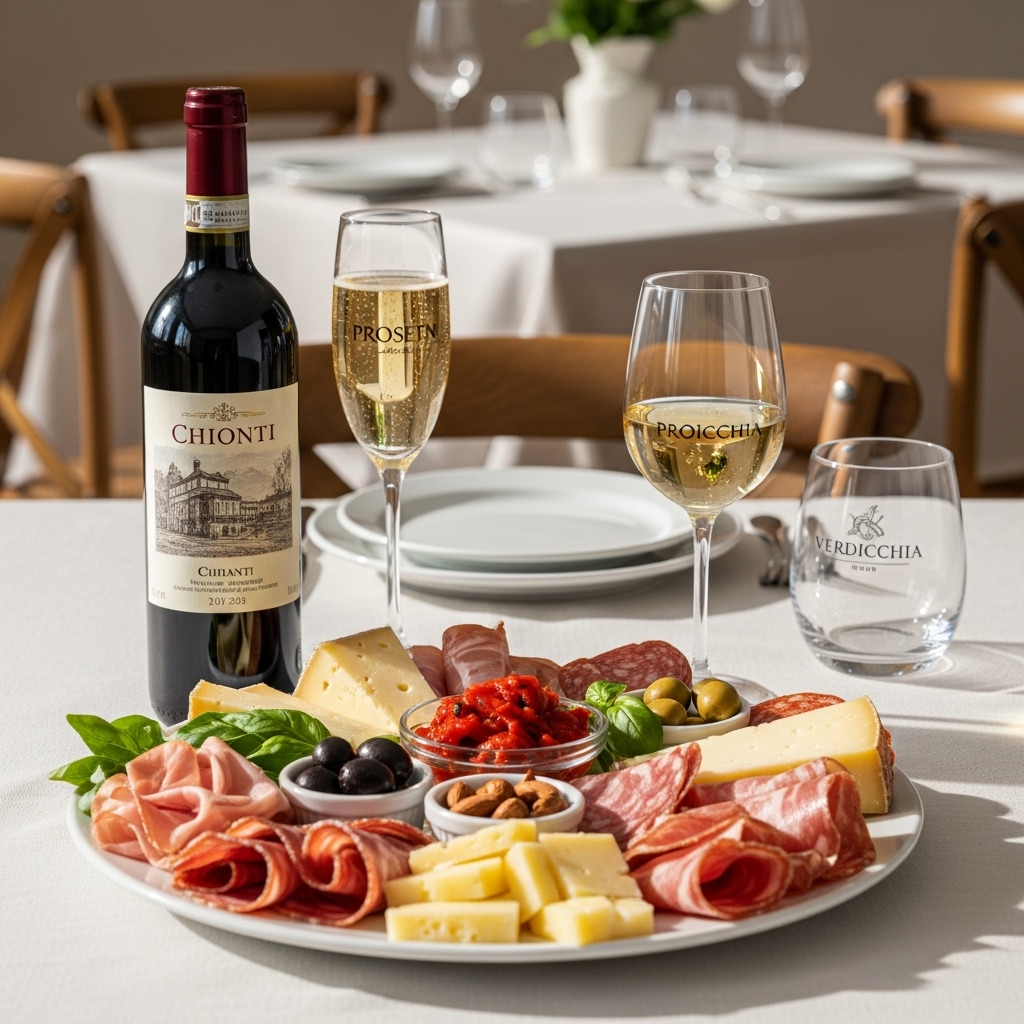
Italy’s geography, stretching from the Alps to the Mediterranean, creates three distinct culinary landscapes. The climate and terrain of each area directly influence its local specialties. This natural connection makes regional matching a simple and effective strategy.
| Region | Common White Grapes | Common Red Grapes | Key Antipasto Elements |
|---|---|---|---|
| Northern Italy | Pinot Grigio, Glera (for Prosecco) | Nebbiolo, Barbera | Prosciutto, Fontina, almonds |
| Central Italy | Verdicchio, Trebbiano | Sangiovese, Montepulciano | Finocchiona, Pecorino, olives |
| Southern Italy | Fiano, Greco | Primitivo, Negroamaro | Capocollo, Mozzarella di Bufala, tomatoes |
This table offers a quick glimpse into the regional personalities. Let’s explore the specifics.
Northern Italy: Unique Whites and Robust Reds
Cool Alpine breezes shape the delicate flavors here. Elegant whites like Pinot Grigio and sparkling Prosecco work well with leaner cured meats.
Prosciutto di Parma and bresaola are classic examples. Their subtle saltiness pairs beautifully with these crisp, refreshing bottles. Fontina cheese finds a lovely match with a delicate Pinot Noir.
Central Italy: Classic Sangiovese and Versatile Flavors
This is the heartland of Sangiovese. Chianti Classico, made from these grapes, offers tart cherry notes. It complements fennel-scented salami and aged Parmigiano Reggiano perfectly.
Brunello di Montalcino represents a fuller, more powerful expression. Roasted peppers and Tuscan olives are common accompaniments that stand up to these robust reds.
Southern Italy: Fresh, Bold, and Flavorful Choices
Sun-drenched coasts produce intense, aromatic whites like Fiano. These handle the bold flavors of sun-ripened tomatoes and olive oil with ease.
Powerful reds like Primitivo match the intensity of aged Provolone and spicy capocollo. Fresh Mozzarella di Bufala is a staple, needing a bottle with good body.
Balancing Flavors with Essential Pairing Elements
Confident selections come from grasping the fundamental roles of fat, acid, and salt. These components, along with sweetness, bitterness, and texture, form a practical framework. Understanding their interaction removes guesswork from your choices.
Understanding the Role of Fat, Acid, and Salt
Rich cured meats need a bottle with structure. Acidity and tannins cut through fat beautifully. The fat, in turn, softens a bold red’s intensity.
Acidic ingredients demand a matching zest in your glass. A crisp white often provides this necessary lift. Otherwise, the drink can taste dull.
Salt presents a unique challenge. It can make some bottles taste oddly bitter. Sparkling options like Prosecco are a safe, refreshing counterpoint to salty foods.
Sweetness, Bitterness, and Texture in the Mix
Sweetness in your food requires a slightly sweeter companion. This is key for items like honey-drizzled figs. The right choice maintains a pleasant balance.
Bitterness calls for an opposite approach. Pairing bitter olives with a bitter drink amplifies harshness. A fruit-forward white offers a much smoother experience.
Texture matching is often the most intuitive rule. Delicate prosciutto pairs well with a light-bodied selection. Heavier cheeses stand up to a red with more body.
| Element | Food Characteristic | Successful Strategy |
|---|---|---|
| Fat | Rich salami, fatty cheeses | Full-bodied reds with good acidity |
| Acid | Marinated vegetables, vinaigrettes | High-acid white wines like Sauvignon Blanc |
| Salt | Cured meats, salty cheeses | Sparkling wines, crisp acidic whites |
| Sweetness | Figs, glazed nuts | Bottle slightly sweeter than the food |
| Bitterness | Certain olives, artichokes | Fruit-forward whites or lighter reds |
| Texture | From delicate to robust foods | Match the weight: light with light, heavy with heavy |
These principles work together. A single dish might have multiple characteristics. Identify the dominant one to guide your choice for a harmonious meal.
Tips for Creating a Memorable Antipasto Spread
Building a memorable spread is about thoughtful selection and arrangement. Focus on variety in textures and intensities for both your meats and cheeses.
Choose three to four cured options. Include delicate prosciutto alongside more robust soppressata. This creates interesting contrasts.
Selecting Meats, Cheeses, and Accompaniments
Select three cheeses that range from mild to assertive. Fresh mozzarella, semi-firm fontina, and aged Parmigiano Reggiano work well.
Supporting elements make platters memorable. Consider fried stuffed olives and roasted red pepper salad.
Add fresh tomatoes at peak ripeness. Include crusty bread and almonds for crunch. These items complete your array.
Enhancing Your Table with the Perfect Wines
Open two to three bottles simultaneously. Keep them chilled in a large vessel with ice. This allows guests to pour freely.
Start with Prosecco di Valdobbiadene as an aperitif. Its pear-scented bouquet sets a welcoming tone.
Include a versatile white like Verdicchio. Serve it properly chilled. It handles various flavors without clashing.
| Wine Type | Service Temperature | Ideal Food Match |
|---|---|---|
| Prosecco | 38-45°F | Fried pastries, light starters |
| Verdicchio | 38-45°F | Mild cheeses, marinated vegetables |
| Chianti | Around 60°F | Cured meats, aged cheeses |
| Moscato d’Asti | 38-47°F | Almond biscotti, fruit desserts |
For guests who prefer red, offer a medium-bodied option like Chianti. Serve it slightly cooler than room temperature.
Lambrusco is an unexpected choice that works beautifully. This slightly fizzy red cuts through fatty salami.
Arrange everything before guests arrive. Have meats and cheeses at room temperature. Keep bottles properly chilled.
This preparation lets you enjoy the gathering fully. Conversation flows naturally when the host is relaxed.
Final Reflections on Your Italian Wine & Antipasto Journey
What begins as a structured learning process soon becomes second nature with practice. The principles in this guide provide a foundation, but your personal taste ultimately guides the best combinations. Trust your palate above all else.
Remember that regional traditions evolved together over centuries. This natural affinity means you rarely make serious mistakes. Experiment with different bottles once you feel comfortable with the basics.
The simplest meals often create the most memorable experiences. Good food, thoughtful wine selections, and warm company transform any gathering. Enjoy the journey of discovery.
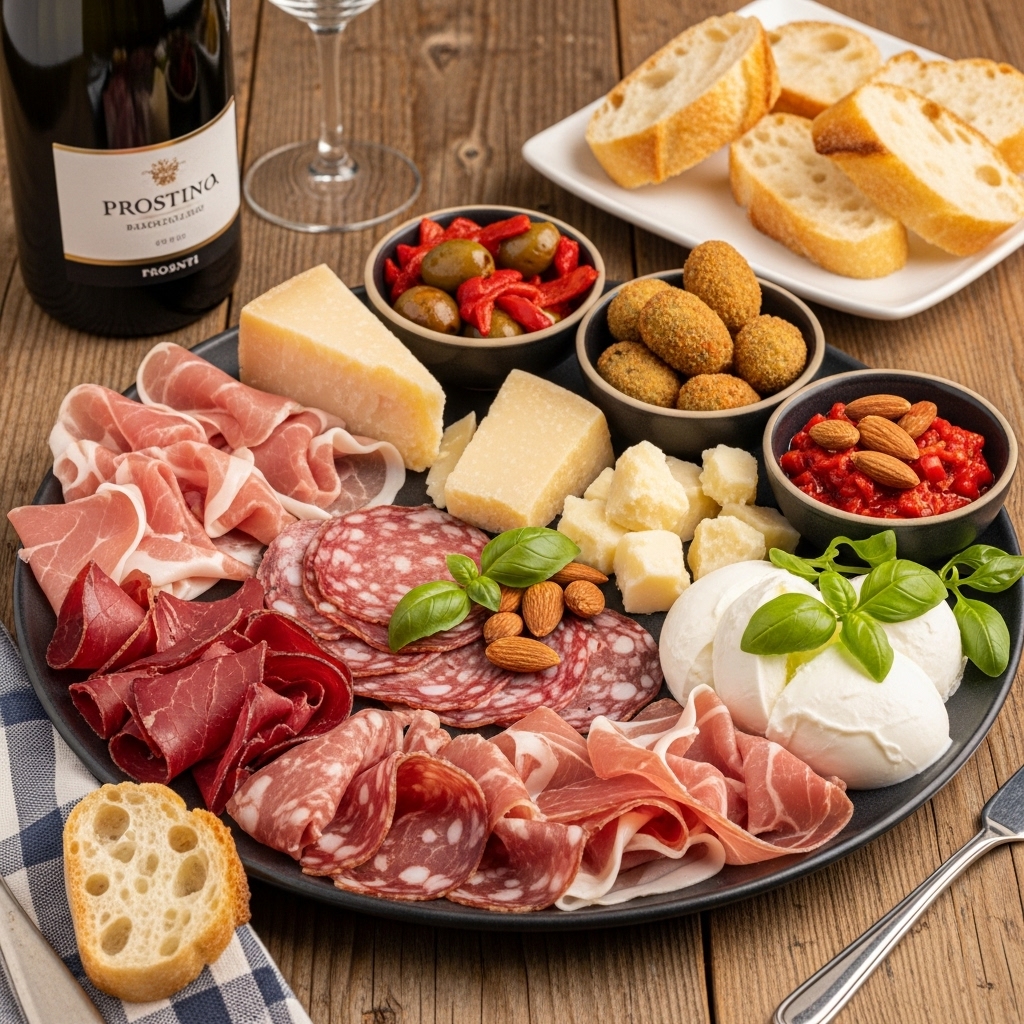
Italian Antipasto Platter
Ingredients
Method
- Slice the prosciutto, bresaola, soppressata, and capocollo into thin pieces. Arrange them neatly on a large platter, grouping similar types together for easy access.
- Slice the Fontina and Parmigiano Reggiano into bite-sized pieces. Tear the Mozzarella di Bufala into small chunks or keep it whole if preferred.
- Place almonds, roasted red pepper salad, fresh tomatoes, and fried stuffed olives in small bowls or scatter them around the platter. This adds color and variety.
- Lay out crusty bread on the side for guests to use for dipping or pairing with meats and cheeses.
- Open your selected wines (Prosecco, Verdicchio, and Chianti) and ensure they are served at the appropriate temperatures. Pour them into glasses and have them ready for your guests.
- Serve the platter with the wines and enjoy a relaxed, flavorful meal that’s perfect for conversation.
Notes
- Wine Pairing Tip: You can adjust wine selections based on personal preferences. Prosecco is perfect for a light start, while Chianti is great for a richer finish.
- Acidity & Fat: The crisp wines, like Verdicchio, help balance the richness of the cured meats and cheeses.
- Serving Idea: Ensure meats and cheeses are at room temperature for the best flavor.v