
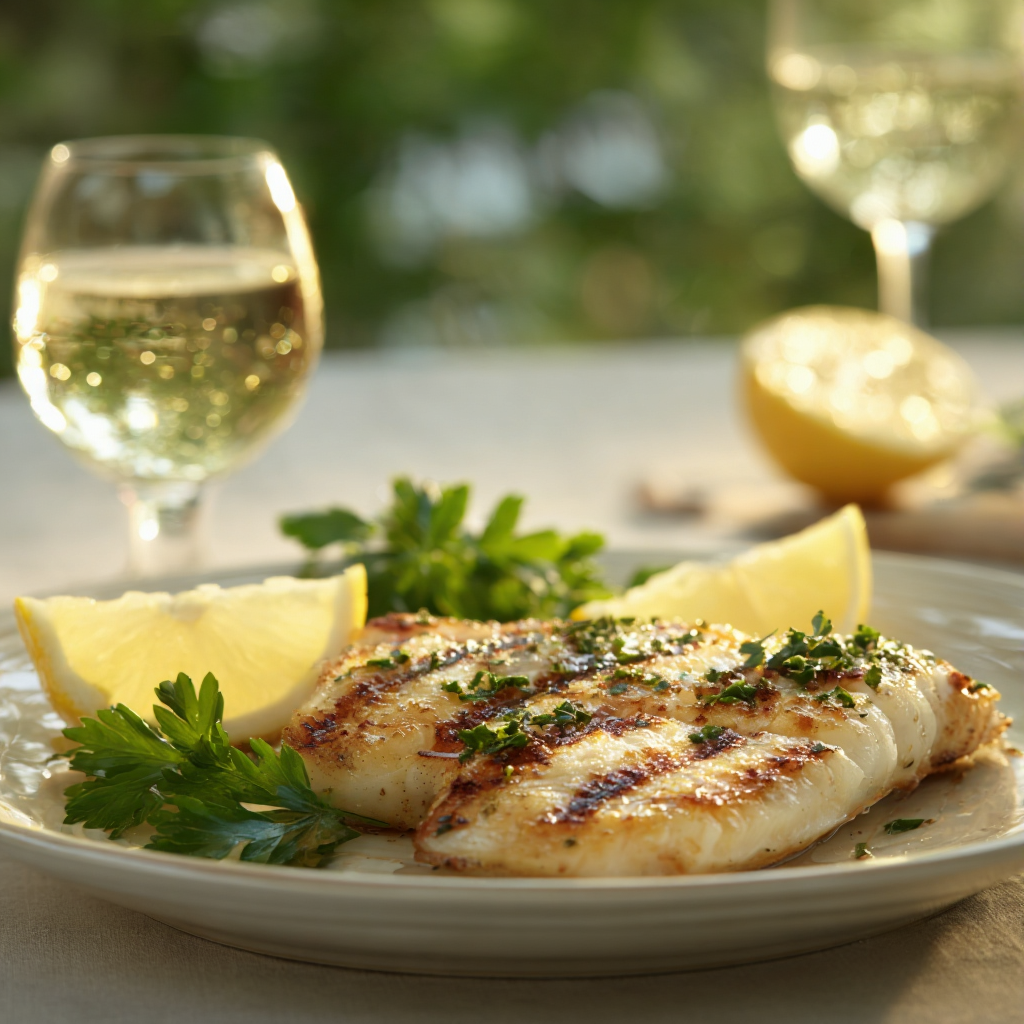
Jump to Recipe
There’s a quiet satisfaction in pulling a simple, beautifully cooked meal from your own kitchen. The aroma fills the room, promising something good, something real. It’s in these moments that the right drink can turn a great meal into a shared memory.
This connection between food and drink is deeply rooted in tradition, especially along Italy’s coasts. For generations, local vintners crafted their wines to complement the fresh seafood from their own waters. It’s a natural partnership that has stood the test of time.
Today, this classic pairing is more accessible than ever across the United States. The growth in seafood availability means we can now explore authentic combinations right at home. Many excellent bottles from various regions fall into a comfortable price range, making it easy to enhance a weeknight dinner.
This guide focuses on specific recommendations from real experience. We will explore distinct regions and their unique grape varieties. You’ll learn how different characteristics, like acidity and minerality, interact with various seafood preparations.
Key Takeaways
- The pairing of these beverages with seafood is a historic tradition from coastal Italy.
- Increased availability in the U.S. makes authentic pairings possible for home cooks.
- Most quality options are budget-friendly, typically between $12 and $30.
- Specific regional varieties offer distinct flavors suited to different types of seafood.
- Understanding elements like acidity and minerality is key to a successful match.
- This guide provides practical advice for real American home kitchens.
- Recommendations are drawn from genuine experience with these products.
A Journey into Italian White Wines for Fish Dishes
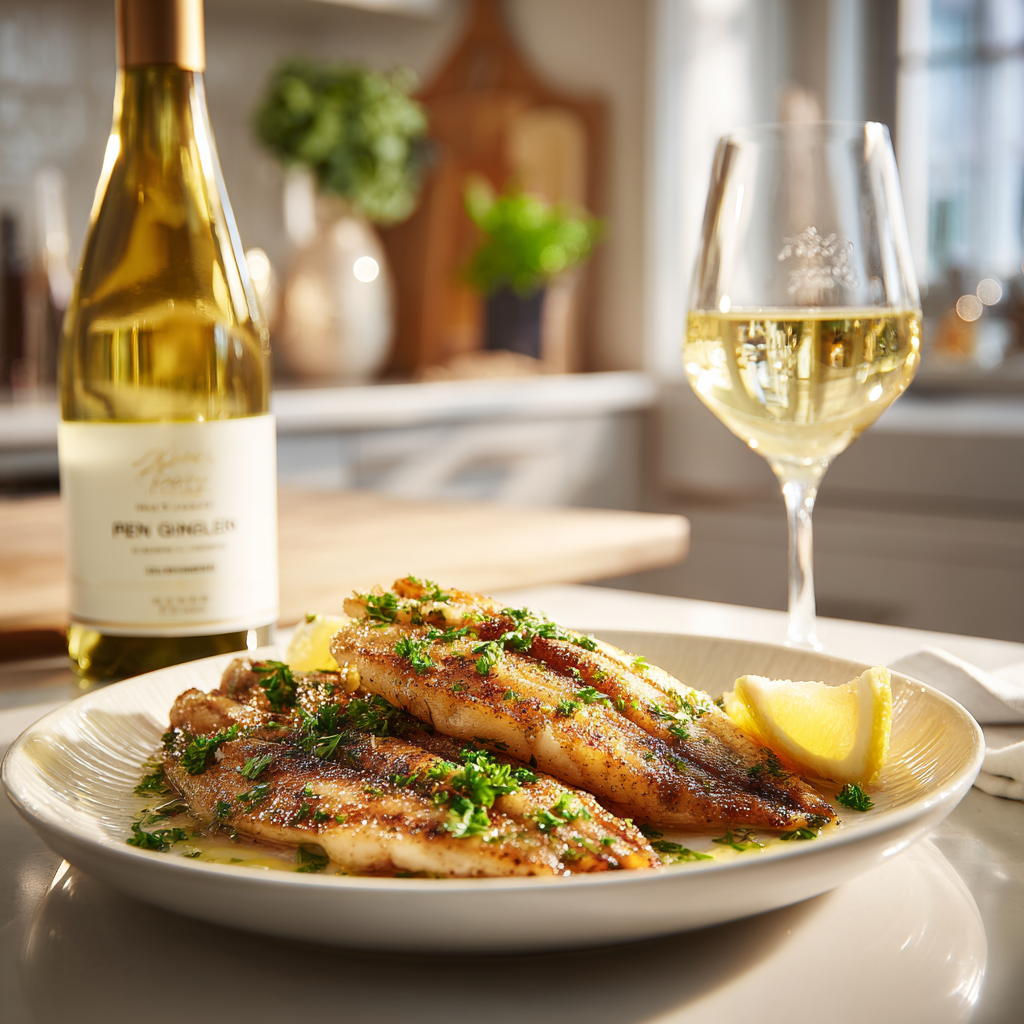
When selecting a beverage to accompany seafood, the science of taste interaction provides clear guidance. The fundamental chemistry explains why certain pairings work so well together.
Pairing Philosophy and Italian Heritage
Coastal regions developed their wine styles around local culinary traditions. Winemakers in areas like Abruzzo and Friuli crafted bottles meant to be enjoyed with the day’s fresh catch.
The Italian approach emphasizes that products from the same territory naturally complement each other. They share a common environment and evolved together over generations.
| Wine Characteristic | Effect on Seafood | Best Food Match | Example Regions |
|---|---|---|---|
| High Acidity | Cuts through oils, refreshes palate | Light white fish, lemon preparations | Veneto, Friuli |
| Mineral Notes | Enhances delicate flavors | Raw preparations, shellfish | Alto Adige, Sardinia |
| Light Body | Doesn’t overwhelm subtle textures | Steamed or poached dishes | Marche, Abruzzo |
| Citrus Aromas | Brightens overall experience | Herb-crusted preparations | Sicily, Campania |
Why White Wines Enhance Seafood Delicacies
Tannins in red varieties can react with fish oils, creating an unpleasant metallic taste. Most white options avoid this issue while complementing delicate flavors.
The acidity in these beverages serves the same purpose as adding lemon to a dish. It cuts through richness and brightens the overall flavor profile.
While white is traditional, some light reds can work with meatier selections. The key is understanding how different characteristics interact with various preparations.
Exploring Flavor Profiles and Wine Characteristics
Understanding the core elements of these beverages reveals why they complement seafood so naturally. The interaction happens through specific characteristics that work together.
Delicate Aromas and Zesty Acidity
Acidity provides the structural backbone, preventing a flabby feel while cutting through natural oils. This zesty quality refreshes the palate much like a squeeze of lemon.
Aromatic complexity ranges from floral jasmine to earthy green tea notes. These subtle aromas enhance rather than overpower delicate seafood preparations.
Citrus characteristics like lemon zest create harmony with common garnishes. They brighten the overall experience without competing flavors.
Balance of Fruit, Citrus, and Minerality
Fruit notes tend toward stone fruits like apricot rather than tropical varieties. This keeps them food-friendly with subtle seafood dishes.
Minerality reflects the terroir, with coastal bottles carrying subtle saline qualities. Wines from seaside vineyards often taste like they came from near the water.
The balance between acidity, aroma, fruit, and minerality determines success. Tasting these elements requires simple attention to how the wine feels alongside food.
Regional Insights and Authentic Italian Styles
The true beauty of Italian winemaking lies in its regional diversity and indigenous grape varieties. Each area developed its own approach over generations.
From Abruzzo and Friuli to Alto Adige
Abruzzo’s Adriatic coast gives us Cococciola. This indigenous grape produces clean, high-acid selections. They reflect the area’s seafood-focused cuisine beautifully.
Friuli has cultivated Pinot Grigio for over seventy years. Quality examples offer laser-clean acidity. They carry genuine character rather than watered-down versions.
Alto Adige represents Italy’s northernmost wine region. German and Italian influences merge here. The Valle Isarco subregion produces distinctive whites like Kerner.
Traditional Blends and Indigenous Grapes
Piedmont’s Roero area is known for Arneis. This refreshing option manages to be both delicate and strong. It serves well with various preparations.
Sicily offers Grillo and Insolia. These indigenous grapes developed in hot climates. They retain acidity while gaining fullness.
Sardinia’s coastal Vermentino di Gallura carries subtle saline notes. It literally tastes of its seaside origin. This creates natural affinity with shellfish.
| Region | Key Grape | Characteristic | Price Range |
|---|---|---|---|
| Abruzzo | Cococciola | High acidity, clean profile | Around $15 |
| Friuli | Pinot Grigio | Laser-clean acidity | Under $20 |
| Alto Adige | Kerner | Precision and intensity | Around $30 |
| Piedmont | Arneis | Mineral and lively | Around $20 |
| Sicily | Grillo/Insolia | Dry and acidic | Varies |
Exploring these regional styles reveals authentic approaches. Winemakers adapted grapes to local climates over time. Each bottle tells a story of place and tradition.
Practical Tips for Choosing the Perfect Bottle
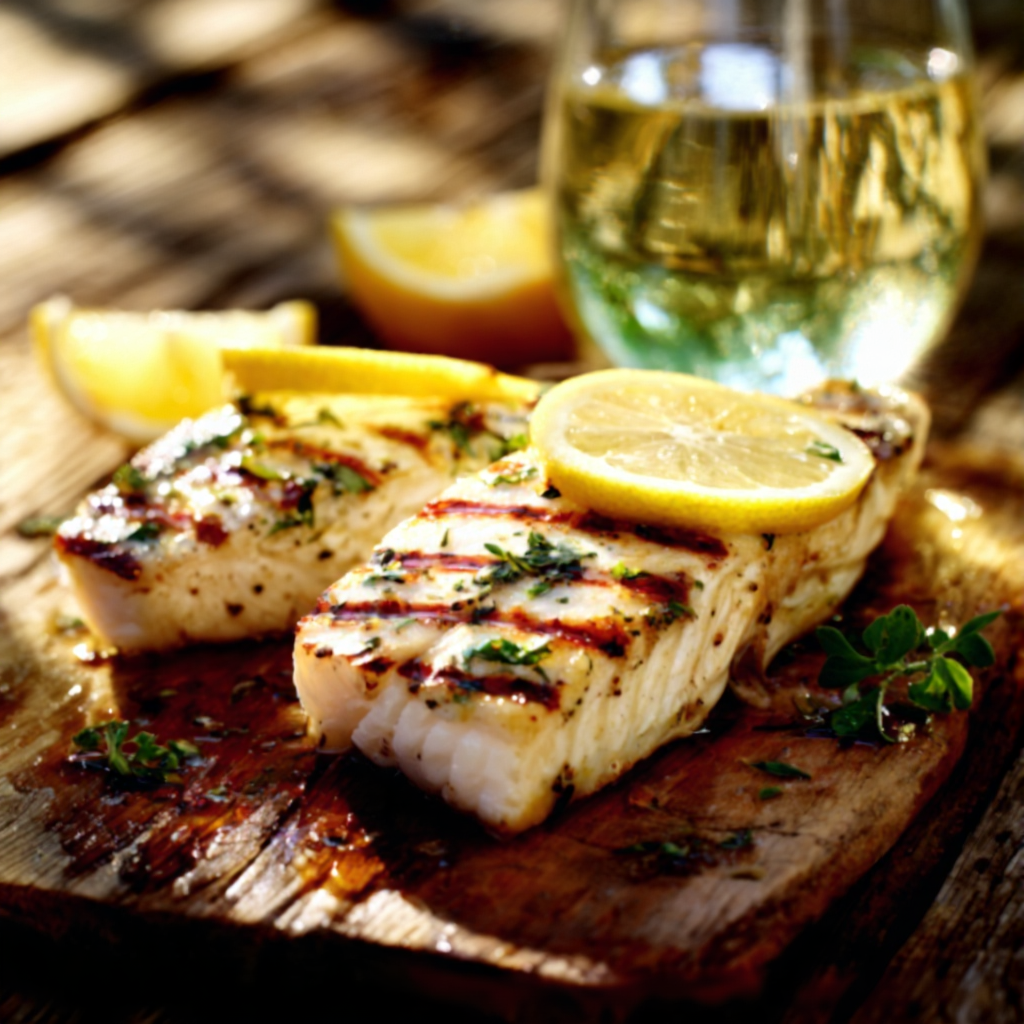
Navigating the wine aisle can feel overwhelming, but a few simple guidelines make the selection process straightforward. We focus on practical information that works in real shopping situations.
Evaluating Price Points and Value
Most quality products fall between $12 and $20. The $15 price point often offers excellent value for everyday enjoyment.
Spending around $20 typically gets you selections from respected producers. Premium options reaching $25-30 come from regions like Alto Adige or feature extended aging.
Understanding Labels and Production Styles
Italian labels indicate quality through designations like DOC and DOCG. The latter represents stricter production standards.
Production style significantly affects the final product. Unoaked selections maintain bright freshness, while oak-aged versions develop complexity.
Terms like “Riserva” indicate extended aging. Organic and unfiltered products show more texture and earthy qualities.
When scanning a list, looking for specific regions often yields better results. For deeper insights, explore our comprehensive guide to Italian pairings.
Keeping several reliable bottles on hand ensures you’re always prepared for spontaneous meals.
Innovative Pairings and Dining Experiences
A simple squeeze of lemon can bridge the gap between delicate seafood and the right bottle from your collection. The preparation method often matters more than the specific type of seafood when making pairing decisions.
Grilled, fried, or poached preparations each call for different beverage characteristics. This practical approach works well in real home kitchen situations.
Enhancing Seafood Dishes with a Splash of Lemon
Lemon’s acidity naturally complements many seafood selections. It brightens flavors and helps delicate options stand up to more substantial beverages.
For light, flaky varieties like sole or branzino, a subtle Arneis works beautifully. The wine’s high acidity joins with lemon juice to create harmony.
Heartier selections like cod or sea bass can handle complex Pinot Grigio. This is especially true when prepared with bold ingredients like tomatoes or olives.
From Light Appetizers to Hearty Main Courses
Planning a multi-course meal requires thoughtful beverage progression. Start with lighter options like Pinot Grigio for appetizers.
Move to more substantial selections like Sauvignon Blanc for main courses. This gradual increase in body and complexity enhances the dining experience.
For comprehensive guidance on creating perfect matches, explore our detailed guide to Italian pairings. It covers everything from simple weeknight dinners to special occasion meals.
A Toast to New Discoveries in Flavor
Building your pairing experience happens naturally over time. Start with reliable choices like Pinot Grigio before exploring distinctive regional styles.
These selections represent accessible bottles, not rare finds. Most fall in the $12-30 range perfect for regular home cooking.
Seasonal opportunities like summer grilling provide perfect occasions to experiment. Holiday seafood feasts let you try multiple combinations in one meal.
Successful pairing understands basic principles rather than rigid rules. Match wine intensity to preparation method and use acidity to cut richness.
Even unconventional choices work when you understand why characteristics complement specific foods. Trust your personal taste while using this guidance as foundation.
Keep a few different styles on hand for whatever looks best at the market. This practical approach honors generations of accumulated wisdom.
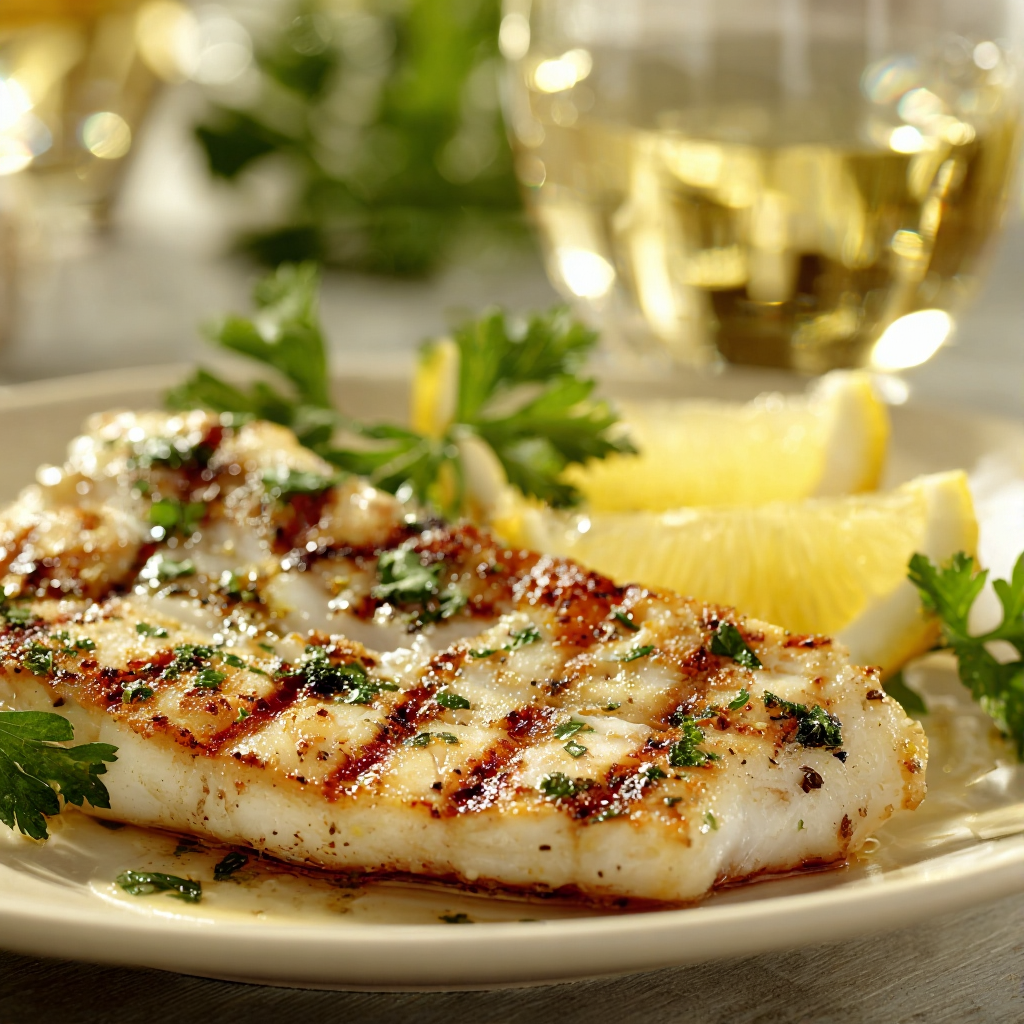
Grilled Fish with Italian White Wine Pairing
Ingredients
Method
- Preheat your grill to medium-high heat, around 375-400°F (190-200°C).
- Lightly coat both sides of the fish fillets with olive oil. Season generously with salt and freshly ground black pepper. Optionally, you can add a squeeze of lemon juice over the fish for extra flavor.
- Place the fish fillets on the grill, skin-side down if the fillets have skin. Grill for about 3-4 minutes per side, or until the fish is opaque and flakes easily with a fork. Avoid overcooking to maintain the delicate texture.
- Once the fish is grilled to perfection, remove it from the grill and place it on serving plates. Garnish with fresh parsley and lemon wedges.
- Serve the grilled fish with a glass of crisp Italian white wine, such as Pinot Grigio or Arneis, which complements the flavors of the fish and enhances the overall dining experience.
Notes
- Ensure not to overcook the fish to preserve its delicate texture.
- Pairing with a crisp, high-acid wine helps balance the fish’s richness and brings out the natural flavors.
- For heartier fish like cod or sea bass, you may opt for a fuller-bodied wine like a Pinot Grigio or Sauvignon Blanc.