
Jump to Recipe
I keep a small pot of strong espresso on the stove when I want something slow and satisfying after supper. The warm, bitter note lifts the cream and the crunch of toasted nuts brings a bright contrast that makes each spoonful sing.
I’ll walk you through reliable ratios that never fail: how to bloom gelatine, warm cream just below a boil, and hit the right sugar balance so the base sets silky yet still yields to your spoon. These are the practical cues I use in my kitchen—how the surface should tremble, the scent of deep-amber caramel, and the moment to chill so textures hold true.
This approach works whether you use classic dairy or a coconut-milk swap for a vegan take. Keep measurements simple, trust modest heat, and let the fridge finish the work while you set the table and pour a small glass of something to sip alongside.
Key Takeaways
- Use tested ratios for a reliably silky set and spoonable texture.
- Bloom gelatine correctly and warm cream under a gentle simmer.
- Make the caramel to deep amber for true roasted-sugar flavor.
- Toast and blitz nuts for crunchy contrast; a pinch of sea salt lifts the flavor.
- Vegan option: coconut milk plus cornstarch and a strong espresso swap.
Why this coffee-hazelnut panna cotta works for busy dessert lovers
For weeknight dinners or last-minute guests, this dessert is a true make-ahead marvel. You make pan cotta, chill it in the fridge, and the gelatine does the rest—set time is at least four hours—so you can finish the main course without fuss.
Hands-on time stays low. The stove work is brief: heat gently, whisk until smooth, pour into glasses, and walk away. That simplicity saves you time and keeps the kitchen calm.
A small pinch of salt and a careful balance of sugar bring big flavor with little effort. The espresso adds roasty depth while hazelnut crunch gives contrast you notice in each spoonful.
- Use serving glasses to skip tricky unmoulding and present beautifully.
- Make the coffee syrup and praline ahead; they store well at room temperature.
- Cleanup is minimal: one pan, one bowl, a jug, and your glasses.
Water-bloomed gelatine yields a soft, wobbly set that’s reliable every time, so you can plan service down to the hour and relax when guests arrive.
Ingredients and gear for the coffee hazelnut panna cotta recipe
Before you begin, gather the ingredients and tools so the work goes smoothly. I find that laying everything out saves time and keeps the kitchen calm.
Panna base
Classic (serves 4): 1½ cups double cream, ½ cup espresso, ¼ cup brown sugar, 1 tsp powdered gelatine bloomed in 2 tbsp water, a pinch of salt and a splash of vanilla. Vegan: 400 ml canned coconut milk + 200 ml plant milk, 3 heaping tbsp cornstarch, 3–4 tbsp sugar, 1 tsp vanilla, pinch salt, with 60 ml strong espresso swapped into the milk.
Caramel and topping
Coffee caramel: 100 g caster sugar + 50 ml water, cooked to deep amber, then stir in 50 g espresso off the heat. Hazelnut finish: make a praline with 100 g caster sugar + 50 ml water, add 40 g roughly chopped hazelnuts and sea salt, cool and blitz to a crumb. For the vegan crumb, bake nuts on a lined baking tray at 150°C (~300°F) for ~20 minutes until golden.
Equipment
- Medium saucepan and a small pan for caramel
- Heatproof bowl to bloom gelatine, whisk and a pouring jug
- Ramekins, moulds or simple glasses for setting
- Lined baking tray and an oven if you bake the crumb
- A blender or food processor for praline
| Component | Classic | Vegan |
|---|---|---|
| Base liquid | 1½ cups double cream + ½ cup espresso | 400 ml coconut milk + 200 ml plant milk (60 ml espresso included) |
| Thickener | 1 tsp powdered gelatine (bloom in 2 tbsp water) | 3 heaping tbsp cornstarch |
| Sweetener | ¼ cup brown sugar; caramel uses 100 g caster sugar | 3–4 tbsp sugar; caramel or baked crumb uses caster sugar |
| Topping | Praline from hazelnuts, sea salt | Baked nut crumb on a lined baking tray, sea salt |
| Essential tools | saucepan, bowl, whisk, moulds or glasses, jug | same, plus oven and tray for baked crumb |
Set a shelf in the fridge for the filled glasses and line your tray before you start the caramel. A little prep now makes the finish effortless and joyful.
Step-by-step: make, chill, and serve your espresso panna cotta with hazelnut crunch
I’ll guide you through each stage so the finish is glossy and reliable. Start by blooming the gelatine: sprinkle 1 tsp over 2 tbsp cold water in a small bowl and let it sit until spongy. This prepares it to melt cleanly into the warm base.
Bloom and dissolve gelatine
In a medium saucepan over low heat, warm the coffee and sugar until the sugar dissolves. Add the cream and a pinch of salt, bringing the mixture to just under a boil—tiny bubbles at the edge, steam rising, no rolling simmer.
Remove from heat and whisk in the bloomed gelatine until dissolved. Strain for an ultra-smooth finish if you like, then pour mixture into moulds or glasses, tap to release bubbles, and slide into the fridge for at least four hours to set.
Caramel, praline, and unmoulding
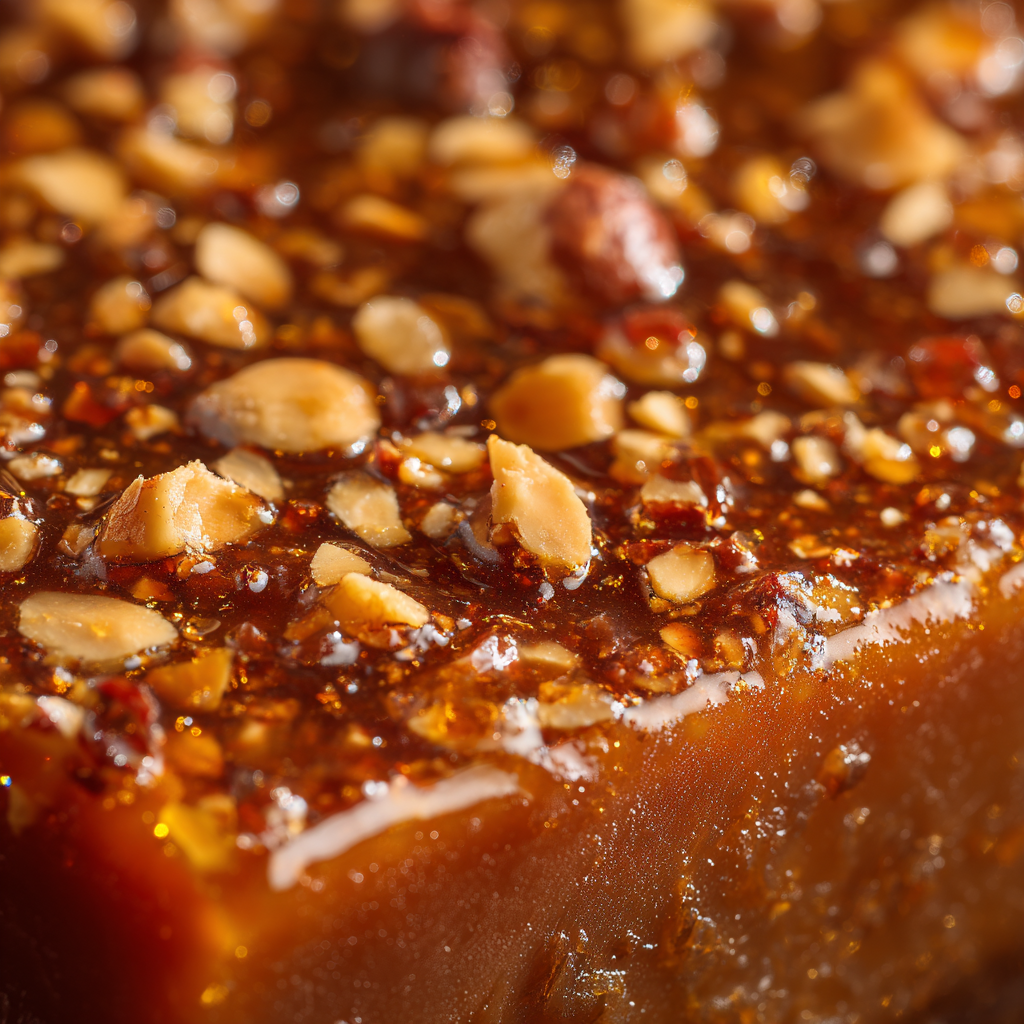
For the caramel, cook caster sugar and water in a clean pan to deep amber, then add espresso carefully; it will sputter, so step back and stir, then set aside to cool. Make the hazelnut praline by cooking sugar to amber, stirring in chopped nuts, spreading on a lined baking tray, sprinkling with sea salt, and blitzing to a fine crumb.
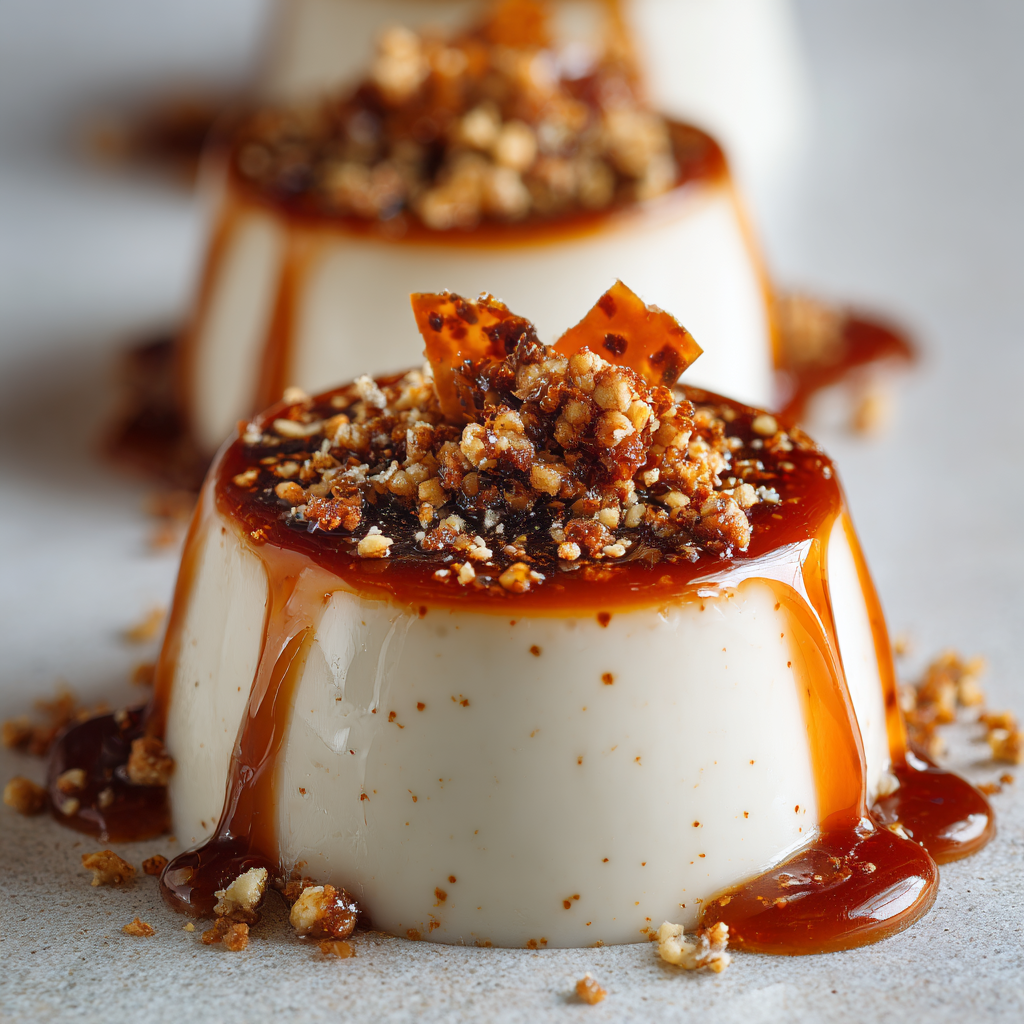
To unmould, dip moulds for five seconds in hot water or run a thin knife around the edge, invert, and finish with caramel and praline. For compact serving ideas, see these mini panna cups: mini panna cotta cups.
Pro tips, variations, and troubleshooting for flawless results
Small adjustments make a big difference when you aim for a silky set. Below are practical, field-tested pointers to keep your finish glossy and your guests impressed.
Texture secrets
Measure gelatine precisely and bloom it in cold water before adding. Dissolve fully over low heat so the set is soft, not rubbery.
Keep dairy just below a boil; a calm simmer preserves aroma and prevents the mixture from splitting.
Flavor boosts
Scrape a vanilla bean into the cream and add a pinch of salt to lift depth. A ribbon of melted chocolate or a scattering of toasted hazelnuts makes a lovely finish.
Vegan route
Use full-fat coconut milk plus plant milk and thicken with cornstarch. Replace some milk with strong espresso so the coffee note stays bright.
Fixes and make-ahead
- If it weeps, chill longer and avoid overheating next time.
- To unmould, run a thin knife around the edge and dip the mould in hot water for a few seconds.
- Praline and caramel keep well—prep toppings ahead and assemble just before serving.
| Problem | Likely cause | Quick fix | Preventive tip |
|---|---|---|---|
| Weeping | Overheated or under-set | Chill extra time | Use low heat and accurate gelatine |
| Rubbery set | Too much gelatine | Serve smaller portions; dilute next batch | Measure gelatine for a soft wobble |
| Stuck in mould | Cold seals to sides | Hot-water dip then invert | Rinse moulds with cold water before filling |
| Grainy caramel | Stirred too early | Warmly whisk off heat until smooth | Let sugar cook undisturbed; swirl the pan only |
Ready to indulge? Plate, garnish, and enjoy this coffee hazelnut panna cotta recipe tonight
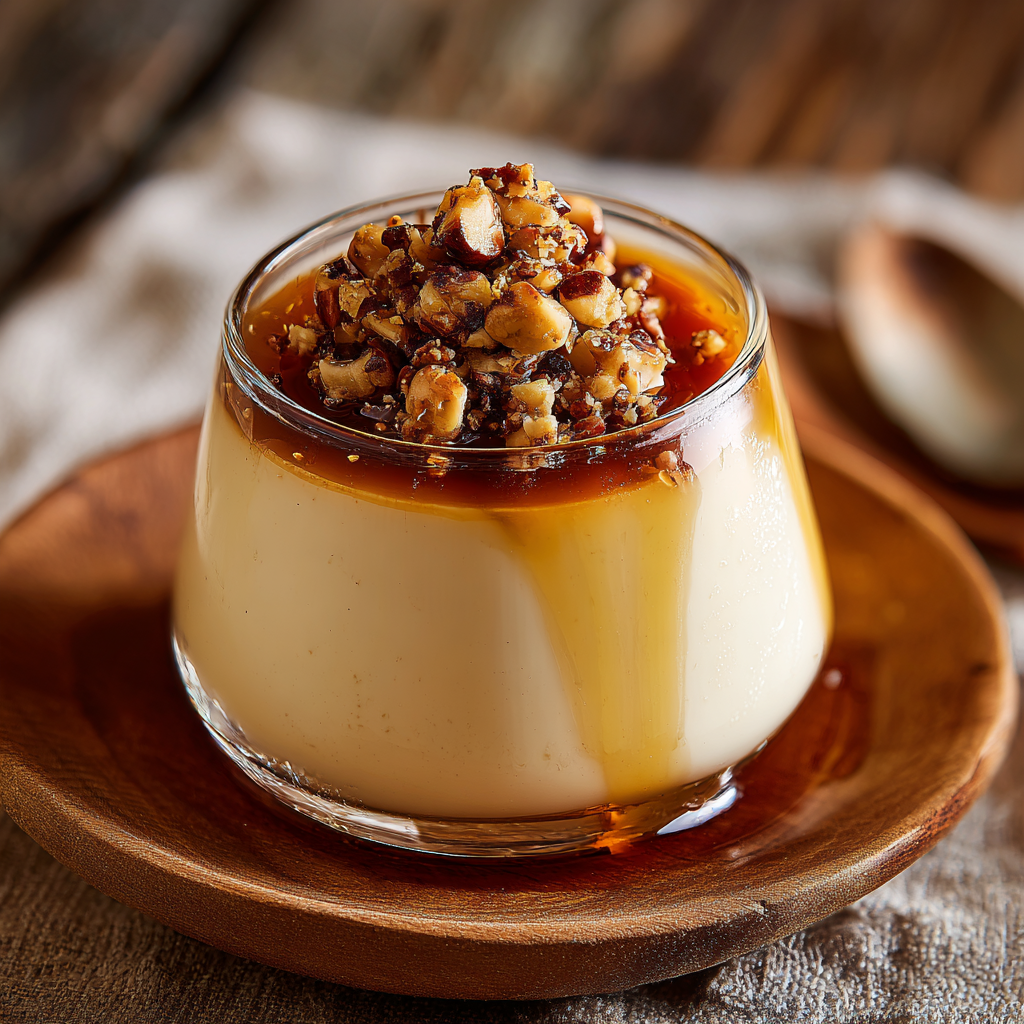
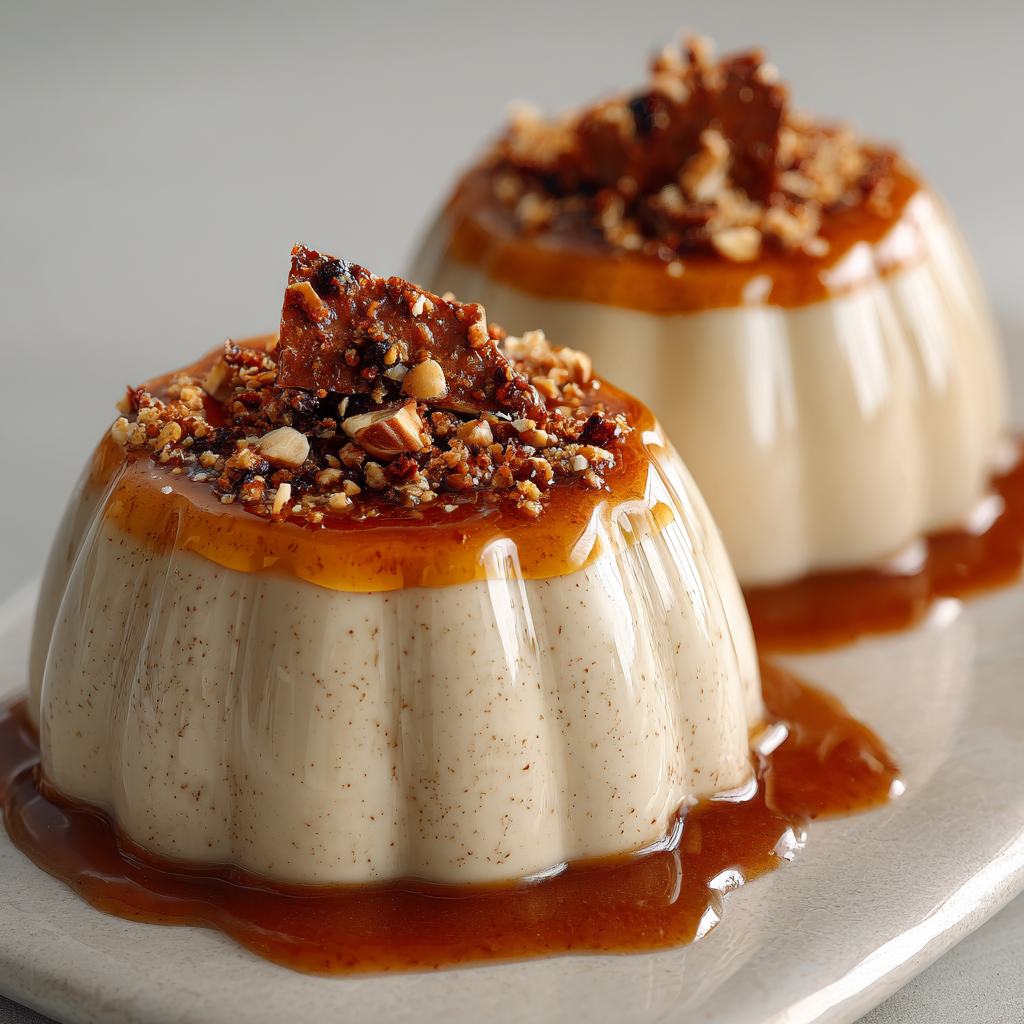
A quick hot-water dip and a glossy pour of syrup turn simple chilled custard into something celebratory. Pull the pan cotta from the fridge a few minutes before serving so the set relaxes, then spoon the cooled coffee caramel over each portion and let it cascade down the sides.
I like to scatter a generous hazelnut praline for crunch, or stand a couple of shards upright for height—small tricks that read as restaurant polish at home. If you used moulds, loosen edges, dip them briefly in hot water, invert, and plate with a soft dollop of lightly sweetened whipped cream if you wish.
Balance the bitters with a thread of melted chocolate, a few fresh berries, or a whisper of ground cinnamon to lift aroma and color. For dinner parties, line up glasses, warm the caramel gently in a small saucepan or pan, then pour in a steady motion from a spouted jug so each portion looks tidy and confident.
Keep it simple: clean rims, one focused garnish, and a steady hand. Most of all, enjoy the moment—share this little dessert with good company and a smile, the true Italian way.
Coffee Hazelnut Panna Cotta
Ingredients
Method
- Sprinkle 1 tsp of gelatine over 2 tbsp of cold water in a small bowl. Let it sit for 5 minutes until it blooms (becomes spongy).
- In a saucepan over low heat, combine the espresso and sugar. Stir until the sugar dissolves. Add the double cream (or coconut milk for vegan option) and a pinch of salt. Heat until just below boiling, with steam rising and small bubbles around the edges.
- Remove the mixture from the heat and stir in the bloomed gelatine until fully dissolved. Optionally, strain for a smooth finish.
- Pour the mixture into serving glasses or ramekins. Tap gently to remove air bubbles. Place in the fridge and chill for at least 4 hours (or overnight for best results).
- In a clean pan, combine 100 g caster sugar and 50 ml water. Heat over medium heat without stirring, swirling occasionally, until the sugar turns a deep amber color. Carefully stir in 50 g of espresso off the heat. Allow it to cool slightly.
- In a separate pan, heat 100 g caster sugar and 50 ml water until it caramelizes. Stir in the chopped hazelnuts, pour onto a lined tray, and sprinkle with a pinch of sea salt. Let it cool, then blitz in a food processor until you get a coarse crumb.
- When ready to serve, pour the cooled coffee caramel over each panna cotta, then top with the hazelnut praline. For unmoulding, dip the moulds briefly in hot water and invert onto a plate.
Notes
- You can prepare the coffee syrup and praline ahead of time; they store well at room temperature.
- If you prefer a less sweet version, reduce the sugar in both the panna cotta and the caramel.
- The caramel and hazelnut praline are great as toppings for other desserts too, like ice cream or cakes.