
Jump to Recipe
There’s a quiet satisfaction in shaping a mixture by hand, knowing it will become a comforting, savory dish. The aroma of garlic and herbs softening in a pan is the true start of a good meal. It’s a simple process that connects us to generations of home cooks.
Creating a plant-based version of a classic dish requires a thoughtful approach. The goal is to capture the heart of the original. We focus on achieving a hearty texture and deep flavor that feels familiar and satisfying.
After much testing, I found that the secret lies in the balance of ingredients. The right binders and seasonings are crucial. This guide will show you how to make these meatballs hold their shape beautifully, whether you bake or simmer them.
You can choose from a few different base ingredients based on what you have available. Each method produces a delicious result. This flexibility makes the dish a practical option for any night of the week.
Key Takeaways
- Learn to create a satisfying plant-based version of a classic dish.
- Understand the importance of texture for meatballs that hold together.
- Discover how traditional Italian flavors are achieved without meat.
- Choose from multiple ingredient bases for flexibility.
- Master cooking methods for baking, air frying, or simmering in sauce.
- Prepare a meal that is suitable for both weeknights and entertaining guests.
- Make a larger batch to freeze for future easy meals.
Essential Ingredients and Tools for a Successful Vegan Creation
Let’s look at the specific items you’ll need to assemble before you begin. Proper preparation makes the process flow smoothly from start to finish.
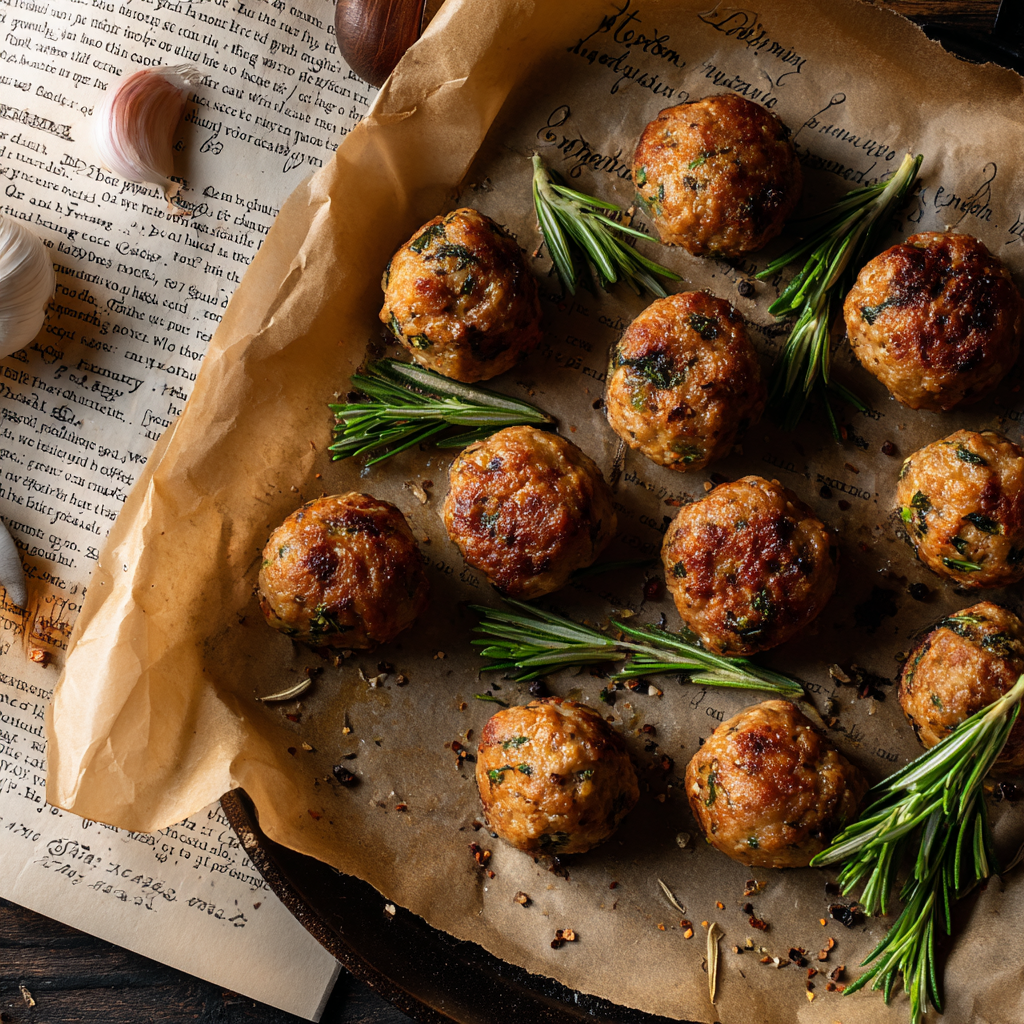
Fresh Ingredients Overview
Your base ingredients define the final texture. A popular choice combines chickpeas and mushrooms for a hearty, traditional feel.
You will need one 15-ounce can of chickpeas, drained. Use about 12 ounces of chopped mushrooms, which is roughly 4.5 cups.
Aromatics build the flavor foundation. Mince four cloves of garlic and dice one small onion. For seasoning, have 2-3 teaspoons of Italian blend, ¾ teaspoon of crushed fennel seed, and ½ teaspoon of red pepper flakes ready.
The binding system is crucial. Combine two tablespoons of ground flax meal with five tablespoons of water to create a gel that replaces egg. You will also need one cup of rolled oats and half a cup of Italian-style breadcrumbs for structure.
Finally, have two tablespoons each of tomato paste and vegan Worcestershire sauce on hand. Add salt and pepper to taste, but start lightly as other ingredients contribute salt.
Recommended Kitchen Tools and Equipment
The right tools make preparation efficient. A large food processor is ideal for combining the ingredients quickly and evenly.
A 14-cup capacity processor works best. If yours is smaller, simply work in batches and mix everything in a large bowl at the end.
You will also need a large skillet for sautéing the onion and garlic. A rimmed baking sheet is essential for cooking.
For forming, a small cookie scoop helps create uniform balls. If you don’t have a food processor, you can mince and mash ingredients by hand. The texture will be coarser, but the results will still be delicious.
Step-by-Step vegan italian meatballs recipe
Building flavor from the ground up ensures each component contributes to the final satisfying texture. The process requires attention to timing and technique for optimal results.
Preparing the Flax Egg and Sautéed Vegetables
Begin by combining ground flax with water in a small bowl. Set this mixture aside for ten minutes to develop its binding properties.
Heat oil in your pan over medium heat. Add diced onion and sauté until softened with light browning. This creates depth in the final flavor.
Add minced garlic and cook briefly. Then incorporate Italian seasoning, crushed fennel, and red pepper flakes. Cook until fragrant.
Sauté mushrooms patiently until they release moisture and brown slightly. The pan should appear mostly dry before proceeding.
Mixing and Forming the Perfect Balls
Transfer chickpeas to a food processor and pulse a few times to break them down. Add the cooled vegetable mixture along with remaining ingredients.
Process until the mixture almost forms a paste but retains some texture. This balance prevents dense results.
Place the mixture uncovered in the freezer for twenty to thirty minutes. This firming step makes handling much easier.
Remove the chilled mixture and roll balls using gentle pressure. A small cookie scoop helps create uniform spheres.
Arrange the formed balls on your baking sheet with space between them. This preparation method shares similarities with techniques used in mushroom-based Italian dishes that build flavor gradually.
Techniques to Achieve the Perfect Meatball Texture
Achieving that satisfying bite involves more than just combining ingredients properly. The right techniques transform simple mixtures into creations with remarkable texture.
Let’s explore how careful preparation builds the foundation for excellent results.
Sautéing for Deep Italian Flavors
Proper heat application develops complex flavor. Start by cooking onions until they soften and show golden edges. This browning creates savory depth through the Maillard reaction.
Add garlic briefly, then incorporate your Italian seasoning blend. Let the spices bloom in the hot pan for about thirty seconds. Heat releases their essential oils, intensifying the flavor profile.
Mushrooms should cook until they release moisture and brown slightly. A mostly dry pan indicates proper moisture reduction. This technique shares principles with mushroom-based Italian dishes that build flavor gradually.
Binding and Mixing Methods for Consistency
The binding system determines structural integrity. A flax egg creates a gel matrix that holds ingredients together. Breadcrumbs and oats absorb excess moisture while providing substance.
Process the mixture until it almost forms a paste but retains some texture. Over-blending creates a puree that leads to dense, wet results. Pulse carefully to maintain the right consistency.
Chilling the mixture for twenty to thirty minutes firms the fats and starches. This makes handling easier and helps the formed spheres hold their shape during initial cooking.
| Binding Agent | Texture Result | Best For | Preparation Notes |
|---|---|---|---|
| Flax Egg | Firm, cohesive | Baking applications | Let sit 10 minutes to gel |
| Breadcrumbs Only | Light, traditional | Simmering in sauce | Use Italian-style for flavor |
| Oat Combination | Heartier bite | All cooking methods | Process rolled oats finely |
| Flour Blend | Dense, chewy | Pan-frying | Mix with liquid binders |
Oven Baking, Air Fryer, and Alternative Cooking Methods
Whether using traditional oven baking or modern air frying, timing and temperature work together. Each method offers distinct advantages for achieving the perfect texture.
Temperature and Timing Strategies
Preheat your oven to 400°F for consistent results. Line your baking sheet with parchment paper to prevent sticking.
Baking time typically ranges from 30-40 minutes. Flip the spheres halfway through for even browning. The exterior should feel dry and firm when done.
Let them rest for 10 minutes after baking. This cooling period helps the interior structure set properly.
| Cooking Method | Temperature | Time Required | Best Results |
|---|---|---|---|
| Oven Baking | 400°F | 30-40 minutes | Even browning, firm texture |
| Air Fryer | 390°F | 10-12 minutes | Crispy exterior, moist interior |
| From Frozen (Raw) | 375°F | 35-45 minutes | Thorough cooking, golden finish |
| From Frozen (Cooked) | 350°F | 25-35 minutes | Quick reheating, maintained texture |
Adapting Recipes for Air Fryer and Freezing
Air fryer cooking requires careful spacing. Don’t overcrowd the basket. Cook in batches if needed for proper air circulation.
Shake the basket halfway through the cooking time. This ensures all sides cook evenly.
Freezing works well for meal preparation. Separate layers with wax paper to prevent sticking. They keep for 3-4 months in the freezer.
Cook frozen creations directly in simmering sauce. This method infuses them with surrounding flavors while heating efficiently.
Creative Serving Suggestions and Recipe Variations
Your freshly prepared spheres are versatile building blocks for a week of satisfying dishes. They work beautifully in both classic presentations and creative new formats.
Pairing with Pasta, Strained Sauce, and Garnishes
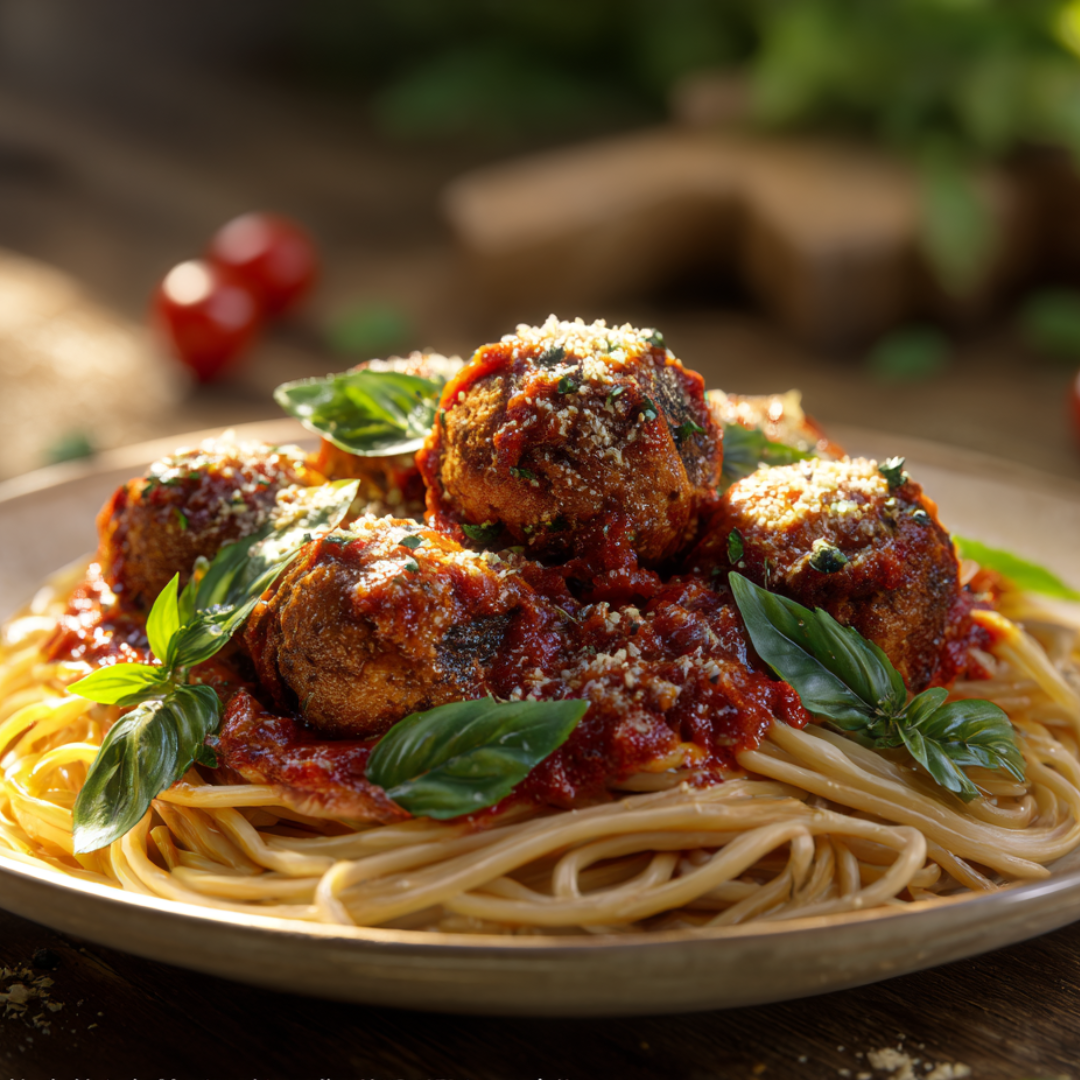
The traditional approach layers these creations over spaghetti with rich tomato sauce. This classic combination provides comfort and substance.
You can simmer them in your sauce for five minutes to infuse flavor. Alternatively, ladle hot sauce over them for a firmer texture.
Finish with grated plant-based parmesan and fresh basil. A drizzle of olive oil adds richness to the final presentation.
Exploring Twists: Meatball Subs and Appetizer Ideas
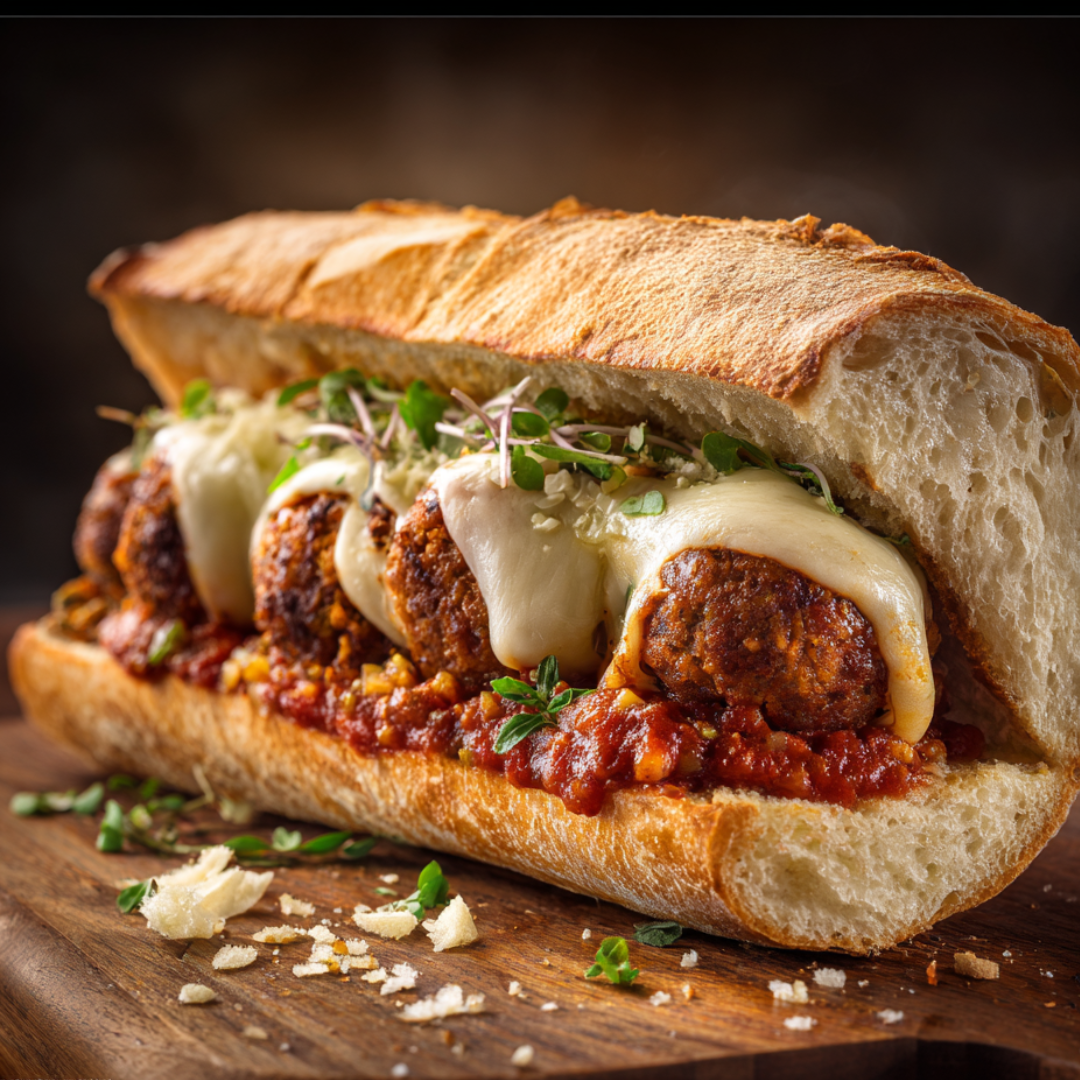
Transform them into handheld meals by creating hearty subs. Nestle three or four in a crusty roll with sauce and plant-based mozzarella.
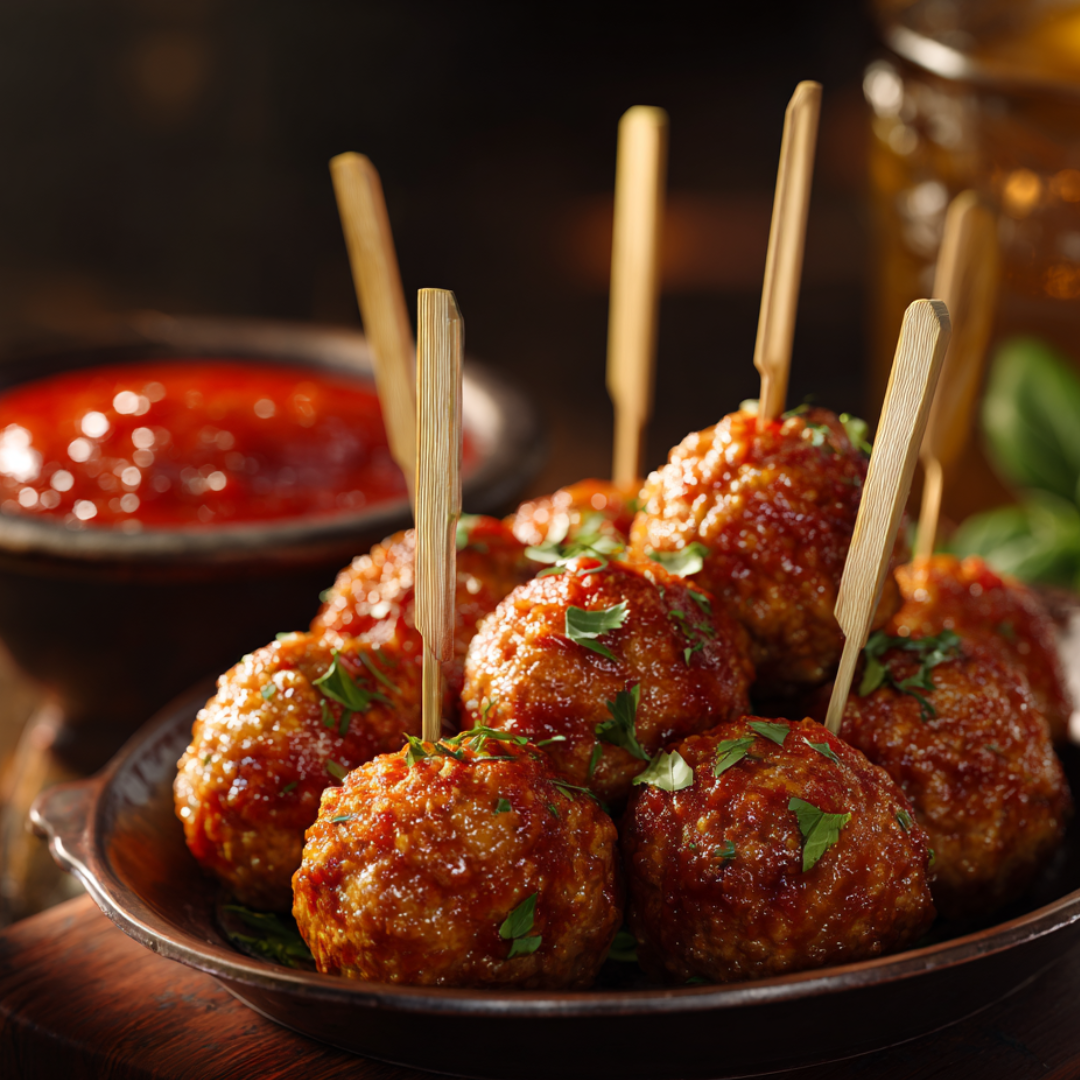
For appetizers, serve them on toothpicks with marinara for dipping. You can also change the seasoning profile completely.
Omit Italian herbs and add cumin with smoked paprika. Glaze with BBQ sauce for a different flavor direction that works well for parties.
These preparations adapt to various global dishes beyond traditional formats. Their flexibility makes meal planning practical for busy households.
Bringing It All Together for a Delightful Meal
What makes this preparation so successful is how it honors tradition while embracing practical modern needs. You’re not just following steps—you’re learning principles that create genuinely satisfying food. The attention to texture and seasoning ensures each bite delivers comfort.
These techniques work beyond this specific dish. Blooming spices and proper chilling improve many plant-based creations. The freezing capability turns one cooking session into several easy meals.
I’ve served these to dedicated meat-eaters who appreciate the thoughtful approach. Good food speaks for itself when prepared with care. Take your time with seasoning and don’t skip the chilling step—these small investments yield significant returns.
This represents home cooking at its most practical and rewarding. You now have the foundation to create meals that nourish both body and tradition.
Vegan Italian Meatballs
Ingredients
Method
- In a small bowl, mix the ground flaxseed and water. Stir well and set aside for 10 minutes until thick and gel-like.
- Heat olive oil in a large skillet over medium heat. Add the diced onion and cook until soft with light browning.
- Add the garlic, Italian seasoning, crushed fennel seeds, and red pepper flakes. Cook for about 30 seconds until fragrant.
- Add the chopped mushrooms to the pan. Cook patiently until they release their moisture and the pan looks mostly dry. Remove from heat and let cool slightly.
- Add chickpeas to a food processor and pulse a few times to break them down. Add the cooked vegetable mixture, flax egg, oats, breadcrumbs, tomato paste, vegan Worcestershire sauce, salt, and pepper.
- Pulse until the mixture almost forms a paste but still has texture. Do not over-blend.
- Place the mixture uncovered in the freezer for 20–30 minutes. This makes shaping much easier.
- Scoop and roll the mixture into evenly sized balls using gentle pressure.
- Preheat oven to 400°F (200°C). Line a baking sheet with parchment paper. Place meatballs spaced apart and bake for 30–40 minutes, flipping halfway, until firm and lightly browned.
- Let the meatballs rest for 10 minutes to set before serving or adding to sauce.
Notes
- You can air fry these at 390°F for 10–12 minutes for a crisp outside.
- They freeze very well, both raw and cooked, for up to 3 months.
- Lentils or cannellini beans can replace chickpeas if needed.
- Simmering the baked meatballs in sauce for a few minutes adds extra flavor.