Jump to Recipe
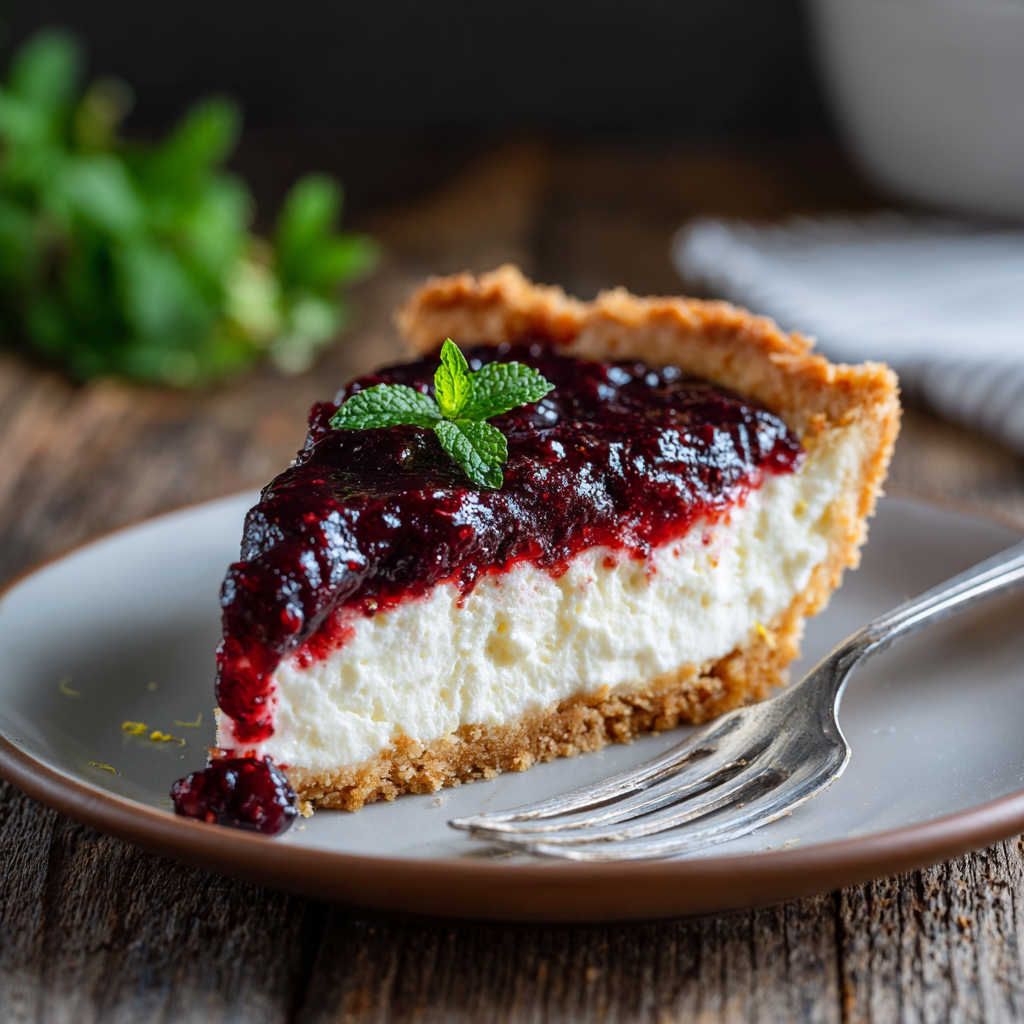
There’s a particular comfort in a dessert that feels both special and simple. It’s the kind of treat you find in Rome, where generations of bakers have perfected the balance of creamy, sweet cheese and bright, tart fruit nestled inside a tender, crumbly crust.
This particular pastry holds a deep history. It comes from the traditions of Rome’s Jewish Ghetto, dating back centuries. Forni storici, or historic bakeries, still proudly display it in their windows. The combination is timeless: a layer of smooth, sweet cheese filling sits atop a sharp sour cherry jam. This all bakes inside a classic shortcrust, creating a delightful contrast in every bite.
What makes this tart unique is its construction. It has both a top and bottom crust, which technically makes it a torta. But the traditional name has stuck. It was originally made for a specific festival in June, when dairy is celebrated and the fruit is at its peak. Now, it’s enjoyed year-round.
I want to share this with you because it represents a genuine piece of Italian culinary heritage. It’s a dessert that connects you to a real place and a long history of careful, thoughtful baking.
Key Takeaways
- This dessert is a classic from Rome’s Jewish Ghetto with a history spanning centuries.
- The filling features a delightful contrast between sweet cheese and tangy sour cherry jam.
- It is baked inside a traditional shortcrust pastry with both a top and bottom layer.
- Originally a seasonal treat for a June festival, it can now be made year-round.
- The result is a balanced pastry that isn’t overly sweet, appealing to a wide range of tastes.
- This preparation connects you to an authentic and cherished Roman baking tradition.
Exploring the Roman Roots and Cultural Heritage
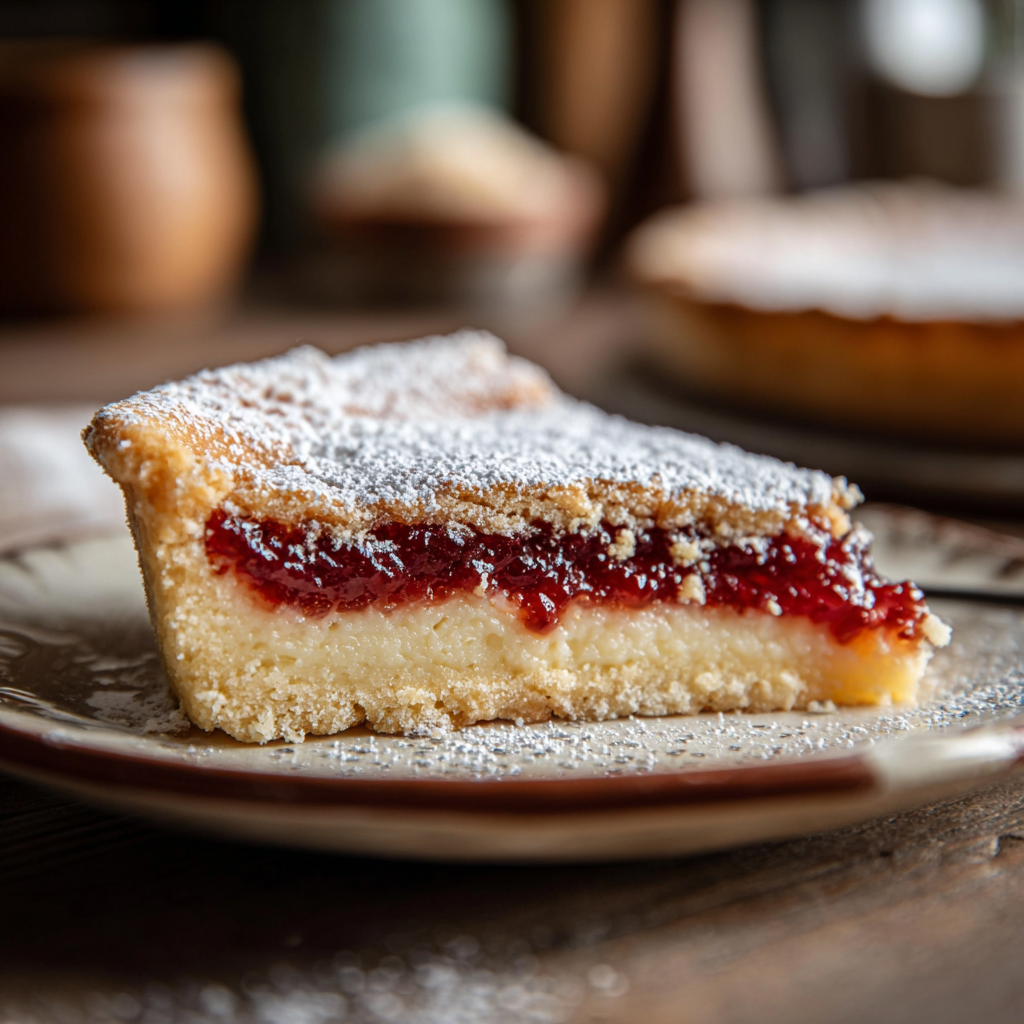
This dessert’s origins speak to the resilience and creativity of a community adapting to restrictions while maintaining traditions. The crostata ricotta visciole emerged from Rome’s historic Jewish Quarter, where generations of bakers blended ancestral techniques with local Roman ingredients.
Tracing the History in the Roman Ghetto
One compelling story suggests that when papal authorities prohibited Jewish merchants from selling dairy products, inventive bakers found a clever solution. They concealed sheep’s milk ricotta within pastry crusts, technically marketing a “fruit tart” rather than a dairy product.
This ricotta visciole combination became particularly significant during Shavuot in mid-June. The festival traditionally features dairy dishes, perfectly timed with the brief sour cherry harvest season.
Culinary Influences from Jewish and Italian Traditions
The specific use of visciole—small, intensely tart sour cherries—distinguishes this dessert from similar versions. Historic bakeries in the Ghetto still produce these crostate using time-honored recipes.
What separates an authentic crostata ricotta visciole from modern interpretations is its deliberate balance. It features less sugar, more tartness, and respects both the creamy filling and the fruit’s natural acidity. This approach creates a dessert that represents cultural preservation through food.
Authentic Cherry Ricotta Crostata Recipe: Perfecting the Pasta Frolla
Creating the perfect pasta frolla requires understanding the delicate balance between tenderness and structure. This Italian shortcrust differs significantly from American pie dough, offering a richer, cookie-like texture that complements the fillings beautifully.
Key Ingredients for a Flaky, Buttery Crust
Begin with 400 grams of 00 or pastry flour in a large bowl. Add 150 grams of sugar and a pinch of salt, mixing these dry ingredients thoroughly. The quality of your flour matters here.
Work 200 grams of softened butter into the flour mixture until it resembles coarse sand. This coating of flour particles with fat creates that signature tender, flaky quality. Some traditional versions might include lard for extra richness.
Four egg yolks bring the dough together, though three whole eggs create a more elastic dough that’s easier to handle. Add a spoonful of milk or water if the mixture seems too dry. The choice affects the final texture significantly.
Techniques for Working with Dough and Rolling Pin
Speed is crucial when working with pasta frolla. Work quickly to prevent gluten development, which can turn tender pastry into something tough. Once formed, wrap the dough tightly in plastic wrap.
Refrigerate for at least 30 minutes. This rest period allows the gluten to relax and the butter to firm up. When ready to roll, work with cold dough straight from the fridge.
If the dough becomes sticky, return it to the cold for a few minutes. I roll my pasta frolla between two sheets of parchment paper. This prevents the rolling pin from sticking and makes transferring the delicate pastry much easier.
For those interested in savory variations, this technique applies equally well to an authentic crostata salata Italian tart recipe from Italy’s. The principles of good pasta frolla remain consistent across both sweet and savory applications.
Creating the Luscious Ricotta Cream and Cherry Filling
The heart of this dessert lies in the careful preparation of its two distinct fillings. Each component requires specific handling to achieve the perfect balance of texture and flavor.
Secrets to a Smooth, Well-Drained Ricotta Mixture
Begin with properly drained cheese. Watery ricotta creates a soggy result that never sets correctly. If your cheese seems loose, place it in a fine-mesh sieve over a bowl.
Let it drain in the refrigerator for at least an hour. Overnight drainage yields even better results. Traditional sheep’s milk ricotta offers richer flavor, but cow’s milk works well too.
Whisk 400 grams of drained cheese with 125 grams of sugar until smooth and creamy. Vigorous mixing creates that luxurious texture. The optional egg firms the filling for a cheesecake-like consistency.
Some bakers sieve their cheese through a fine strainer. I find thorough whisking achieves similar smoothness without extra steps.
Incorporating Sour Cherry Jam for a Tangy Twist
The fruit component typically comes from a jar of visciole jam. This provides the essential tart counterpoint to the sweet cream. Use about 350 grams for proper balance.
If authentic sour cherry jam proves difficult to find, regular preserves work adequately. You’ll miss some characteristic tang, but the result remains tasty.
Making your own confettura involves simmering pitted fruit with sugar and lemon juice. Cook for about 30 minutes until thickened. Then let cool completely before assembly.
A drizzle of sambuca or vanilla extract respects traditional variations. The filling shines beautifully even without these enhancements.
Baking Techniques, Assembly, and Flavor Enhancements
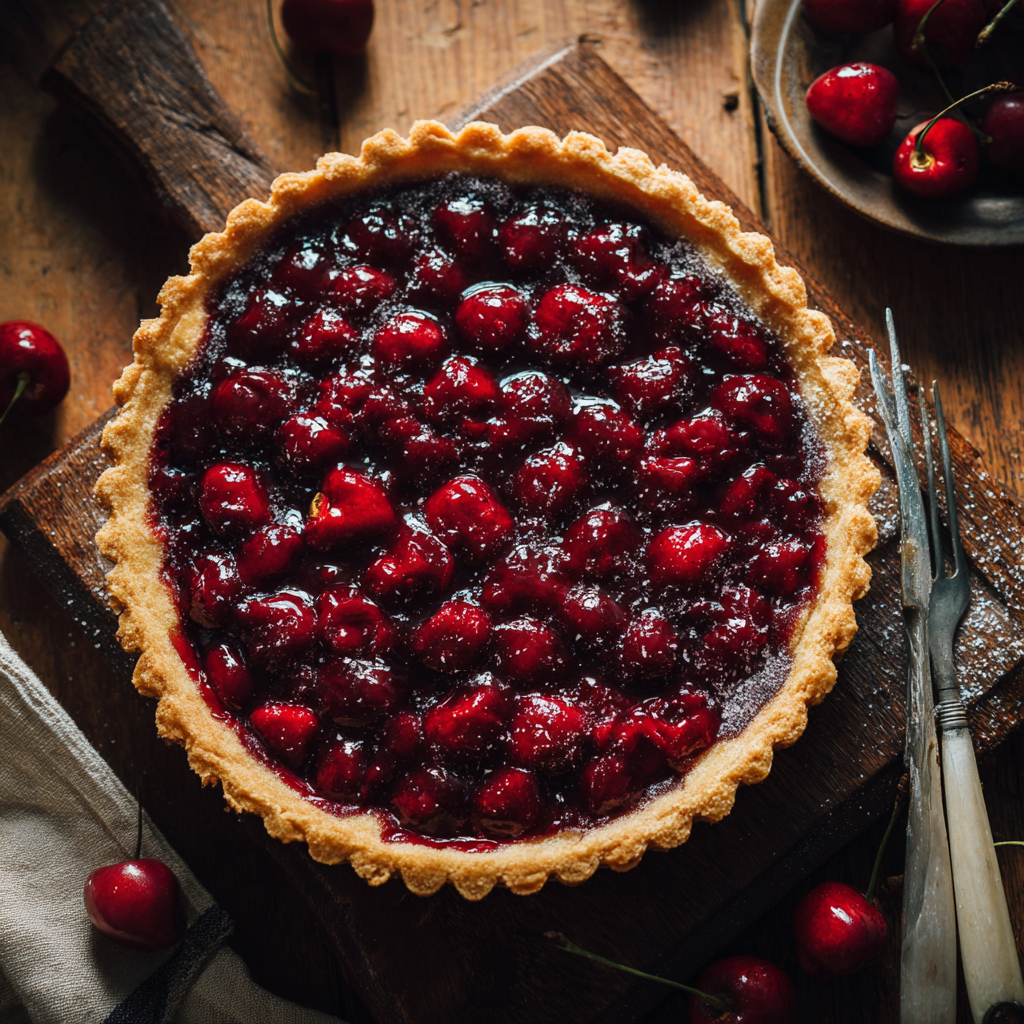
Bringing this dessert to completion requires a methodical approach to construction and proper oven timing. The assembly process transforms individual components into a harmonious finished pastry.
Step-by-Step Process for Constructing the Crostata
Begin with chilled dough divided into two portions. The larger ball forms your bottom crust. Roll it into a 12-inch circle and drape it over a 9-inch pan.
Press the pastry gently into the bottom and up the sides. Trim any excess hanging over the edges. Use a fork to prick the bottom several times.
Spread the fruit jam evenly across the crust. Pour the cheese filling over it and smooth with a spatula. Roll out the smaller dough ball for the top layer.
Tips for Achieving a Golden, Puffed Finish
Seal the edges where top and bottom crusts meet. Pay close attention to prevent filling leakage. An egg wash creates professional-looking golden sheen.
Bake at 350°F for about 45 minutes. Watch for deep golden color on top. The edges should pull away slightly from the pan when done.
| Pan Type | Best For | Unmolding Ease | Special Considerations |
|---|---|---|---|
| Springform Pan | Easy removal | Excellent | Trim crust partway up sides |
| Tart Pan | Traditional look | Good | Bottomless design helps |
| Pie Plate | Common availability | Fair | Use parchment for lifting |
Addition of Citrus Zest and Spices for Depth
Grated lemon zest adds subtle brightness to either the dough or filling. It cuts through richness without overwhelming other flavors.
The cooling period is essential. Rest for at least two hours, though overnight produces better results. This allows flavors to meld and the pastry to become sliceable.
Savoring a Slice of Italian Legacy
The true reward of this preparation comes with patience. Let your creation rest overnight in the fridge. This time allows the flavors to meld beautifully while the filling firms up for perfect slices.
Store your finished tart covered in the refrigerator for two to three days. Serve slices at cool room temperature to highlight the balanced flavors. A light dusting of confectioner’s sugar on top adds elegance without extra sweetness.
This dessert connects us to generations of Roman bakers who perfected this balance. Their resourcefulness created something timeless from simple ingredients. Each slice carries that legacy forward into your kitchen today.
Whether following tradition exactly or adapting to your pantry, focus on the harmony between tender pasta frolla, creamy filling, and tart fruit. That balance makes every bite worth the wait.
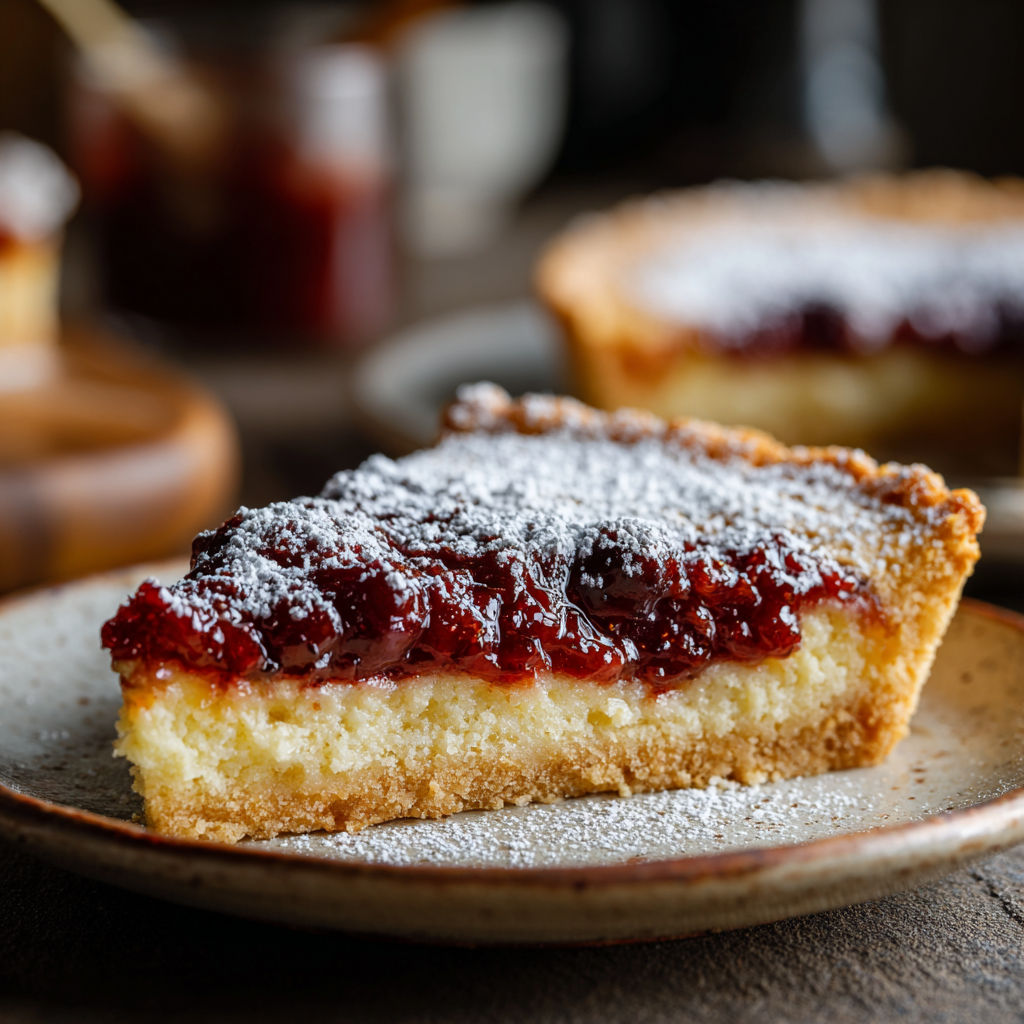
Crostata Ricotta e Visciole (Ricotta and Sour Cherry Tart)
Ingredients
Method
- In a large bowl, combine 400g flour, 150g sugar, and a pinch of salt.
- Add 200g softened butter and mix until the mixture resembles coarse sand.
- Add 4 egg yolks (or 3 whole eggs) and mix, adding a bit of milk or water if the dough is dry.
- Quickly knead the dough until smooth. Wrap in plastic wrap and chill for at least 30 minutes.
- Drain the ricotta for at least 1 hour in a fine-mesh sieve.
- Whisk the ricotta and 125g sugar until smooth and creamy.
- Optionally, add 1 egg for a firmer consistency.
- If using homemade jam, cook pitted sour cherries with sugar and lemon juice for 30 minutes until thick. Let it cool.
- Preheat the oven to 350°F (175°C).
- Roll out the chilled dough. Use a larger portion for the bottom crust and a smaller one for the top.
- Press the bottom dough into a 9-inch tart pan, trimming any excess.
- Spread the cherry jam evenly on the crust.
- Pour the ricotta mixture over the jam.
- Roll out the top dough, cover the tart, and seal the edges.
- Brush the top crust with an egg wash for a golden finish.
- Bake for about 45 minutes or until the crust is golden and the filling has set.
- Let the tart cool for at least 2 hours, preferably overnight, to allow the flavors to meld.
- Serve at room temperature, optionally dusted with powdered sugar.
Notes
- This dessert can be made ahead of time. It stores well in the fridge for up to 2-3 days.
- For a more authentic flavor, use sheep's milk ricotta and sour cherry jam if available.
- The lemon zest adds a nice fresh contrast to the rich filling, but it’s optional.
- If you don’t have sour cherry jam, any tart fruit preserves can be used, but the result will differ slightly in flavor.