
Jump to Recipe
There’s a quiet magic that happens when you slide a pan of this ruby-red vegetable into a hot oven. Its sharp edges soften, and a deep, caramelized sweetness emerges. This simple transformation is at the heart of home cooking from the Veneto region.
This particular method uses just a handful of quality ingredients. Good extra-virgin olive oil, a splash of balsamic vinegar, and a sprinkle of coarse salt are all you need. The high heat gently tames the vegetable’s natural bitterness, creating a dish that feels both rustic and elegant.
My guide will walk you through this straightforward technique. You’ll learn how to select the best heads and achieve perfectly tender results every time. Whether you’re new to this ingredient or looking to perfect your approach, this reliable preparation works beautifully.
You can serve it as a sophisticated side or a satisfying light main. It comes together in about twenty minutes, making it perfect for a busy weeknight or a relaxed weekend meal. The flavor pairs wonderfully with everything from grilled meats to a simple piece of fish.
Key Takeaways
- Learn a traditional method that transforms the vegetable’s flavor through high-heat cooking.
- Create an elegant dish using only a few simple, high-quality ingredients.
- Master a technique that reliably produces tender, caramelized results.
- Gain confidence to prepare this as a versatile side or main course.
- Understand how to select the best produce for optimal taste and texture.
- Complete the entire process, from prep to plate, in just 20 minutes.
Exploring the Bold Flavors of Radicchio
The journey of understanding radicchio begins with appreciating its distinctive appearance and heritage. This vegetable offers a unique experience that differs from common lettuces.
A Brief Look at Radicchio’s Italian Roots
This colorful vegetable has deep roots in Northeast Italy’s Veneto region. Farmers there have cultivated it for generations. They developed several varieties, each with unique characteristics.
| Variety | Shape | Color Intensity | Common Uses |
|---|---|---|---|
| Chioggia | Round, cabbage-like | Deep red with white veins | Salads, cooking |
| Treviso | Elongated, loose leaves | Lighter red pattern | Grilling, roasting |
| Castelfranco | Speckled, open head | Creamy with red spots | Raw preparations |
These different forms share the same family lineage. They all belong to the chicory family, related to endive.
Understanding Its Natural Bitterness and Health Benefits
The pronounced bitterness comes from natural compounds. This characteristic can surprise people used to milder greens. However, this quality adds depth to dishes.
Nutritionally, this vegetable delivers significant benefits. It provides antioxidants and vitamins while being low in calories. The tight heads contain vibrant leaves packed with goodness.
Cooking transforms the flavor profile dramatically. Heat softens the sharp edges and brings out subtle sweetness. This makes the vegetable more approachable for various preparations.
Mastering the “roasted radicchio italian style recipe” Technique
At the heart of this method lies a balance between quality ingredients and precise technique. The right components and proper heat application create the perfect transformation.
Essential Ingredients: From Olive Oil to Balsamic Vinegar
Start with two medium heads that feel heavy for their size. Look for crisp outer leaves and vibrant color. The quality of your oil and vinegar makes a significant difference.
Choose a fruity, peppery extra-virgin olive oil that can withstand high heat. For the balsamic, seek out Modena IGP designation for its natural sweetness. Coarse salt and freshly ground pepper complete the simple ingredient list.
| Ingredient | Quality Indicator | Purpose in Dish | Alternative Options |
|---|---|---|---|
| Extra-Virgin Olive Oil | Fruity, peppery finish | Caramelization base | High-quality avocado oil |
| Balsamic Vinegar | Modena IGP designation | Sweetness balance | Aged sherry vinegar |
| Coarse Salt | Large, irregular crystals | Flavor enhancement | Sea salt or kosher salt |
| Black Pepper | Freshly ground | Subtle heat | White pepper for milder flavor |
Step-by-Step Roasting Tips and Timing
Preheat your oven to 400°F. Cut each head into quarters lengthwise, keeping the root intact. This helps the wedges hold together during cooking.
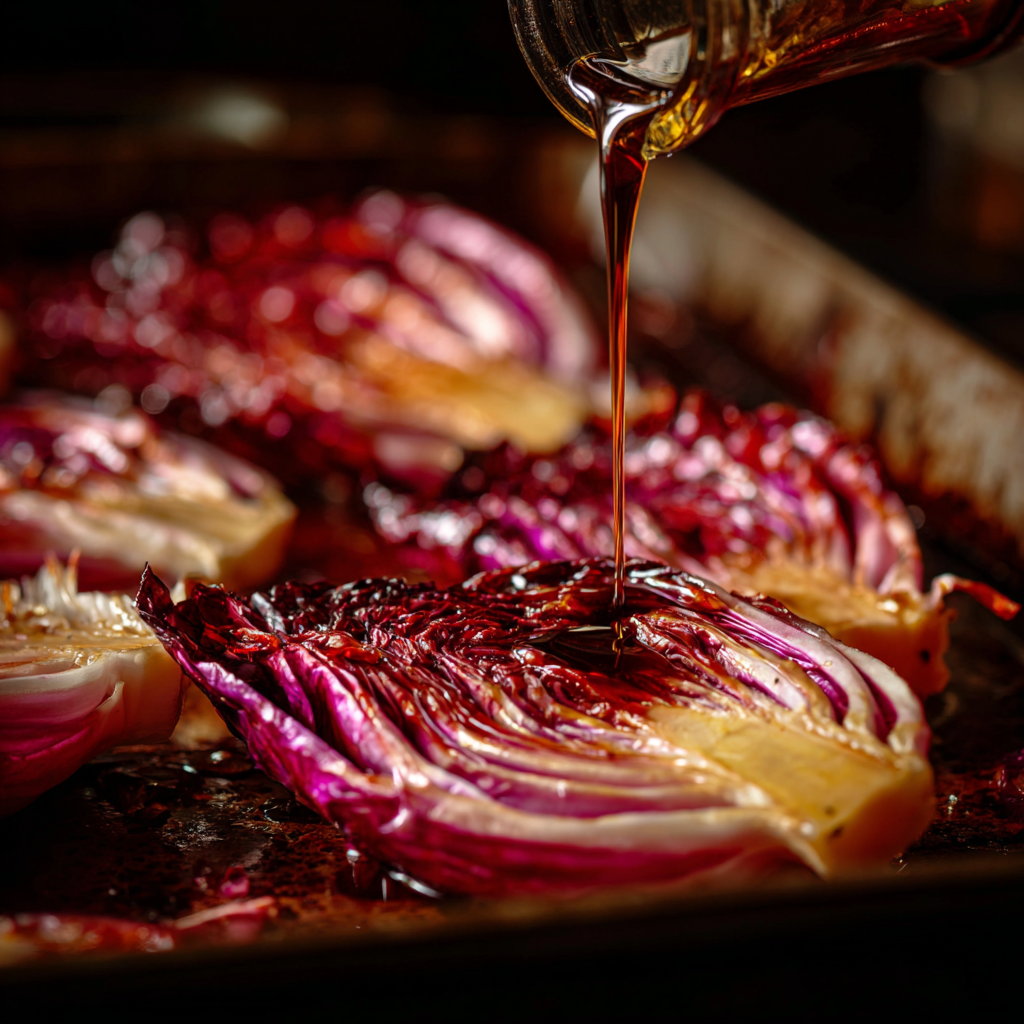
Arrange the quarters on a rimmed baking sheet with space between them. Drizzle generously with oil and season well. Position each wedge with a cut side down for optimal browning.
Roast for 12-15 minutes, turning once halfway through. The leaves should wilt significantly with light charring at the edges. For faster results, try broiling 5 minutes per side under high heat.
If the natural bitterness concerns you, soak whole heads in cold water for 3-4 hours before preparing. Alternatively, trim away the dense white core where bitterness concentrates.
Enhancing the Dish with Sweet and Tangy Accents
The final moments before serving are where this dish truly comes to life. While cooking mellows the bitterness significantly, the right finishing touches complete the flavor transformation. They frame the vegetable’s character rather than masking it.
Balancing Bitterness with Balsamic and Lemon
Your choice of balsamic vinegar makes a noticeable difference. Reach for authentic Aceto Balsamico di Modena IGP. This vinegar has a naturally thick, syrupy consistency from proper aging.
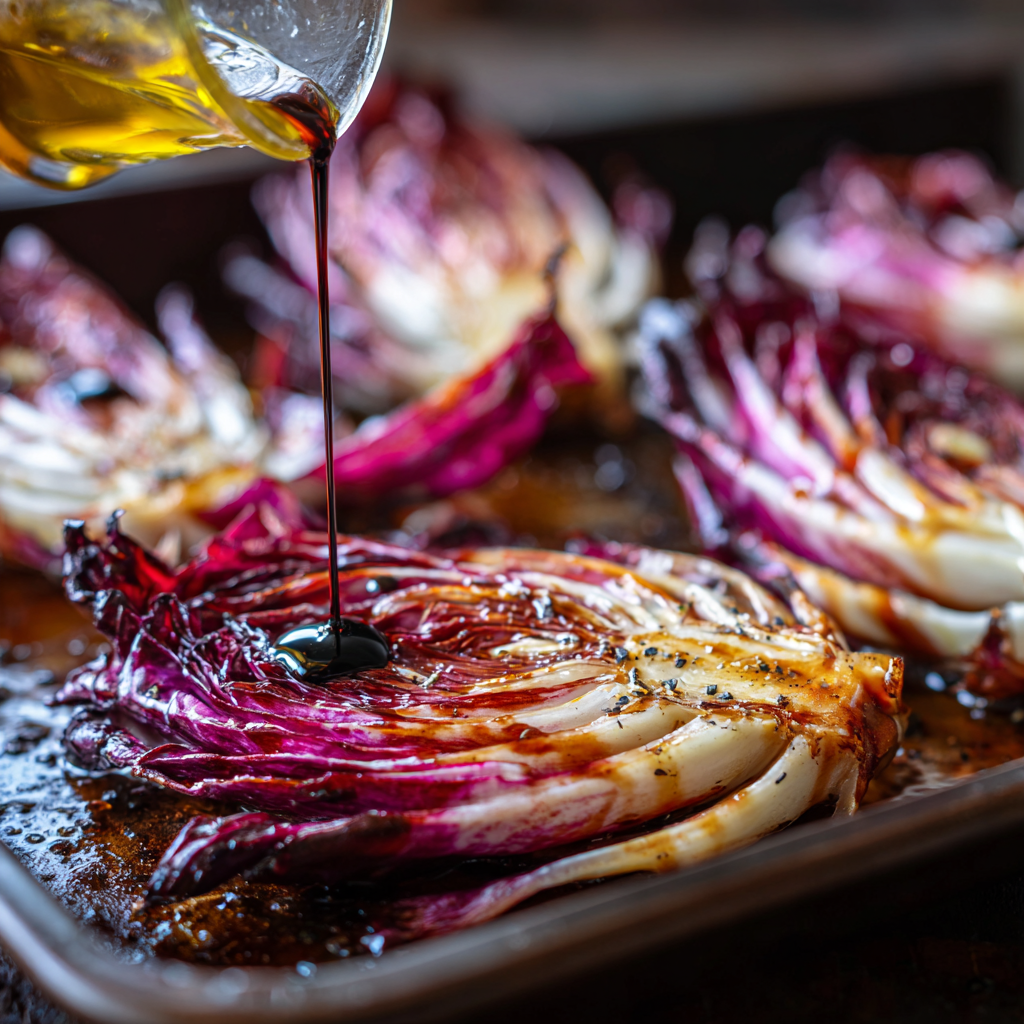
Drizzle it over the wedges just before serving. Use about a teaspoon per piece. Applying it after cooking preserves the vinegar’s aromatic complexity.
If the natural bitterness remains pronounced, add a light drizzle of honey. Delicate varieties like acacia work well. This technique is traditional in Northern cooking.
Fresh lemon juice offers a cleaner, sharper contrast. It brings bright acidity without sweetness. Some cooks prefer this approach with rich main courses.
| Finishing Element | Primary Effect | Best Application | Pro Tip |
|---|---|---|---|
| Balsamic Vinegar | Sweetness & Acidity | Drizzle after cooking | Choose Modena IGP for body |
| Lemon Juice | Bright Acidity | Alternative to vinegar | Use fresh-squeezed only |
| Extra-Virgin Olive Oil | Fruity Richness | Final drizzle | Add after other liquids |
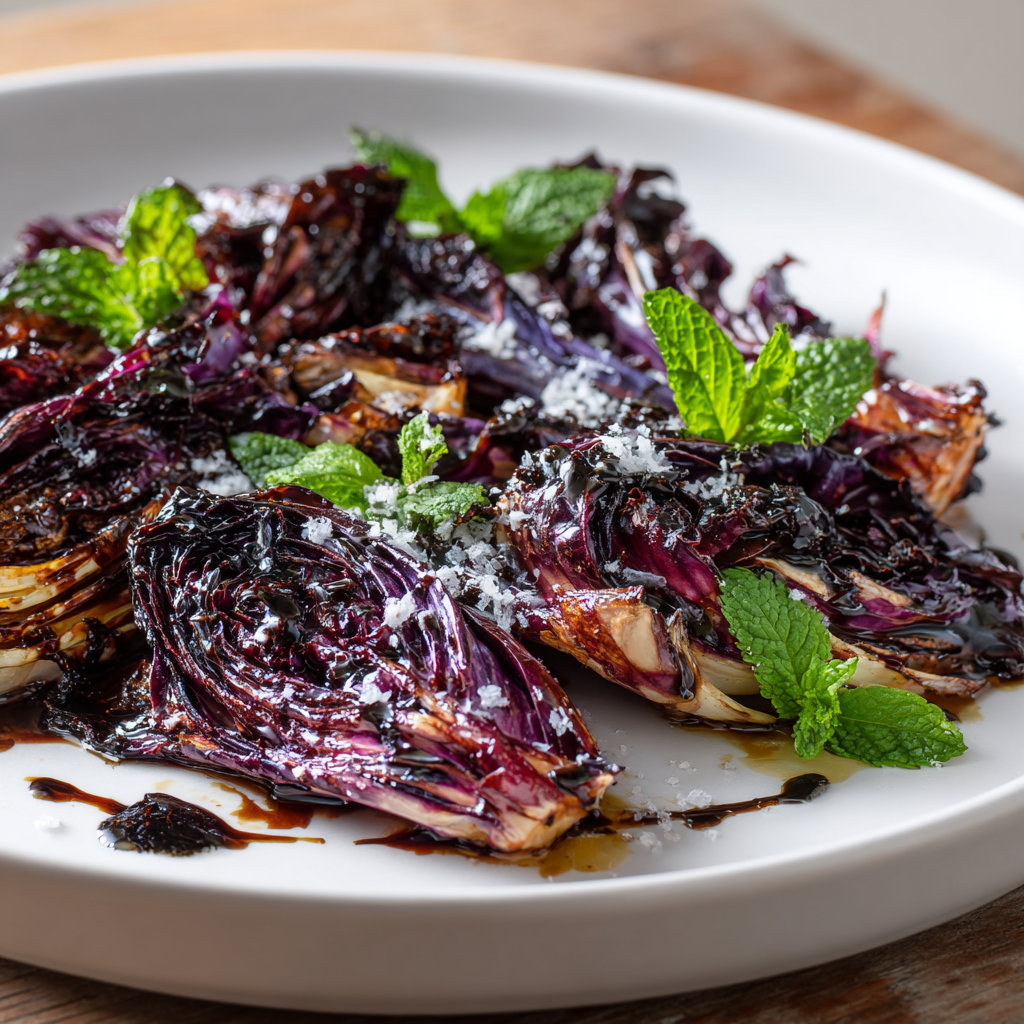
| Flaky Salt | Salty Crunch | Sprinkle on top | Maldon salt works well |
| Fresh Mint | Aromatic Brightness | Garnish before serving | Chiffonade leaves finely |
After adding vinegar or lemon, include one more generous drizzle of quality olive oil. This final addition stays raw, bringing fruity notes directly to your palate. It helps carry the other flavors.
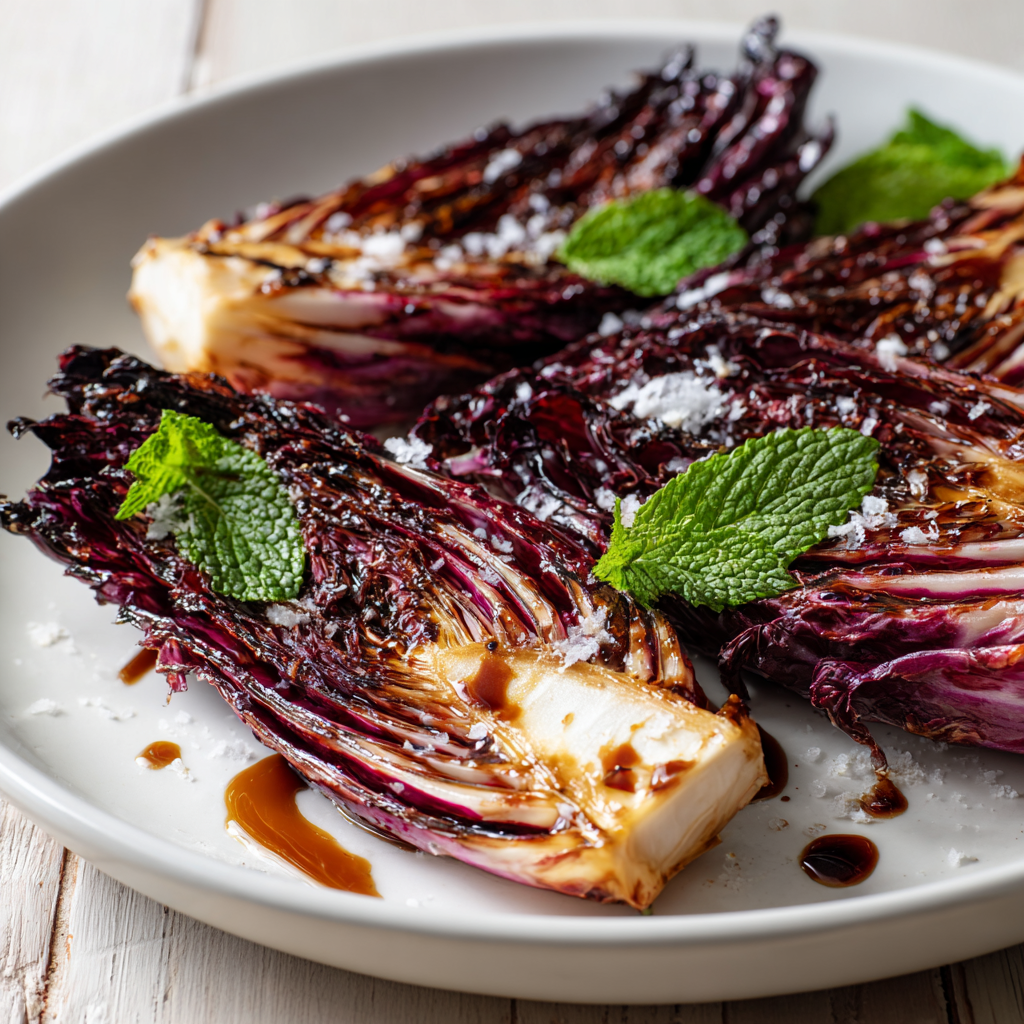
Textural elements like flaky sea salt provide little bursts of salinity. Fresh mint leaves add cool brightness. These small details make the preparation feel thoughtfully composed.
Creative Pairings and Serving Suggestions for Italian Classics
You’ll find yourself reaching for this simple side again and again due to its remarkable flexibility. Its balanced flavors bridge the gap between a casual weeknight meal and an elegant weekend dinner with ease.
This adaptability makes the recipe worth mastering. Let’s explore how to make it shine alongside other dishes.
Ideal Side Dishes and Entrée Enhancements
This vegetable side dish excels at cutting through richness. Try it with a classic carbonara. The bitter notes provide a perfect contrast to the creamy pasta.
It also pairs beautifully with simply prepared proteins. Think seared pork chops or roasted salmon fillets. The acidity refreshes your palate between bites.
For a traditional and satisfying light meal, place a warm wedge on a bed of creamy polenta. A final drizzle of good oil and a squeeze of lemon pull it all together. It feels special but comes together in minutes.
| Main Course | Why the Pairing Works | Pro Tip |
|---|---|---|
| Creamy Pasta (e.g., Carbonara) | Bitterness balances richness | Serve the vegetable warm, not hot |
| Grilled or Roasted Meats | Acidity cuts through fat | Garnish with fresh herbs like mint |
| Polenta | Mild base lets the vegetable shine | Use high-quality olive oil to finish |
Innovative Ideas for Leftovers
Plan to use any leftovers within one day. After that, the leaves lose their appealing texture.
Chop the leftover radicchio finely and toss it with hot pasta, oil, and Parmesan. It creates a completely new dish in just five minutes.
Another great use is in grain bowls with farro or barley. Add white beans and a lemony dressing for a hearty lunch. This approach is similar to how you might reuse Roman-style artichokes.
For enthusiasts, stuffed leaves make a wonderful antipasto. You can also mix chopped roasted radicchio into a calzone filling with ricotta.
Bringing It All Together: Savor Your Culinary Creation
In just twenty minutes, you can transform simple ingredients into something truly special. The complete timeline from prep to plate fits neatly into busy schedules.
This recipe delivers authentic flavor through a straightforward technique. It respects tradition while working realistically in American home kitchens. The balance between accessibility and impressiveness defines good home cooking.
Pay attention to the season for optimal results. Cool-weather produce offers the best texture and flavor. Mastering this method opens doors to preparing other bitter vegetables with similar principles.
You now have everything needed to create this wonderful dish. Trust that this simple combination has satisfied cooks for generations because it genuinely works. The rest is just doing it and tasting thoughtfully as you go.
Roasted Radicchio (Italian Style)
Ingredients
Method
Notes
- For a milder flavor, soak the radicchio wedges in cold water for 3-4 hours before roasting to reduce bitterness.
- This dish pairs well with grilled meats, roasted fish, or creamy pasta like carbonara.
- Leftovers can be used in salads, grain bowls, or even stuffed into a calzone.