
Jump to Recipe
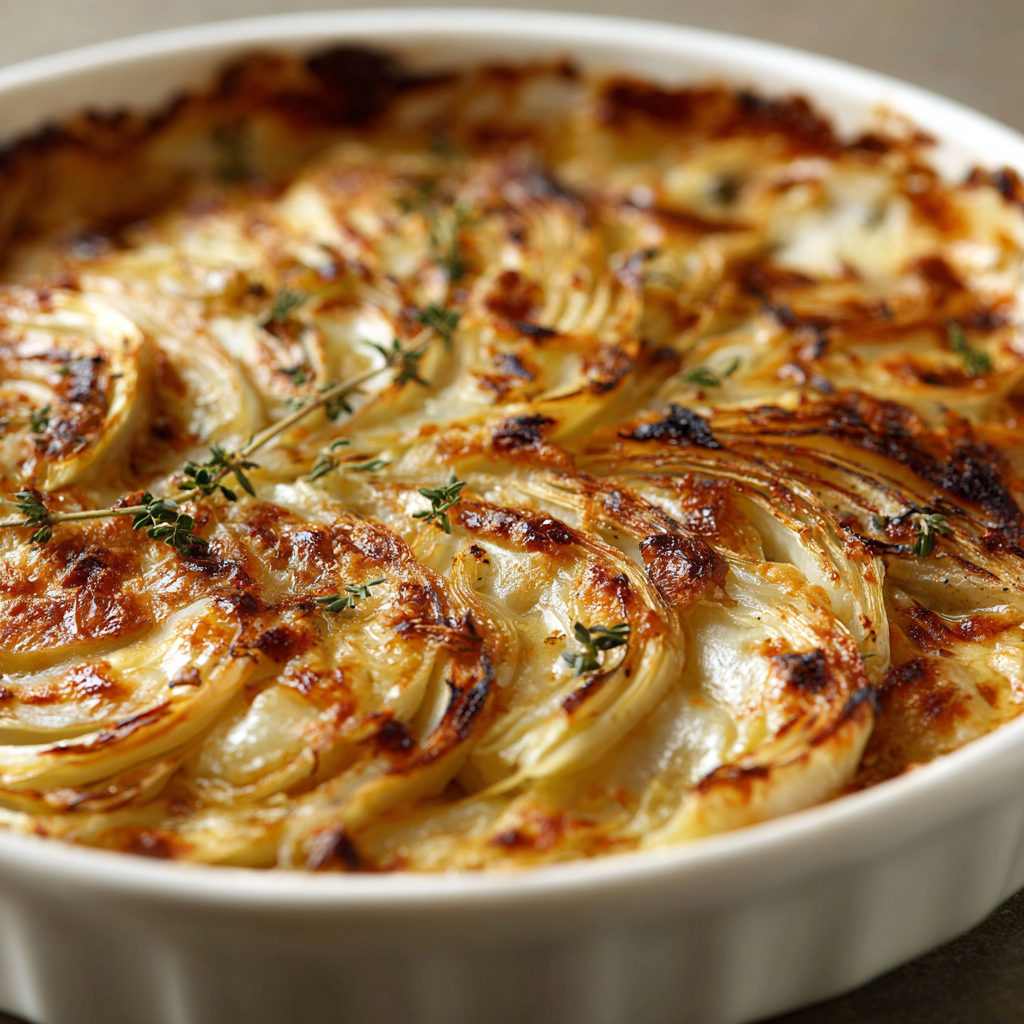
There’s a quiet comfort in preparing a vegetable side that feels both rustic and refined. This particular dish, with its creamy, golden-brown top, has a way of making a holiday table feel complete. It brings a touch of warmth and tradition that everyone appreciates.
If you’re new to working with this main ingredient, don’t let its distinct aroma put you off. Slow roasting and baking transform its character into something wonderfully mellow and sweet. The result is a harmonious blend of flavors that appeals to almost every palate.
What I love most about this preparation is its elegant simplicity. It looks impressive but comes together without stress. You likely have most of the components in your kitchen already. This makes it a perfect choice for a busy celebration when you need a reliable, make-ahead option.
This approach to vegetables is a cherished part of a certain culinary heritage. It treats a simple side with the same care as a main course. The goal is to create something memorable and deeply satisfying.
In the following guide, we’ll walk through selecting the best bulbs, a traditional technique for preparation, and how a quality cheese makes all the difference. You’ll learn how to create a gratin that is both comforting and sophisticated, perfect for your next gathering.
Key Takeaways
- This side dish elegantly bridges traditional European cooking with modern American holiday celebrations.
- The cooking process significantly softens the unique flavor of the main vegetable, making it appealing to a wide audience.
- Despite its impressive appearance, the recipe is straightforward and uses commonly available ingredients.
- It embodies a cooking philosophy where vegetable sides are given thoughtful preparation and are often the meal’s highlight.
- The combination of properly prepared ingredients and quality cheese creates a comforting yet sophisticated result.
- You can prepare parts of this dish ahead of time, which is a major advantage during busy holiday cooking.
- You will learn authentic preparation techniques and simple variations to customize the dish to your taste.
Embracing Italian Heritage and Seasonal Flavors
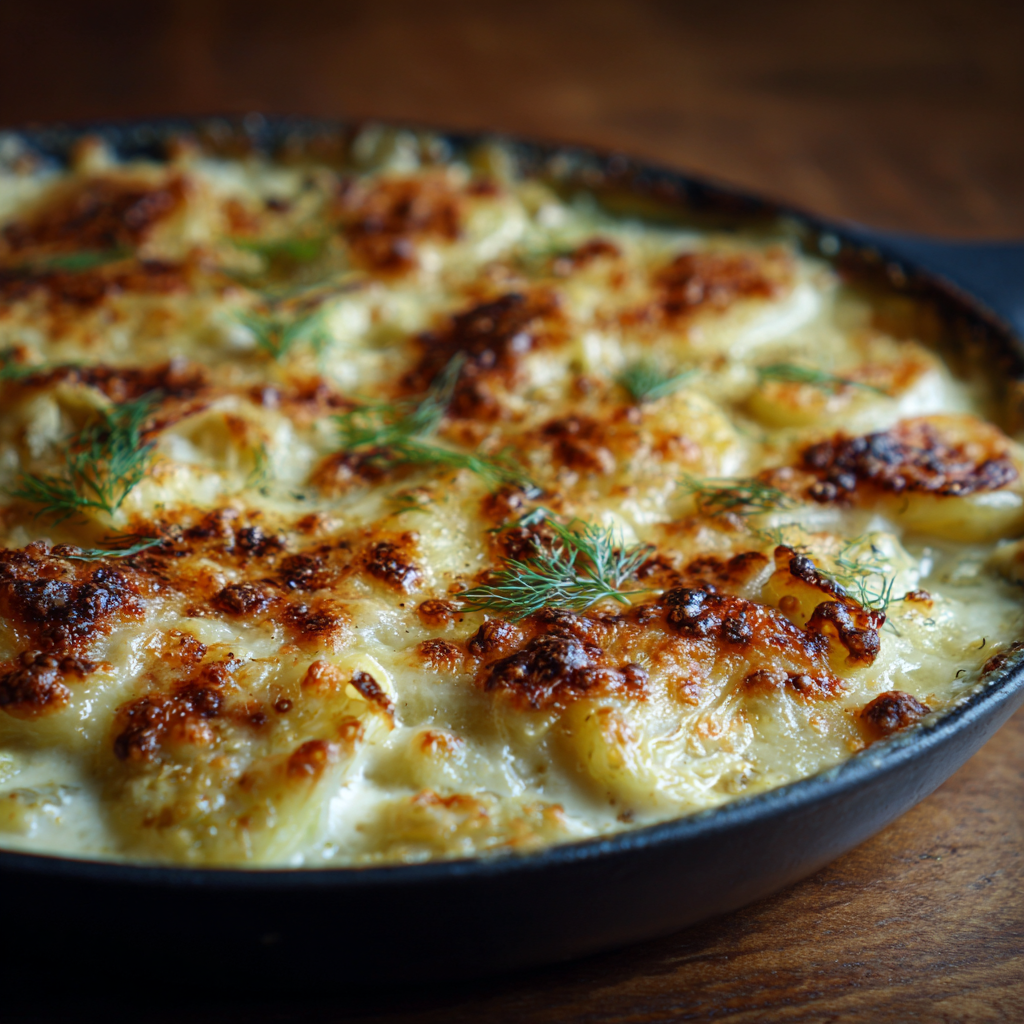
When planning holiday menus, incorporating dishes from Italian heritage can create a more diverse and flavorful experience. These vegetable-focused sides offer wonderful alternatives to standard American fare.
The Story Behind This Holiday Side Dish
Italian-American families have long enriched holiday tables with vegetable-centric creations. These dishes provide balance alongside traditional mains. They reflect a culinary philosophy where vegetables receive thoughtful preparation.
Fall and winter mark the perfect season for this particular vegetable. The bulbs reach peak sweetness and tenderness during these months. This timing makes them a natural choice for festive menus.
Fresh Fennel and Authentic Italian Ingredients
Selecting quality produce is essential. Look for firm, white bulbs without browning. Fresh-looking green fronds indicate good quality. Remember you’ll trim away the stalks and woody core, so purchase extra.
The distinct taste mellows beautifully when cooked with cream or sauce. Roasting transforms it into something sweeter and more delicate. This caramelized preparation showcases how cooking alters the flavor profile.
Authentic cheese makes a significant difference in this dish. True Parmigiano Reggiano comes from specific regions in Italy. It follows strict quality standards that ensure its distinctive character.
| Cheese Type | Origin | Flavor Profile | Best Use |
|---|---|---|---|
| Parmigiano Reggiano | Specific Italian regions | Salty, umami-rich, complex | Grating, finishing |
| Grana Padano | Northern Italy | Milder, slightly sweeter | Melting, cooking |
| Domestic Parmesan | Various locations | Sharper, saltier | General cooking |
The salty, umami-rich cheese complements the vegetable’s subtle sweetness perfectly. This pairing creates a combination that feels both traditional and special. It’s a side dish you can feel good about serving.
fennel gratin italian holiday recipe: A Step-by-Step Guide
Preparing the main vegetable correctly is the first crucial step to achieving a tender, flavorful result. This guide walks you through the traditional method, plus offers simple variations.
Gathering Your Ingredients
For the classic version, you will need:
- 2 lbs of bulbs, 2¼ tablespoons of butter, and 2 oz of grated Parmigiano Reggiano.
- For the sauce: 1½ cups whole milk, 2 tablespoons each of all-purpose flour and butter, salt, and nutmeg.
Having everything measured and ready makes the process smooth.
Crafting the Creamy Béchamel Sauce
Start by melting 2 tablespoons of butter in a saucepan over low heat. Whisk in the flour gradually to create a roux. Cook it until golden.
Add the milk slowly, whisking constantly to prevent lumps. Season with salt and a pinch of nutmeg. The sauce should coat the back of a spoon.
Baking Techniques for a Golden Finish
Preheat your oven to 400°F. Arrange the cooked vegetable in a single layer in a buttered baking dish. Pour the béchamel sauce over the top.
Sprinkle generously with the grated cheese. Bake for about 30 minutes. The dish is ready when the surface is golden brown and bubbly.
For a crispier topping, try mixing toasted Panko breadcrumbs with Parmigiano and thyme. Bake at 425°F for a shorter time, around 20 minutes.
Exploring Variations and Expert Tips
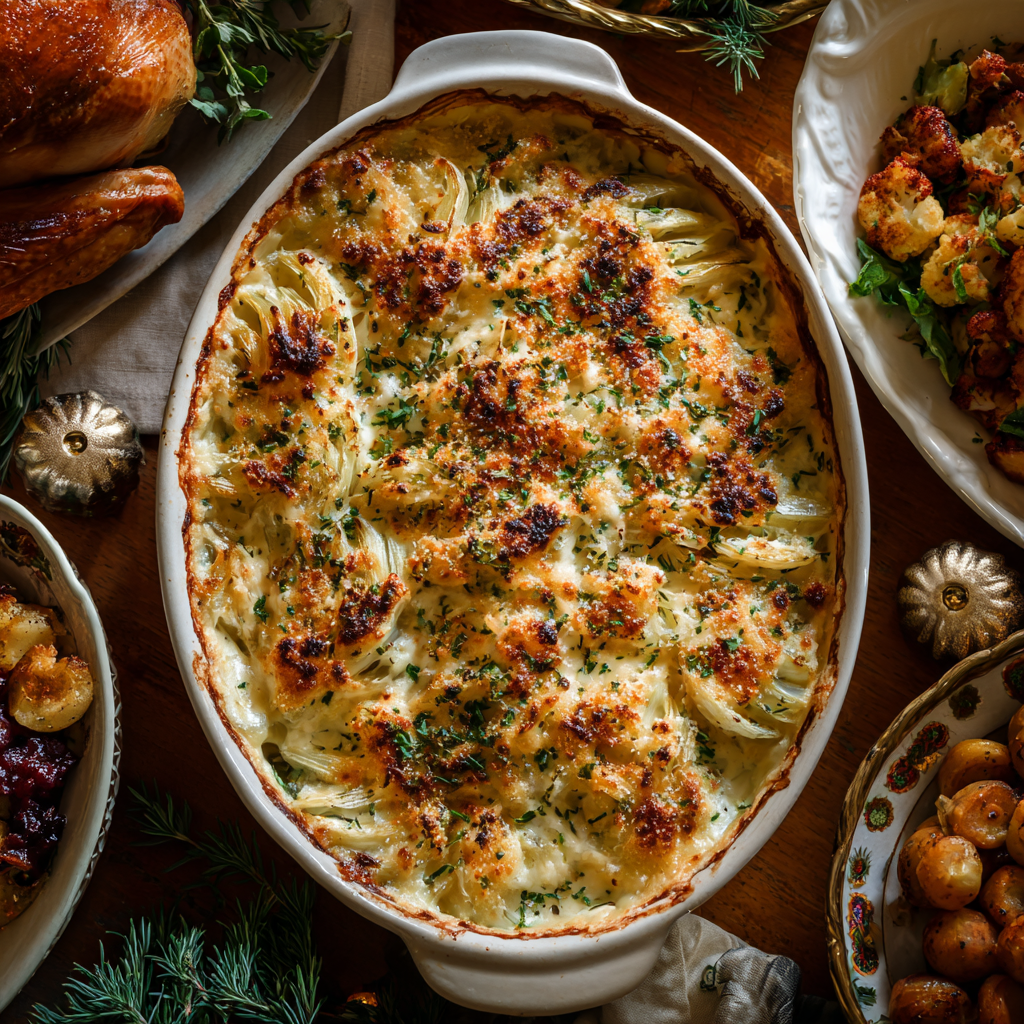
Once you master the basic technique, numerous creative variations become accessible for different occasions. These adaptations maintain the dish’s comforting essence while offering fresh flavors.
Creative Twists with Prosciutto, Turmeric, and More
For a heartier option, layer thin potato slices and carrot rounds with the main vegetable. Season with herbs and olive oil. Bake covered for 20 minutes, then uncovered for another 20.
The prosciutto version creates a luxurious result. Brown the vegetable in butter before adding cream, fontina cheese, and ham strips. Top with Parmigiano and bake until golden.
A turmeric variation adds vibrant color and earthy notes. Blend bread with garlic and cheese for a crispy topping. Dust with turmeric powder before baking.
| Variation | Key Ingredients | Baking Time | Texture |
|---|---|---|---|
| Potato & Carrot | Root vegetables, herbs | 40 minutes | Hearty, layered |
| Prosciutto | Ham, fontina, cream | 20 minutes | Rich, creamy |
| Turmeric | Bread, garlic, spice | 25 minutes | Crispy top |
| Sicilian Style | Olives, capers, tomatoes | 30 minutes | Mediterranean |
Enhancing Texture with a Crispy Parmigiano Topping
Pre-cooking the fennel ensures proper tenderness during baking. This prevents the sauce from drying out or the top burning.
Toast breadcrumbs in butter before adding them to the dish. This guarantees they stay crispy rather than becoming soggy.
Leftovers keep well for 2-3 days. Reheat in a moderate oven, though the topping may lose some crispness. The flavor remains excellent.
Bringing It All Together for a Memorable Holiday Feast
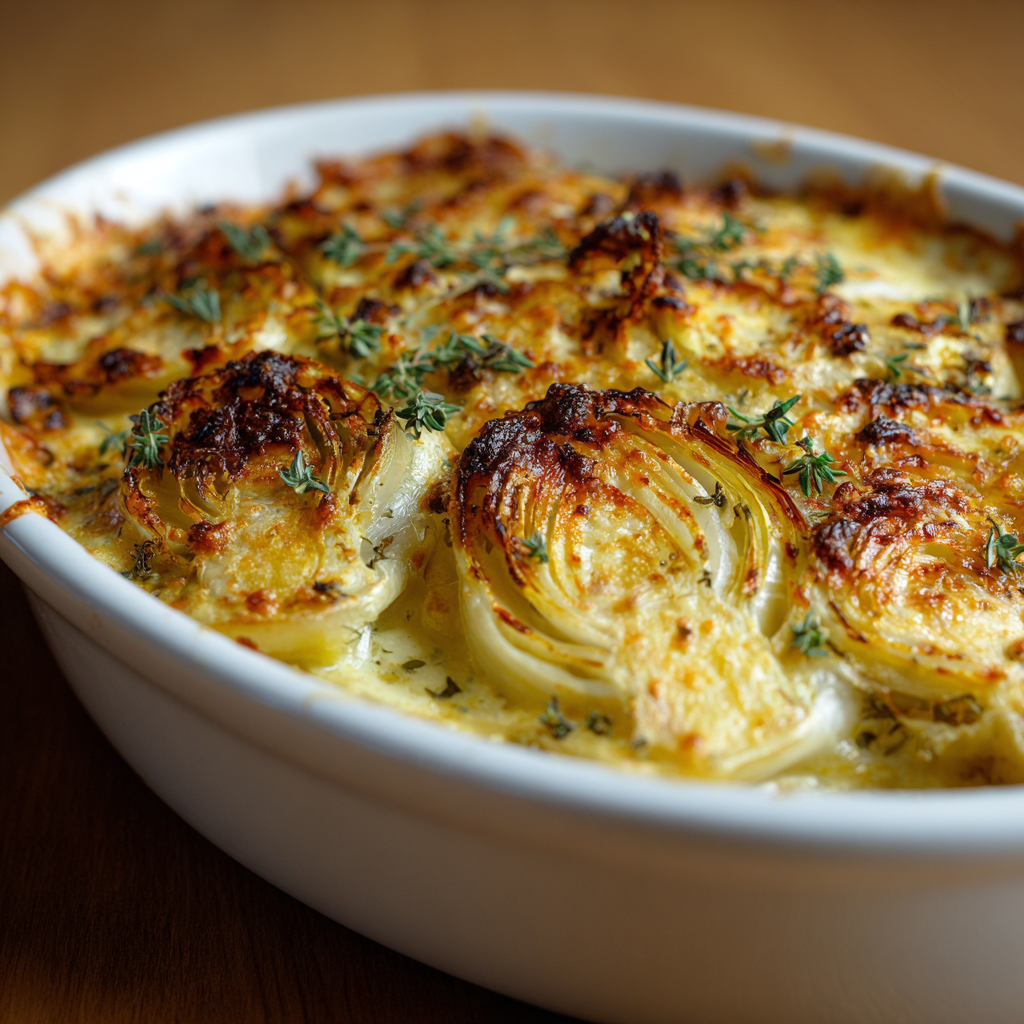
The final presentation of this baked dish showcases how thoughtful preparation elevates humble ingredients to something truly special. It pairs wonderfully with roasted turkey or makes an elegant companion to fish. The golden-brown crust and tender, translucent fennel pieces create visual appeal that matches its delicious taste.
Even those cautious about its distinct flavor find the creamy sauce and salty parmesan create a harmonious balance. The cooking process transforms the vegetable into a sweet, mellow side that appeals to diverse palates.
This gratin’s make-ahead nature provides practical value during busy meal preparation. You can assemble it a day in advance, then simply bake before serving. This flexibility reduces stress when coordinating multiple dishes.
We appreciate how such preparations honor culinary traditions while creating new family memories. This versatile side might just become your go-to for special occasions and everyday meals alike.
Fennel Gratin
Ingredients
Method
- Trim the fennel bulbs, removing the stalks and woody core.
- Slice the fennel into even wedges.
- In a saucepan, melt 2 tablespoons of butter over low heat.
- Gradually whisk in 2 tablespoons of flour to create a roux. Cook it until golden.
- Slowly add the milk, whisking constantly to prevent lumps. Season with salt and nutmeg. Continue whisking until the sauce thickens and coats the back of a spoon.
- Preheat the oven to 400°F.
- Butter a baking dish and arrange the cooked fennel in a single layer.
- Pour the béchamel sauce over the fennel, ensuring it is evenly covered.
- Sprinkle the grated Parmigiano Reggiano cheese generously over the top.
- Bake in the preheated oven for about 30 minutes or until the top is golden brown and the fennel is tender.
- For a crispier topping, mix Panko breadcrumbs with Parmigiano and thyme, then bake at 425°F for around 20 minutes.
- Once baked, serve immediately. The dish can be made a day ahead and baked when ready.
Notes
- Make-Ahead Tip: You can prepare the dish the day before and refrigerate it. Just bake it longer when you’re ready to serve.
- Cheese Variations: You can mix Gruyère with Parmigiano Reggiano for a richer topping.