
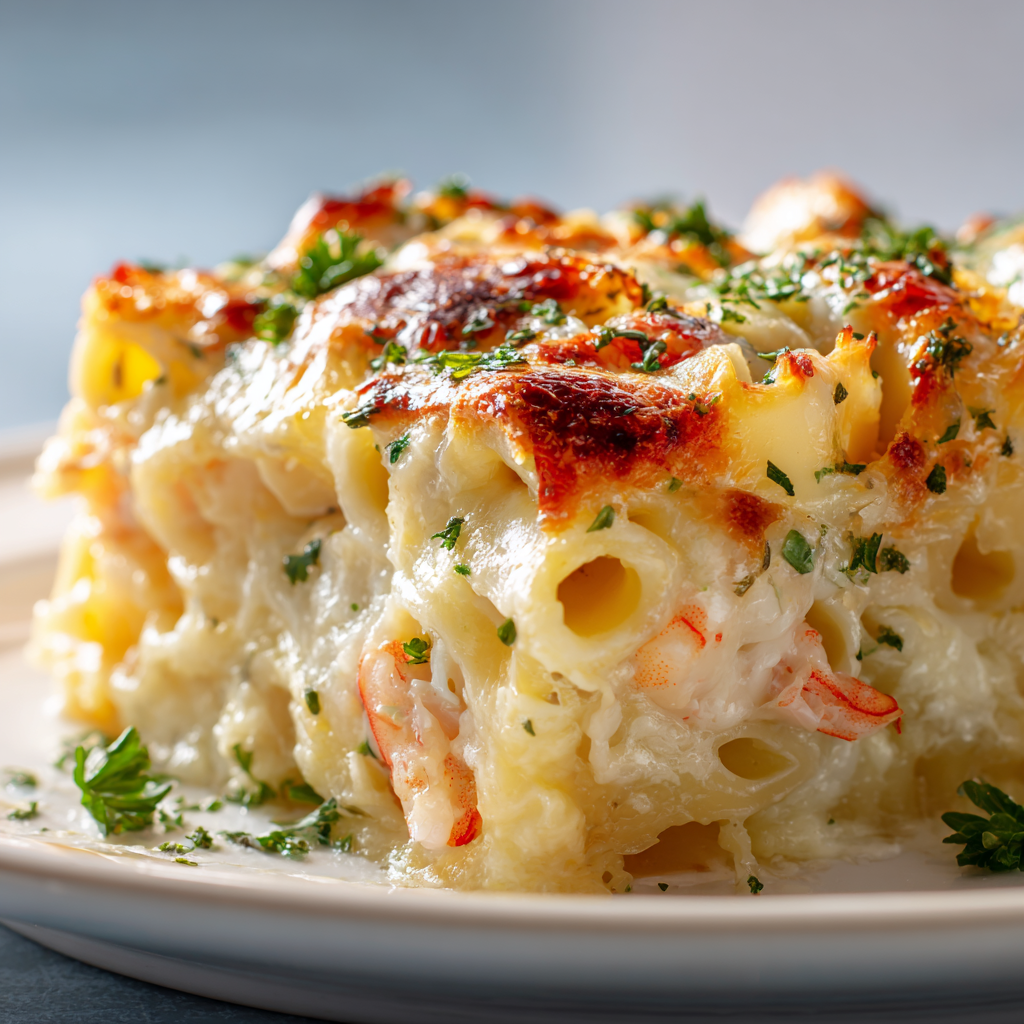
Jump to Recipe
Can a cozy, weeknight pasta bake feel both homey and upscale at the same time?
I think it can. This dish layers wide noodles with a smooth béchamel and a mix of tender seafood, then finishes with lemon so it stays bright and never heavy.
By “authentic” I mean technique: a proper roux, gentle seasoning, and timing that keeps shellfish tender rather than rubbery. You don’t need restaurant gear to get reliable, thoughtful results.
Who is this for? Anyone who wants a dependable, special dinner for guests or family. I’ll walk you through the make-or-break points—avoiding a watery pan, overcooked shrimp, and a lumpy sauce—and outline the simple workflow: prep seafood, make béchamel, quick skillet filling, build layers, bake and rest for clean slices.
Key Takeaways
- This approach balances comfort and refinement in one dish.
- Authenticity here focuses on technique, not strict regional claims.
- Quick cook seafood and a bright lemon finish keep flavors lively.
- Follow simple steps to avoid common problems like excess liquid.
- Plan active time versus oven time and allow resting before slicing.
What makes this dish feel “Italian” (and not just pasta with shellfish)
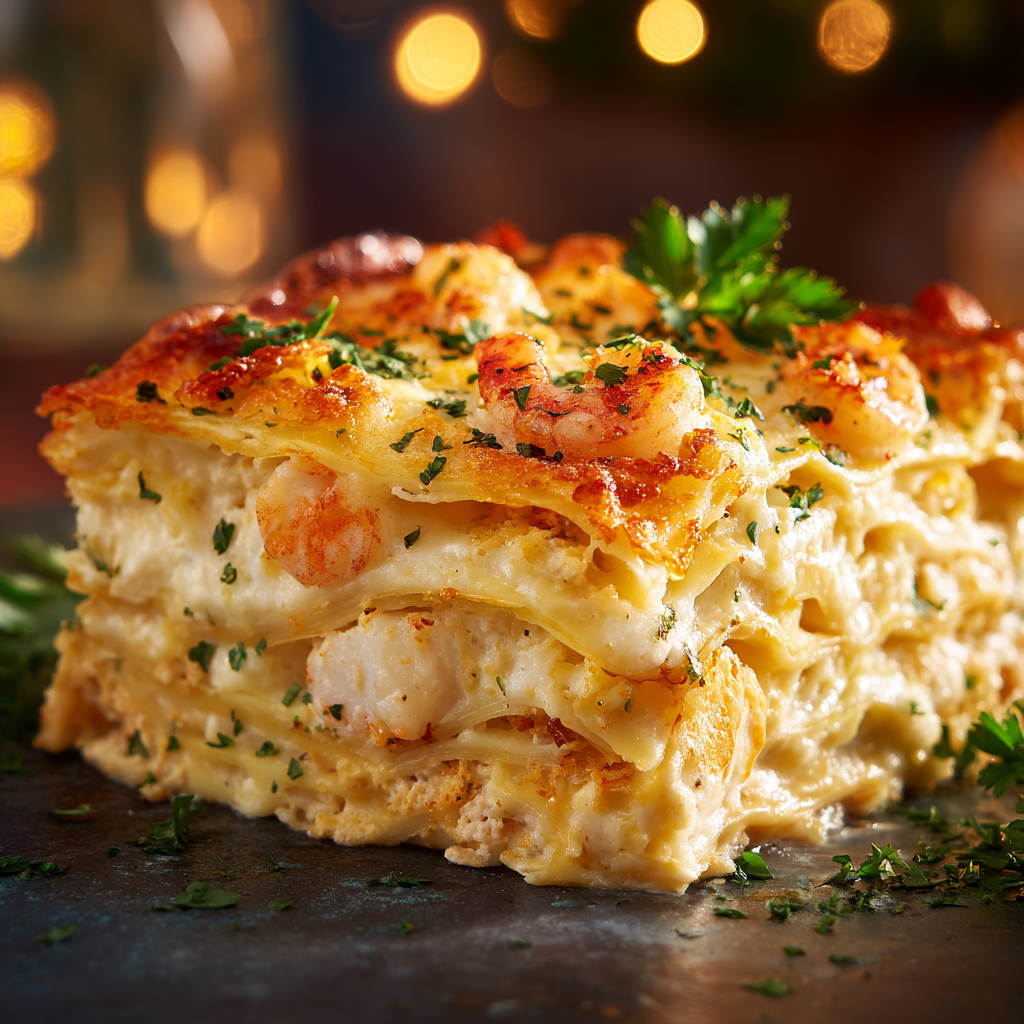
For me, the hallmark is method: a proper béchamel takes the lead so the main proteins stay central. This white sauce—seasoned with a touch of nutmeg and white pepper—coats noodles and bakes into a silky set that reads classic, not heavy.
Quick, gentle searing gives the best texture. Pull shrimp when it just turns pink and stop scallops as they lose translucence. The oven should finish them, not the skillet.
- Doneness cues: shrimp—pink; scallops—opaque; fish—matte throughout.
- Finish off-heat with lemon to cut richness and lift the overall flavor.
- Use garlic and herbs sparingly so the proteins’ sweetness still comes through.
Why restraint matters
Seasoning should be confident but limited: salt, fresh pepper, parsley, and a little garlic. That lets delicate tastes shine while the sauce provides body.
For a practical guide on quick-cooking shrimp and timing, see this short technique note: shrimp timing and tips.
| Component | Role | Practical Cue |
|---|---|---|
| Béchamel | Structure and creamy binding | Smooth, lightly seasoned; no raw flour taste |
| Shrimp & Scallops | Star proteins | Shrimp pink, scallops opaque |
| Lemon & Herbs | Balance and brightness | Add off-heat to preserve freshness |
Ingredients you’ll want on the counter before you start
Gather the right ingredients before you light the stove; it saves time and prevents last-minute swaps.
Seafood mix options
Aim for a balance: a sweet shellfish, a tender bite, and a mild flaky fish. A common set is shrimp, scallops, and cod or salmon. For a special meal, swap in lobster or crab.
Target about 3 to 4 cups total of proteins for a 9×13 pan. If any items are pre-cooked, reduce skillet time so the mixture doesn’t overcook.
Noodle choices and dairy
Boiled noodles are forgiving; fresh sheets bake quickly. Oven-ready noodles save time but need a touch more sauce moisture.
Use whole milk for a classic béchamel, or switch one cup to heavy cream for extra richness. Cheesewise, mozzarella melts; parmesan cheese adds savory depth. Avoid piling too much cheese or the bake can turn greasy.
Flavor builders and liquids
- Garlic and mushrooms—briefly sauté for depth.
- Parsley, white pepper, and a pinch of nutmeg in the béchamel.
- Reserved seafood juices or a splash of dry white wine for brightness.
- Optional crushed tomatoes for a light tang; Old Bay-style seasoning used sparingly.
| Ingredient | Role | Amount (for 9×13) | Notes |
|---|---|---|---|
| Shrimp | Sweet shellfish | 1 cup (peeled) | Pull when just pink; oven finishes |
| Scallops | Tender bite | 1 cup | Use dry, sear briefly |
| Cod or Salmon | Mild flaky fish | 1–2 cups | Firm texture holds layers |
| Mozzarella & Parmesan | Melt and depth | 1–1½ cups mozzarella; ¾ cup parmesan cheese | Balance to avoid greasiness |
Smart prep that saves time and prevents a watery, sloppy pan
A little prep goes a long way toward a clean, non-soggy bake. Do these steps before you build layers and the final bake becomes straightforward and reliable.
Thaw and dry with purpose
Thaw frozen seafood overnight in the fridge when you can. If you’re short on time, seal the package and submerge in cold water until flexible.
Pat proteins thoroughly with paper towels. Any surface moisture will steam in the oven and flood the sauce. Reserve a tablespoon or two of juices in a bowl for later seasoning, but don’t pour excess liquid into the pan.
Keep noodles separated and ready
After boiling, drain lasagna noodles well and lay them flat in a single layer. Toss lightly with a teaspoon of olive oil to prevent sticking.
If you must wait, cover the stack with a damp towel or parchment so they don’t dry while you finish the filling. Set aside cooked noodles on the counter until assembly.
Pick and prep the right 9×13
Choose a glass or ceramic 9×13 that’s at least 2 inches deep. Depth lets the filling bubble without spilling over the pan edges.
Grease the bottom with a light spray or oil, then swipe a thin layer of sauce across the bottom. That first swipe keeps the bottom noodles tender and helps the bake lift out cleanly.
- Control liquid: wet proteins + thin béchamel = soupy pan.
- Reserve small amounts of juices in a bowl for flavor, not volume.
- Prep components in order so nothing sits out for days before baking.
Béchamel sauce that turns silky every time
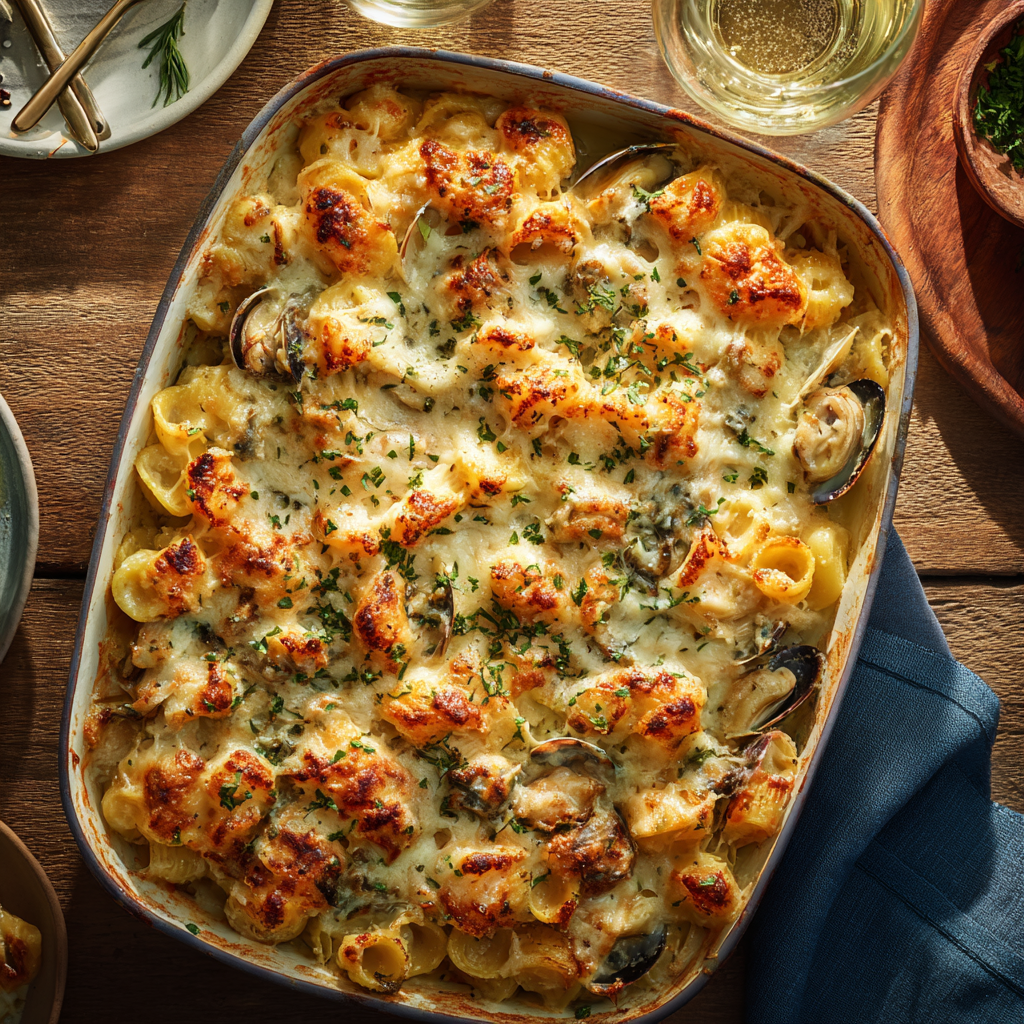
A proper béchamel is the quiet hero that holds the whole bake together. It’s a milk-based sauce thickened with a butter-and-flour roux and built for gentle, steady heat.
Roux timing and technique
Melt the butter, stir in flour, and cook for about 4 minutes to remove raw flour taste but keep the color pale. Use medium heat and constant stirring so the roux thickens without browning.
Whisking, heat control, and texture
Warm the milk first. Add it slowly while whisking to avoid lumps. Bring the sauce to a brief boil, then simmer about 10 minutes until it coats a spoon and leaves a clear trail when you drag a whisk.
- Season with a pinch of nutmeg, salt, and white pepper for depth.
- If lumps form: whisk vigorously, strain through a fine mesh, or blend briefly.
- To stop a skin: drizzle a teaspoon of olive oil on top or cover tightly before you set aside.
| Issue | Fix | Cue |
|---|---|---|
| Raw flour taste | Cook roux 3–5 minutes | aroma turns nutty |
| Lumps | Warm milk + slow whisking | smooth, glossy finish |
| Scorching | Lower heat, stir corners | no brown spots |
Building the seafood filling without overcooking it
Begin with aromatics and a hot pan; speed and attention are your two best tools. Heat a wide skillet until it is shimmering, then add oil and briefly sauté garlic and mushrooms just until fragrant.
Increase the heat to medium-high, add the shrimp, scallops, and bite-size fish. Cook only until shrimp begins to turn pink and scallops lose translucence—usually a few minutes. Pull the pan off the heat; the oven will finish them gently in the sauce.
Manage moisture: if the proteins shed liquid, simmer a minute to reduce it, then reserve a tablespoon in a bowl for seasoning. Avoid pouring excess juices back into the mixture, which can make the layers runny.
Finishing touches before layering
- Uniform pieces cook evenly and make neat slices.
- Optionally deglaze with a splash of dry white wine for brightness.
- Stir in lemon juice off-heat to lift the whole dish without curdling the sauce.
| Step | Timing | Practical Cue |
|---|---|---|
| Aromatics (garlic, mushrooms) | 1–2 minutes | Fragrant; mushrooms soften |
| Proteins in skillet | 2–4 minutes | Shrimp just pink; scallops opaque |
| Finish & rest | Off-heat, 1 minute | Lemon stirred in; mixture saucy, not soupy |
seafood lasagna italian recipe layers: exact order for sauce, noodles, seafood mixture, and cheese
Lay the foundation carefully; the order you stack matters as much as the ingredients.
Starting with sauce on the bottom so the noodles don’t dry out
Spread a thin swipe of béchamel or sauce—about 1/4 cup—across the bottom of the pan. This sauce bottom hydrates the first noodle and stops dry edges.
Trim lasagna noodles to fit the 9×13, overlapping by a hair so seams seal but don’t create thick ridges.
How to layer so each slice is balanced
- Bottom swipe of sauce (≈1/4 cup).
- One layer of noodles, laid flat.
- Evenly spoon one third of the seafood mixture across the noodles.
- Scatter about 1/2 cup shredded mozzarella per layer for cream and melt.
- Repeat noodles → mixture → mozzarella until the pan is filled, ending with noodles.
Portion the mixture so it spreads edge to edge. That prevents one corner from being overloaded while another is sparse.
How much mozzarella per layer for a cheesy top that doesn’t get greasy
Use roughly 1/2 cup mozzarella per internal layer and reserve 1 cup for the top. This gives a bubbly top without pooling oil.
Finishing touches: parmesan, parsley, and a clean slice after resting
On top, sprinkle 3/4 cup parmesan with the final 1 cup mozzarella. Bake until set, then rest 15 minutes.
After resting, garnish with chopped parsley for color. A steady, warmed knife yields neat slices when layers and sauce thickness are correct.
Baking time, oven temp, and “minutes” that matter for the perfect set
Timing in the oven is where a good bake becomes great. I recommend you fully preheat oven before the pan goes in so the stated minutes are reliable. Temperature swings change how the sauce and noodles set.
Choosing 350°F or 375°F
Use 350°F for a standard, single-depth 9×13 with fully boiled noodles and delicate seafood you want kept tender. Expect roughly 30–40 minutes at this temp.
Choose 375°F when the dish is very thick, started cold from the fridge, or uses sturdier noodles that need more heat to soften. Plan for about 40–50 minutes, but check doneness cues rather than only minutes.
Covered versus uncovered baking
Cover the pan early to heat the center without over-browning the top. This keeps moisture in and prevents cracking.
Uncover for the last 10–15 minutes to brown the top and let excess steam escape. That final time firms the surface for a clean cut.
Doneness cues and protecting texture
- Bubbles should appear at the edges and the center—this shows the interior is hot through.
- Pierce the noodles near the center; they should be tender, not chalky.
- The sauce should look thicker and cling to a spoon, not pour freely.
- A long bake will dry shrimp and firm delicate pieces—aim for hot-through, not overcooked.
| Condition | Temp | Typical minutes |
|---|---|---|
| Standard pan, boiled noodles | 350°F | 30–40 minutes (covered, then uncover 10) |
| Thick, chilled assembly or oven-ready noodles | 375°F | 40–50 minutes (start covered) |
| Quick brown finish | 375°F | Uncovered last 10–15 minutes |
Finally, rest the bake 15 minutes after it comes from the oven. That resting time is essential—sauce firms and layers stop sliding, so slices hold their shape. For more make-ahead guidance, see this festive baked pasta guide: festive baked pasta guide.
Serving ideas, leftovers, and make-ahead tips that actually work
Good finishing steps turn a busy bake into a confident, relaxed dinner. A few simple sides and straightforward storage plans keep the meal fresh and stress-free.
Best sides for the table
Keep things balanced: garlic bread soaks up sauce, a crisp green salad adds lift, and roasted vegetables bring a warm, slightly sweet counterpoint.
Make-ahead that saves time
Make béchamel up to two days ahead. Rewarm gently over low heat and whisk until smooth before assembly.
You can assemble the full lasagna and refrigerate overnight (up to 24 hours). If chilled, add about 10–15 extra minutes of bake time so the center heats through.
Fridge and freezer — realistic storage and reheating
Store leftovers in the fridge for 3–4 days. The sauce will thicken as it cools; it loosens again with gentle reheating.
To reheat: cover the pan, warm at moderate oven heat (about 325°F) for 20–30 minutes, and add a splash of milk or cream if edges look dry. This keeps the dish creamy without overcooking the proteins.
Freeze an assembled pan for 2–3 months. Thaw in the fridge before baking to avoid watery separation.
| Storage | Typical window | Reheat note |
|---|---|---|
| Fridge | 3–4 days | Cover, 325°F, 20–30 minutes |
| Assembled, chilled | Up to 24 hours before baking | Add 10–15 extra minutes |
| Frozen | 2–3 months | Thaw in fridge, then bake |
One last chef’s-note so your seafood lasagna tastes like you’ve made it for years
A single small habit lifts this dish from good to reliably great.
Taste the béchamel for salt early, then taste again after it meets the seafood. Salinity varies by vendor and that second check keeps the balance true without over-salting.
Stop proteins in the skillet a touch early; let the oven finish them so shrimp stay tender and scallops stay buttery. Cut pieces evenly and pat them dry so layers hold, not puddle.
Salt in small steps—parmesan brings a final lift—use a light shower of parmesan on the top after baking and a quick parsley cut for freshness. Rest the bake before slicing; patience is the texture trick that makes every slice hold together.
This is a calm, repeatable approach. Once you do it twice, it becomes your dependable go-to for weeknights and company alike.
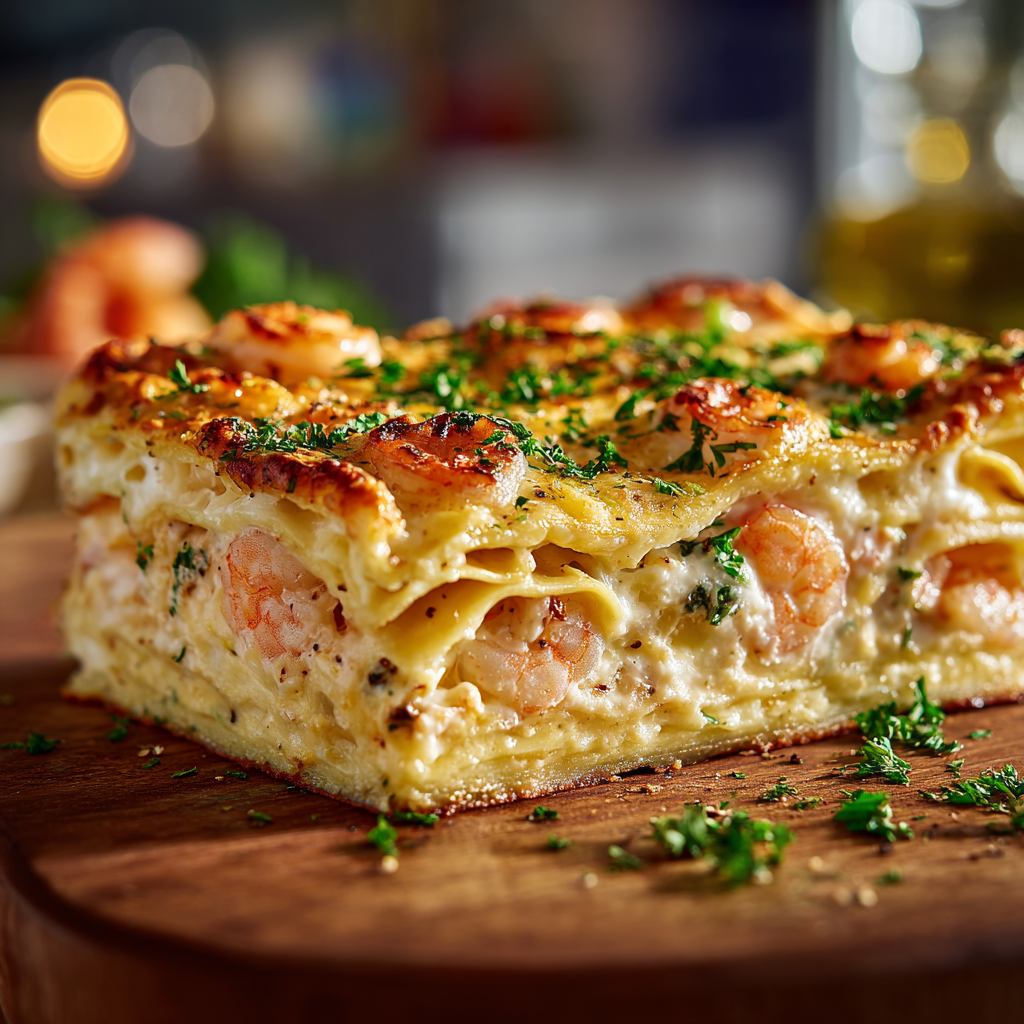
Seafood Pasta Bake with Béchamel Sauce
Ingredients
Method
- Thaw seafood overnight in the fridge. Pat them dry with paper towels to avoid excess moisture in the pan. Set aside a tablespoon of juices for flavor.
- Boil the noodles until al dente. Drain and lay them flat on parchment or a damp towel to prevent sticking.
- Melt butter in a pan, add flour, and cook for 4 minutes over medium heat to create a roux. Slowly whisk in warm milk. Bring to a simmer, cook for about 10 minutes until thickened. Add white pepper, nutmeg, and salt to taste. Set aside.
- In a hot skillet, sauté garlic and mushrooms (if using) with olive oil until fragrant (1-2 minutes). Add seafood to the pan. Cook shrimp until pink and scallops until opaque (2-4 minutes). Remove from heat and stir in lemon juice.
- Preheat oven to 350°F. Grease a 9x13 baking pan. Spread a thin layer of béchamel sauce on the bottom of the pan. Layer noodles, seafood mixture, and mozzarella cheese. Repeat until the pan is full, ending with noodles on top. Sprinkle with mozzarella and parmesan on top.
- Cover the pan with foil and bake for 30-40 minutes. Uncover and bake for another 10-15 minutes to brown the top. Rest for 15 minutes before slicing.
- Garnish with chopped parsley. Slice neatly and serve warm.
Notes
- Ensure seafood is properly thawed and dried to prevent excess moisture.
- Rest the bake after cooking to ensure neat slices and firm layers.
- You can swap out shrimp or scallops for other seafood like lobster or crab, depending on availability.