
Jump to Recipe
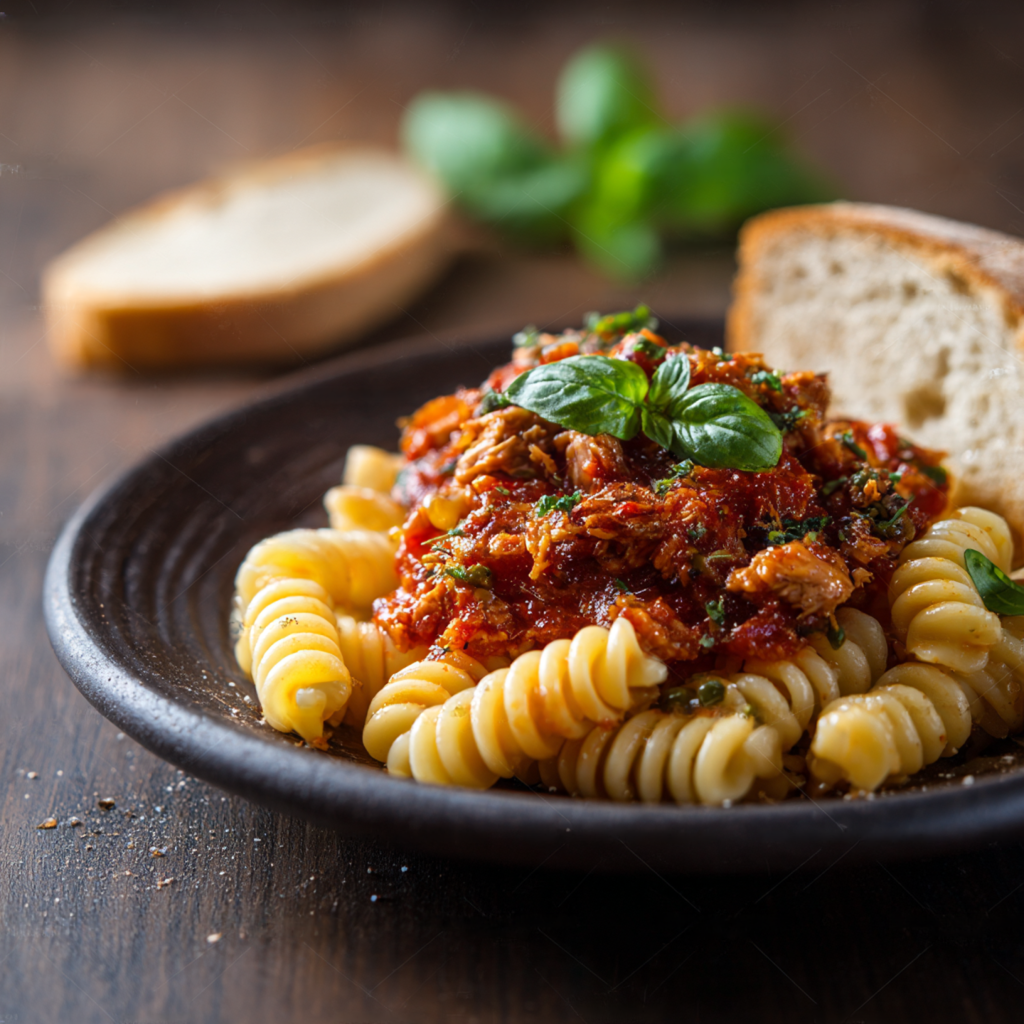
I learned this pasta with tuna and tomato sauce at my grandmother’s kitchen table, where simplicity felt like luxury. The scent of gently sautéed onion, garlic, and a pinch of chili filled the air as oil-packed tuna met velvety passata.
This family dish follows La Cucina Povera: pantry staples made memorable. I prefer oil-packed fish for depth, and good passata—brands like Mutti or La San Marzano help you skip guesswork.
Keep the prep simple: sweat aromatics over low heat, add passata, then simmer 20–45 minutes for rounded flavors. Use a ridged shape like penne rigate so the sauce clings, and finish with a splash of starchy water for a glossy, cohesive finish.
Key Takeaways
- Use oil-packed tuna and quality passata for richer flavor.
- Sauté onion, garlic, and chili gently; then simmer long enough to marry flavors.
- Choose ridged pasta shapes so the sauce adheres to each bite.
- Reserve starchy cooking water to finish the dish and bind the sauce.
- This recipe honors pantry cooking while staying weeknight friendly.
A pantry-friendly Italian classic that tastes like home
I love how a handful of staples—dried noodles, a tin of fish, passata, garlic—become a family favorite in under an hour. This recipe proves pantry food can be both humble and memorable.
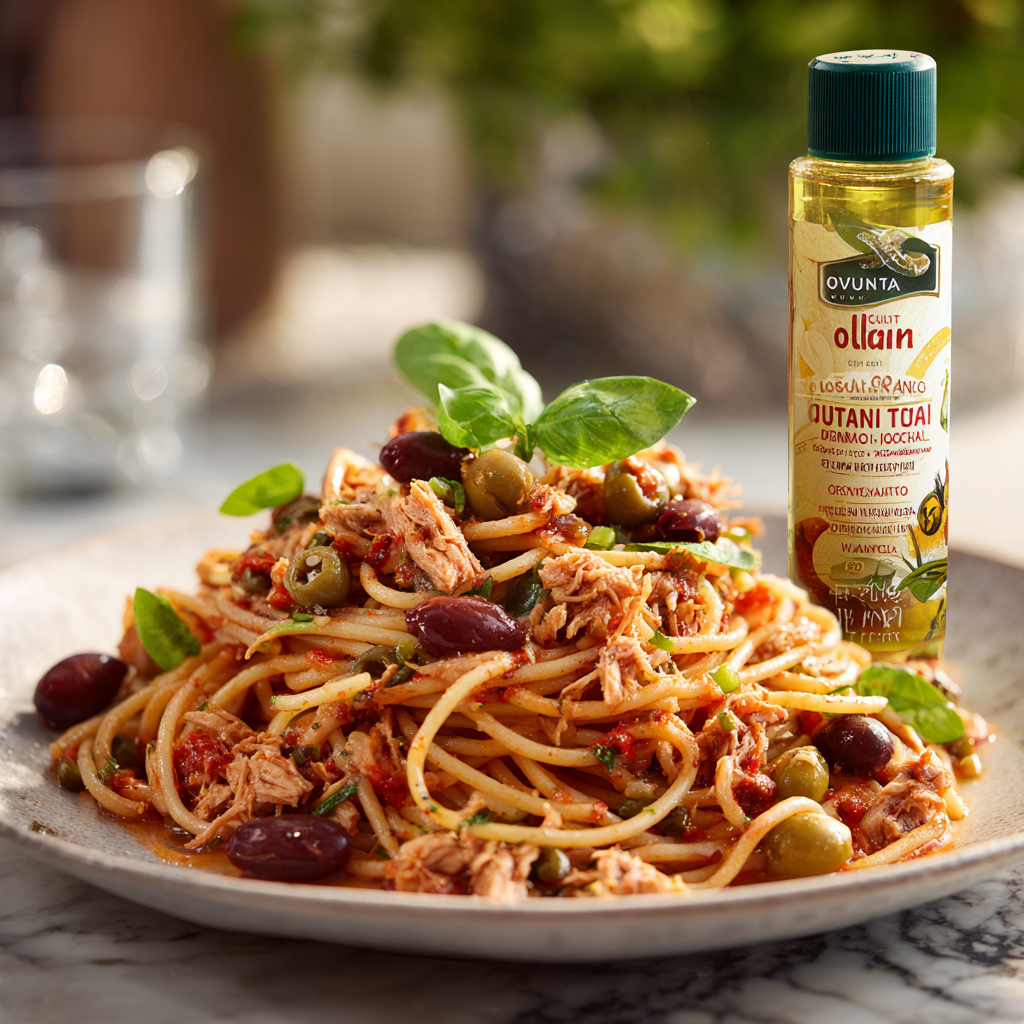
We lean on a short list of ingredients you likely have: dried pasta, passata or marinara, tuna, onion, garlic, and good olive oil. Simple does not mean boring; a small bit of chili flakes or a chopped anchovy can lift the flavor fast.
- Oil-packed tins add a savory backbone that reads like slow-cooked depth.
- Passata gives a silky base; use crushed tomatoes or marinara and simmer a bit longer for balance.
- Use a wide pan to soften aromatics evenly and a pot of well-salted water for properly seasoned noodles.
- Watch the clock: many cooks simmer 20–45 minutes until the sauce smells sweet and round.
This is weeknight dinner you can trust: minimal prep, steady results, and a cozy aroma that fills the kitchen while you set the table. Finish with a crack of pepper and a splash of reserved water to bind the dish.
What you’ll need for bold, balanced flavor
Start by choosing ingredients that pull the whole dish together. Small, intentional choices make the final plate taste far greater than the sum of its parts.
Tuna: why oil-packed makes a difference
I reach for oil-packed tuna because the oil adds umami and body. The tins give a fuller texture that blends easily into the base without tasting overtly fishy.
Tomato base: passata, crushed tomatoes, or marinara
Passata is silky and seedless—ideal if you want a smooth finish. Crushed tomatoes add rustic texture, while jarred marinara saves time with built-in seasoning. If your tomatoes taste sharp, simmer longer or add a pinch of sugar.
Pasta shapes that hold the sauce
Choose penne rigate or rigatoni for chunkier mixes. Spaghetti stays classic for a silky coating and easy twirls. Pick a shape that matches the body of the sauce you plan to make.
Aromatics and gentle heat
Slowly sweat onion and garlic over low heat so they turn sweet, not brown. A pinch of red pepper flakes gives lift without overpowering the dish.
Olive oil and properly salted pasta water
Use good olive oil to carry aroma and enrich texture. Salt your cooking water until it tastes like the sea; reserve a ladle of that starchy water to loosen and bind the sauce at the end.
- Keep capers or olives on hand for a briny counterpoint.
- Simmer the base 20–45 minutes when time allows for rounded flavor.
- Taste as you go and season in layers so the final bite is balanced and bright.
Choose tuna, tomatoes, and olive oil like an Italian
Selecting the right tins and olive oil shapes the heart of this family meal. I pick each item for how it will change texture, mouthfeel, and aroma.
Oil-packed vs. water-packed: when to use each
Oil-packed tuna brings richness and a fuller mouthfeel. It melts into the base and gives a rounder finish.
Water-packed is leaner and finer. Use it when you want a lighter profile, or warm a little olive oil with garlic first to add back fat.
Passata, marinara, or crushed tomatoes?
Passata is silky and seedless—perfect for a smooth, restaurant-style finish. I reach for brands like Mutti or La San Marzano when I want reliable quality.
Marinara is a shortcut; it is already seasoned and saves time. Crushed tomatoes add pleasant bits of fruit and a rustic texture.
Anchovies, capers, and olives: simple umami boosters
A few anchovy fillets melted into hot oil disappear but deepen flavor. A spoonful of capers or a handful of sliced olives adds brine and balance.
- Oil-packed tuna delivers richer taste; choose water-packed only if you plan to bolster with extra virgin olive oil.
- Solid white holds shape; chunk light breaks up for a rustic feel.
- Give the tomato base a few extra minutes to simmer so the flavors round out.
| Base | Texture | Best use |
|---|---|---|
| Passata | Smooth | Silky, long-simmered finishes |
| Marinara | Seasoned | Weeknight shortcut |
| Crushed | Chunky | Rustic, textured dishes |
Choose short, honest labels and an extra virgin you enjoy. These small choices lift the final plate and keep the recipe true to Italian roots.
pasta with tuna and tomato sauce: step-by-step recipe
Gather a wide pan and a large pot. This recipe walks you through clear steps so timing, texture, and seasoning stay simple and sure.
Build the base
Warm a film of olive oil over medium-low heat. Gently sweat chopped onion, garlic, and a pinch of chili for about 5 minutes until translucent, not browned.
Stir in passata; if you’re using a jar, add three-quarters of the jarful of water, swirl, and pour it into the pan. Season with salt, dried basil, and a grind of black pepper. Let the mixture simmer 20–45 minutes until thick and glossy.
Boil and cook
Bring a large pot of water to a rolling boil and salt it well. Cook the dried noodles until just shy of al dente so they finish in the pan and absorb flavor.
Finish and toss
- Off the heat, fold in drained tuna plus capers or sliced Kalamata olives and chopped basil so the fish stays tender.
- Transfer the noodles to the pan, add a ladle of starchy cooking water, and toss vigorously so the liquid emulsifies into the base.
- Adjust salt, finish with a crack of black pepper and a drizzle of oil, then top each bowl with a spoonful of the glossy mixture.
| Step | Timing | Texture cue |
|---|---|---|
| Sweat aromatics | 5 minutes | Translucent, soft |
| Simmer base | 20–45 minutes | Thick, glossy |
| Finish toss | 1–2 minutes | Silky, coated |
Timing, texture, and heat control for perfect results
Timing and steady heat are the quiet tricks that turn pantry ingredients into something tender and bright. Small sensory cues will guide you more than the clock alone.
Give onions and garlic about five minutes on gentle heat until they turn translucent and sweet. That short time lets oil carry aroma without browning or bitterness.
Simmer minutes and al dente cues to watch for
Passata benefits from a longer simmer—up to 45 minutes—to round acidity and deepen flavor. Jarred marinara often needs nearer 20 minutes to balance. Keep the pan at a quiet bubble; high heat will scorch sugars and ruin the base.
Boil the dried noodles in well-salted water. Pull them one minute before the package al dente; a thin white core should remain when you bite. Move the noodles straight into the pan and use a ladle of starchy cooking water to create a glossy emulsion that clings to every strand.
- If the base tightens too much, add a splash more water and stir; if it’s loose, toss over heat for another minute to reduce.
- Add the fish off the heat so flakes stay tender.
- Taste for final seasoning; a small lift of salt or pepper at the end makes the whole pot bloom.
| Stage | Minutes | Texture cue |
|---|---|---|
| Sweat aromatics | ~5 | Translucent, sweet |
| Simmer base (marinara) | 20 | Balanced, slightly reduced |
| Simmer base (passata) | 20–45 | Deep, glossy |
Let the finished plate rest a brief minute so the coating sets before serving. For another seafood idea, see this related shrimp recipe: Italian shrimp pasta recipe.
Smart swaps and easy variations for every mood
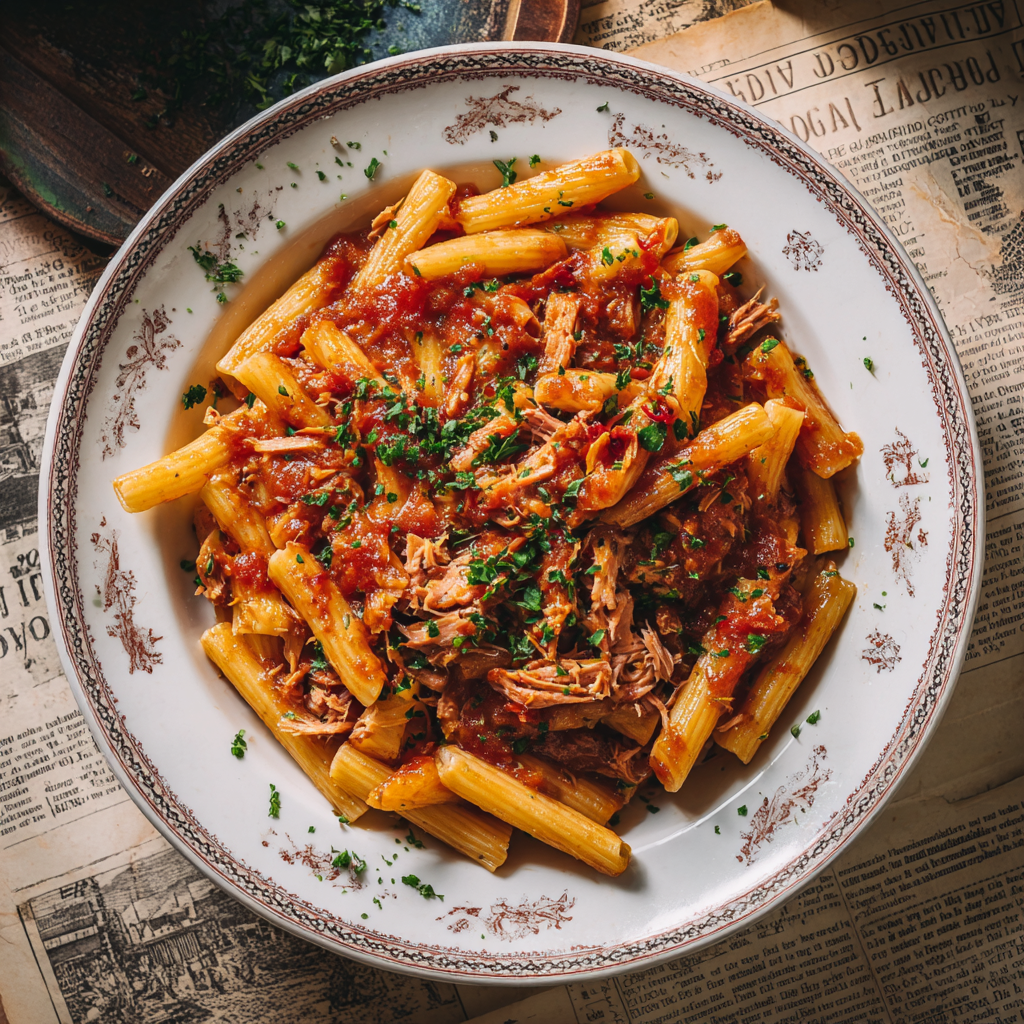
A few small changes make this recipe feel new without changing the method. Each riff follows the same cooking logic so you can adapt confidently.
Creamy finish
Stir in a splash of cream or a spoonful of crème fraîche off the heat. The result is velvety but still light if you use just enough to coat the strands.
Turn up the heat
Double the chili flakes or add a chopped fresh chili. Bloom it briefly in olive oil with garlic so the spice is even and warm.
Mediterranean brighteners
Toss in capers, chopped Kalamata olives, and crumbled feta right before serving. These briny notes lift the whole dish and add contrast.
Veggie boost and grain swaps
Sauté zucchini, mushrooms, or bell peppers with the onion for color and texture. Swap in whole wheat or a trusted gluten-free brand when you want more fiber or a grain-free plate.
- Melt an anchovy at the start for quiet umami.
- If you lack passata, reduce tomato sauce a bit longer for body before folding in the fish.
- Finish with cracked pepper and a drizzle of good olive oil to lift aromas.
| Variation | Key add-ins | Quick cue |
|---|---|---|
| Creamy | Cream or crème fraîche | Stir off heat to avoid breaking |
| Spicy | Chili flakes or fresh chili | Bloom in oil with garlic for even heat |
| Mediterranean | Capers, olives, feta | Add just before serving for brightness |
| Veg-forward | Zucchini, mushrooms, bell peppers | Sauté with onion until tender |
Nutrition notes to keep it balanced and satisfying
A simple plate can feed the body and soothe the evening, so I think about balance as I cook. These notes help you make smart swaps without losing the homey flavors.
Protein-rich fish, healthy fats, and portion-smart carbs
Tuna delivers lean protein that keeps you full longer. I count on that quality protein when I want a satisfying weeknight meal.
A drizzle of olive oil supplies heart-friendly monounsaturated fat and gives the final dish a silky mouthfeel. Use extra virgin sparingly; a bit goes a long way.
Balance servings by pairing the cooked noodles with a generous sauce ratio and a leafy salad. Whole wheat versions add fiber and help steady energy between meals.
Managing sodium and acidity without losing taste
Simmering tomatoes for 20–45 minutes tames sharp acidity, bringing the flavors together. If the base still bites, a tiny pinch of sugar smooths it without making things sweet.
If you watch salt, season in stages and taste before adding more. Rely on black pepper and a squeeze of lemon to lift aroma instead of oversalting.
- Choose oil-packed or water-packed tuna based on how much fat you want; both work with small adjustments.
- Track kcal and macros with a calculator if you need exact numbers—brands vary widely.
- Take your time seasoning; a restrained hand early prevents an overly salty finish.
How to serve: simple sides, wine pairings, and plating tips
Think about service as part of the recipe—how you plate matters almost as much as the simmer. A brief plan keeps the table calm and makes a weeknight course feel special.
Pasta shapes to match sauce body and texture
Match shape to body: penne and rigatoni trap chunky bits and brine. Spaghetti gives a classic, even coating across strands.
Crisp green salad, extra virgin olive oil, and chilled Pinot Grigio
Serve a simple green salad dressed in extra virgin olive oil with a splash of balsamic to clear the palate. A chilled Pinot Grigio pairs well; Sauvignon Blanc is another bright choice.
Make-ahead moves for quick weeknight dinners
Simmer the base ahead of time and reheat gently. Cook noodles just before serving so texture stays springy. Keep a small pan of extra base top-side so guests may add more at the table.
- Warm bowls briefly so the plate stays glossy from stove to table.
- Reserve plain noodles for picky family members and dress them to taste at serving time.
- Toss the cooked noodles in the pan with part of the base, then top each plate with an extra spoonful for a generous look.
- Garnish with chopped basil or parsley and a thread of olive oil for aroma and color.
| Shape | Best use | Quick cue |
|---|---|---|
| Penne/rigatoni | Chunky mixes with briny bits | Holds pieces well |
| Spaghetti | Silky, even coating | Classic twirl |
| Short twists | Family-friendly, hearty | Great for leftovers |
Keep it fresh: storage, reheating, and next-day upgrades
When dinner becomes tomorrow’s lunch, a few simple moves keep this pasta recipe bright and safe. Cool food quickly, then seal in an airtight container; refrigerate up to three days.
Reheat gently in a pan over medium heat with a splash of water or extra tomato sauce. It takes only a few minutes to loosen; stir so strands finish silky. Microwave at medium power for 2–3 minutes, pause once to stir so heat spreads evenly.
To boost flavor, add a squeeze of lemon, a twist of black pepper, a drizzle of virgin olive oil, or a few capers or olives. Stretch portions by boiling a handful of spaghetti then tossing it into warmed sauce for refreshed texture.
I often sear fresh tuna in oil, flake it, then fold in off the heat for a tender upgrade. This recipe keeps well in weekly rotation and makes an easy course for lunch while remaining mindful of kcal.
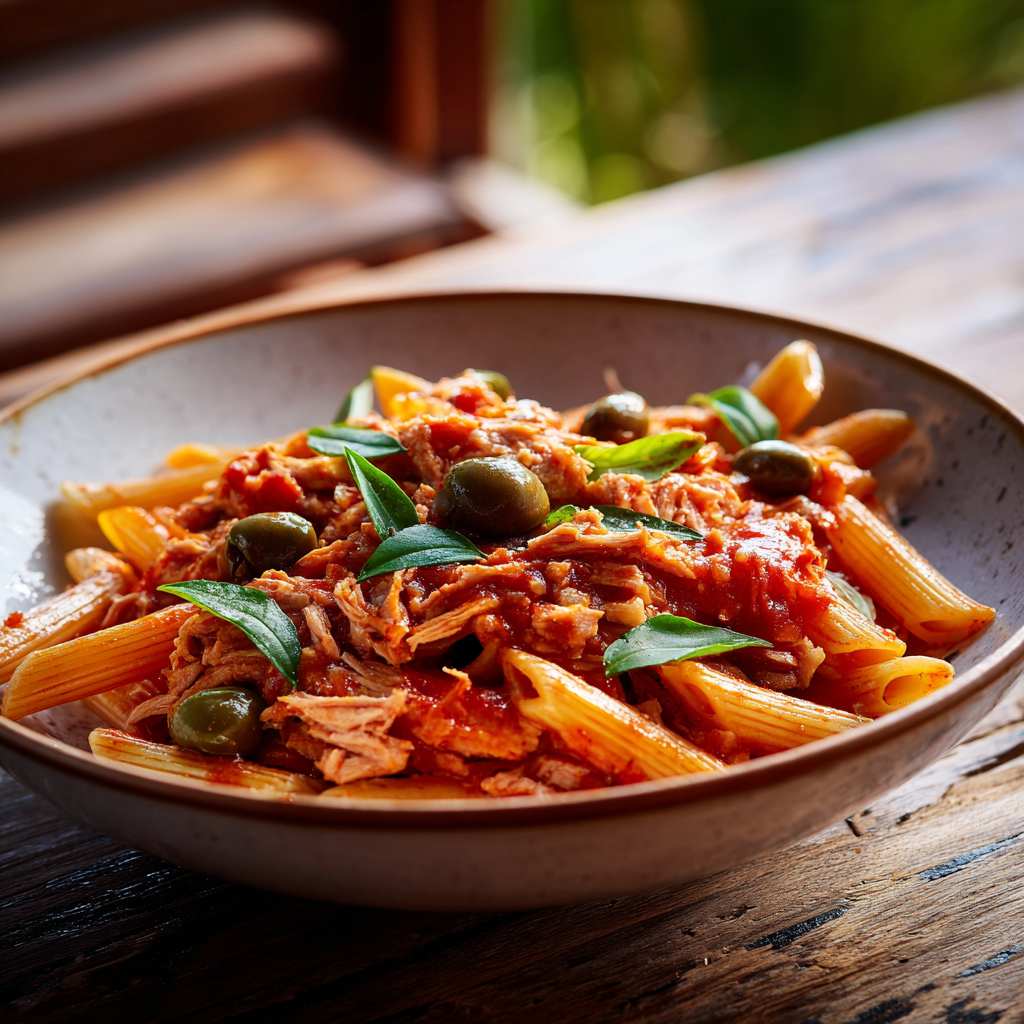
Pasta with Tuna and Tomato Sauce
Ingredients
Method
- Heat olive oil in a wide pan over medium-low heat.
- Gently sauté onion, garlic, and chili flakes for about 5 minutes until soft and translucent, not browned.
- Stir in passata. If using jarred passata, add about 3/4 of the jarful of water for consistency.
- Season with salt, dried basil, and black pepper.
- Simmer gently for 20–45 minutes until the sauce is thick and glossy.
- Bring a large pot of water to a boil. Salt generously.
- Cook pasta until just shy of al dente (one minute less than package directions).
- Off the heat, fold in drained tuna and capers or olives, keeping the fish tender.
- Add pasta to the pan and a ladle of starchy cooking water. Toss well to coat and emulsify the sauce.
- Adjust seasoning with salt and pepper. Optionally, stir in a splash of cream.
- Garnish with fresh basil or parsley and a drizzle of olive oil. Serve immediately.
Notes
- Use oil-packed tuna for richer flavor; water-packed is lighter and requires extra olive oil.
- Adjust simmer time for tomato base: longer for deeper flavor, shorter for quicker meals.
- Short ridged pasta (penne, rigatoni) holds sauce well, spaghetti works for a classic feel.
- Optional add-ins: zucchini, mushrooms, bell peppers, or a few anchovies for extra umami.
- Leftovers keep well in the fridge for up to 3 days; reheat gently with a splash of water or sauce.
- Pair with a crisp green salad and a chilled white wine like Pinot Grigio for a full meal.