Jump to Recipe
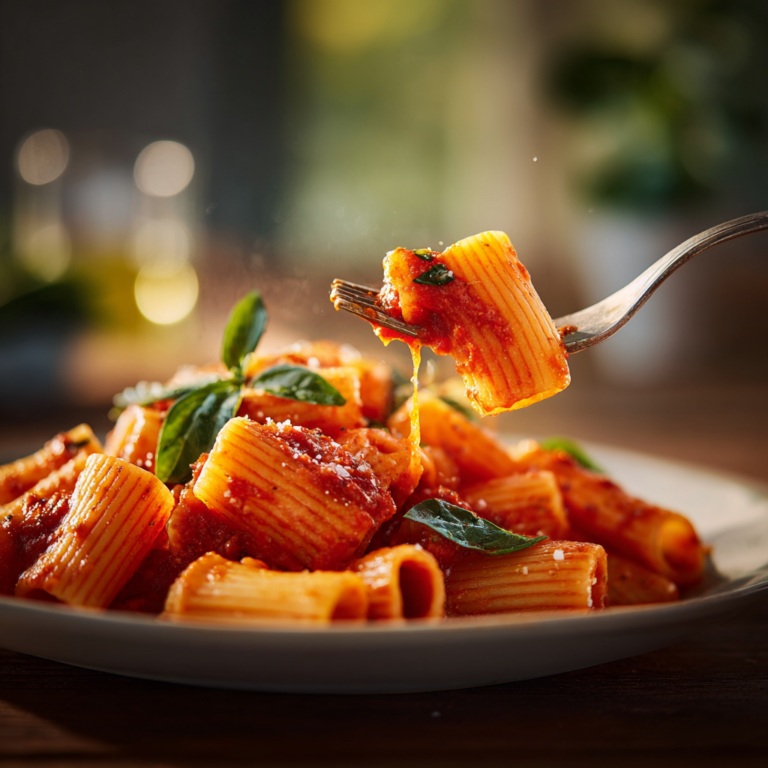
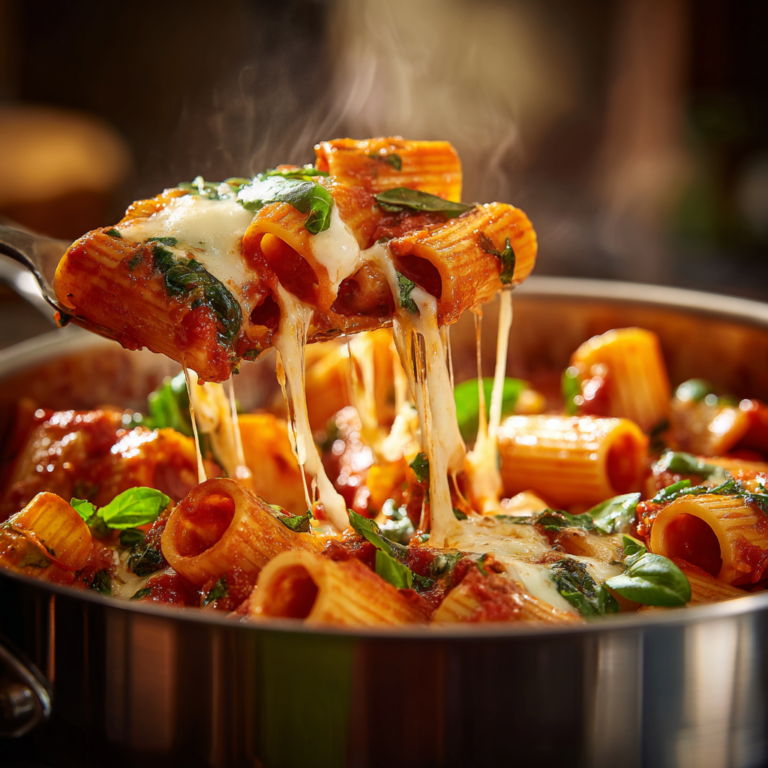
The pasta alla sorrentina recipe begins with the smell of warm olive oil and garlic, bright tomatoes simmering into a silky sauce, and fresh basil torn over melting mozzarella that pulls in long, mouthwatering strands.
I cook this when we want comfort fast but real flavor. Start the water early for large shapes and never let garlic brown. Toss the drained pasta right into the pan and add a splash of starchy cooking water to make the sauce glossy.
You can finish on the stovetop for a quick, saucy plate or bake at 400°F until the top is golden and bubbly. I always fold the cheese off the heat so it melts creamy without becoming rubbery. These small steps honor the Sorrento tradition while keeping the method friendly for weeknight time constraints.
Key Takeaways
- Use ripe tomatoes or quality canned San Marzano for base flavor.
- Keep garlic from browning and cook tomatoes gently for a sweet sauce.
- Toss pasta straight into the pan and add pasta water to emulsify.
- Fold mozzarella off heat for perfect stretch and texture.
- Choose short shapes like paccheri to hold the sauce well.
Why this Sorrento classic wins on busy weeknights and Sunday suppers
From quick stovetop dinners to oven-bubbled Sunday feasts, this classic adapts to your schedule. I often keep it on the stove for a bright, fast sauce that comes together in minutes and coats the pasta evenly.
When we have more time, I transfer the pan to the oven to get a golden top and stringy mozzarella. A quick bake at 400°F takes about 6–8 minutes for a simple finish. For a layered gratin, 392°F (200°C) for roughly 15 minutes gives deeper browning.
This dish is flexible year-round. Use garden tomatoes in summer or quality canned ones in winter. Families love the mild, cheesy profile and the fresh basil that lifts the whole plate.
- Weeknights: stovetop for speed and brightness.
- Sundays: oven for a shared, bubbly finish.
- Vegetarian and crowd-pleasing—easy to pair with a salad or roasted veg.
| Method | Time | Result |
|---|---|---|
| Stovetop | Minutes: 10–15 | Bright sauce, quick service |
| Oven (simple) | 6–8 minutes at 400°F | Melty top, light browning |
| Oven (gratin) | ~15 minutes at 392°F / 200°C | Golden edges, deeper crust |
Ingredients that make it unmistakably alla sorrentina
Good results start with a compact list of honest ingredients. Choose each item for flavor and handling, not fuss.
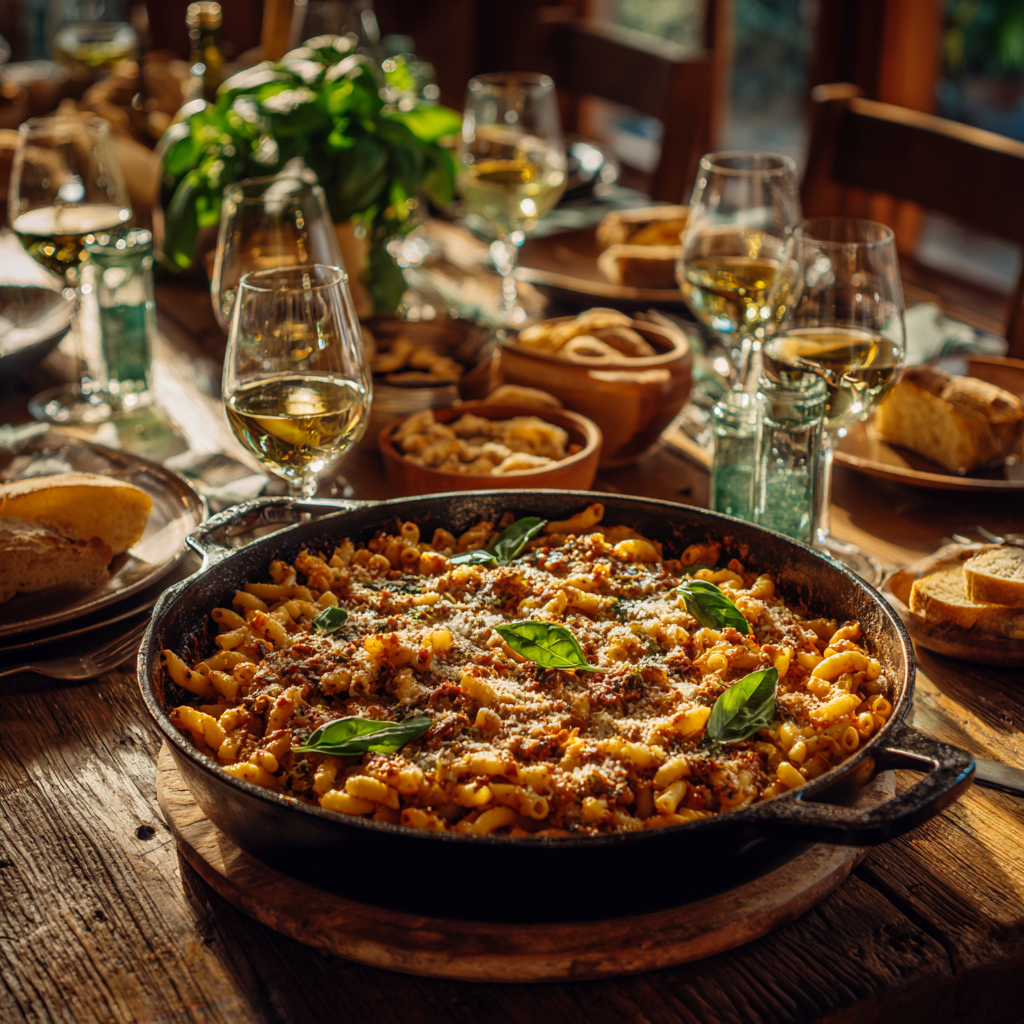
Tomatoes: cherry, passata, or San Marzano — how to choose for peak flavor
Pick cherry tomatoes for bright, quick sweetness. Use high-quality canned whole (often San Marzano) when you want body and reliability. Reach for smooth passata if you want an ultra-silky baked finish.
Fresh mozzarella vs. buffalo mozzarella and how to prep it right
Buffalo mozzarella brings a tangier, richer hit. Cow’s milk fresh mozzarella is milky and delicate. Always drain and pat the balls dry before tearing or cubing to avoid a watery dish.
Basil, garlic, and good olive oil — the aromatic backbone
Use lots of fresh basil; add some early for aroma and a final handful for perfume. Warm fresh garlic gently in extra-virgin olive oil so it softens without turning bitter.
Pasta shapes that hold sauce: paccheri, rigatoni, fusilli, and more
Choose short shapes that trap sauce. Paccheri feels celebratory, rigatoni is classic, and fusilli grips every strand. Short cuts layer neatly for baking.
- Parmigiano Reggiano adds savory depth.
- A pat of butter at the end brings silkiness.
- Sun-dried tomatoes are optional for a concentrated umami punch.
| Ingredient | Why it matters | Tip |
|---|---|---|
| Tomatoes | Forms the sauce base | Choose by season: cherry, canned San Marzano, or passata |
| Fresh mozzarella | Gives the signature melt | Drain and pat dry; hand-tear or cube |
| Basil & garlic | Provides aroma and balance | Add basil early and at finish; slow-warm garlic in olive oil |
pasta alla sorrentina recipe
Put a large pot of water on high and salt it generously—this small step seasons the dish from the inside out.
Warm extra-virgin olive oil in a skillet and add thinly sliced garlic. When it softens, stir in fresh tomatoes or hand-crushed canned ones, torn basil, a pinch of red pepper, and a little salt. Simmer just until the sauce is glossy.
Cook pasta in the boiling water until al dente. Do not overcook; timing is the key step so textures stay bright.
- Reserve a ladle of starchy water before draining.
- Transfer the noodles straight into the pan with sauce and add a splash of the reserved water to emulsify.
- Remove from heat and fold in cubed fresh or buffalo mozzarella. Finish with grated Parmigiano and more basil.
| Finish | Temp | Result |
|---|---|---|
| Stovetop | n/a | Bright sauce, stretchy cheese |
| Quick bake | 400°F (6–8 min) | Melty top, light brown |
| Gratin | 392°F (~15 min) | Golden edges, deeper crust |
Step-by-step: stovetop method with melty mozzarella
Start by warming oil and garlic gently in a wide pan so the aromatics bloom without burning. Keep the heat at medium-low and watch the garlic closely. If it begins to color, splash a tablespoon of water to cool the pan and stop browning.
Build a bright tomato sauce without burning the garlic
As soon as the garlic sizzles, add tomatoes and a handful of basil. Smash a few cherry tomatoes when the skins crack to release juice. Simmer just long enough—about a few minutes—until the sauce turns glossy and bright.
Cook pasta al dente and reserve starchy water
Cook pasta in well-salted water and pull it two minutes shy of al dente. Reserve at least 1 cup of that starchy water before draining. That water is your secret for sauce body and shine.
Toss, emulsify, and finish off the heat
Transfer the drained noodles straight into the pan with sauce. Toss while adding splashes of reserved water to emulsify into a silky sheen. Off the heat, stir in a small knob of butter and torn basil for aroma and body.
Fold in mozzarella and serve immediately
Fold in cubed mozzarella and a sprinkle of Parmigiano. Serve immediately so the cheese stays soft and stretches, not clumps.
- I warm garlic gently so it perfumes the oil; cool the pan with water if it colors.
- Simmer tomatoes only until bright—minutes matter for freshness.
- Finish the noodles in the pan to marry sauce and starch.
| Step | Heat | Timing | Result |
|---|---|---|---|
| Warm oil & garlic | Medium-low | 1–2 minutes | Fragrant base, no bitterness |
| Add tomatoes & basil | Medium-low | 3–6 minutes | Bright, glossy sauce |
| Finish with pasta water & butter | Off heat | 30–60 seconds | Silky, clingy sauce |
Baked alla sorrentina: golden, bubbly, and irresistibly stringy
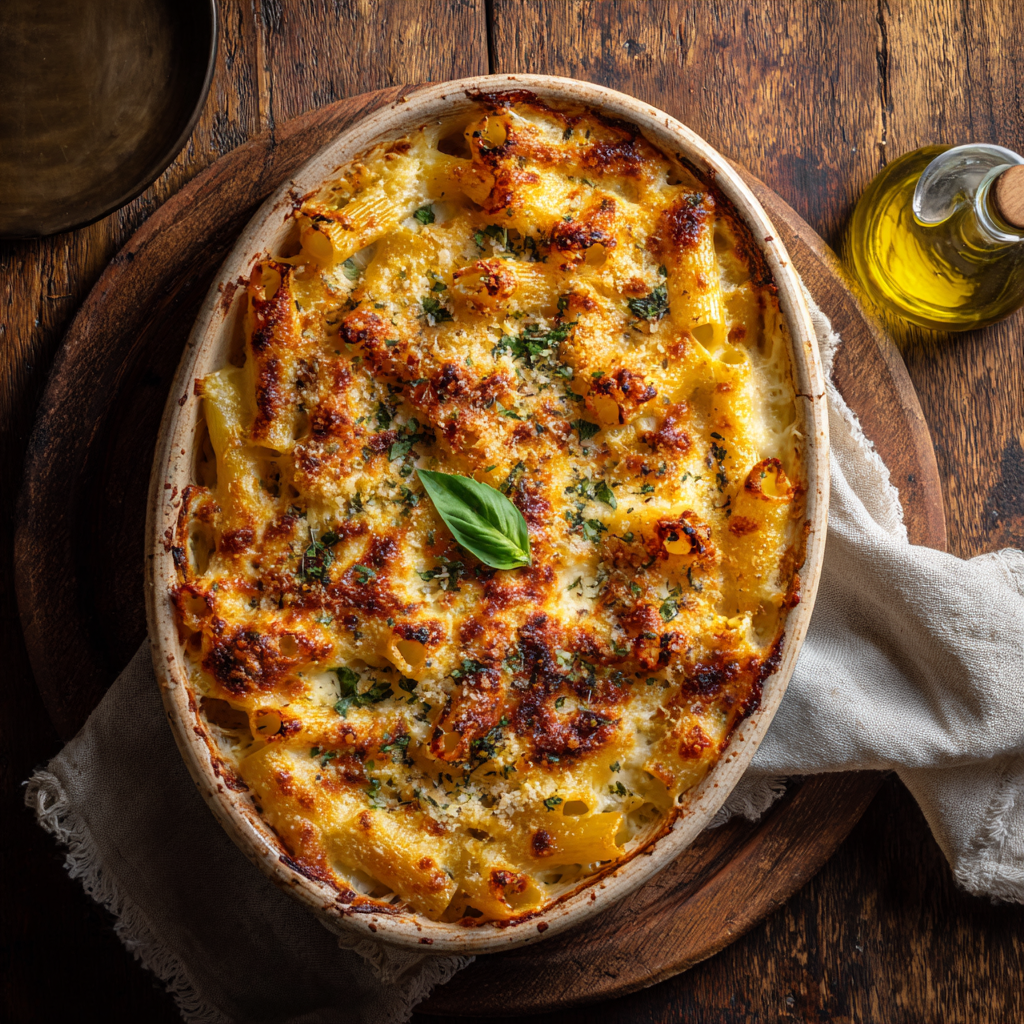
For a golden, bubbling finish, transfer the sauced pasta into an oven-safe pan and let the heat do the last bit of magic. Spread it shallow so the top crisps while the inside stays saucy.
Quick bake: preheat the oven to 400°F and bake for 6–8 minutes until mozzarella is melty and the surface bubbles. Watch the last minute closely—carryover heat keeps melting once it’s out.
Layer, top, and bake at 400°F until cheese is melty and edges crisp
After tossing noodles with tomato sauce and cheese, spread in a shallow pan. Add a scatter of Parmigiano on top for a nutty crust. Short shapes like rigatoni, paccheri, or fusilli make every forkful rewarding.
Alternate passata method at 392°F for a classic gratin finish
For a traditional gratin, preheat to 392°F (200°C). Layer passata, pasta, torn mozzarella, and grated Parmigiano in a baking dish. Bake about 15 minutes until the top is golden and the edges crisp.
- Use an oven-safe pan for quick bakes and a deeper dish for gratin.
- Let the bake rest briefly so the cheese sets and strings when served.
| Method | Temp | Time | Result |
|---|---|---|---|
| Quick bake | 400°F | 6–8 minutes | Melty top, light browning |
| Classic gratin (passata) | 392°F (200°C) | ~15 minutes | Golden crust, crisp edges |
| Best pasta shapes | n/a | n/a | Rigatoni, paccheri, fusilli hold sauce and cheese |
Pro tips that elevate a simple dish
A few careful moves at the stove stop common mistakes and lift the dish to restaurant level. These are small habits I use every time. They save flavor and texture without fuss.
Make sure the garlic never turns bitter
Start garlic in cool oil and bring the pan up to moderate heat. This lets the cloves soften and perfume the oil, not brown. If browning creeps in, add a spoon of water to cool the pan right away.
Pasta water magic: adjust body and silkiness in minutes
Reserve at least 1 cup of starchy water. Add it in small amounts while tossing so the emulsion stays stable and the sauce clings.
How to keep mozzarella tender, not clumpy
Fold mozzarella off the heat after you mount the sauce with a knob of butter. Drain and pat fresh mozzarella dry before cubing so it melts gently. Then serve immediately for best stretch and texture.
- I always start garlic in cool oil and watch the heat so it goes sweet, not bitter.
- If browning creeps in, I make sure to add a spoon of water to stop it instantly.
- Keep a good amount of pasta water on hand; it’s your tool for turning the sauce glossy in moments.
- Add water a little at a time while tossing so the emulsion stays stable and coats the pasta beautifully.
- Fold mozzarella off the heat so it melts gently and stays tender.
- Fresh mozzarella behaves best when drained and patted dry before cubing.
- Serve immediately once the cheese goes in—waiting can make it clump and lose that dreamy stretch.
| Problem | Quick fix | Why it works |
|---|---|---|
| Bitter garlic | Cool oil, moderate heat, splash of water | Prevents browning and preserves aroma |
| Thin sauce | Reserve 1 cup water; add slowly | Builds stable emulsion and shine |
| Clumpy cheese | Fold off heat after butter; pat dry first | Ensures gentle melt and creamy texture |
For a variation and pairing ideas, try this Italian shrimp pasta delight for contrast and inspiration: Italian shrimp pasta delight.
Smart swaps, add-ins, and heat levels
A few smart swaps let you adapt this classic to what’s in your pantry tonight. Keep the bright tomato and basil heart, then add one bold note to make it yours.
From sun-dried tomatoes to scamorza or provola
For deeper savoriness, fold in chopped sun-dried tomatoes while the sauce simmers. They give rich umami without hiding ripe tomatoes.
Smoked scamorza or provola will stand in for fresh mozzarella and give a gentle smoke that pairs well with baked finishes.
If you like a sharper finish, use Pecorino Romano instead of Parmigiano for a saltier, tangy bite of cheese.
Add protein or a kick without losing the soul
Sautéed shrimp, crab, chicken, or Italian sausage work well added at the toss. For heat, stir in Calabrian chile paste or a pinch of red pepper early so the spice blooms in the oil.
A handful of baby spinach or arugula wilts into hot noodles for color and nutrition. Finish with a light drizzle of olive oil and a scatter of basil so each dish feels complete.
- Sun-dried tomatoes: umami boost.
- Scamorza/provola: smoky, melty swap for mozzarella.
- Proteins: add at toss to keep texture.
| Swap | Flavor | Best use |
|---|---|---|
| Sun-dried tomatoes | Umami, sweet-tart | Stir into sauce while simmering |
| Smoked scamorza / provola | Smoky, melty | Use for baking or topping |
| Pecorino Romano | Sharp, salty | Grate at finish instead of Parmigiano |
Make-ahead, storage, and reheating without sacrificing texture
Prepare the tomato component earlier in the day so finishing takes only minutes. I often make the sauce up to two days ahead and keep it chilled. Add cheese only at the end so melt and texture stay perfect.
Leftovers stay good up to five days in an airtight container. When you reheat, use a small pan over medium-low heat. Add a splash of water and warm gently until the dish is just heated through. This keeps the sauce loose and cheese soft.
- I assemble baked versions earlier the same day and bake when guests arrive for a fresh gratin finish.
- Avoid microwaving too hot or too long; it can make cheese rubbery and dry the pasta.
- If noodles have absorbed too much sauce, heat for a minute or two with an extra splash of water to revive them.
- Add fresh basil after warming to restore bright aroma.
| Item | Max storage | Reheat method | Notes |
|---|---|---|---|
| Tomato sauce | 2 days (refrigerated) | Stovetop, low heat | Add cheese only at finish |
| Assembled bake | Same day or refrigerate few hours | Bake 6–15 minutes to gratin | Finish in oven for crisp top |
| Leftover pasta | Up to 5 days (airtight) | Pan, medium-low with splash of water | Stir gently until warmed |
How to serve: basil to finish, a drizzle of olive oil, and what to pair with
Bring the dish to the table steaming, scatter basil leaves, and watch the room fill with a bright, herby scent.
I finish each plate with torn fresh basil so the aroma blooms right as we sit. A fine grating of Parmigiano adds savory depth, and a delicate drizzle of olive oil lifts the flavors.
Before you serve, crack a little pepper and taste for salt. Keep plates warm if you can; that keeps the mozzarella soft and the texture inviting.
- I tear fresh basil over the dish at the last moment so the fragrance blooms at the table.
- A fine grating of cheese adds savoriness, and a delicate drizzle of olive oil lifts the finish.
- Crack a little pepper and adjust salt to taste just before serving.
- Keep plates warm; basil leaves stay bright and cheese stays stretchy.
- Serve family-style so everyone helps themselves while it is hot.
| Side | Why it works | Best note |
|---|---|---|
| Garlicky broccoli rabe | Bitter greens cut richness | Olive-forward dressing |
| Roasted eggplant with herbs | Earthy, smoky contrast | Torn basil finish |
| Simple lemon salad | Brightens the meal | Light olive and lemon |
Bring a taste of Sorrento to your table today
A warm, tomato-scented pan and a pot of salted water are all you need to taste Sorrento tonight. Set a large pot to water boil and keep a cup or two of that liquid gold for finishing the sauce.
Gently warm oil with garlic over steady heat, add hand-crushed tomatoes or passata, and fold in torn basil. Toss the noodles in the pan, use reserved water by the cup to make the sauce glossy, then finish off heat with a knob of butter.
Fold in mozzarella and cheese and serve immediately, or slide the pan into the oven for a bubbly gratin. Choose paccheri or another short cut to hold every rich, melty bite.
These simple instructions are how I cook for my family—respectful, balanced, and joyful. When you’re ready, I’ll guide the next step; there’s always another beautiful Italian dish to share.
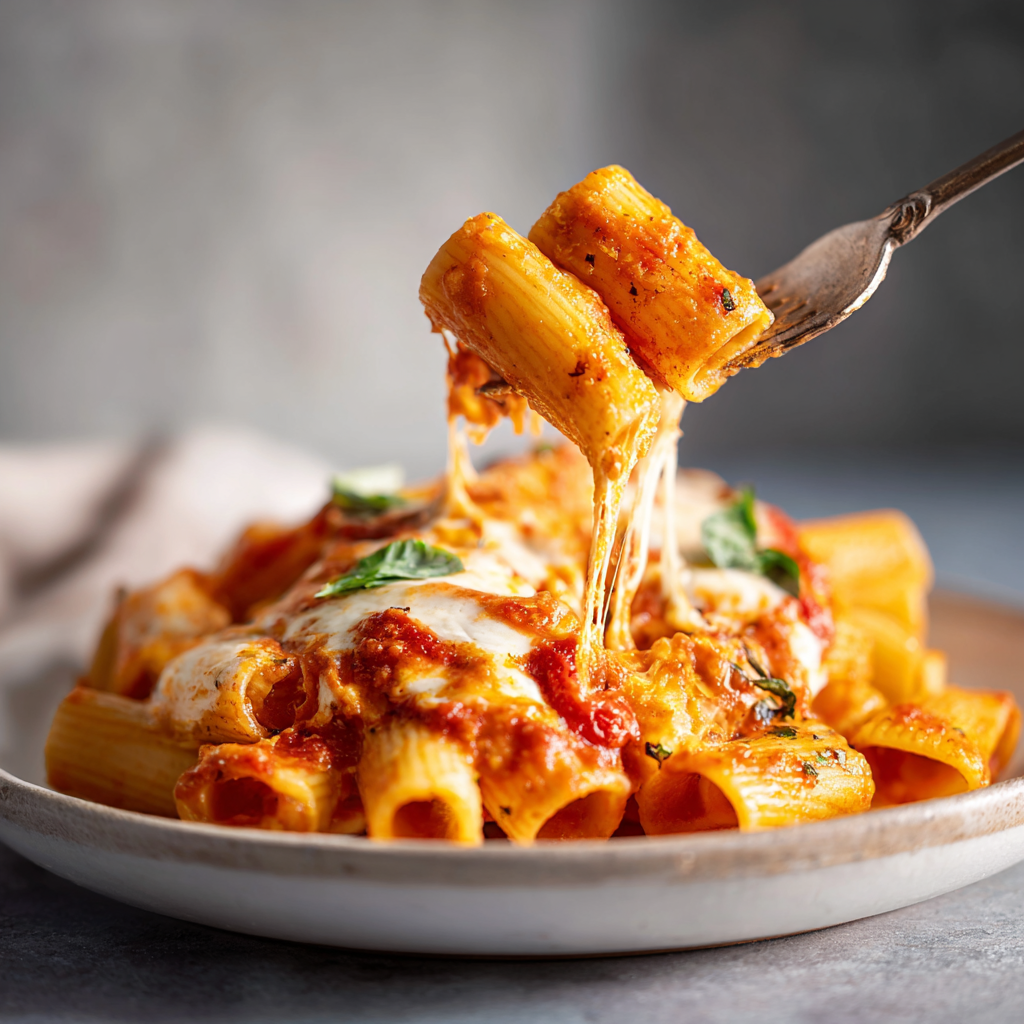
Pasta alla Sorrentina (Sorrento-Style Tomato and Mozzarella Pasta)
Ingredients
Method
- Warm olive oil gently in a wide pan. Add sliced garlic and let it soften over medium-low heat until fragrant — do not let it brown.
- If it starts to color, add a spoonful of water to cool the pan.
- Add the tomatoes, basil, red pepper flakes, and a pinch of salt.
- Simmer for 5–7 minutes until the sauce looks glossy and bright. Taste and adjust seasoning.
- Boil a large pot of salted water. Add the pasta and cook until just al dente.
- Before draining, save about 1 cup of the starchy pasta water.
- Transfer the drained pasta directly into the sauce pan.
- Add a splash of the reserved pasta water while tossing until the sauce coats the pasta and turns silky.
- Turn off the stove. Stir in the butter (optional) and cubed mozzarella.
- Fold gently until the cheese starts to melt and stretch.
- Sprinkle with Parmigiano and fresh basil.
- For stovetop version: Serve immediately for a bright, creamy dish.
- For baked version: Preheat oven to 400°F (200°C).
- Transfer the pasta to an oven-safe dish, top with more mozzarella and Parmigiano, and bake for 6–8 minutes (or up to 15 min for deeper browning).
- Let it rest 2 minutes before serving so the cheese sets.
Notes
- Always start garlic in cool oil so it softens sweetly without turning bitter.
- Drain mozzarella well — moisture can water down your sauce.
- A knob of butter off-heat gives restaurant-style silkiness.
- For a bubbly baked finish, bake just until the cheese melts — don’t overdo it.
- Use your reserved pasta water like gold — it makes the sauce glossy and helps it cling.
FAQ
What quick tips help me make an authentic Sorrento-style tomato and mozzarella dish at home?
Start with ripe tomatoes or good-quality passata or San Marzano canned tomatoes, use extra-virgin olive oil, and don’t let garlic brown. Cook the pasta to al dente, save some starchy cooking water, and finish off the heat with fresh basil and a knob of butter to emulsify the sauce. Fold in fresh mozzarella at the end so it melts into silky ribbons.
Can I use cherry tomatoes instead of passata or San Marzano for the sauce?
Yes. Cherry tomatoes give a bright, fresh flavor and a bit of texture. Sear them in olive oil until they burst, then simmer briefly. For a smoother, more classic texture use passata or San Marzano tomatoes; for a rustic finish choose cherry or plum tomatoes.
Which cheeses work best if I don’t have fresh mozzarella or buffalo mozzarella?
If you don’t have fresh mozzarella, use low-moisture mozzarella cut into small pieces, scamorza, or provola for a slightly smoky edge. Finish with grated Parmigiano-Reggiano for savory depth. Avoid pre-shredded blends that include anti-caking agents.
What pasta shapes best hold the sauce and melted cheese?
Short tubular shapes like paccheri, rigatoni, and mezze maniche trap sauce well. Fusilli and cavatappi also catch the sauce and cheesy strands. Spaghetti works too if you prefer a long shape—just toss gently so the cheese melts evenly.
How do I prevent garlic from turning bitter while building the sauce?
Cook garlic over medium-low heat in olive oil and pull it out once it becomes fragrant and slightly golden. If garlic browns quickly, lower the heat. Crushing or thinly slicing garlic releases flavor faster than mincing, so adjust time accordingly.
What’s the trick with reserved pasta water and emulsifying the sauce?
The starchy pasta water helps bind sauce to the pasta and creates a glossy, silky texture. Add a splash as you toss the pasta with the sauce until you reach the desired consistency. A small pat of butter added off the heat helps emulsify and round the flavors.
How long should I bake a layered, cheese-topped version for a golden finish?
Bake at 400°F (about 200°C) for 12–18 minutes until the cheese is melty and edges are golden. If you prefer a slightly deeper crust, bump to 425°F for a few extra minutes while watching closely. An alternate passata method around 392°F also creates a classic gratin finish.
Can I prepare components ahead and reheat without losing texture?
Yes. Make the sauce a day ahead and keep refrigerated. Reheat gently on the stovetop, add reserved pasta water to loosen, then fold in fresh mozzarella at the last minute. For baked versions, assemble and refrigerate up to 24 hours, then bake from chilled with a few extra minutes.
How should I store leftovers and reheat them to preserve the cheese quality?
Store leftovers in an airtight container in the fridge for up to 3 days. Reheat gently in a skillet over low heat with a splash of water or olive oil, covering briefly to steam and loosen the cheese. Avoid high heat in the microwave, which makes the cheese rubbery.
What add-ins or swaps keep the dish true but add interest?
Try sun-dried tomatoes for concentrated sweetness, add cooked chicken or Italian sausage for protein, or a touch of Calabrian chile for heat. Fresh basil, a drizzle of extra-virgin olive oil, and a sprinkle of grated Parmigiano-Reggiano keep the soul of the dish intact.
How do I keep fresh mozzarella tender and avoid clumping?
Drain and pat mozzarella dry, then tear or cut into small pieces. Fold in off the heat so residual warmth melts it gently. If pieces clump, briefly return to very low heat with a splash of pasta water while stirring constantly.
What wine or side dishes pair well with this tomato, basil, and cheese classic?
Pair with a fresh, medium-bodied Italian white like Fiano or Vermentino, or a light red like Chianti young vintage. Serve with a simple green salad dressed with lemon and olive oil, and crusty bread to soak up the sauce.