
Jump to Recipe
The soft rustle of cured meat being sliced, the gentle clink of olives tumbling into a bowl—these are the sounds that mean guests are arriving. For generations, this first offering has set the tone for a meal, a warm welcome that says the best is yet to come.
Antipasto, meaning “before the meal,” is a tradition with deep roots. It’s designed to awaken the senses. The goal is not to fill guests but to prepare them for the feast ahead. This approach centers on genuine ingredients and time-honored methods.
The beauty of this appetizer lies in its flexibility. There are no strict rules or exact measurements. It can change with the season or your mood. The key is balance. You want a mix of different tastes and textures that still feel like they belong together.
This guide will walk you through creating a stunning platter. We will cover everything from selecting components to arranging them with care. Whether for a small family dinner or a large celebration, the principles are the same. It’s about thoughtful choices, not complex techniques.
Building an impressive spread doesn’t require exotic items or hours of work. It asks for a respect for quality and a little creativity. Let’s explore how to create a beautiful start to your gathering.
Key Takeaways
- Antipasto is a traditional starter meant to stimulate the appetite before the main meal.
- The focus is on authenticity, using genuine ingredients and simple, proven methods.
- This type of platter is highly adaptable, with no fixed formulas to follow.
- A successful arrangement balances contrasting textures and complementary flavors.
- Creating an impressive presentation is achievable for home cooks of any skill level.
- The process scales easily for both intimate gatherings and larger celebrations.
- Quality and thoughtful selection matter more than exotic ingredients or lengthy prep time.
Exploring the Essence of Italian Antipasto
Antipasto emerged centuries ago as a deliberate pause before dining, meant to awaken the senses. This tradition reflects a thoughtful approach to eating that values quality ingredients and shared moments.
The Historical Roots of Antipasto
The custom dates back to 16th century Italy. It began as a formal course designed to prepare the palate. The word itself means “before the meal.”
When you serve one small plate, it’s called antipasto. Multiple offerings become antipasti. This linguistic detail matters for authenticity.
Cultural Significance at Festive Gatherings
This appetizer serves more than nutritional purpose. It creates space for conversation and slows the meal pace. Families often begin weekends and celebrations this way.
The selection varies dramatically across regions. Local ingredients and traditions shape each version. Understanding this helps when creating your own recipes.
| Region | Typical Ingredients | Seasonal Example | Cultural Note |
|---|---|---|---|
| Northern Italy | Local cured meats, mountain cheeses | Autumn mushrooms | Reflects alpine traditions |
| Tuscany | Crostini, olive oil | Spring fava beans | Simple, rustic approach |
| Coastal Areas | Fresh seafood, citrus | Summer anchovies | Celebrates maritime culture |
| Central Regions | Fried vegetables, pecorino | Winter artichokes | Urban sophistication |
Seasonal ingredients further define traditional offerings. Summer brings cantaloupe with prosciutto. Spring features tender fava beans with aged cheese.
This context helps home cooks approach their boards with respect for tradition while allowing creativity. The best antipasto balances authenticity with personal touch.
Essential Italian Holiday Antipasto Platter Ideas: Ingredient Spotlight
The foundation of any great appetizer board lies in the thoughtful selection of its core elements. Quality matters more than quantity when building your display.
Cured Meats, Cheeses, and Fresh Produce
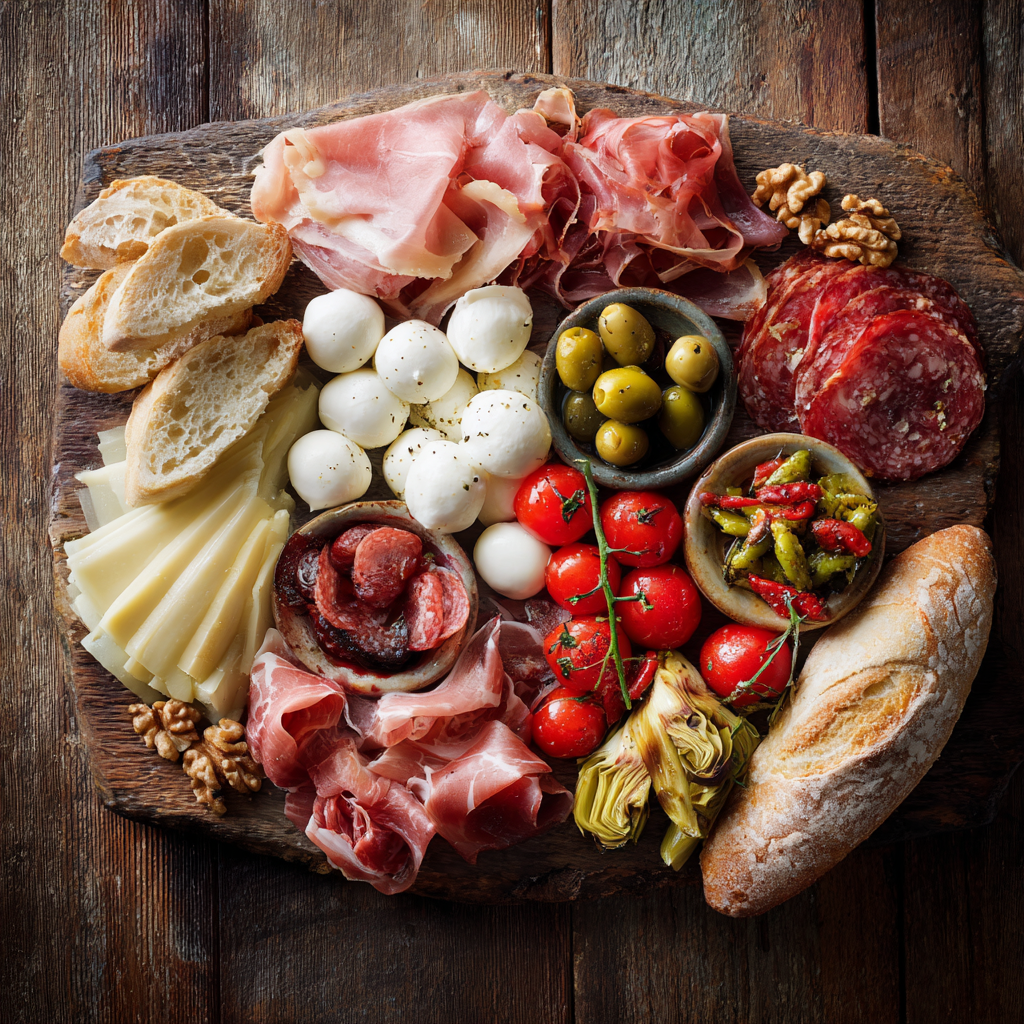
Start with three to four varieties of cured meats for contrast. Consider mild prosciutto, spicy soppressata, or creamy mortadella. This range ensures something for every palate.
For cheeses, select different textures and milk sources. Soft fresh mozzarella balances well with sharp provolone. Aged parmigiano reggiano adds nutty complexity.
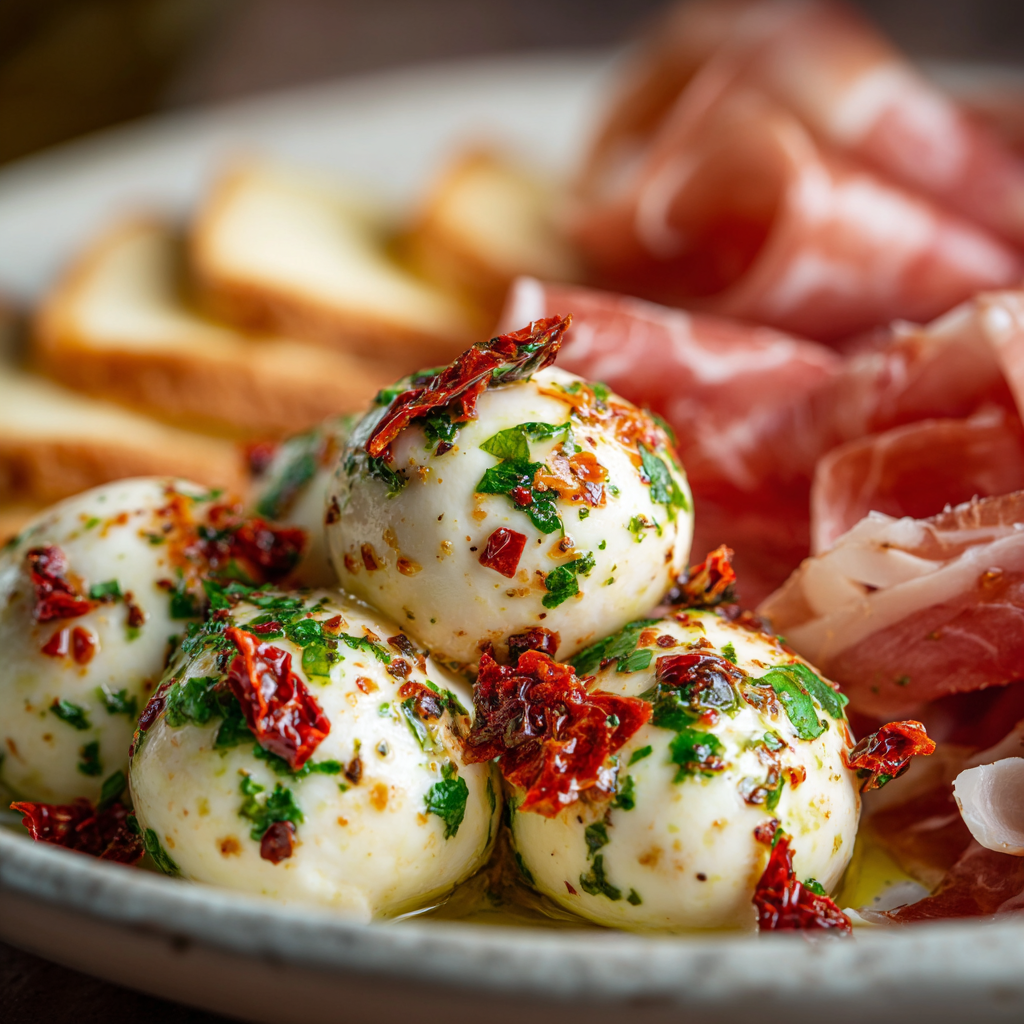
Marinate small mozzarella balls for extra flavor. Combine 8 ounces ciliegine with olive oil, parsley, and sun-dried tomatoes. This simple step elevates basic cheese.
Include vibrant vegetables for color and crunch. Roasted red peppers, marinated artichoke hearts, and various olives create visual appeal. Cerignola olives offer buttery mildness.
Fresh cherry tomatoes, pepperoncini, and crisp cucumbers provide brightness. Nuts like walnuts add richness. For more inspiration, see our detailed guide to assembling a stunning.
Source authentic ingredients from specialty shops when possible. The right components make your antipasto platter truly memorable.
Creative Platter Arrangements for Effortless Presentation
Thoughtful placement turns individual components into a cohesive experience that invites exploration. Start by choosing your serving surface. Wooden, marble, or slate boards each create different moods. Regular shapes like circular or rectangular surfaces simplify the composition process.
Consider your guest count when planning portions. For a main event, allocate about 2 ounces per person of each cheese and charcuterie. For a lighter pre-dinner offering, reduce to 1 ounce or less.
Tips for Arranging Meats and Cheeses
Begin by placing small bowls to hold loose items. This prevents olive oil or briny liquids from spreading across your display. Position these containers as anchor points first.
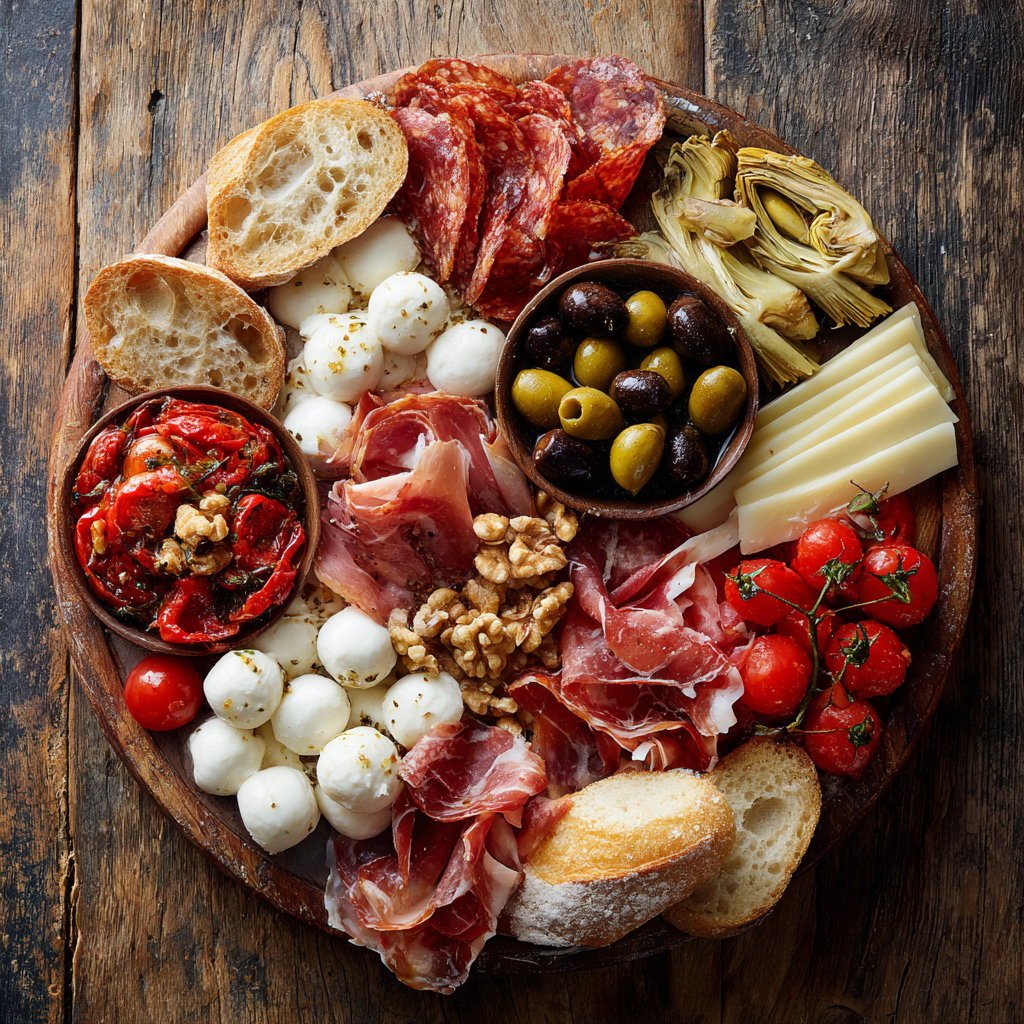
Arrange cheeses in a logical sequence. Work clockwise from mildest to boldest flavors. Start with soft varieties like mozzarella, then progress through semi-soft, semi-hard, and hard options. Finish with the most pungent blue cheeses.
Place charcuterie in accessible piles rather than elaborate shapes. The goal is easy grabbing, not perfect rosettes that guests hesitate to disturb. Distribute similar items across opposite sides so people can access favorites from different angles.
Showcasing Vibrant Veggies and Accents
Keep marinated items in their bowls to contain liquids. Separate very hot peppers so guests can avoid them if desired. Position delicate ingredients away from heavier components.
Fill empty spaces with fresh elements like carrot sticks, grapes, or walnuts. These add color and textural contrast while occupying bare spots. Add bread and crackers around the perimeter where they won’t absorb moisture.
Remember that pretty piles represent the authentic approach. Simplicity and accessibility matter more than contrived arrangements that prioritize appearance over function.
Pairing Cheeses, Meats, and Sides for a Cohesive Board
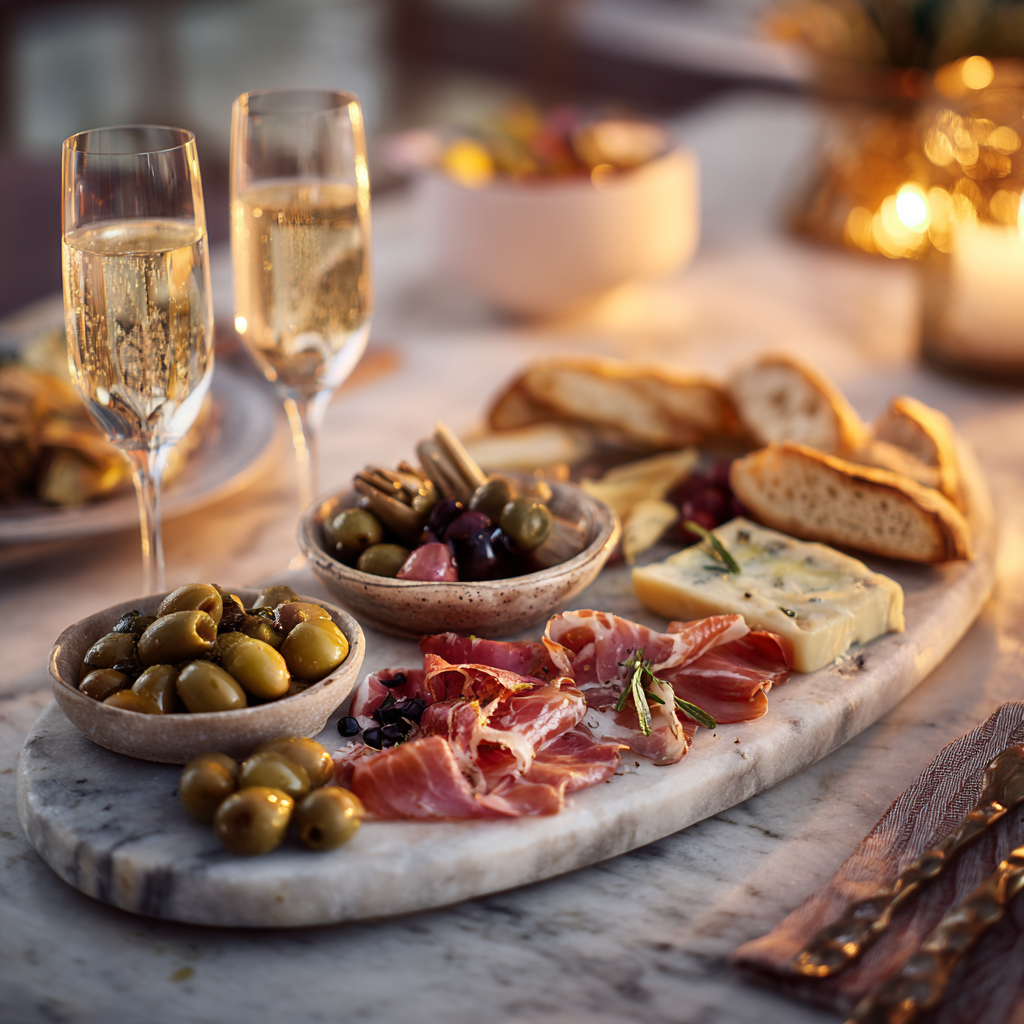
The true magic of a well-composed board happens when flavors begin to interact. Juices from marinated vegetables naturally dress the meats and cheeses. This creates combinations that surpass what each ingredient offers alone.
Bread and crackers provide wonderful textural contrast. Keep them in a separate bowl to prevent sogginess from oils and marinades. This simple step maintains their crispness throughout your gathering.
Complementary Flavors and Wine Pairings
A cohesive board balances sweet, salty, bitter, and sour notes. Include briny olives, sweet honey, fresh fruit, and rich nuts. Drizzle quality olive oil over everything to unify flavors.
Seasonal ingredients that grow together naturally complement each other. This principle simplifies your selection process. It ensures harmonious flavor profiles on your platter.
For wine, consider offering three varieties. Sparkling options cleanse the palate against fat and salt. Light whites refresh, while fruity reds stand up to bolder charcuterie.
Prosecco’s acidity cuts through rich cheeses beautifully. Barbera d’Asti complements harder cheeses and cured meat. Let these guidelines inspire your own discoveries.
Seasonal Twists and Modern Spins on Traditional Antipasto
Seasonal rhythms have always guided authentic antipasto creation, with cooks naturally reaching for what’s fresh and local. This approach ensures peak flavor without forcing out-of-season ingredients.
Adapting to Seasonal Ingredients
Chef John Melfi at Modena restaurant demonstrates this beautifully. His winter menu features roasted candy-striped beets with gorgonzola and sheep’s milk ricotta tart. Summer brings classic pairings like cantaloupe with prosciutto.
The “what grows together, goes together” principle simplifies selection. Spring fava beans complement young pecorino. Fall squash pairs well with aged cheeses. Farmers markets offer the same guidance professional chefs use.
Innovative Twists for a Contemporary Edge
Modern spins respect tradition while adding excitement. Try marinating olives with orange peel, thyme, and spices for custom flavor. Blood orange salads or roasted vegetables bring contemporary appeal.
Think of antipasti as a blank canvas. Classic cured meats and cheeses provide familiarity. Seasonal vegetables and creative preparations keep things fresh. Simple roasted peppers or cherry tomatoes can transform your presentation.
These approaches work for any gathering. Winter holidays might feature preserved vegetables and citrus. Summer celebrations could highlight fresh produce. The key is viewing recipes as flexible templates.
Savoring Final Touches for an Unforgettable Italian Experience
With your ingredients selected and arranged, a few thoughtful touches ensure everything comes together seamlessly. Have cocktail forks, small plates, and quality napkins ready for comfortable serving. This simple preparation takes about 15 minutes from start to finish.
For the marinated mozzarella, combine 8 ounces ciliegine balls with 3 tablespoons olive oil, fresh parsley, sun-dried tomatoes, and red pepper flakes in a small bowl. Let it rest for 30 minutes to develop flavor. Arrange your meats and provolone in accessible piles, placing the marinated mozzarella bowl strategically.
Monitor the platter during your gathering, refreshing items as needed. A final drizzle of olive oil over vegetables and cheeses enhances flavors beautifully. This adaptable approach works whether you’re preparing a simple appetizer or elaborate arrangement.
Remember that quality ingredients and thoughtful presentation create the most memorable experiences. Your guests will appreciate the care you’ve taken from selection to serving.
Italian Antipasto Platter
Ingredients
Method
- Place the mozzarella balls in a small bowl. Add olive oil, parsley, sun-dried tomatoes, red pepper flakes, and a pinch of salt. Stir gently and let sit for at least 30 minutes.
- Drain marinated artichokes and roasted red peppers. Place olives, peppers, and artichokes into small bowls to contain liquids.
- Slice cured meats thinly. Cut provolone into slices and break Parmigiano into chunks or shavings.
- Place small bowls on the board first. Arrange cheeses from mild to strong. Add meats in loose folds or small piles for easy grabbing.
- Add cherry tomatoes, nuts, and fresh vegetables to fill empty spaces and add color.
- Place bread and crackers around the edges or serve them separately to keep them crisp.
- Lightly drizzle olive oil over vegetables and cheeses just before serving.
Notes
- This platter is meant to be flexible. Swap vegetables or meats based on season or availability.
- Always prioritize quality over quantity. Fewer good ingredients work better than many average ones.
- Refresh the board during serving to keep it looking full and inviting.