Jump to Recipe
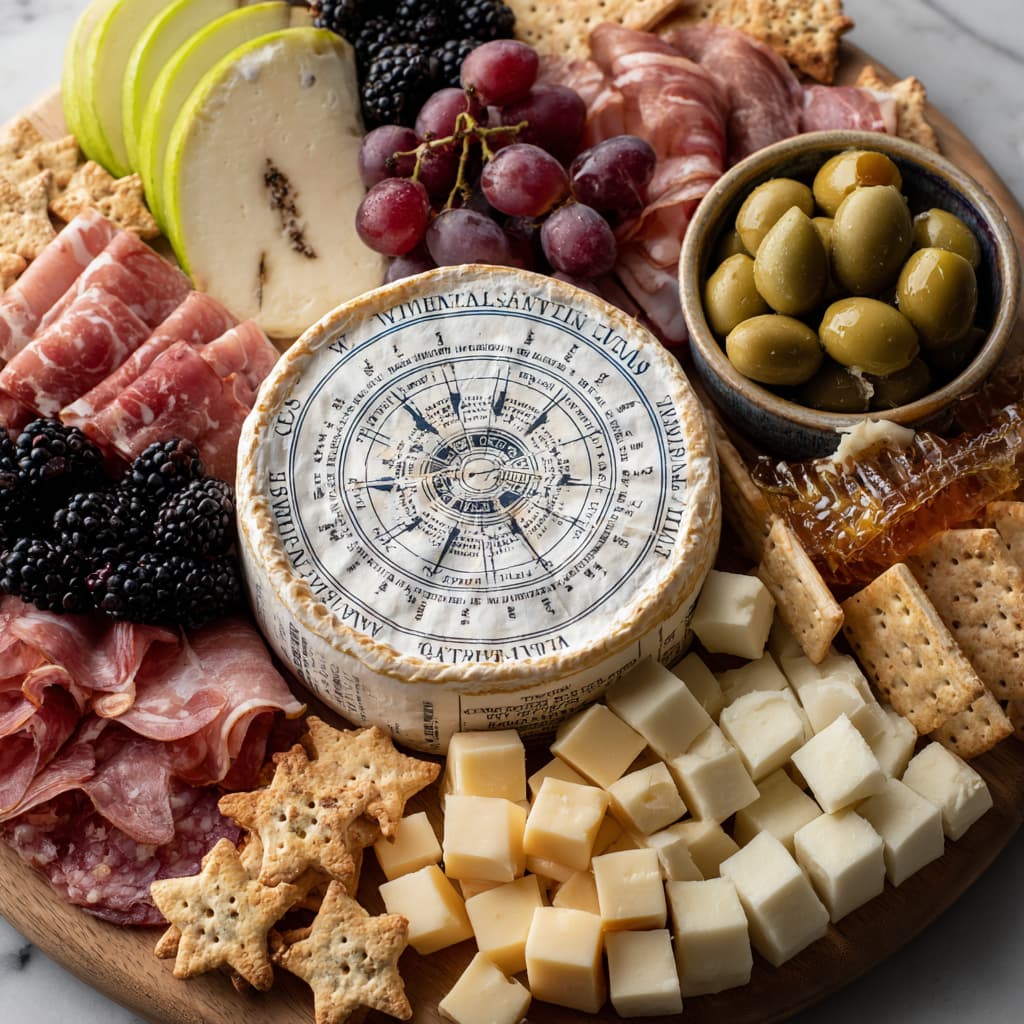
I tuck a round camembert at the center and draw a tiny clock face with a food-safe marker, then build outward with folded salumi, bright olives, and sticky honeycomb. The room fills with salt and sweet, and guests drift in, hands reaching for grape clusters and crisp crackers as Champagne sings. I like simple tricks that look fancy—skewered bites, a foil half‑sphere anchor, and clear lanes so every plate feels intentional and warm.
Key Takeaways
- I share clear steps and a shopping list to assemble a festive charcuterie board with confidence.
- Use a camembert “clock” and a charcuterie ball drop for playful visual anchors.
- Prep can be done 3–4 hours ahead; refrigerate cheeses and salami if holding, then reassemble before serving.
- Balance creamy cheese and salty charcuterie with fruit, nuts, and crunchy crackers for texture.
- I include timing, safety tips, and smart swaps so friends and family at home all feel cared for.
Why this festive Italian antipasti board steals the show at midnight
I make choices that let the flavors speak and the presentation do the inviting. A camembert marked like a tiny clock creates instant drama, while neat lanes of color and texture guide guests’ hands. These little signals turn a platter into a moment on the table.
Real flavors, zero-stress assembly
I lean on formaggi e salumi—mild cheeses, prosciutto, and a few classic meats—so the spread tastes authentic without hours of prep. Dry grapes well, separate similar hues, and slice the wheel cleanly so people can lift perfect portions without fuss.
Inspired touches: the charcuterie “ball drop” and cheese clock
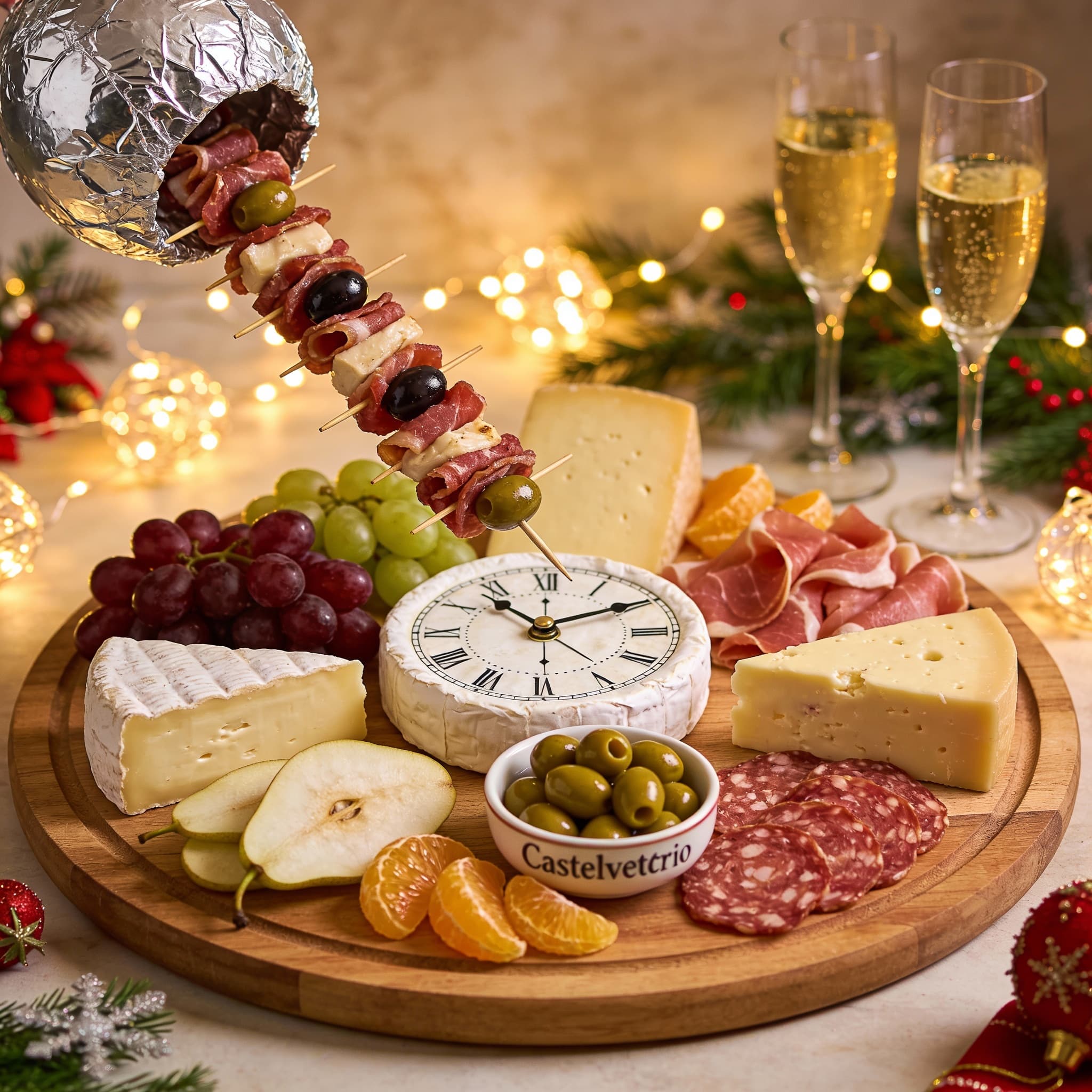
A foil-covered half sphere gives structure for diagonal rows of skewers: dry salame, Calabrese, Castelvetrano olives, cherry tomatoes, and cheese cubes. The result is interactive and tidy; hands stay clean and the visual movement draws the eye from center to edge.
- Balance lanes for creamy, salty, crunchy, and juicy bites.
- Use the clock as a serving guide—cut even slices around the wheel.
- Pair with sparkling or Pinot Grigio to lift fat and salt.
For more plating ideas and a deeper family story about Italian spreads, see my charcuterie board spotlight. These small moves make your table the focal point and give you flexible options when guests arrive late in the year.
Ingredients: classic Italian cheeses, cured meats, fruits, olives, and extras
I keep the shopping list focused so the spread feels rich without being fussy. Choose a small range of ingredients that offer contrast in texture and flavor—creamy, salty, crunchy, and sweet.
Cheeses I reach for include fontina, provolone, a Manchego-style firm cheese, camembert for the clock, and a familiar white cheddar. These five cheeses give buttery, mild, nutty, and creamy notes that please most palates.
For meats, pick contrasting cuts: silky prosciutto, Italian dry salami, spicy Calabrese, Spanish fuet, and a firm hard salami. They layer flavors and make simple pairings easy.
- Produce: seedless grapes (dry well), cherry tomatoes, pear or apple slices, citrus segments, and blackberries for color.
- Accents: Castelvetrano olives in a small bowl, pistachios and almonds, plus honey or a honeycomb for gloss and sweetness.
- Crunch: crostini, water crackers, grissini, and a few festive star-shaped crackers for texture.
- Sweets: a few Ferrero Rocher, pirouettes, or white fudge pretzels keep the spread playful.
Buy modest amounts of each when hosting. Pre-slice firmer cheese and fold meats ahead to speed assembly. Balance salty or rich items with fresh fruit so every bite feels composed and satisfying on the charcuterie board.
Tools and setup that make assembly fast
Start with a roomy circular board and a tidy staging area; these two moves save minutes when guests arrive. I work on a 16‑inch round surface because it leaves space to build lanes from a center focal point without crowding the edges.
Essentials
- Small bowls for olives and nuts keep briny items contained and protect soft cheese nearby.
- Toothpicks or cocktail sticks turn slices and cubes into grab-and-go bites—clean hands, quicker service.
- Keep a sharp knife, a small cutting board, and paper towels close for quick trims and to dry grapes or wipe moisture.
Optional pro touches
If you want the theatrical ball drop, wrap a styrofoam half sphere fully in foil and tape it to the center so it won’t shift. A black food-safe marker lets you draw a clock on the camembert in seconds. Star cutters make festive cheddar shapes that repeat the theme around the platter.
I’ll add links in the post so you can buy food-safe markers and half-sphere molds if you like the exact tools. No specialty kit? Improvise: shape cheese with a paring knife and stack skewers for the same visual lift.
Step-by-step: assemble your New Year’s Eve Italian snack board recipe
I start with the camembert clock as my visual anchor, set the hands to five‑to‑twelve, and plan lanes that radiate outward. Add an optional foil‑wrapped sphere nearby for the charcuterie ball drop if you want height and movement.
Centerpieces: camembert clock and the ball drop
Draw clock numbers on the camembert and place it in the center. Set the hands to five‑to‑twelve so guests can slice evenly around the wheel.
For the ball drop, skewer one ingredient per toothpick—folded salami, Castelvetrano olives, cherry tomatoes, and cheddar or Monterey Jack cubes. Insert them in diagonal rows on the foil sphere, alternating colors so the pattern reads from across the room.
Build balanced lanes of color, texture, and flavor
Create radiating lanes: cheese in one, salami in another, fruit in a third, and crackers or grissini in a fourth. Repeat the sequence to form a balanced ring that guides fingertips and eyes.
Fill gaps strategically for a full, abundant look
- Tuck olives into a small bowl to protect nearby cheese from brine.
- Flank that bowl with honeycomb and a scatter of nuts for contrast.
- Add height with stacked crackers and weave thin meats between cheese wedges to keep edges inviting.
- Use citrus or pear slices to break up beige areas; place blackberries sparingly for dark, glossy pops.
- Fill remaining gaps with pistachios, almonds, and cherry tomatoes so the surface reads abundant without clutter.
| Centerpiece | Lane | Quick check |
|---|---|---|
| Camembert clock | Cheese, salami, fruit, crackers | Step back 30 seconds |
| Foil sphere (optional) | Skewers in diagonal rows | Adjust color balance |
If you like a playful touch, lay out sliced salami to form the digits in the corners—it guides guests to first bites. Take a final step back for about 30 minutes; make tiny shifts and your charcuterie board will look effortless in minutes and taste like you meant every detail.
Flavor playbook: pairings that taste like Italy
I like to build thoughtful pairings that read like a little menu, so each bite feels deliberate and bright. Below are chef-tested matches you can place side by side so guests assemble the mouthful you intended.
Salami + provolone + Castelvetrano olives
Fold a thin slice of salami around a sliver of provolone and nestle a buttery Castelvetrano olive nearby. The savory meat, mild cheese, and briny olive form a clean, satisfying trio.
Fontina + honeycomb + pear or apple slices
Drizzle a dot of honeycomb over fontina and offer crisp pear or apple. The sweet hit lifts the creamy cheese, a nod to Tuscan pairings.
Manchego-style cheese + almonds or pistachios
A firm, nutty cheese sings with whole almonds or pistachios. The texture contrast shows you curated the bite, not just the look.
Tomato + mozzarella-style cubes + oregano olive oil
Toss mozzarella cubes with a thread of olive oil and dried oregano, then pair with a cherry tomato for a mini Caprese moment.
- Prosciutto pairs well with citrus or a sip of sparkling; salt and fat brighten the glass of wine.
- Keep pairings close so guests build intentional bites; fruit works as a palate cleanser between richer turns.
| Pairing | Key flavors | Serving tip |
|---|---|---|
| Salami + provolone + olive | Salty, creamy, briny | Lay in one lane for quick grabs |
| Fontina + honeycomb + fruit | Sweet, creamy, crisp | Place near crackers |
| Manchego-style + nuts | Nutty, firm | Scatter nuts in small clusters |
| Mozzarella + tomato + oil | Fresh, herbal | Serve chilled for contrast |
Smart swaps, dietary options, and board variations
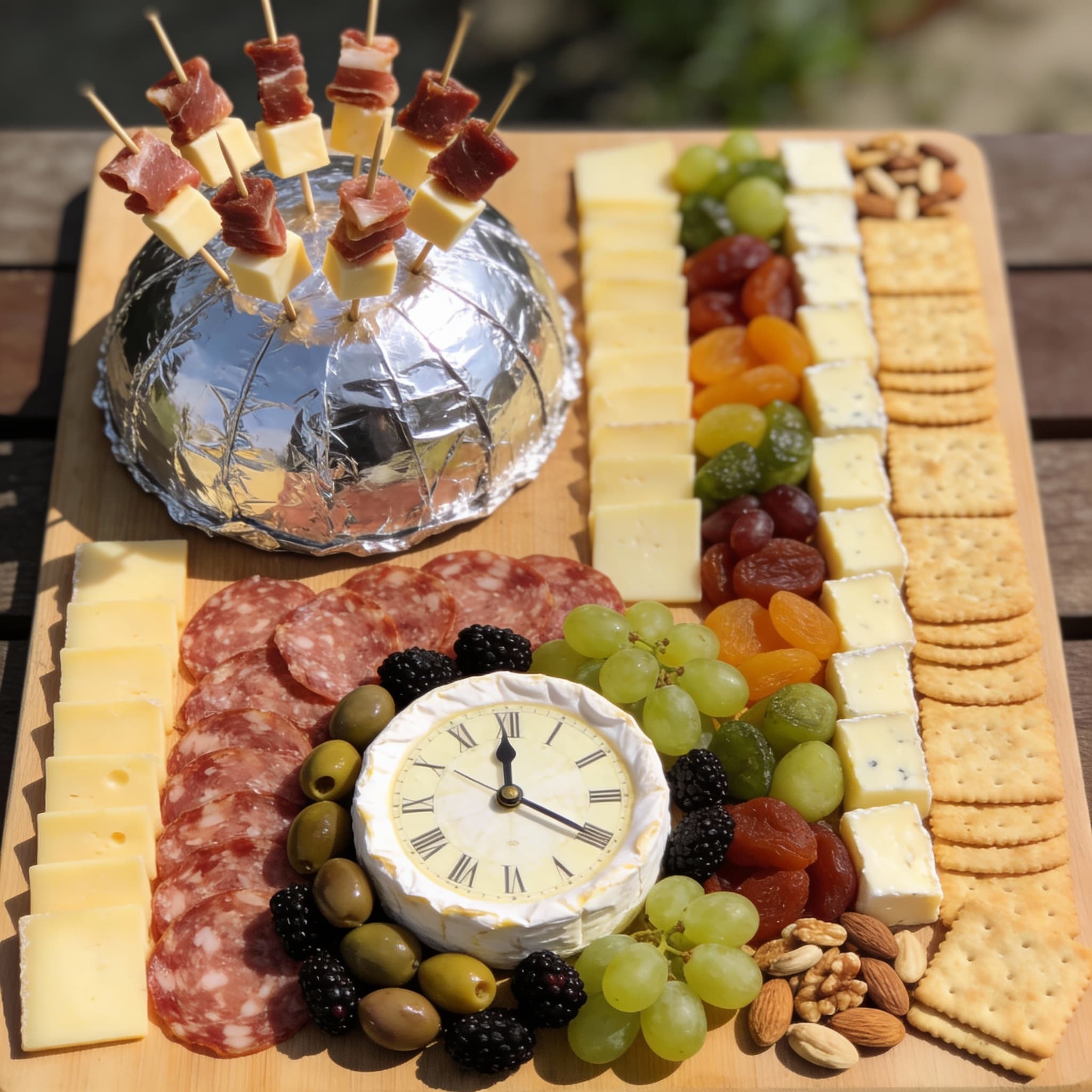
Clear, modular lanes make it easy to serve friends with allergies or picky kids without fuss. I like to plan a main platter and one or two small companion displays so everyone finds a safe, tasty choice.
For gluten-free options, pick neutral rice-based or MadeGood Sea Salt Star Puffed Crackers. Many salumi and cheeses are naturally gluten free; keep them separate until serving to avoid cross-contact.
Vegetarian and kid-friendly picks
Vegetarian guests eat well when you lean into cheese, olives, nuts, fruit, crostini, and honeycomb. Build a full lane that feels abundant so it stands on its own.
Kids love a sweets lane. Try white fudge pretzels, pirouettes, or golden chocolate coins tucked beside grapes or apple slices for a safe, joyful little treat.
Seasonal swaps and color themes
Shift fruit by season: winter citrus and grapes now; spring strawberries and apricots later; late-summer figs and melon when warm weather comes. Color stories help a platter read as intentional—gold and cream with Manchego, Ferrero Rocher, and pale grapes, or red‑green with tomatoes, olives, and salumi.
- Build modular lanes: a vegetarian lane next to a classic meats lane so guests choose freely.
- Lighten with roasted peppers or marinated artichokes to keep the spirit intact.
- When skipping meats, add more cheese types and clustered nuts for protein and crunch.
- Prep two small boards to place around your home; it eases traffic and keeps the spread lively.
| Need | Easy Swap | Serving Tip |
|---|---|---|
| Gluten-free | Rice star crackers (MadeGood) | Label the lane and use separate bowls |
| Vegetarian | Extra cheeses, honeycomb, marinated veg | Group together for a full plate option |
| Kids | White fudge pretzels, fruit skewers | Place near fruit for balance |
If you try a variation at home, drop your ideas in the post comments—what worked for your family or friends helps others plan with confidence.
Make-ahead timing, serving sizes, and food safety
I map backward from party time so small prep steps fit into the day without chaos. This keeps the work short and the serving moment calm.
Prep in minutes, hold safely up to a few hours
Cut firm cheese and wash and dry fruit earlier in the day. Assemble the board in minutes right before guests arrive for best texture and shine.
- Partial assembly ok: up to 3–4 hours ahead if cheeses and salami are refrigerated separately.
- Dry grapes and other wet ingredients to avoid sogginess.
- Most items hold well at room temp for a couple of hours; replenish smaller portions rather than everything at once.
What to refrigerate, what can stay on the table
Keep perishable meats and cheeses chilled until closer to service. Store olives in small bowls and honey in a ramekin so the table stays tidy and crackers keep their snap.
How much to buy per person when hosting friends and family
Plan roughly 2–3 ounces cheese and 2 ounces meats per person when this is one appetizer among others. If this is the main course, scale up.
| Situation | Portion per person | Serving tip |
|---|---|---|
| Appetizer | 2–3 oz cheese, 2 oz meats | Offer small plates and napkins |
| Main course | 4–6 oz cheese, 3–4 oz meats | Increase crackers and fruit |
| Backup plan | Keep extra ingredients chilled | Use a spare tray to refresh boards |
Store leftovers promptly: refrigerate meats and cheese, seal nuts and crackers airtight. Label allergen-sensitive items for family and guests to avoid confusion. These simple routines protect quality and food safety in the busy final hours of the year while you enjoy the party and your charcuterie spread.
Raise a glass: effortless wine and bubbly pairings
Lift a glass and let the bubbles reset the palate between rich bites.
I pour a dry sparkling wine with prosciutto and salami; the fizz cuts through fat and salts and keeps each charcuterie bite lively. For mellow cheese and honeyed fruit, I reach for a crisp Pinot Grigio—its bright acidity lifts the flavors without stealing the show.
If you prefer red, choose a light-bodied Italian style and serve it slightly cool so tannins stay gentle. Season a small bowl of olive with olive oil and a whisper of balsamic and oregano; that touch of acidity echoes the glass and ties the food together.
Prosecco works as a single-bottle solution, and a dry sparkling tea makes a fine alcohol-free option. Keep pours modest, place bottles near but not on the board, and offer a playful prompt—“try prosciutto, pear, and a sip of bubbles!”—to spark discovery.
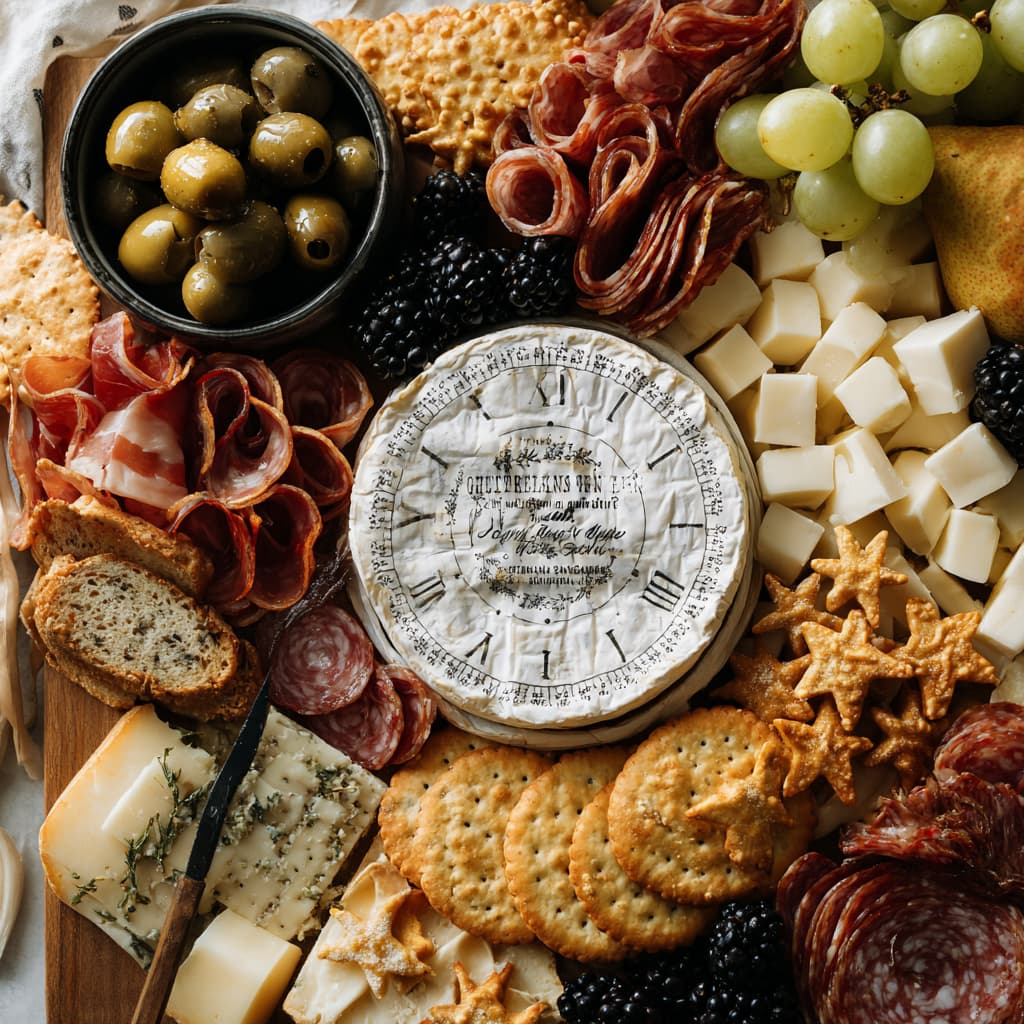
Festive Italian Antipasti Charcuterie Board
Ingredients
Method
- Place the camembert in the center of the board.
- Use a food-safe marker to draw a clock face, placing the hands to five-to-twelve.
- Slice the cheese into wedges for easy serving.
- Wrap a Styrofoam half-sphere in foil.
- Skewer individual items like folded salami, Castelvetrano olives, cherry tomatoes, and cheese cubes onto toothpicks.
- Arrange the skewers diagonally on the foil sphere, alternating colors for a visual appeal.
- Arrange the cheese in one lane, salami in another, fruits in another, and crackers/grissini in a fourth lane.
- Repeat this pattern around the camembert clock.
- Place olives in a small bowl to protect nearby cheese.
- Add honeycomb for gloss and sweetness.
- Stack crackers and place thin slices of salami between wedges of cheese.
- Use fruit slices like pear and citrus to break up areas of beige.
- Add height with stacked crackers or extra cheeses.
- Fill any empty spots with nuts like pistachios and almonds, or cherry tomatoes.
- Optionally, add sweets like Ferrero Rocher or pirouettes in a corner.
- Serve the board with wine or sparkling drinks for an elevated experience.
Notes
- Dietary Variations: For a gluten-free option, use gluten-free crackers. Vegetarian guests can enjoy the cheese, fruits, olives, and nuts. Kids can enjoy sweets, fruit, and milder cheeses.
- Make Ahead Tips: You can prepare the cheeses, fruit, and meats ahead of time (up to 4 hours before), but assemble the board shortly before serving for the freshest taste and texture.
- Wine Pairing: A dry sparkling wine, such as Prosecco, pairs beautifully with the salty and creamy elements.