
Jump to Recipe
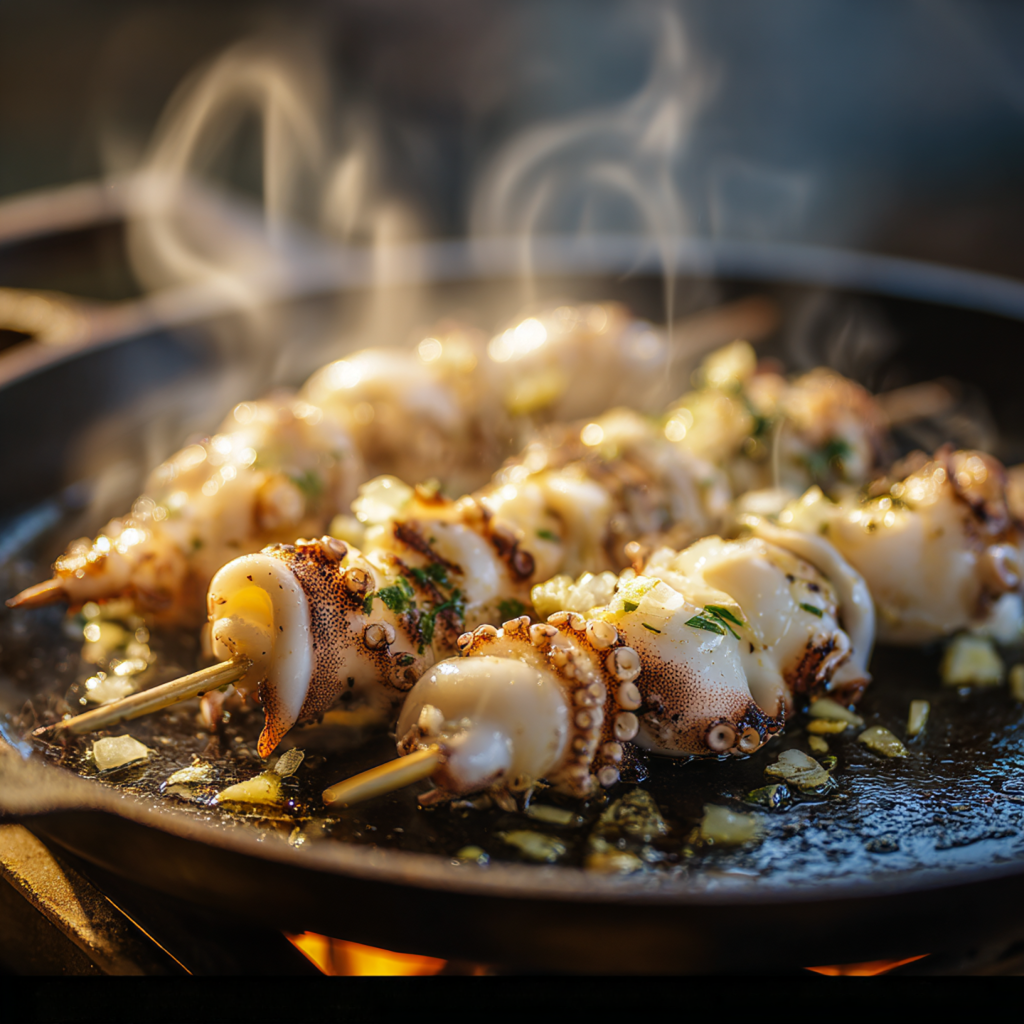
I learned this grilled calamari italian recipe standing at my grandmother’s counter while the whole house smelled of garlic and lemon. The first time you pull a hot skewer off the pan and smell the clean, briny steam, you’ll know why we keep it simple.
We use super-fresh fish and a quick olive oil and garlic herb marinade so the sea flavor shines. I skewer bodies and tentacles separately, cook over very high heat in a cast-iron pan or on charcoal, and press with a heavy skillet for even browning.
Timing is short—about four minutes on the first side and three on the second—so you watch texture more than the clock. Finish with extra-virgin olive oil, chopped parsley, and a squeeze of lemon. This dish serves as a bright starter or a light main, and it scales easily when you cook for a crowd.
Key Takeaways
- Use the freshest squid you can find for the best flavor and texture.
- Marinate briefly in olive oil, garlic, and herbs—less is more.
- High heat and short cooking preserve tenderness and sweetness.
- Skewer bodies and tentacles separately for even control.
- Finish with extra-virgin olive oil, parsley, and lemon right before serving.
- Watch for opaque flesh and light caramelization as your sensory cues.
What makes this family grilled calamari so special
This dish is the sum of small choices: a slick of oil, a quick sear, and steady hands. We treat the seafood gently so its natural sweetness stays front and center. A light marinade and very hot heat do most of the work.
We rely on extra-virgin olive oil, sliced garlic, thyme, salt, and hot red pepper flakes to season. Cast iron or a hot grill gets the outside just charred while the inside stays tender. Weighting with a heavy skillet helps create even browning.
Tentacles get their own turn on the heat. They usually need a touch more time to crisp at the tips without overcooking the tubes. I explain simple cues for doneness by look and feel so you watch the seafood, not the clock.
- Fresh squid, minimal aromatics, and short sear times keep texture right.
- Finish with chopped parsley, a squeeze of lemon, and another drizzle of oil.
- These tiny choices add up to a dish that tastes like family summer nights.
Choose the right squid and the tools that make it effortless
At the fish counter I talk to the vendor like an old friend, learning how to spot truly fresh squid by feel and smell. Fresh squid and calamari should be cooked as soon as possible for the best aroma and texture.
Look for a clean ocean scent, glossy flesh, clear eyes, and firmness. Whole squid gives you tubes and tentacles; ask the fishmonger to clean them if you want to save time.
Fresh vs. frozen: thawing and prep
If you buy frozen, thaw fully in the fridge or in a cold water bath. Never microwave-thaw; partial ice crystals steam the surface and weaken browning.
Pat the squid very dry before seasoning. Moisture blocks caramelization and adds time on the heat, which can steal tenderness.
Gear that makes cooking simple
- Very hot grill or a heavy cast-iron pan for quick sear and color.
- Sturdy skewers and a heavy skillet or weight to press tubes flat for even contact.
- A sharp knife for slicing tubes into rings or scoring, and a clean towel to pat dry.
| Choice | What to watch for | Benefit | Tip |
|---|---|---|---|
| Fresh squid | Ocean scent, firm flesh, bright eyes | Best aroma and texture | Cook same day for peak flavor |
| Frozen squid | Solidly frozen, no freezer burn | Tender when fully thawed | Thaw in fridge or cold water; pat dry |
| Whole vs. cleaned | Tubes and tentacles present vs. prepped | Whole offers flexibility; cleaned saves time | Ask fishmonger to clean if unsure |
| Tools | Hot grill or pan, skewers, weight | Fast, even browning with short cook times | High heat and flat contact are essential |
Ingredients and simple swaps that stay true to Italy
For this dish I trust a few strong ingredients that let the sea flavor sing. Use them as a base, then tweak herbs and heat to suit your table.
The essentials
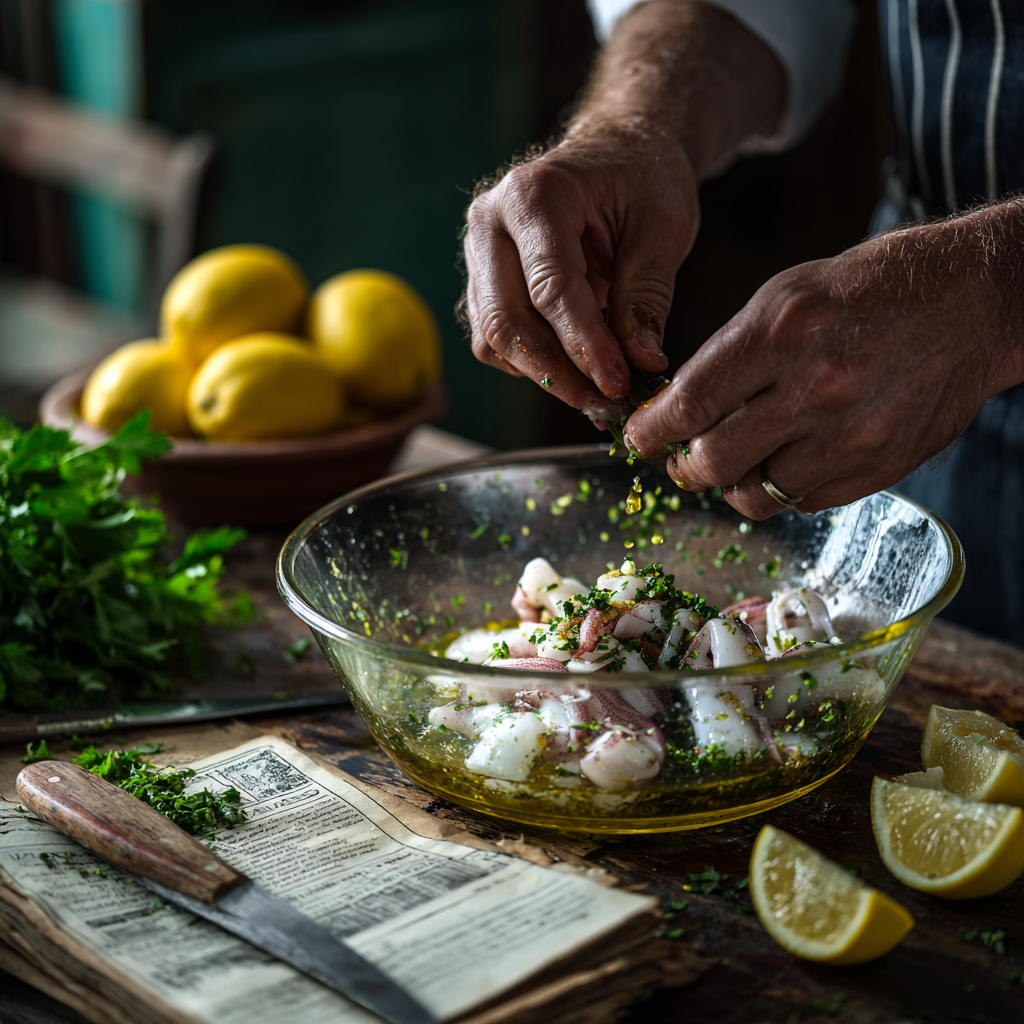
In a large bowl combine calamari or squid with 3 tablespoons extra-virgin olive oil, 2 cloves sliced garlic, a teaspoon fresh thyme, a pinch of salt, and red pepper flakes to taste. Marinate about 1 hour or up to overnight for deeper flavor.
Finish with chopped parsley and a light squeeze of lemon juice right before serving. Tentacles and tubes together give texture and great browning when pressed flat.
Smart substitutions
- Swap thyme for oregano if you want a lemon-oregano finish.
- Adjust pepper heat with less red pepper flakes or a pinch of sweet paprika.
- For other seafood, use shrimp or scallops—reduce time on the heat accordingly.
- Taste as you go; tablespoon and teaspoon cues are guides because olive intensity varies.
| Item | Classic amount | Swap | Why |
|---|---|---|---|
| Extra-virgin olive oil | 3 tablespoons | Light olive oil | Maintains mouthfeel with milder flavor |
| Garlic | 2 cloves, sliced | Garlic powder (½ tsp) | Quick option when fresh is unavailable |
| Thyme | 1 teaspoon | Oregano (1 tsp) | Oregano gives a brighter, Greek-leaning note |
| Lemon | Finish with juice of ½ lemon | Vinegar (1 tsp) in dressings | Preserves brightness if lemons are out of season |
Prep like a pro: clean, dry, and marinate for flavor and tenderness
Before the pan heats, the true work is done at the sink and in the bowl beside you. I want you to feel confident about what to remove and how to trim so the seafood cooks evenly and stays tender.
Cleaning and trimming: tubes vs. tentacles, rings, and scoring tips
Ask your fishmonger to clean whole squid if you can. Then separate tubes and tentacles, remove any cartilage, and decide: keep tubes whole, slice into rings, or score them in a shallow criss-cross so they curl and sear.
Pat dry, then score or skewer for even browning
Pat everything bone-dry. Make sure no surface moisture remains — wet flesh steams and won’t caramelize.
Skewer bodies and tentacles separately. That gives you control over time on the heat and helps pull tentacles off when they crisp at the tips.
The marinade: olive oil, garlic, thyme or oregano, chili, and salt
Place the trimmed pieces in a bowl and toss with olive oil and a light coating of aromatics. Add sliced cloves garlic, a pinch of salt, a touch of pepper, and a teaspoon of chili flakes if you like heat.
A teaspoon of fresh thyme or oregano keeps the flavor bright. For a light marinade, coat and chill for at least 1 hour or up to overnight so tenderness and flavor develop without being overwhelmed.
- I break down cleaning for clear prep time: separating tubes and tentacles and trimming for neat cooking.
- Light coats of olive oil1 and aromatics cling without masking the sea flavor.
| Item | Prep detail | Why it matters |
|---|---|---|
| Tubes | Whole, rings, or scored | Controls texture and surface contact |
| Tentacles | Separate skewers | Pull when tips crisp for best bite |
| Marinade | Olive oil, garlic, herbs, salt | Short time seasons without softening |
Grilled calamari Italian recipe: the fast, hot cooking method
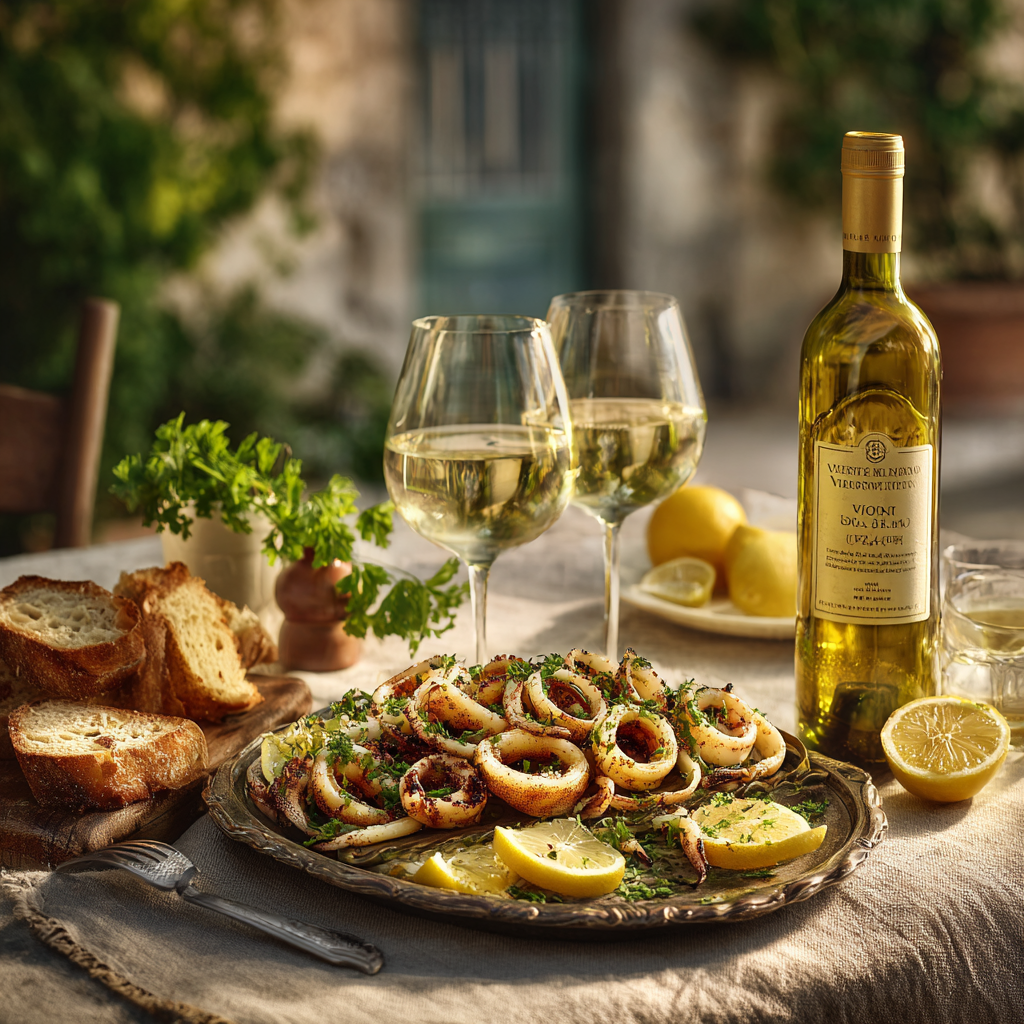
A hot surface and quick hands make all the difference when you want tender seafood with a crisp kiss. Follow clear steps and trust visual cues more than the clock.
On the grill: high heat, weight it down, and don’t crowd
Preheat the grill until the grates are very hot. Lay skewered pieces across and set a heavy skillet on top to press tubes flat. Don’t crowd the grates; loss of heat lengthens cooking time and toughens the flesh.
Cast-iron or griddle method for flawless sear indoors
Heat a cast-iron pan or griddle until a drop of water dances. Use a little oil to prevent sticking but keep it minimal so the surface browns instead of steams. Press with weight and flip once for even contact.
Oven/broiler backup when you can’t grill outside
If you must use the broiler, place squid on a preheated gridded pan close to the element. Watch color closely and work in small batches to maintain blast heat.
Timing cues: opaque white, golden edges, and minutes per side
- Start about 4 minutes on the first side, then ~3 minutes on the second; adjust by size.
- Look for opaque white flesh, lightly golden edges, and a springy resistance to know it’s done.
- Finish on the board with a light brush of olive oil and a squeeze of lemon to lift the sear.
| Method | Heat cue | Typical minutes |
|---|---|---|
| Charcoal grill | Coals white and hot | 4 first side / 3 second side |
| Cast-iron pan | Drop of water dances | 4 first side / 3 second side |
| Broiler | Element glowing | About 4 minutes per side |
Finish with lemon and parsley, then serve immediately
Finish at the table with a clean squeeze of lemon and a scatter of bright parsley. I keep the end simple so the seafood stays tender and the aromatics pop.
The classic drizzle: extra-virgin olive oil, lemon juice, and chopped parsley
After the pan, drizzle extra-virgin olive oil over the pieces and sprinkle chopped parsley right away. For more lift, whisk a spoon of lemon juice with a little oil and spoon it over the top.
Toss briefly in a warm bowl so the dressings cling and the texture stays lively. Add a pinch of salt or a touch more juice if it needs a brightness boost.
How to plate it: appetizers, on salads, with pasta or rice
- Toss the grilled calamari in a warm bowl with oil, parsley, and a thread of lemon juice for balance.
- Serve immediately so the bite stays tender and the garlic and oil smell vivid; set extra lemon wedges at the side.
- Plate as an appetizer, top a peppery salad for a light main, or spoon over warm pasta or rice with a little cooking water and olive for a glossy finish.
No rubbery squid: cooking science, safety, and quick fixes
Tenderness is a simple science: either blast heat for moments or simmer low and slow until the flesh relaxes. I prefer very high heat and very short time for most pieces. The alternate path is a long braise of 30 minutes or more for a fall-apart result.
The tenderness rules
Dry the squid thoroughly before it hits the pan. Moisture steals contact and lengthens cooking time, which tightens proteins into chewiness.
Use a ripping-hot pan or grill and trust minutes side as a guide, not a strict rule. Flip once and finish with a squeeze of lemon and a quick drizzle of olive oil1.
When to add garlic, onions, and lemon
Add garlic late or keep it in the marinade and wipe off before searing to avoid burning. Onions can go earlier if you want them softened. Lemon belongs at the end—acid will start “cooking” the flesh if added too soon.
Leftovers and reheating
Store chilled in an airtight container for up to two days. Reheat quickly over a hot grill or in a hot pan for under a minute per side to avoid toughness.
- Season lightly with salt and pepper; you can always add more after tasting.
- If you crave crunch, save it for fried calamari as a separate treat.
| Issue | Cause | Quick fix | Timing cue |
|---|---|---|---|
| Tough, rubbery flesh | In-between heat or too long | Use very high heat for short time or braise 30+ minutes | Opaque, golden edges; springy texture |
| Scorched garlic | Added too early at high heat | Add garlic near the end or keep in marinade | Golden, not blackened cloves |
| Weeping moisture | Not fully dried | Pat dry; raise heat and press for contact | Quick browning within minutes |
A family table moment worth savoring
There’s a small joy in watching tubes and rings come off the heat and into eager hands. A few minutes on a hot pan or grill and the squid turns opaque, golden at the edges, and ready to eat.
After marinating and patting dry, cook hot and fast—about 4 minutes on the first side and 3 on the second as a guide. Press for even browning and use the broiler if you can’t grill outside; it mimics the high heat well.
Finish simply: a drizzle of olive oil, a squeeze of lemon juice, and a scatter of parsley. Serve immediately so the seafood stays tender and the flavors stay bright. This is our way to gather, taste, and remember.
Grilled Calamari (Italian Style)
Ingredients
Method
- Ask your fishmonger to clean the squid or do it yourself. Separate tubes and tentacles, remove the quill and membrane, and pat completely dry with paper towels.
- In a large bowl, mix olive oil, garlic, thyme (or oregano), red pepper flakes, salt, and pepper. Add the squid and toss to coat. Cover and marinate for 1 hour in the fridge (or overnight for deeper flavor).
- Heat a charcoal grill or a cast-iron skillet until it’s very hot. You want the surface to smoke slightly when oil touches it.
- Skewer bodies and tentacles separately for even cooking. Lightly oil the grill grates or pan. Place the skewers on the hot surface and press gently with a heavy skillet for even browning.
- Cook for about 4 minutes on the first side, then flip and cook 3 minutes on the second side. The squid should turn opaque white with light golden edges.
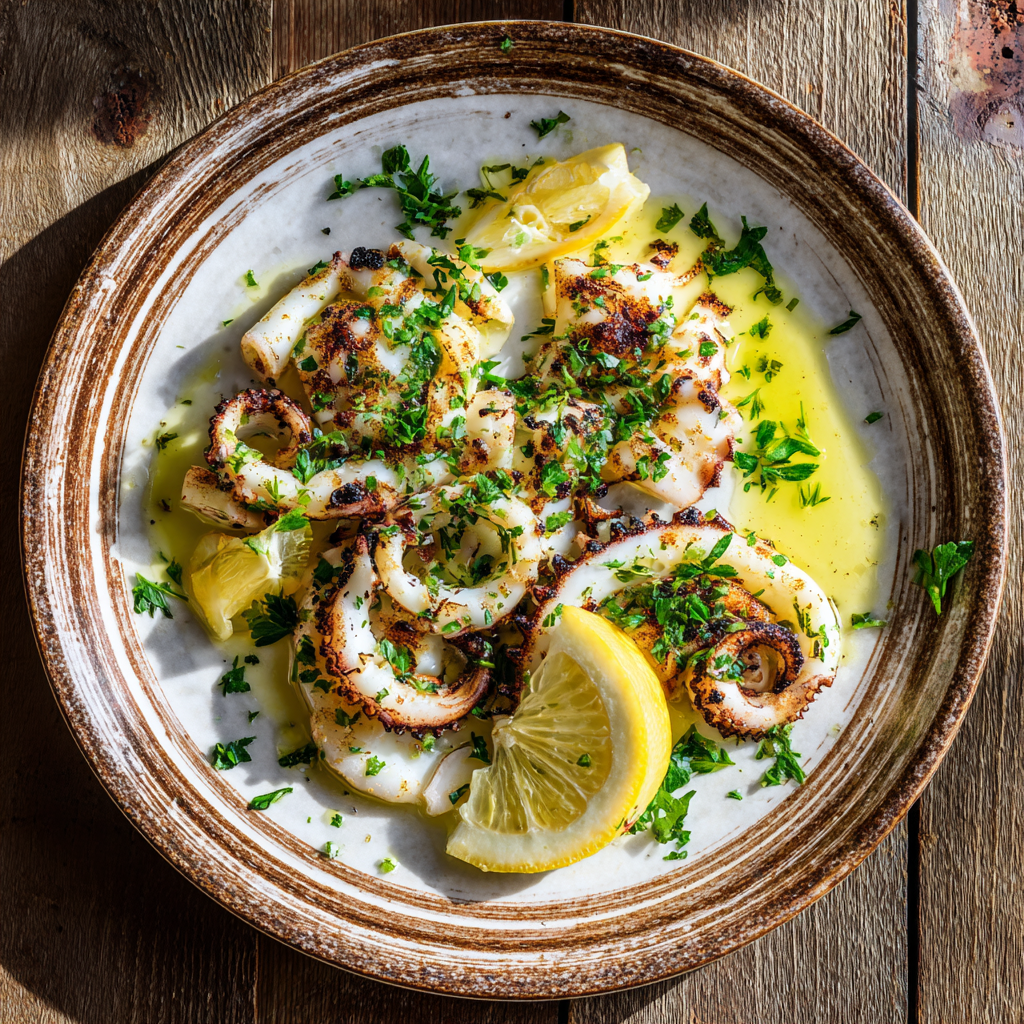
- Transfer to a platter. Drizzle with olive oil, squeeze lemon juice over the top, and sprinkle chopped parsley. Serve immediately while hot and tender.
Notes
- Always pat the squid completely dry before cooking—moisture prevents caramelization.
- Don’t overcook! Watch for opaque flesh and golden edges—about 3–4 minutes per side max.
- Add garlic to the marinade only; direct heat will burn it.
- Serve immediately for best texture. Reheat briefly over high heat if needed, but don’t overdo it or it’ll get chewy.