
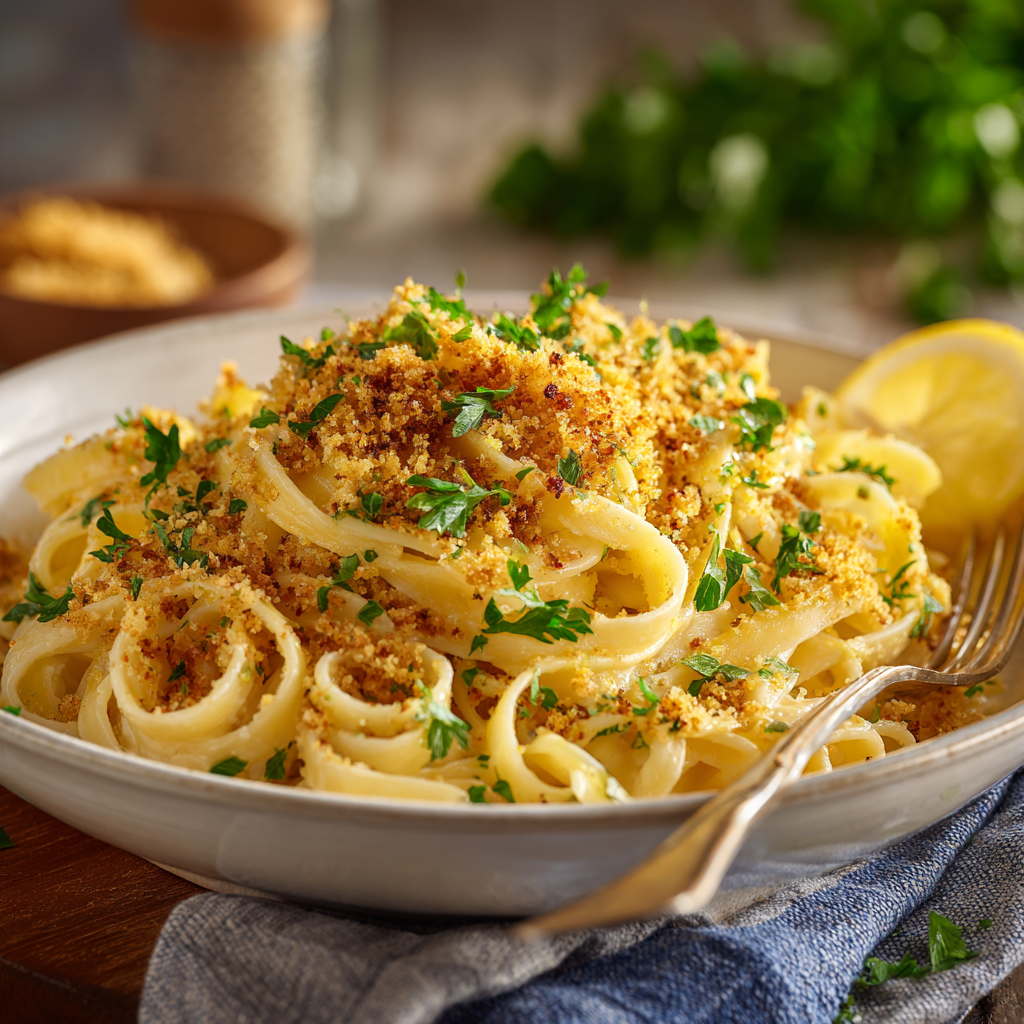
Jump to Recipe
I grew up watching the anchovy butter melt into golden pools and smell like the kind of savory memory that hugs you warm. My goal is to stand beside you at the stove, sharing clear steps that turn simple ingredients into a glossy sauce that clings to every strand.
We use less water on purpose so the starchy cooking liquid helps the emulsion—tossing the noodles in the skillet lets the finish become silky and bright. A squeeze of lemon, a touch of zest, and toasted crumbs add lift and crunch; quality anchovies and fresh butter make that clean, nuanced finish you can taste in every bite.
This method is weeknight-friendly yet feels special, and I’ll walk you through timing, the anchovy range (8–12 fillets), and the small tricks that keep dinner on time and delicious tonight.
Key Takeaways
- Melting anchovies into butter creates the savory base for a glossy, clingy sauce.
- Cook in less water so starchy pasta water helps emulsify and shine the sauce.
- Use 8–12 anchovy fillets to match your taste; save a bit of butter for the finish.
- Finish with lemon, zest, parsley, and toasted breadcrumbs for balance and texture.
- Wide skillet, large pot, tongs, and a zester are the small tools that make big differences.
Why this anchovy butter pasta wins on weeknights and for nostalgia
I reach for this anchovy butter pasta when I want food that comforts fast and tastes rooted in tradition.
The method takes only minutes and uses pantry staples, so it becomes a reliable weeknight dinner. Melt the butter, dissolve the anchovies, cook the pasta in less water so the starchy liquid helps form an emulsion, then finish the noodles right in the pan for a glossy, clingy pasta sauce.
An off-heat stir of remaining butter plus lemon zest and juice brightens and stabilizes the finish. Toasted breadcrumbs and chopped parsley add crunch and lift so the dish never feels heavy.
- Fast: ready in minutes and easy to scale for one or many.
- Savory core: the anchovy-butter base gives deep, old-world umami.
- Forgiving: the technique lets you chat, set the table, and still serve on time.
This is comfort food that honors tradition and returns a glossy, modern finish to a simple sauce.
Ingredients that make the sauce sing, and how to choose quality
Start by choosing the few ingredients that carry the most flavor; they will do the heavy lifting.
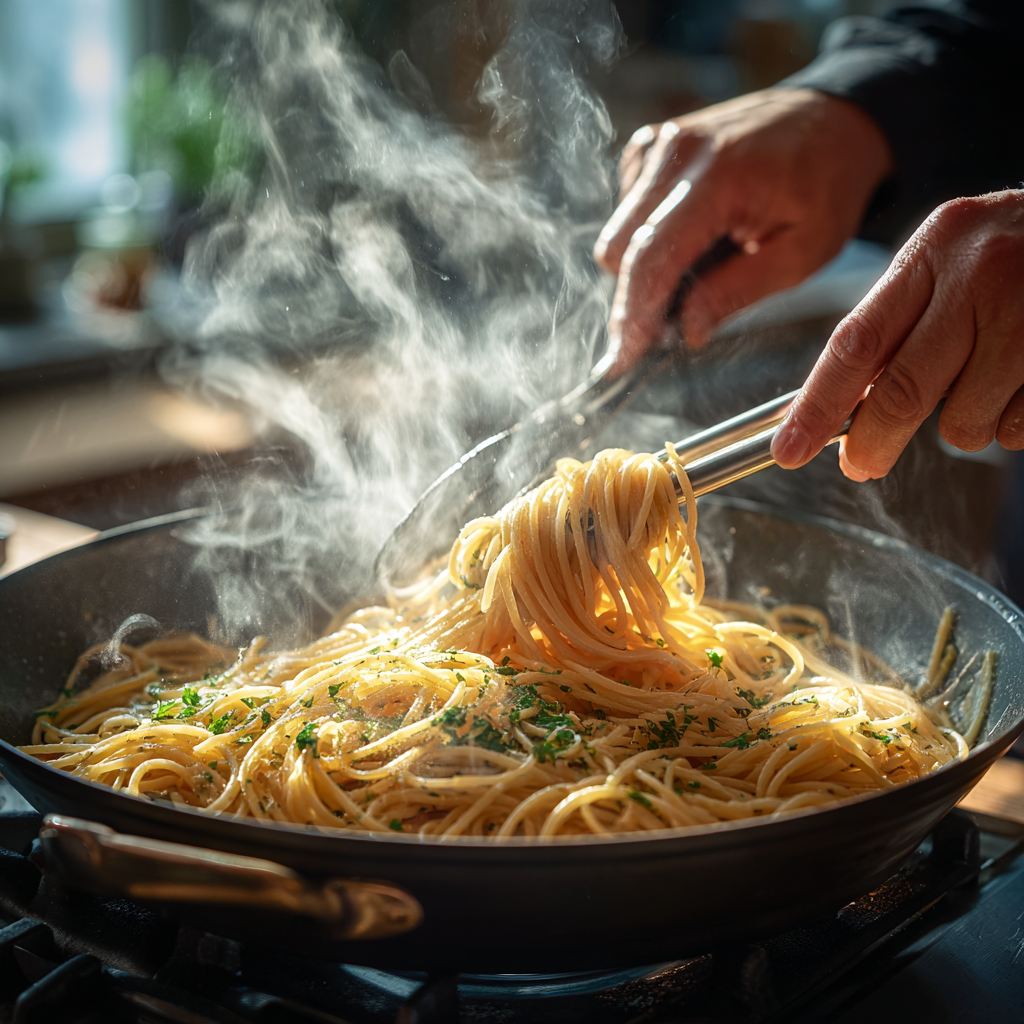
Anchovies: salt-packed or oil-packed?
I favor oil-packed anchovies for ease and a clean, balanced flavor. Brands like Cento or Ortiz are reliable and easy to find in the U.S.
Salt-packed work well too; rinse and fillet to tame intensity. Use 8 fillets for a gentle whisper, 10 for balance, or 12 for a bold character.
Butter matters
Use 4 oz unsalted butter so you can control salt. Reserve a couple tablespoons off heat for a glossy finish.
Shape and texture
Long shapes—spaghetti, spaghettoni, or bucatini—give the best cling. Use 12 oz dried pasta for this quantity.
Bright and crunchy finishes
Lemon zest and a squeeze of juice lift the richness. Fresh parsley adds green snap. Toasted breadcrumbs bring needed crunch.
Optional boosters: a little olive oil, chopped capers, gentle garlic, or a splash of chile oil for heat.
| Ingredient | Why it matters | Practical tip |
|---|---|---|
| Anchovies (oil-packed) | Clean umami, easy to dissolve | Use Cento or Ortiz; 8–12 fillets |
| Unsalted butter | Controls salt and yields shine | 4 oz total; reserve 2 tbsp for finish |
| Long dried shapes | Surface for glossy sauce | 12 oz spaghetti or bucatini |
| Finishes | Balance and texture | Lemon zest, parsley, toasted crumbs |
Step-by-step: from melting anchovies to glossy, emulsified pasta
This is the moment where heat, time, and a mug of starchy water turn simple ingredients into shine. Follow each step so texture and flavor fall into place.
Melt and dissolve
Melt 3 oz butter over medium-low. Add 8–12 fillets and stir with a wooden spoon until the anchovies cook down and vanish into the fat, about four minutes.
Boil and reserve water
Bring ~3 quarts of salted water to a boil and add spaghetti. Stir early to prevent sticking. After five minutes, ladle one cup of pasta water into the skillet and boil for 1–2 minutes to start the emulsion.
Finish in the pan
Transfer noodles a few minutes shy of pasta ready into the pan. Toss and finish for 2–3 minutes, adding more pasta water in 1/4-cup splashes to keep the sauce loose and glossy.
Off-heat finish and serve
Take the pan off the heat, add the remaining 2 tbsp butter, lemon zest and a squeeze of juice, and toss until silky. Top with toasted breadcrumbs and chopped parsley, then plate immediately so the gloss and crunch stay perfect.
- Melt gently to preserve a blond, nutty scent.
- Keep heat modest so the emulsion forms without breaking.
- Use tongs to add noodles and let them drink the sauce as they finish.
- Finish off heat to stabilize shine and bright citrus notes.
| Step | Why it matters | Timing / Tip |
|---|---|---|
| Melt and dissolve | Creates a smooth flavored fat base | 3 oz over medium-low; stir 4 minutes |
| Reserve pasta water | Starch thickens and loosens the sauce | Use ~1 cup after 5 minutes; add more in 1/4-cup |
| Finish in pan | Noodles absorb sauce and gain gloss | Finish 2–3 minutes; toss often with tongs |
| Off-heat finish | Butter and citrus stabilize emulsion | Add 2 tbsp, zest and juice, then serve |
pasta with anchovy butter recipe: precise timings, yields, and tools
Plan your evening: short prep, steady heat, and a quick finish in the pan. I set clear expectations so you can time the cooking and enjoy the table.
Prep, cook, and total time at a glance
- Prep time: 5 minutes. Gather ingredients and zest the lemon.
- Active stove minutes: about 20. That covers melting, dissolving, and finishing.
- Total time: ~30 minutes. Add extra minutes if you toast breadcrumbs from scratch.
- Use 12 oz of dried pasta to yield a generous main for four.
Essential equipment and why each matters
- Wide-bottomed pot — keeps a rolling boil steady for cooking pasta evenly.
- Large skillet or pan — gives room for the sauce to emulsify as you add pasta.
- Tongs — move noodles without over-draining so the emulsion holds.
- Mug for pasta water — collect that starchy liquid to loosen and gloss the sauce.
- Zester and a sturdy spoon — finish with bright citrus and stir without breaking strands.
| Item | Amount | Why it matters |
|---|---|---|
| Long dried noodles | 12 oz | Surface for the sauce to cling and carry flavor |
| Butter | 4 oz (divide) | Most melts early; reserve two tablespoons to finish glossy |
| Anchovies | 8–12 fillets | Gives savory backbone without overpowering |
You’ll know the pasta ready moment by taste: just-set chew before you add pasta to the pan, then finish it there for perfect texture and shine.
Dial the anchovy flavor to your crowd
I like to set the tone at the stove by choosing a firm range for anchovy flavor so the table matches the mood. Taste as you go and pick a level that suits your guests.
8 fillets: subtle, Caesar-level umami
For newcomers, 8 fillets give background savor. The anchovies add depth without announcing themselves. It keeps the dish gentle and crowd-friendly.
10 fillets: unmistakable but balanced
Ten is where the flavor becomes clear. You will notice a savory lift in the sauce, but it stays well balanced. This is my go-to for family dinners.
12 fillets: for true ’chovy lovers
Twelve turns the fat into a bold, layered anchovy butter that thrills fans. Watch salinity: adjust finishing butter, lemon, or a splash of pasta water.
- Rinse salt-packed fillets and pat dry to control salt.
- Taste the sauce before adding noodles so you can tweak acidity or water.
- A scatter of parsley brightens stronger versions and keeps the plate lively.
Smart variations and substitutions without losing the soul of the dish
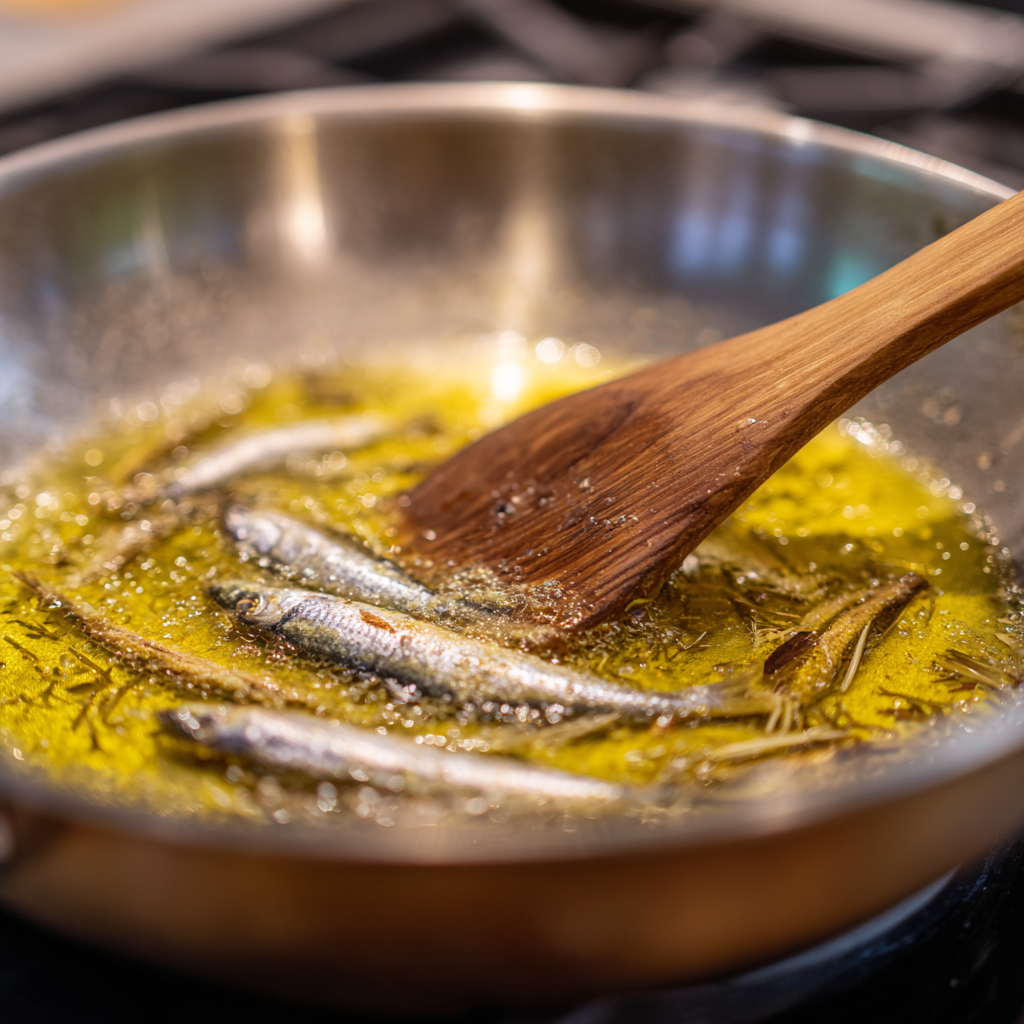
A few thoughtful substitutions let you adapt this family favorite without losing its heart. I test these swaps at home and share what changes in texture and flavor so you can choose with confidence.
No anchovies? Savory alternatives for allergies and preferences
If fish is off the table, sautéed mushrooms or a handful of capers bring savory depth. A few dashes of Worcestershire or soy add umami when needed.
Butter vs. extra-virgin olive oil: what changes in the sauce texture
Butter gives a creamy, silky cling. Switch to extra-virgin olive oil and the sauce becomes lighter and more aromatic. Both work—expect a looser finish with oil.
Gluten-free swaps for pasta and breadcrumbs
Use long gluten-free noodles and pulse GF bread into crumbs. Toast them in a dry skillet for minutes to get the same crunch and warmth.
Heat and brightness: Calabrian chile oil, capers, garlic, and zest
A drizzle of Calabrian chile oil adds heat and brightness. A gentle bloom of garlic in the fat deepens flavor. Finish with lemon zest and parsley so the plate stays lively.
- Keep the cooking pasta sauce technique the same: emulsify with starchy water and finish in the pan.
- Fold in small amounts of grated Pecorino off heat for extra savor without breaking the gloss.
| Swap | Effect on texture | Taste change | Quick tip |
|---|---|---|---|
| Mushrooms or capers | Meaty or briny bite | Savory depth without fish | Sauté mushrooms; rinse capers if salty |
| Extra-virgin olive oil | Looser, lighter sauce | Olive aroma, less cream | Add oil off heat for sheen |
| Gluten-free noodles + crumbs | Similar mouthfeel if toasted | Neutral, keeps crunch | Toast crumbs in dry skillet for 3–4 minutes |
| Calabrian oil, garlic, Pecorino | Adds heat and savory lift | Bright, spicy, salty finish | Add chile oil and cheese off heat to taste |
Technique that delivers restaurant-level results at home
Small choices—less water, steady heat, a vigorous toss—change a good dinner into a great one.
Why starchy pasta water is your secret thickener
Using less water when you boil concentrates starch in the cooking liquid. That starchy pasta water binds fat and turns a slick into a cohesive sauce.
Reserve a cup early and add it in small splashes. The starch helps the emulsion hold and gives the strands a glossy coat.
Emulsion 101: how fat, water, and agitation create a creamy glaze
An emulsion forms when fat meets water under heat and motion. Tossing vigorously in the pan forces the two to marry into a silky glaze.
Melt butter and dissolve anchovies first, then boil a little pasta water into that fat for 1–2 minutes to start the body.
Finishing in the pan: al dente with sauce that actually clings
Add pasta just shy of done and finish in the pan for 2–3 minutes. The noodles absorb flavor while surface starch binds the sauce to each strand.
Troubleshooting: too salty, too tight, or too loose—quick fixes
- Too salty? Stir in pasta water and a bit more unsalted butter, then simmer briefly.
- Too tight? Loosen with measured splashes of hot water and keep tossing until silky.
- Too loose? Reduce over moderate heat while tossing; the emulsion will thicken as moisture evaporates.
| Issue | Likely cause | Quick fix |
|---|---|---|
| Sauce separates | Too hot or no agitation | Drop heat; toss steadily and add a splash of pasta water |
| Too salty | Too many anchovies or salted butter | Add water, a touch of unsalted butter, and taste |
| Too loose | Too much water added | Simmer gently while tossing to concentrate sauce |
| Dull finish | No off-heat fat or acid | Remove from heat, add reserved butter and lemon, then toss |
Serve it right: toppings, sides, and wine that complement anchovy butter
Finish carefully and the whole meal feels balanced, lively, and ready to share. I keep the final touches simple so every bite has contrast and lift.
Crunch and freshness: toasted breadcrumbs, parsley, and optional Pecorino
Shower the noodles with toasted breadcrumbs and generous chopped parsley. A little grated Pecorino can be offered at the table for those who want extra savory depth.
Add a touch of lemon zest and a squeeze of juice just before plating to brighten the sauce and keep the plate lively.
What to pair: lemony greens, roasted veg, seafood, and crisp whites
- Scatter a few chopped capers on top for a briny accent that plays well with anchovy butter.
- A whisper of garlic oil or Calabrian chile oil adds aroma and warm spice.
- Serve a lemon-dressed green salad or roasted asparagus to refresh the palate between bites.
- Seafood sides like shrimp or whole branzino echo the sea notes and make dinner feel festive.
- Choose crisp whites—pinot grigio or sauvignon blanc—to cut through richness and keep the meal bright.
- Plate on warm flat bowls so spaghetti stays glossy and supple from first forkful to last.
| Topping or Side | Why it helps | How to serve | Quick note |
|---|---|---|---|
| Toasted breadcrumbs | Adds crunch and texture | Sprinkle generously just before serving | Toast in olive oil until golden |
| Chopped parsley | Brings freshness and color | Scatter over the top right at the table | Use flat-leaf parsley for best aroma |
| Lemon zest & juice | Brightens and balances fat | Squeeze a little over each bowl | Keep extra wedges for guests |
| Roasted veg or lemony greens | Refreshes the palate between bites | Serve alongside as a simple side plate | Asparagus or broccolini work well |
A simple pot, a few minutes, and a tradition worth keeping
A single pot and twenty focused minutes can make a pasta dish that feels handed down. The method is quick, steady, and forgiving, so time at the stove turns into time at the table.
Classic burro e alici depends on melting anchovies into butter, finishing noodles in the pan, and brightening with lemon and parsley. These small moves create a glossy pasta sauce that scales easily for two or a larger group.
Keep notes as you repeat the recipes; mark your preferred anchovy level and lemon amount so the dish becomes your version of ours. Spaghetti is our standby, but any long shape that clings will do the job well.
I hope this recipe helps you cook with more ease and joy, so good food keeps being the way we care for one another.
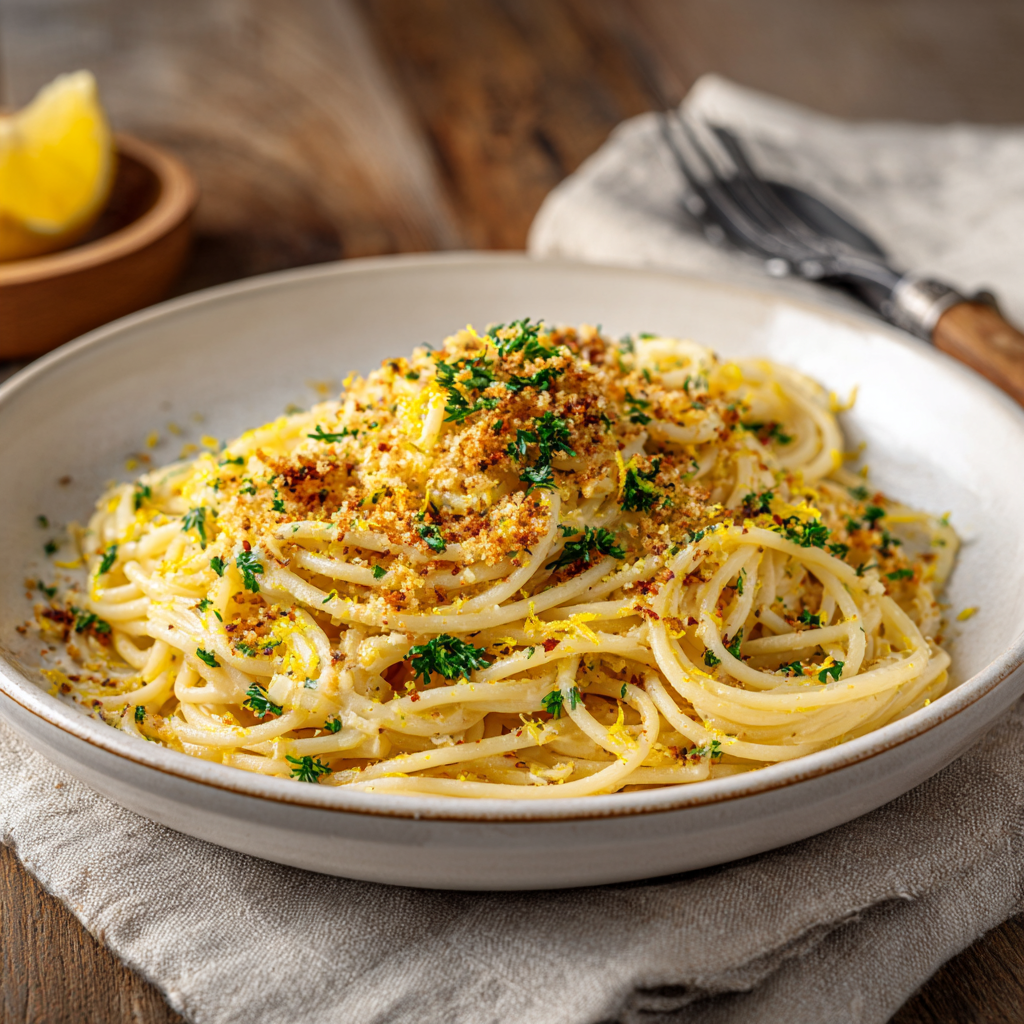
Pasta with Anchovy Butter (Burro e Alici)
Ingredients
Method
- Bring about 3 quarts of salted water to a boil. Zest and juice the lemon, chop parsley, and toast breadcrumbs until golden. Keep a mug ready for pasta water.
- In a large skillet, melt 3 oz butter over medium-low heat. Add 8–12 anchovy fillets and stir with a wooden spoon until they dissolve completely into the butter (about 4 minutes).
- Add pasta to boiling water. After 5 minutes, ladle about 1 cup of starchy pasta water into the skillet with the anchovy butter and let it simmer for 1–2 minutes.
- Transfer the pasta (just shy of al dente) directly into the skillet. Toss constantly for 2–3 minutes, adding more pasta water in small splashes until the sauce becomes glossy and coats every strand.
- Remove from heat. Add the remaining 2 tbsp butter, lemon zest, and a squeeze of juice. Toss until silky and shiny.
- Top with toasted breadcrumbs and chopped parsley. Add more lemon juice, a drizzle of olive oil, or grated Pecorino if you like. Serve right away while glossy and warm.
Notes
- Taste as you go—anchovy brands vary in saltiness.
- Use unsalted butter so you can adjust the salt balance easily.
- Always finish the pasta off the heat with butter and lemon; that’s what makes it glossy.
- Serve on warm plates so the sauce stays silky.
- Leftovers reheat best in a skillet with a little water and butter, not in the microwave.