
Jump to Recipe
I remember the warm, citrus-scented kitchen where my mother folded buttery dough with her hands, the radio murmuring in the background. The crumb was tender, the glaze crackled under pearl sugar, and serving it felt like passing a small, hopeful ritual from one table to the next.
This traditional Italian loaf carries the shape of a dove and a quiet history that ties family and festival together. It borrows the lightness of panettone but wears an almond-studded crown, making it both dessert and centerpiece for an italian easter table.
Practical notes guide the bake: start hot, lower the oven for even doneness, and aim for about 190°F internal temp. If you lack a specialty mold, a sturdy foil form or a loaf pan will still yield a lovely result that keeps well at room temperature or freezes for later.
Key Takeaways
- Warm citrus and almond notes define the classic flavor.
- The dove shape is symbolic; molds can be improvised.
- Bake hot first, then reduce heat; target 190°F internal temp.
- Almond glaze with pearl sugar gives a crunchy top.
- Stores 3–4 days at room temp; freezes 1–2 months.
- Stale slices make excellent French toast or pudding.
Why This Traditional Italian Easter Bread Belongs on Your Table
Across Italy, families set a dove-shaped loaf on the table to mark a season of renewal and warmth.
What makes it different from panettone
Both use an enriched dough scented with citrus and vanilla. Panettone rises tall and cylindrical, while the dove spreads into wings and a rounded body.
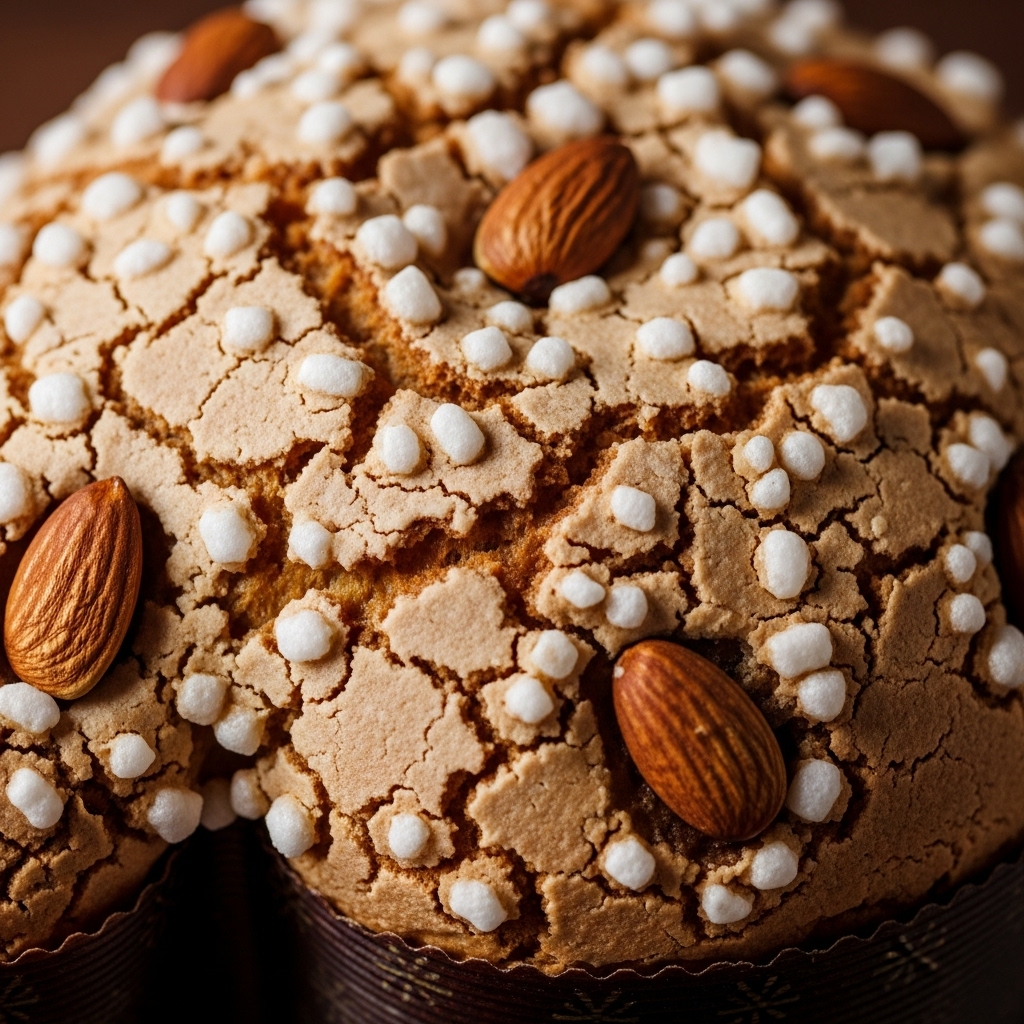
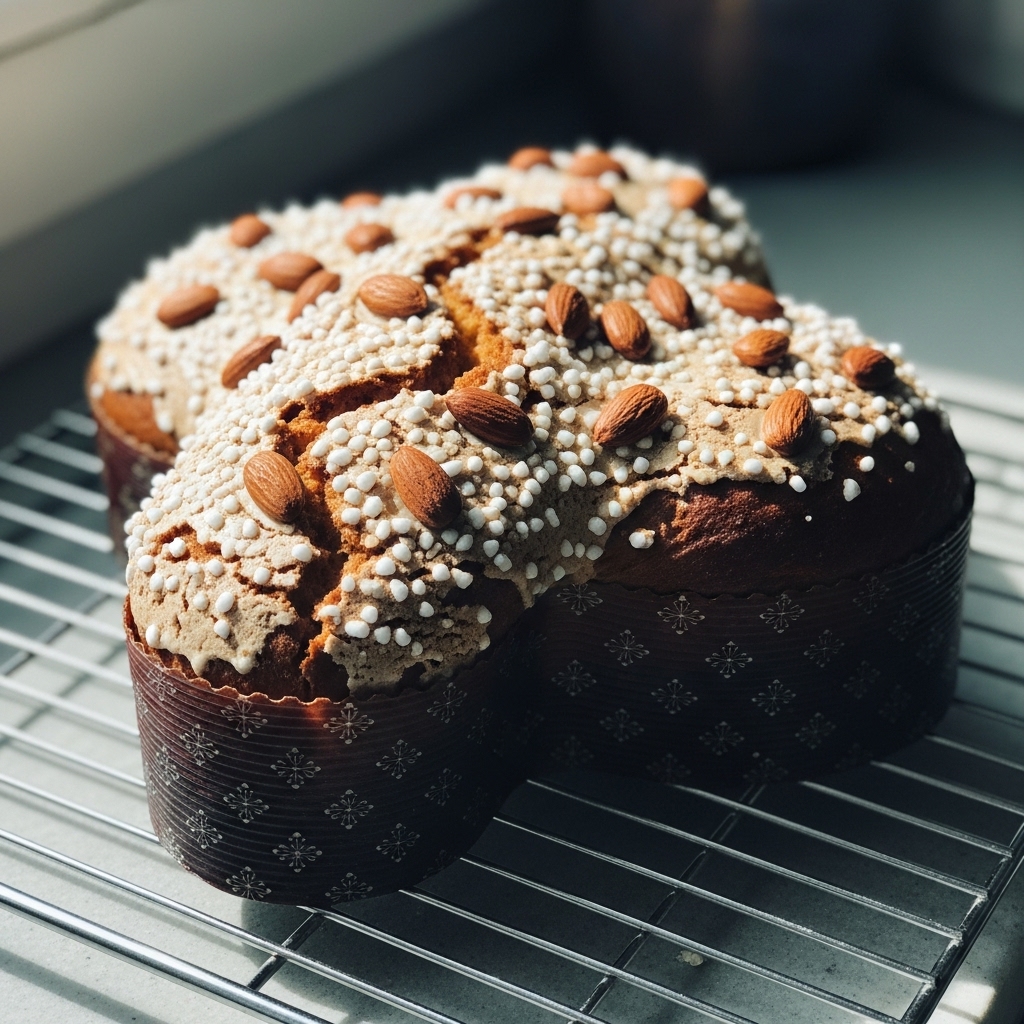
The classic finish here is an almond glaze studded with pearl sugar and whole almonds. That crunchy top is a clear contrast to panettone’s softer crust.
The dove shape as a symbol of peace and renewal
The dove symbolizes peace, the Holy Spirit, and rebirth. Legends from Lombardy tell of dove-shaped offerings and battlefield inspiration.
Commercial marketing in 1930s Milan helped this loaf travel from markets to household tables, making it a staple of springtime tradition.
- Flavor: bright orange zest, almonds, gentle sweetness.
- Serving: pairs well with coffee, prosecco, or light creams.
- Practical: travels well and keeps for days—great for gifting.
| Feature | Panettone | Colomba |
|---|---|---|
| Shape | Tall, dome | Cross-like with wings (dove) |
| Top finish | Soft, plain or glazed | Almond glaze, pearl sugar, whole almonds |
| Season | Christmas | Spring / italian easter |
colomba pasquale easter bread recipe
This loaf asks for time more than tricks: a starter, two kneads, and a long final proof. Expect most of the process to be resting and rising, not constant hands-on work.
At-a-glance: time, skill level, and yield
Starter: 1–6 hours or overnight. First rise: until the dough triples. Final proof: 2–4 hours. Bake: start at 350°F (175°C), then reduce to 325°F (160–165°C). Aim for an internal temperature near 190°F (88°C).
Core flavors
Orange zest and a touch of vanilla lead. Optional candied fruit or dark chocolate add contrast. The topping mixes egg white with almond paste and finishes with pearl sugar and whole almonds.
- Skill level: intermediate — sticky enriched dough handling is needed.
- Hands-on minutes: moderate; most minutes are passive rising time.
- Yield: one large loaf in a paper mold or a high-sided pan.
| Stage | Approximate minutes | Purpose |
|---|---|---|
| Starter | 60–360 minutes | Build flavor and activate yeast |
| First knead & rise | 90–180 minutes | Develop gluten and structure |
| Final proof | 120–240 minutes | Allow enriched dough to relax and expand |
| Bake & cool | 60–90 minutes | Set crumb and reach 190°F internal |
Ingredients and Smart Substitutions
Selecting the right flour and fats sets the stage for a tender, aromatic spring loaf. Quality matters more than fanciness: fresh pantry staples lift the final bake.
Basics: flour, yeast, eggs, sugar, butter, and salt
All-purpose flour works beautifully for a soft crumb. Use bread flour if you want more chew and structure.
Active dry yeast is classic; instant or bread-machine yeast is fine too. Hydrate or follow packet directions and watch the rise, not the clock.
- Eggs and unsalted butter provide richness—European-style butter gives extra aroma.
- Use measured sugar to feed yeast and sweeten without making the loaf cakey.
- Salt sharpens flavor and keeps fermentation in check—measure carefully.
Citrus and aromatics
Fresh orange peel and a little lemon zest define the bright notes. If you like, swap Fiori di Sicilia for vanilla extract plus a dash of orange extract for a similar floral-citrus lift.
Fill-ins and toppings
Traditional fill-ins include candied orange, raisins, or chocolate chips; you can omit them for a pure citrus profile.
The almond glaze blends egg white, sugar, and almond meal. Pearl sugar is ideal; coarse sugar works as a homemade nib-sugar alternative.
| Ingredient | Choice | Why it matters |
|---|---|---|
| Flour | All-purpose or bread | Controls tenderness vs. chew |
| Yeast | Active dry or instant | Timing and rise reliability |
| Fat | Unsalted/European butter | Flavor and soft crumb |
These choices keep the loaf true to italian easter tradition while giving practical swaps for home bakers following this recipe.
Tools, Molds, and Setup for Success
A clear counter, a warm room, and a few good tools make this loaf come alive. With the right setup you spend less nervous time and more joyful time watching the dough rise.
Stand mixer or hands: choose what fits your kitchen
A stand mixer with a dough hook tames sticky enriched dough quickly and saves your wrists. If you prefer hand kneading, plan for a longer workout; gloves help with the tacky texture.
Use a sturdy mixing bowl that leaves space for expansion. Cover the bowl to hold humidity and let the starter and main rise at steady room temperature.
Molds and simple DIY alternatives
Disposable dove molds are traditional. If you can’t find one, a high-sided cake pan or loaf pan works well. For a shaped result, fold heavy-duty foil into a dove outline and clip it into place.
- Lightly grease molds or line them so the loaf releases cleanly.
- Oil or wet your hands to handle sticky dough instead of adding flour; only add flour sparingly.
- Preheat the oven and place racks so the top is centered for even browning.
- Keep a digital thermometer and cooling racks nearby to finish with confidence.
| Tool | Why it helps | Alternative |
|---|---|---|
| Stand mixer | Makes sticky dough manageable and consistent | Hand kneading (longer time, gloves recommended) |
| Dove paper mold | Traditional shape and even bake | High-sided cake pan or loaf pan |
| Heavy-duty foil | Easy DIY form that holds shape | Folded strips clipped together |
| Digital thermometer | Confirms doneness without guesswork | Firm touch test and visual cues |
Prepare ingredients and tools before you start. A calm, organized approach keeps the process true to italian easter tradition while letting you enjoy every step.
Step-by-Step: From Starter to Soft, Fluffy Loaf
Start with a lively starter: warm liquid, a spoon of honey, and a patient watch as it swells. Hydrate the yeast in 95–105°F liquid and rest 1–6 hours or overnight until it triples and smells mildly yeasty.
Make the starter
Combine lukewarm milk or water with honey or sugar and the yeast in a small bowl. Cover and leave until foamy; this proves the yeast is active and builds flavor.
First kneading
In a roomy bowl mix flour, starter, sugar, and salt. Add milk and one egg, then knead until cohesive. Add butter in small pieces, kneading until the dough is smooth and slightly tacky. Expect 15–25 minutes of mixing by hand or 8–12 minutes in a mixer.
Second kneading and enrichments
After the first rise (dough should double or triple in bulk), fold it down and add more flour, another egg, and butter as needed. Knead until elastic and clear of the bowl sides. Work in orange peel and your chosen add-ins—candied fruit or chocolate chips—just until even.
Shape, proof, and final cues
Form a larger log for the body and a smaller crosswise log for wings, or fit into a loaf or high-sided cake pan. Proof 120–240 minutes in a warm, draft-free spot until doubled. The dough should feel stretchy and spring back slowly when lightly pressed.
- Handle the dough with oiled hands to avoid adding flour and losing tenderness.
- Use a fingertip dent test: it should fill in slowly when ready to bake.
- Note rise minutes and room temp for next time—those notes are your best pro tip.
| Stage | Temp / Feel | Approx. minutes |
|---|---|---|
| Starter activation | 95–105°F, foamy and fragrant | 60–360 minutes |
| First knead & bulk rise | Smooth, tacky, then doubled/tripled | 90–180 minutes (knead 8–25 min) |
| Second knead & proof | Elastic, stretchy, clears bowl sides | 120–240 minutes |
Almond Glaze and Sugar Topping That Bake Up Shiny and Crunchy
A well-made glaze gives a glossy shell that contrasts the soft crumb inside. I like to be exact so the top bakes shiny yet crisp without collapsing the rise.
Mixing the glaze
Whisk one large egg white until frothy, then add 3 tablespoons granulated sugar and 50 g (about 1/2 cup) almond meal. If you want extra hold, stir in 1 tsp cornstarch. The texture should be thick but brushable.
Application and finishing
Gently brush the fully proofed loaf once, using light strokes to avoid deflating it. Scatter Belgian or Swedish pearl sugar generously across the top so you get sugar-candy crunch that stays visible after baking.
- Press 6–8 whole almonds into the glaze along the top to toast and adhere.
- If you prefer, dust a little powdered sugar after cooling for a bakery look.
- Watch the color; tent with foil if the top browns too fast.
| Component | Amount | Effect |
|---|---|---|
| Egg white | 1 large | Gives shine and binds almond meal |
| Sugar | 3 tbsp (plus pearl sugar to scatter) | Sweetens and caramelizes for crunch |
| Almond meal | 50 g / 1/2 cup | Adds nutty flavor and structure to the glaze |
| Pearl sugar | As needed to cover top | Creates crisp, visible pearls after baking |
Oven Time: Temperatures, Doneness, and Cooling
Preheating the oven correctly gives this loaf its first deep lift and a confident crust. Start hot so the structure of the dough sets, then lower the heat to finish the interior without burning the top.
Bake temperatures and timing
Preheat to 350°F (175°C) and bake 20–30 minutes to set the outer crumb. Reduce to 325°F (160–165°C) and continue for another 10–30 minutes depending on mold size and shape. Use minutes as a guide; ovens vary.
Internal doneness target
Your best indicator is an instant-read thermometer. Aim for about 190°F (88°C) in the center for a tender, fully cooked crumb. Tap the bottom—listen for a faint hollow sound to confirm doneness.
Cooling, unmolding, and slicing
Let the loaf rest 10–15 minutes in its mold so it stabilizes, then unmold to a wire rack. Cooling on the rack prevents steam from sogging the crust. Wait until fully cool before slicing; cutting too soon compresses the crumb and releases aromatic steam.
- Start hotter, then lower to finish—protects rise and prevents over-browning.
- Tent loosely with foil if the glaze or nuts darken too fast.
- Adjust timing for larger molds; check with a thermometer, not guesswork.
- Record oven behavior and minutes for next bakes to improve consistency.
| Stage | Temp | Approx minutes |
|---|---|---|
| Initial set | 350°F / 175°C | 20–30 minutes |
| Finish gently | 325°F / 160–165°C | 10–30 minutes |
| Target doneness | 190°F / 88°C | Thermometer check |
These steps protect texture and moisture, whether you’re baking a classic loaf or a molded cake—small habits make a big difference in italian easter tradition.
Flavor Variations and Fillings to Try
I love experimenting with fillings that honor tradition while adding a modern twist. Small swaps keep the dough strong and the crumb light, so add mix-ins late in the second knead for even distribution without tearing the gluten.
Classic candied orange and raisins
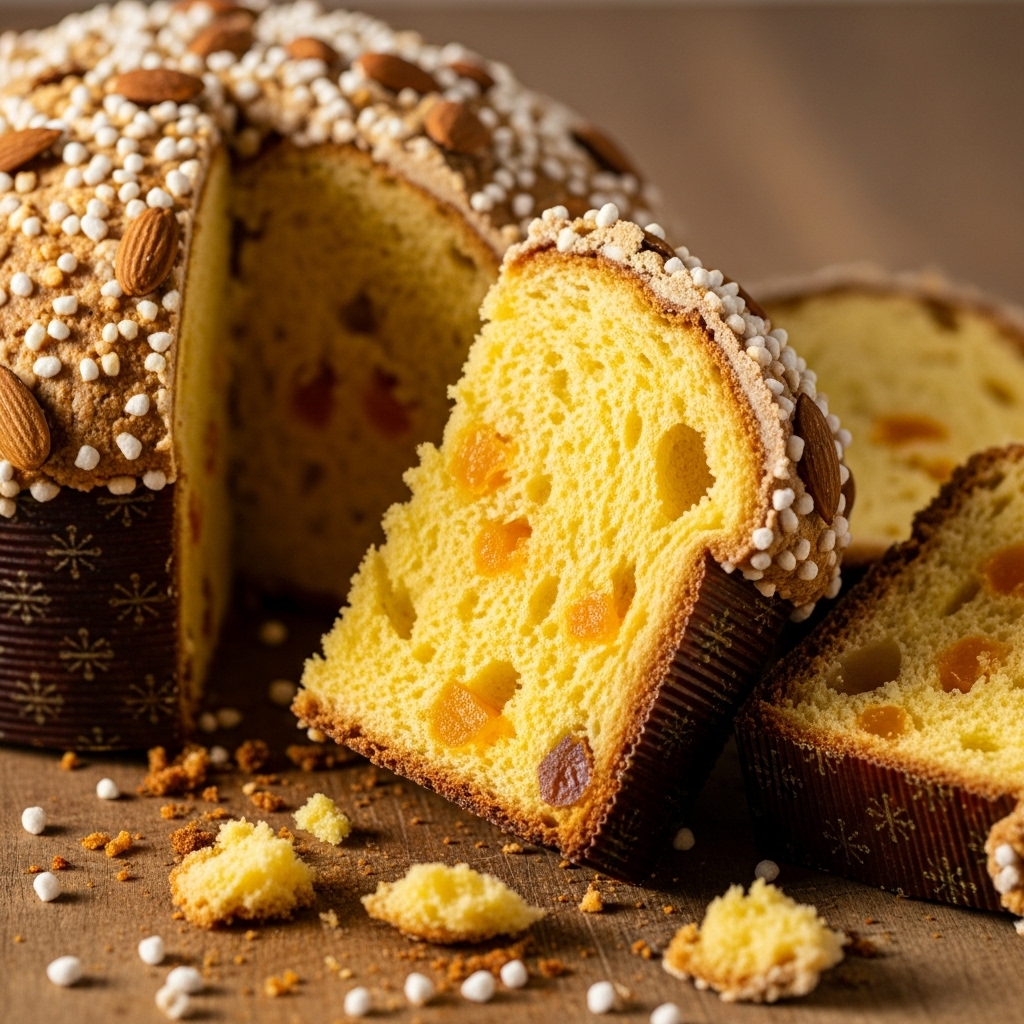
Go classic with candied fruit and a handful of raisins for bright, chewy bites in every slice. Choose soft candied orange and cut larger peels finer so they blend evenly.
Chocolate options for lovers
For chocolate fans, fold dark mini chocolate chips into the dough; chocolate chips disperse well and won’t weigh the loaf down. To add chocolate beyond chips, glaze the cooled loaf with melted dark chocolate for a glossy finish.
Vanilla-forward or citrus-boosted versions
Skip fruit for a pure vanilla lift, or boost citrus with extra orange zest and a touch of lemon peel for fresh brightness. Keep total add-ins moderate so the dough rises freely.
- Timing tip: add mix-ins during the second mix to protect structure.
- Soft store-bought candied fruit works best; avoid dry cubes.
- Chocolate-covered variants pair well with a lighter almond glaze.
| Variant | Key add-ins | Effect |
|---|---|---|
| Classic | Candied fruit, raisins | Sweet, citrusy bites |
| Chocolate | Chocolate chips, dark glaze | Rich, modern dessert feel |
| Citrus/Vanilla | Extra zest, lemon peel, vanilla | Bright, aromatic crumb |
Storage, Freshness, and Make-Ahead Tips
Plan ahead: simple wrapping and timing keep slices soft and ready for morning coffee. Once the loaf is completely cool, I seal it airtight and store at room temperature for short-term use.
Room-temperature care
Store cooled loaf in an airtight plastic bag at room temperature for 3–4 days to preserve moisture and aroma. If your kitchen is warm, shorten that time and freeze part of the loaf to save quality.
Freezing and thawing
For longer holds, wrap tightly in plastic and foil and freeze up to 1–2 months; label with date. Thaw overnight in the refrigerator, then warm slices gently in a low oven (about 300°F / 150°C) for 5–10 minutes.
- Avoid microwaving the whole loaf; brief low-heat warming of individual slices is fine.
- If toppings lose crunch, re-crisp in a hot oven for a minute or two.
- Slicing only what you’ll serve saves time and reduces waste.
- No need for a small cup of water in the oven when reheating—dry, gentle heat revives tenderness.
| Storage method | Window | Best practice |
|---|---|---|
| Room temperature | 3–4 days | Airtight bag, cool spot |
| Freezer | 1–2 months | Plastic then foil; label date |
| Reheat | Minutes per slice | 300°F/150°C for 5–10 min |
Leftovers shine the next day as French toast or bread-and-butter pudding—its enriched crumb soaks custard beautifully. For tips on refreshing crusts and handling similar loaves, see a useful ciabatta guide: ciabatta guide. These small steps make holiday planning easier and keep our table true to italian easter tradition.
Serving Ideas for Brunch and Dessert
A well-made loaf deserves a simple, elegant table. I like to set out small bowls and let people build their own slice.
With coffee, tea, or prosecco
Serve generous slices with espresso or cappuccino to start the morning. For a festive brunch, offer a chilled glass of prosecco that brightens citrus and almond notes.
Fresh berries, mascarpone, whipped cream, or preserves
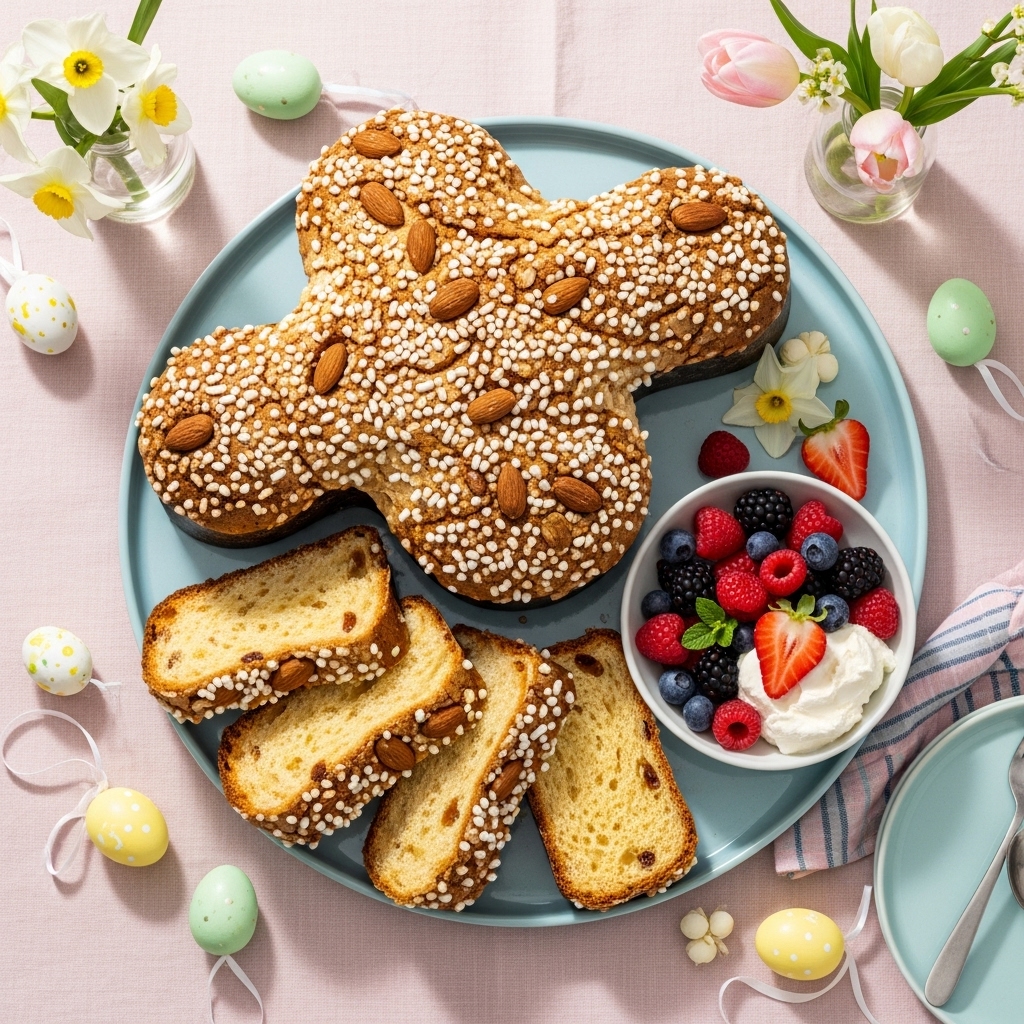
Lay out strawberries, raspberries, and blueberries so guests add tartness to each bite. Offer mascarpone, softly whipped cream, or a jar of preserves for easy customization.
- Garnish the platter with whole almonds and a light sprinkle of pearl sugar for sparkle.
- Keep slices thin—a little goes a long way with this rich, cake-like loaf.
- Serve a small cup of syrupy preserves alongside for those who want extra sweetness.
Day-two treats: French toast or bread-and-butter pudding
Thicker slices make dream French toast; the enriched crumb soaks custard evenly. Or cube leftovers for a bread-and-butter pudding with orange zest and vanilla for a cozy dessert.
| Pairing | Why it works | Serving tip |
|---|---|---|
| Espresso or cappuccino | Balances sweetness with bitter notes | Serve on small cups; one shot per slice |
| Prosecco | Light fizz lifts citrus and almond aromas | Chill bottles well; pour sparingly |
| Fresh berries & cream | Tart fruit cuts richness; cream adds silk | Arrange bowls so guests customize plates |
For a celebratory finish, we say “Buona Pasqua!” and pass the platter—sharing this italian easter cake or colomba pasqua feels like passing a little tradition from our kitchen to yours.
Conclusion
Bring the dough to the table and you bring a quiet, hopeful ritual into your home. Trust the process: start the bake at 350°F then finish near 325°F, and aim for about 190°F inside for the tender, shreddable crumb we love.
Keep notes on rise minutes, oven behavior, and how much flour you add. Use good flour, fresh yeast, and unsalted butter; measure salt and sugar carefully. Mix the almond glaze, beat the egg white just enough, then scatter pearl sugar and press a few whole almonds on top.
Store the loaf airtight for 3–4 days or freeze up to 1–2 months. From our kitchen to yours: take your time, enjoy the steps, and make this traditional Italian loaf your family’s new spring ritual. Buona Pasqua.
Traditional Italian Colomba Pasquale (Easter Dove Bread)
Ingredients
Method
- Mix lukewarm milk/water, honey, and yeast in a small bowl.
- Add enough flour to make a thick batter.
- Cover and let sit 1–6 hours (or overnight) until bubbly and tripled.
- In a large bowl, combine flour, starter, sugar, and salt.
- Add milk and one egg. Mix until it starts coming together.
- Add softened butter in small pieces and knead until smooth and slightly tacky.
- About 15–25 minutes by hand or 8–12 minutes in a stand mixer.
- Cover the bowl and let the dough rise until doubled or tripled.
- Usually 1½–3 hours depending on room temperature.
- Punch down the dough.
- Add the second egg and a little flour at a time.
- Add softened butter and knead again until the dough is elastic and clears the sides of the bowl.
- Work in orange zest and any add-ins (candied fruit or chocolate).
- Mix only until evenly spread.
- For the dove shape:
- Form one large log for the body.
- Form a smaller log and place it crosswise as wings.
- Place in a dove mold, loaf pan, or high-sided cake pan.
- Let rise 2–4 hours until doubled and puffy.
- The dough should spring back slowly when poked.
- Whisk the egg white until frothy.
- Add sugar and almond meal (and cornstarch if using).
- Mix into a thick, brushable paste.
- Gently brush glaze over the risen dough.
- Scatter pearl sugar across the top.
- Press whole almonds into the glaze.
- Preheat oven to 350°F (175°C).
- Bake 20–30 minutes, then lower to 325°F (160–165°C).
- Continue baking 10–30 minutes, depending on mold size.
- Check for internal temperature of 190°F (88°C).
- Cool in the mold for 10–15 minutes.
- Transfer to a rack and let cool completely before slicing.
Notes
- Don’t rush the rising times—this bread needs patience more than skill.
- Use oiled hands instead of extra flour to keep the dough soft.
- A loaf pan works fine if you don’t have a dove mold.
- Stale slices make perfect French toast or bread-and-butter pudding.
- A thermometer is the best way to avoid underbaking or drying out the loaf.