
Jump to Recipe
There’s a quiet moment after a good meal, when the plates are nearly cleared. The conversation slows, and the real magic begins. Choosing the right final sip isn’t about rules; it’s about creating a moment that feels complete.
This approach to ending a meal is less about strict guidelines and more about understanding how flavors talk to each other. It’s a simple dance of sweetness, acidity, and texture on your palate. Italy’s tradition in this area is deep, with each region offering bottles that tell a story of local soil and generations of know-how.
You don’t need a rare bottle or special training. A little curiosity is your best tool. This guide walks you through the principles, from regional classics to creative ideas that work in any home. For a broader look at this culinary tradition, understanding a few key concepts gives you the confidence to experiment.
Whether it’s a simple weeknight treat or a celebration, the right choice elevates the entire experience. It turns something sweet into a memorable finish.
Key Takeaways
- Focus on how flavors interact and balance each other, not on rigid rules.
- Italy’s diverse regions produce distinct dessert wines reflecting local history.
- Successful pairings rely on harmony between sweetness, acidity, and texture.
- You can create beautiful combinations at home without expert knowledge.
- Experimenting based on a few core principles leads to personal discoveries.
- The goal is to enhance the meal’s finale, making it more memorable.
Setting the Scene: The Art of Italian Dessert Wine Pairing
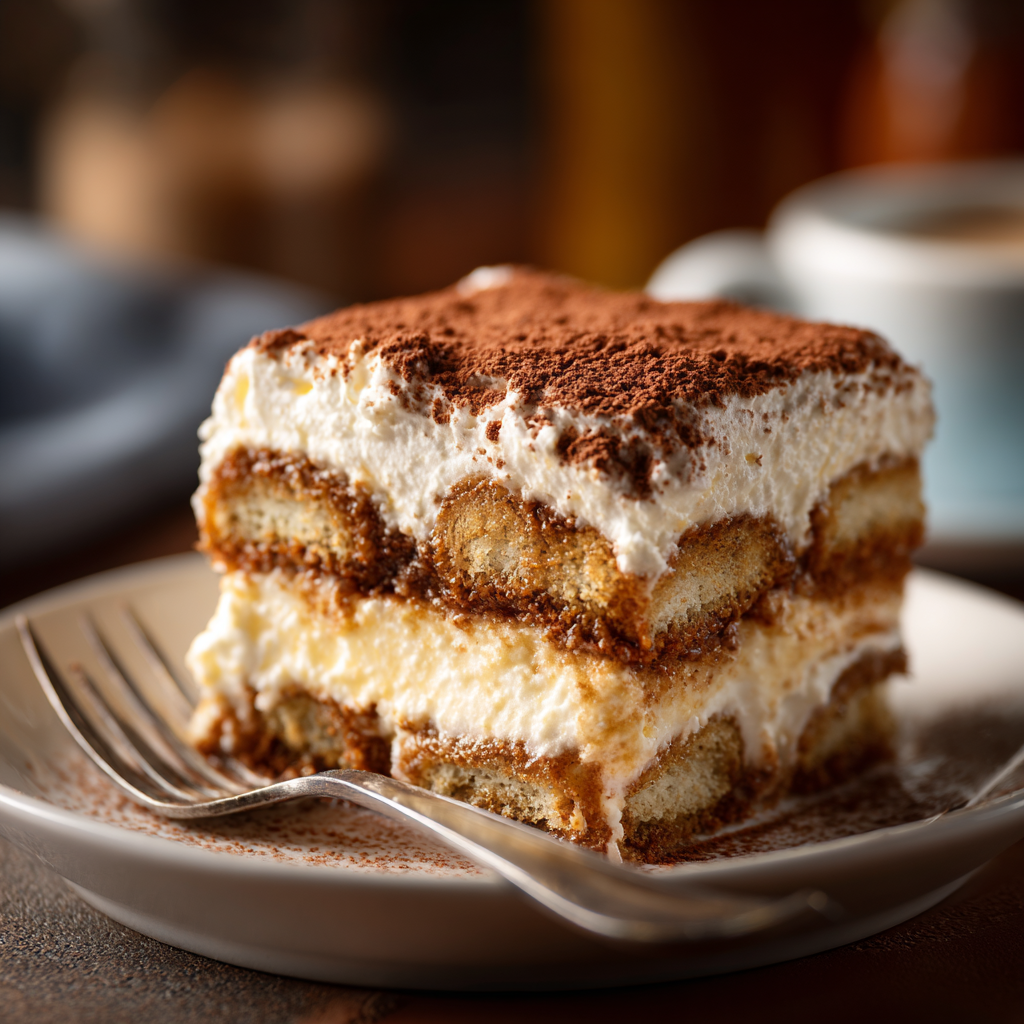
The Italian approach to concluding a meal is deeply rooted in a sense of place and history. This final act is a thoughtful tradition, not a rushed ending.
Understanding Italian Wine Traditions
In Italy, the culture of enjoying a glass with a meal is woven into daily life. The choice for the sweet course reflects regional identity and family custom. It’s a natural part of the dining experience.
The country’s 20 wine-producing regions and over 500 grape varietals create incredible diversity. Bottles from Piedmont’s delicate sparklers to Sicily’s rich passitos tell different stories. This variety means there is always a new discovery.
Look for labels with DOC or DOCG designations. These are governmental guarantees of origin and quality. DOCG represents the highest standard, offering reliability when you select a bottle.
The Cultural Significance of Dessert Wines
These traditions honor the rhythms of the harvest. Techniques like drying grapes on straw mats connect the process to the seasons and cultural rituals. It’s a practice passed down through generations.
It’s important to note that these beverages aren’t always intensely sweet. Many balance fruit, acidity, and a subtle sweetness. They are designed to complement the final course, not overwhelm it.
Understanding this context helps you see why certain combinations work so well. It’s about regional harmony. Local ingredients have evolved together over time, creating perfect matches.
This knowledge isn’t just academic. It guides your choices, helping you select something authentic and appropriate for the sweet treat you are serving.
Exploring Signature Italian Dessert Wines
Italy’s landscape of sweet wines is as varied as its geography, offering distinct experiences for the final course. These beverages showcase remarkable diversity in style and character.
Moscato d’Asti and Its Unique Freshness
Moscato d’Asti stands as perhaps the most recognized Italian dessert wine. This Piedmont creation comes from Moscato Bianco grapes.
It features a gentle fizz and pale color with just 5.5% alcohol. The taste reveals delicate sweetness with hints of orange blossoms.
Producers preserve freshness by refrigerating unfermented juice. They ferment only when orders arrive. This light, fragrant bottle works well with fruit-based final courses.
Vin Santo, Recioto, and Other Passito Wines
Passito wines involve drying grapes on straw mats to concentrate sugars. This traditional technique creates depth and complexity.
Vin Santo, or “Holy Wine,” comes from Tuscany and Umbria. Trebbiano and Malvasia grapes dry for months before pressing.
The juice ages for years in small caratelli barrels. These barrels lose volume slowly, exposing the wine to air. The result is an amber color with apricot scent and smooth caramel notes.
Recioto della Valpolicella holds DOCG designation from Veneto. Corvina, Corvinone, and Rondinella grapes wither for about 200 days.
Fermentation stops deliberately to preserve natural sweetness. This “meditation wine” invites slow sipping and contemplation.
Other notable passito wines include Passito di Pantelleria from Sicily’s tiny island. Ramandolo offers Friuli’s only DOCG area with Verduzzo Giallo grapes. Brachetto presents a red sparkling option with floral aromas.
wine pairing with italian desserts: Expert Guidelines for a Perfect Match
The final pairing of your evening should create harmony, not competition, between what’s in your glass and on your plate. Getting this balance right makes the experience memorable rather than overwhelming.
Balancing Sweetness, Acidity, and Texture
Your selection should match or slightly exceed the sweetness level of your sweet course. Otherwise, the food can make the beverage taste thin or sour.
Acidity plays a crucial role in cutting through rich, creamy textures. It prevents the combination from feeling heavy on your palate.
Consider texture carefully. A light, fizzy option complements delicate cakes beautifully. A richer, more viscous style stands up better to dense, sticky final courses.
Key Considerations for Flavor Pairings
Identify the dominant tastes in your sweet dish—chocolate, citrus, berries, or nuts. Look for complementary notes in your selection.
Temperature matters significantly. Cold dishes tend to be more accommodating than warm ones, which can emphasize alcohol harshness.
Remember these are helpful frameworks, not rigid rules. Your personal taste should always guide the final decision.
Practical Tips to Pair Italian Desserts with Wine
Let’s translate those principles into specific, actionable advice for your table. Moving from theory to real examples makes the process clear and rewarding.
Techniques for Matching Tiramisu and Other Classics
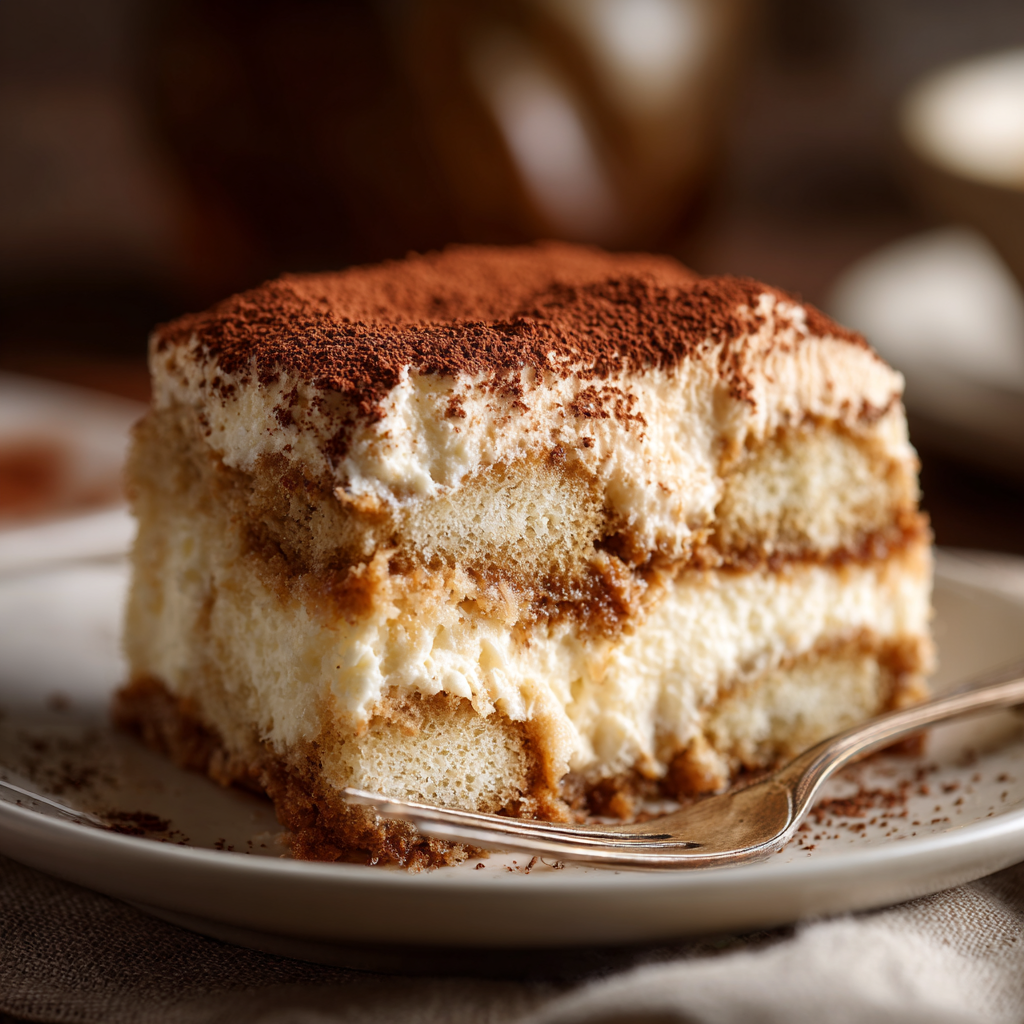
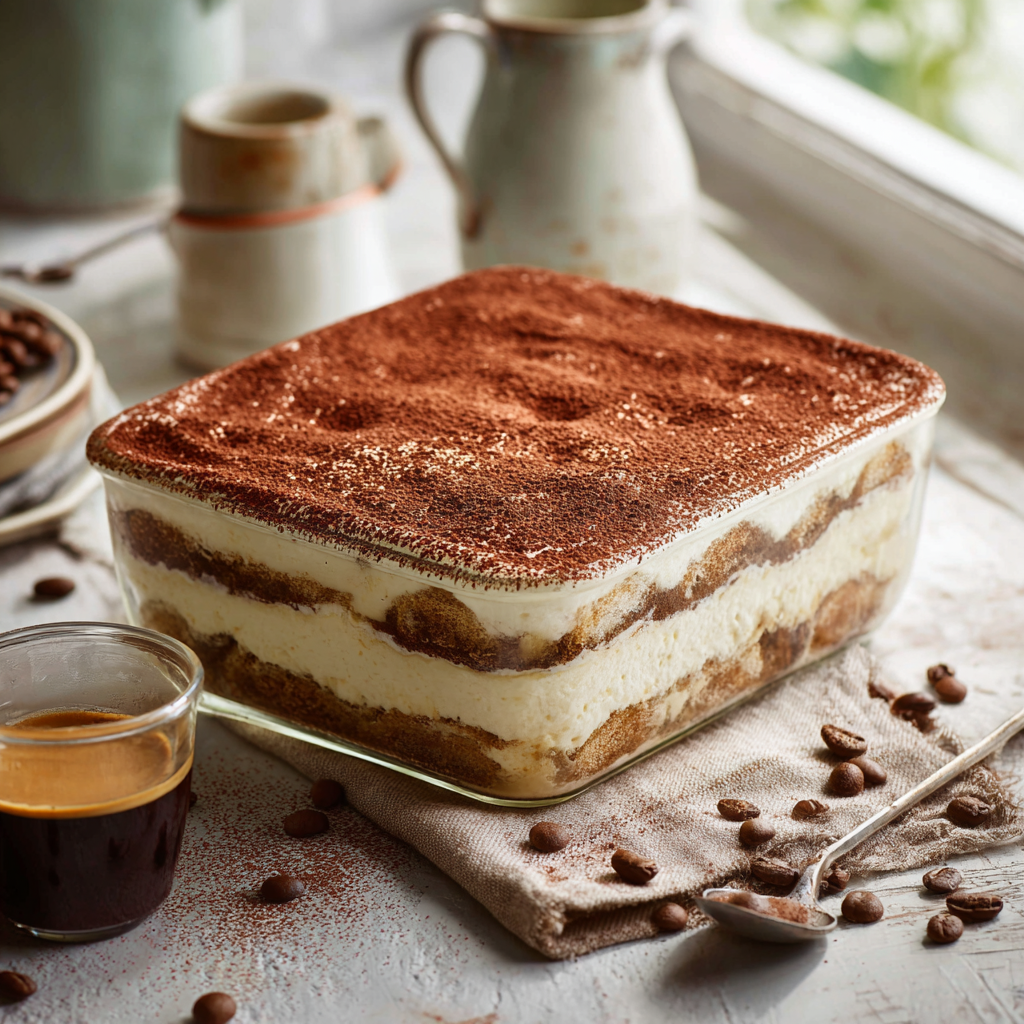
Start with tiramisu. Its layers of espresso-soaked ladyfingers and mascarpone cream need a beverage that cuts through the richness. I find Moscato d’Asti works beautifully.
Its gentle fizz and orange blossom notes refresh the palate against the dense cream. Vin Santo is another excellent choice. Its caramel and nut flavors echo the dessert’s depth.
For berry-based dishes like a fresh strawberry crostata, look to light-bodied reds. Their natural fruit character mirrors the berries perfectly. Citrus final courses, like an Amalfi lemon tart, pair well with zesty whites.
Their bright acidity complements the tartness. When chocolate is the star, match the intensity. Fruity reds suit milk chocolate, while complex, aged styles stand up to dark cocoa.
Enhancing Your Dining Experience with Thoughtful Pairings
Caramel-based food, such as crème caramel, requires a selection with pronounced acidity to balance its sticky sweetness. Spiced dishes like panettone harmonize with passito styles that have barrel-aged spice notes.
Always consider serving temperature. A slight chill (around 45-50°F) preserves refreshing acidity. Too cold, and you lose the delicate aromas.
Start with small pours of 2-3 ounces. These are concentrated, and a little goes a long way at the end of your meal. This prevents palate fatigue and lets you savor each sip.
Creative Approaches to Unconventional Wine and Dessert Combinations
Some of the most memorable flavor experiences come from unexpected pairings that defy tradition. Once you grasp the basic principles, you can confidently explore beyond classic matches.
Experimenting with Bold Flavors and Unique Pairings
Consider Brachetto, a sweet red sparkling option. It works wonderfully with chocolate treats but also shines with cured meats and aged cheeses. This creates an intriguing aperitivo-dessert crossover.
White chocolate offers a versatile canvas for red selections. A Pinot Noir Riserva can create a berries-and-cream impression against its subtle sweetness. The combination feels both familiar and novel.
Salty-sweet final courses like salted caramel brownies present interesting opportunities. Salt enhances fruit perception in your glass and balances sweetness. Both sweet and dry styles can work beautifully here.
Don’t overlook cheese courses served as dessert. Assertive blues like Gorgonzola pair magnificently with sweet passito options. The contrast creates complex, lingering flavors on your palate.
Sparkling reds like Lambrusco cut through rich chocolate cake with their bubbles and slight tannins. Serving reds slightly warmer (around 55°F) softens tannins and allows spice notes to emerge more fully.
Personal preference matters most in these explorations. Some prefer their glass sweeter than the food, while others want it drier to cleanse the palate. Both approaches have merit depending on the experience you seek.
Keep notes on combinations you try at home. Building your own reference library through direct experience is the best way to develop your taste. Many excellent Italian options offer outstanding quality at accessible prices.
Wrapping Up: Savoring Every Sip and Bite
Building confidence in selecting the right final sip comes not from memorizing charts but from trusting your own palate through thoughtful experimentation. The best combinations emerge when you focus on balance rather than rigid rules. Each tasting teaches you something new about how flavors interact.
Italy’s remarkable diversity means you’ll always find new discoveries. Authentic production methods and regional traditions create beverages that genuinely reflect their origin. Whether you choose a light sparkling option or a rich passito style, quality shines through.
Start with one or two bottles mentioned here and taste them alongside different sweet dishes. Share these experiences with friends around the dinner table. The journey of discovery continues with each meal, creating memorable moments that extend beyond the food itself.
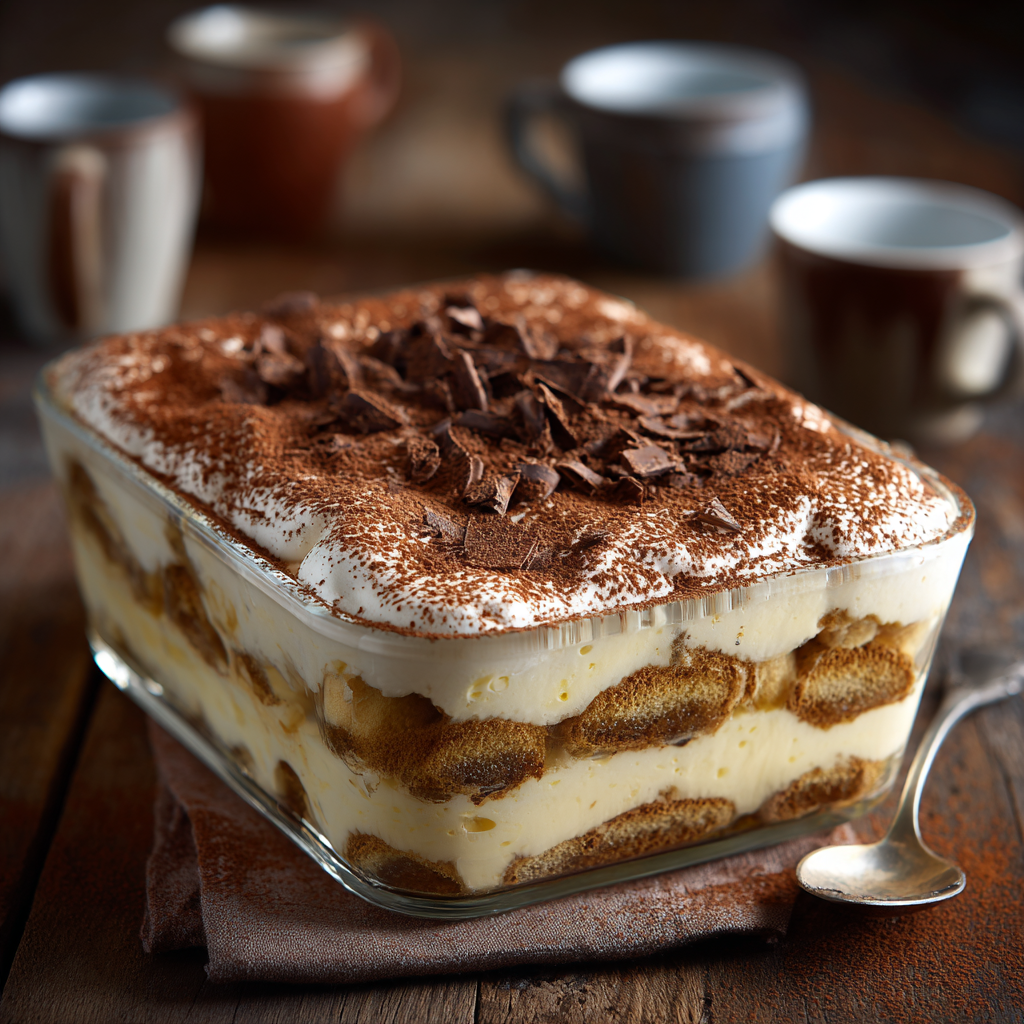
Tiramisu
Ingredients
Method
Notes
- If you prefer an alcohol-free version, omit the coffee liqueur.
- Use fresh mascarpone cheese for the best flavor and texture.
- For a more intense coffee flavor, use a stronger espresso or coffee.